
Quick report
- Cracking
- isolated
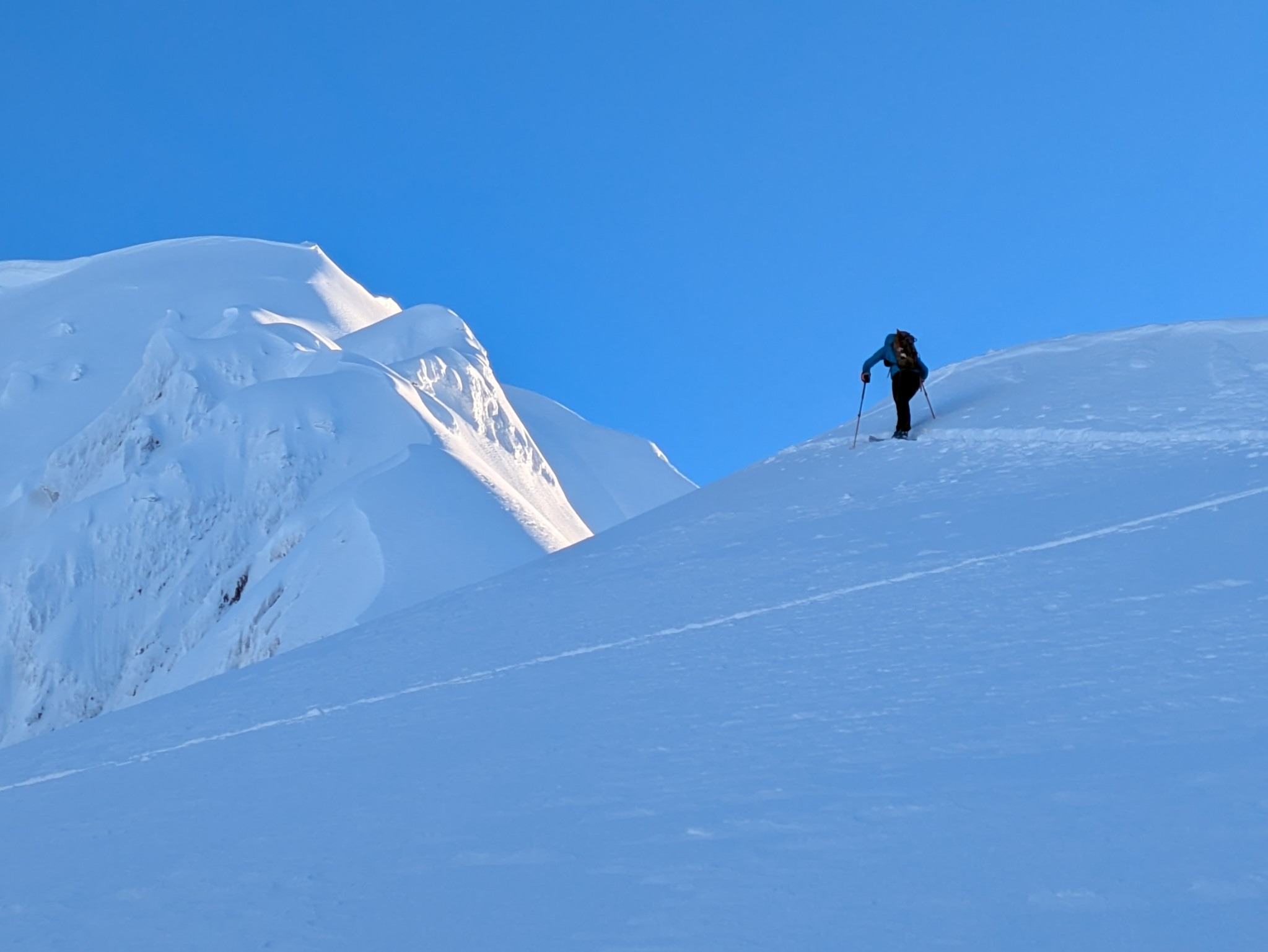
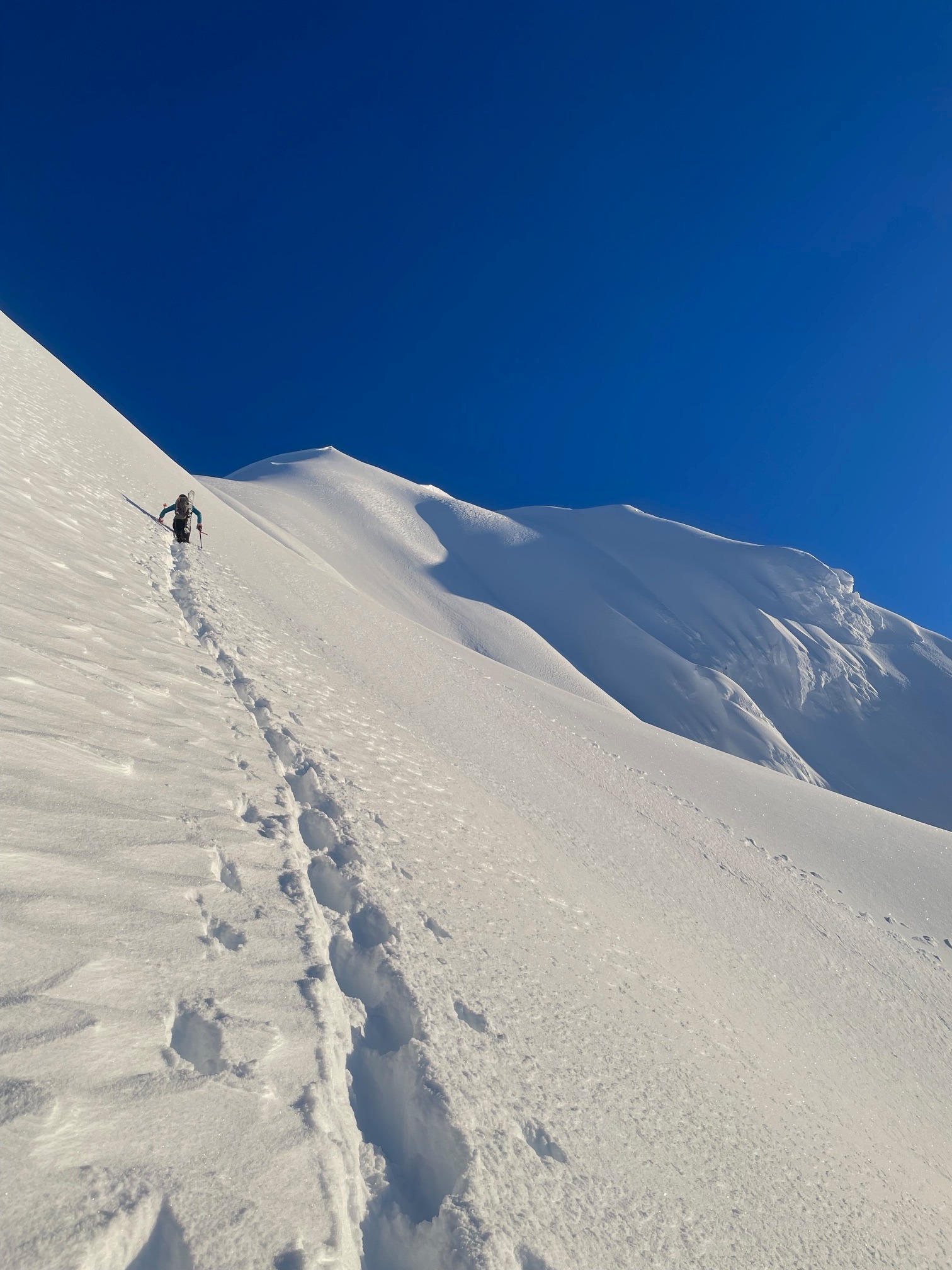
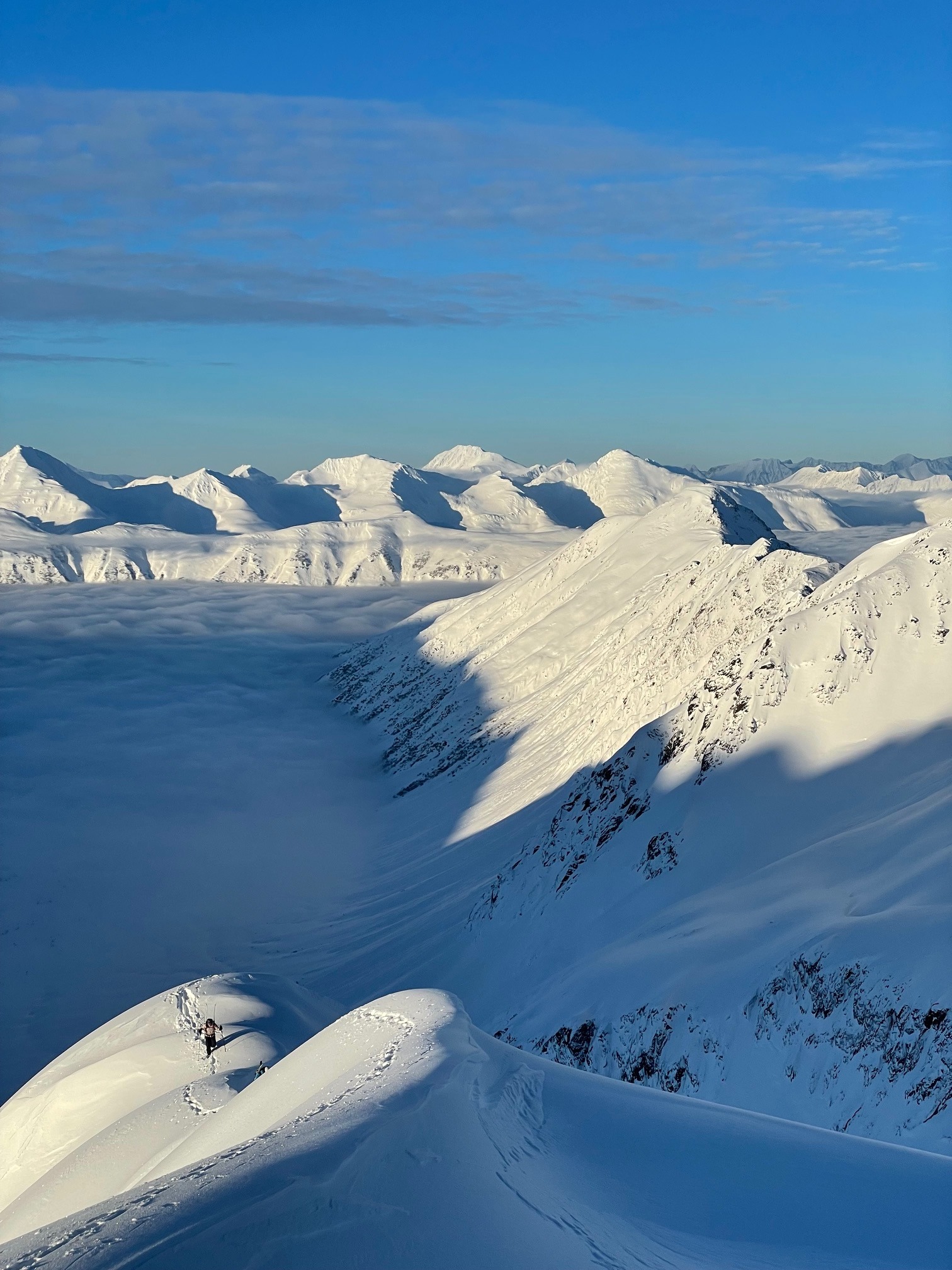
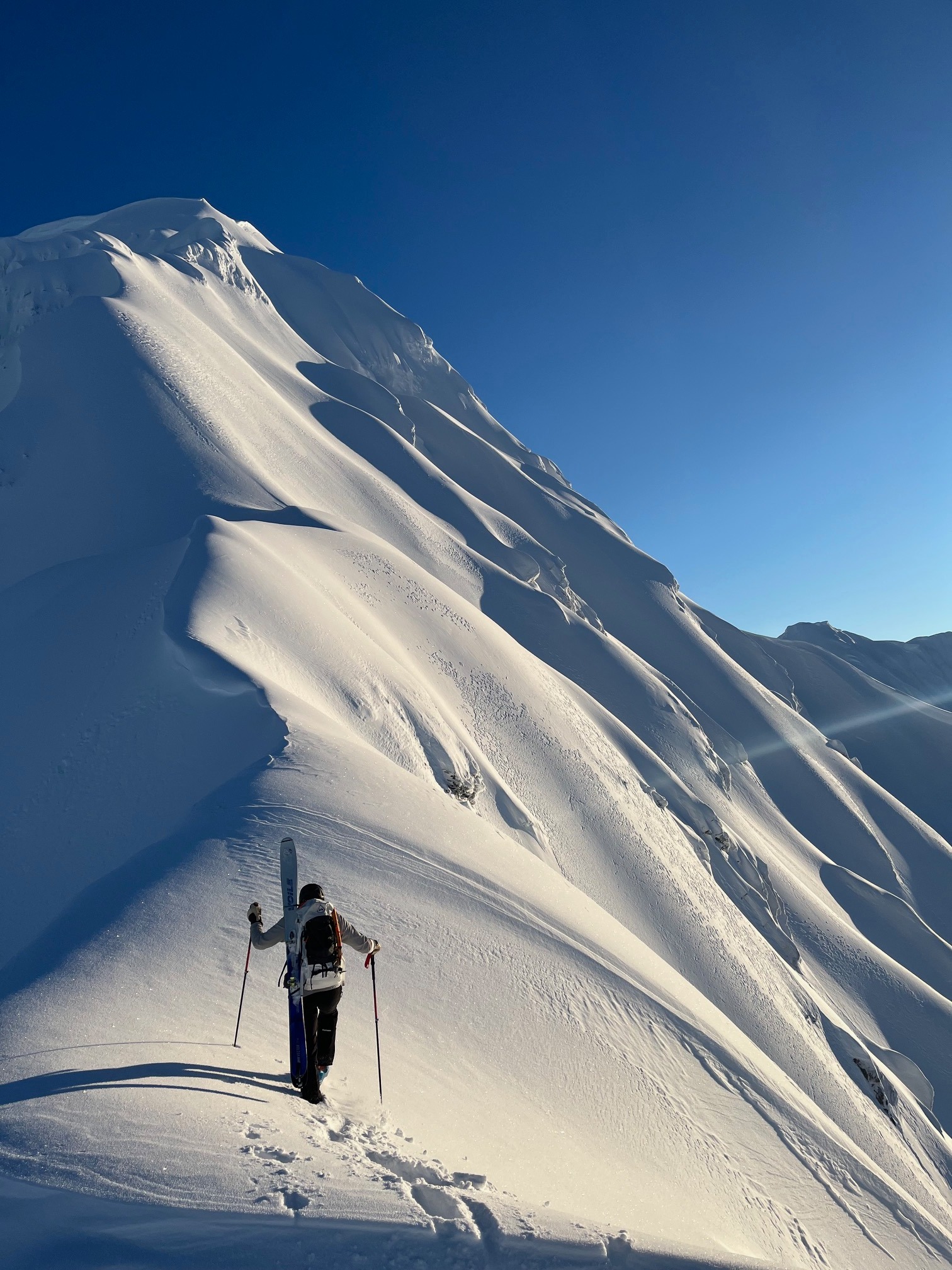
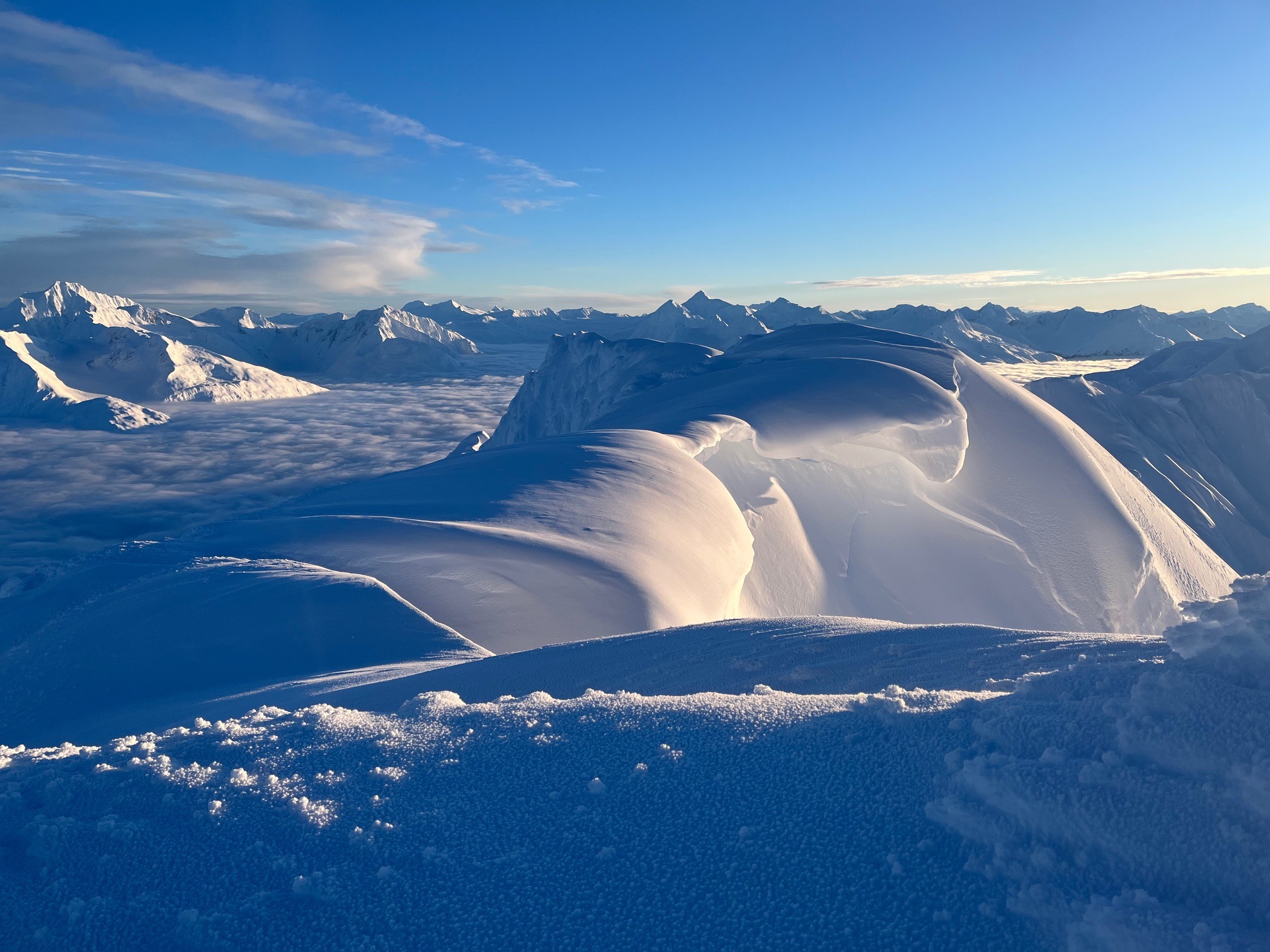
We toured up Tin Can standard up-track then cut into the valley toward Kickstep in the early morning light. Temps were in the 20's with light wind. We started in the pea soup, but came out above the clouds near the library. The lower part of the library was a mess of frozen wet-slide debris, exposed rock cliffs, and numerous glide cracks cutting across the lower1/3-2/3 of the runs. We observed a couple down-tracks and one up track in the library. Avalanche debris and glide cracks covered with ~3-6" of snow, suggesting no recent activity. Touring in the valley easy, with 2-4" of soft powder on top of rock-hard rain crust. Surface hoar was present on the top ~1" or so all the way up the valley. Base of kickstep was windboard in the area where wind is funneled, but turned to 3-6" dense powder and then more on the ridge. Lots of rocks observed in the lower 1/3 of Kickstep with just a couple lines (maybe just one?) filled in. Some areas that looked "filled-in" from afar were actually "chocolate chip" with some shallow rocks. West side was very bony, and needs more snow. We cautiously explored the ridge up Kickstep finding ~2-3' of dense, right-side up powder and NO movement whatsoever. We observed no recent avalanche activity, no cracks, no collapsing, very little sloughing on the ridge. This encouraged us to continue. The light was a little flat in the shadows within the descent gullies (South side), but we did not observe obvious wind-texture in the gullies. We observed a couple of old, possibly syn-storm, crowns on the upper margins of the gullies, paralleling the spines on the south side. The gullies up high were largely filled in and the texture in the gullies appeared pockmarked (i.e. soft) with a few "smooth" areas. The snow on the main ridge remained deep (2-3'), dense and consistent up to the summit. Summit cornice was fairly small and easy to overcome. The cornices beyond the summit were at least 10-20' tall and overhanging. We skied the south face to the standard gully down. Sadly, the snow in our South gullies changed about 1/3 of the way down when we were in the gullies. We found numerous, isolated, thin (<3-4") but reactive wind-slabs in the gullies perched above the rock cliffs. I believe the smoother-surfaced snow was wind-slab. Cracks ~2-3' long were observed in 2-3" in the wind-slabs, but these slabs were no larger than about 4-6' wide patches. We progressed very cautiously, and we got better at interpreting the snow surface and avoided broader wind-loaded areas as we went. All in all this was a great run, but one that we ended up cautiously picking our way down. These observations are consistent with the avalanche problems that CNFAIC highlighted for the day. My advice is to wait for it to fill in more. We did our best to mitigate this issue and had a great day out. I hope this is helpful! Be safe out there.