
Quick report
Avalanche concerns have subsided significantly since the winter storm over the weekend. While wind-transported snow is the main concern headed into the backcountry, there is less snow available for transport than one would expect with given storms, with many surfaces wind-pressed, hardened, and scoured. Wind-loaded slopes proved to be stubborn to unreactive.
Despite extreme winds and previous and ongoing wind loading, no significant indicators of instability were observed. See the avalanche section for more information on the significance of avalanches observed.Weather
- Air Temp
- Below 0°F
- Cloud Cover
- scattered
- Wind Loading
- intense
- Snow Avail For Transport
- moderate amounts
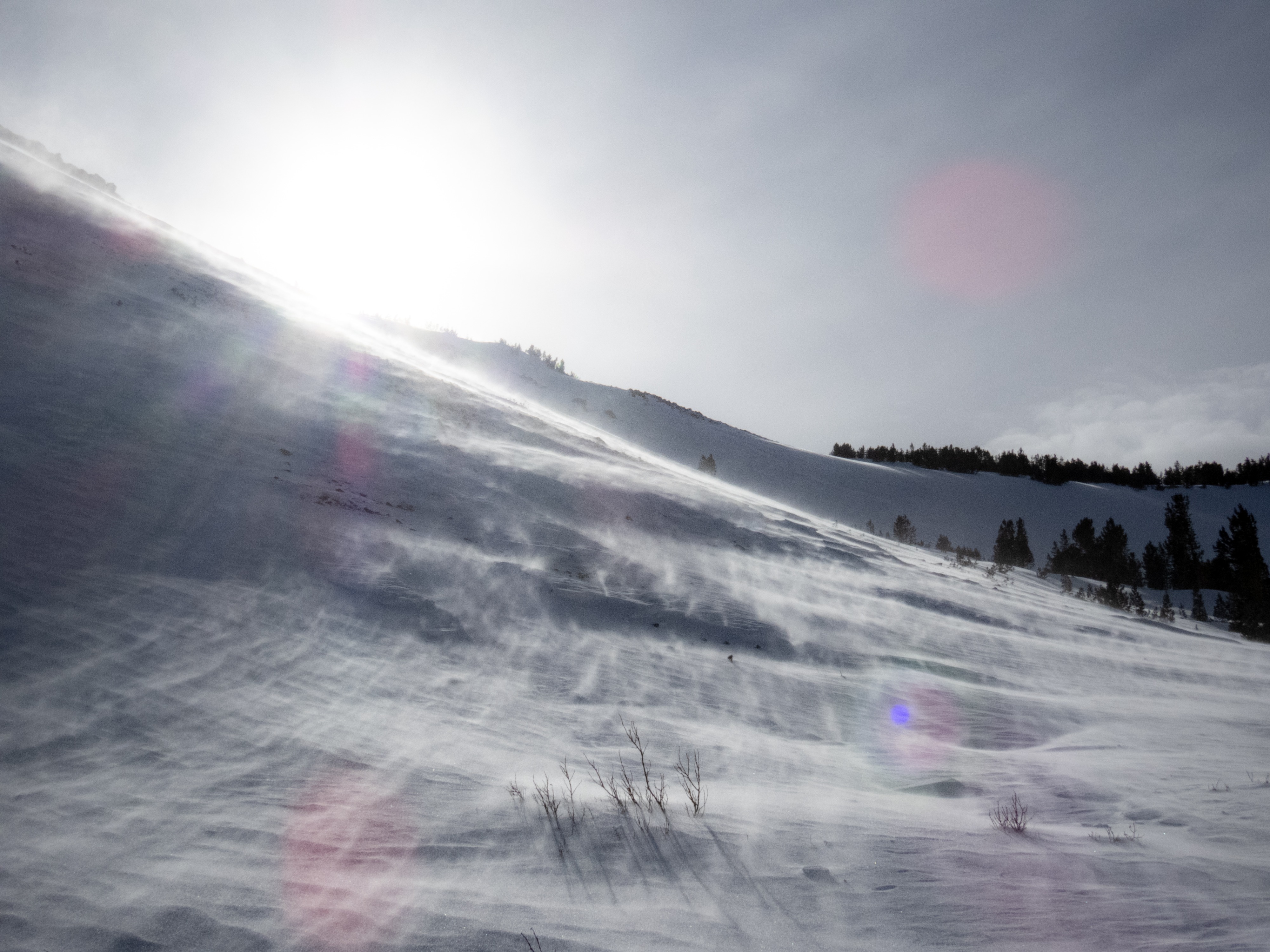
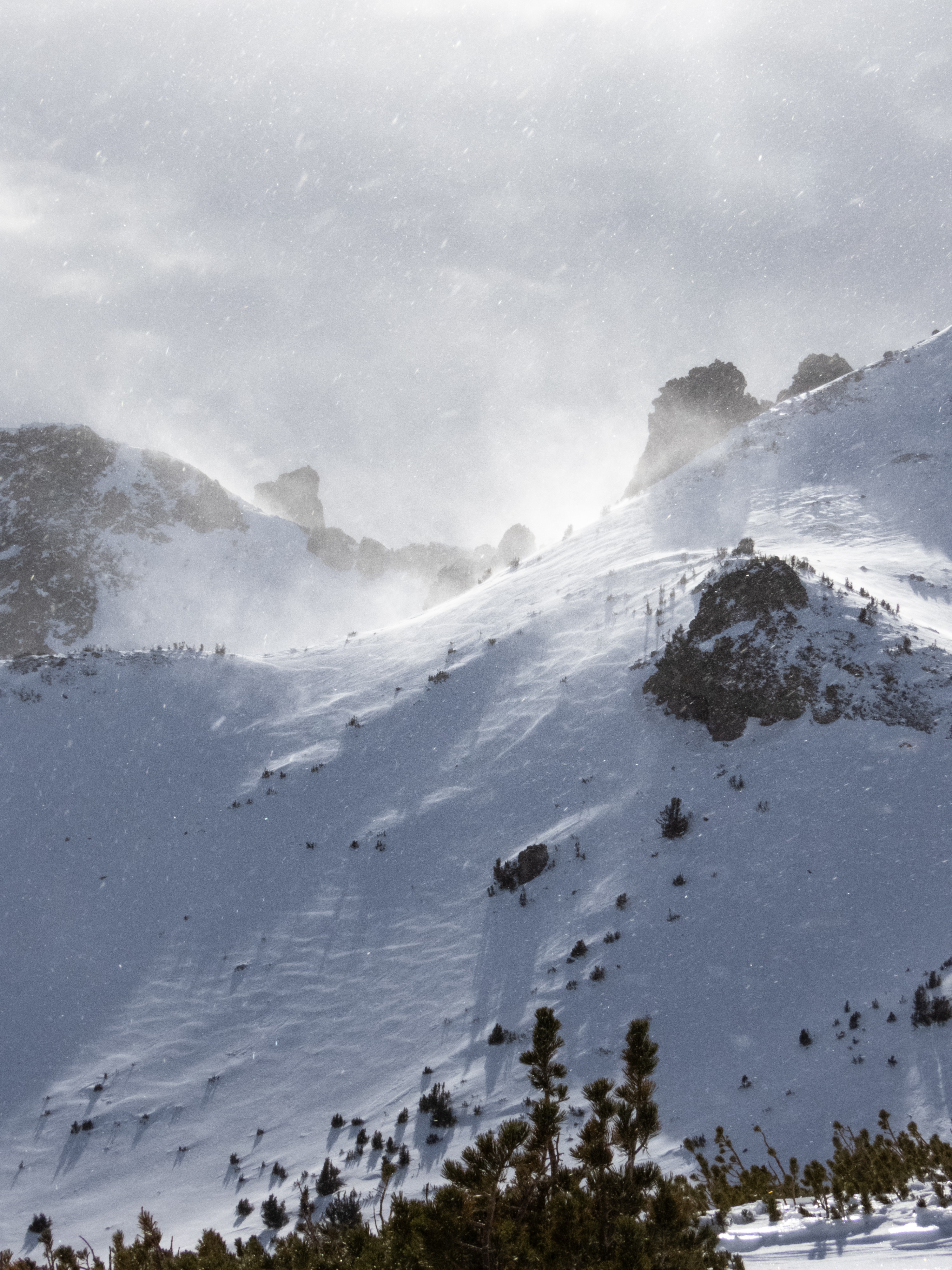
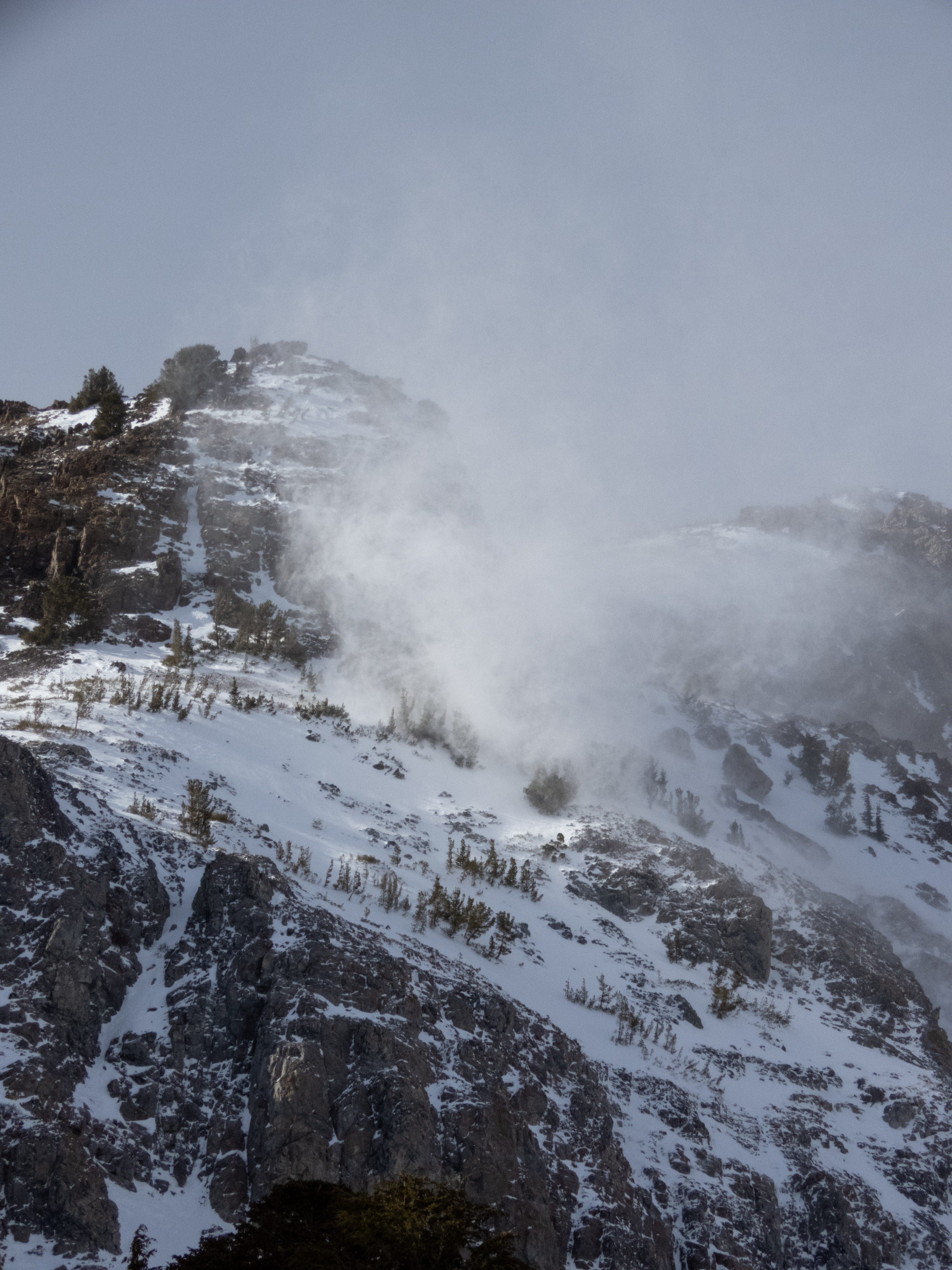
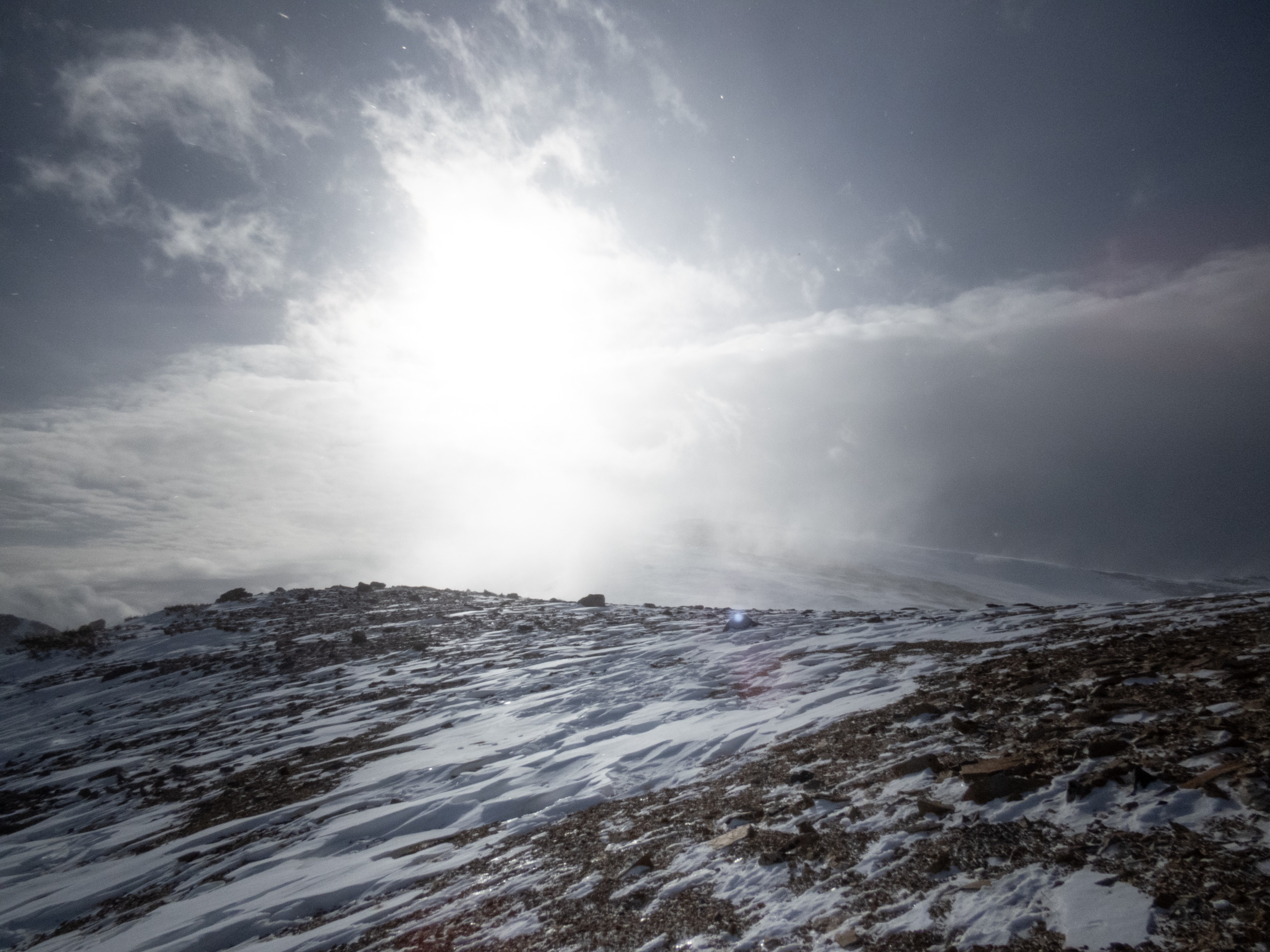
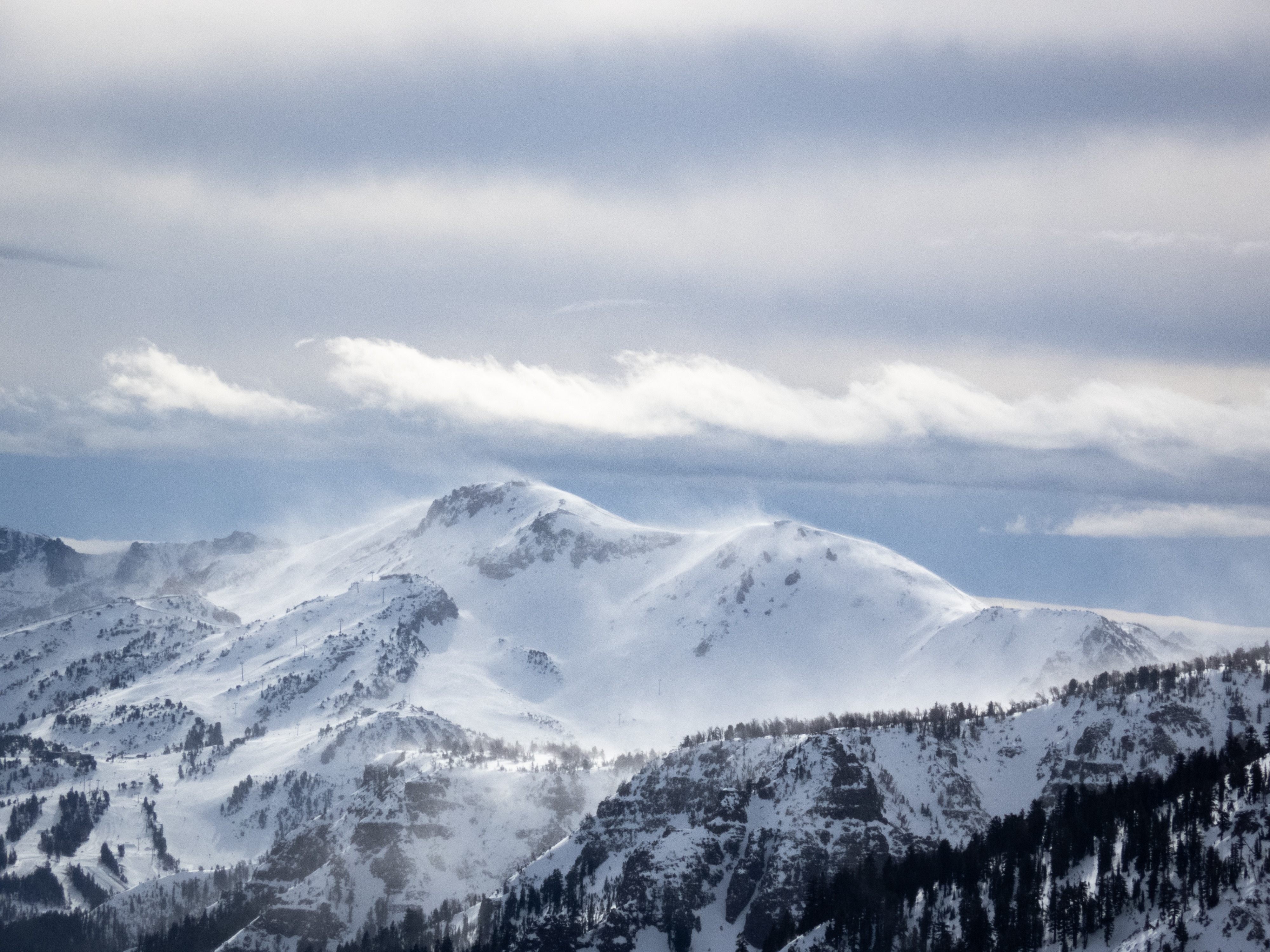
Leaving the ski area boundary from top of J7 around 11:00, strong S/SW winds gusted well into the extreme. While there were brief periods of three to five minutes of moderate wind speeds, these were small pockets, while gusts blew well into the extreme (60-70mph). Winds increased into the afternoon, with squalls strong enough to make you stumble and pause travels while walking along the ridgeline to the Negatives. While there was less snow available for transport than you'd expect after a storm — due to most surfaces being wind-pressed, hardened, or stripped — any amount of free snow was being transported. A good day for a dermabrasion facial via decomposing fragments, courtesy of Mother Nature.
Snowpack
Overall, avalanche concerns have significantly decreased since our storm over the weekend. While wind-transported snow is the main concern headed into the backcountry, there is less snow available for transport than one would expect with given storms, with many surfaces wind-pressed, hardened, and scoured. Wind-loaded slopes proved to be stubborn to unreactive. Approaching the ridge to the Negatives via the Hourglass, I dug a pit on a N-facing wind-loaded slope near 9830'. HS was 106cm, with 44cm of new snow. The snowpack was progressively well-settled storm snow on top of a crust/facet interface. Upon investigating this interface both with multiple CTs and trying to trigger avalanches on test slopes, I received stubborn to unreactive results. While there were varying interfaces within the storm and wind-deposited snow, they did not prove to be reactive or of concern in my travels.
The wind continues to shape the landscape in the mountains. While new, large wind slab development is not likely, small wind-loaded pockets in confined terrain and micro-terrain features were a primary concern on my mind while walking into the hills. Variable surfaces and continued low coverage are also worthy considerations for those seeking steep terrain. This last storm brought some snow, but unfortunately did not change coverage much.
Avalanche
- Size
- D1.5
- Count
- 2
- Aspect
- S
- Trigger
- N
- Elevation
- 10800 ft
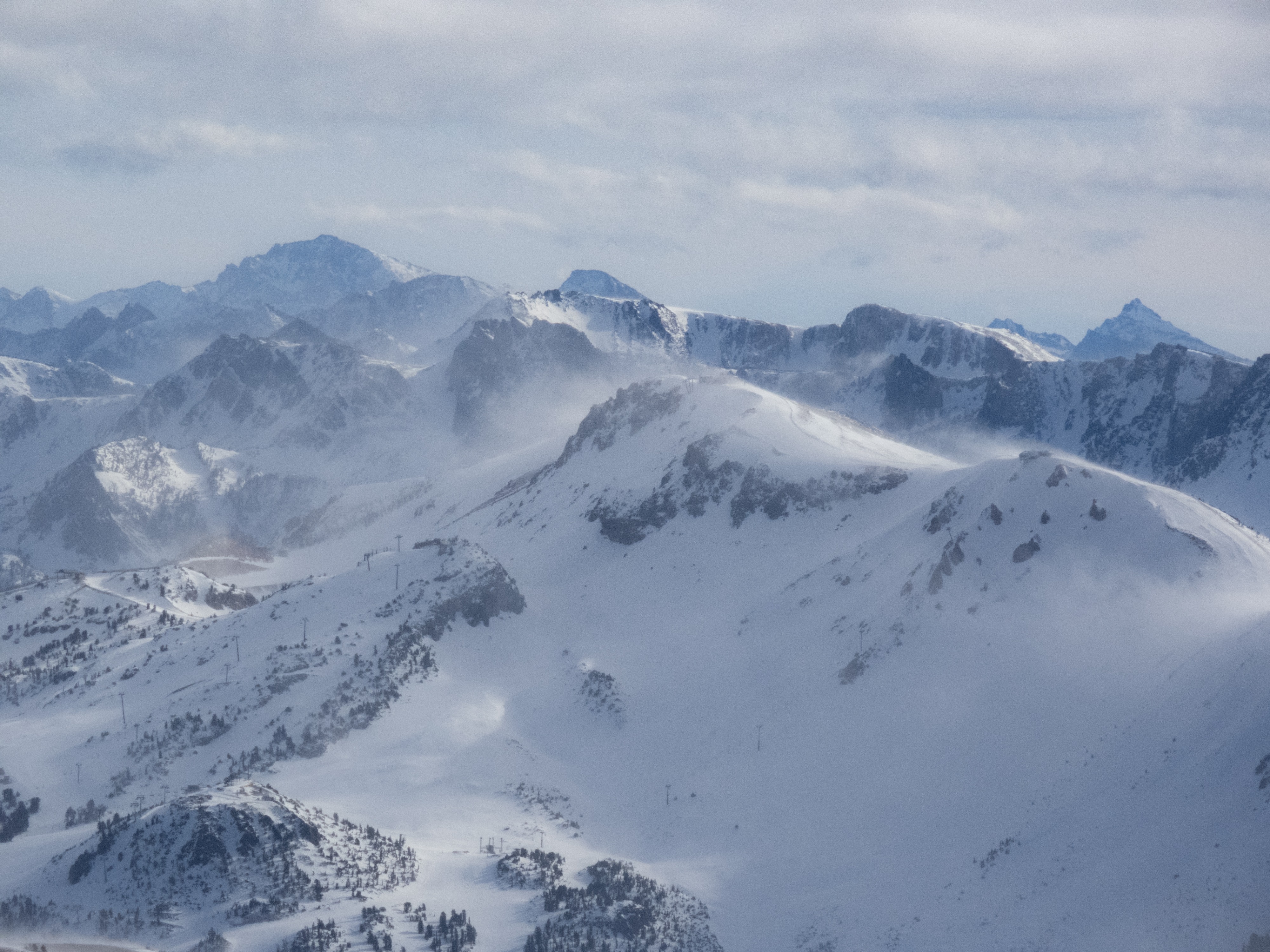
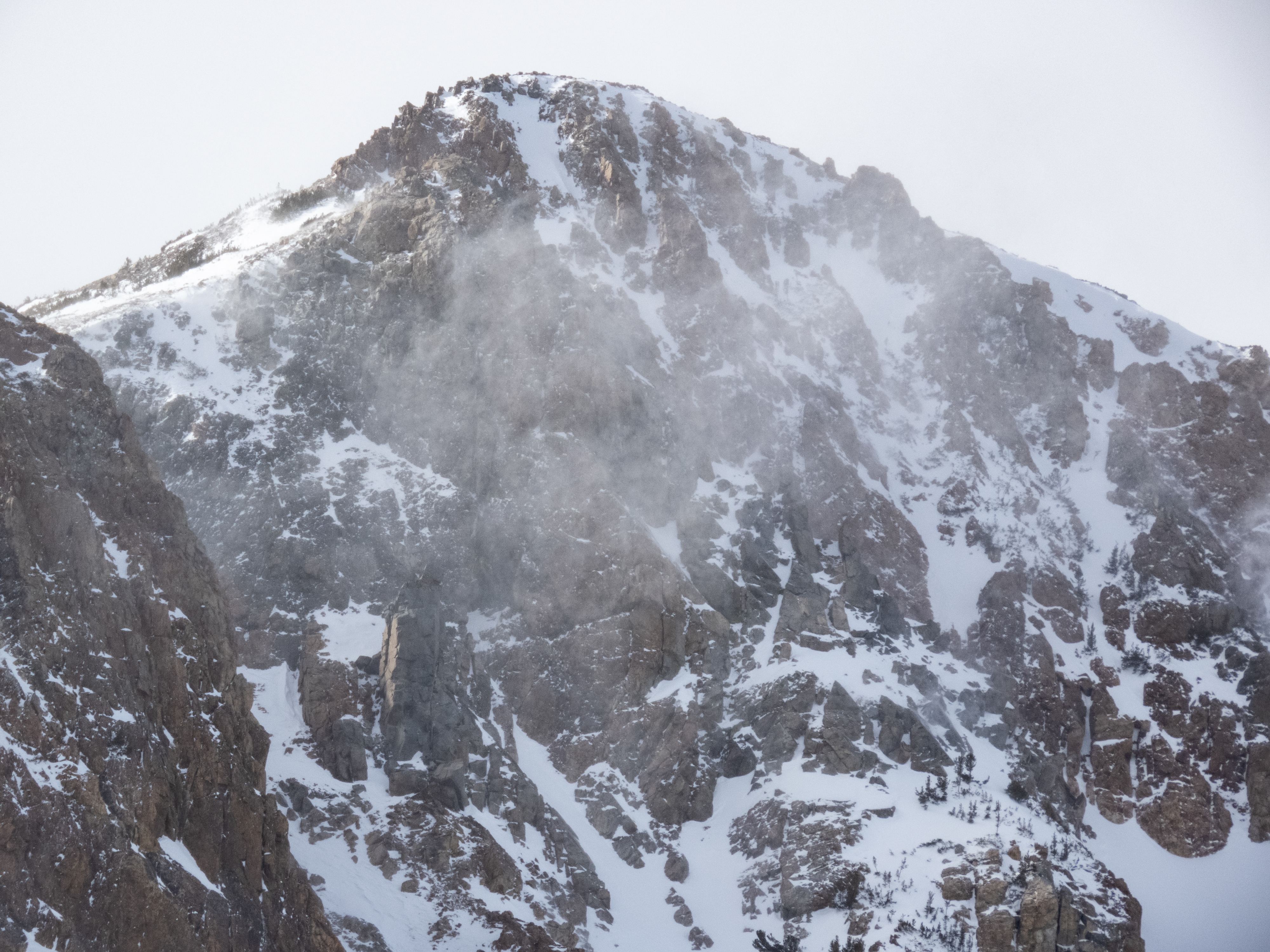
Observed a small (D1) avalanche that broke in ideal terrain — thin, rocky, steep micro-terrain — during the storm over the weekend (12/14). This was the only recent natural avalanche I observed with miles and miles of visibility and a zoom lens, making it an outlier rather than a sign of a trend. The other avalanche was old, from the last November storm.