
Quick report
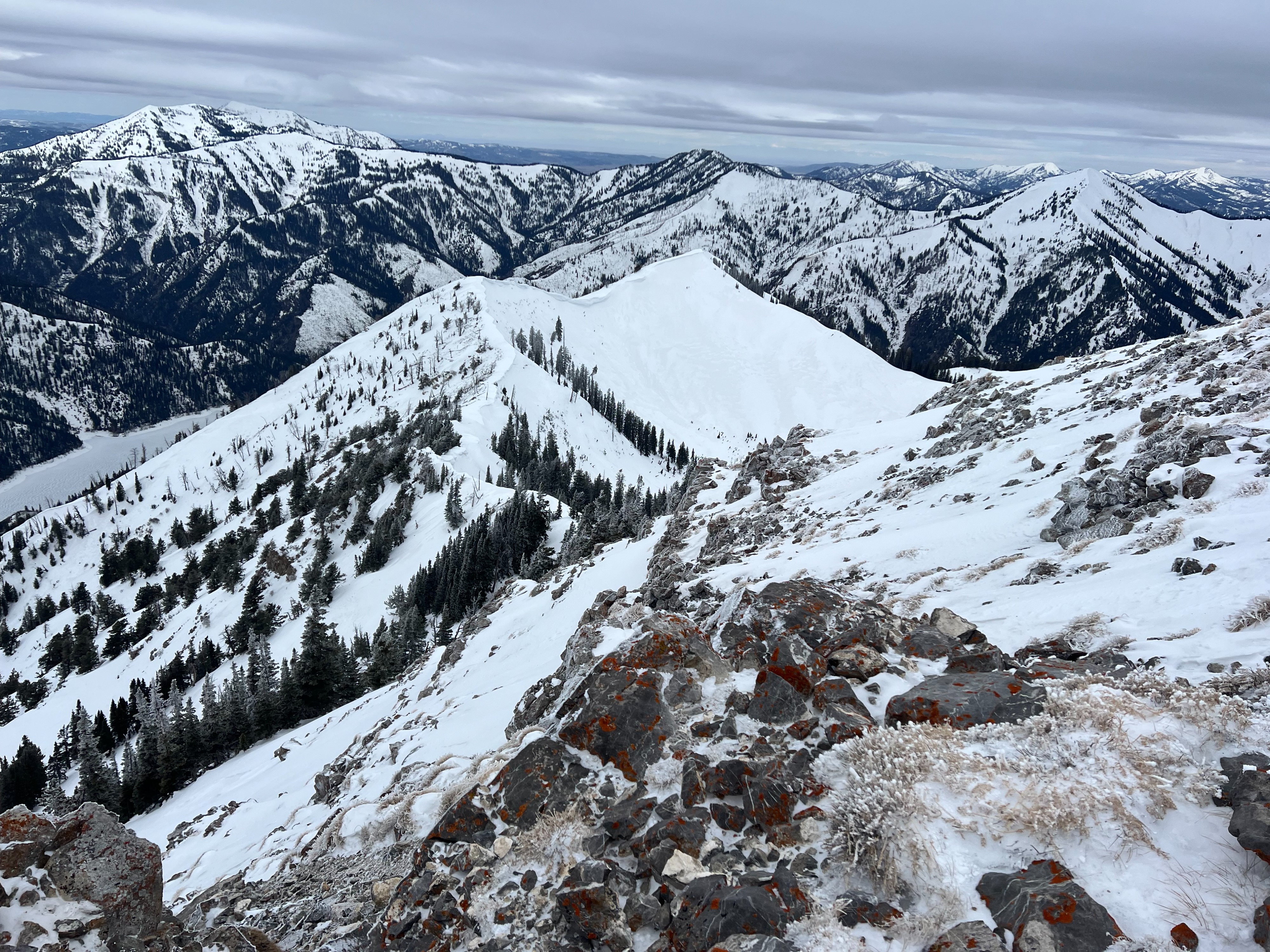
We found mostly stable conditions in our travels. The Snake River Range really got hammered by all the wind last week. The majority of snow surfaces were scoured, exposing the March 7th crust. Hard to tell how much snow fell from the last pulse apart from any weather station data. Plenty of wind loaded terrain but slabs were shallow and very stubborn. Riding conditions improved once temperatures warmed and broke down the surface (3/7) crust. Skies cleared by the afternoon. Strong wind continued all day, but not much snow left to transport.
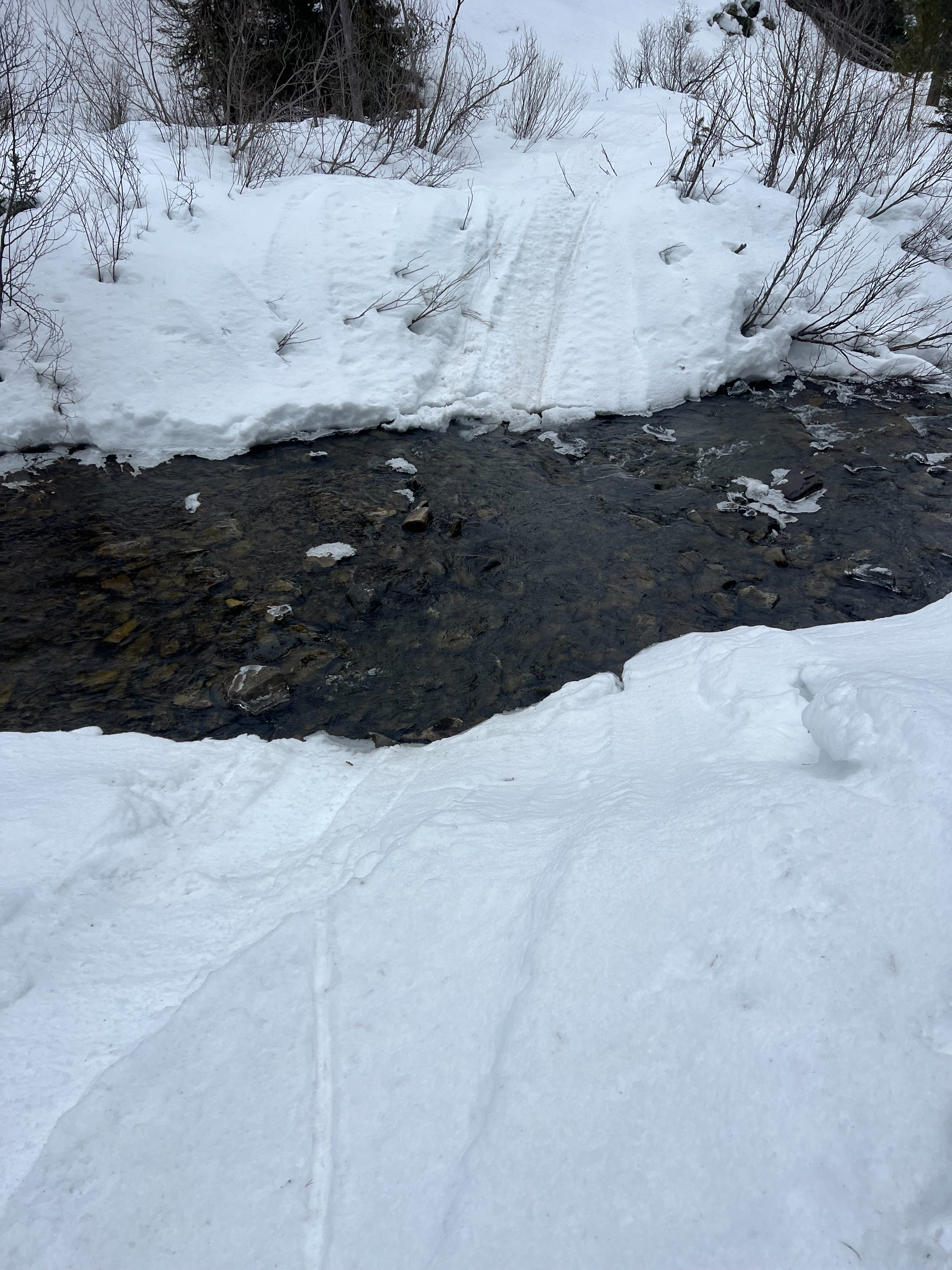
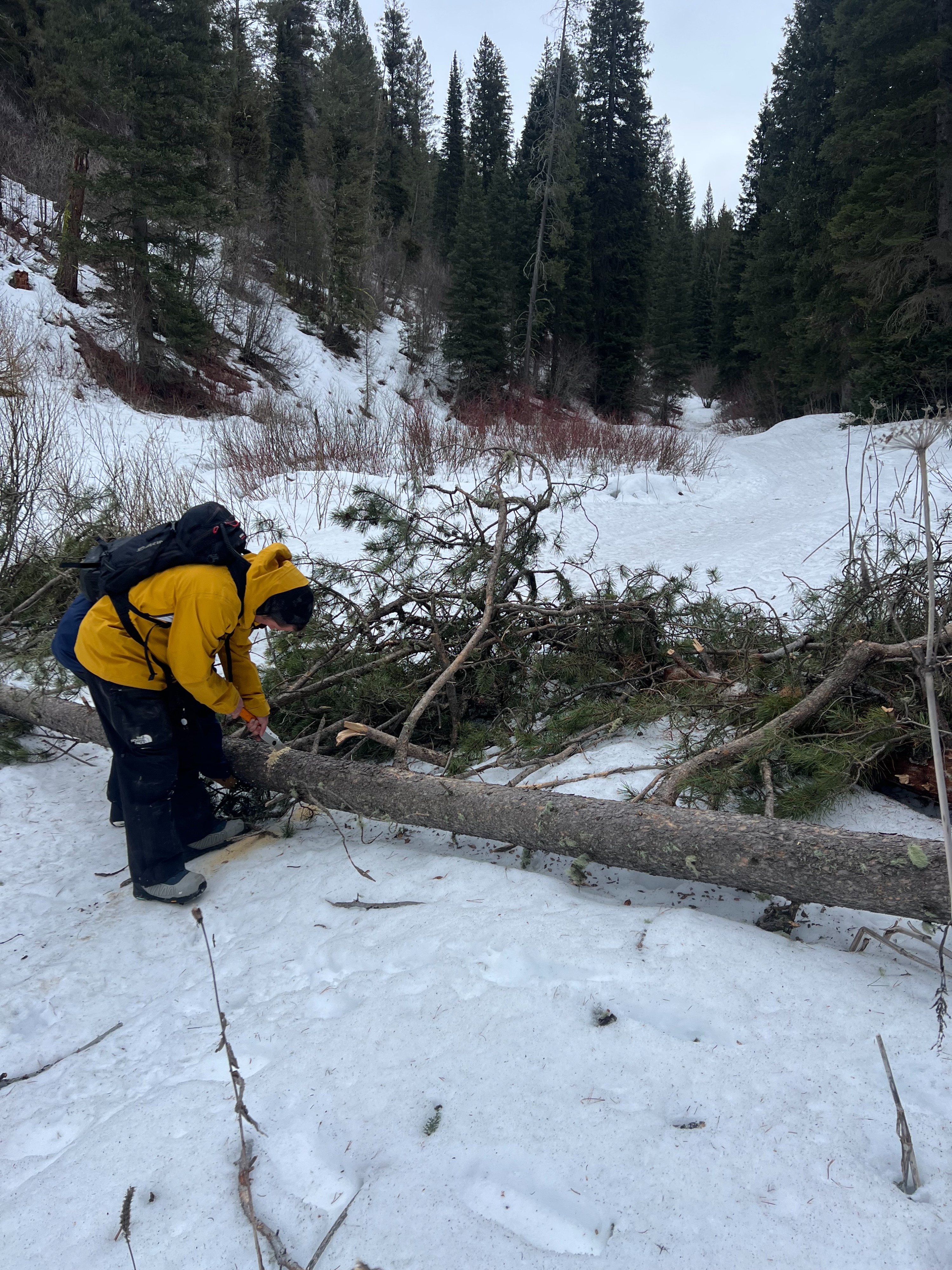
Access to terrain in the Snake River Range is becoming difficult due to the low snowpack below 7,000'. The trail was mostly covered in snow from Pole Canyon to Fogg Hill. This next week of warm temperatures will not bode well. We had to cross numerous open creeks and bare southerly slopes heading to Palisade Peak. Grateful for the ride, but it may be one of the last this winter in the Snake.
Snowpack
The January drought layer has gained significant strength over the last two weeks. It is buried 70-120cm in the middle-upper elevations on NW-N-NE aspects (lots of probing today). We dug in a location with a shallow overlying slab and sheltered from the wind. We did not find any buried surface hoar or unstable test results. The slab actually stayed attached to the JDL when we sheared the column after the ECT. Impressive strength.
8700' N aspect: ECTX JDL buried 70cm composed of rounding 4F facets.