
Quick report
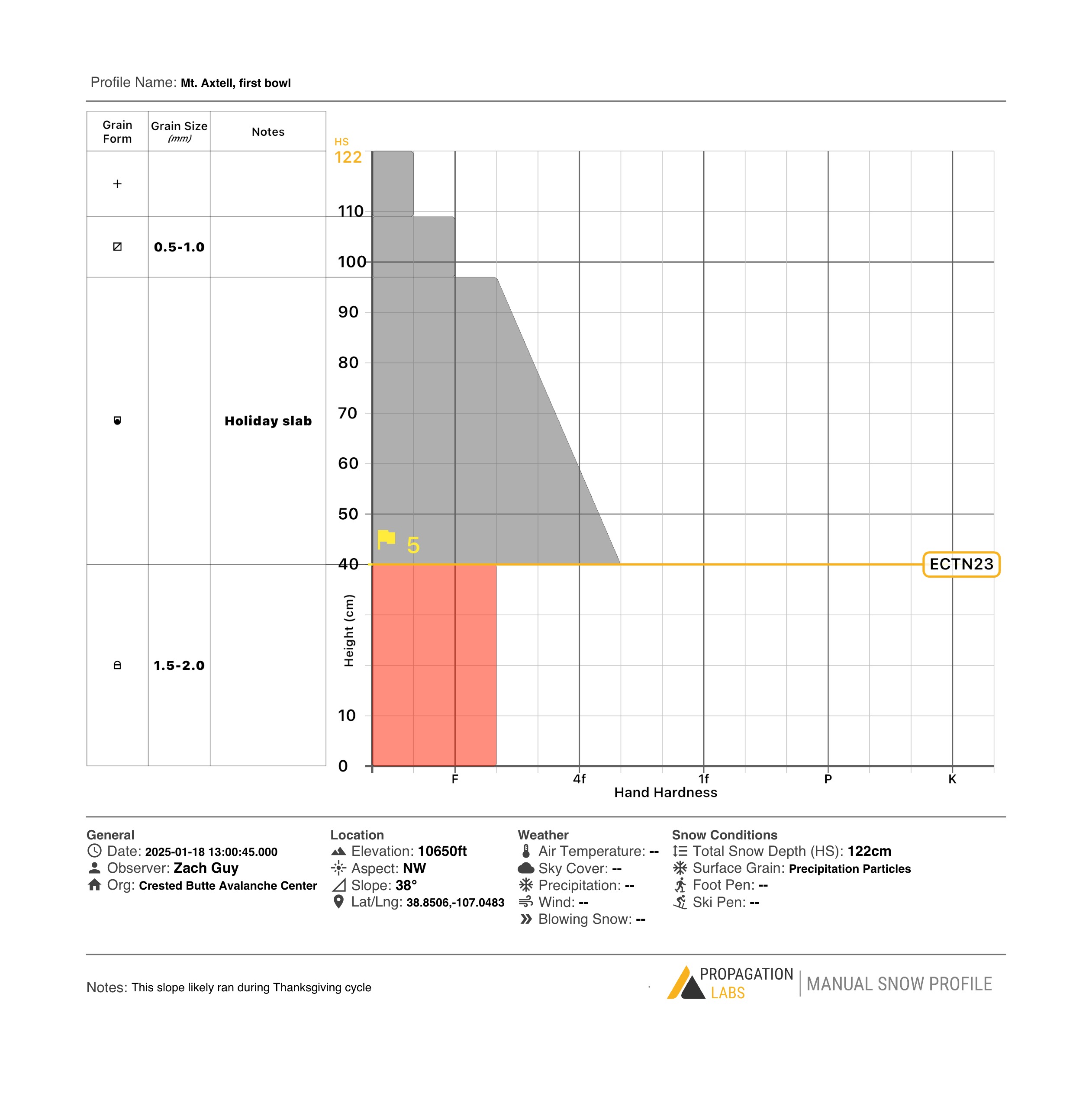
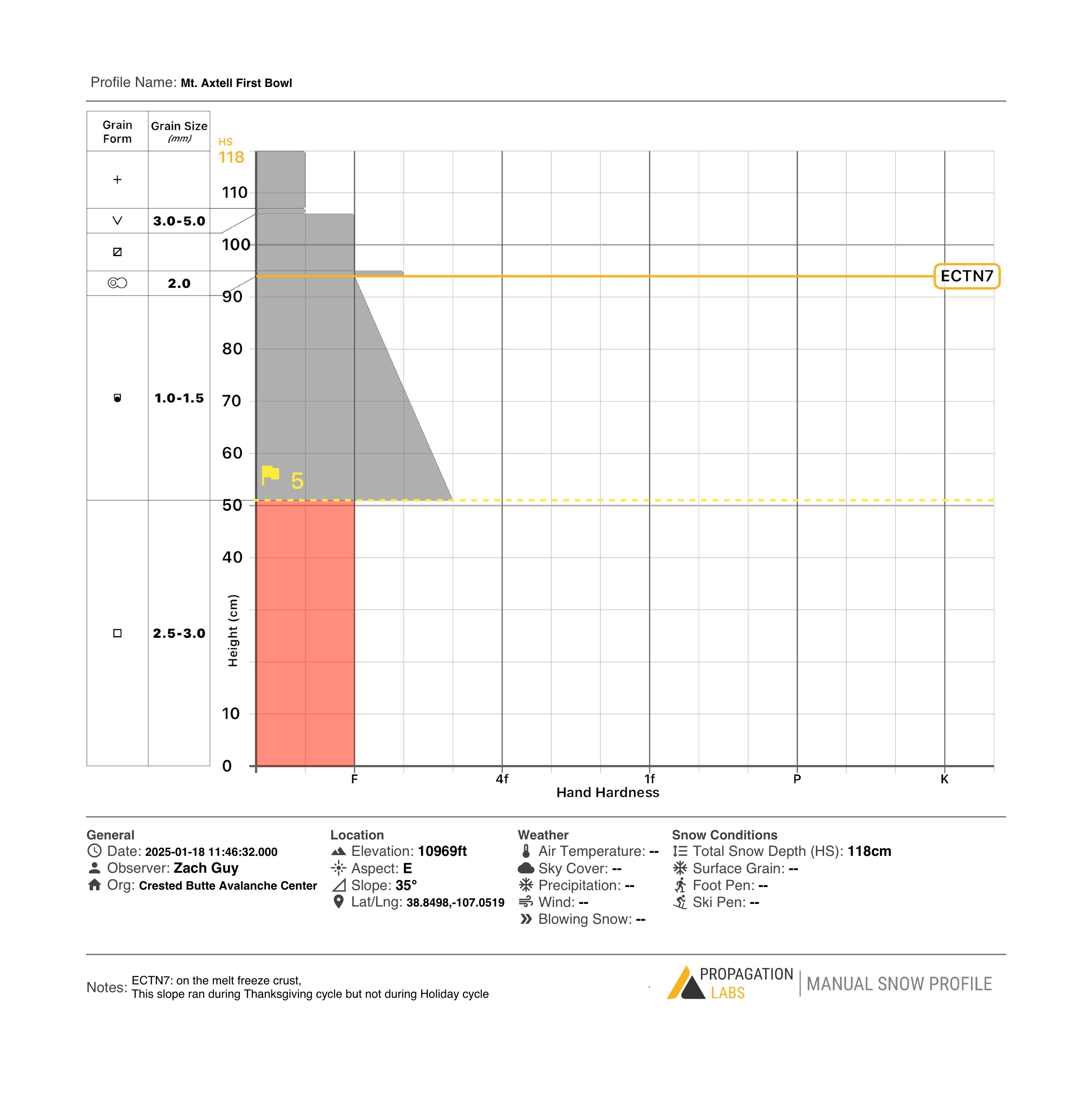
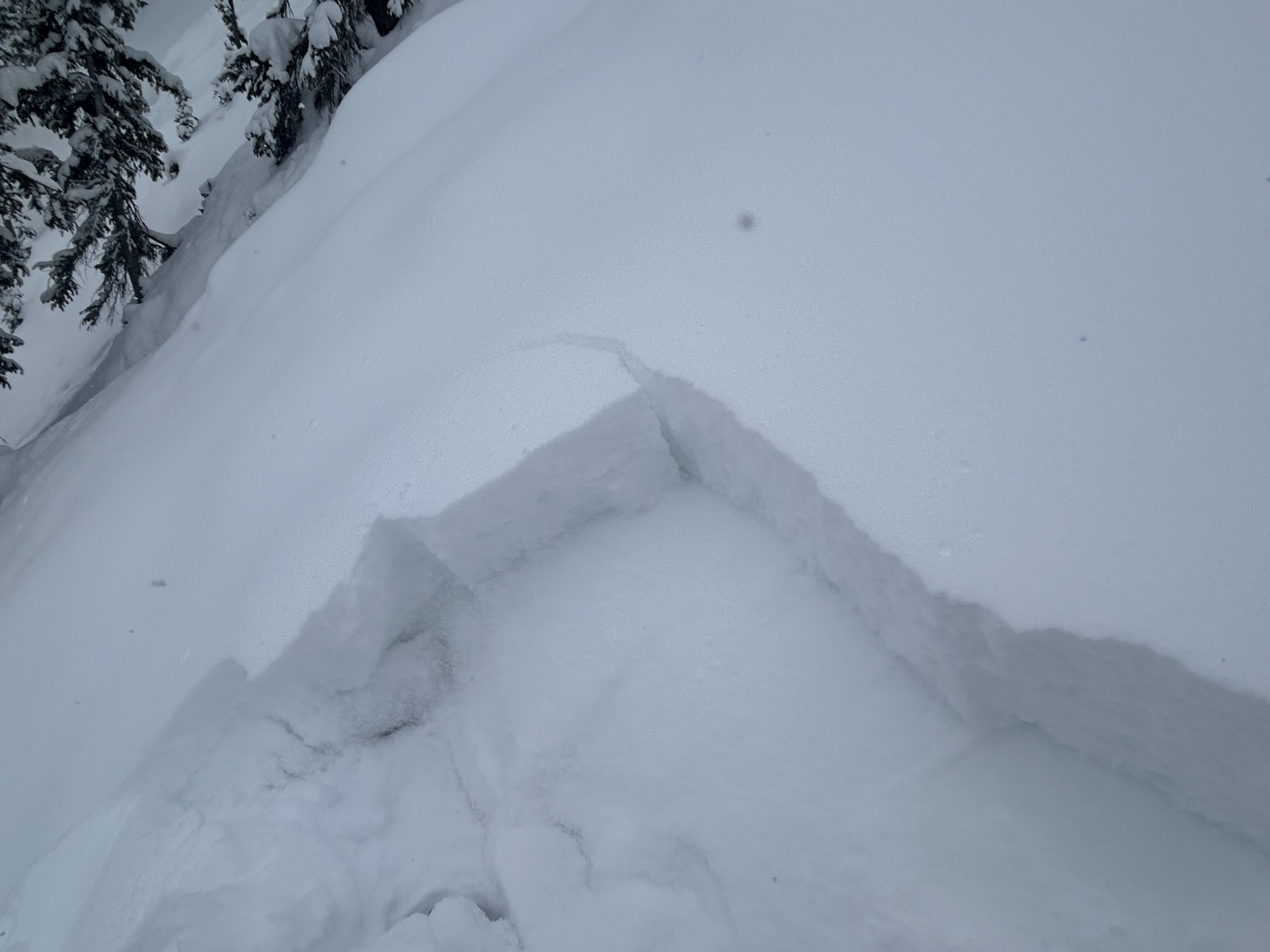
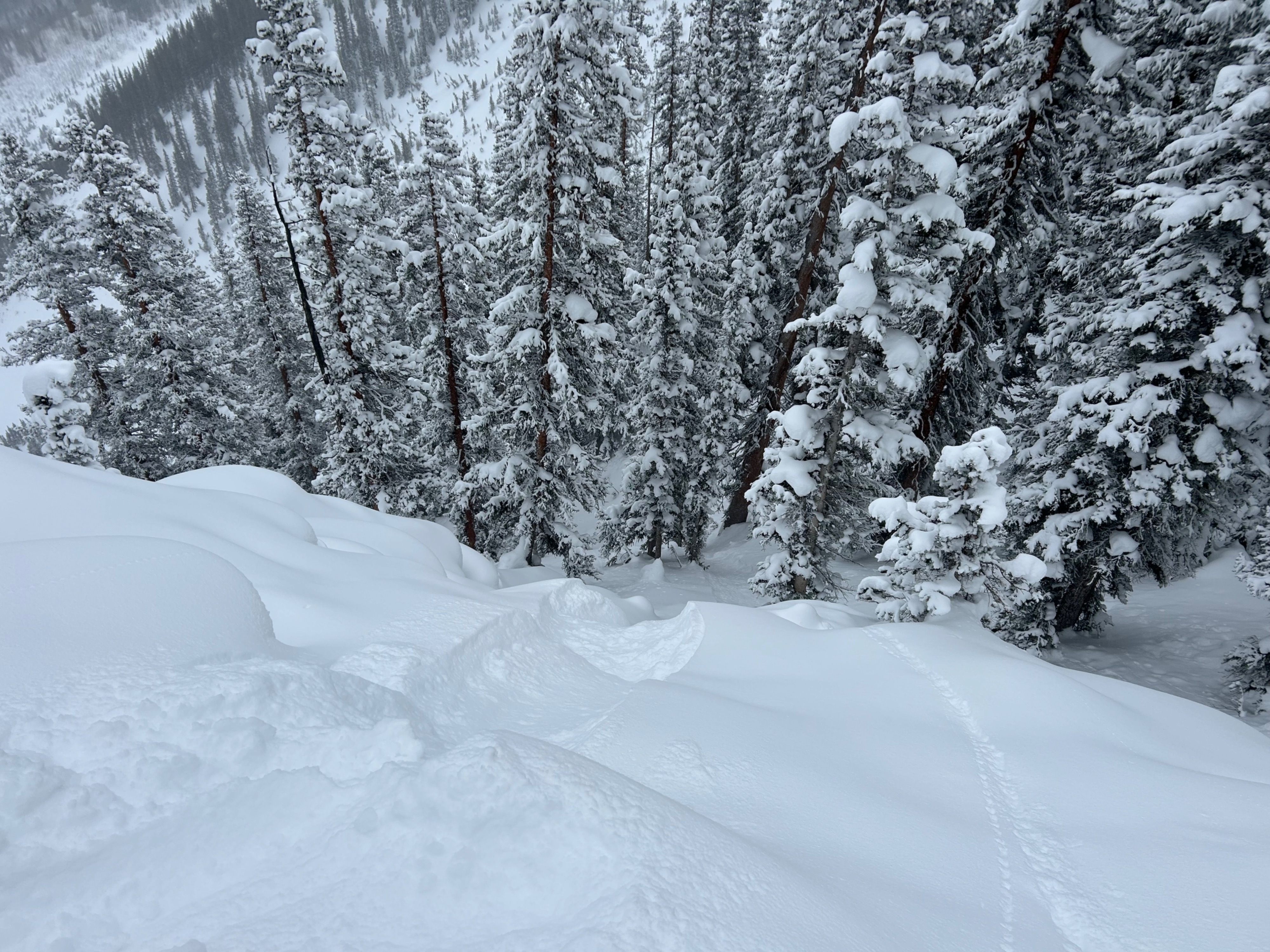
Snow depths and structures vary widely, even across short distances, depending on previous avalanche activity and wind effects. HS ranged from 40 cm to 130 cm in steep terrain. I targeted a couple of "Goldilocks" slopes (HS~120cm) and found a lingering poor structure unreactive in stability tests, suggesting the problem is becoming increasingly stubborn or potentially dormant on the specific features sampled. These were on slopes that avalanched during Thanksgiving cycle but didn't run during the Holiday cycle.
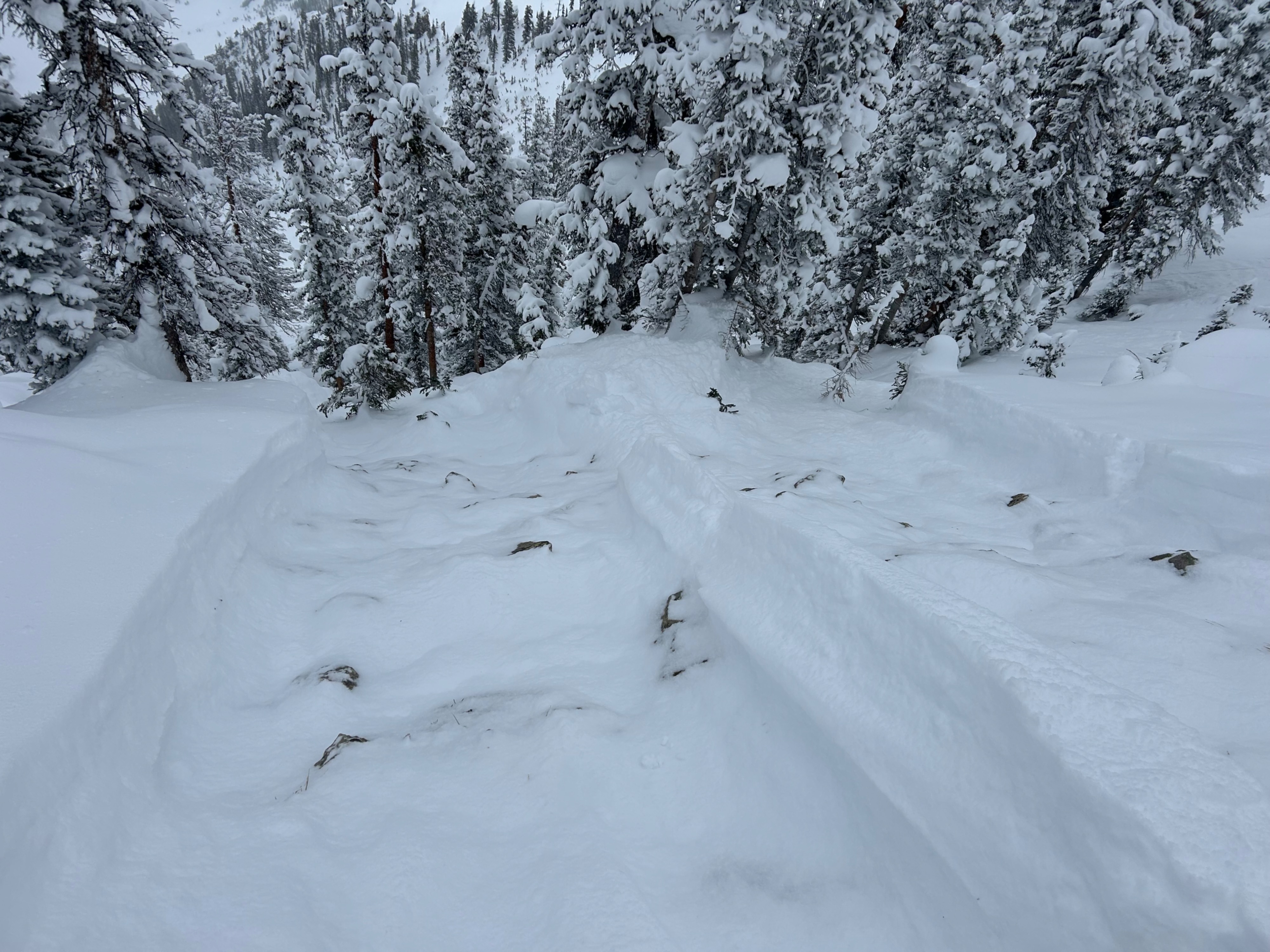
The shallowest slopes (those that avalanched during both cycles) have facet sluff problems on slopes around 40* steep that are entraining the entire snowpack and becoming more dangerous with today's additional snow, which was enough to create some localized cracking but not quite slabby behavior.
No collapsing and minor cracking underfoot in the recent storm snow.Weather
- Air Temp
- Cold
- Cloud Cover
- overcast
- Wind Loading
- light
- Rain Elevation
- LOL
- Recent Snowfall
- 10 to 15
- Snow Avail For Transport
- small smounts
Could see occasional light snow transport in other terrain (Emmons). None where we traveled.
Avalanche
- Size
- D1.5
- Type
- L
- Aspect
- NE
- Trigger
- AS
- Elevation
- 11350 ft
Intentionally triggered a handful of dry loose avalanches, some were shallow and harmless involving the top 8" of recent snow. On slopes that avalanched during the holiday cycle, they would gouge into old snow up to 20" deep and would have been more dangerous to get involved in, especially in this long, steep terrain full of trees, rocks, etc.