
Quick report
- Cracking
- specific
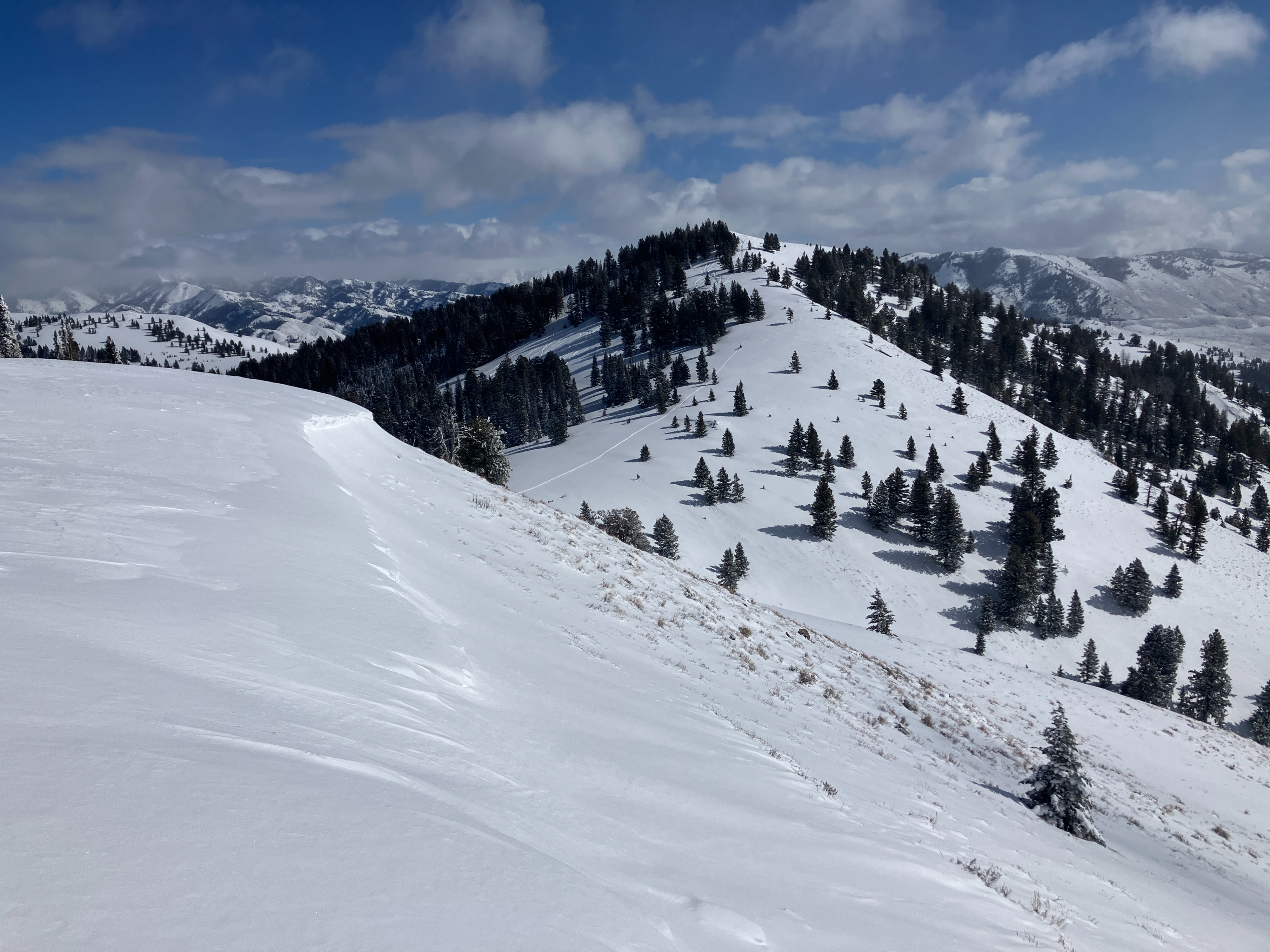
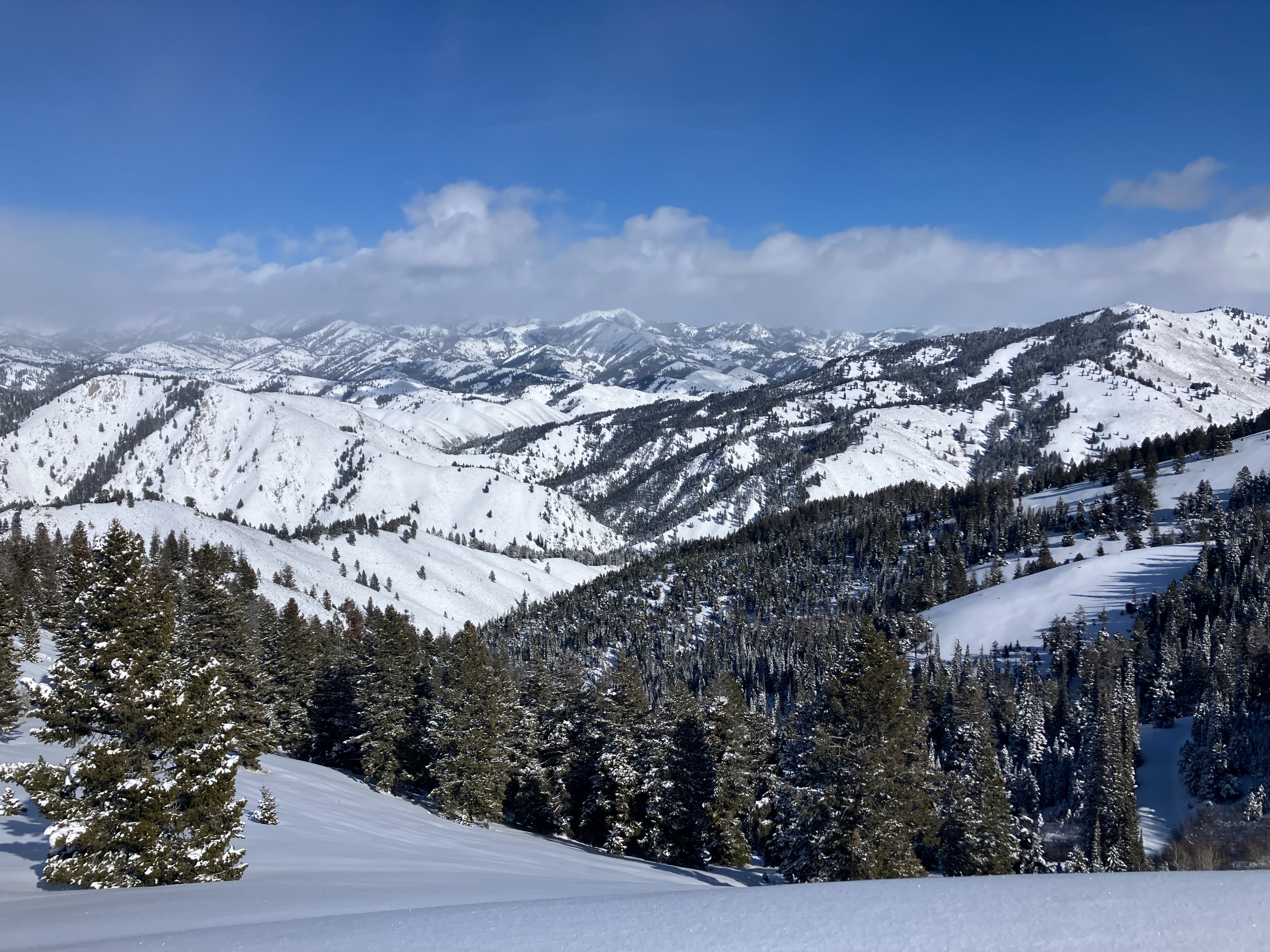
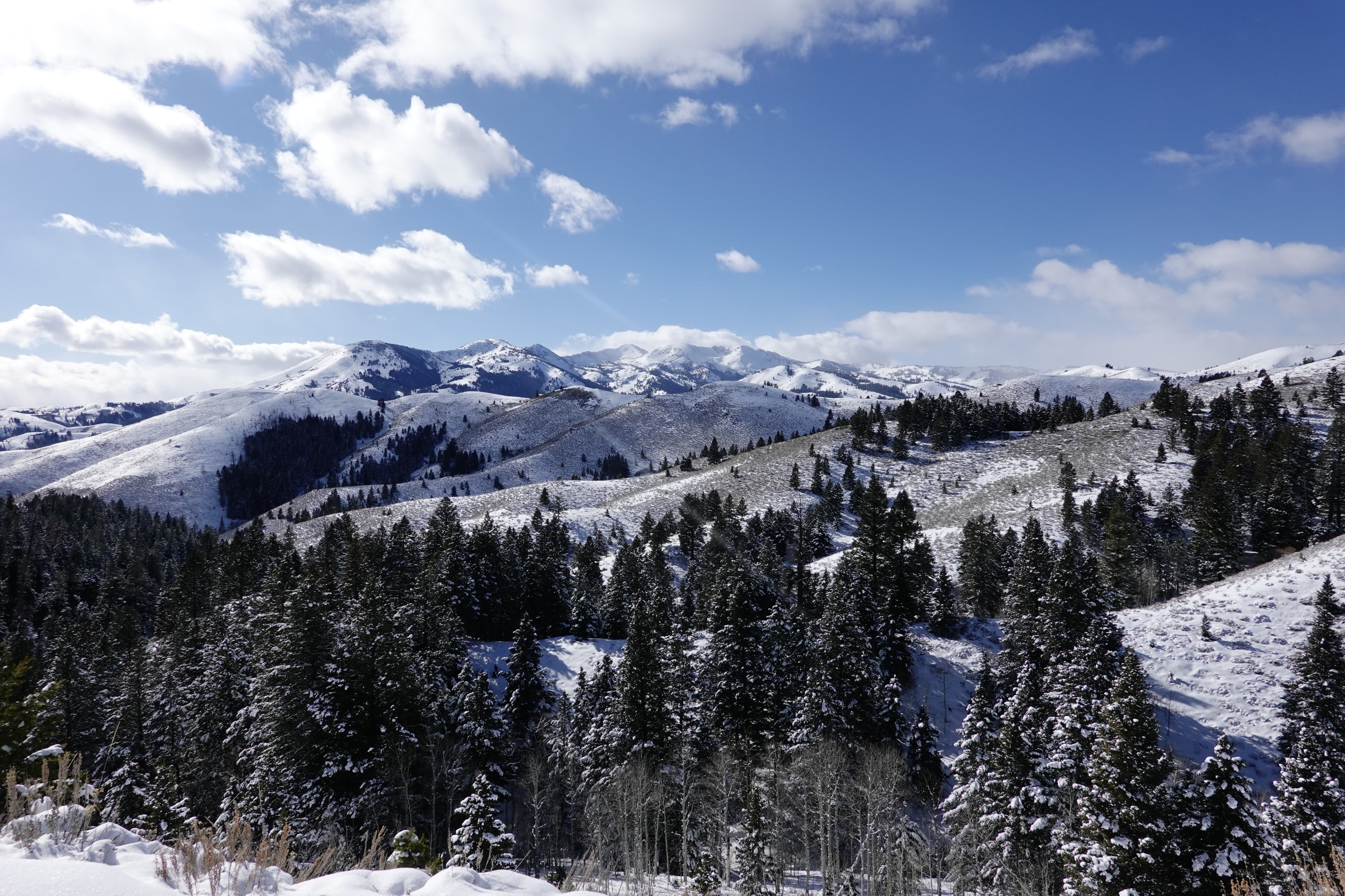
No obvious signs of instability were observed today in the Soldier Mountains. A snowpack exists on northerly slopes above 7000 feet that is substantial enough for quality riding and sliding but is quite concerning from an avalanche perspective. 1 to 2 feet of mid-February storm snow sits atop very weak and widespread January drought facets. This structure proved unstable in stability testing today, and it doesn't appear that it'll be healing anytime soon. This area feels prime for triggering a large avalanche with limited to no signs of instability beforehand.
Localized cracking was observed (<15 ft) along winded ridgelines and a group of riders mentioned cracking in a sheltered N pocket of terrain.Weather
- Cloud Cover
- few
- Wind Loading
- moderate
- Snow Avail For Transport
- small smounts
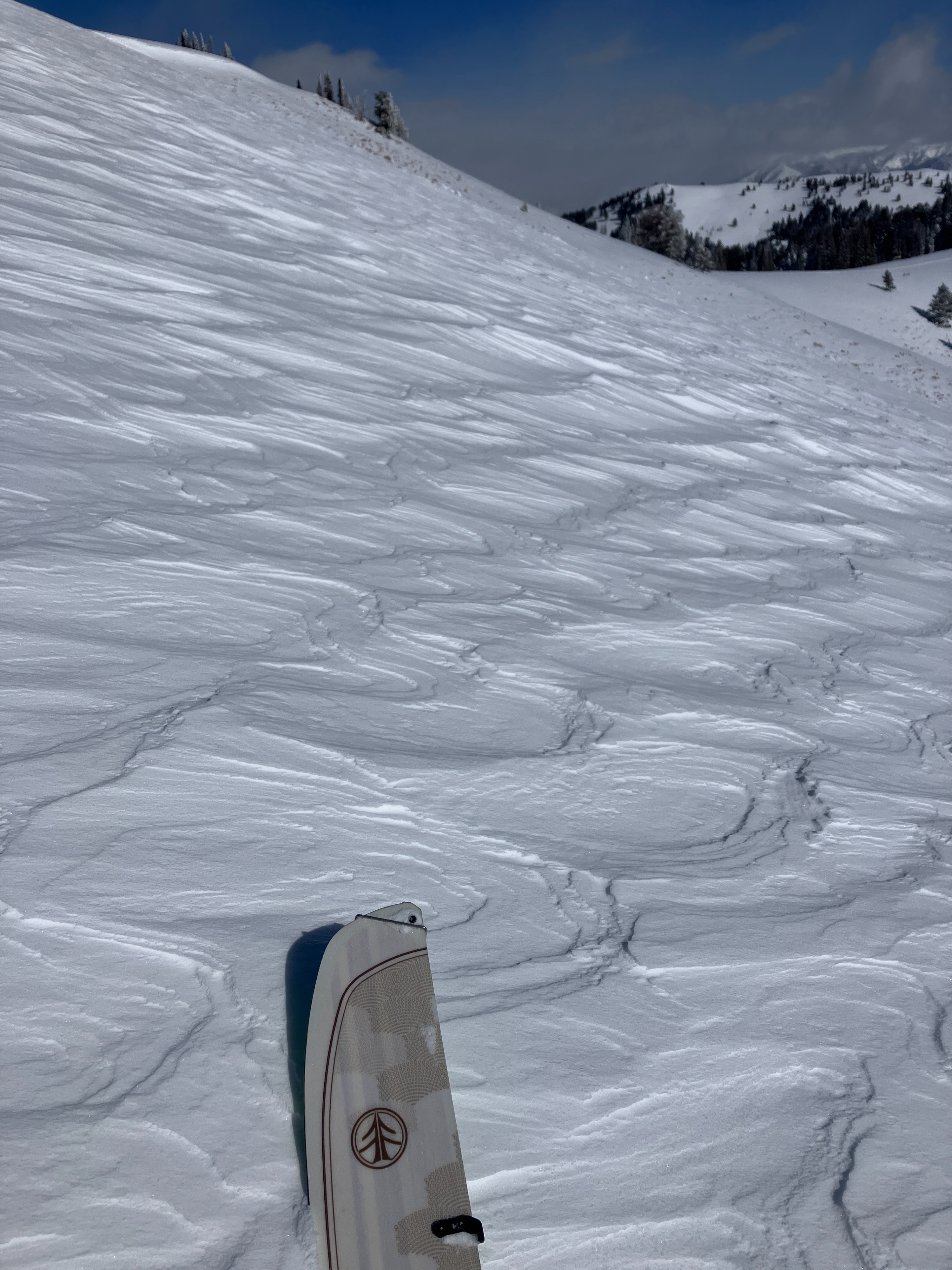
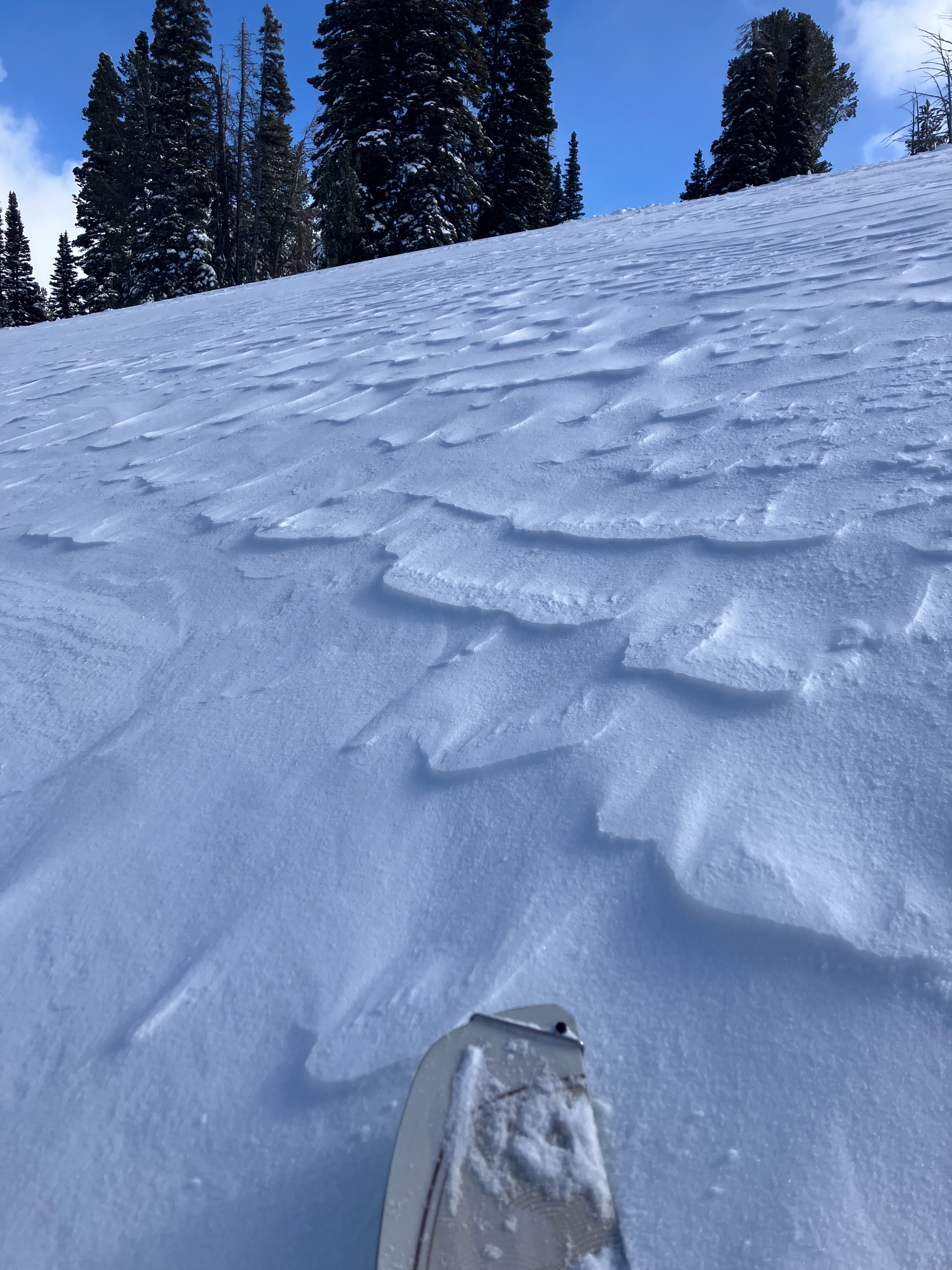
Near freezing temperatures at the Couch Summit trailhead, but quite cold up above 7000' with consistent light gusting moderate NW winds.
Snowpack
The snowpack in the Soldiers is largely nonexistent below 7000 ft, therefore the descriptions below refer to terrain above this elevation.
- S and SW slopes: Primarily have mid-February storm snow sitting on top of dirt
- SE slopes: Have a mixture of mid-February storm snow sitting on dirt or on old hard wind slabs
- W, NW, N, NE, and E slopes: slopes hold a full-depth winter snowpack, with 20 to 40 cm of large-grain cohesionless facets (January drought layer) capped by a thin decomposing crust (2/8) and the two mid-February storm layers. Many sheltered locations have buried surface hoar at the most recent storm interface (2/16), buried roughly a foot below the surface.
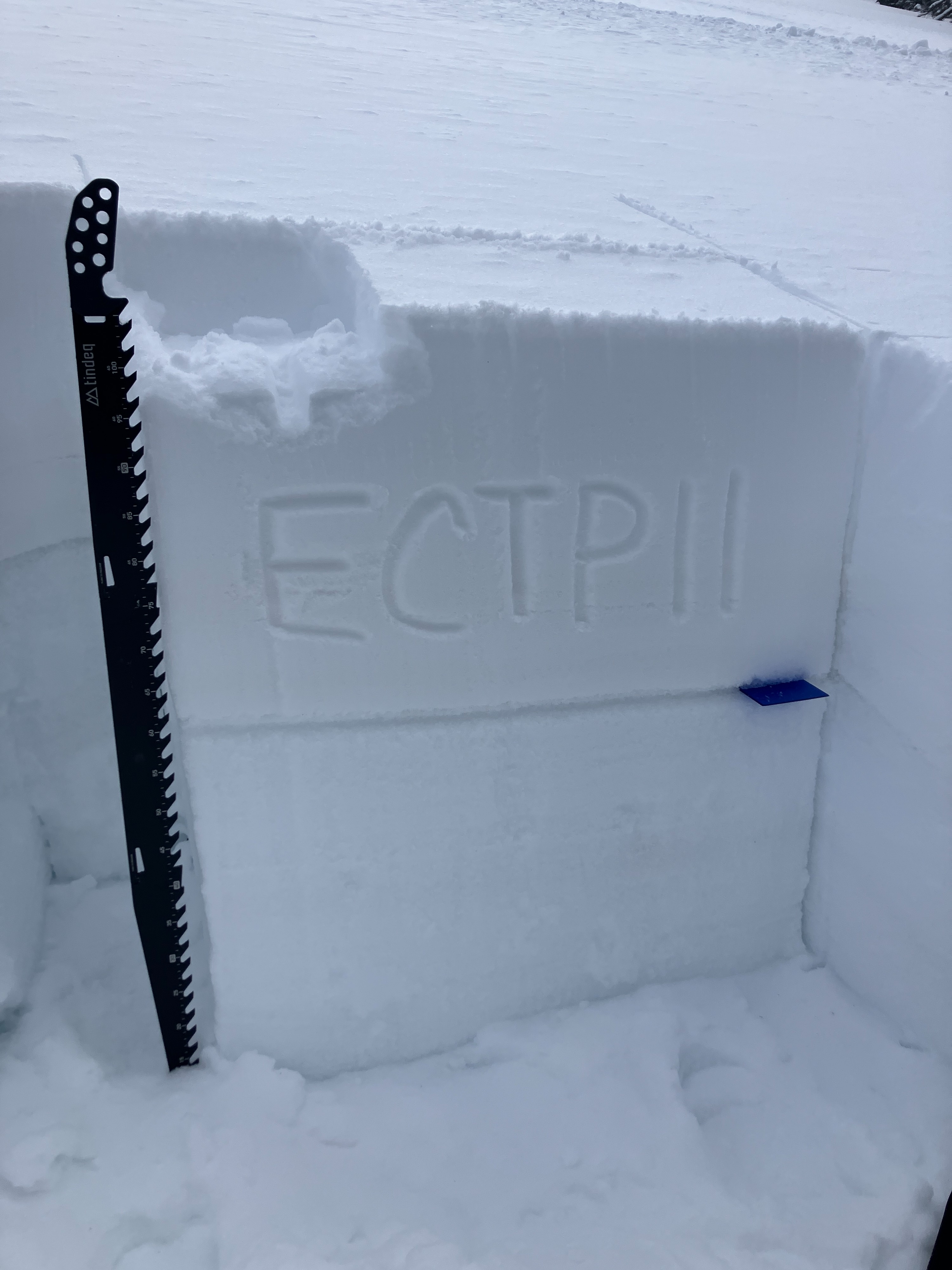
Primary layer of concern: The January drought facets in the Soldiers are some of the worst we've seen in our travels. The thin 2/8 interface decomposing crust seems to have intensified faceting just below it, resulting in large (2+mm) very weak facets that easily propagate in stability tests (ECTP11x2 and PST 15/105 END). Given the relative lack of signs of instability, this snowpack setup is SPOOKY.
Secondary layer of concern: The brief window between the mid-February storms provided a chance for surface hoar to grow in sheltered locations. This weak layer was buried with roughly a foot of snow during the 2/16 - 2/18 storm earlier this week. Although not currently very reactive in the Soldiers, probably due to the softeness of the slab above, this layer is something we'll be keeping an eye on.
Despite winds blowing a moderate amount of snow around, wind slabs were soft and unreactive where we travelled today. Further observations from a friendly group of riders added that they found localized (<15 ft) cracking in the recent storm snow on winded ridgelines and in at least one sheltered northern pocket.
Avalanche
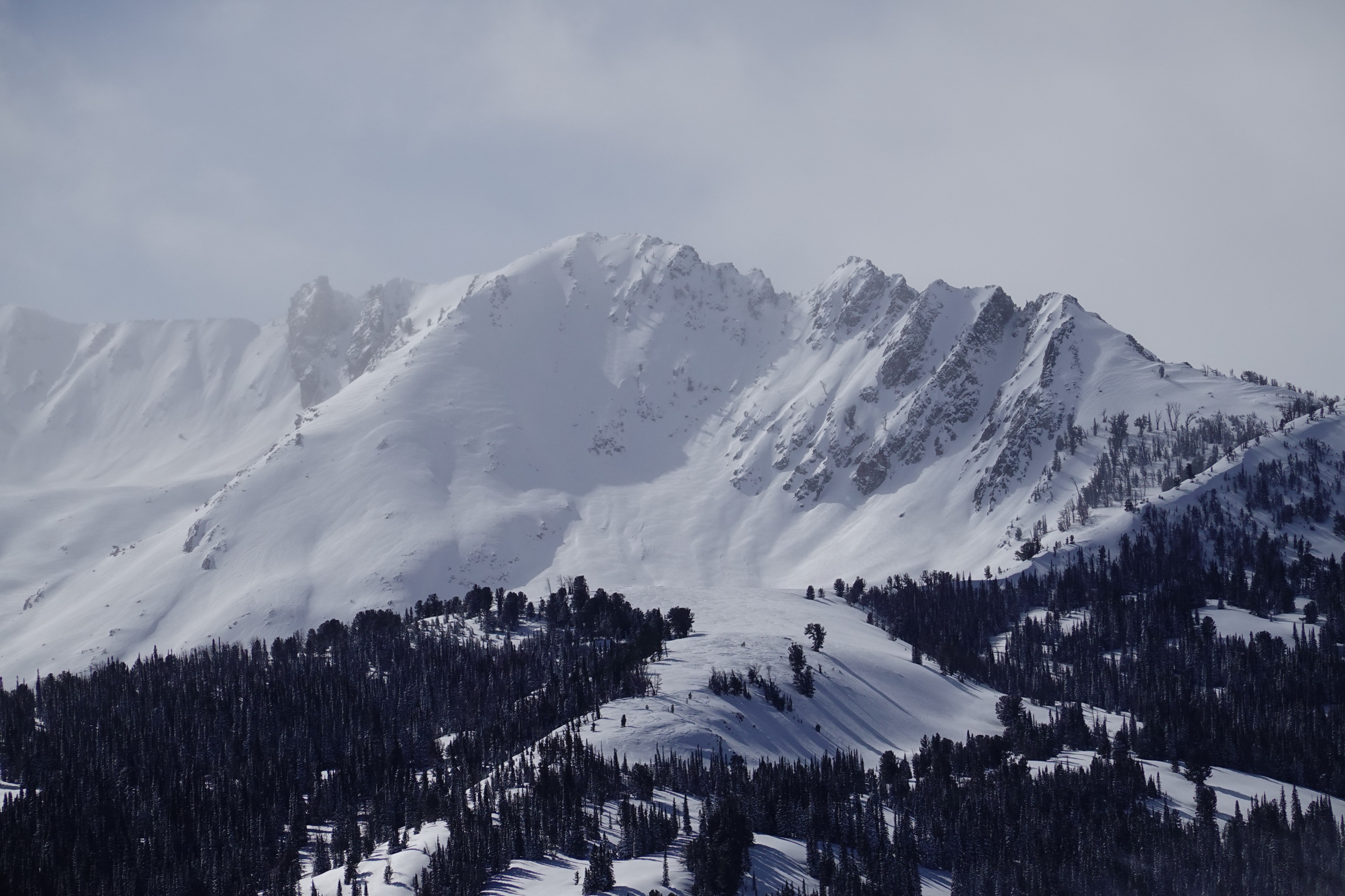
We observed old avalanche debris piles from mid-storm earlier in the week in the Smoky Dome North bowl.