
Transitional
United States · Haines Avalanche Center · parte di Haines Avalanche Center
Bollettino emesso 6 months ago · valido fino al Mar 28
Bollettino in corso
In sintesi
Avalanche danger remains elevated due to buried weak layers and recent wind loading. The greatest concern is on slopes steeper than 30°, where avalanches may break deeper and wider than expected—particularly in areas with thinner or more complex snowpack. Choose conservative terrain, avoid overhead hazards, and be mindful of how good riding conditions or existing tracks may influence your decisions.
________________________________
This is the last regular forecast of the season. Updates may be issued as conditions warrant.
Thank you to all our community partners, members, and supporters!
Avalanche Discussion
Snowpack & Avalanche Problems
Recent wind slabs formed by northerly outflow winds, combined with persistent weak layers in the snowpack, are defining a dynamic snowpack that is transitioning toward spring conditions. Increasing solar radiation is beginning to affect sun-exposed slopes, particularly around rocks, cliffs, and vegetation, where warming may trigger loose snow avalanches and potentially step down into deeper instabilities. Cornices continue to build along ridgelines and may act as large triggers for deeper weak layers and slopes below.
Daytime warming, cold overnight temperatures, and prolonged outflow winds may make the surface of the snowpack feel strong, but are unlikely to heal persistent weak layers. This creates a low-probability, high-consequence scenario. Signs of instability may decrease with this weather pattern, but thinner areas in steep terrain could still produce large avalanches with high consequences.
The distribution of weak layers remains variable and difficult to assess. As seen in the March 22 fatal avalanche, an initial surface slab stepped down into deeper weak layers lower on the slope and across connected terrain features. Keeping this big-picture perspective in mind can help anticipate changes in snowpack structure and terrain, reinforcing the importance of careful route finding and terrain evaluation.
Several persistent weak layers exist within the upper few feet of the snowpack, including near-surface facets from early to mid-March and the deeper Valentine’s crust/facet layer. These layers vary with elevation and wind exposure and may be more reactive where the slab is thinner or less supportive, contributing to uncertainty across the landscape.
Travel Advice
Favor lower-angle terrain and take extra time to evaluate conditions before entering slopes steeper than 30°. Even if conditions feel stable in many areas, persistent weak layers remain capable of producing avalanches. Good riding conditions and recent snowfall may draw people into bigger terrain—be mindful not to let powder, sunshine, or a sense of urgency influence your decisions.
This is not a typical spring snowpack. While conditions may feel supportable at the surface, the underlying structure remains complex. Recognizing this mismatch is key to making good decisions.
Tracks on a slope—or repeated rides without incident, such as high marking—do not mean a slope is safe. Persistent slab avalanches often produce inconsistent results, where several riders may cross a slope before it fails.
Look for signs of instability such as cracking, collapsing, or recent avalanches—these are clear “bullseye” clues that the snowpack is unstable. Keep in mind that these signs may not be present everywhere, so continued caution is warranted even in their absence.
Pay close attention to terrain where avalanches are more likely to release, including shallow snowpack areas, convex rollovers, unsupported slopes, and areas with recent wind loading. Variable winds may create pockets of slab in unexpected locations.
Seek out lower-angle terrain and broken features that reduce the likelihood of a large avalanche releasing. However, even small avalanches can be dangerous—especially in terrain with consequences such as gullies, cliffs, or other terrain traps.
Avoid overhead hazards, including cornices and sun-exposed slopes. Warming may trigger loose snow avalanches or cornice fall, which could step down into deeper weak layers and produce larger avalanches.
Use disciplined travel techniques—move one at a time in exposed terrain, maintain spacing, and regroup in safe locations. Be especially cautious in high-consequence terrain where deeper layers could propagate.
Continue making observations throughout the day and adjust plans as conditions change.
An initial wind slab released on a lower moraine feature and stepped down into the February Valentine’s crust/facet layer, producing a very large, destructive D4 avalanche. The slide was triggered by the fourth rider, indicating typical persistent slab behavior characterized by high strength and poor feedback. Photo: Robert Thor HaraldssonFor more information , visit: https://incidents.avalanche.ca/incident/593
Additional Hazards
- Freezing temperatures, strong winds, and periods of heavy precipitation add another layer of risk in the mountains.
- These conditions can reduce mobility, slow travel and rescue efforts, and increase injury severity—especially in remote areas where assistance may be delayed.
- Open water, thin ice, and overflow on rivers and streams can create hidden travel hazards, particularly during warming and refreezing cycles.
- Glaciated terrain may contain thinly bridged or snow-covered crevasses that are difficult to detect, especially in poor visibility.
- Wildlife hazards remain present, and bears may be active even during winter months.
Ongoing Considerations
Conditions will continue to evolve, and the snowpack will vary across short distances as you move between aspects, elevations, and terrain features. Continue to assess conditions as you travel. We currently have very limited information and funding, so please read and submit observations and report any avalanches you see. Consider supporting the center by donating or becoming a member or community partner.
Practice companion rescue skills with your partners and make sure everyone’s beacon, shovel, and probe are functioning properly—and that each person knows how to use them.
Regular general avalanche information products are published every Friday morning at 6am during the 2025-2026 winter season (December-March).
Andamento dei bollettini
Osservazioni recenti
Tutte le osservazioniFlower mountain Rapporto rapido
Rapporto rapido5 months agoMm
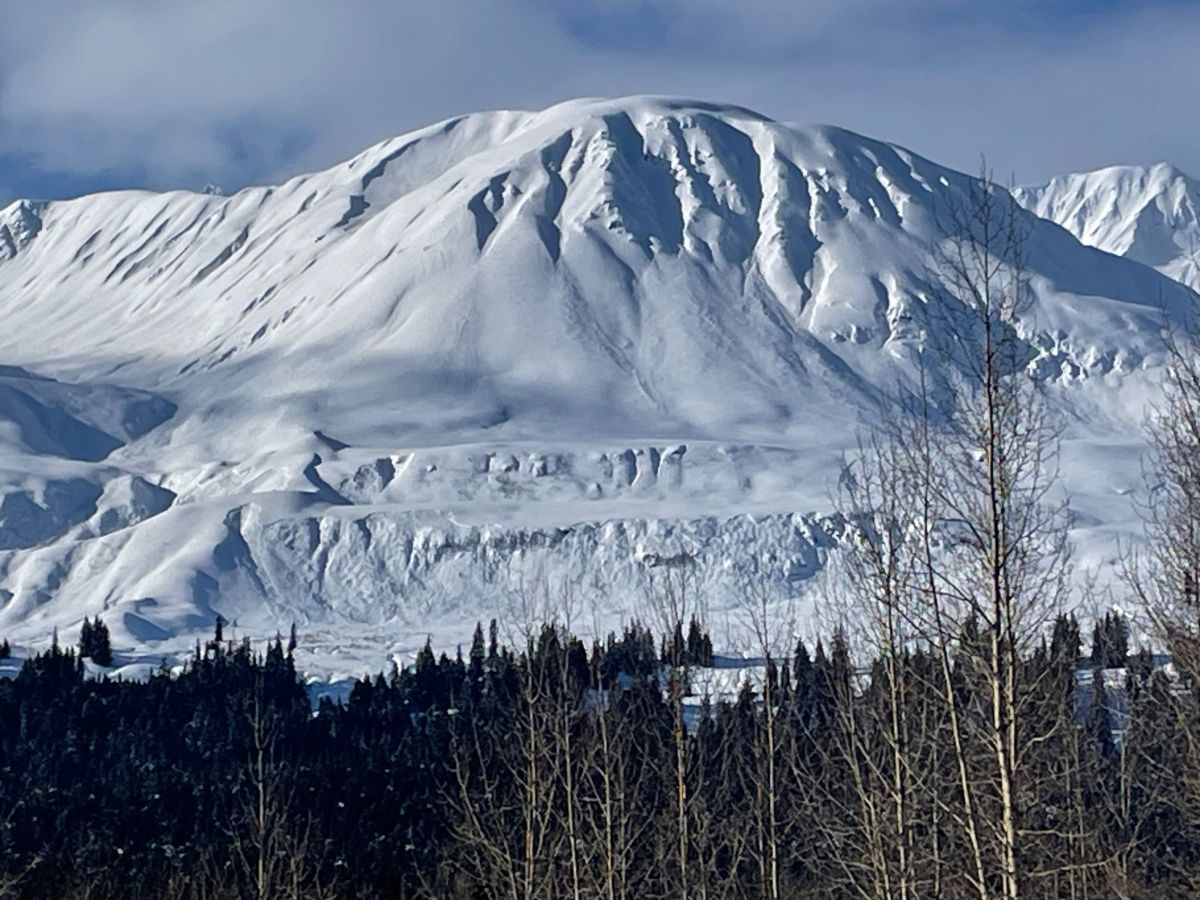
Upper Klehini areaRapporto rapido
Rapporto rapido6 months agoAvalanche.org observer2
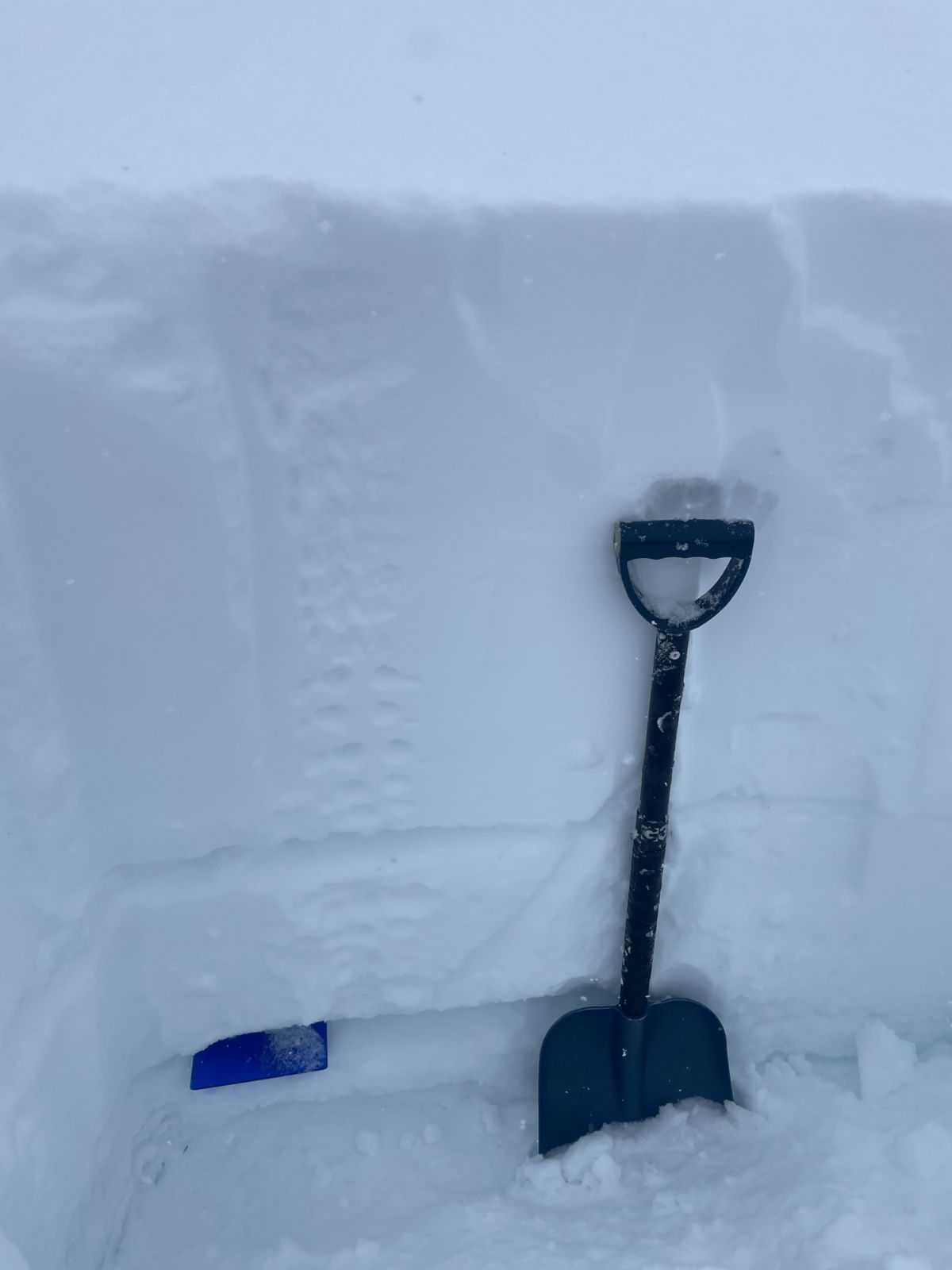
Takhin RidgeRapporto rapido
Rapporto rapido6 months agoJeff Moskowitz2
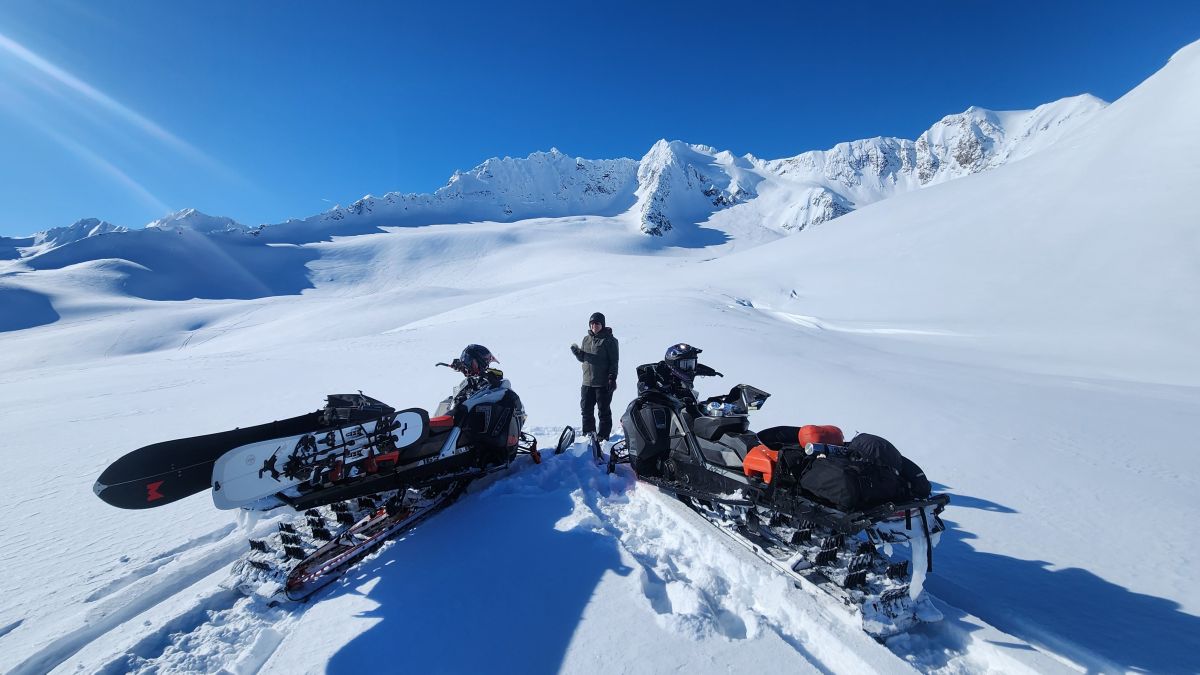
Flower MtnRapporto rapido
Rapporto rapido6 months agoLive4therush4
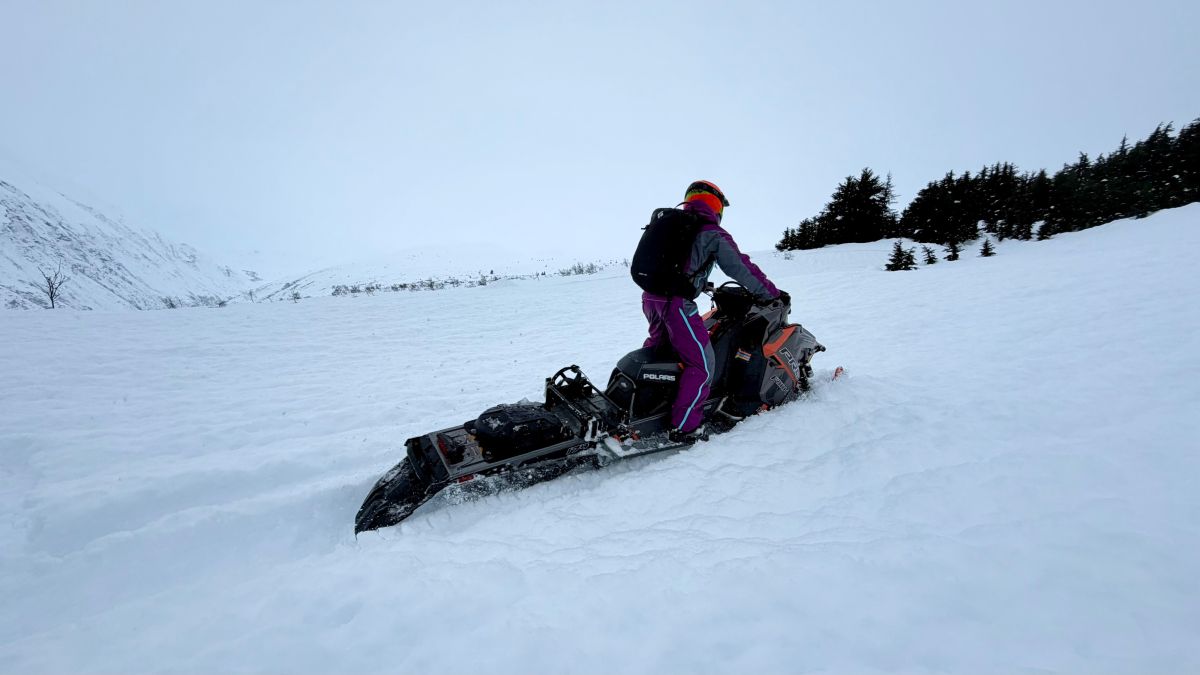
Flower tree lineRapporto rapido
Rapporto rapido7 months agoTim Thom1