
Quick report
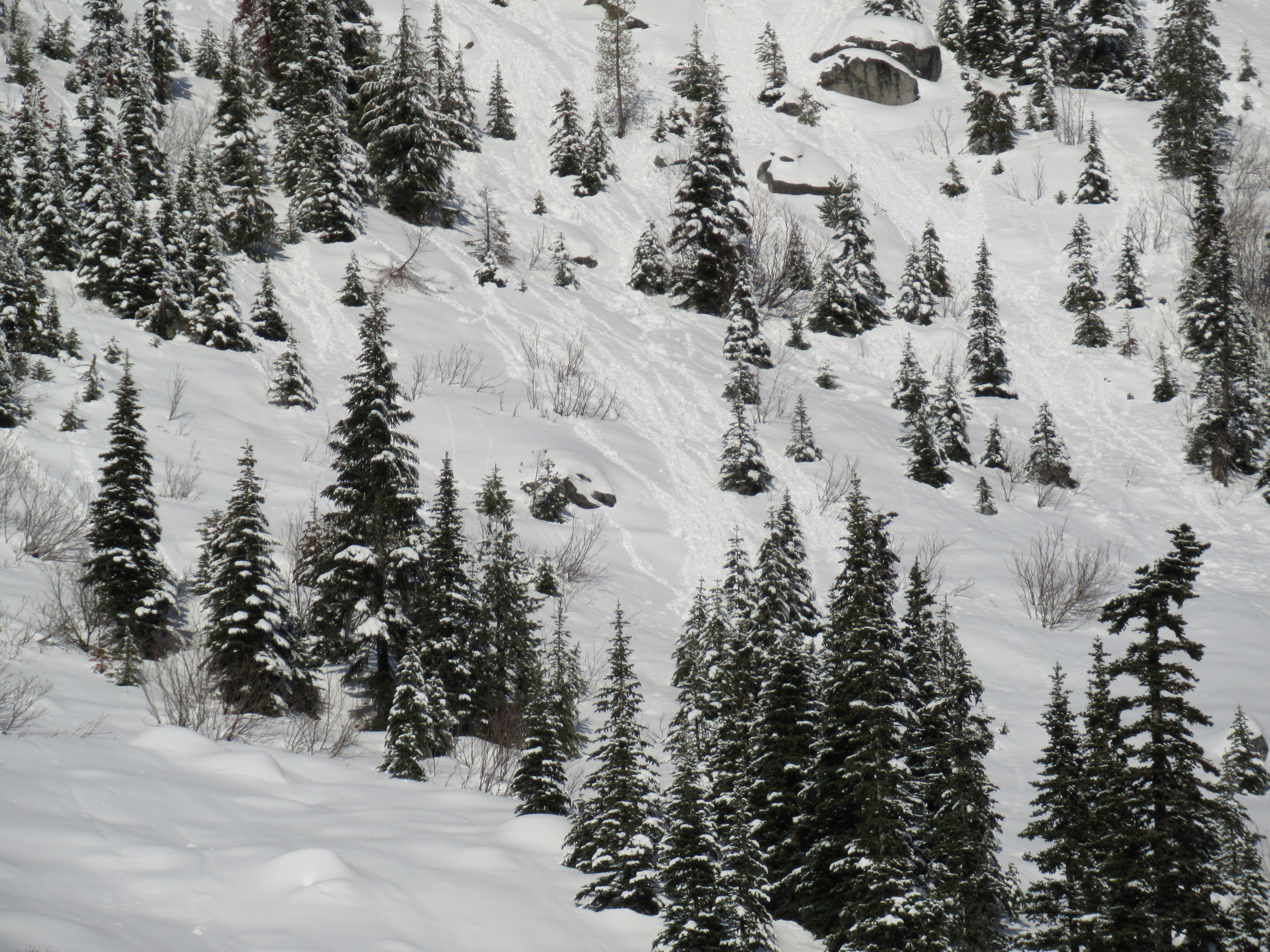
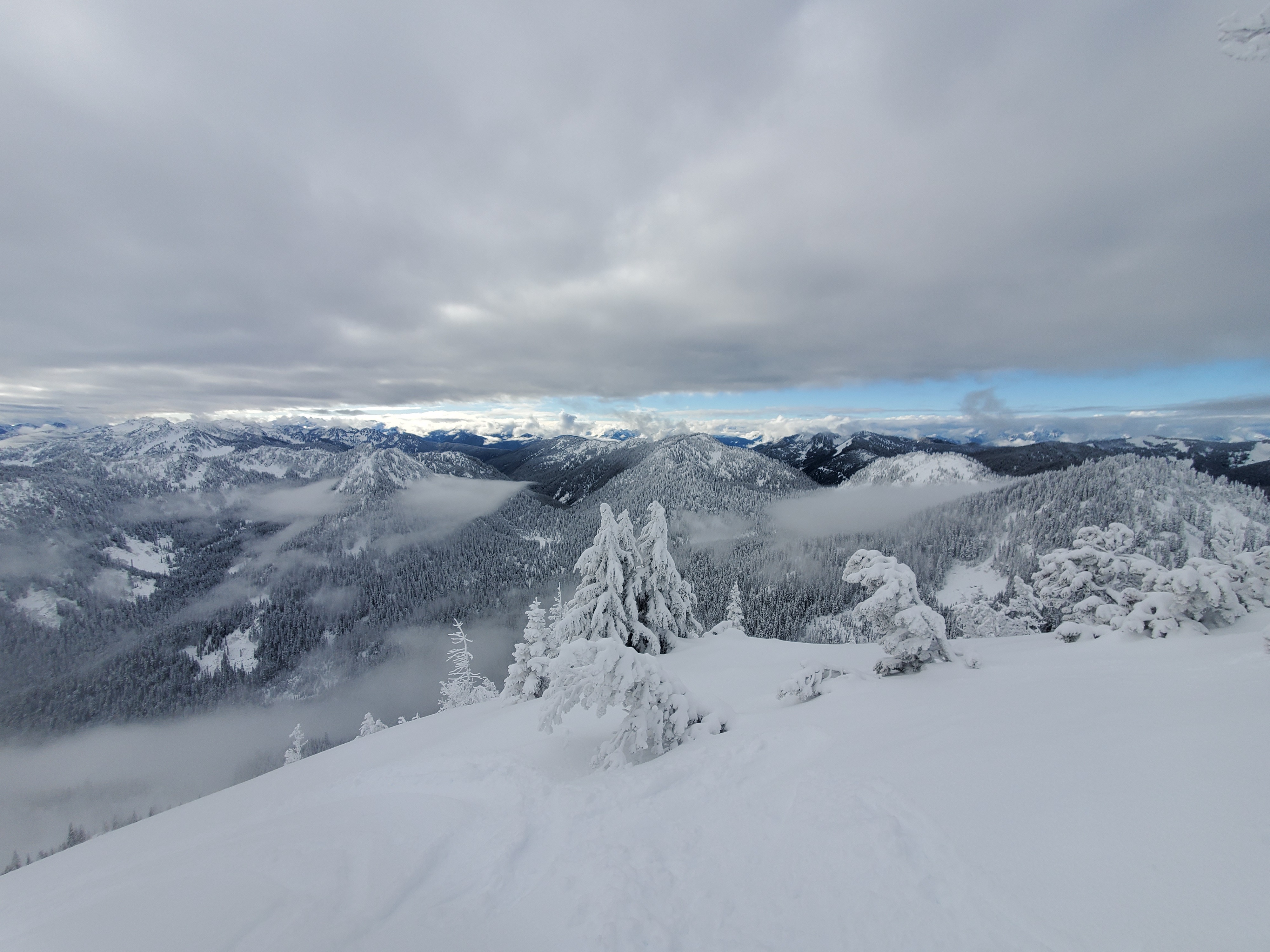
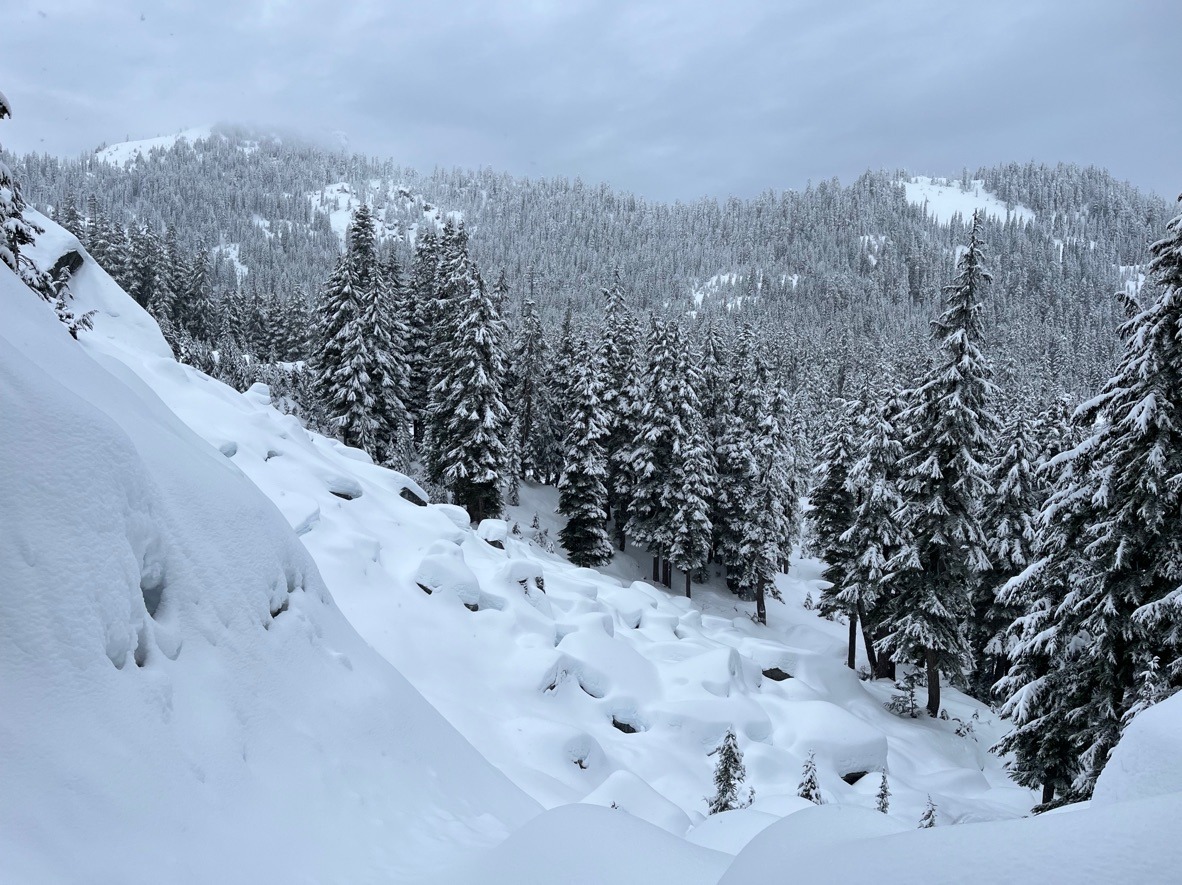
We enjoyed nice boot top powder and partially clearing skies today. We saw minimal cracking and experienced only moderate sluffing of the new snow on steeper slopes. Overall, the snowpack was stable. Lower elevation travel remains challenging.
Today felt like a nice teaser before more abundant snowfall later this week and next. The 6" that fell overnight and today did not yet form a cohesive slab on the surface. There is a slab below the new snow, as well as multiple weak snow/crust combinations in the upper snowpack that are showing potential for propagation with an increased load.
Only time will tell how these layers react to the upcoming storms, and I would tread lightly on this snowpack until we get some evidence and observations of how the buried layers behave during the storm.
Weather
- Air Temp
- 32
- Cloud Cover
- broken
- Wind Loading
- none
- Recent Snowfall
- 16
- Snow Avail For Transport
- moderate amounts
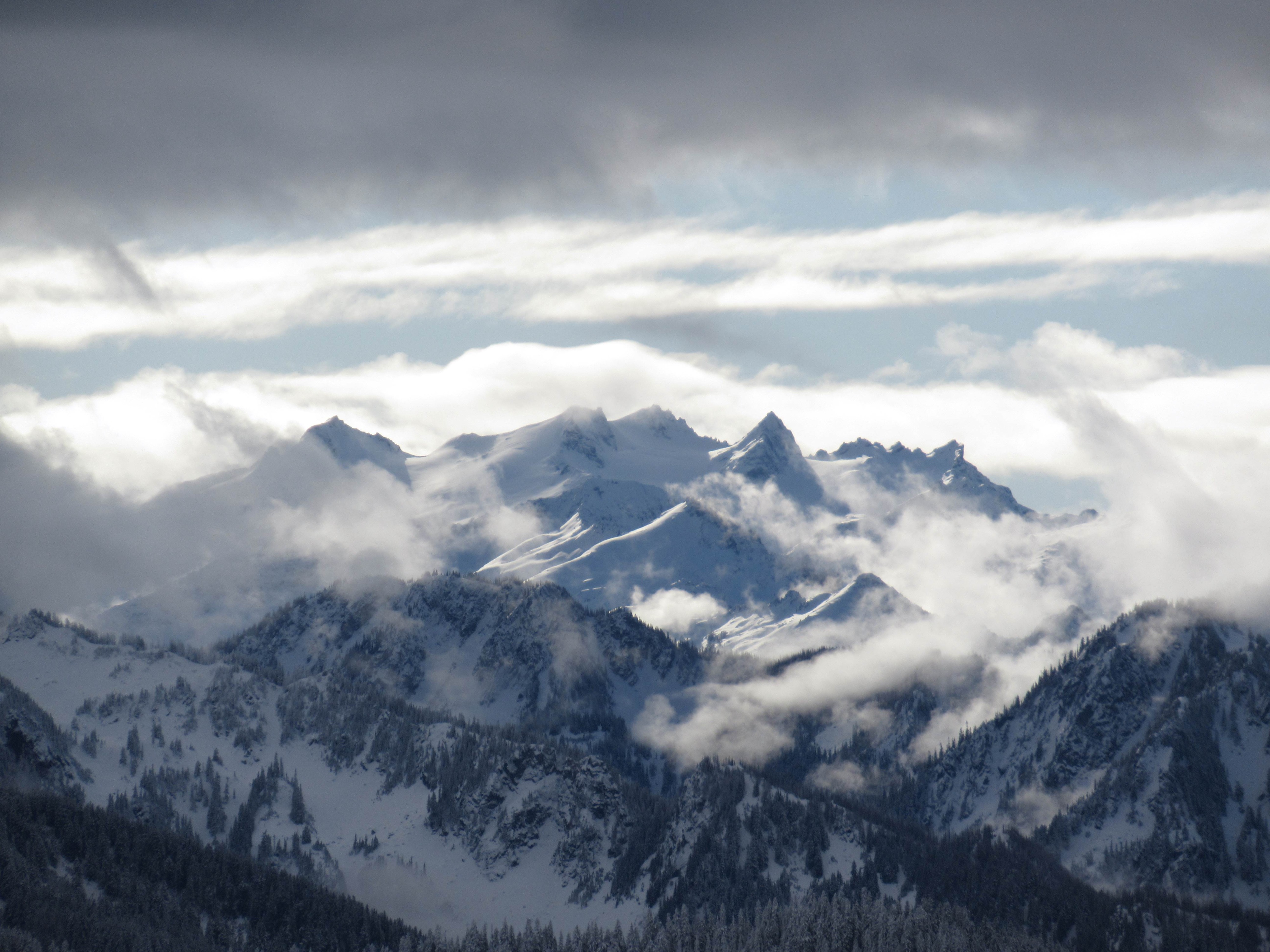
Gorgeous day in the mountains. Light snow in the morning gave way to some partial clearing in the afternoon. Calm winds and mild temperatures.
Snowpack
Today we found approximately 6" of fresh snow with a small layer of surface hoar about 4" below the surface. The fresh snow sat on a thin layer of small facets and a thin, brittle, and breakable melt-freeze crust from 12/30. Tilt tests showed failures within the new snow, and/or on the crust. The surface snow was non-cohesive and produced small sluffs on steep slopes. We only observed very minor cracking (on a high elevation S aspect) on our tour and there were no signs of wind-loading from the current storm. Later in the day, we saw a few rollerballs on steep, mid elevation south aspects.
We dug a snow profile on a 34 degree slope with a northeast aspect @ 5640 feet. We found an HS of 183 cm/72". The upper two feet of the snowpack contains multiple combinations of melt-freeze crusts and faceted/surface hoar crystals. Below that point the snowpack is strong, uniform, and consolidated into frozen P+ melt forms. Any potential issues are in the upper two feet of the snowpack (it will probably be deeper than two feet after these storms!).
Our layer of concern is a stout 8" thick crust complex from mid-December, beginning about 16" below the snow surface. This crust complex contains weak faceted crystals within, above, and below. Additionally, there is a layer of 5-8 mm well-preserved surface hoar just below the top of the complex (about 17" below the surface), resting on a super slick thin translucent ice crust. When tested, this layer produced sudden collapses and propagating results on the surface hoar/ice crust interface (CT11 SC & ECTP18).
This layer warrants caution and observation until proven innocent as the new load comes in. The ingredients for the recipe will be present, with an eventual slab on its way, weak layers in the snowpack, and a slick bed surface.