
Quick report
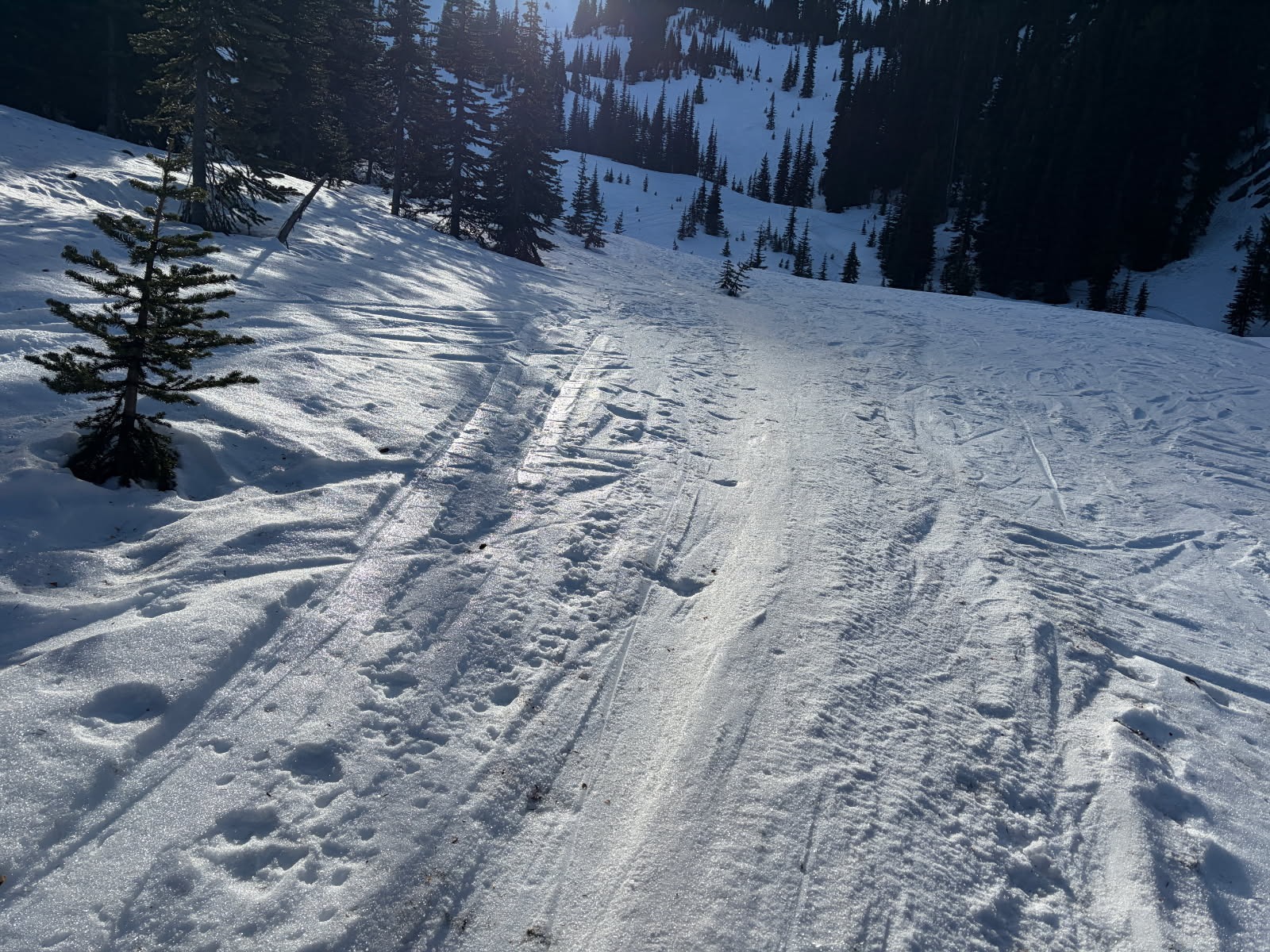
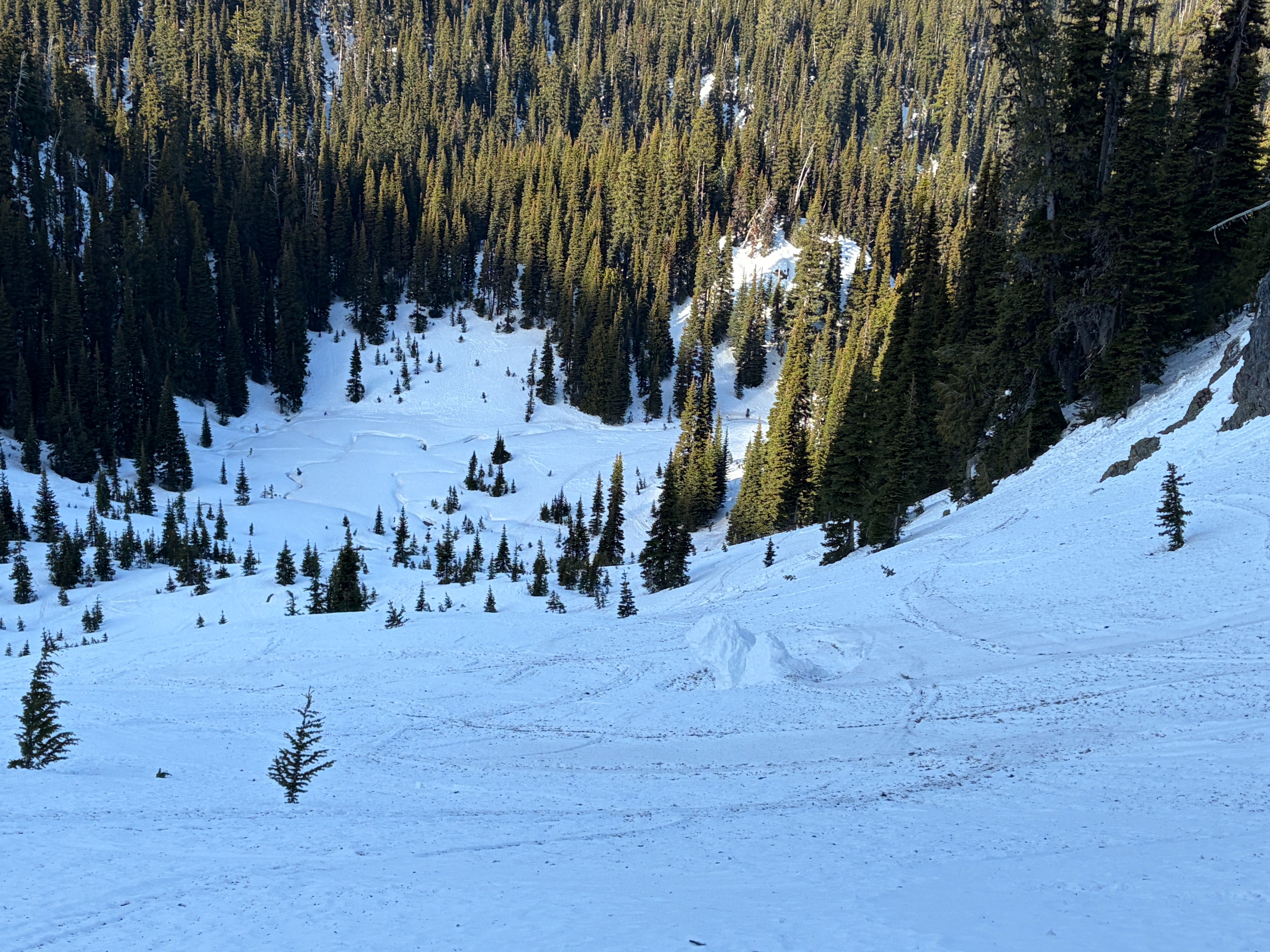
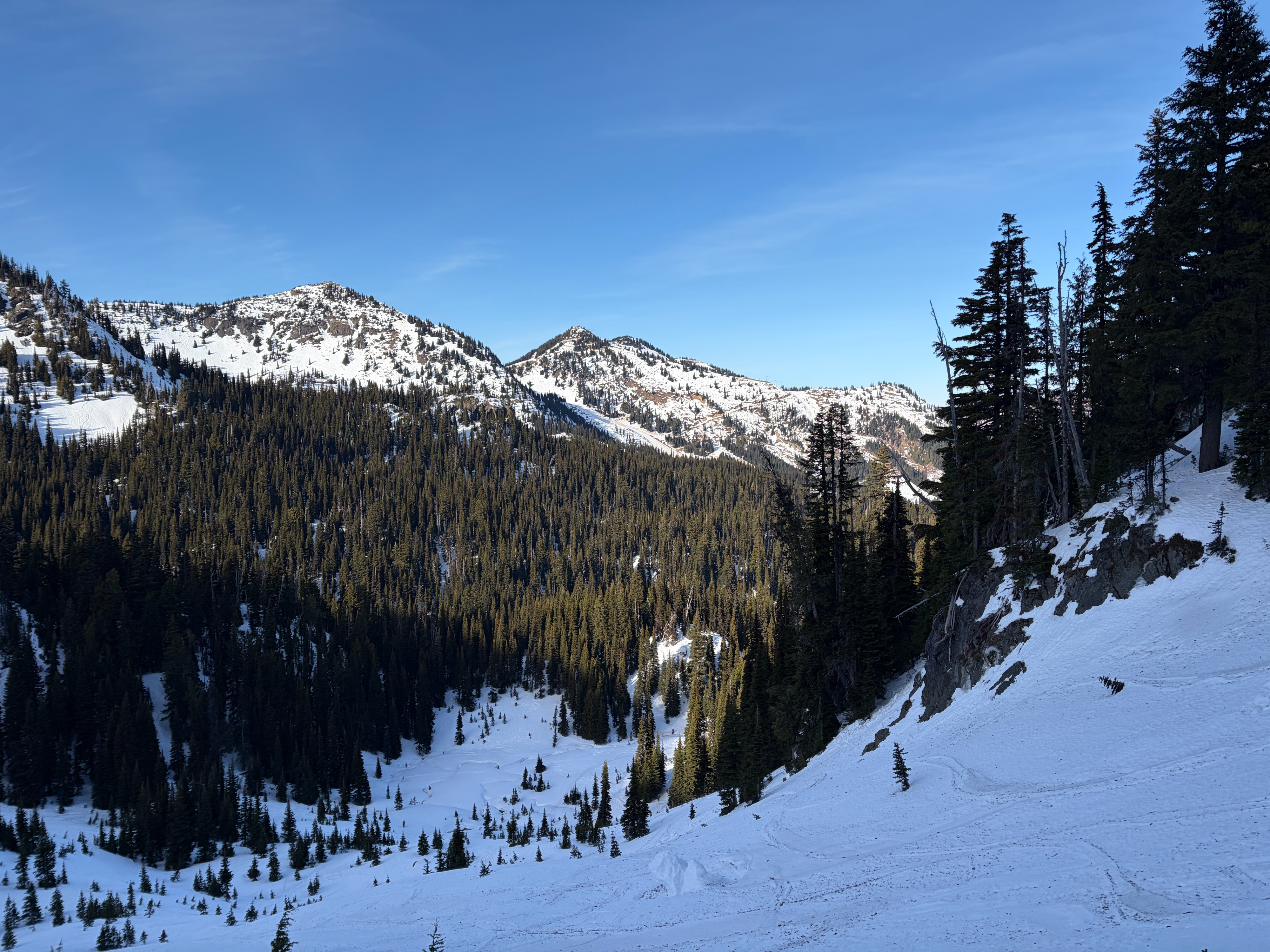
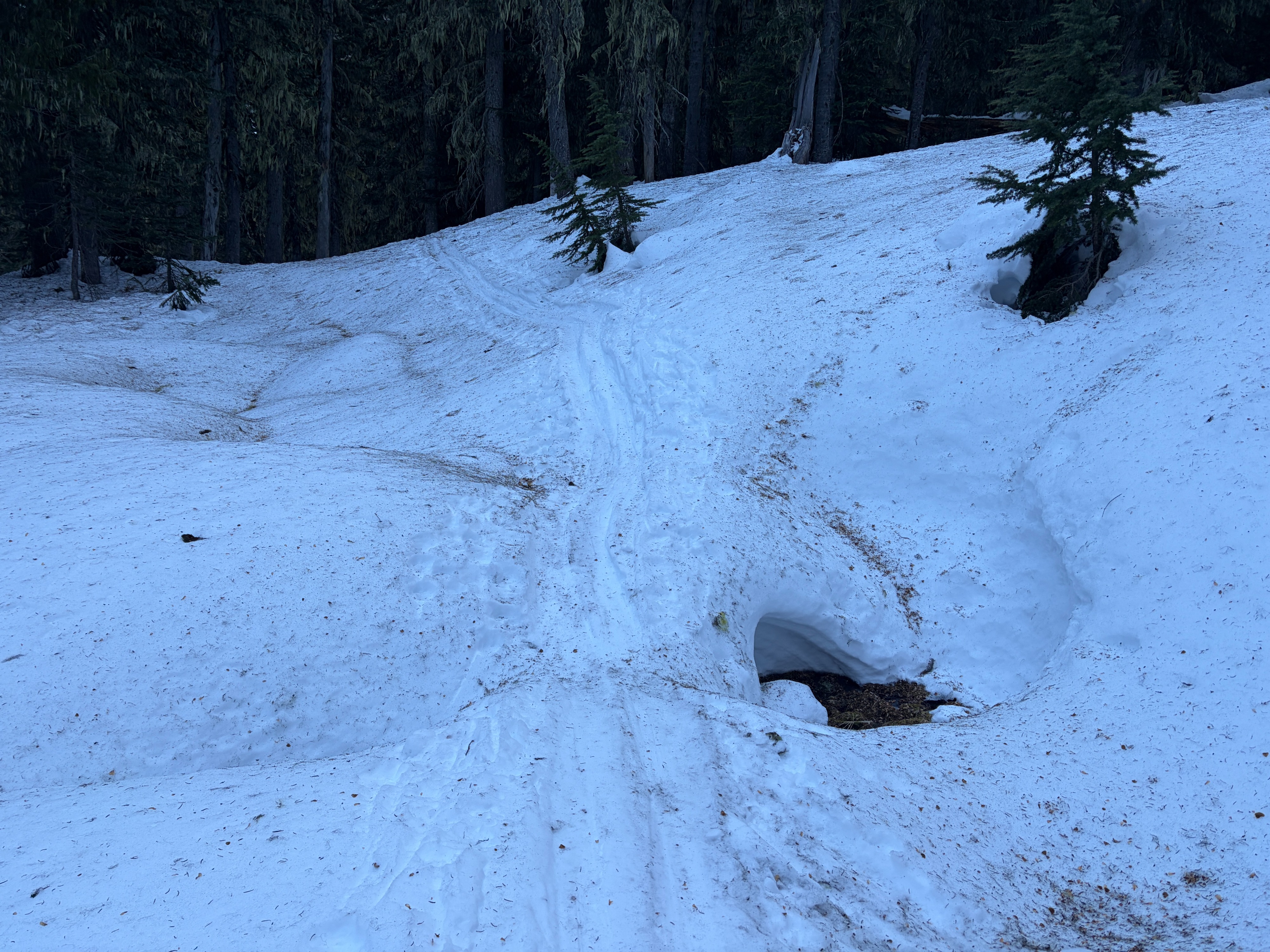
I traveled into Silver Basin today to investigate any recent changes in the snowpack and check out the snow coverage. Below 5,000 feet, snow surfaces were frozen solid, even in the middle of the day. Above 5,000 feet, travel was softer and punchier than expected, primarily due to weakening snow just below the surface. Coverage felt adequate for ski travel, with a generally dense and supportable snowpack. I stuck to the groomed trail for as long as possible, as it offered a safer up track than the surrounding icy surfaces.
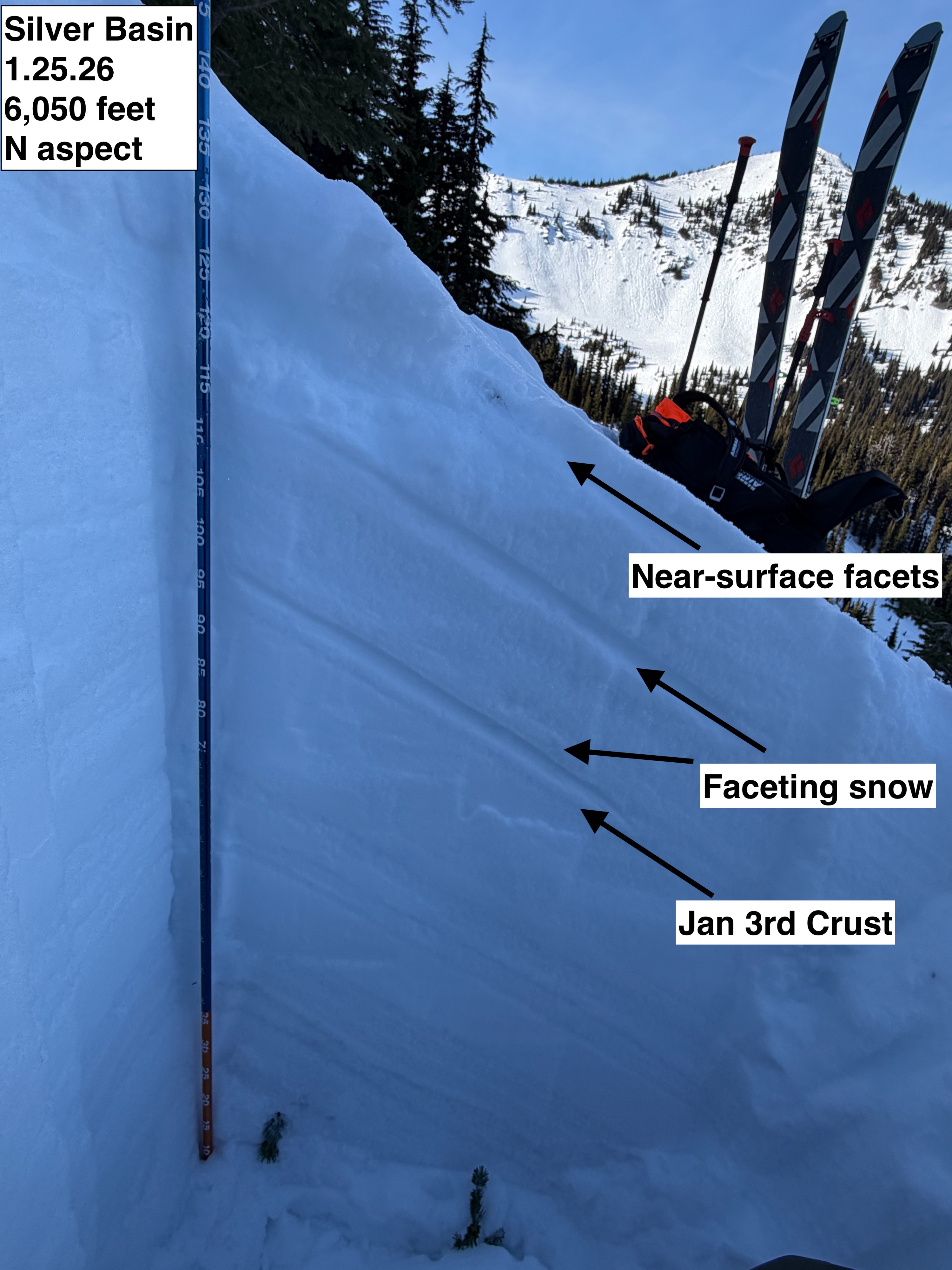
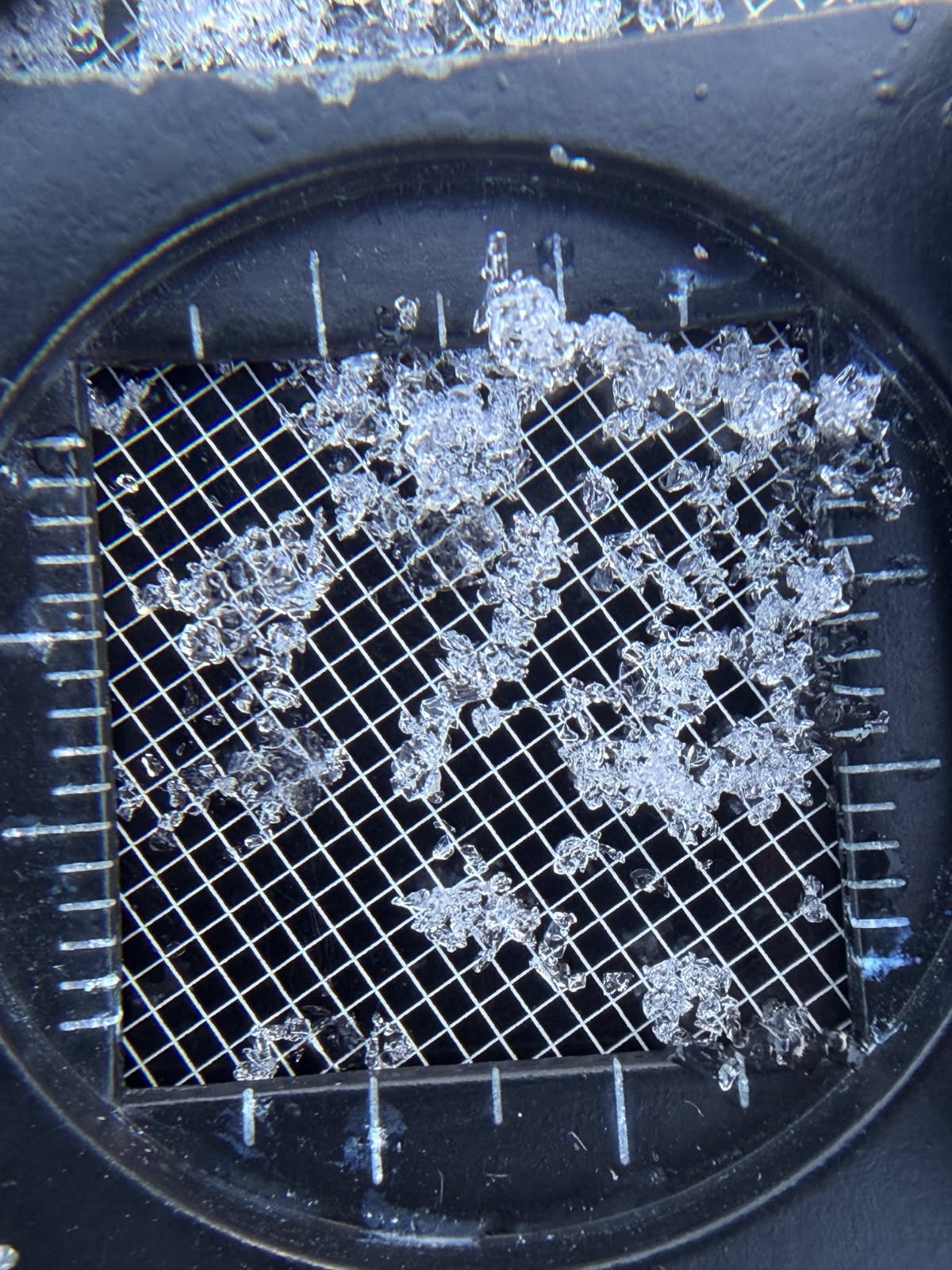
As suspected, cold and dry conditions have begun to weaken the upper snowpack, with faceted grains developing beneath the current surface crust. These grains do not present an immediate hazard. In fact, skiing conditions were better than expected due to the soft, sugary snow. If and when snowfall returns, however, these weakening grains could be an issue.
Surfaces stayed cold and firm. No signs of instability noted.Weather
- Air Temp
- 32
- Cloud Cover
- clear
- Wind Loading
- none
- Recent Snowfall
- 0
- Snow Avail For Transport
- none
Clear and cold. Temperatures stayed below freezing for the entire outing. A temperature inversion allowed for the coldest temperatures at the parking lot. A light west wind blew in exposed areas, but remained calm in Silver Basin.
Snowpack
As this long stretch of dry weather continues, so will the evolution of our snowpack. Recent cold, dry conditions have produced a layer of weakening near-surface facets (NSF) throughout Silver Basin. On northerly aspects, I observed NSF's up to 12 cm (~5 in) thick just below a thin, punchable surface crust. For now, these grains are quite small (1-2mm) and are just beginning to lose cohesion. If this weather trend continues, these grains could further develop. I also observed two thin (approximately 2 cm thick) layers of faceted grains above the January 3 crust. Below this crust, the snowpack is firm, supportable, with no real concerns. On more westerly aspects, NSF's were not identified, and the surface snow stayed cold and locked up.