
Quick report
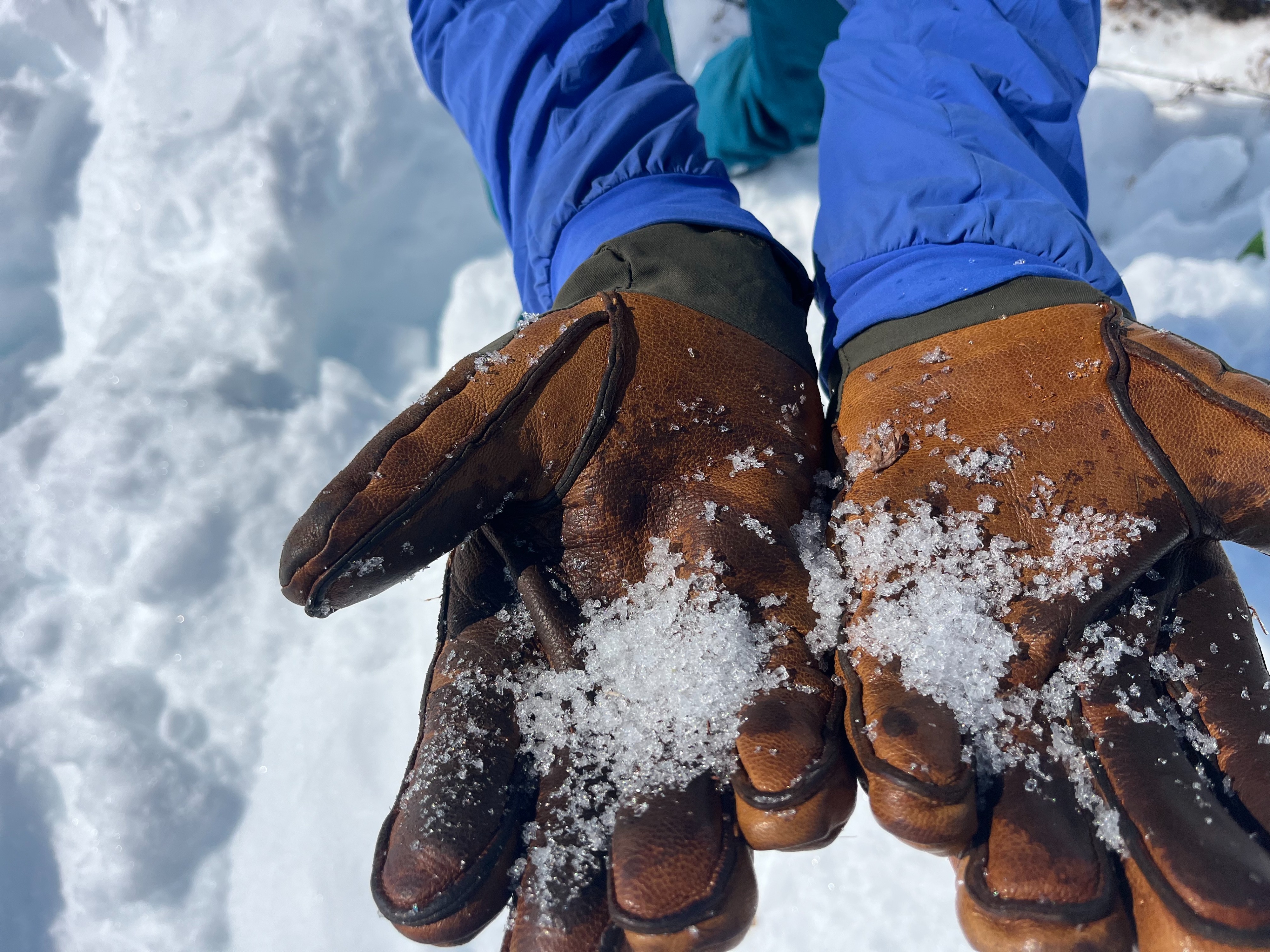
We experienced the warmest day so far since our settled weather began. By the mid afternoon on solar aspects. snow was feeling moist at the surface. We did find consistently large, faceted grains and in some easterly aspects, a loose, uniform snowpack.
As evidenced from yesterday, you could still trigger a persistent slab avalanche in previously wind loaded terrain at upper elevations in steep terrain. You are most likely to encounter a lingering persistent slab on windward and southerly aspects in steep terrain above 35 degrees where rocky and shallow entrances lead to consistent features like gullies or bowls.
It is unclear how much warming contributed to yesterday's persistent slab avalanche release. The party did not see red flag signs of warming and we have not seen significant wet loose activity outside of small point releases in the last week. It is clear that warming enabled the the debris to entrain more moist, faceted snow on its way downhill.
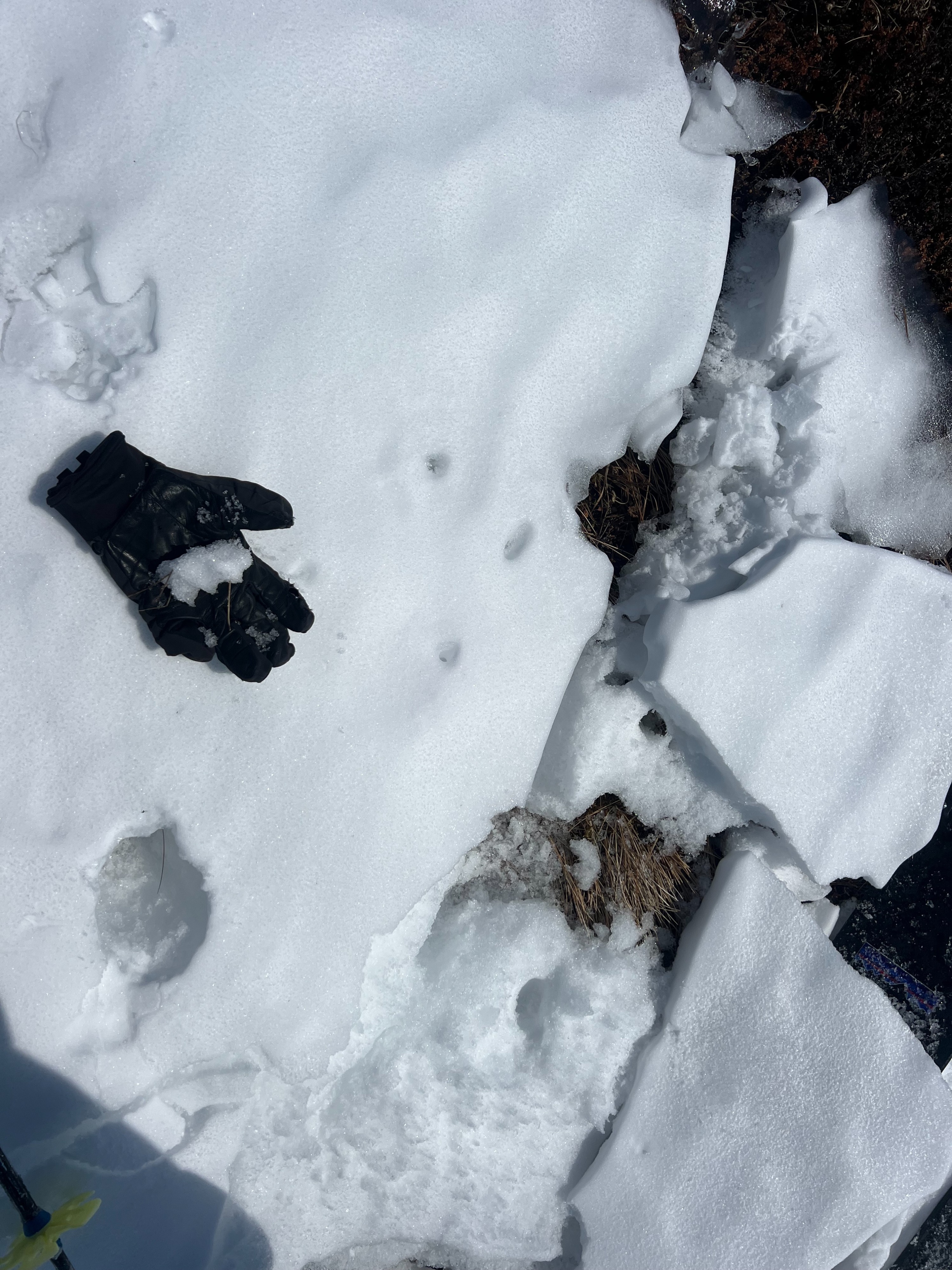
We went to observe the skier triggered SE Marmot avalanche which was triggered yesterday 3/31. No new avalanches were observed today. It remained possible to break small pieces up to 2' wide and 2-4" thick of firm, old wind slab over facets. We did not experience any propagation on this interface.Weather
- Air Temp
- 21
- Cloud Cover
- clear
- Wind Loading
- previous
- Snow Avail For Transport
- none
Another day of settled weather. Wind was calm and undetectable at ridgetops. Solar input was consistent with no clouds in the sky today.
Snowpack
Snow surfaces remain variable. On the due south ridge on Marmot, we encountered extremely shallow snow. Directly at ridgetop, conditions were firm.
On the lookers left side about 300' diagonally from the crown, we were able to get propagation in a snowpit in 75cm of snow where moist, faceted F to 4F old wind slabs sat over large, unconsolidated depth hoar near the ground. Conditions were less firm here than near ridgetop where the slide was triggered.
The avalanche itself was triggered unintentionally yesterday while ski cutting the entrance (lookers right to left) from the rockier ridge. The slab released ~50' above the skier. They were able to ski off the slab to an area with exposed tundra. Crown depth varied from 2" to 14" and was mostly shallow. This avalanche failed within old snow at an old wind slab/facet interface and appeared to step down into depth hoar around rocks below the crown near the start zone. Debris entrained most and loose faceted snow in the gully below and ran approximately 1100'. The party reported the avalanche as releasing quickly and then moving slowly downhill.
In untracked terrain where the snow was deeper on more easterly aspects, we found plesant surface conditions after 1300, especially as we got to more moderate angles away from ridgetop. Surfaces were moist, but with large faceted grains, they rode fast. While we could make a snowball with the surface snow, the lack of rounding made for poor cohesion and it was not possible to squeeze any water out of it.
Avalanche
See separate avalanche observation and below for more information.