
Quick report
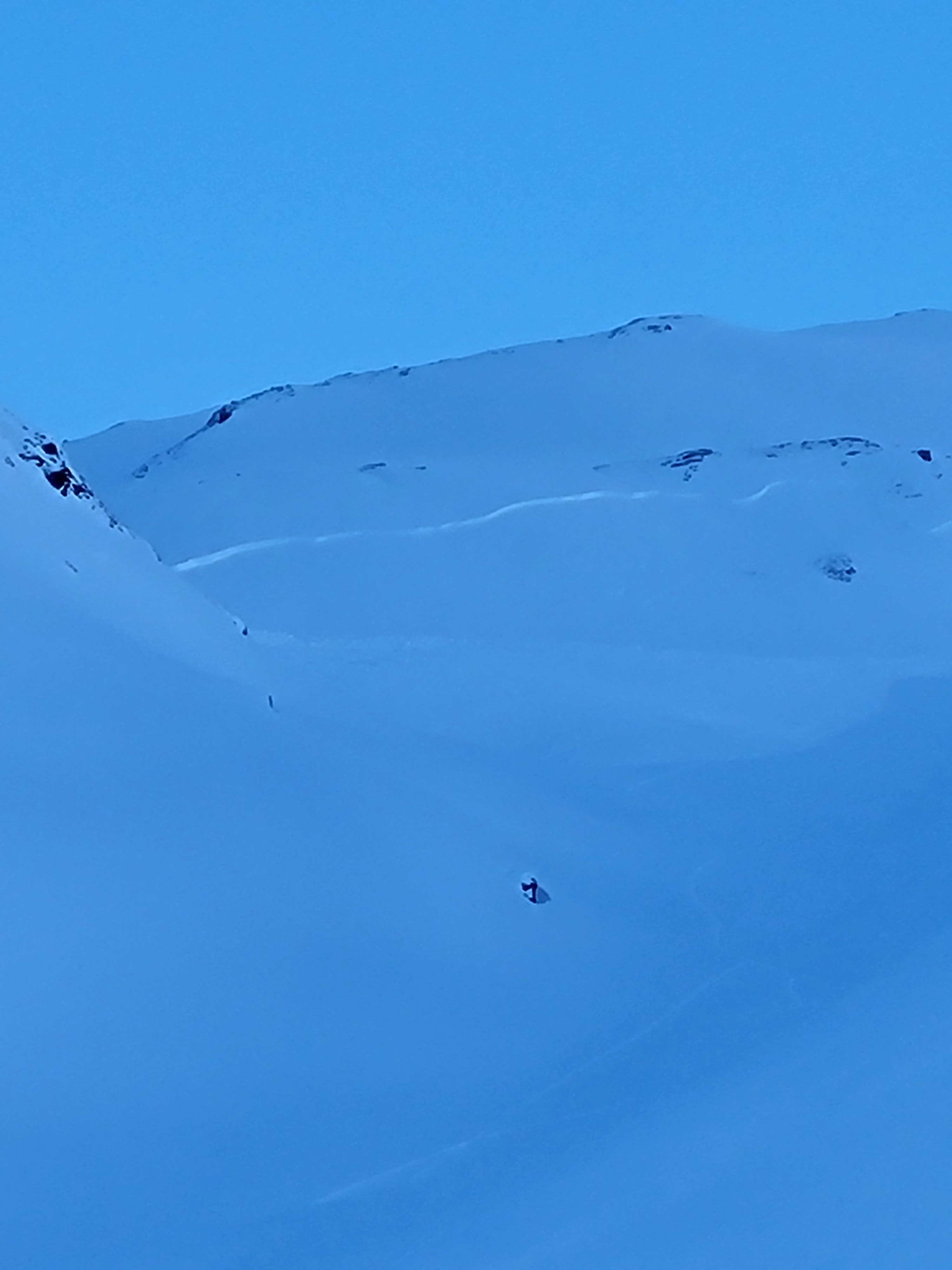
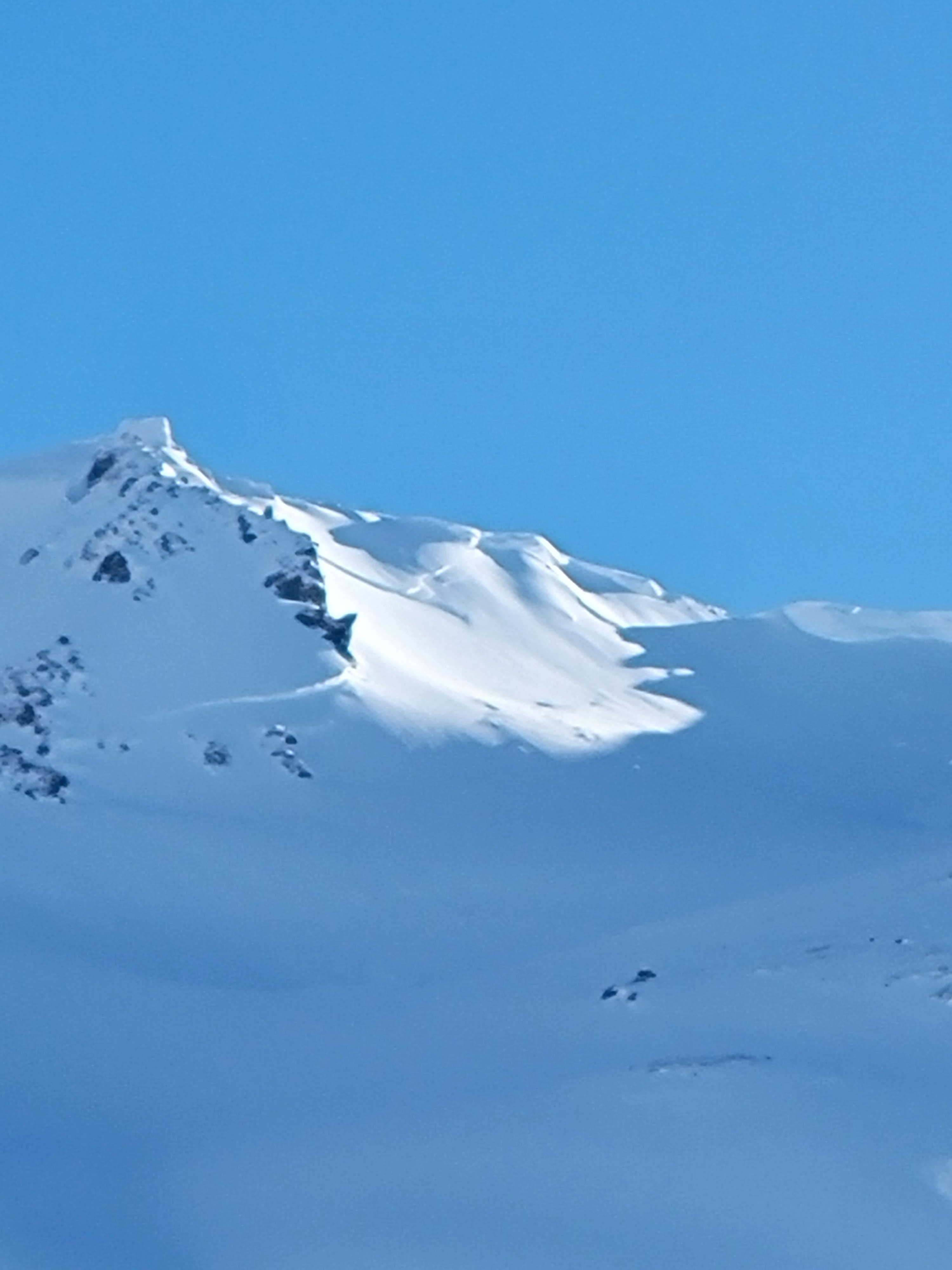
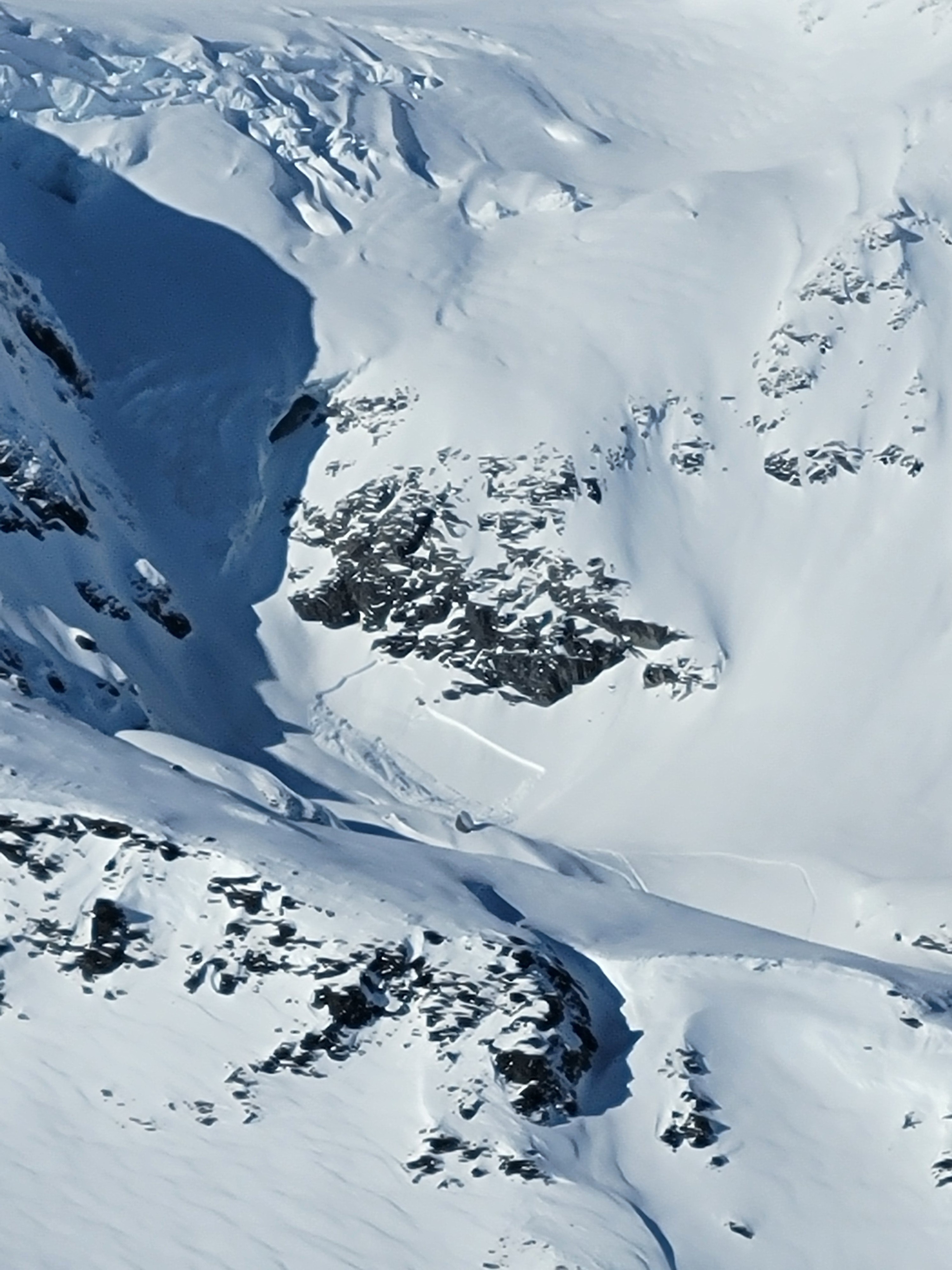
While driving through the pass multiple recent storm slab avalanches were observed in several drainages. Additional older avalanches were obscured by storm snow. Recent natural avalanche activity and the likelihood of human-triggered avalanches in steep higher elevations represent a considerable hazard at the moment. Observations from lower elevations on the pass show more stable conditions with little avalanche activity and no other signs of instability.
No signs of instability were observed on our route but numerous large D2 storm slabs were spotted at higher elevations. Some with long propagations. Fractures appeared to be roughly 1-3 feet deep and up to 300 feet wide. Several avalanches were 24-36 hours old.Weather
- Air Temp
- 3.2 at car
- Cloud Cover
- clear
- Wind Loading
- previous
- Rain Elevation
- Unknown
- Recent Snowfall
- 70cm storm total
- Snow Avail For Transport
- large amounts
Calm clear weather. Mild temperature inversion. Rapidly decreasing temps at sunset.
Snowpack
Snow pits in our area showed approximately 70cm of new snow with several density changes and ice crusts within the storm snow. Despite the obvious layering, there were no significant test results in 2 ect tests. Storm snow up high is expected to be a more homogenous layer in areas that stayed below freezing during the storm cycle.
Avalanche
Multiple recent D2 avalanches were observed in several of the commonly traveled drainages on Thompson Pass. Areas with avalanche occurrence included lower 27 mile glacier, N Odyssey Gulley Bowl, Upper Gulley 1, and Nicks Happy Valley. From a distance, these avalanches appeared to have fracture lines 1-3 feet deep and up to 300 feet wide. It is likely these slides released naturally over the last 24 hours.