
Quick report
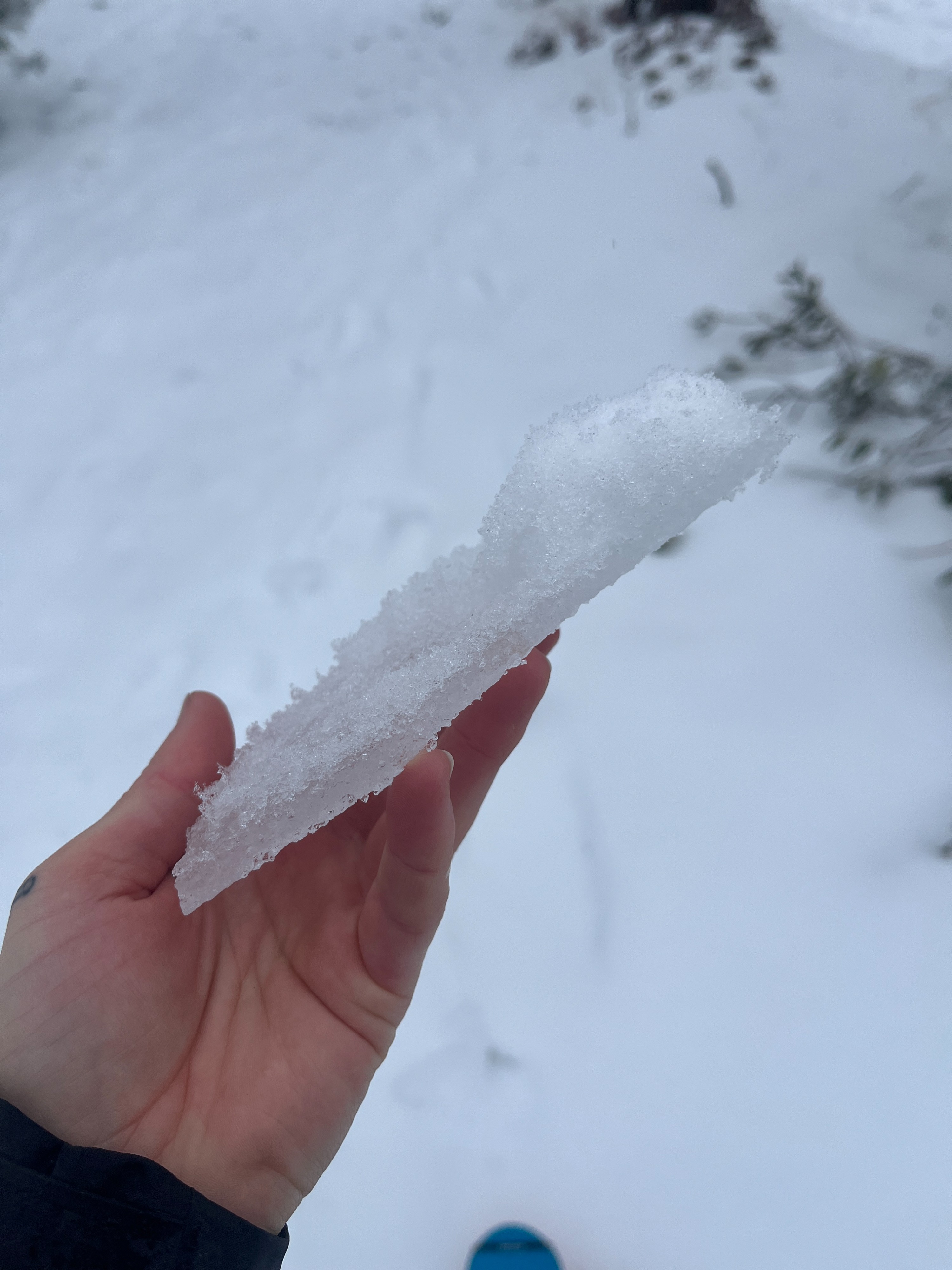
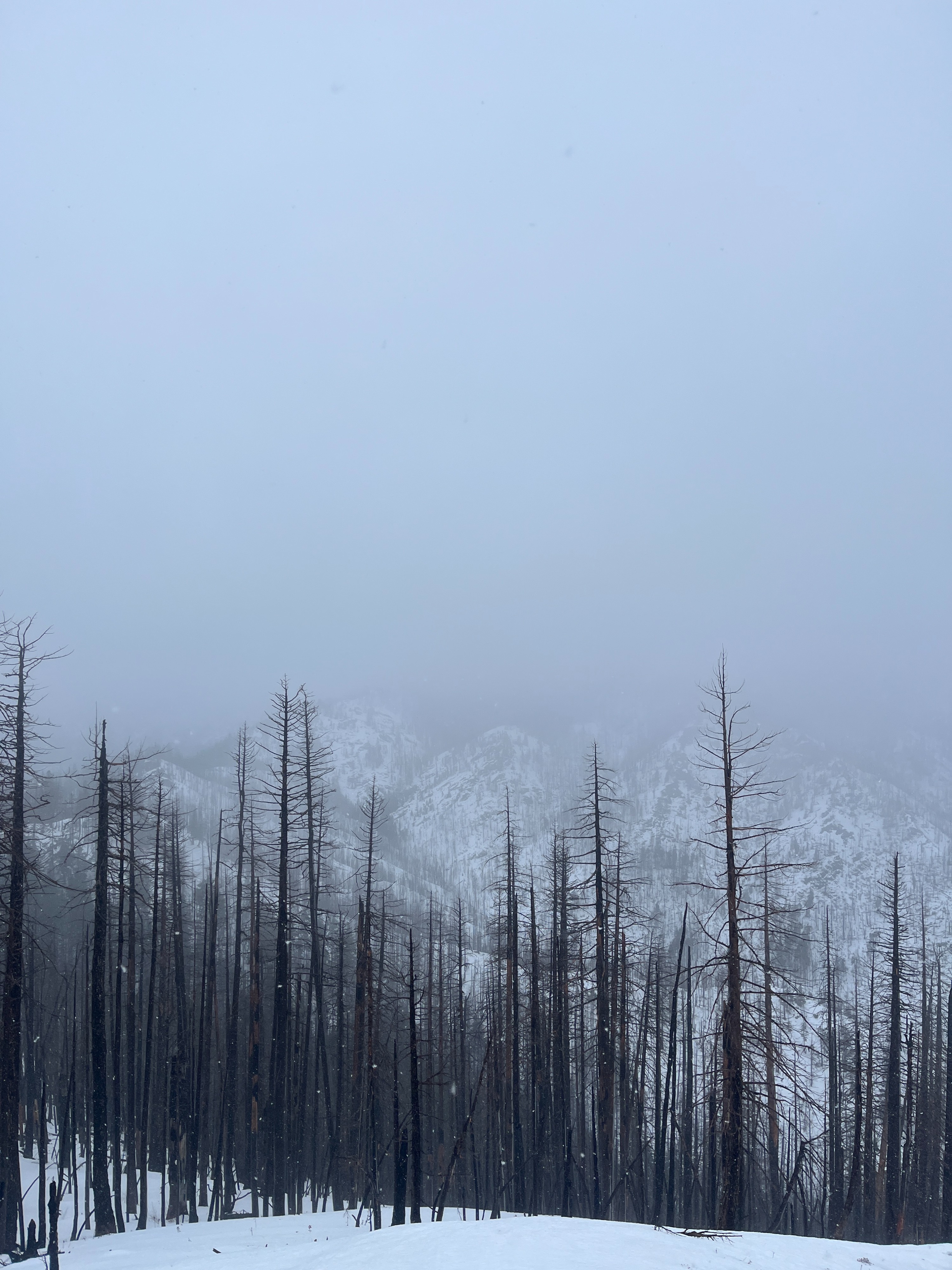
If you chose to have an inside day, you chose well. Rain made for tricky movement in the backcountry today. The snowpack has been heavily influenced by the rain up to mid elevations. I was not able to observe upper elevation slopes today. The layer of concern is near crust facets that continue to be found above and below a melt freeze crust in the middle-upper portion of the snowpack.
Wet snow instability was a concern today on steep slopes up to middle elevations. Upper elevations were not observed.Weather
- Air Temp
- 23
- Cloud Cover
- overcast
- Wind Loading
- previous
- Rain Elevation
- 4000
- Recent Snowfall
- 0
- Snow Avail For Transport
- none
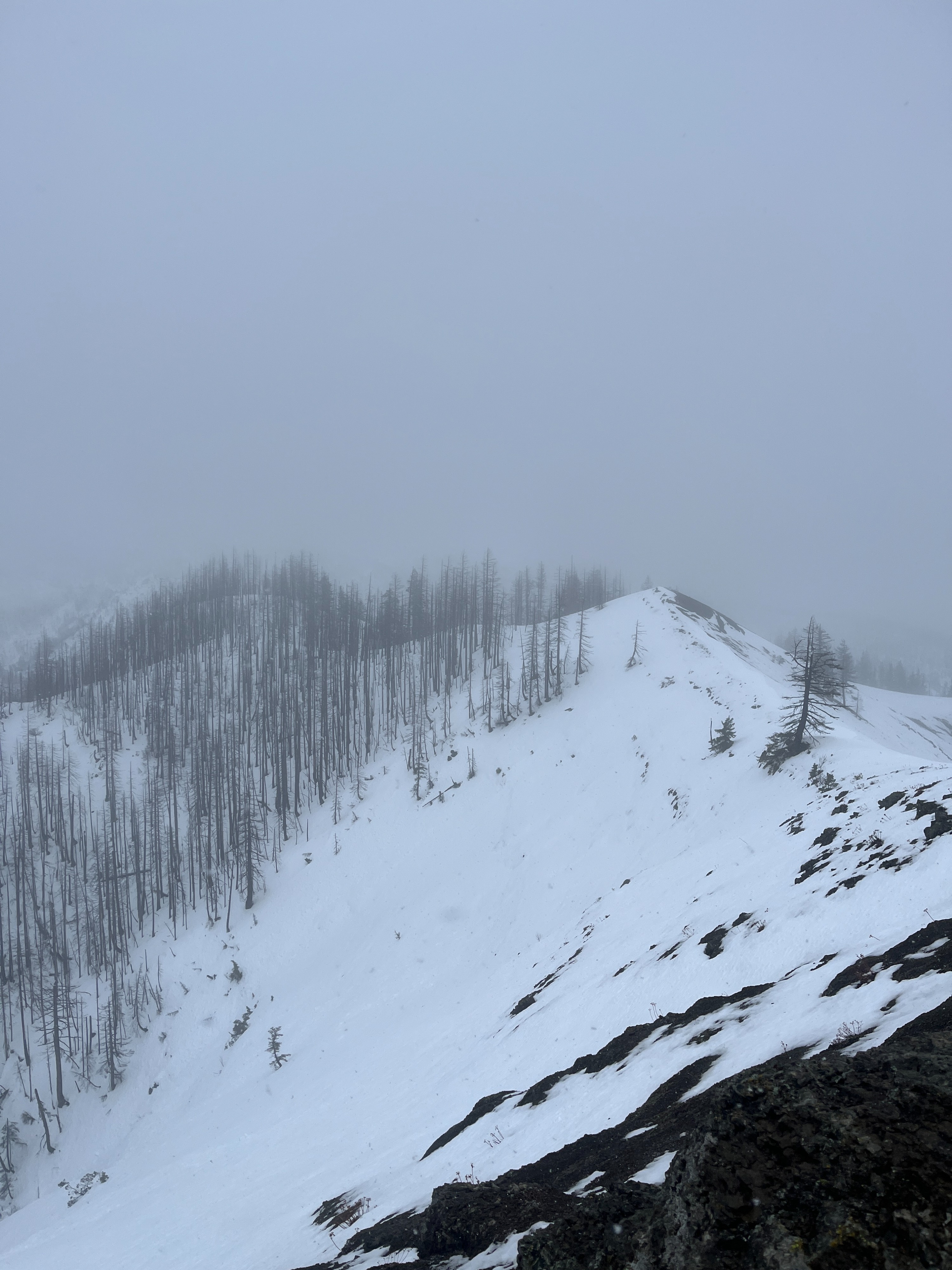
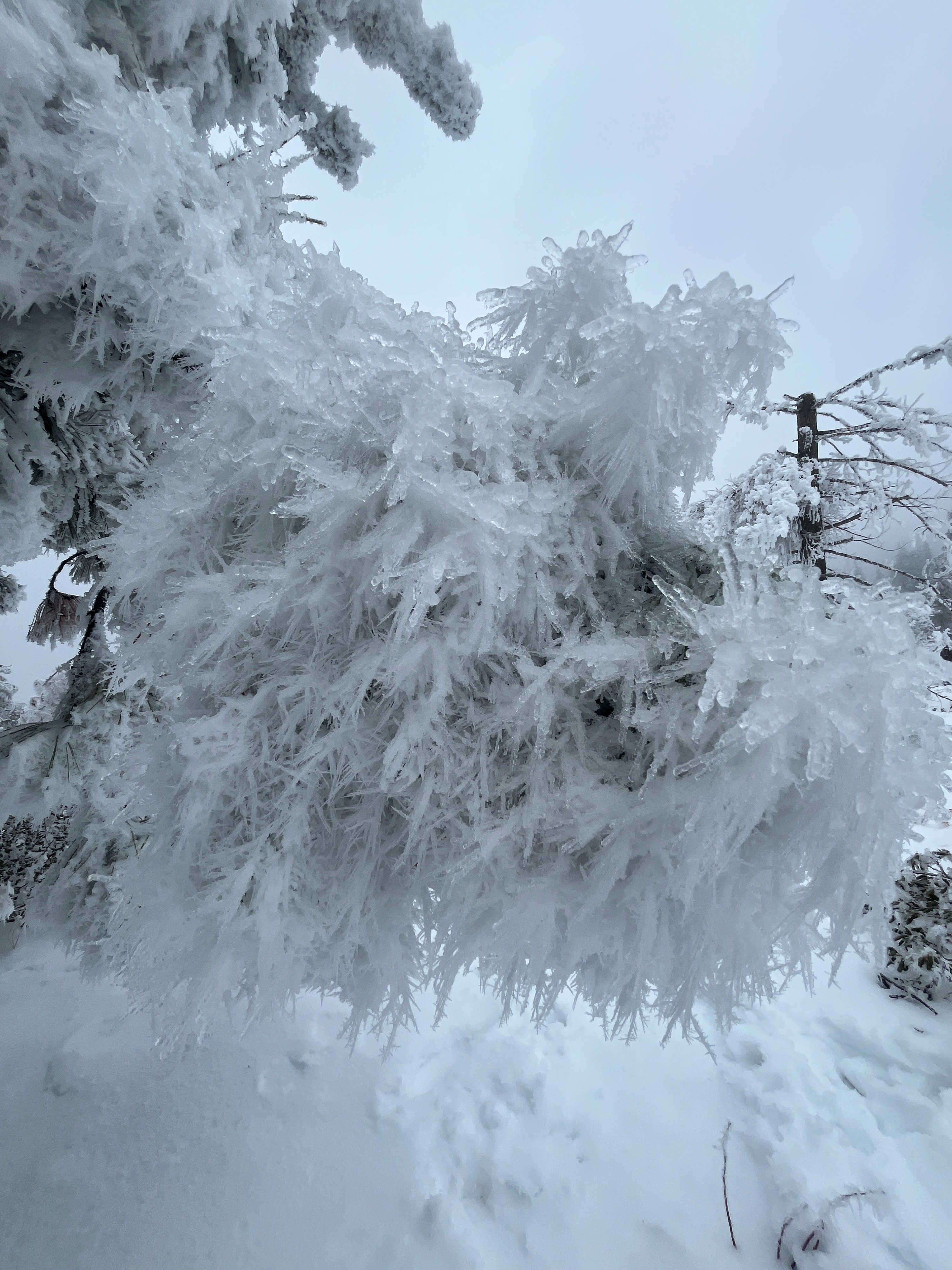
It rained lightly on and off to the rain line on my ascent. It began snowing lightly at ridgeline around noon and stopped by 1:30. It remained overcast all day but the clouds thinned after it stopped snowing. An inversion lingered all day as well up to around 3000 ft. Temperatures dropped throughout the day. The wind at ridgeline was calm with light gusts from the southwest.
Snowpack
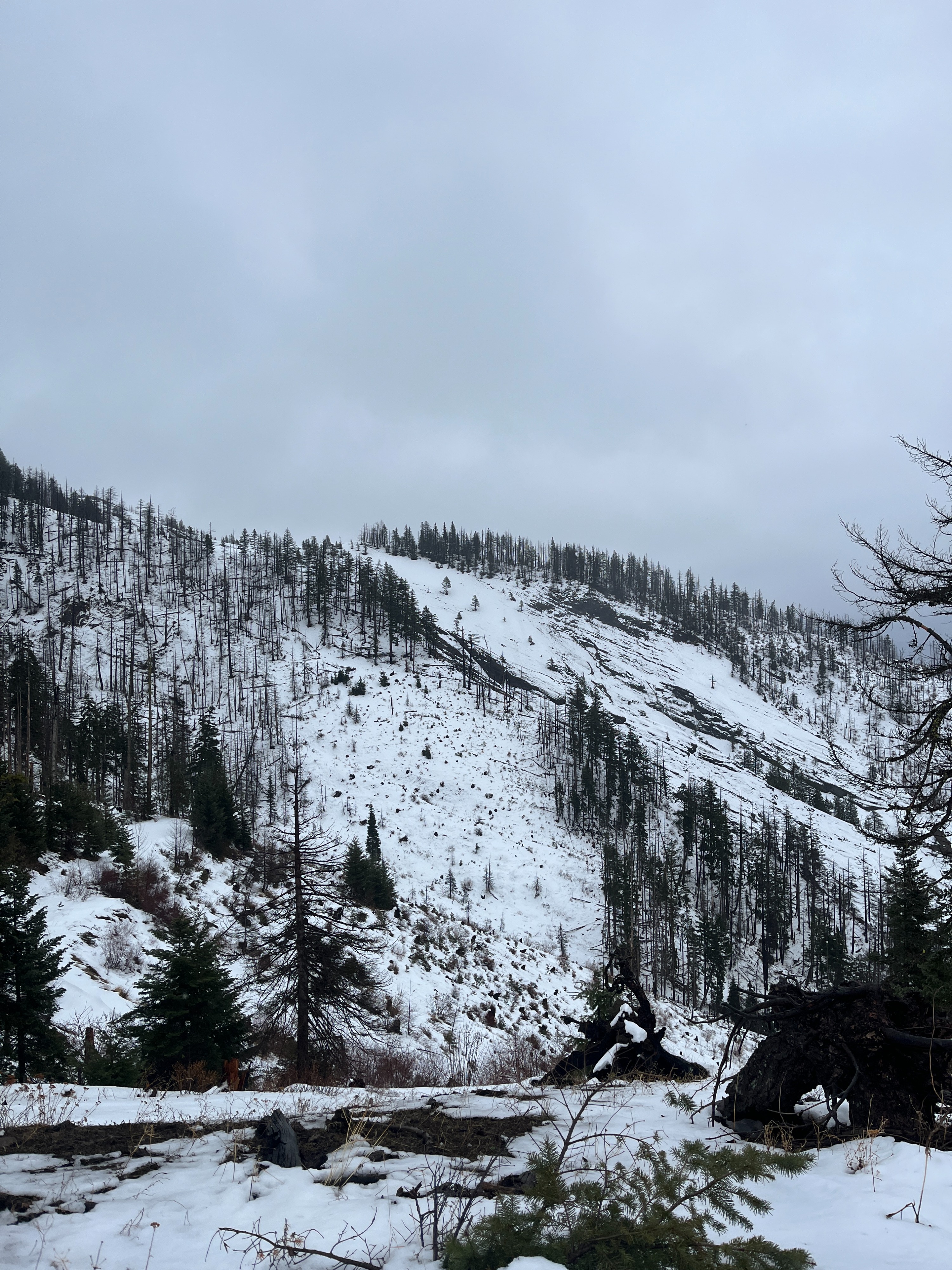
The cold inversion throughout last week preserved the meager snowpack at lower elevations. Today, below 4000 ft, there was a stout but breakable rain crust overlaying the snowpack. The snow was moist and unconsolidated beneath. Above 4000 ft, the snow was moist-wet throughout on all aspects and was very mushy in the trees. At around 4500 ft, there is a significant jump in overall snow depth from a few inches to 1-2 ft. At 5000 ft, I found an average of 31 in/80cm.
I dug a pit on a northeast aspect at 4934 ft. The depth of this pit was 27in/68cm. My boot penetration was 12in/31cm and my ski penetration was 3in/8cm. The snow was at least moist to the ground. I found four finger (4F) hard near surface/near crust facets in the top 6 in/15cm above a melt freeze crust where water had pooled within making it wet. Below this crust was fist (F) hard near crust facets. Midpack, I found 8in/21cm of four finger (4F) to one finger (1F) hard rounded grains overlaying another melt freeze crust with water pooling. Below this crust was multiple layers of near crust facets and more crusts. At the ground I found pencil (P) hard melt forms. I performed a shovel shear test and got a moderate result (STM) in the layer of near crust facets below the first crust in the snowpack. I performed an extended column test and got moderate, non-propagating results (ECTN17) in the same layer.
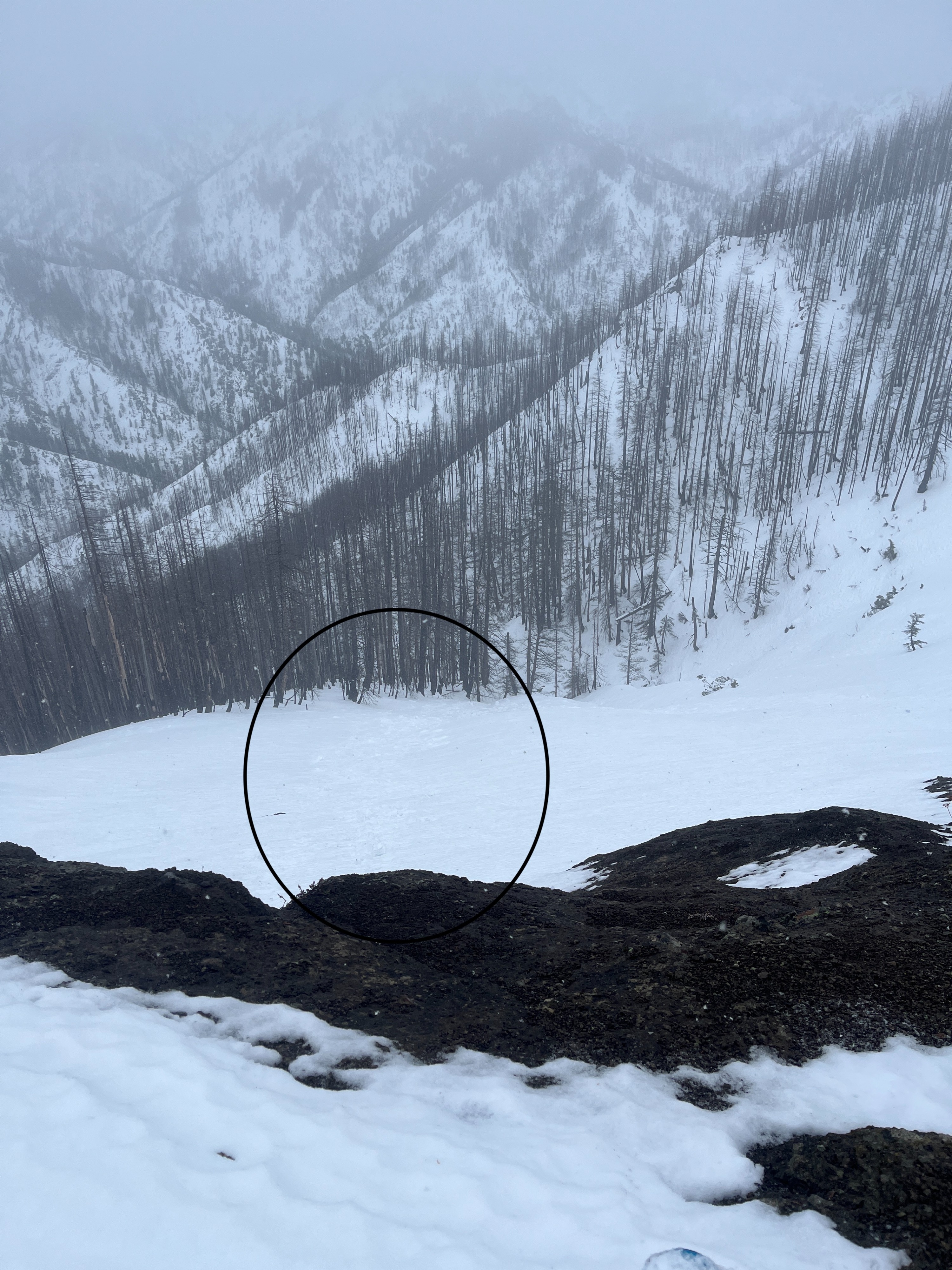
I found evidence of previous wet snow instability on all aspects in addition to current instability. I was able to kick off small cornices fairly easily that rollerballed down the slope.