
Quick report
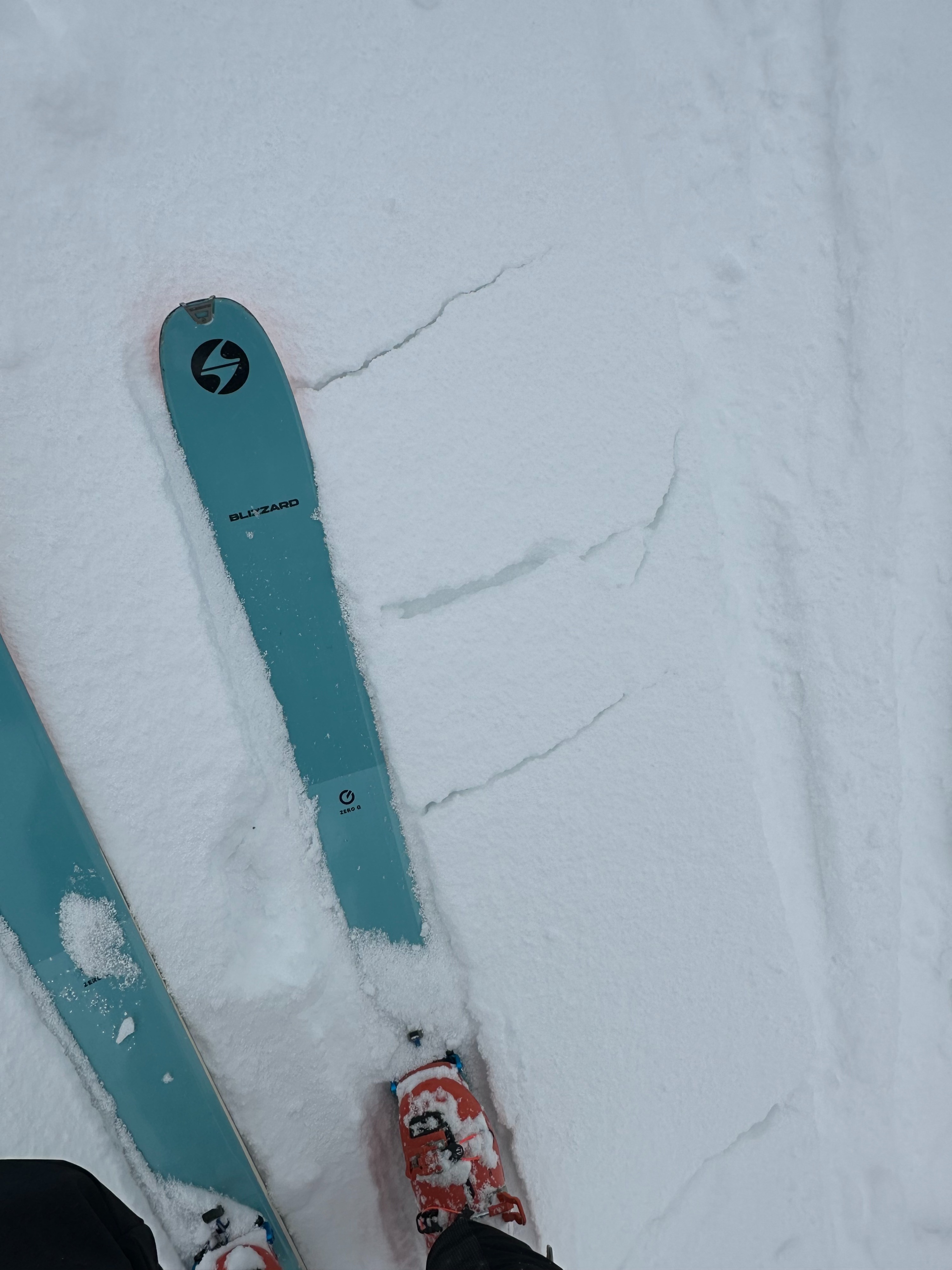
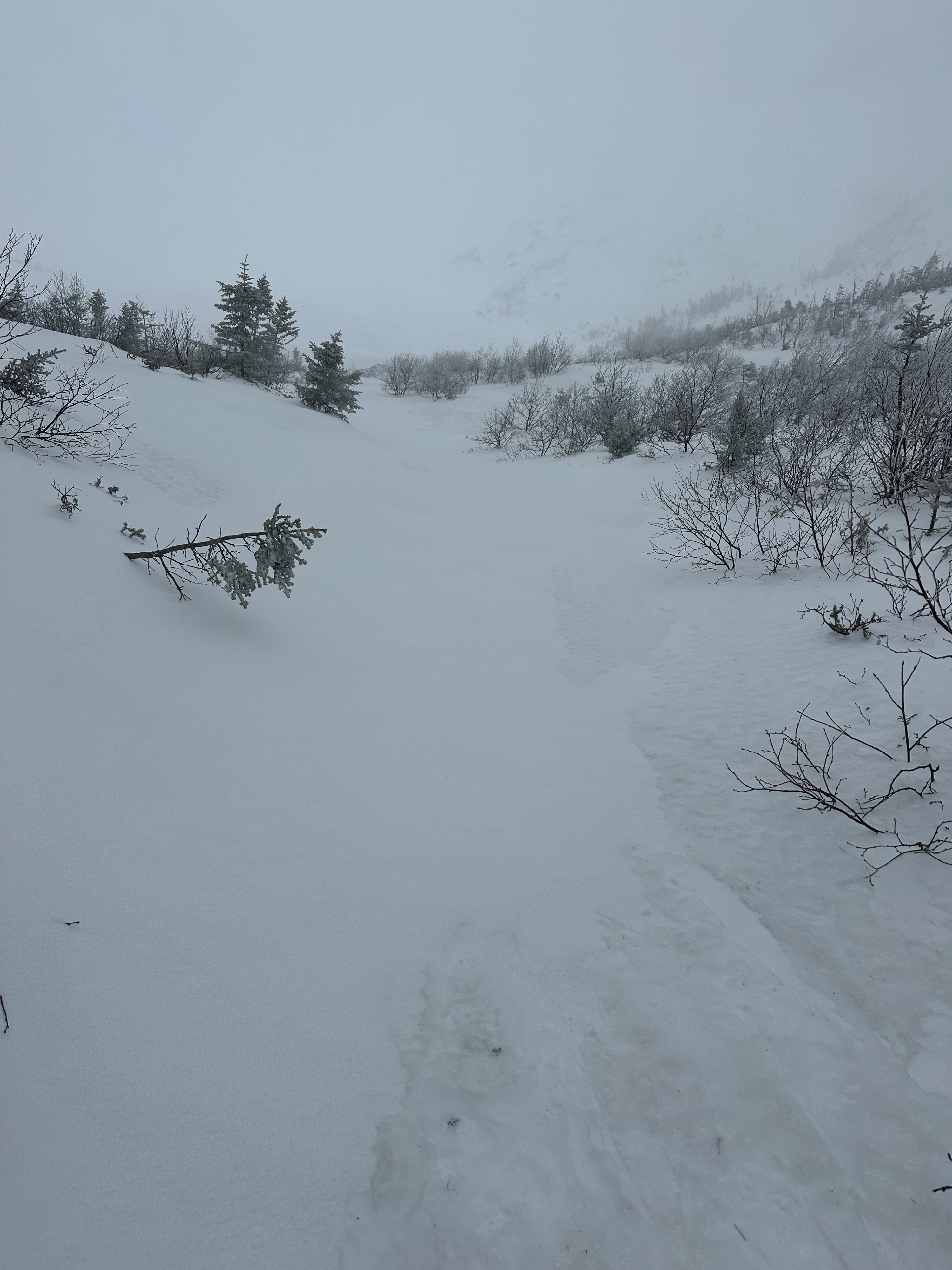
We observed variable snow conditions in Tuckerman Ravine. The snow surface was a mix between old, hard, and icy snow, and soft wind slab that showed a range of depth and sensitivity. In general, new wind slabs were up to 12 inches thick in the most wind-protected areas and would have been a concerning snow structure if I were traveling in very steep terrain.
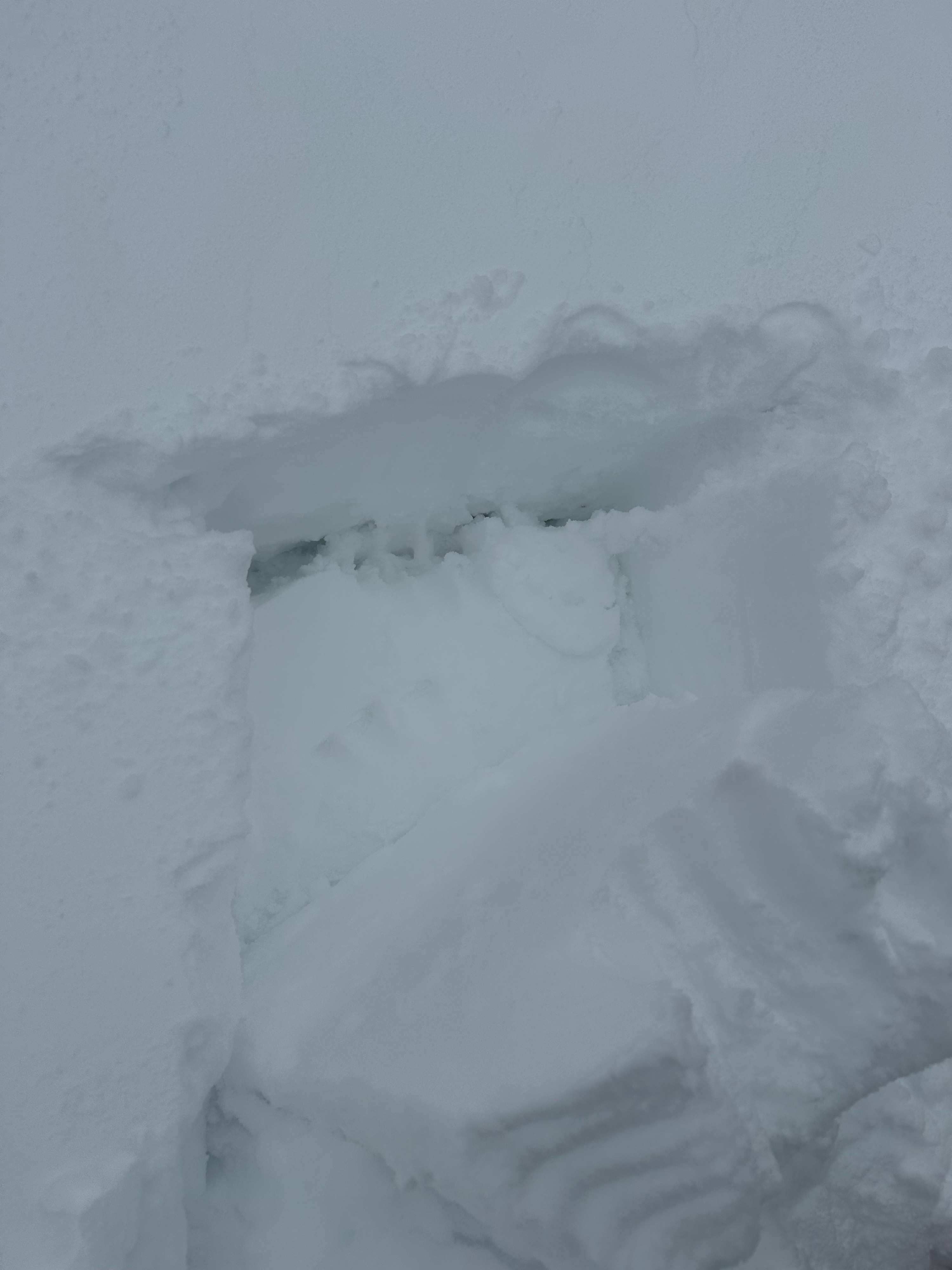
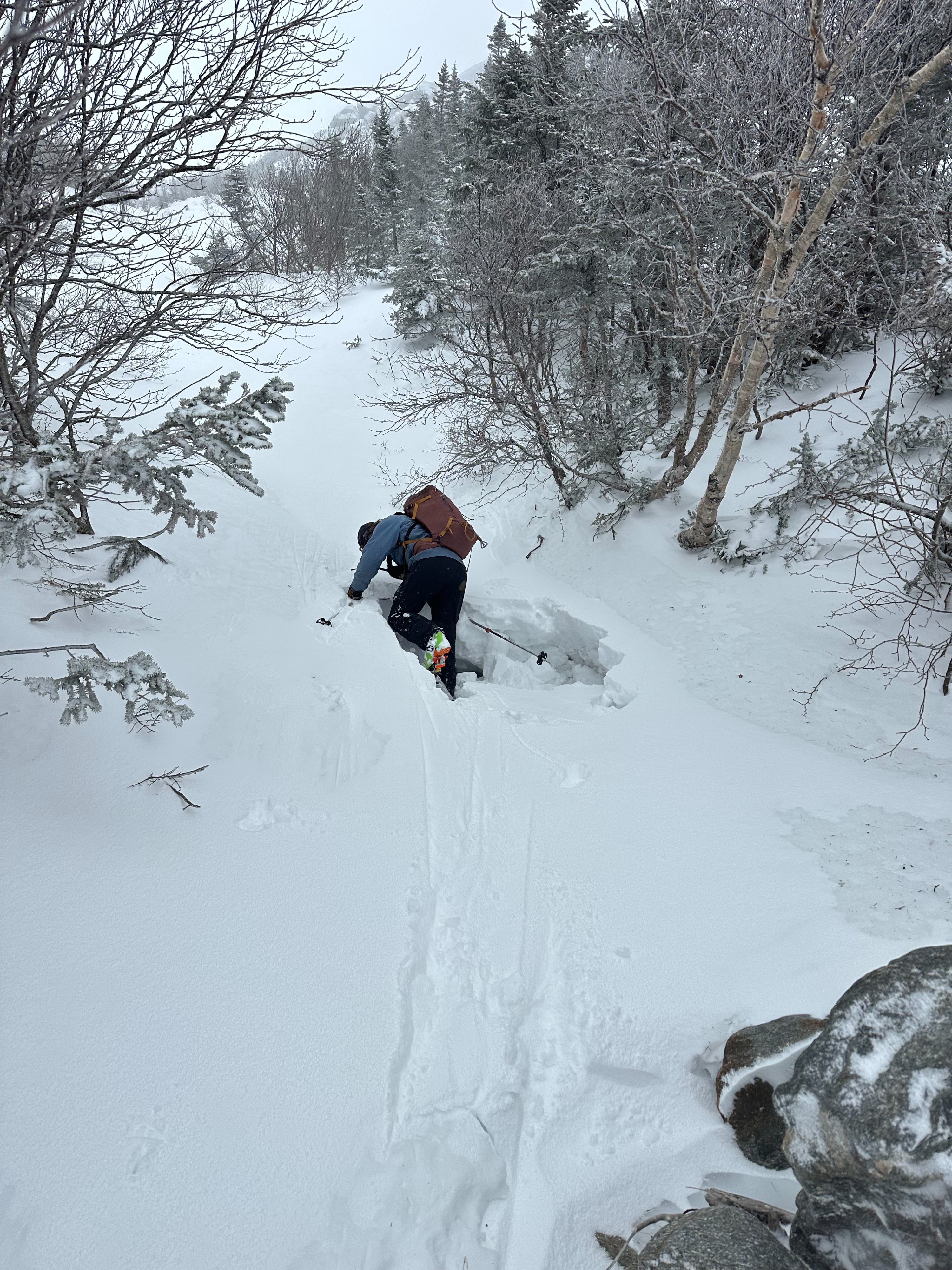
Watch out for some undermined snow around Little Headwall!
No major red flags of instability were observed. Hand shear tests were failing easily in sheltered areas that had developed deeper snow drifts.Weather
- Air Temp
- 22
- Cloud Cover
- obscured
- Wind Loading
- light
- Recent Snowfall
- 7
- Snow Avail For Transport
- small smounts
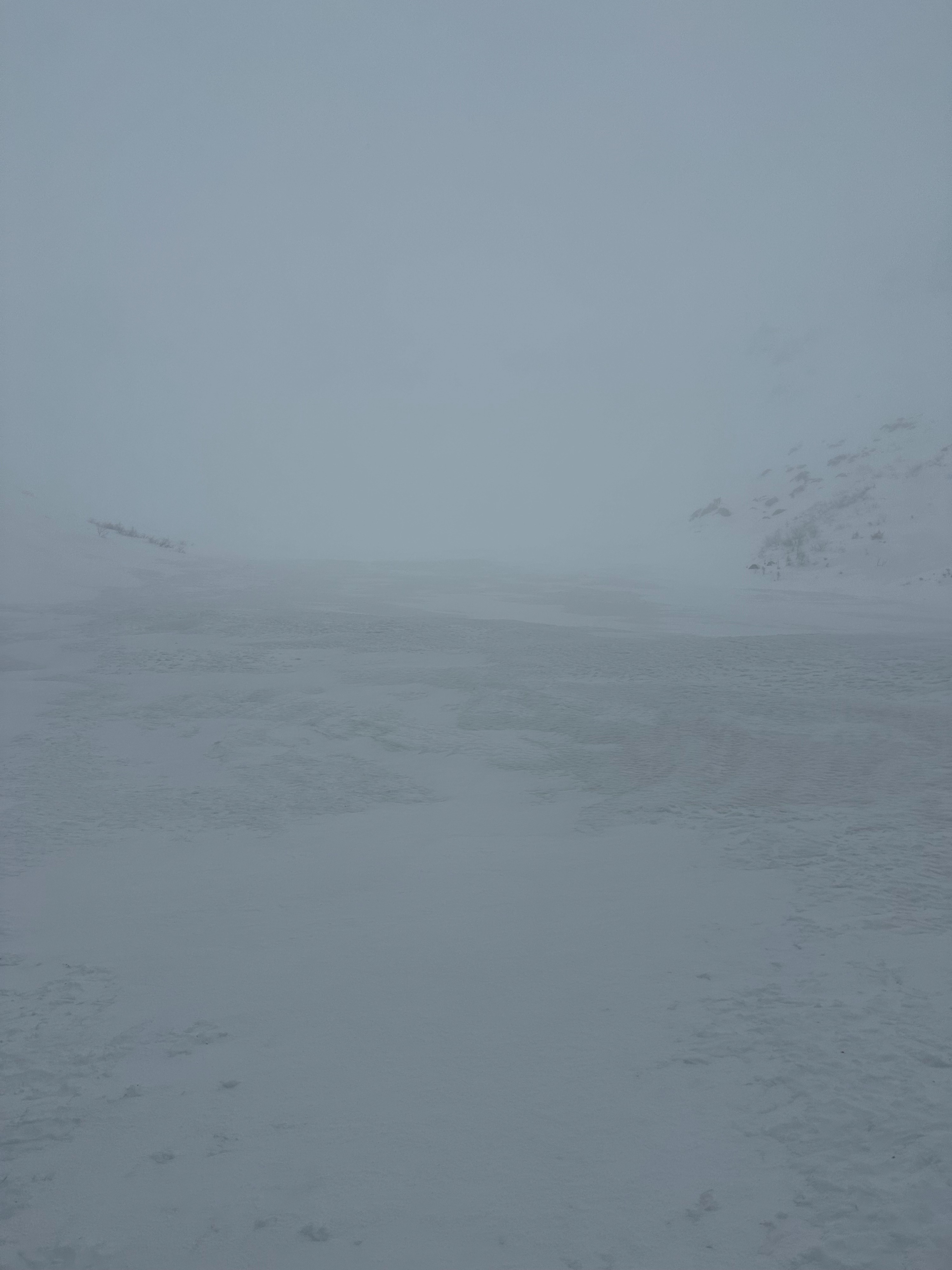
Sky conditions were cloudy and obscured through the early afternoon. Snowfall was accumulating at a rate of S1 through 11am. Temperatures were mild and winds were gusty in Tuckerman Ravine.
Snowpack
Two obvious snow surfaces were present. The first was the old, hard, icy rain crust that became the snow surface after last week's rain event. The second was areas of newly wind-drifted snow and wind slabs between 3 inches and 12 inches deep, which existed in highly wind-sheltered areas and steeper terrain features. I had no concerns about the snowpack below the old, hard snow surface, which was stable and essentially impenetrable.
Areas of wind slab showed variability in both depth and sensitivity. The hardness of these slabs up to 4300' was generally 4-finger-hardness over Fist-hardness. Our team conducted multiple hand shear tests. Some tests failed easily, some failed with moderate force, and some seemed well-bonded. This variability seemed dependent on the characteristics of micro-terrain features, the depth of new snow, and the influence of the isolated wind loading from yesterday.