
Quick report
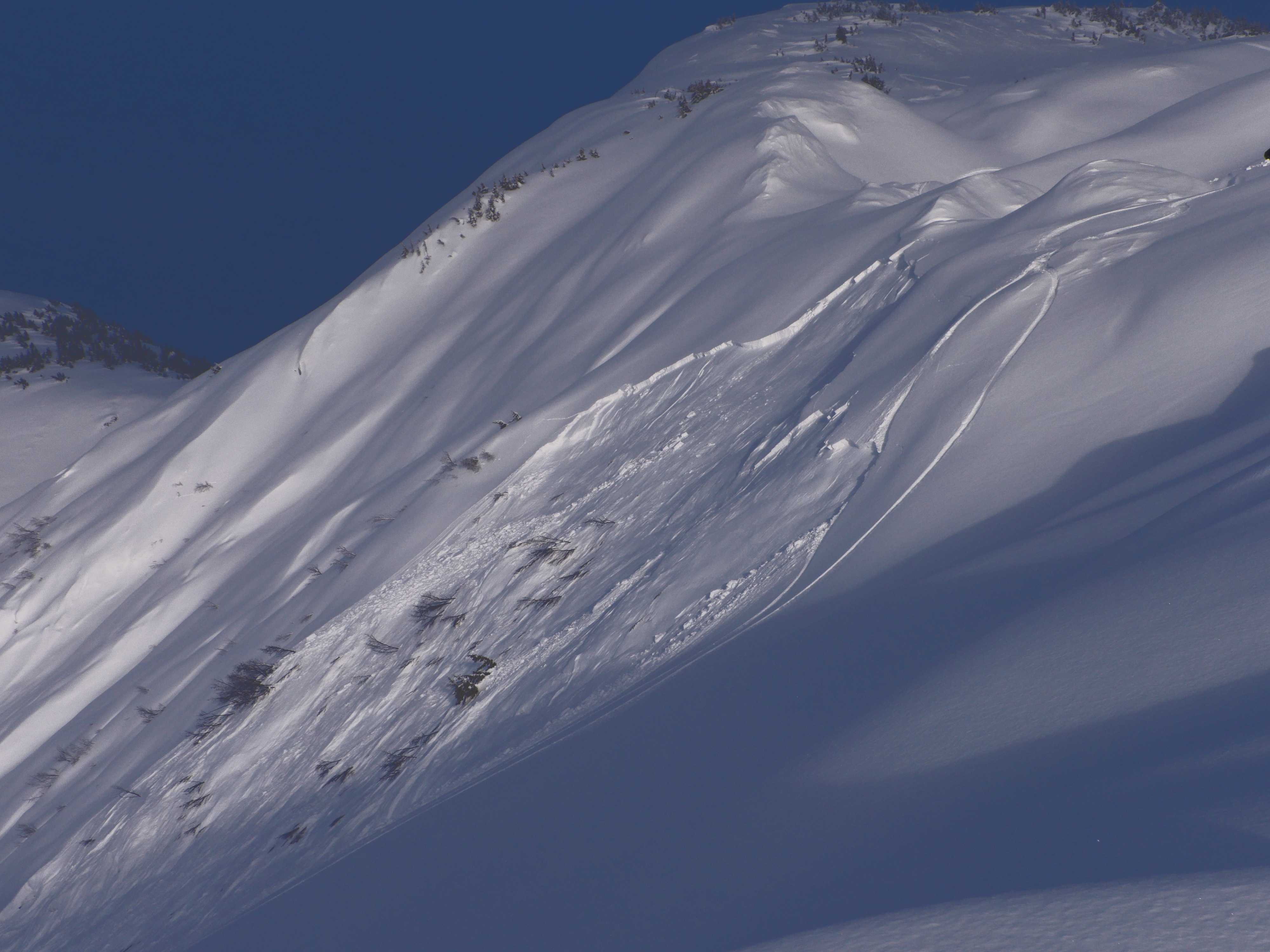
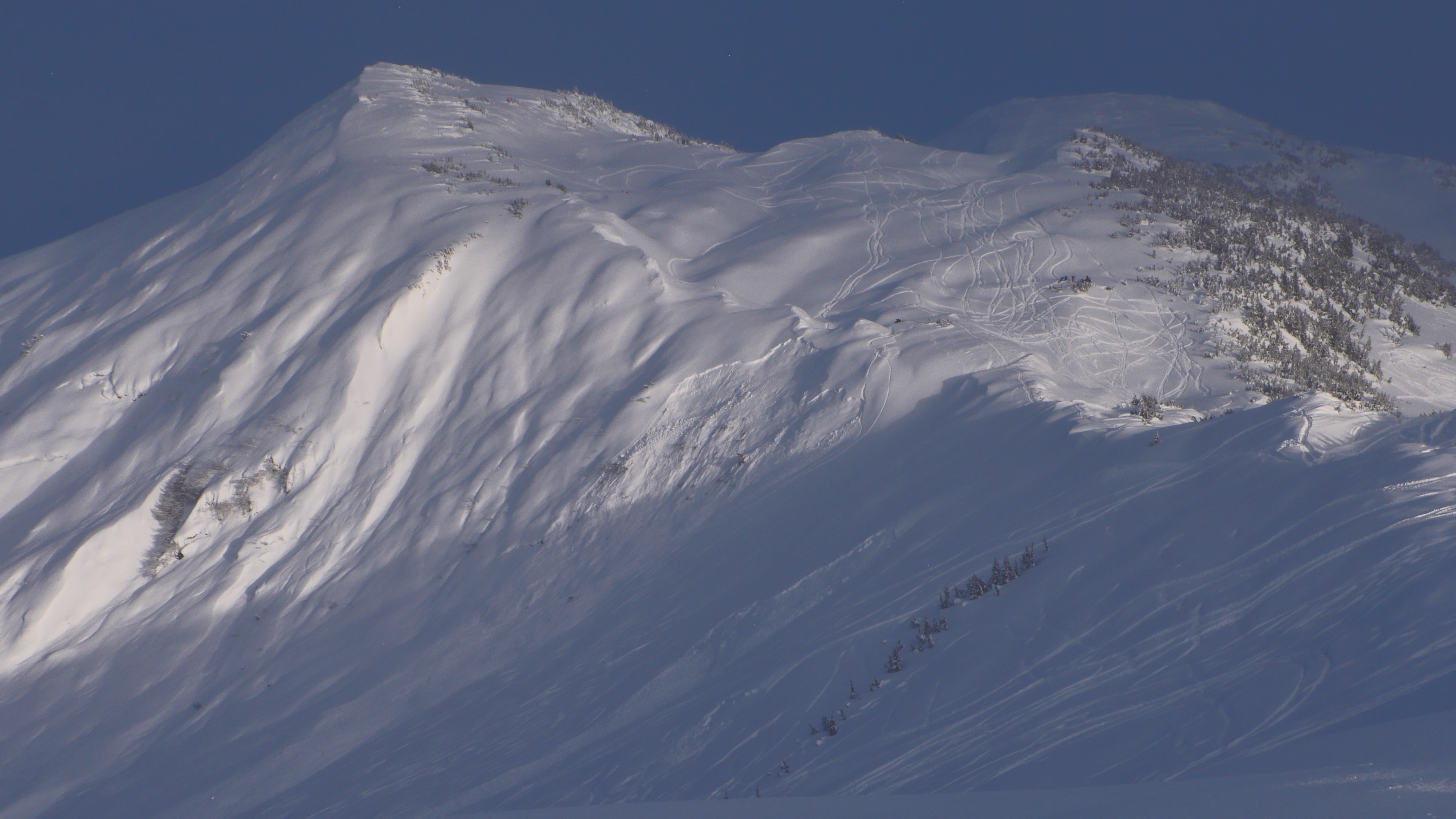
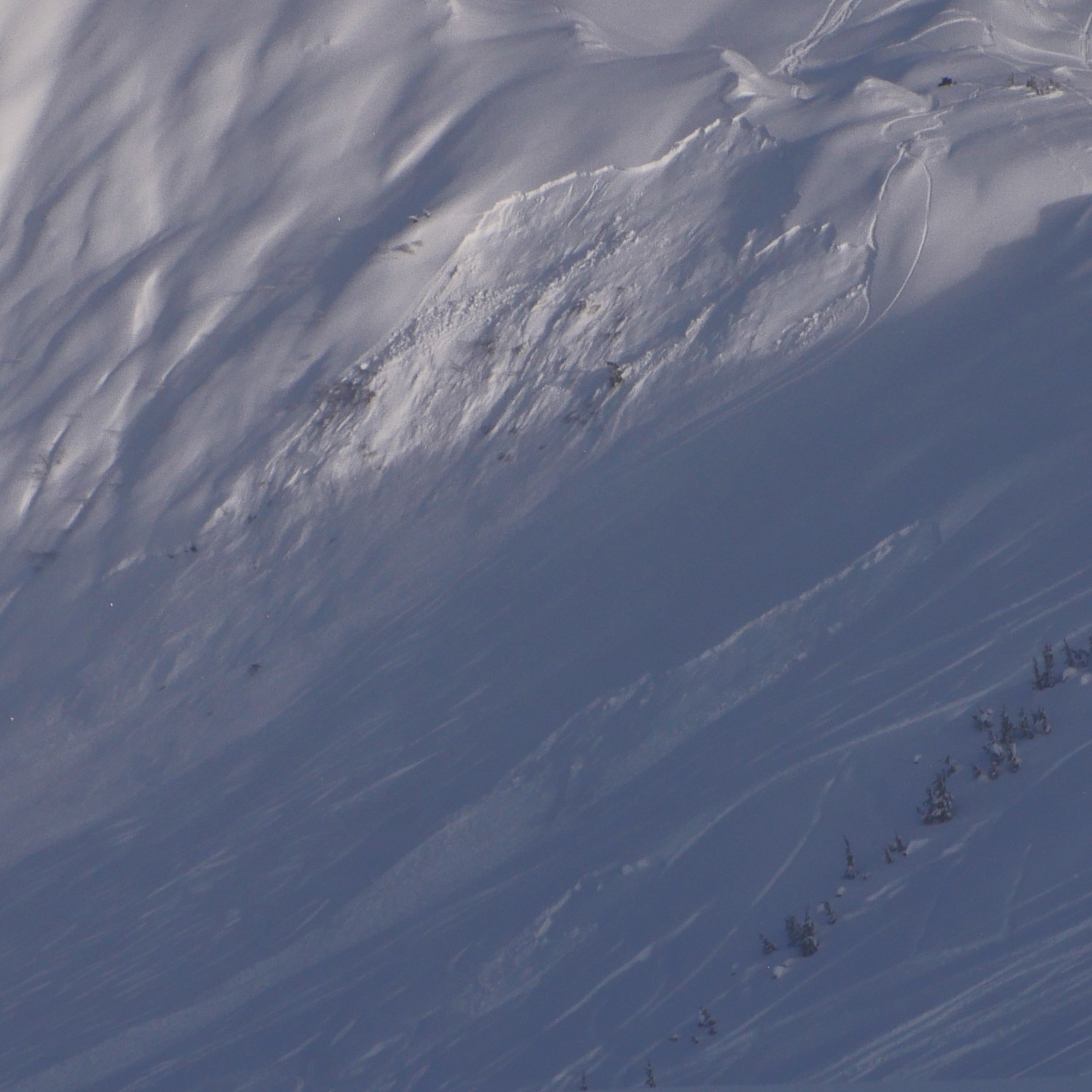
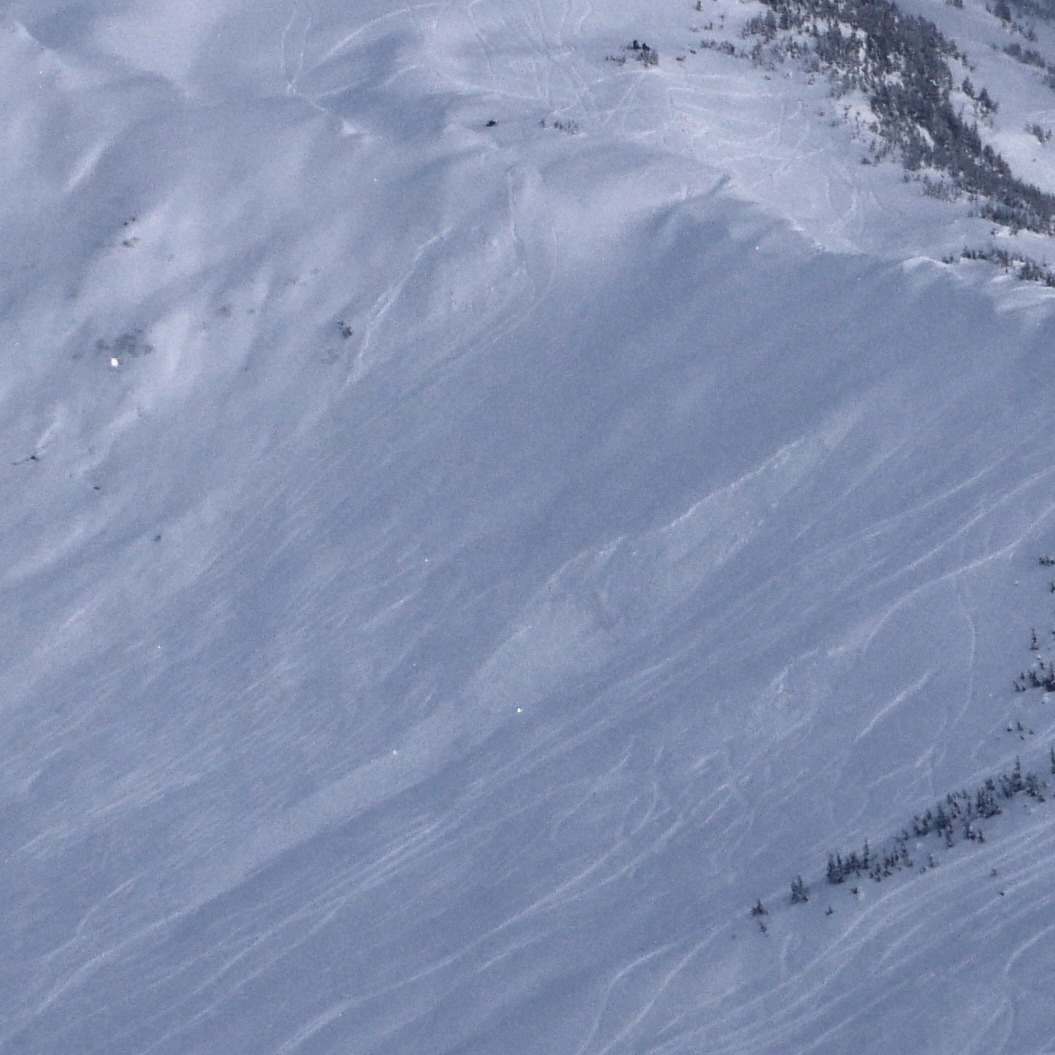
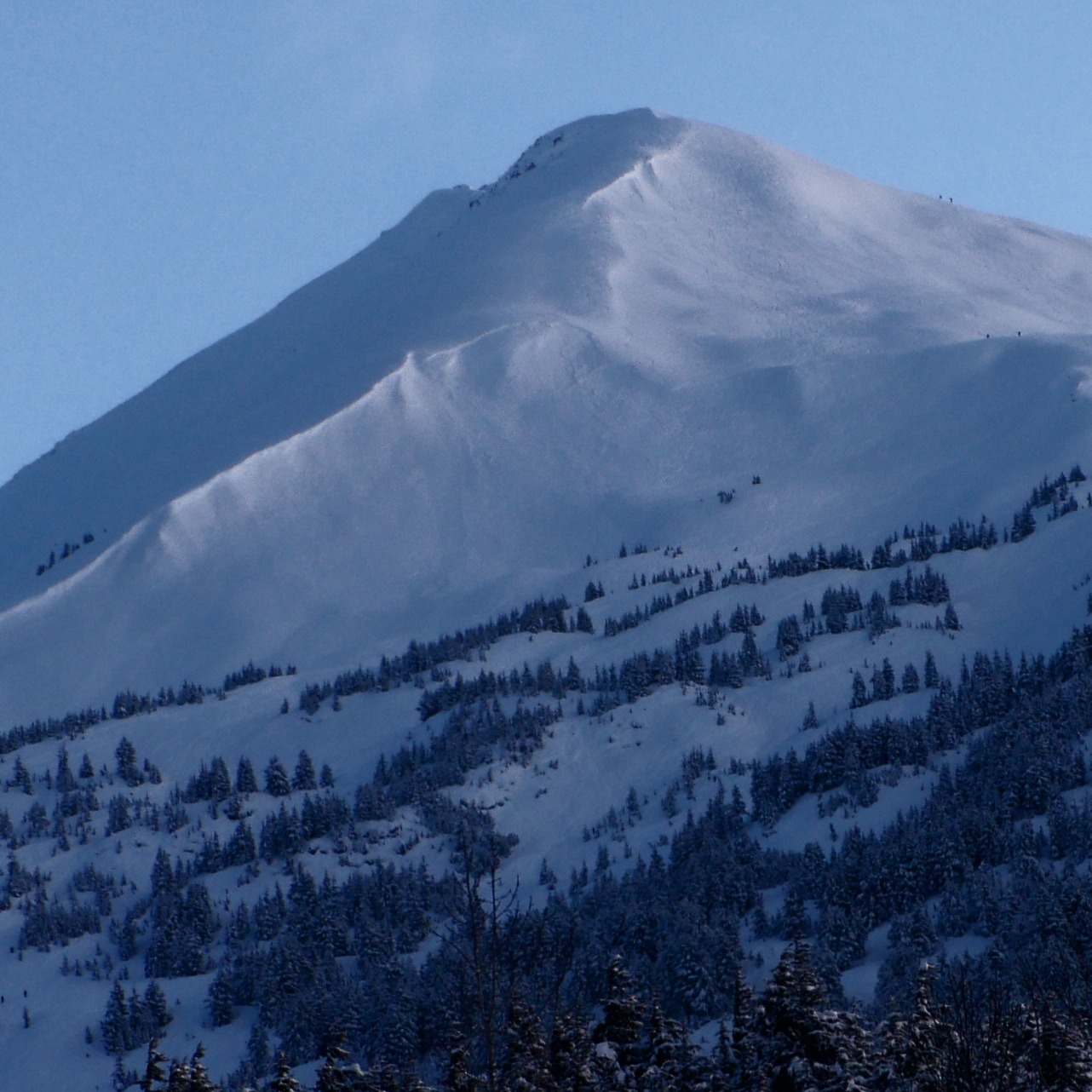
It was a touchy day on Seattle Ridge today. We triggered two avalanches remotely below the weather station, which were two of five remote-triggered avalanches that we know of on Seattle Ridge today. There were also large avalanches triggered on the non-motorized side of the pass on Tincan and Eddie's.
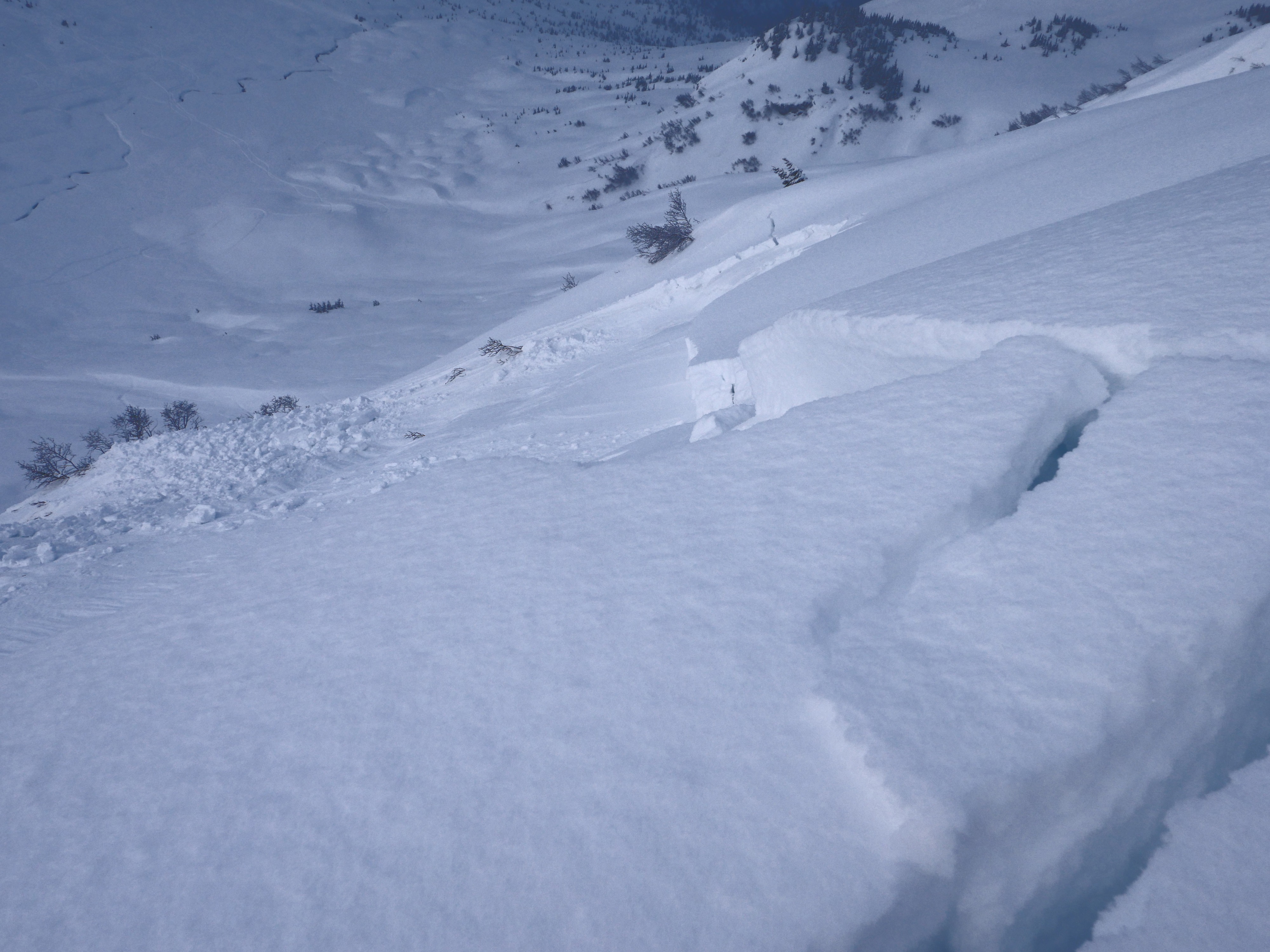
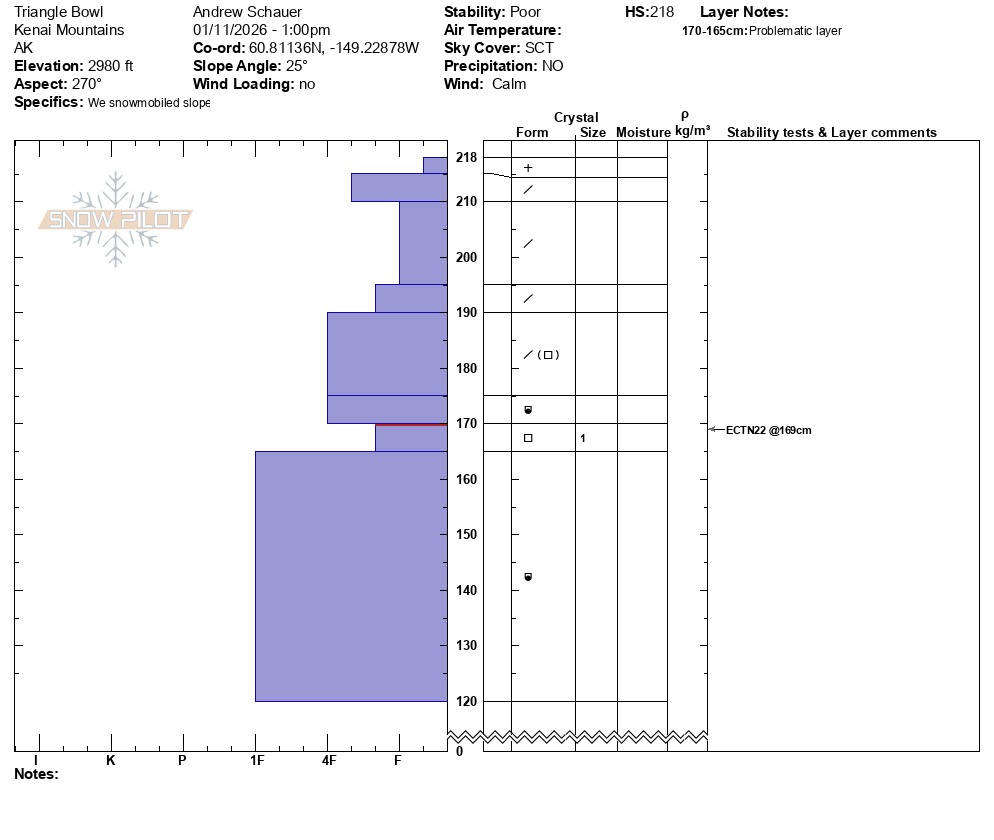
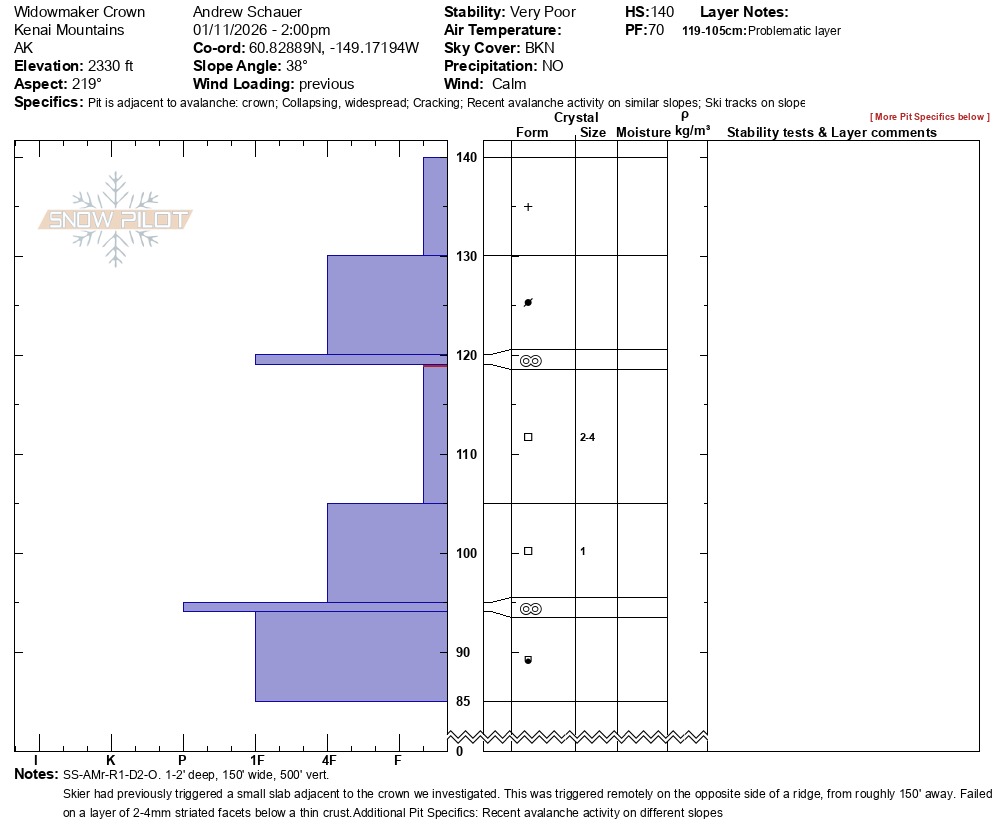
These are all failing on a layer of weak, faceted snow, which is buried below a thin crust that goes up to around 2800'. That setup now has 1 to 2' of snow on top of it at Turnagain Pass, and is clearly very reactive. We were able to access the crown of one of the avalanches today to confirm this weak layer as the culprit. We also dug a pit at just under 3000' which had similar poor structure, although it did not have the thin crust on top of the facet layer.
Snowpack
See attached snowpit profiles for detailed info.
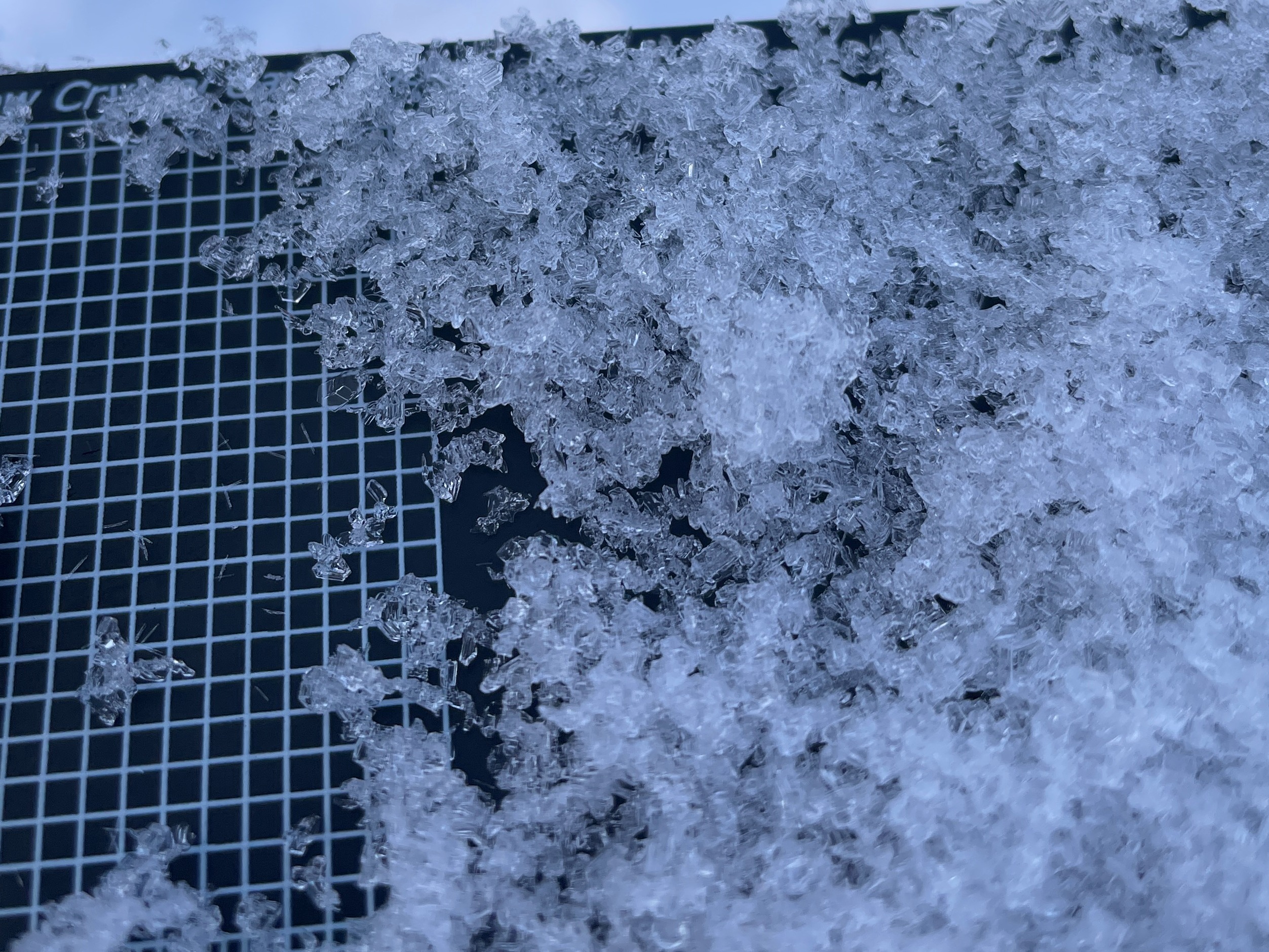
The layer of concern is a layer of well-developed facets now buried 1 to 2' deep. The snowpack is dangerous at all elevations right now, but seems particularly alarming between 1500' and 2800' where that faceted layer exists sandwiched between two thin crusts. We found this layer to be remarkably well-developed at the crown we investigated, with 2-4 mm striated grains. This layer looks like something that belongs at the bottom of a snowpack in Colorado, but it's what we're stuck with now.
Avalanche
- Size
- D2 R1
- Type
- SS
- Count
- 2
- Aspect
- W
- Trigger
- AM
- Elevation
- 2350 ft
Skier triggered one small avalanche, was not caught and kept skiing and was not caught. Another avalanche was triggered remotely in the same bowl. A third avalanche was triggered remotely, from the other side of the ridge. This was the largest avalanche, and it ran immediately adjacent to the first small skier-triggered avalanche. All of this is noteworthy, but it is particularly interesting that the avalanche that was triggered remotely from the other side of the ridge did not fail when the smaller slide was triggered initially. The two crowns were continuous after the second slide released.