
Quick report
- Cracking
- isolated
- Collapsing
- specific
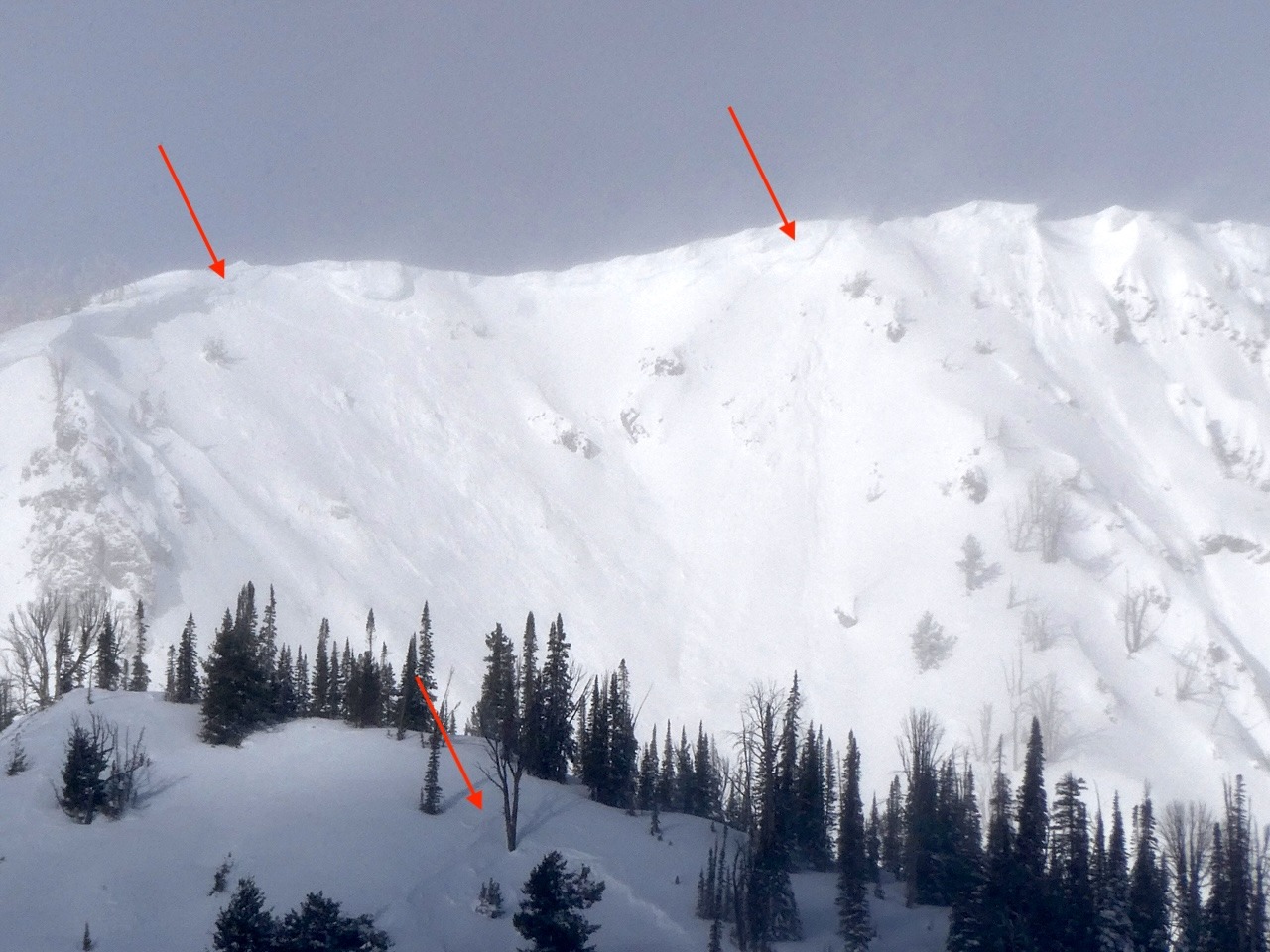
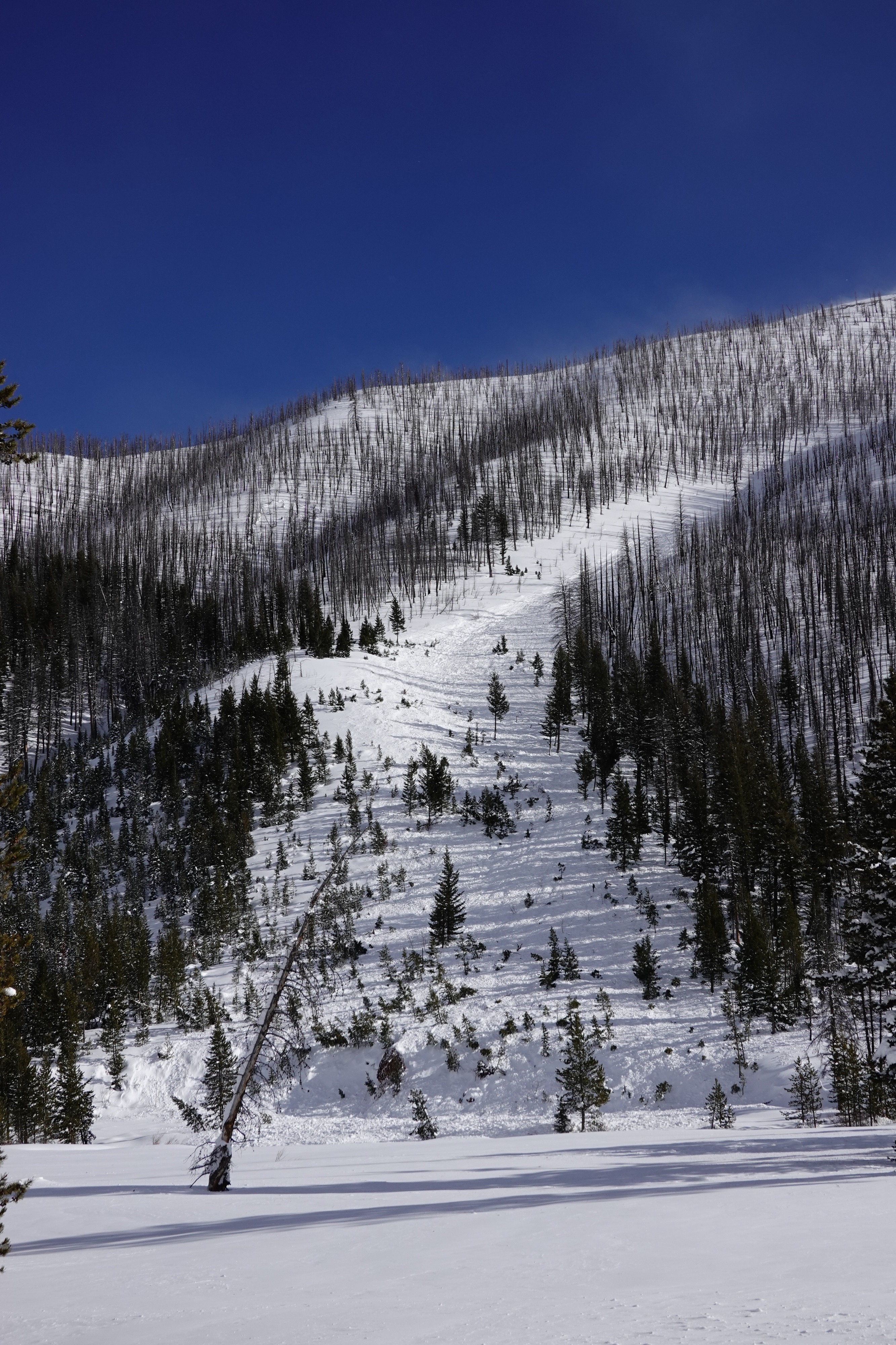
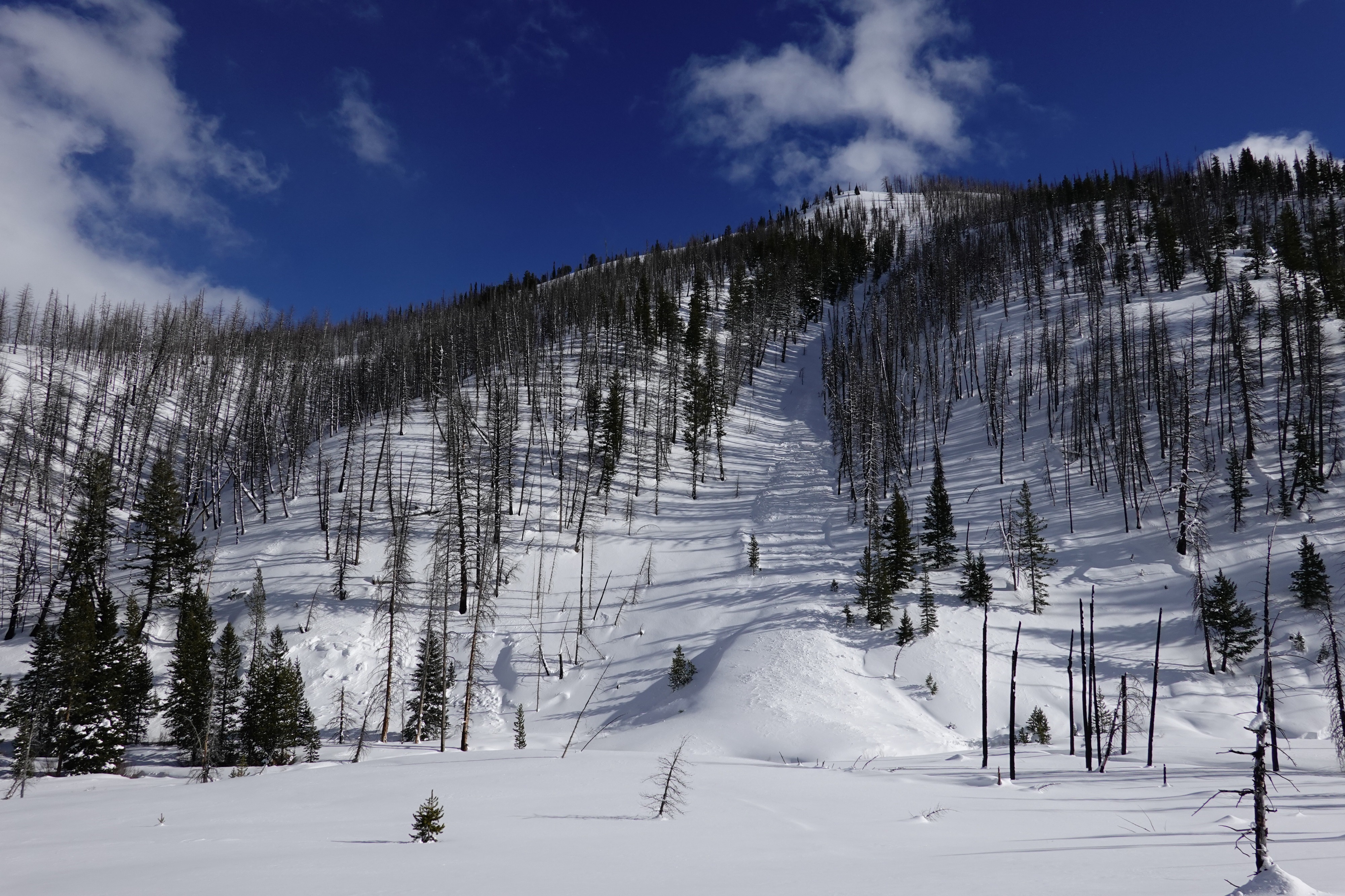
We observed the aftermath of a widespread natural avalanche cycle that occurred during the atmospheric river event over the last 72 hours. Nearly everywhere we looked we could find natural slab avalanches. It is impressive.
In addition to a multitude of natural avalanches, we noted cracking, collapsing and unstable test results while out today. Unstable avalanche conditions are prevalent in the Baker Creek area, and we avoided avalanche terrain as well as slopes below or connected to avalanche terrain.
This observation will be updated with more information and photos tomorrow.
Weather
- Air Temp
- 20
- Cloud Cover
- few
- Wind Loading
- intense
- Recent Snowfall
- 20
- Snow Avail For Transport
- large amounts
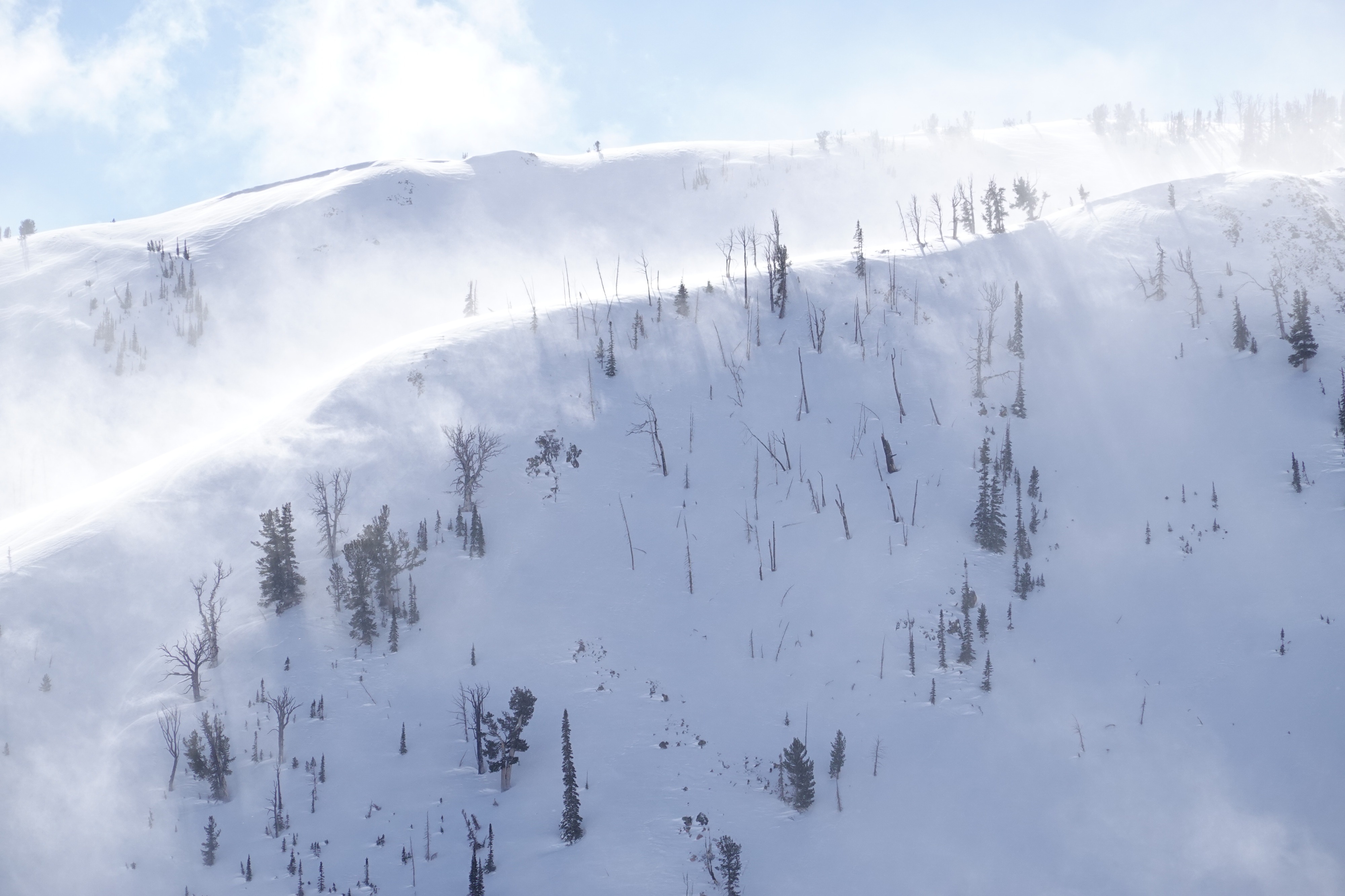
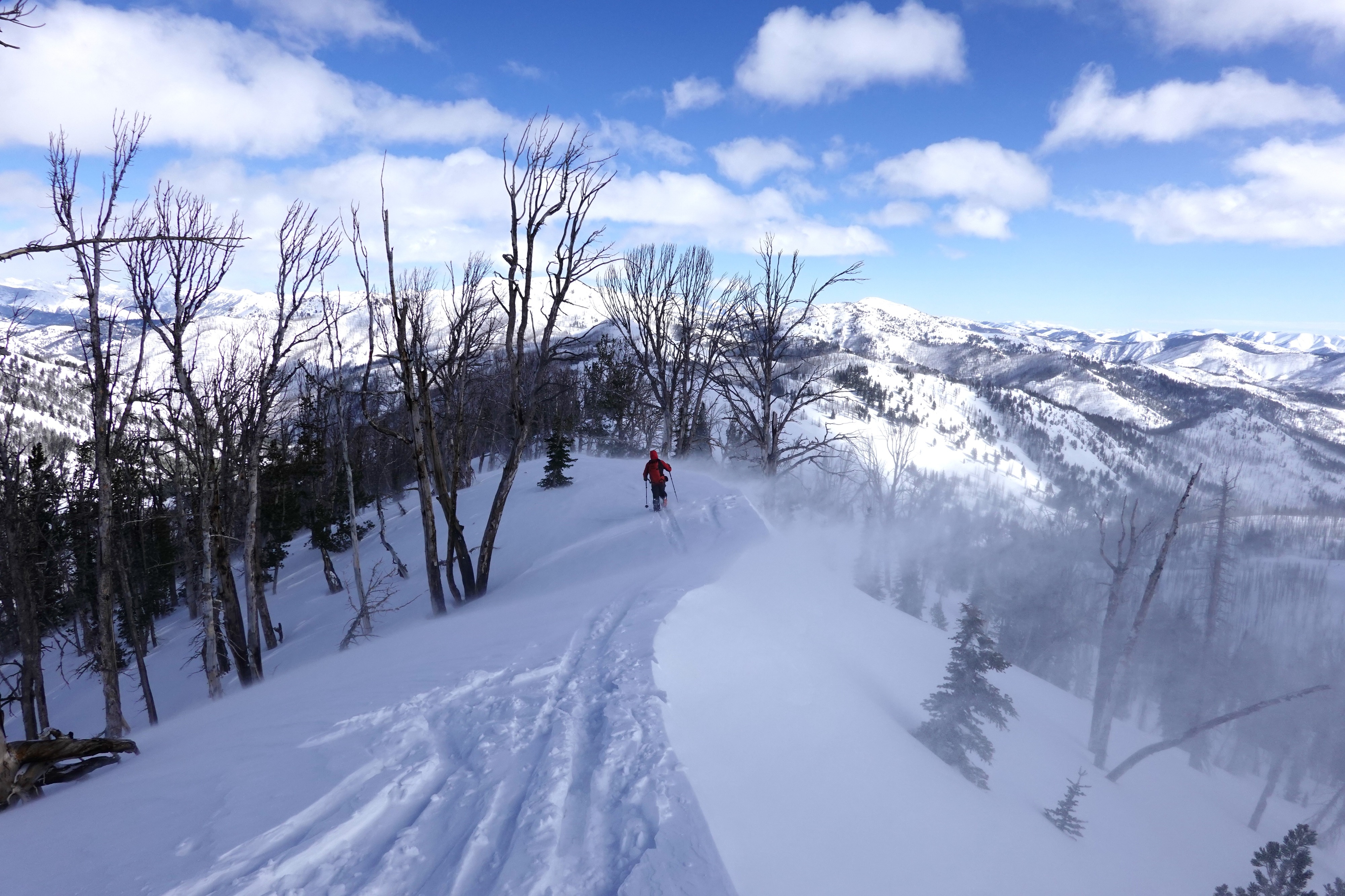
Strong N winds and lots of blowing snow above 9000 feet. Generally clearing skies with a brief snow flurry around 11am.
Snowpack
We found 60-100cm of settling storm snow generally sitting atop weak sugary facets or crusts. The winds were howling and actively transporting large amounts of snow at middle and upper elevations in all open areas. We also found a razor-thin crust (from a brief mid-storm warm-up) buried by a 10-20cm thick 4F-hard wind-pressed new snow on exposed ridgelines.
We dug a quick pit after triggering a large collapse to investigate the weak layer failure. Stability tests resulted in ECTP1 and ECTP11 @ 60cm below the surface on F-hard facets below a 2cm P-hard melt freeze crust and 58cm of settled and wind-pressed storm snow.
Avalanche
- Size
- D2
- Count
- 15
- Aspect
- SE
- Trigger
- N
- Elevation
- 8900 ft
We observed avalanches nearly everywhere we looked while in the field today. These were primarily observed on steep, mid and upper elevation slopes facing NW, N, NE, E, and SE. The largest avalanches were seen in heavily wind-loaded northerly alpine terrain. Additional smaller yet numerous pockets of slab avalanches were found in wind-protected, steep, mid and lower-elevation slopes with an assumed very weak faceted structure.