
Quick report
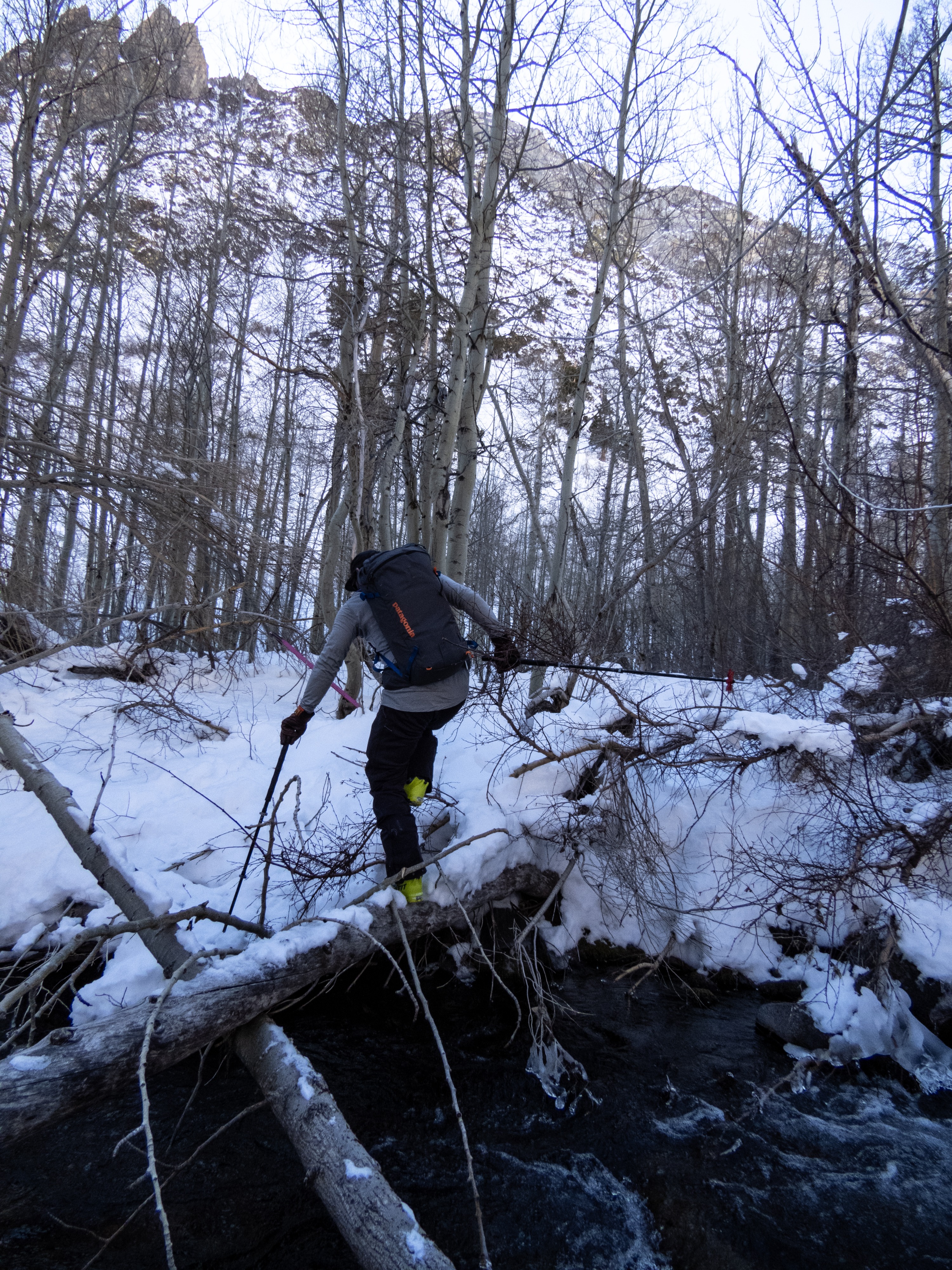
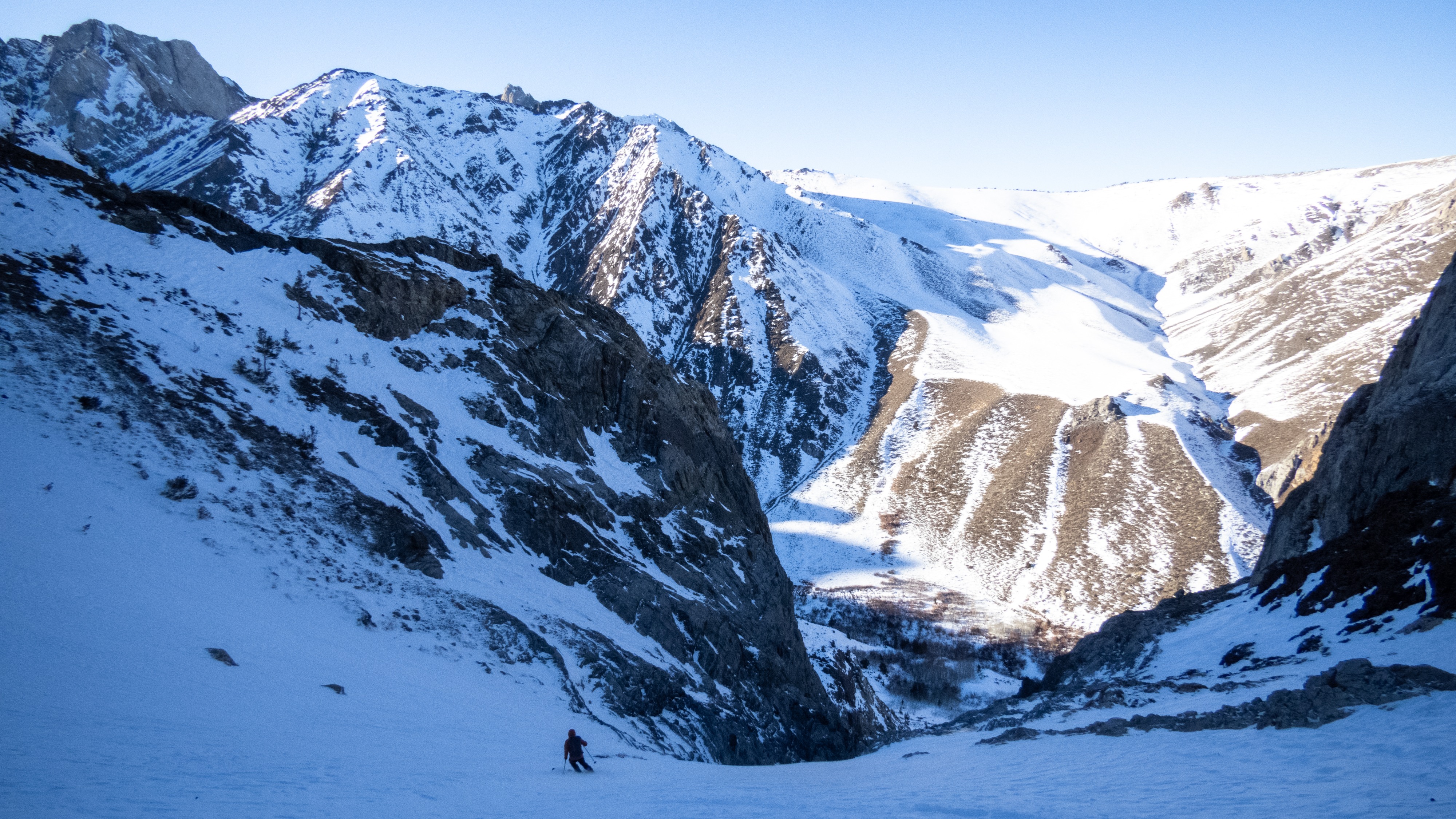
Generally stable conditions persist. Low-coverage obstacles like rocks, logs, and open creeks are still our primary travel concern. While not an issue now, it's worth noting weak surfaces, including crust/facet combinations, are widespread throughout the drainage.
No signs of instability observed.Weather
- Air Temp
- Below 0°F in the shade
- Cloud Cover
- clear
- Wind Loading
- previous
- Snow Avail For Transport
- small smounts
Clear day with light winds gusting moderate out of the S/SW. Felt significantly cooler in the shade than in the past couple of days. There was substantially less snow available for transport in this drainage than in others in the forecast area.
Snowpack
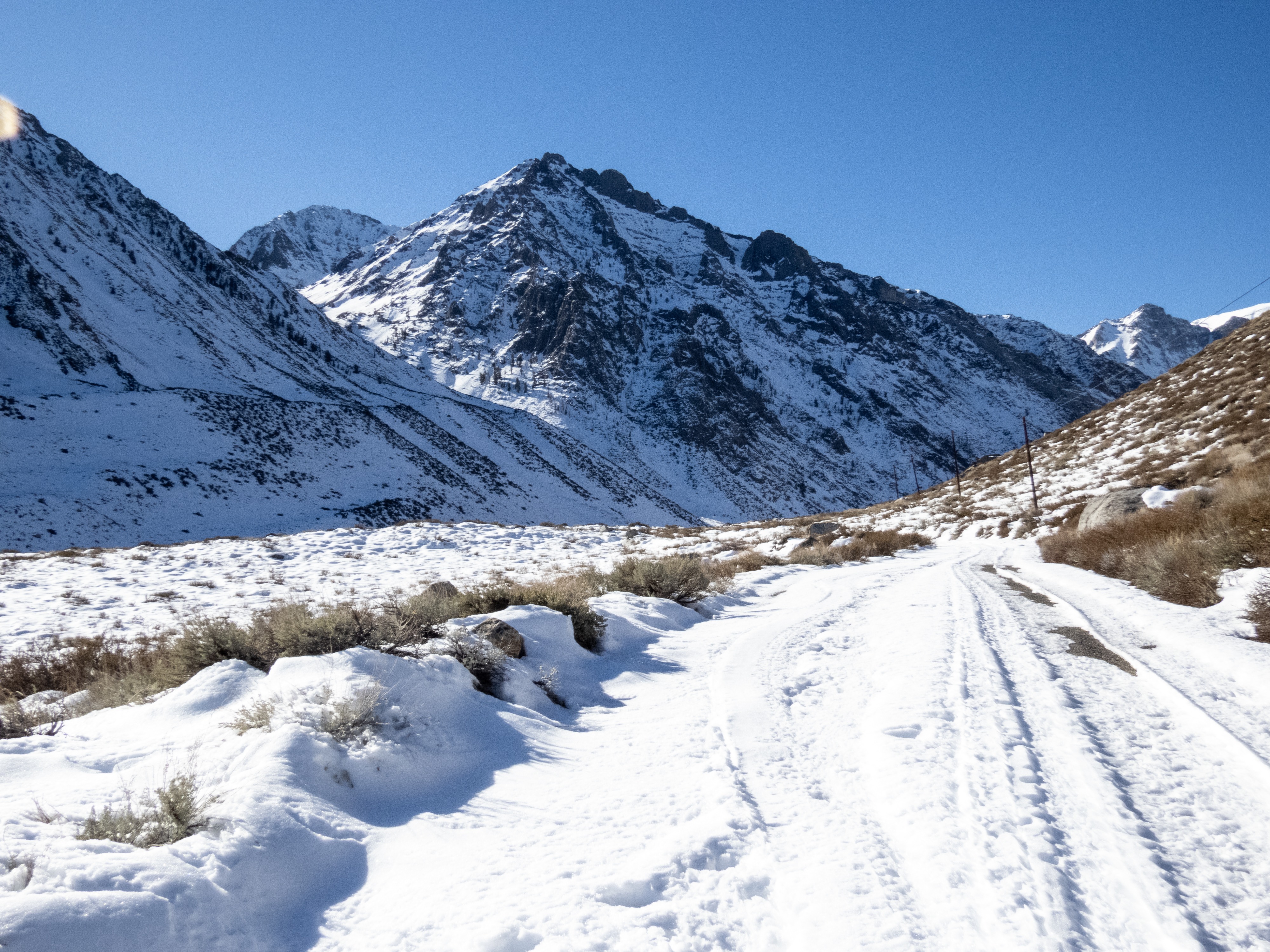
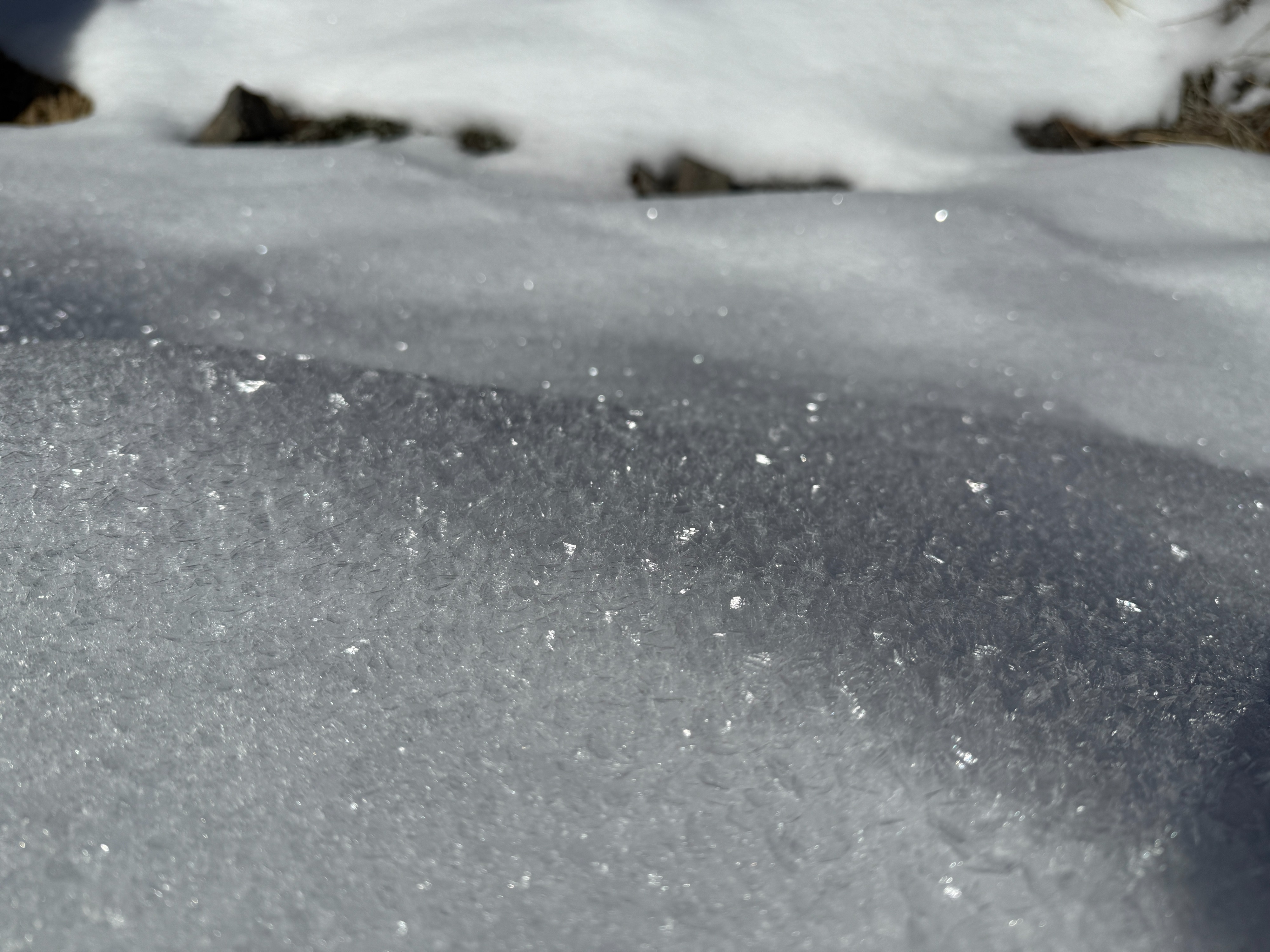
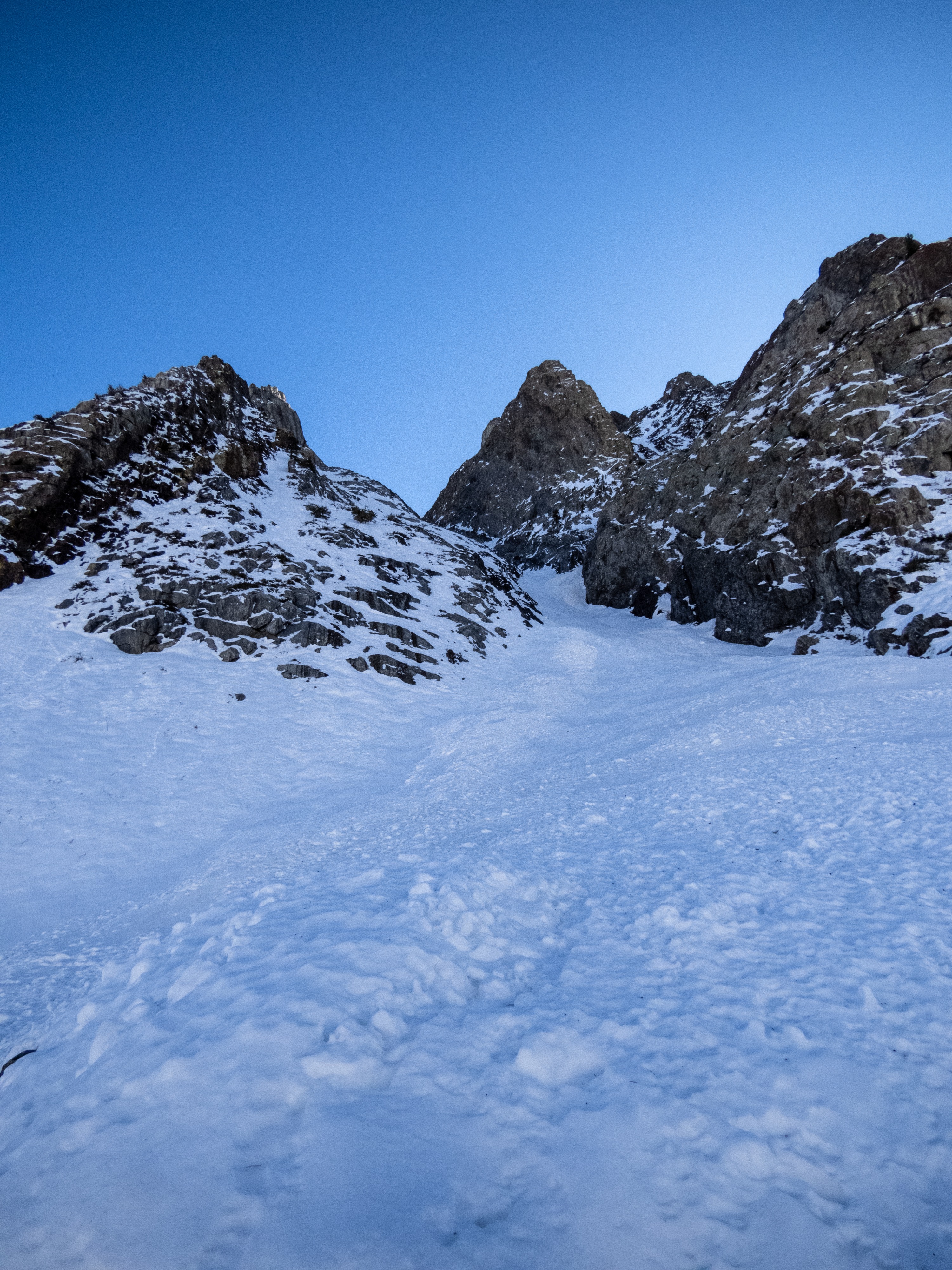
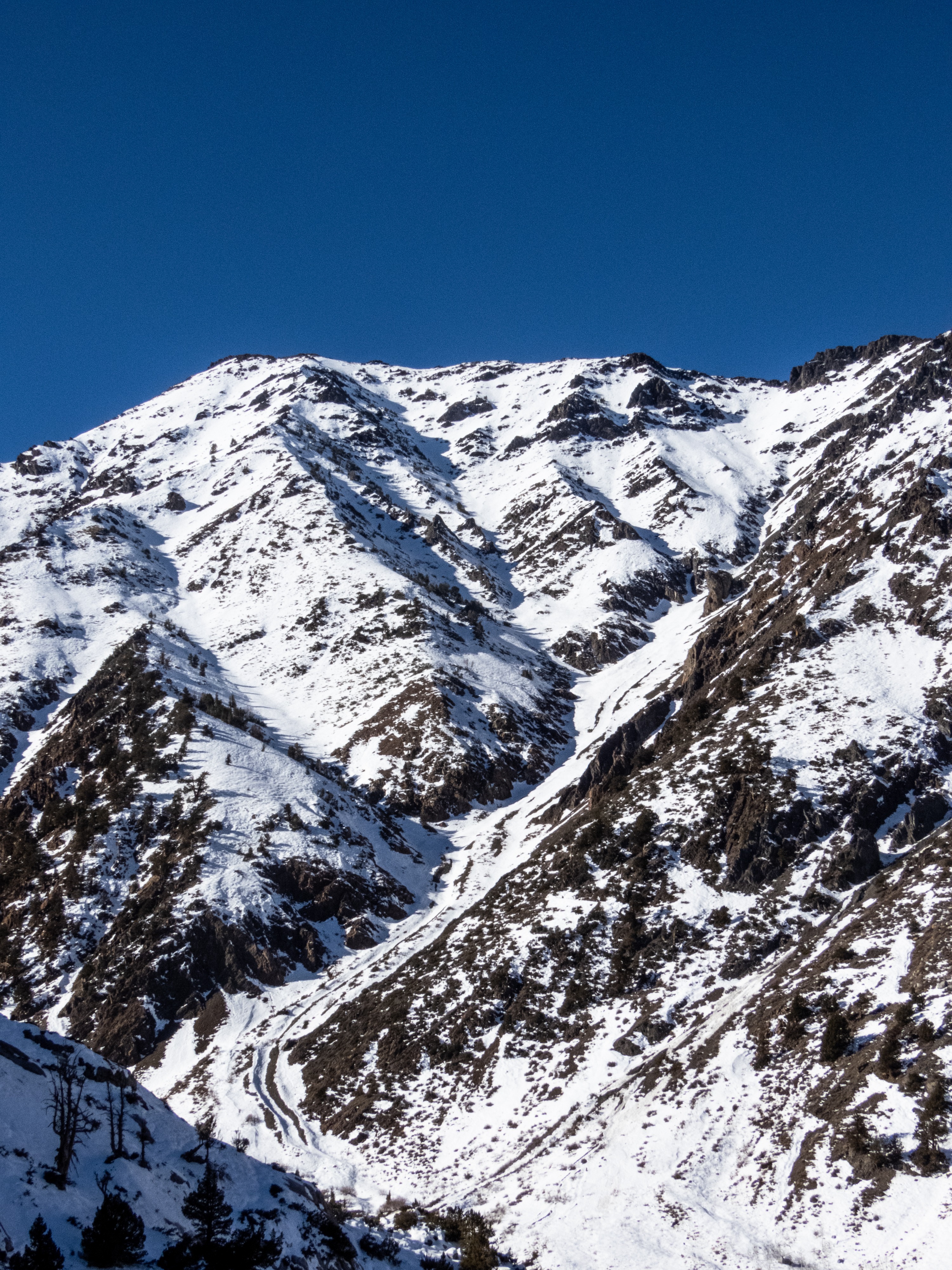
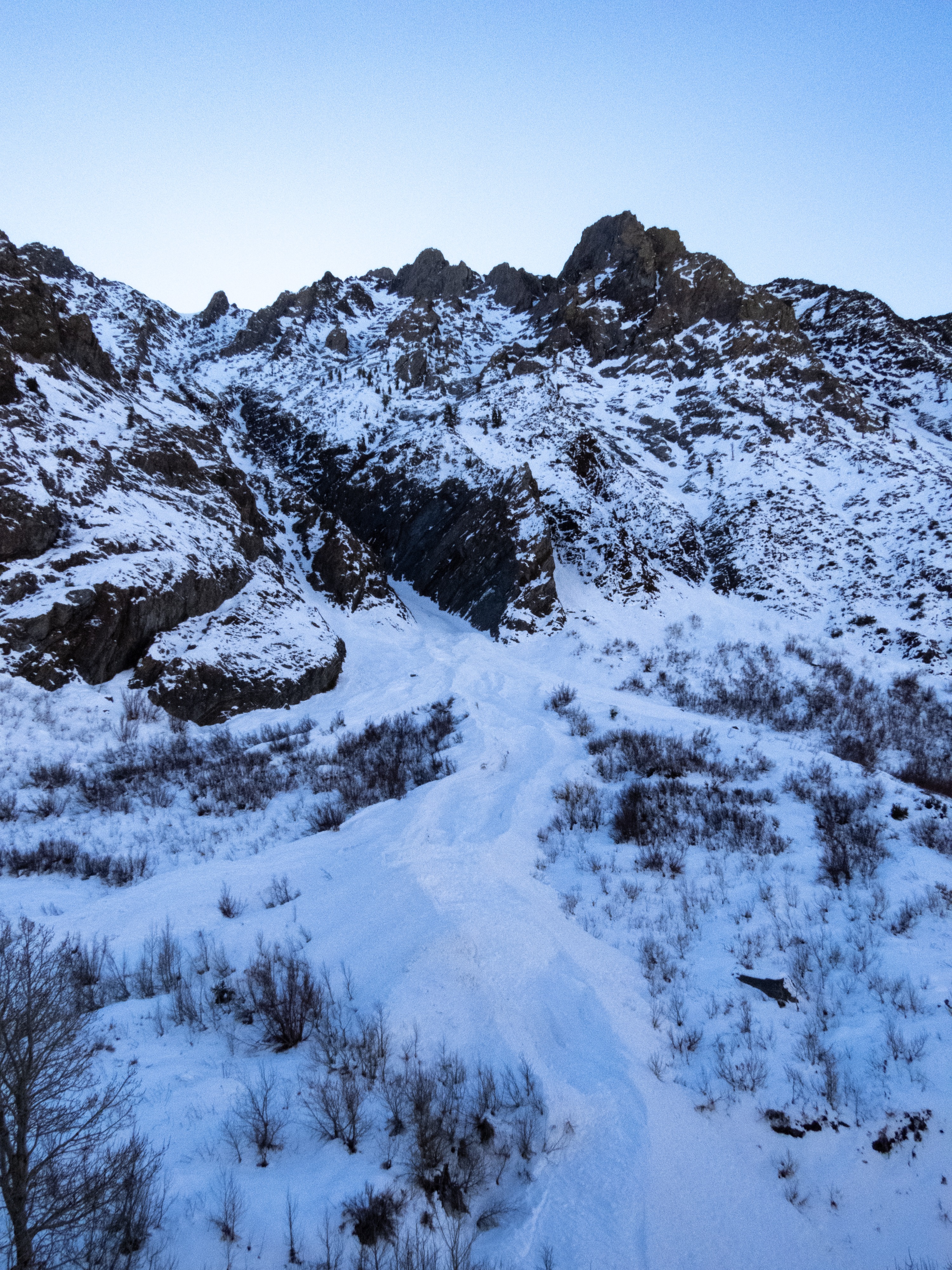
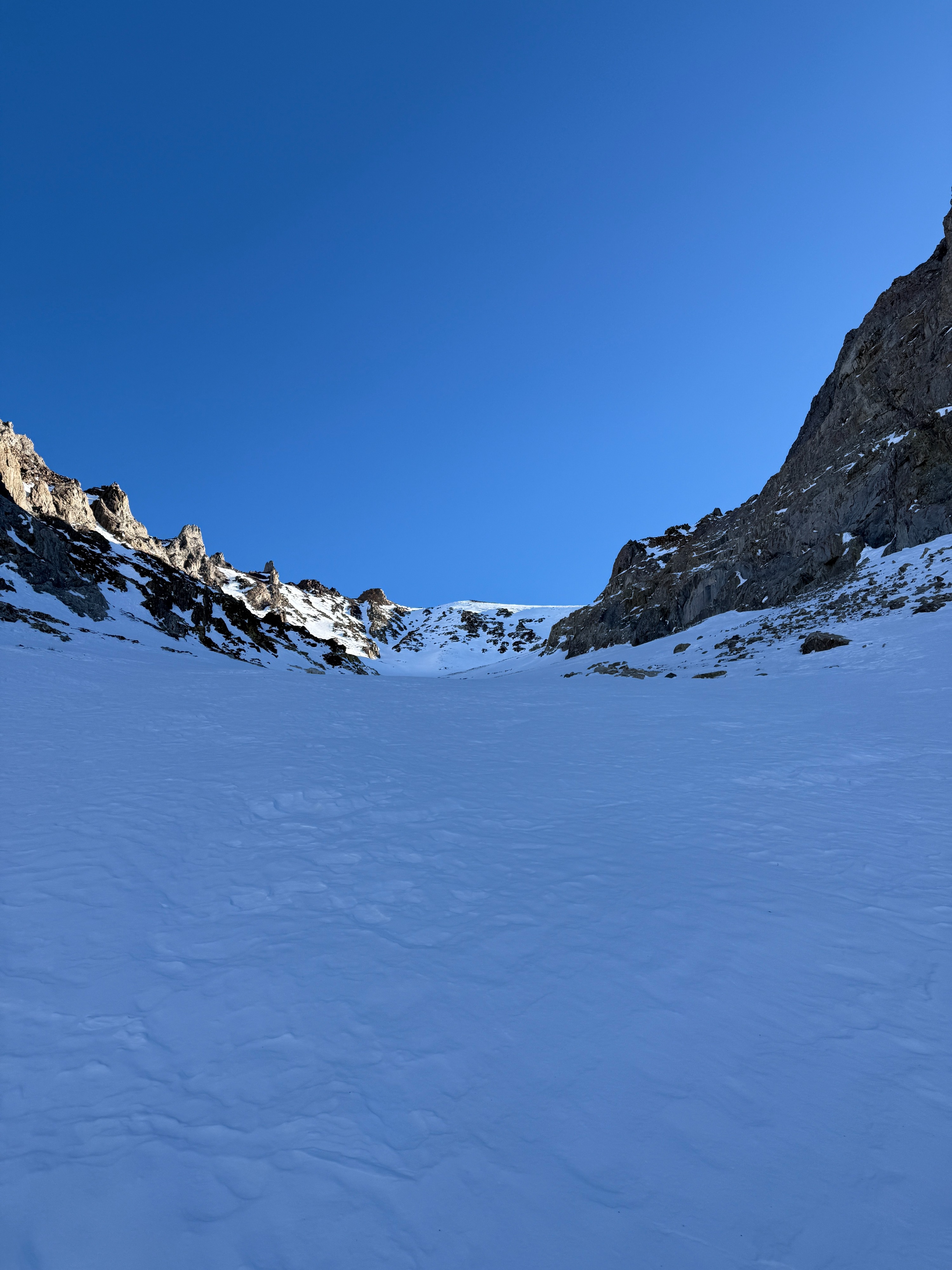
Leaving the truck around 10:00, we encountered thin, frozen snow up the road into the McGee Creek drainage. Near 7600' we encountered faceted surfaces, with intermittent presence of moderately developed, small (2-4mm) surface hoar up to protected terrain near 8100'. Multiple confined, N-facing features had old large (D2) avalanches that likely ran during the last November storm (see avalanche section above). Surfaces below 8500' were a mix: facets in more sheltered locations, and breakable ambient temperature crust (MFcr) above FC in more exposed locations — yes, this did provide a fun-filled exit. In confined N-facing terrain from 8600' to 10200' where debris was not present, we found wind-pressed surfaces of varying supportability, primarily travelable by boot.
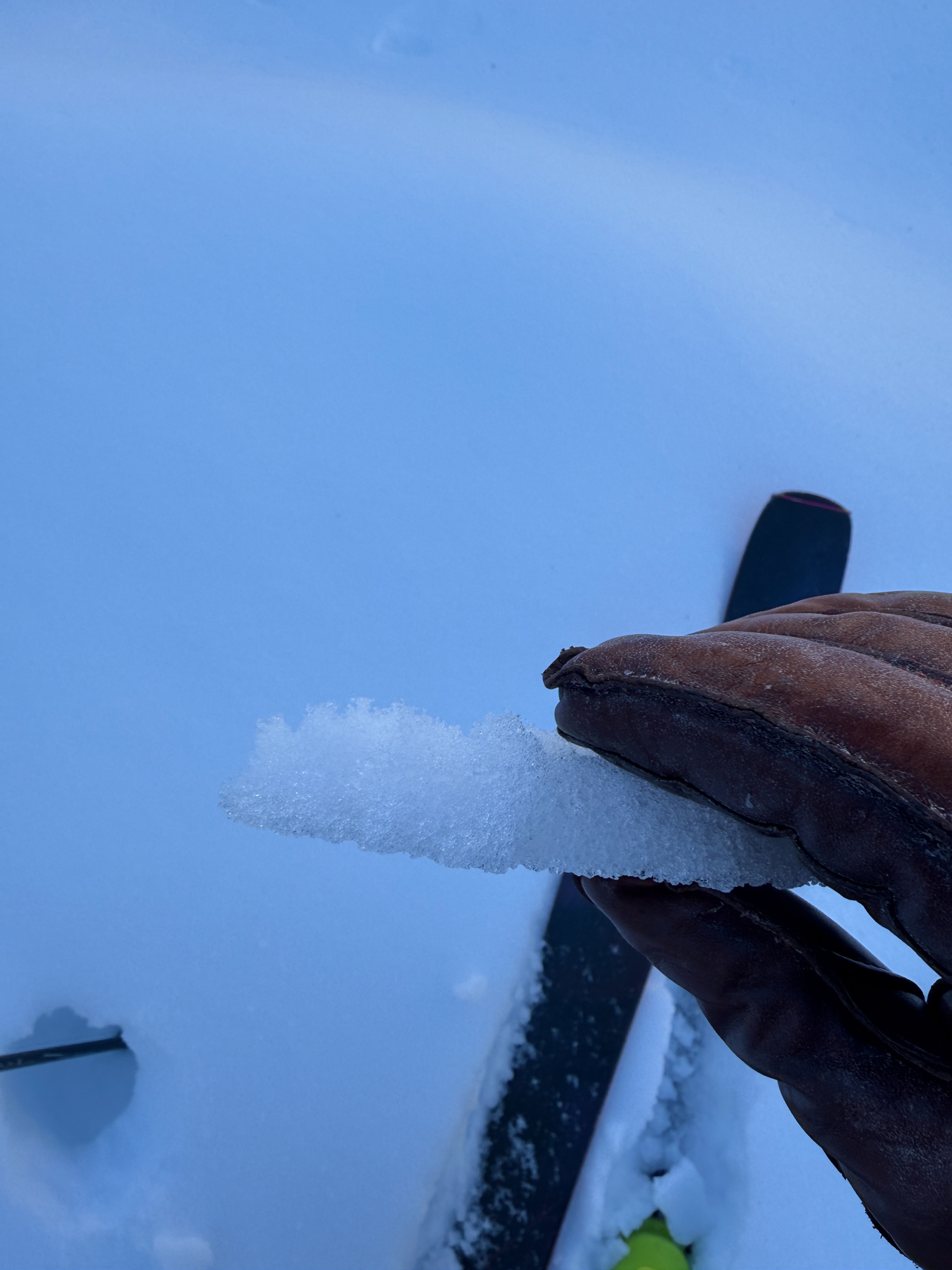
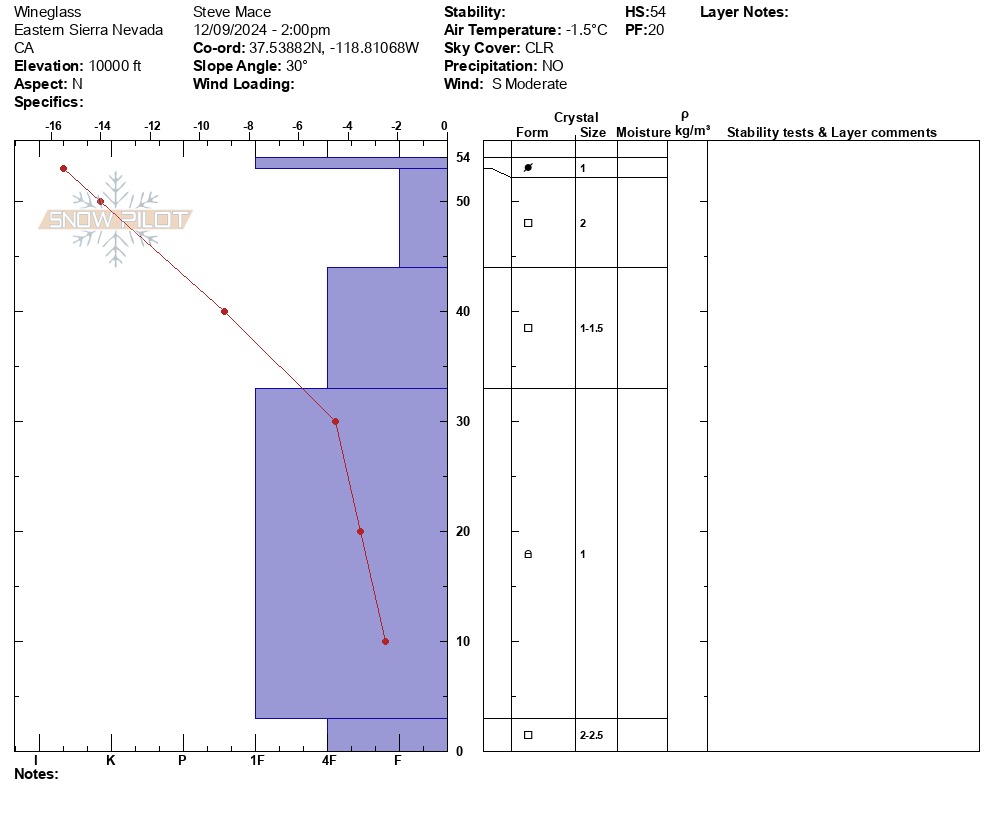
Near 10,000ft in similar N-facing terrain, we found a mostly progressively settled, faceted snowpack with HS of 54cm (see pit below). The surface had a 1cm wind-pressed crust, facets of varying sizes and states below, but all generally trending from F>4F>1F. The bottom 2-4cm of the snowpack were significantly less firm than the snow above, however, since this layer was predominantly broken up by rocks/other ground texture, it was not concerning for stability in this pit. Of note was the pronounced temperature gradient throughout the top 20cm of the snowpack, causing more notable faceting throuhgout the thin snowpack. Unfortuantely, the same terrain that is holding the most coverage for skiing right now will likely be holding the most weak snow below new snow, if/when it comes.
Avalanche
- Size
- D2
- Count
- 2
- Aspect
- NW
- Trigger
- N
- Elevation
- 9400 ft
No recent avalanches were observed. Old debris deposits from paths that slid during the last November storm were encountered in aprons of confined features.