
Quick report
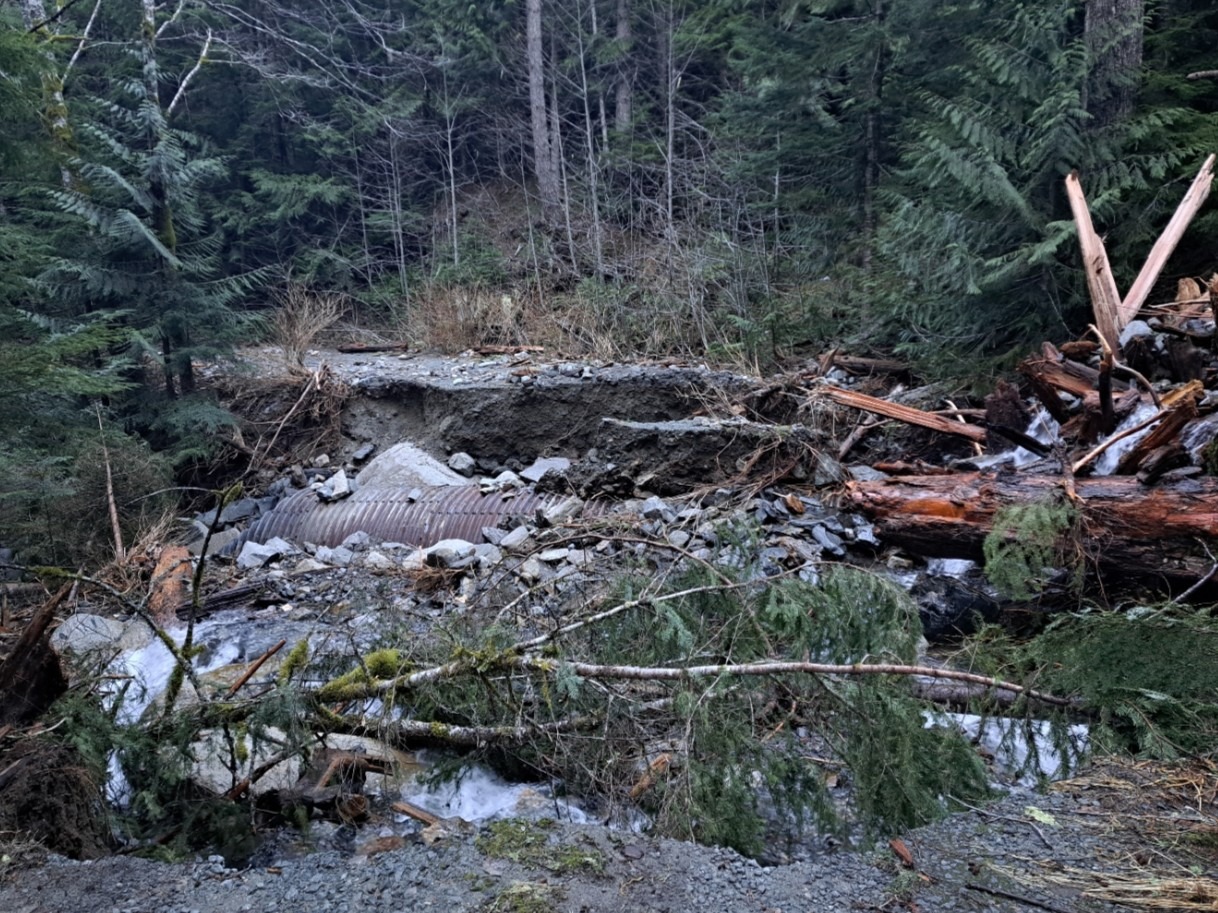
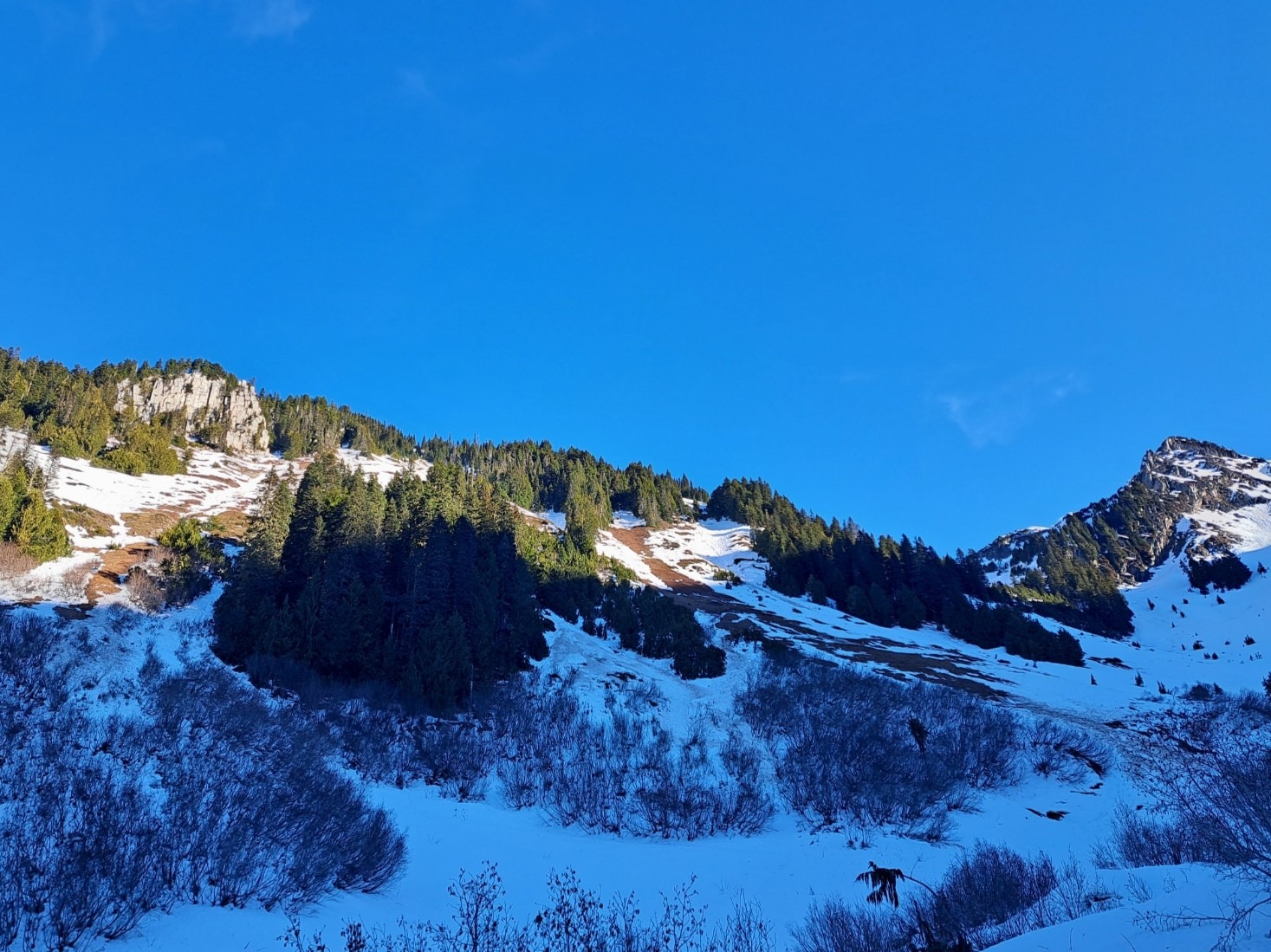
Sibley Creek Road is impassible about two miles from the summer trailhead, with slightly sporty driving in places to reach the washout. Went the summer route into the valley at the head of the East Fork of Sibley Creek, but after +3 miles of dry road and trail walking before hitting skinable snow at 4300 feet, wished I had used the direct approach up to the lookout. Travel was reasonable once skinning was possible, but ski crampons were definitely helpful in places. Skiing was not that great, except on softened, direct-south aspects with a smoother snow surface.
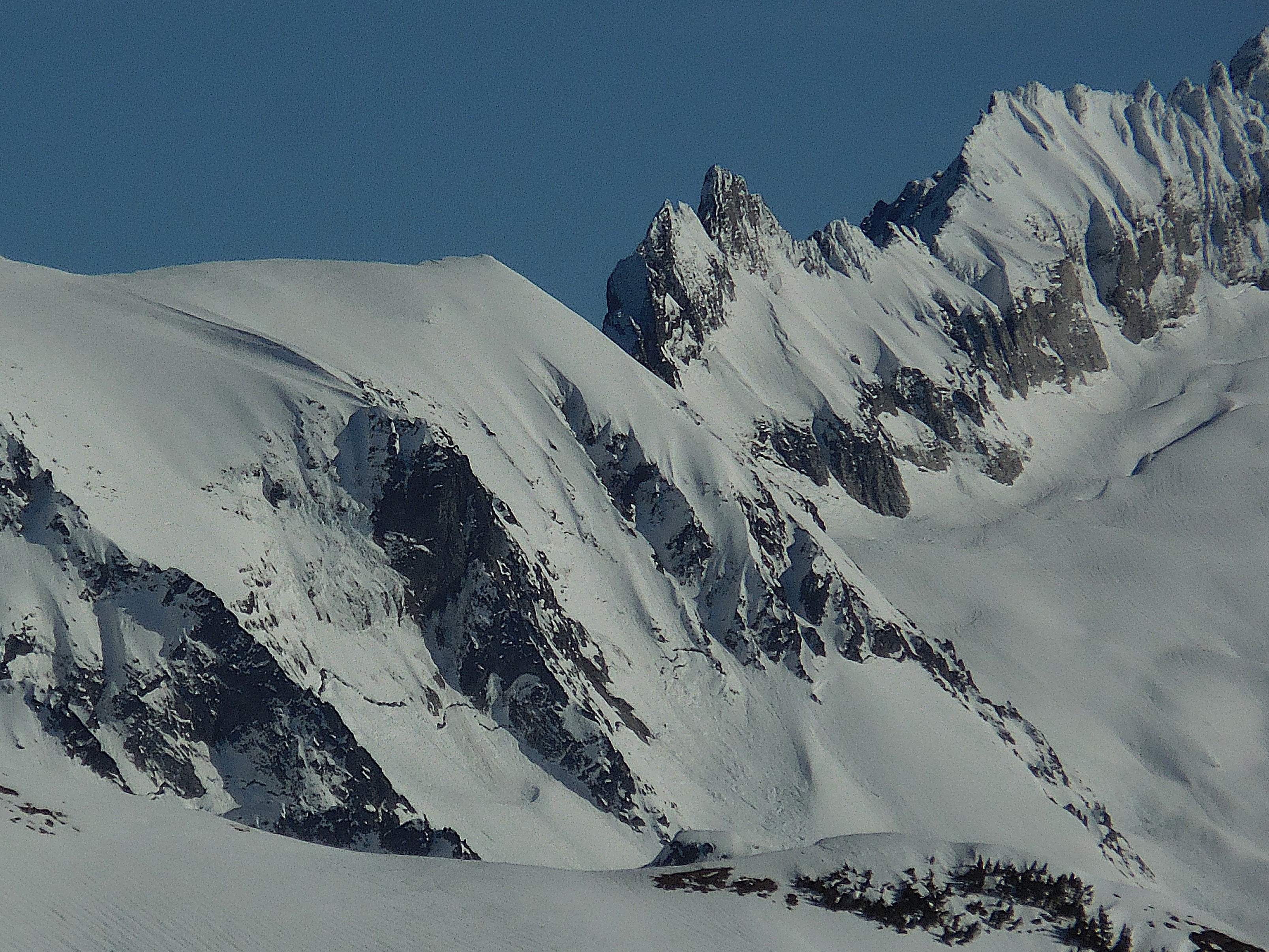
Overall, there was less avalanche activity - and no glide avalanches - in this area compared to farther west in the forecast zone, like around Hwy 542. Suspect there was overall less rain during the last atmospheric river, and then cooler temperatures during the last week of high pressure. Felt one could travel pretty much all terrain and only need to be aware of slopes directly below glide cracks, and snowy cliff faces warming in the sun.
Weather
- Cloud Cover
- clear
- Wind Loading
- none
- Snow Avail For Transport
- none
Sunny and calm. Did not feel very warm in the shade at 5000 feet despite an air temp of 42F.
Snowpack
The snow surface was well frozen and generally boot-supportable on all aspects, with a 5-15cm knife-hard crust. Runnels up into upper elevation terrain, but not as deep or pronounced as in other areas. True south aspects had a few cm's of sun-softened snow at 1:30 pm. Above 5000 feet, the snow below the crust was 4F or 1F dry snow, with small, rounded grains showing signs of faceting. At 4000 feet, there was consistent snow cover in open terrain, but treed terrain still had patchy snow-cover. Lacked time for profile.
Avalanche
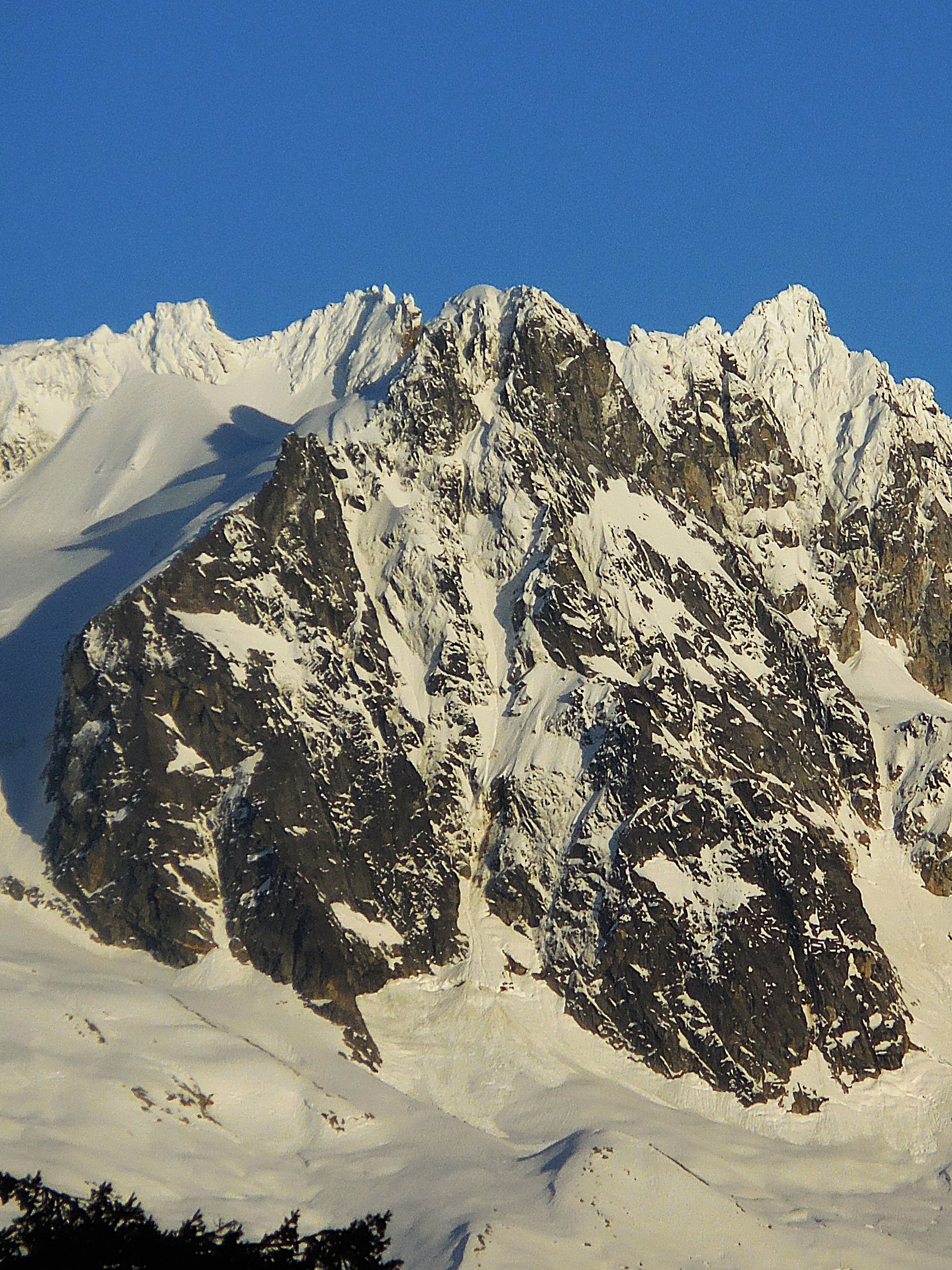
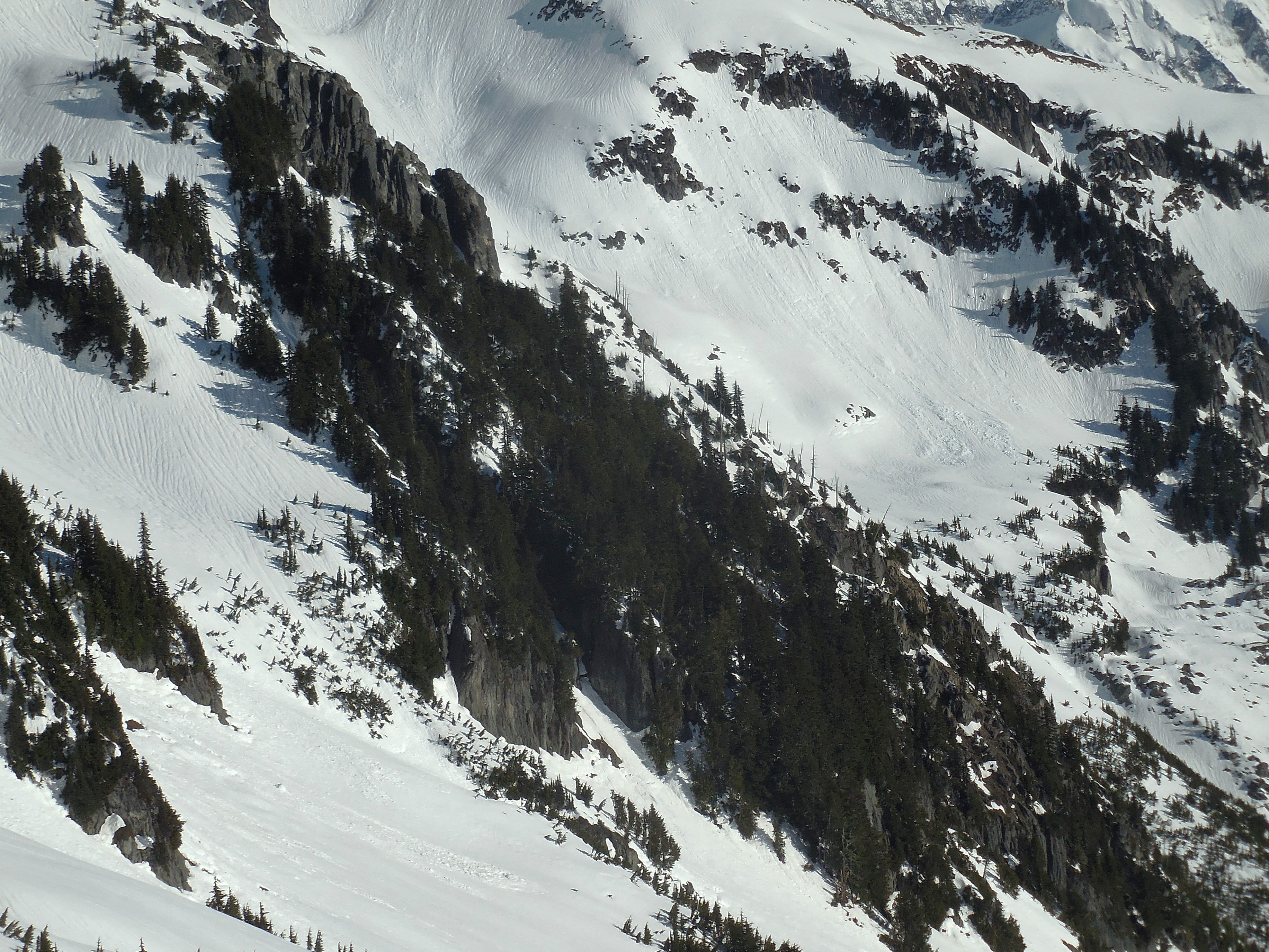
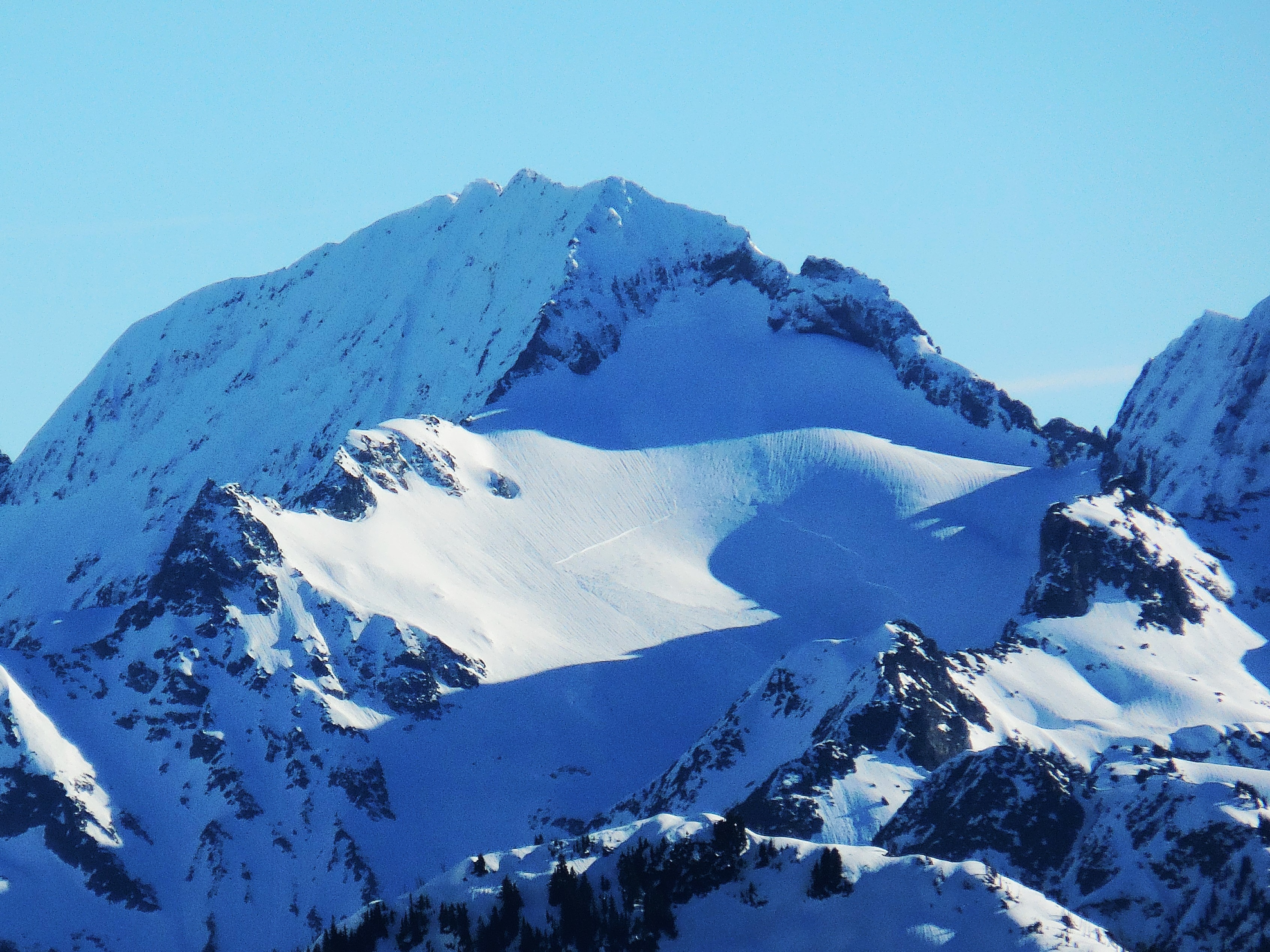
Various wet loose avalanches on all aspects up to D2. Some debris piles were quite old, while others on southerly slopes looked more recent, but not sure if they were less than two days old. Wet avalanches were not widespread, and all initiated in very steep, rocky terrain. One D2-D3 slab was observed on the west side of Spider Mountain in upper elevation terrain.