

Quick report
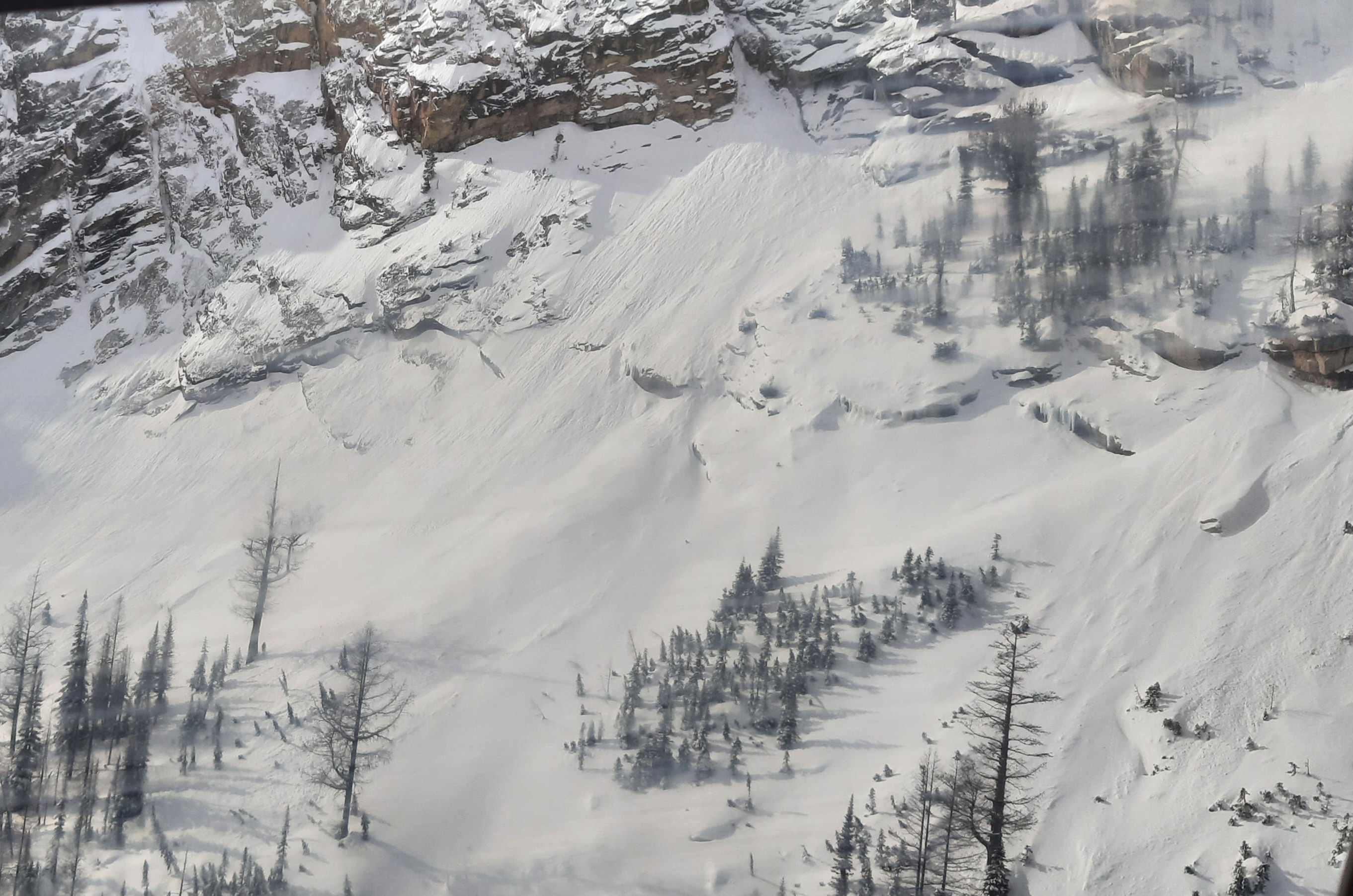
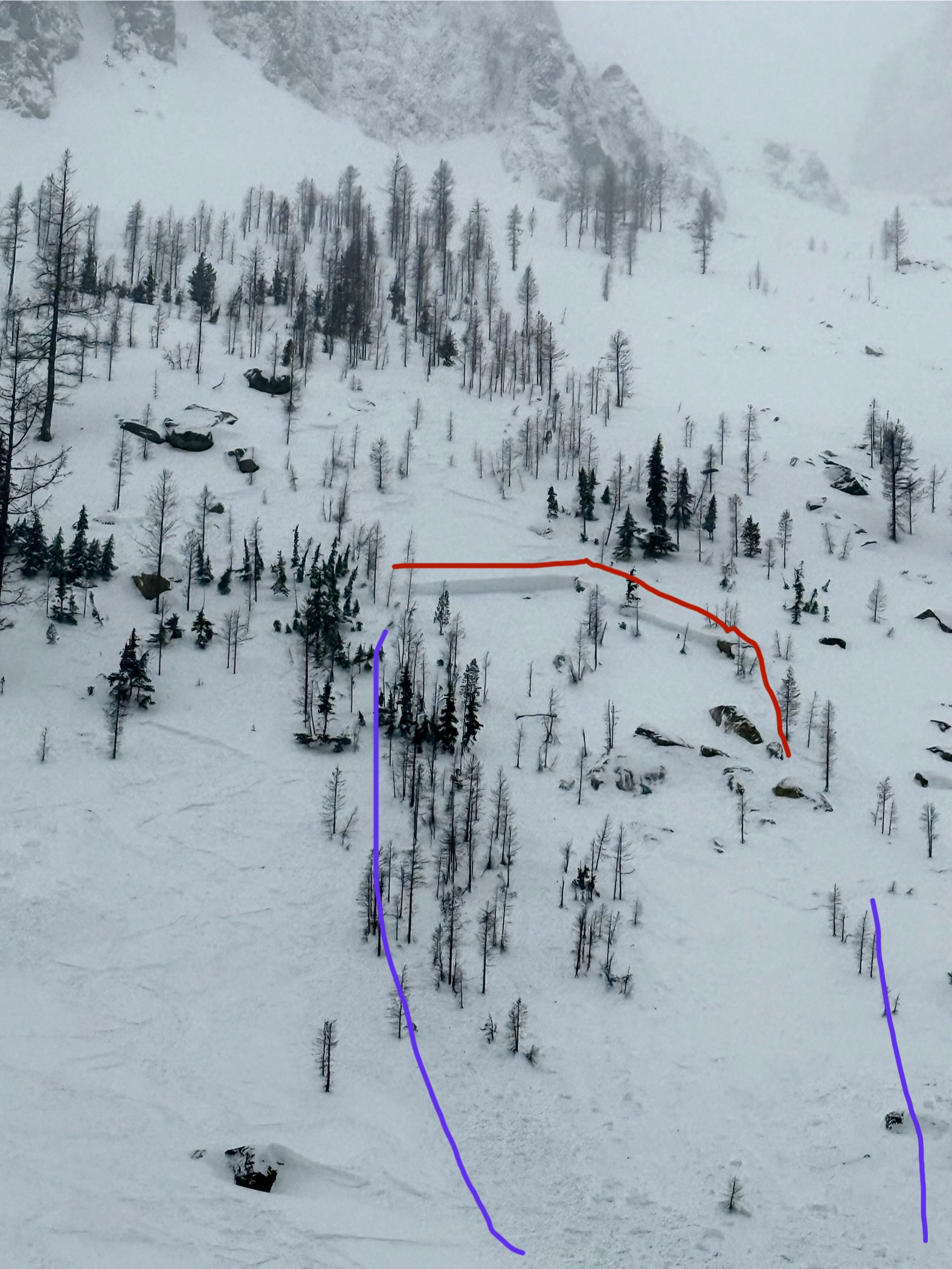
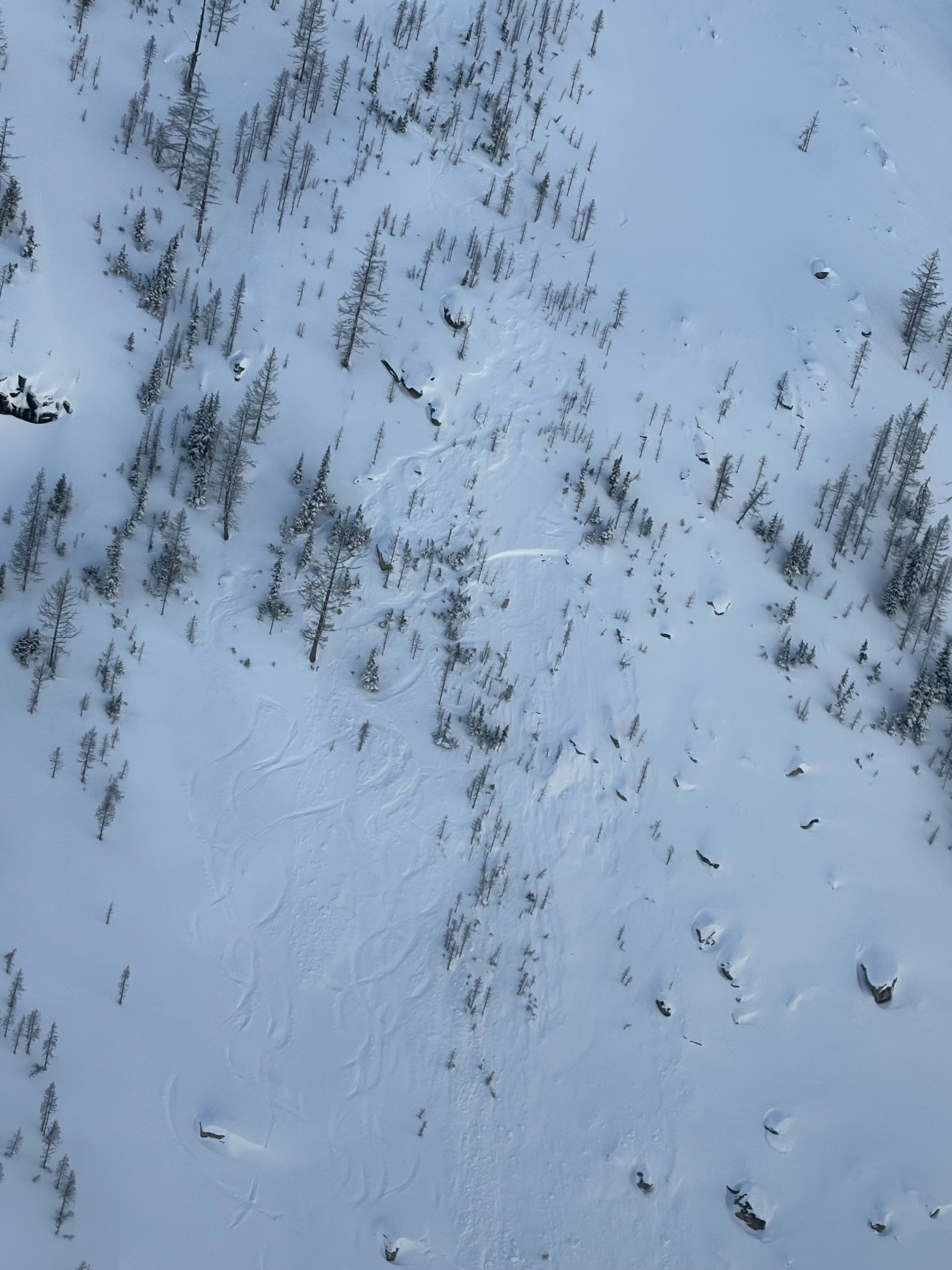
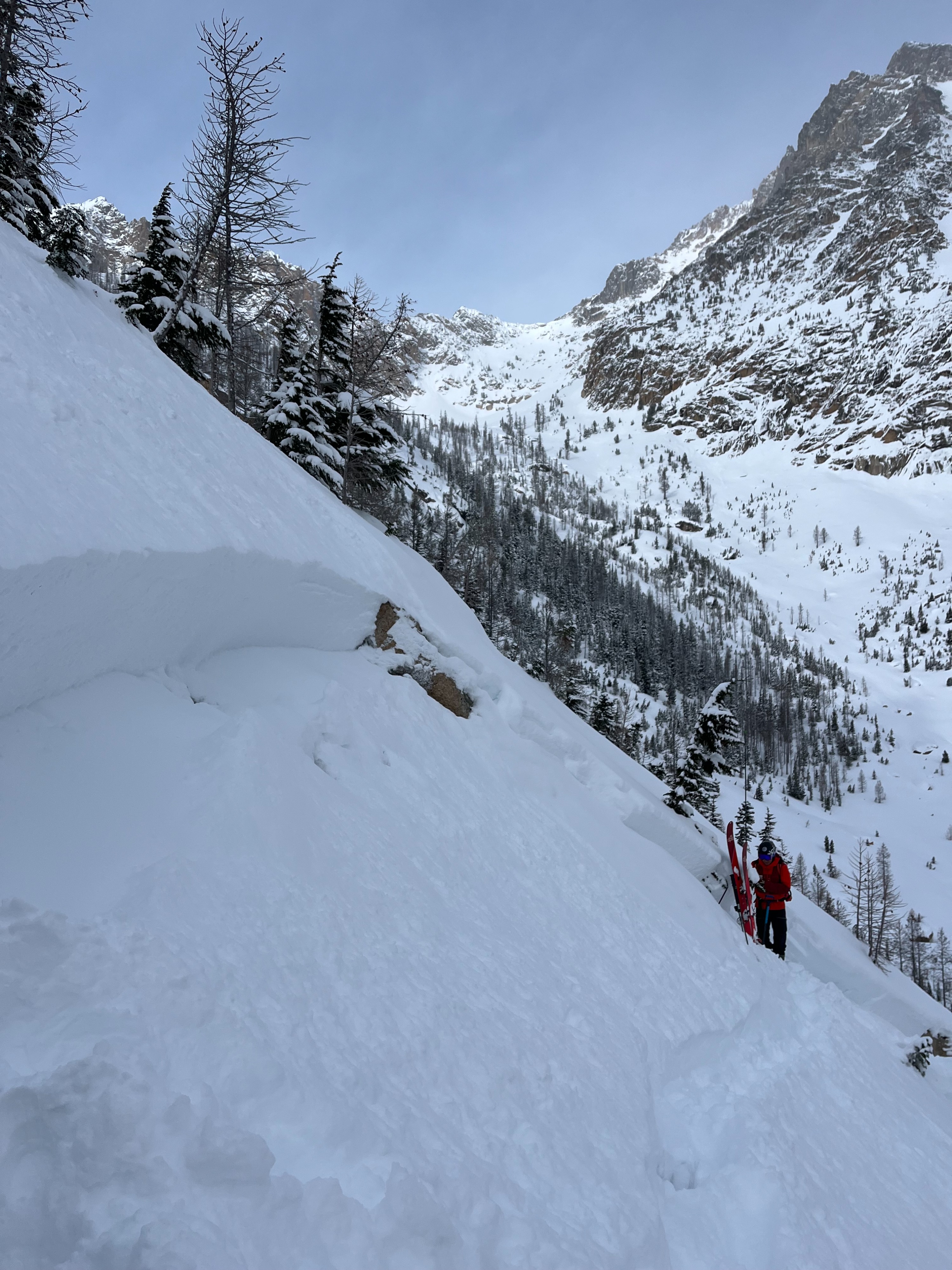
We targeted the site of a skier-triggered avalanche and gathered observations from upper elevations.
Significant snowpack changes from above and below 7,000ft. The early to mid- December facet layer was sensitive to skier triggering even while being near 100cm below the surface. This was likely due to shallow boulders acting as trigger points along with a shallow slab that broke above. This makes the problem at hand potentially isolated in the range and would may need a very specific area for formation (6,500-7,000ft) and a shallow area for triggering.
See avalanchesWeather
- Wind Loading
- light
- Recent Snowfall
- 25
Few Clouds increasing to Broken by mid day. Cold temps and light winds all morning. S--1 by noon.
Snowpack
See attached snow profiles.
We dug an upper profile at 7760’ NNE with an HS of 175cm. Compression tests produced no results. This snow profile is included to compare to the one we dug on the crown. In the upper pit we found 23cm of F-hard new snow above a thin MF layer (1/31 temp crust) that had some small FCxr below. Underneath this was a mostly strong snowpack to the early or mid-Dec crust (likely 12/7) at 105cm down. There was some subtle decomposing MF and FC 5-10cm above the stout crust.
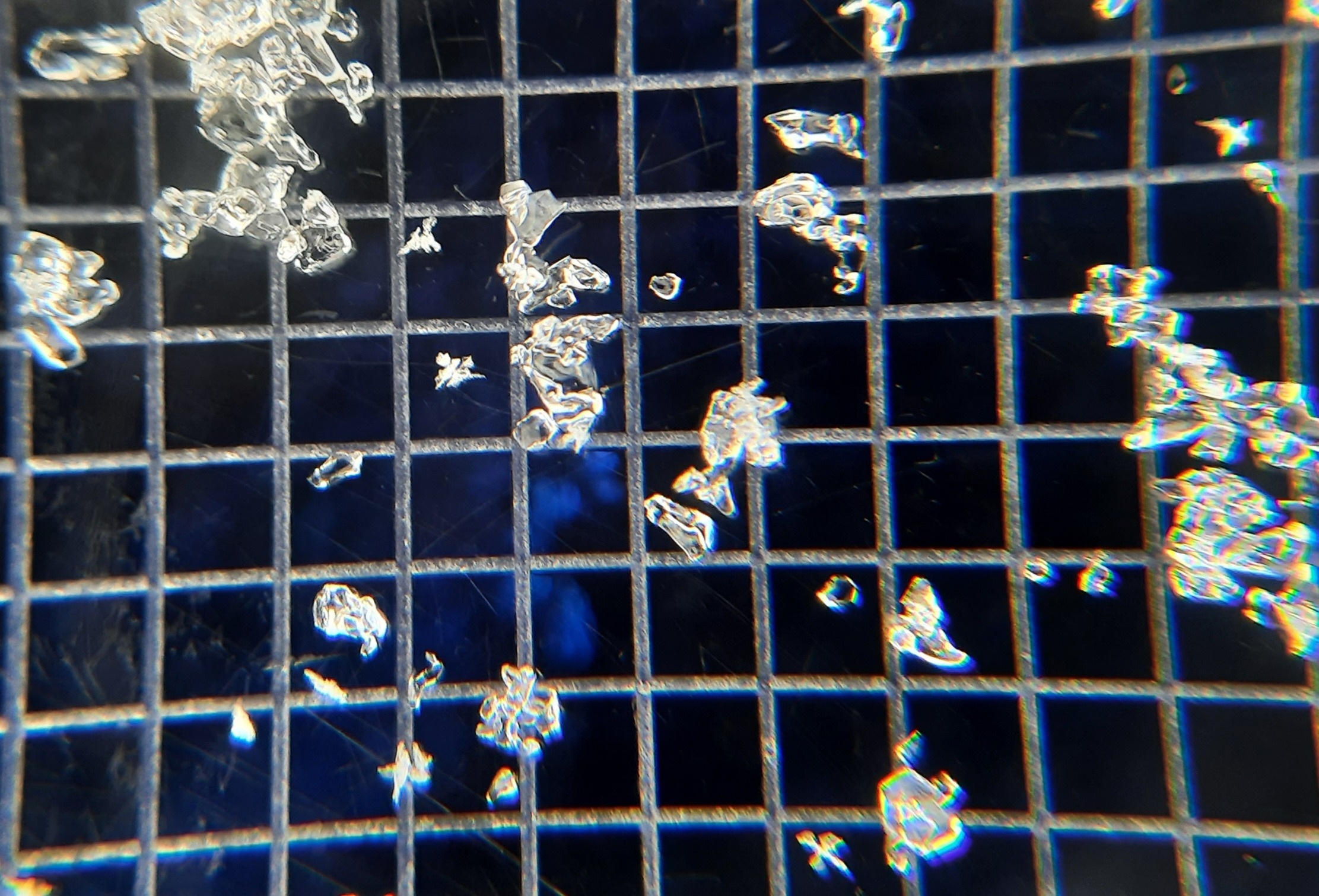
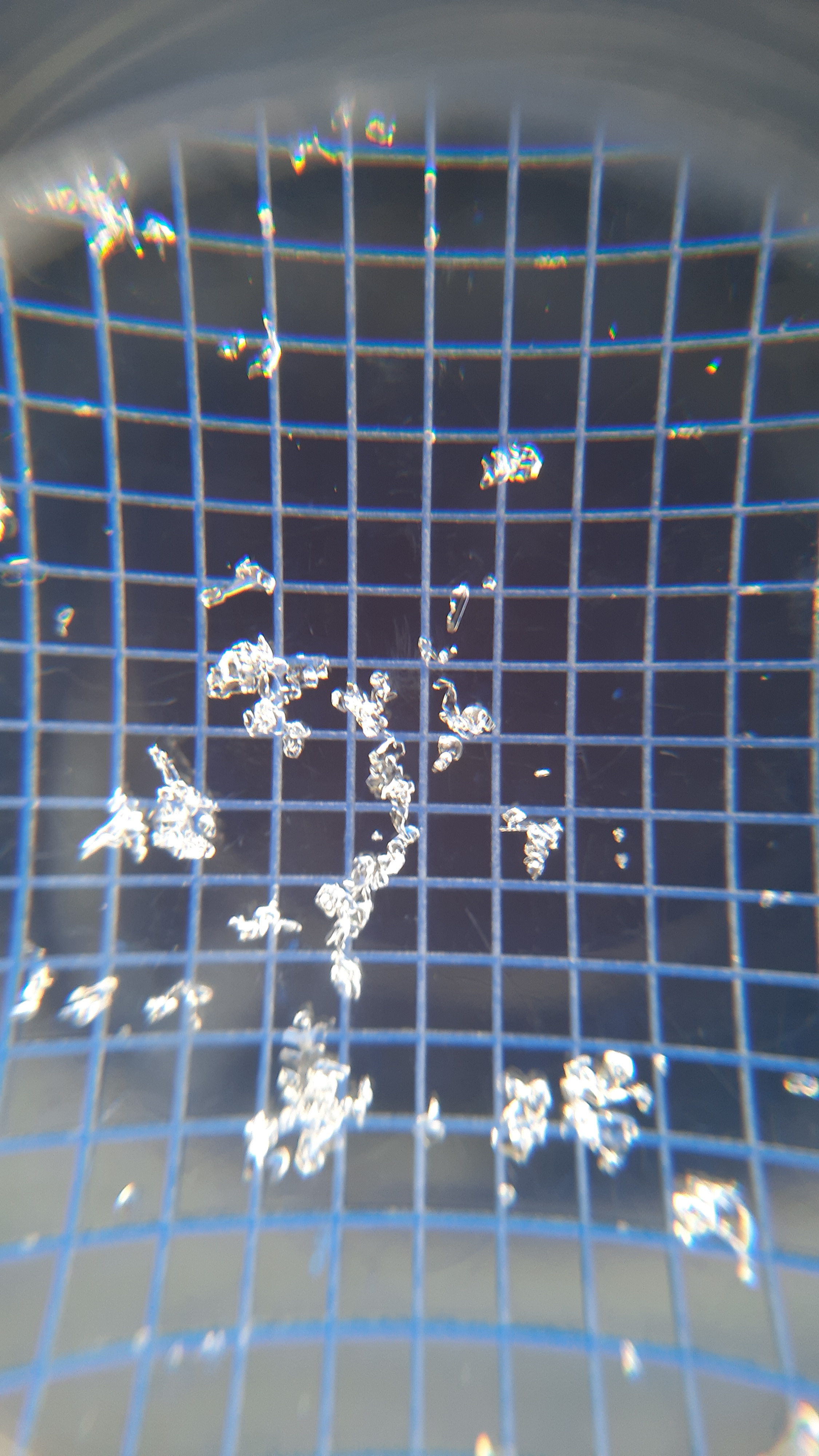
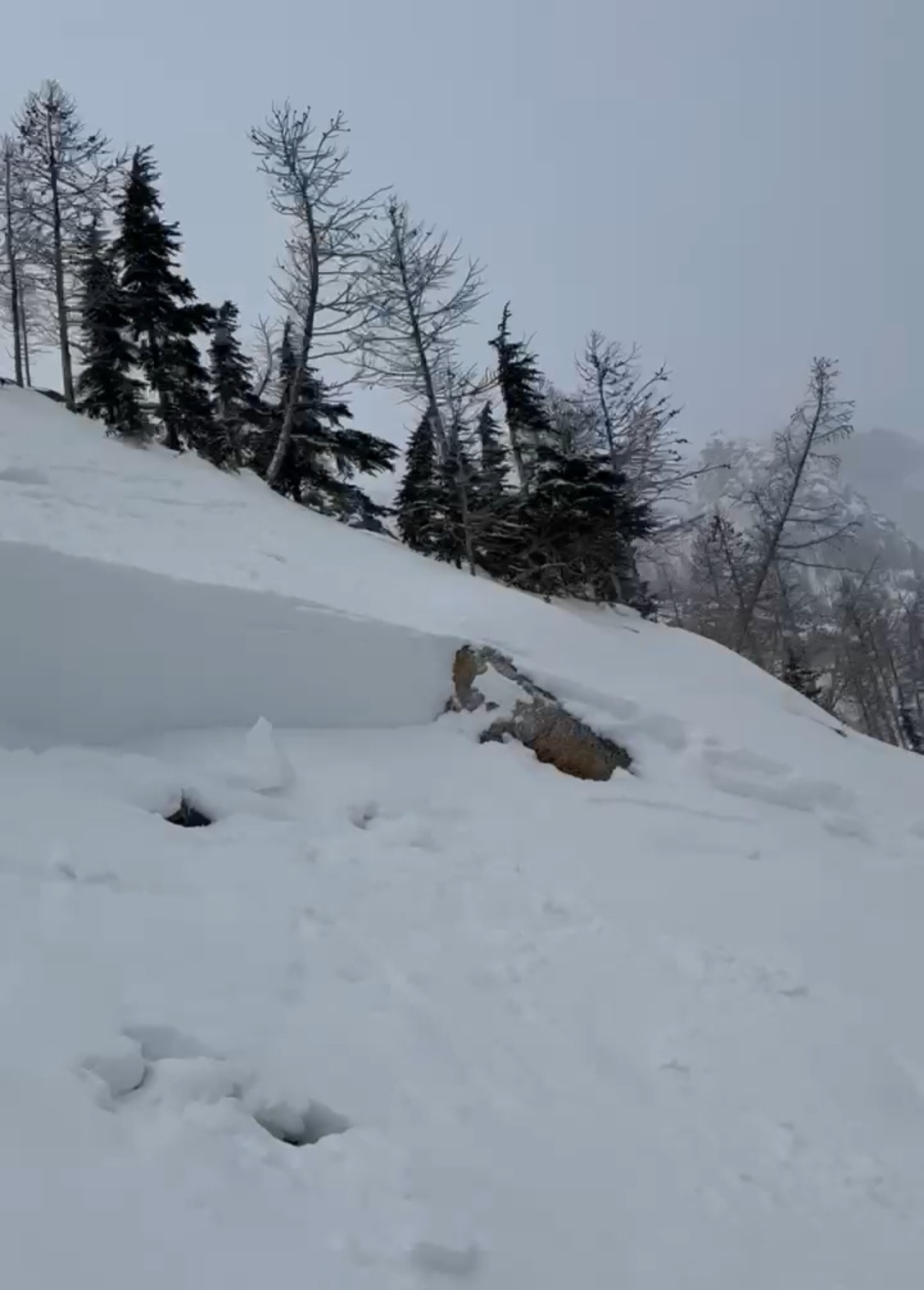
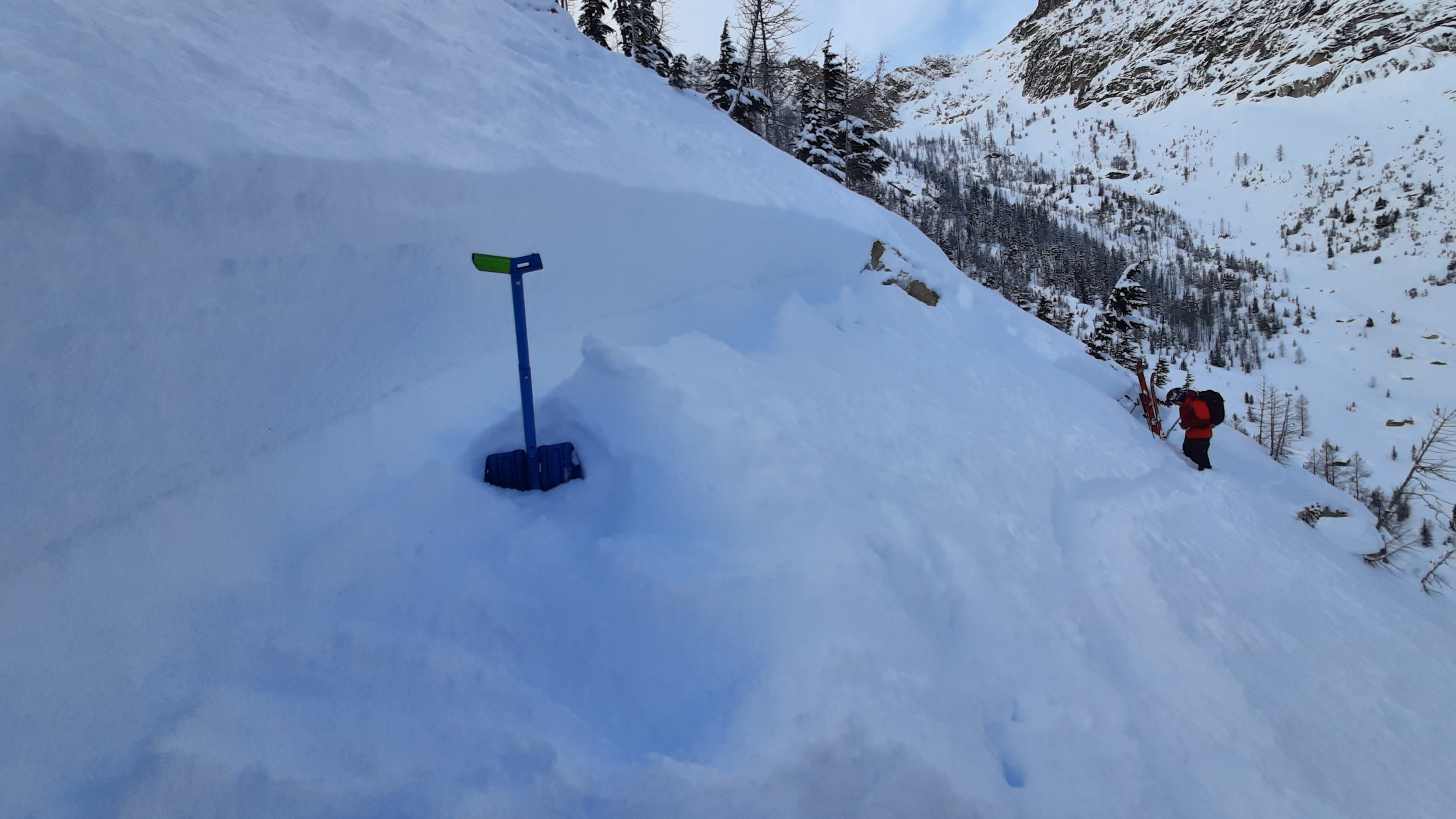
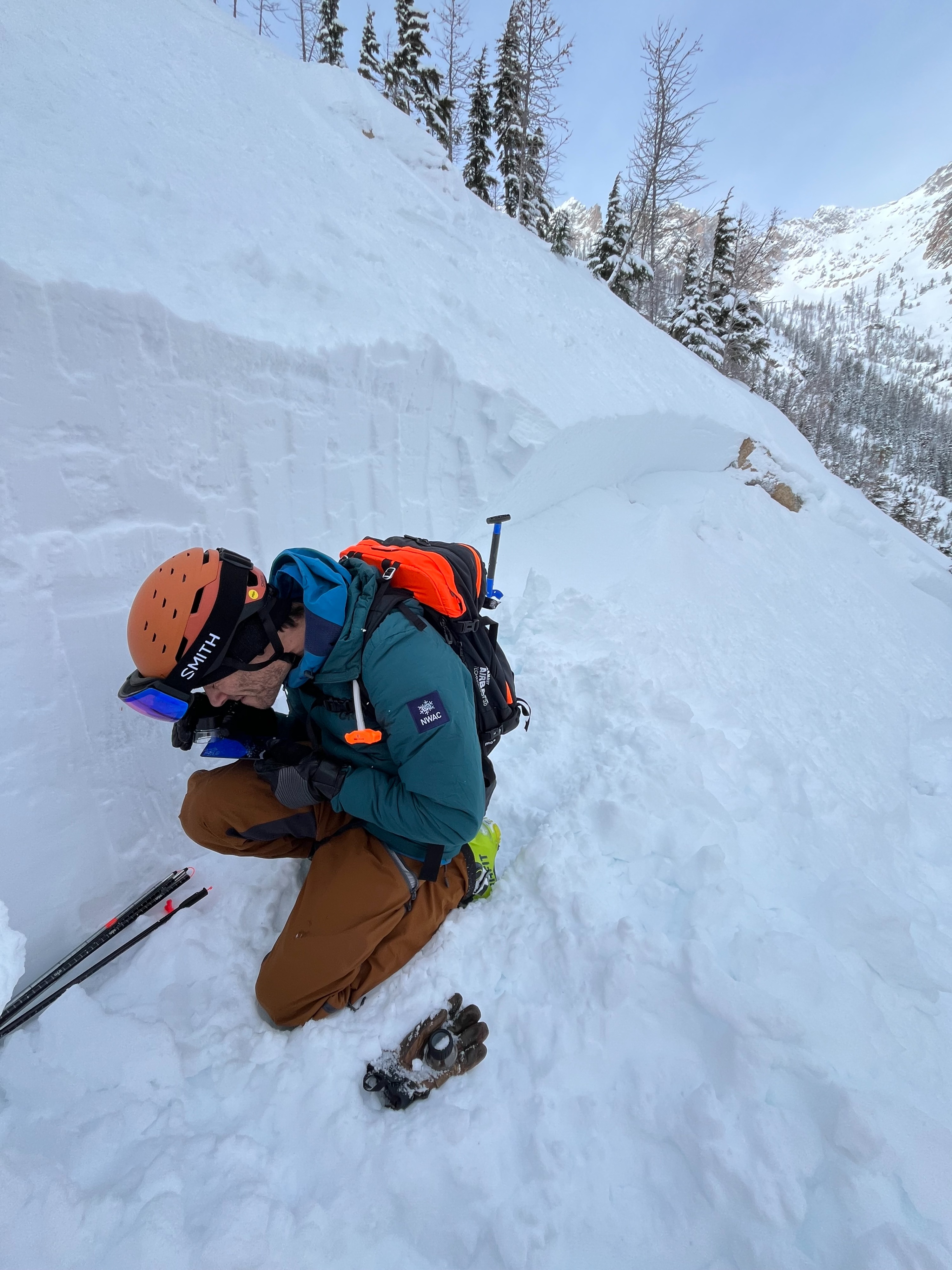
The crown profile of a skier-triggered avalanche at 6,600ft, NE, showed some interesting results. First off, most of the new snow had slid off of a large portion of the crown so our data on the new/old interface is limited. But probing nearby showed a consistent HST of 23cm. HS averaged 180cm. Below the new snow was a very dense slab ranging from K-P. The weak layer was very angular 1mm facets, buried in early to mid-December (likely 12/17). Where shallower, the grains were up to 2mm and had some striations. The depth of the weak layer averaged 80-110cm down depending on which side we dug on. Part of the crown near a rock, and potentially the trigger point, where the weak layer was only 20-30cm deep, with mostly new snow above it. The bed surface was a hard layer of rounds, likely old wind-drifted snow. Notably, there were no crusts in this snowpack. One profile was dug on the looker's right side of the crown, which was significantly shallower (weak layer down 80cm) than the profile on the looker's left side. The graphed profile is from the deeper, left edge of the crown. In both cases the weak layer was about 5cm thick containing 1-2mm FC. It produced a propagating ECTP25 result that almost knocked the observer off his feet.
Other notable factors in this skier-triggered avalanche are:
- the slope angle was very steep (44*)
- The terrain was exceptionally rocky with numerous large boulders and talus
- The snowpack in this area that formed prior to New Year's was really variable due to multiple wind events.
Avalanche
- Size
- D2
- Type
- HS
- Aspect
- NE
- Trigger
- AS
- Elevation
- 6600 ft
Crown profile on a deeper skier triggered avalanche from 2/1. Numerous small (D1) loose dry avalanches occurred naturally on steep upper and mid-elevation slopes, as they were warmed by sun in the AM. Increasing clouds put a halt to this.