
Quick report
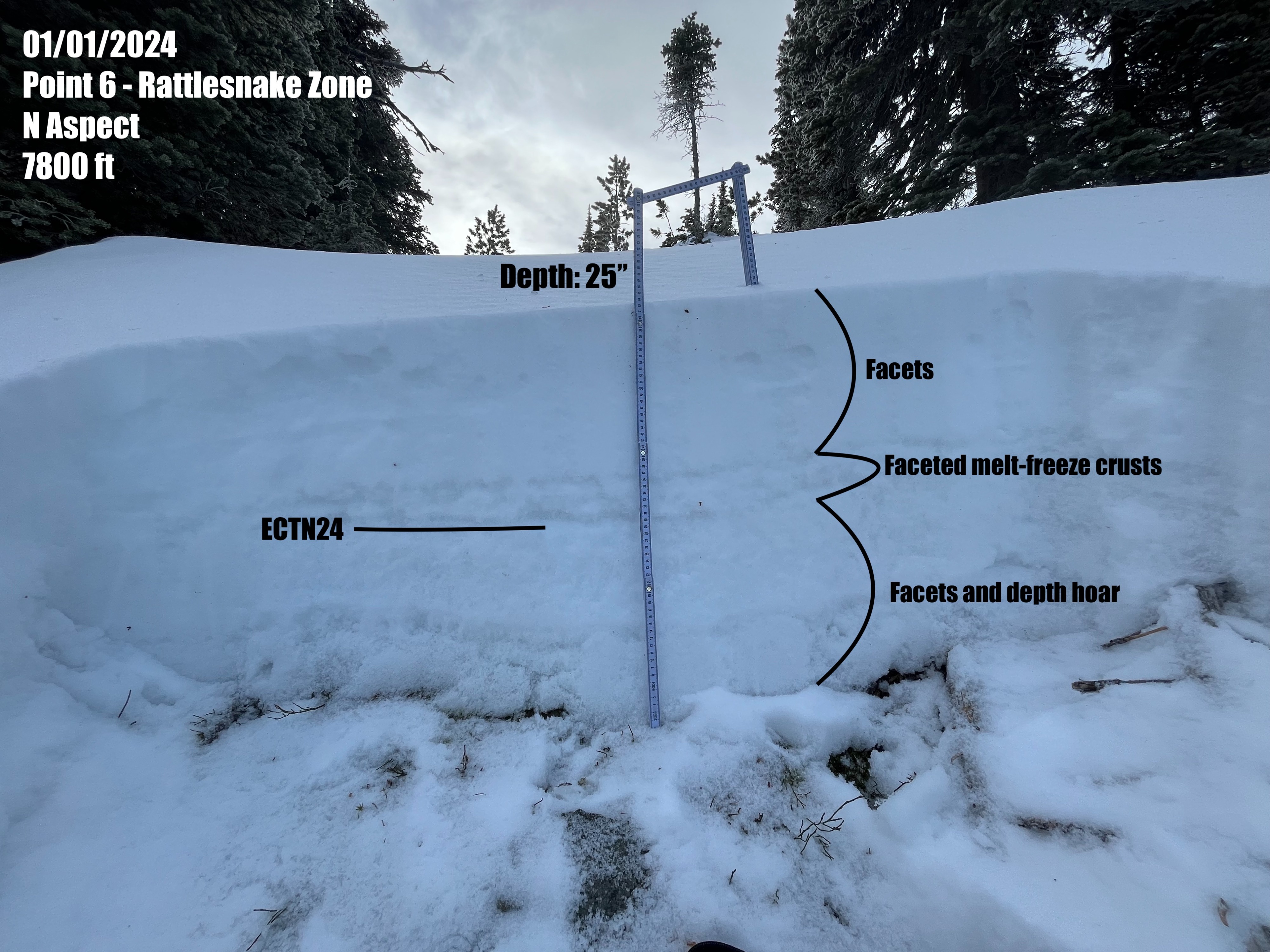
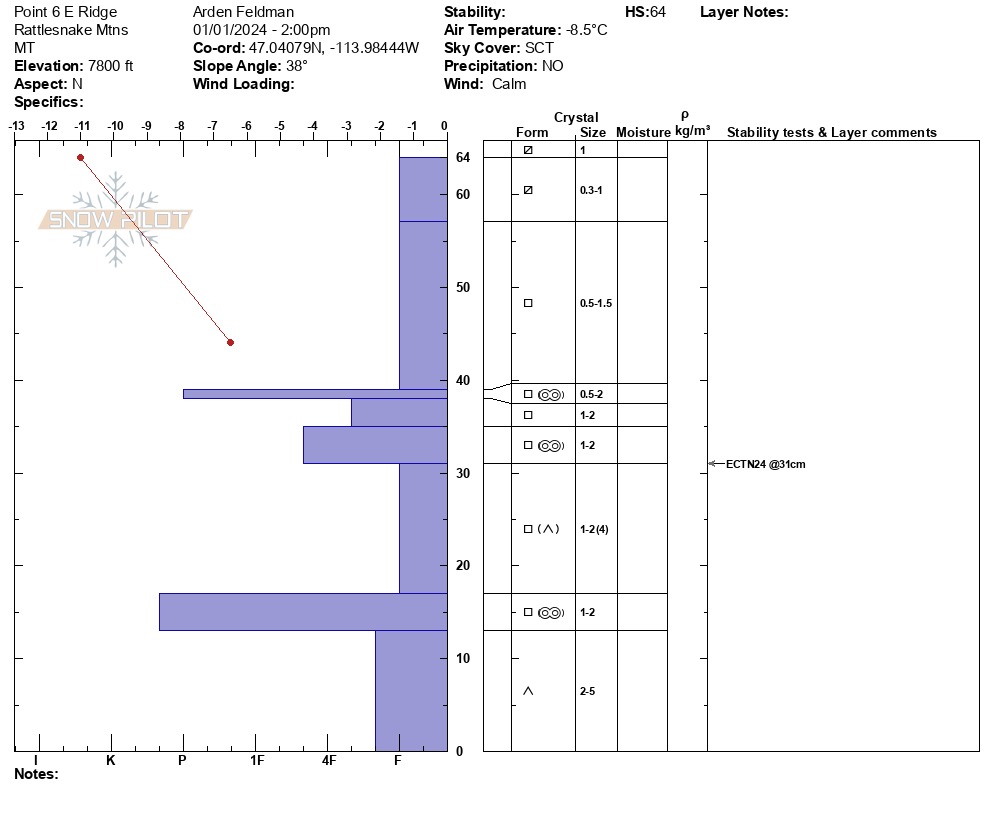
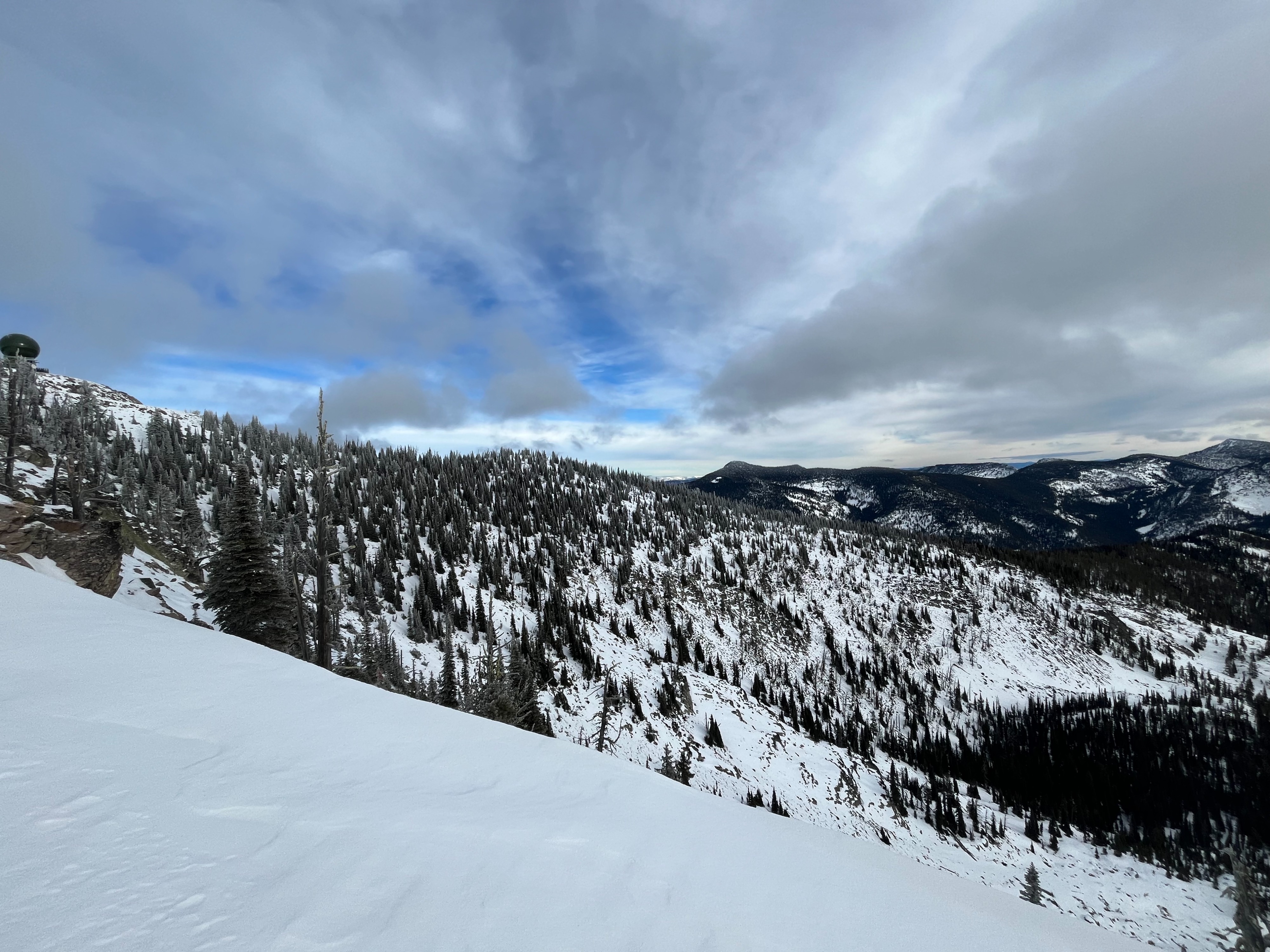
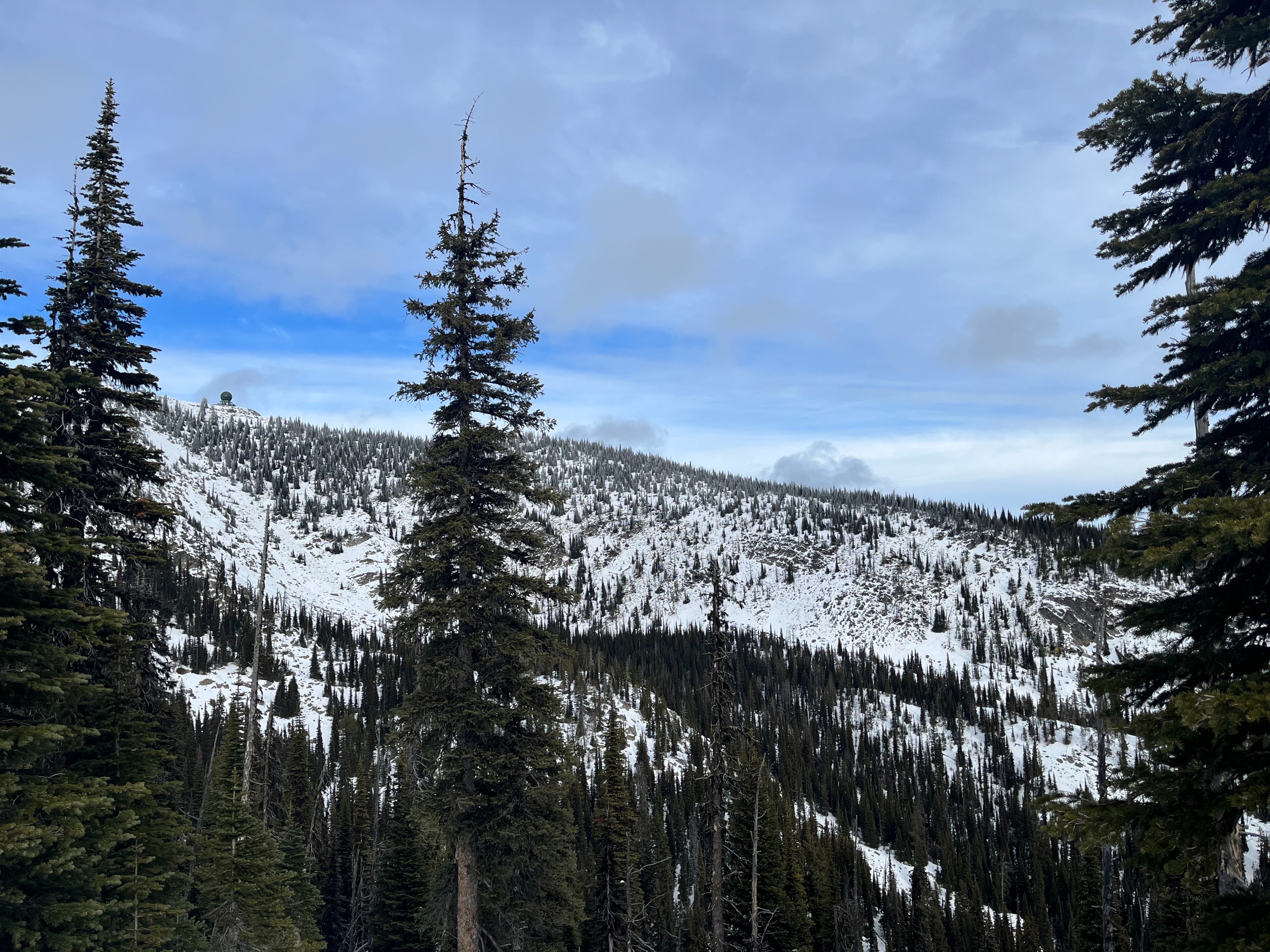
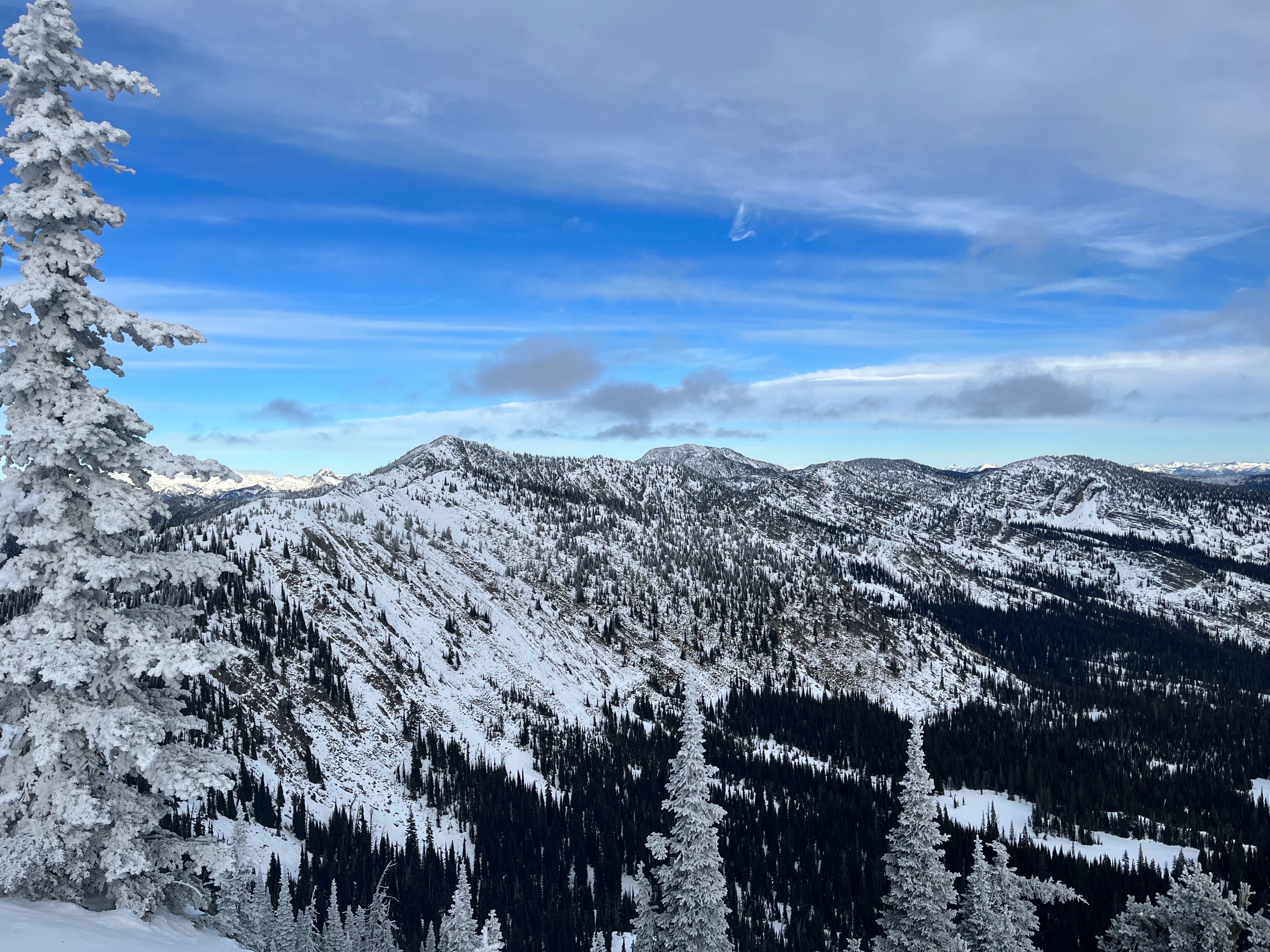
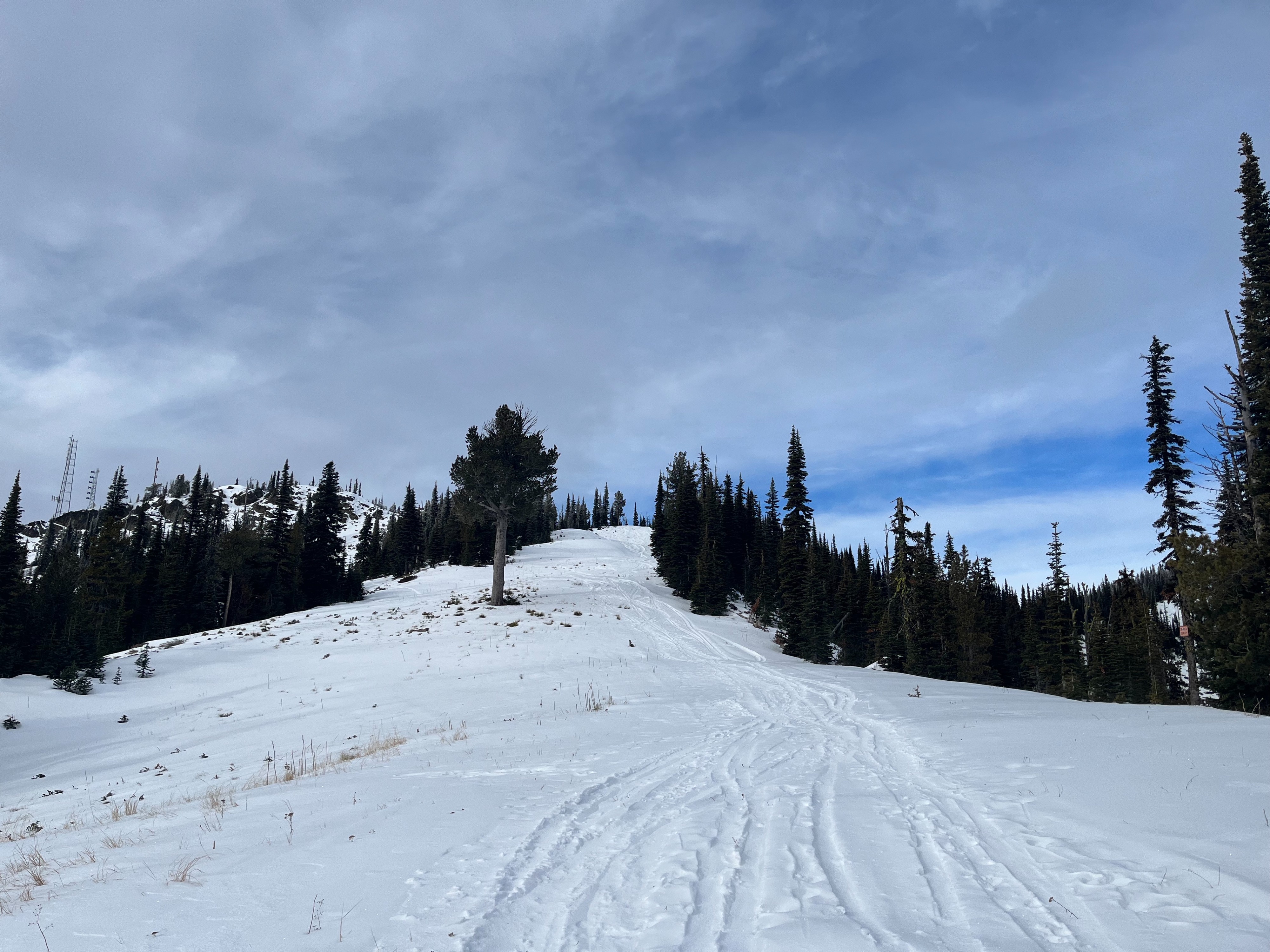
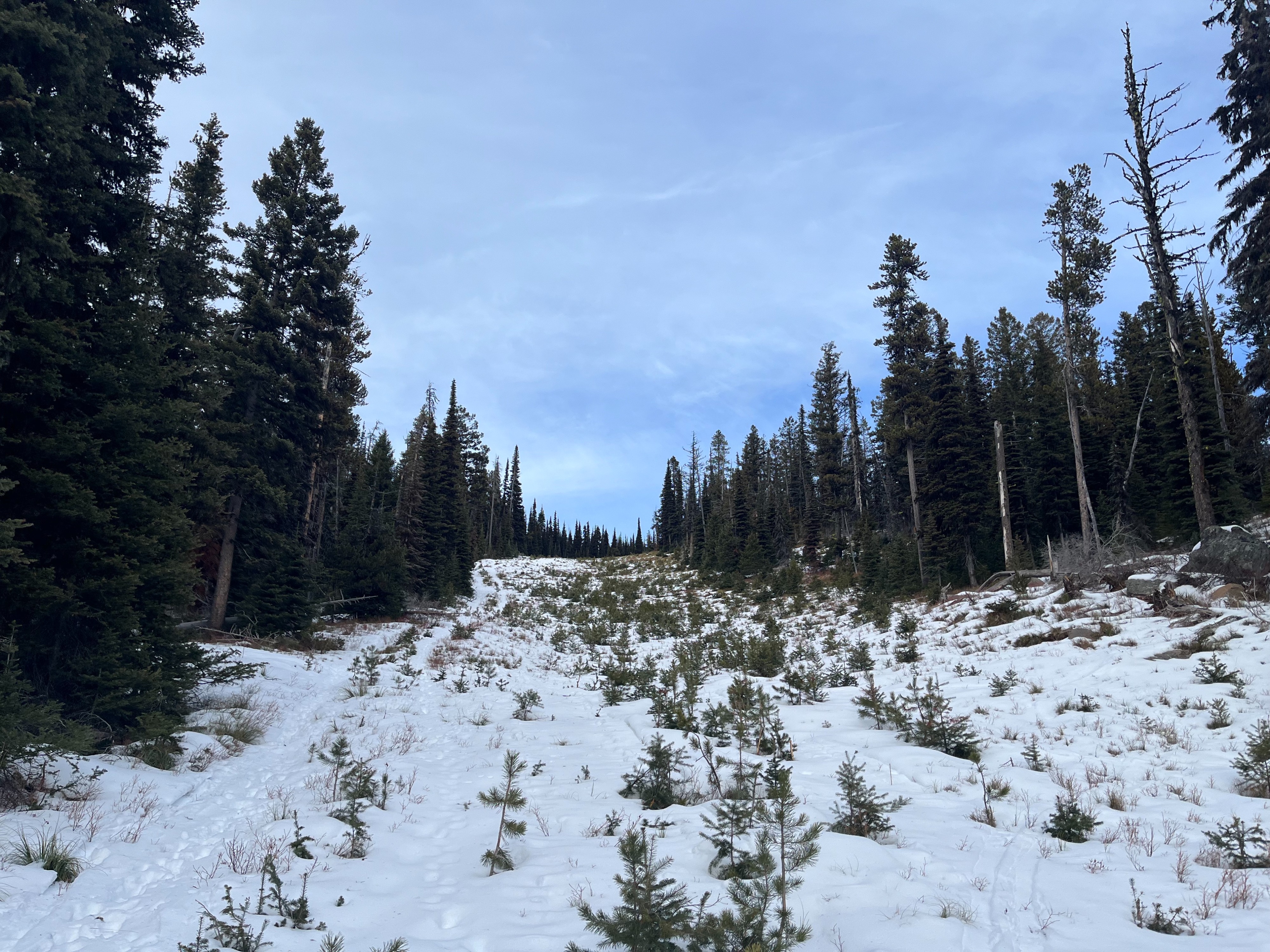
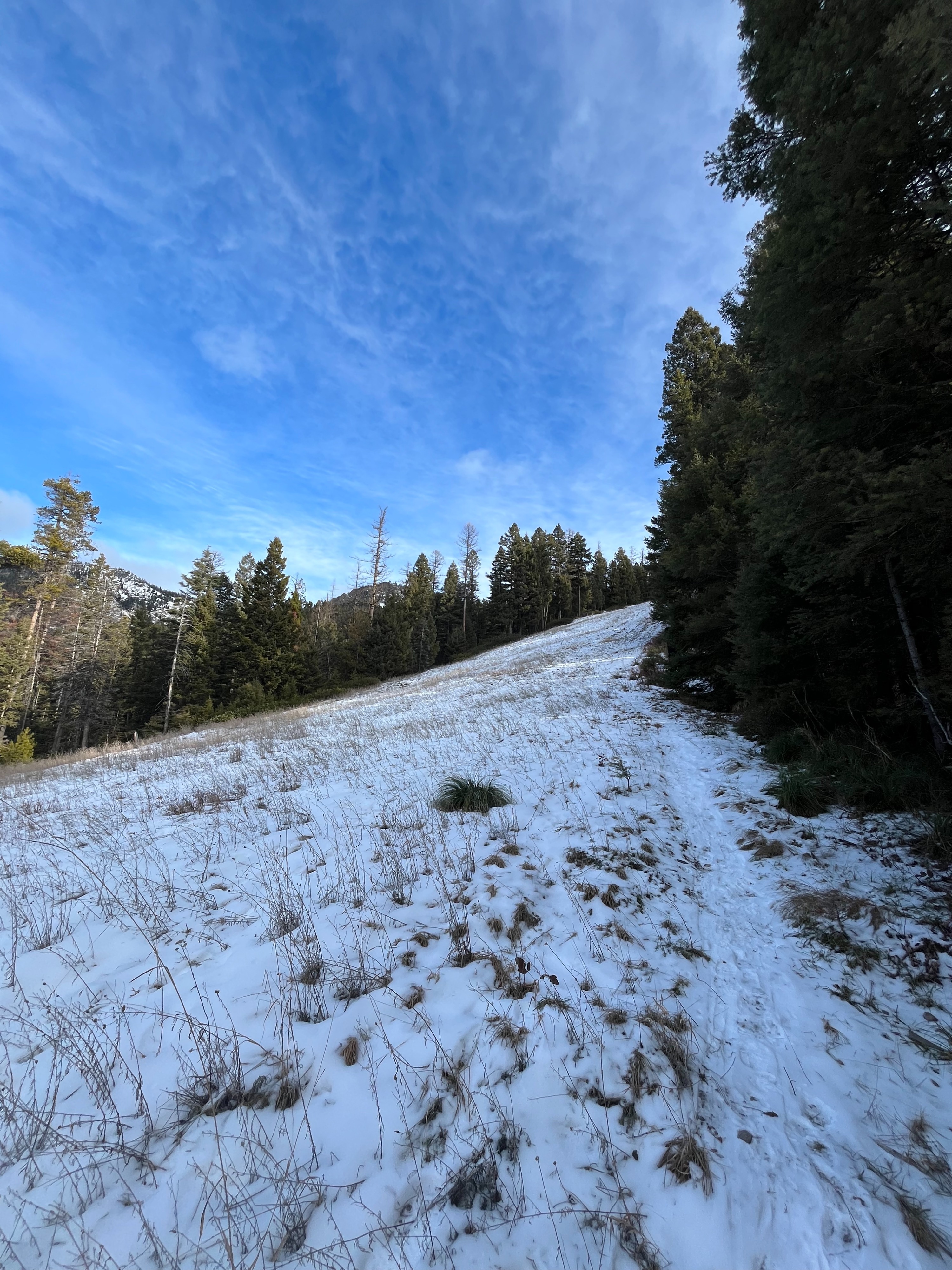
The Rattlesnake zone has a very thin snowpack with little to no snow at lower elevations and only up to around 2 feet at upper elevations. The snowpack is faceted and weak in its entirety. Only densely wind-packed snow on north and east ridgelines have any significant hardness to it. We saw little indications of instability today with a hard non-propagating Extended Column Test result and only collapsing on top of a thin breakable crust with facets below in areas with less than 1 foot of snow.
Weather
- Air Temp
- 17
- Cloud Cover
- scattered
- Wind Loading
- none
- Recent Snowfall
- Trace
- Snow Avail For Transport
- none
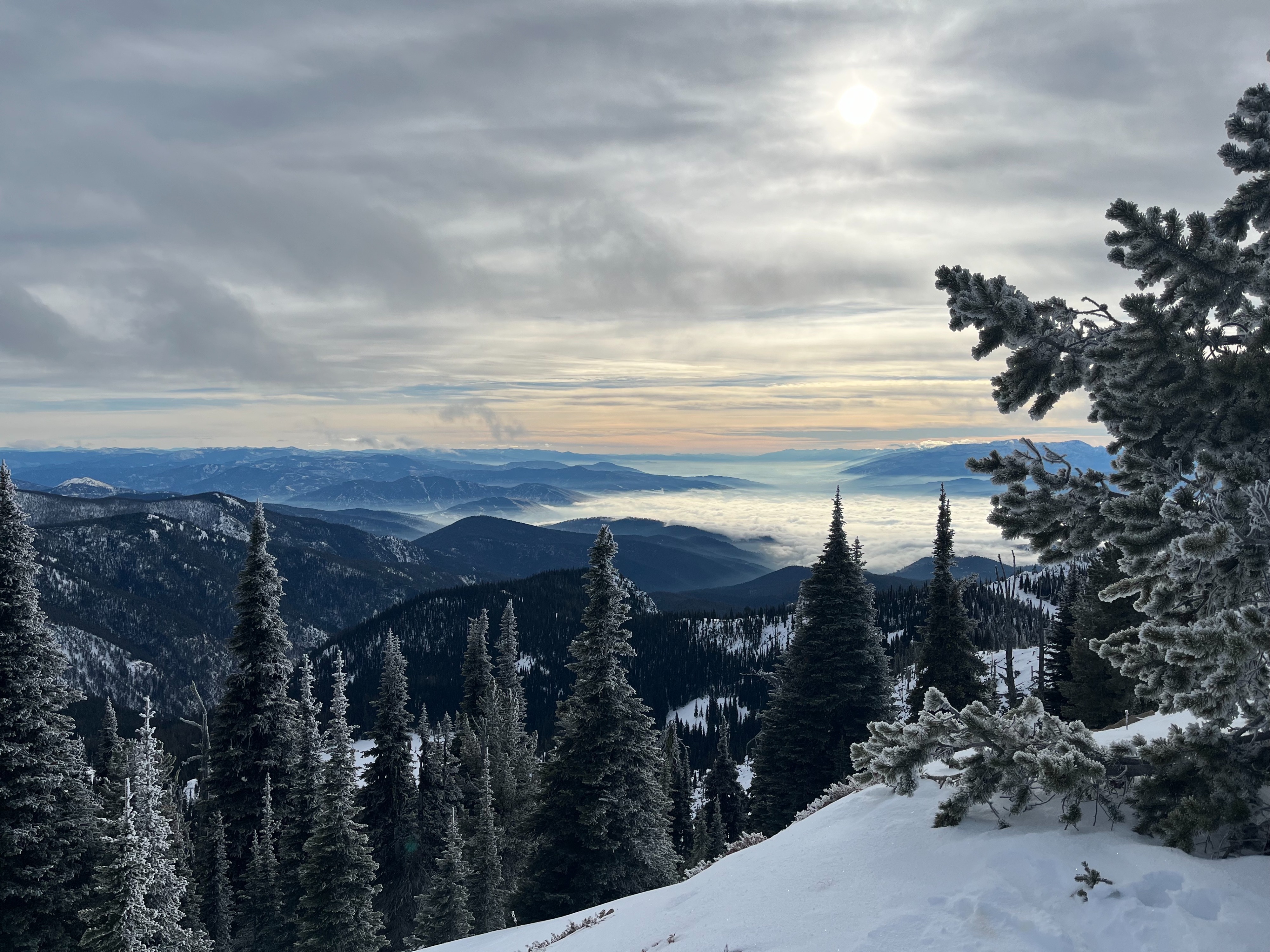
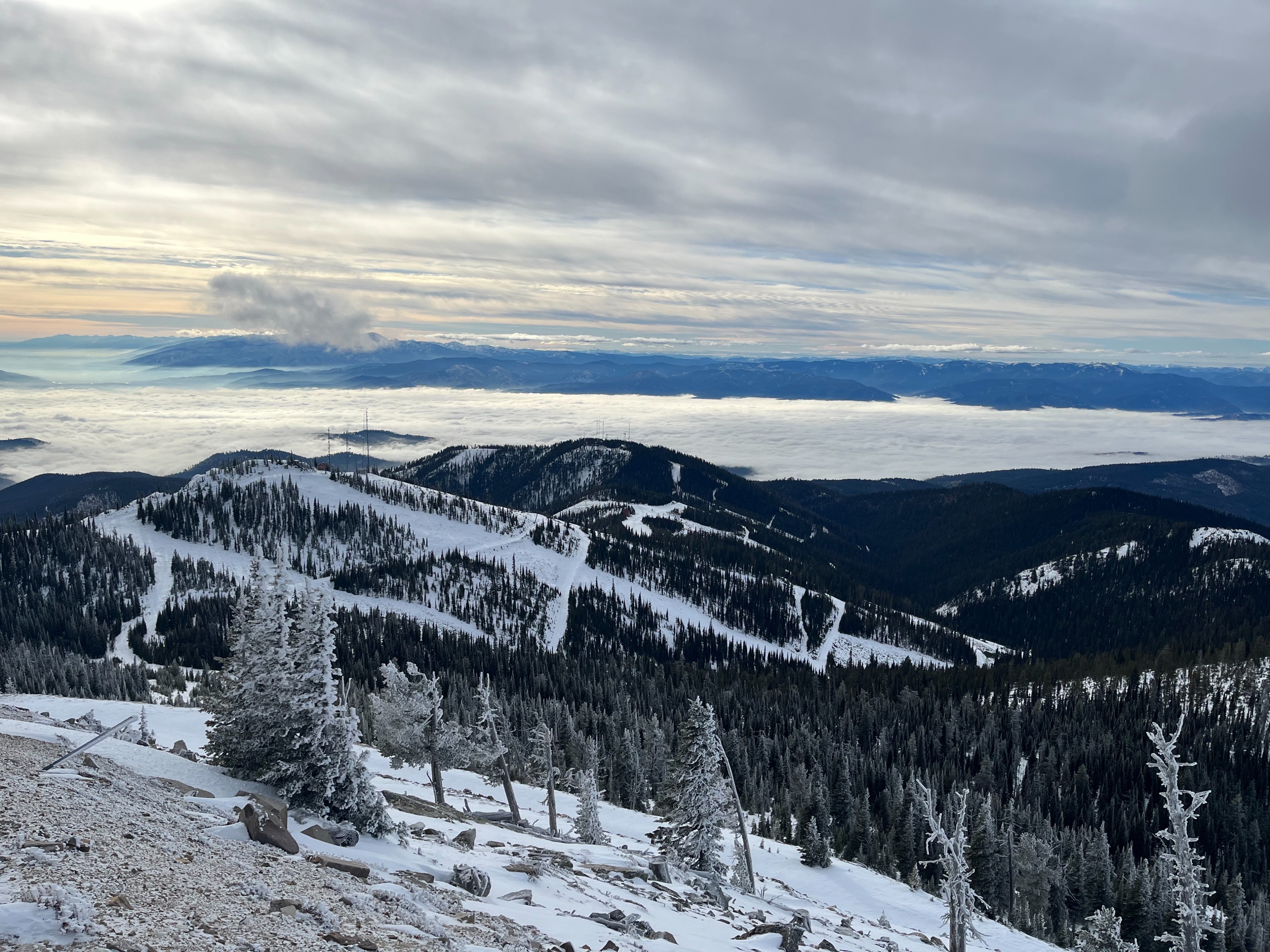
Above the valley inversion, the sun was shining with moments of cloud cover throughout the day. Temperatures started out warm and dropped to cool throuhought the day. There was light wind at ridgetop. A very small trace amount of graupel fell overnight.
Snowpack
At lower elevations, there are many areas with bare ground. A few inches exist on more shaded slopes. At 6400', the snow depth increases to 1/2 - 1 foot. At 6700' the depth increases to 1-2 feet. South aspects have a breakable crust on the snow surface that makes for difficult skiing. Below the crust is faceted snow.
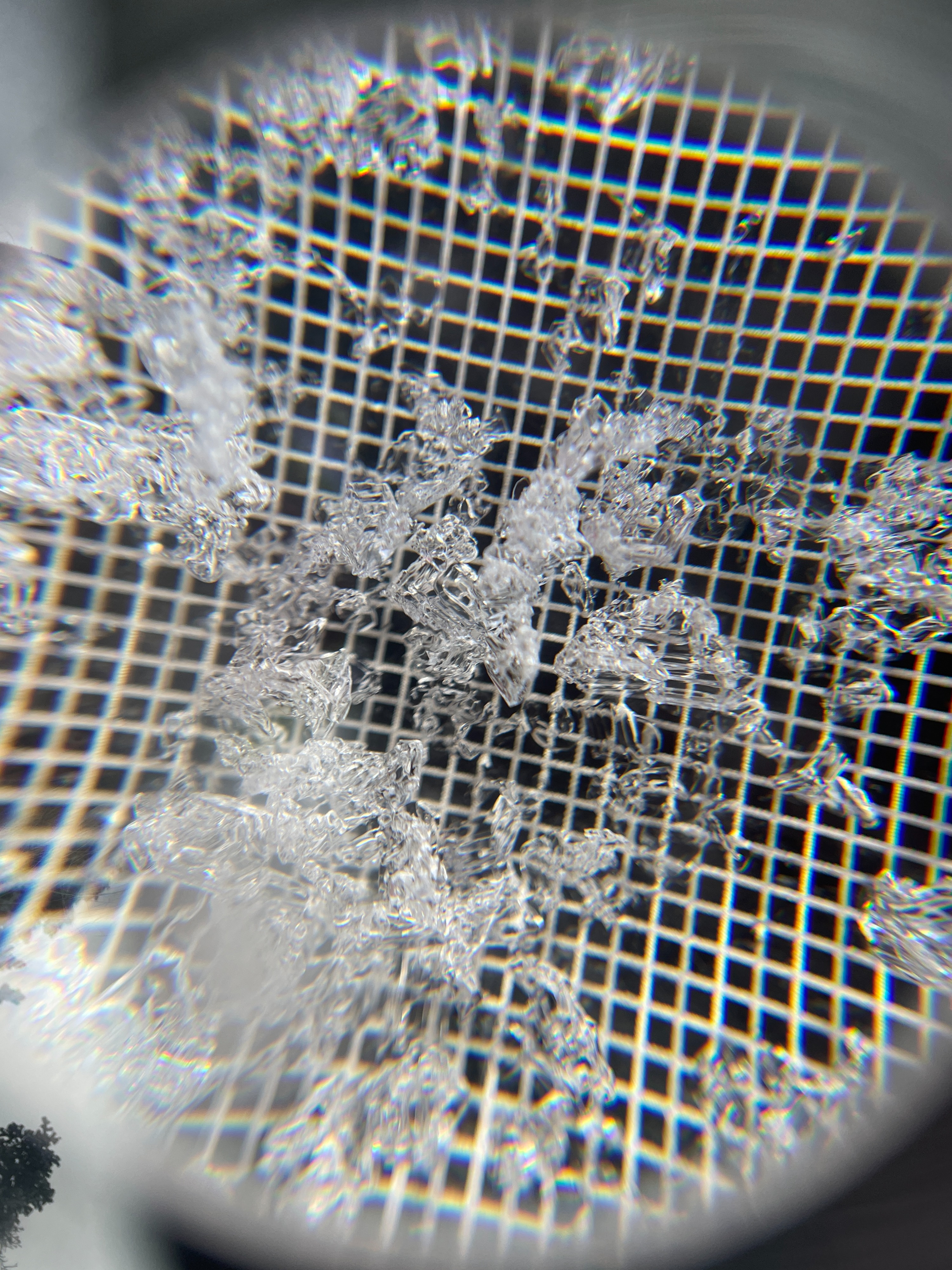
On an upper elevation north aspect where we dug a pit, we found just over 2 feet of snow. In our pit, we found a nearly completely faceted snowpack. We were still able to distinguish various buried melt-freeze crusts but these crusts were well on their way to being totally faceted out. The entirety of the snowpack is very soft and cohesionless. We performed an ECT and got a hard, non-propagating result.
We noted surface hoar on a southeast aspect at 7100' and we suspect more widespread development on other aspects. We also noted old roller balls on south-facing upper-elevation slopes, indicating previous warming.