
Quick report
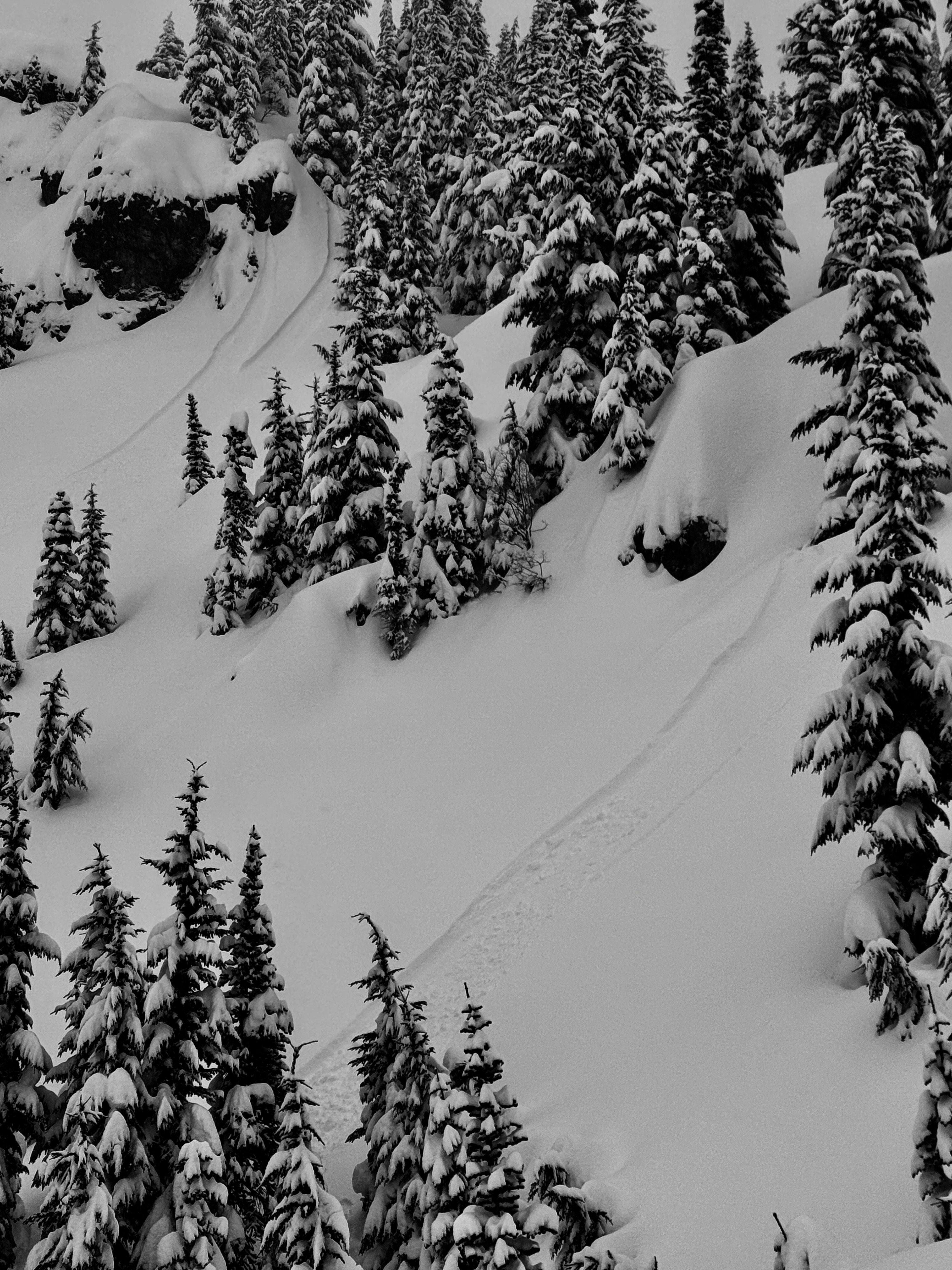
Today was a bit of a return to "Cascade Normal" if it wasn't for the lingering persistent slab. The storm snow seemed rather stable to start the day. We were poking and poking and not much was happening. Then... it warmed up just a bit and Avalanche. Suddenly we could easily trigger slides in steeper terrain. This was followed shortly by a barrage of small natural slides in very steep areas. The speed at which the snow changes here still impresses me.
Persistent Weak Layers; We went to a place we've been several times during the past few weeks to see how these layers are changing. The short? Still the same ole weak sugary facets. It may not be the scariest I've seen, but it's not showing any signs of healing.
Weather
- Cloud Cover
- overcast
- Wind Loading
- none
- Rain Elevation
- 2500
- Recent Snowfall
- 25
- Snow Avail For Transport
- moderate amounts
A nice stormy day at the Pass. Generally light to occasionally moderate snow in the morning turned more showery in the afternoon. Winds were notably light and not moving snow. While we could feel it warming up, it remained all snow through our tour.
Snowpack
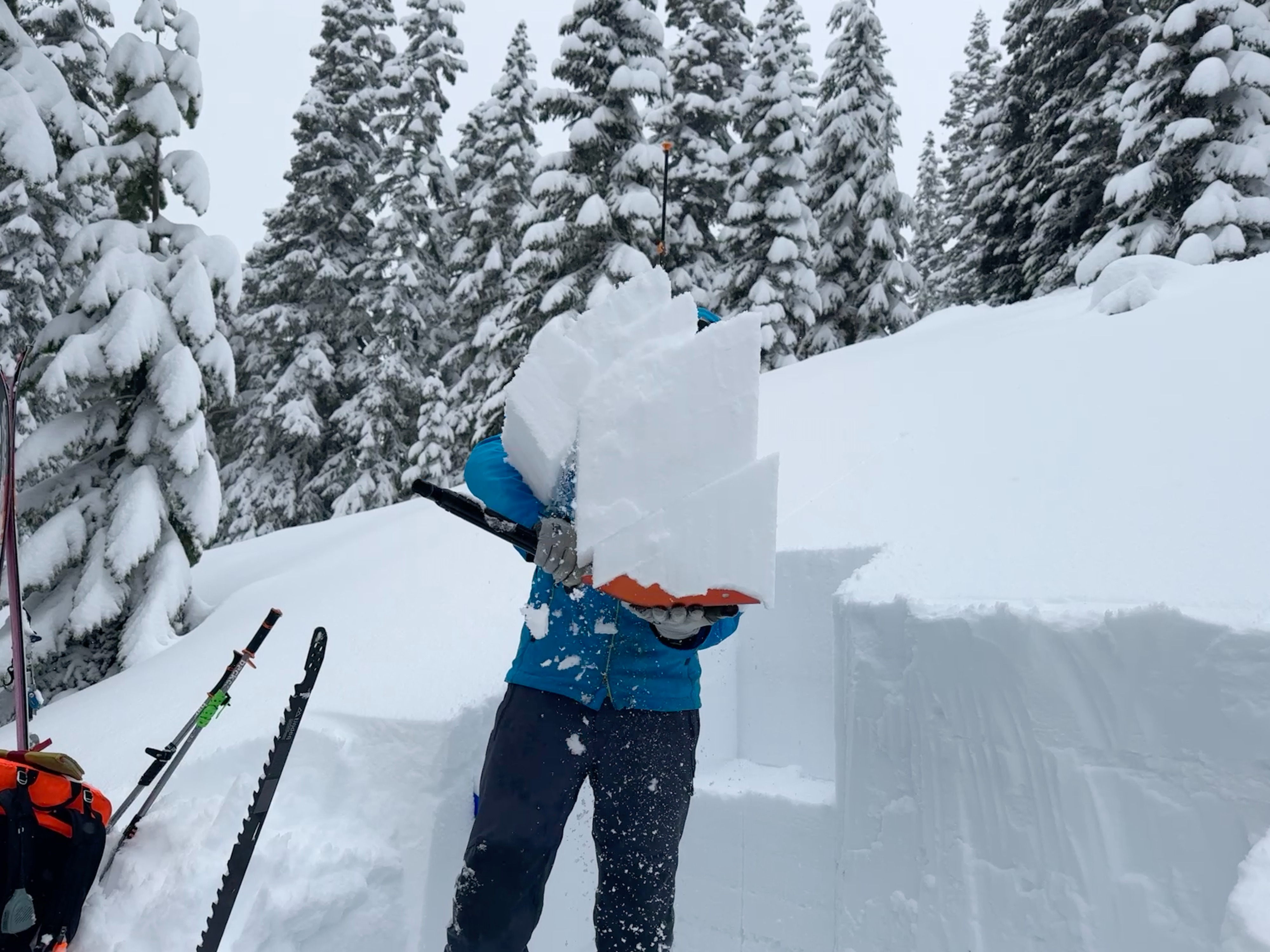
New snow: Open areas in the middle elevation band held about 10in (25cm) of new snow. This sits over the 2/13 interface. While we didn't find any weak grains (SH or FC), several tests did fail at this interface. (tilt tests, extended column tests, ECT12N). It wasn't super confidence inspiring and seeing all the avalanche activity on this layer confirmed it.
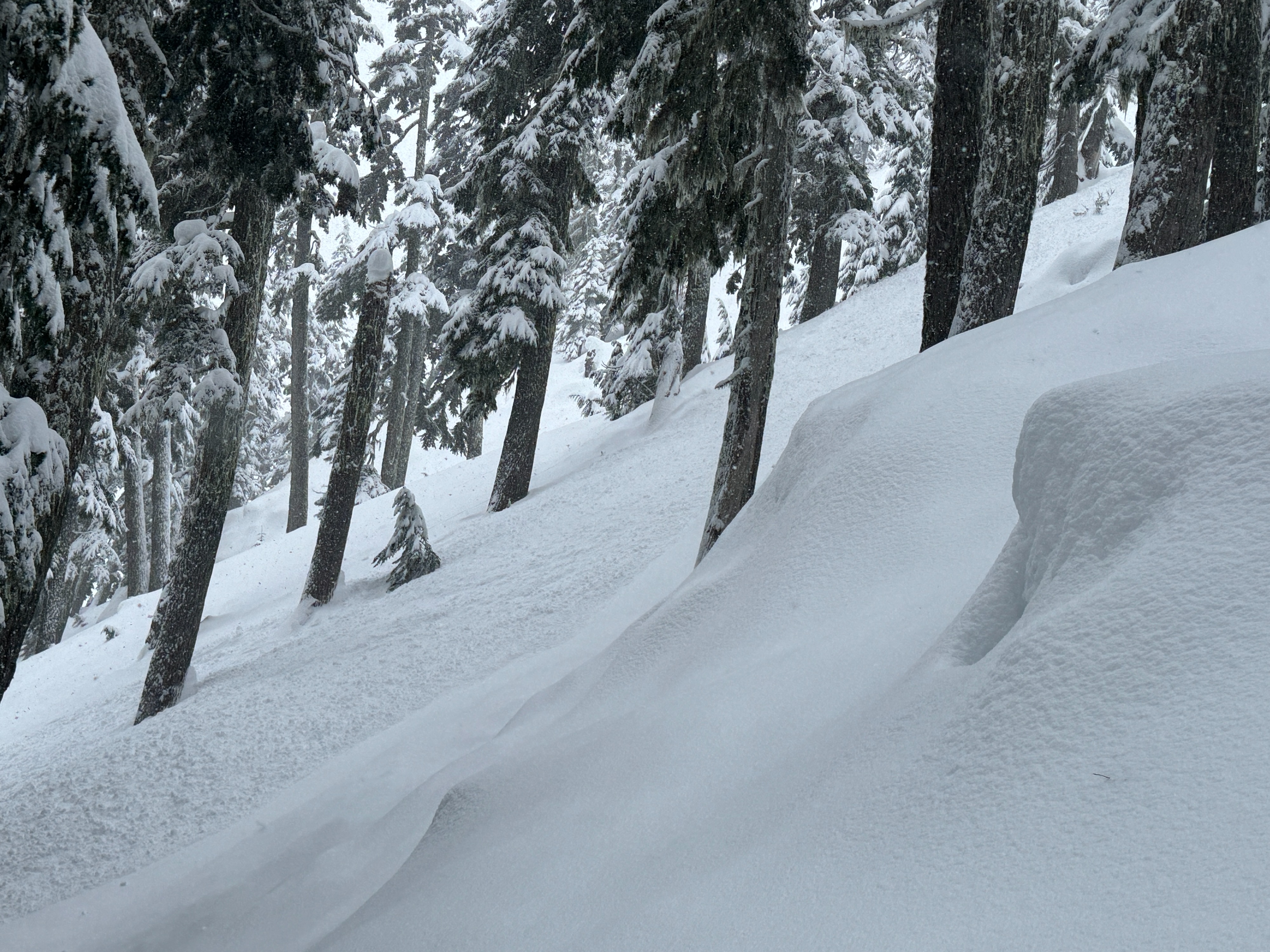
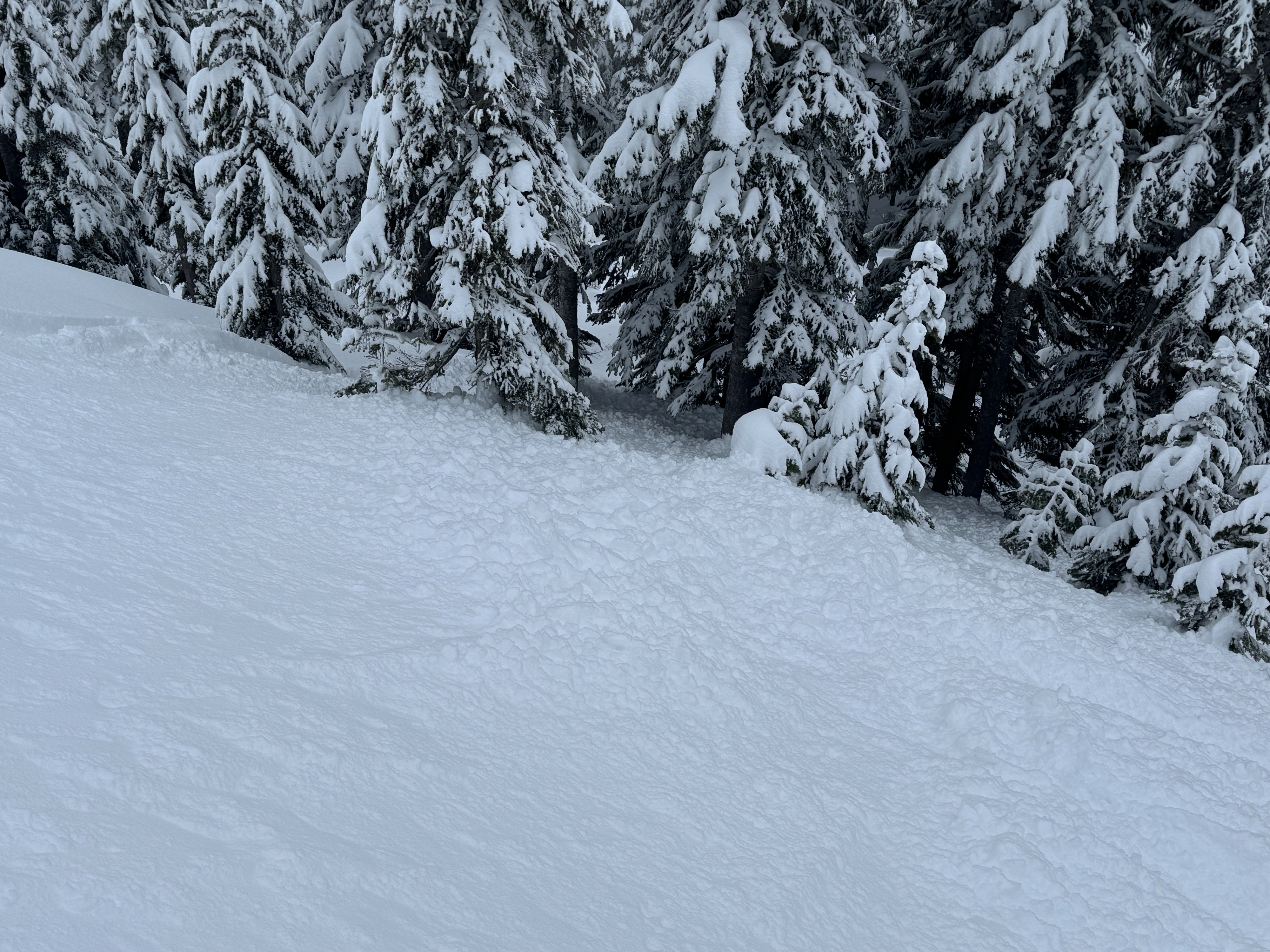
Wind Affect: There was a notable absence of wind affected snow. Generally the new snow was soft and evenly distributed even in the most wind exposed terrain. Snow even sat in the trees at the top of the peak.
January Drought Layer (JDL) and 1/10 Complex (Facets/crusts): We looked at these layers on a N facing slope at 5150ft. This is a common place for us to dig and track how this layer has changed over time. The short, it looks the exact same. 1-2mm facts sit in and around the 1/10 complex with slightly smaller facets above (the JDL). Extended column test (ECTX) did not fail, but a Propagation Saw Test did (PST 40/100 end).
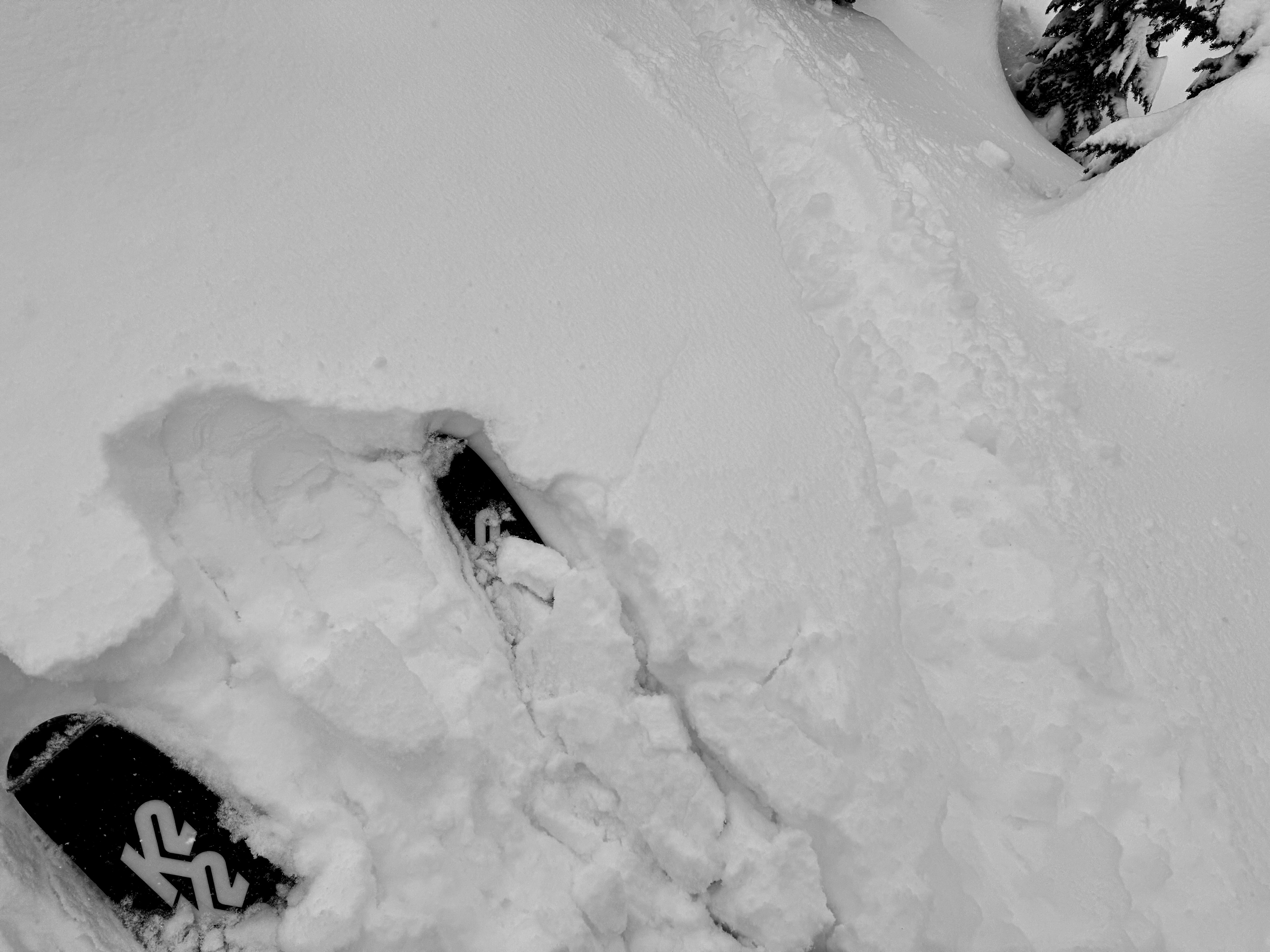
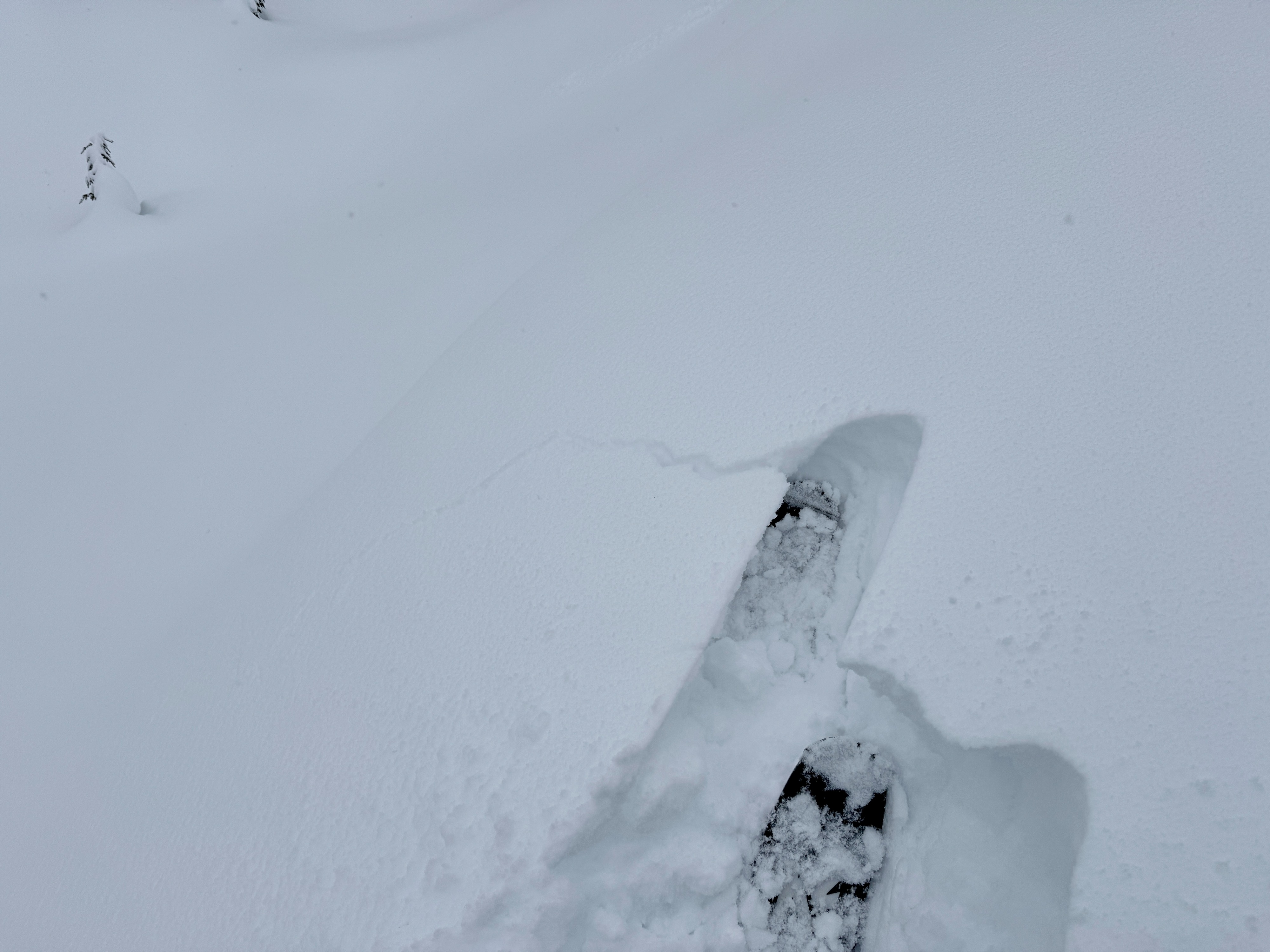
Avalanche
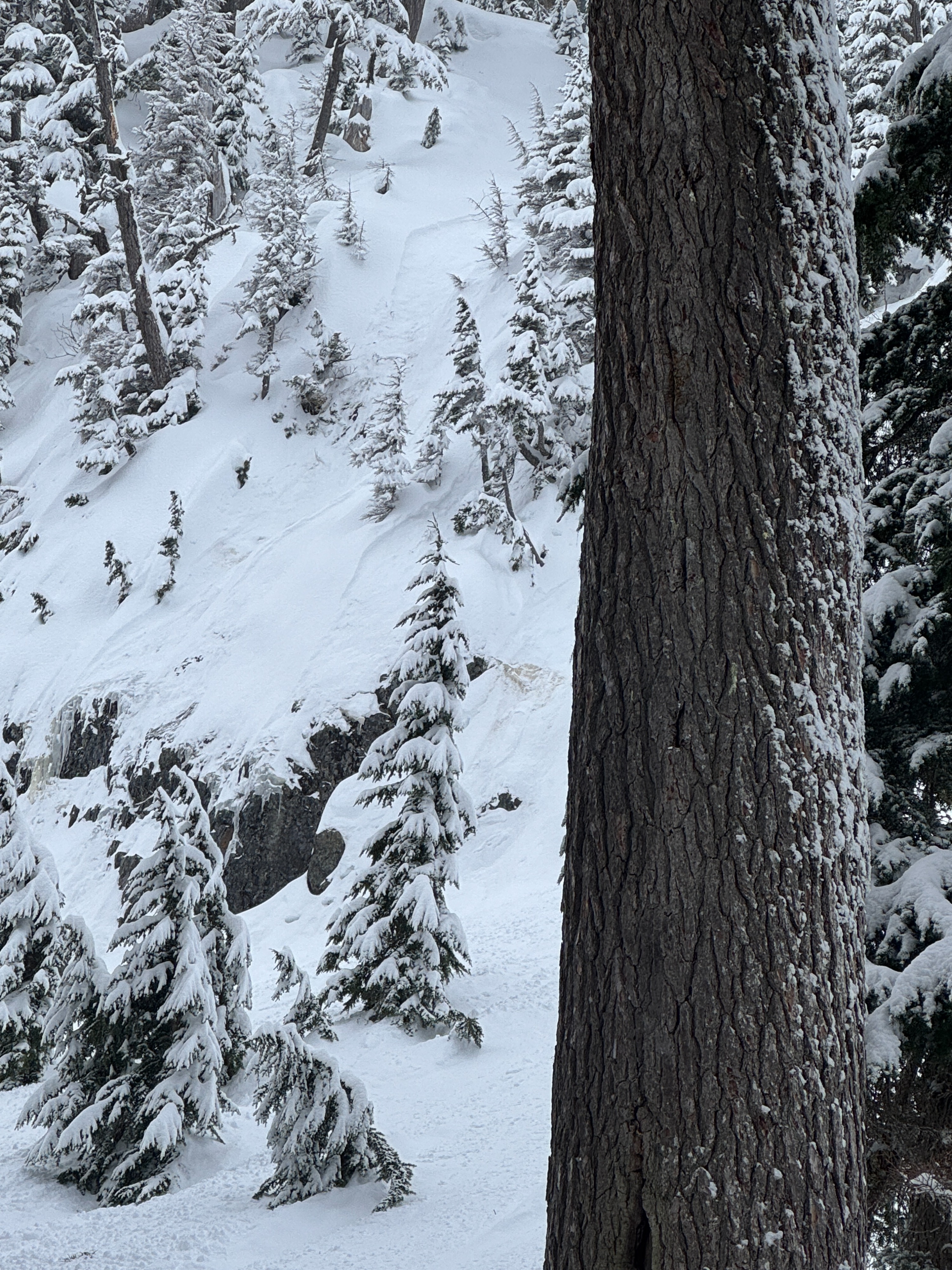
Naturals: Natural loose dry and storm slab avalanches occurred mainly in the very steep and cliffy terrain. While most of these were small, some were larger (D1.5). We watched one of these slides run pretty far town into the big timber below. These were occurring on ENE-E-SE aspects where we traveled. Human Triggered: We intentionally triggered several small storm slab avalanches. These were typically soft and did not propagate very wide, but took all the new snow. They often ran on a thin sun crust from Tues-Wed this past week. S aspects, 5000ft.