
Quick report
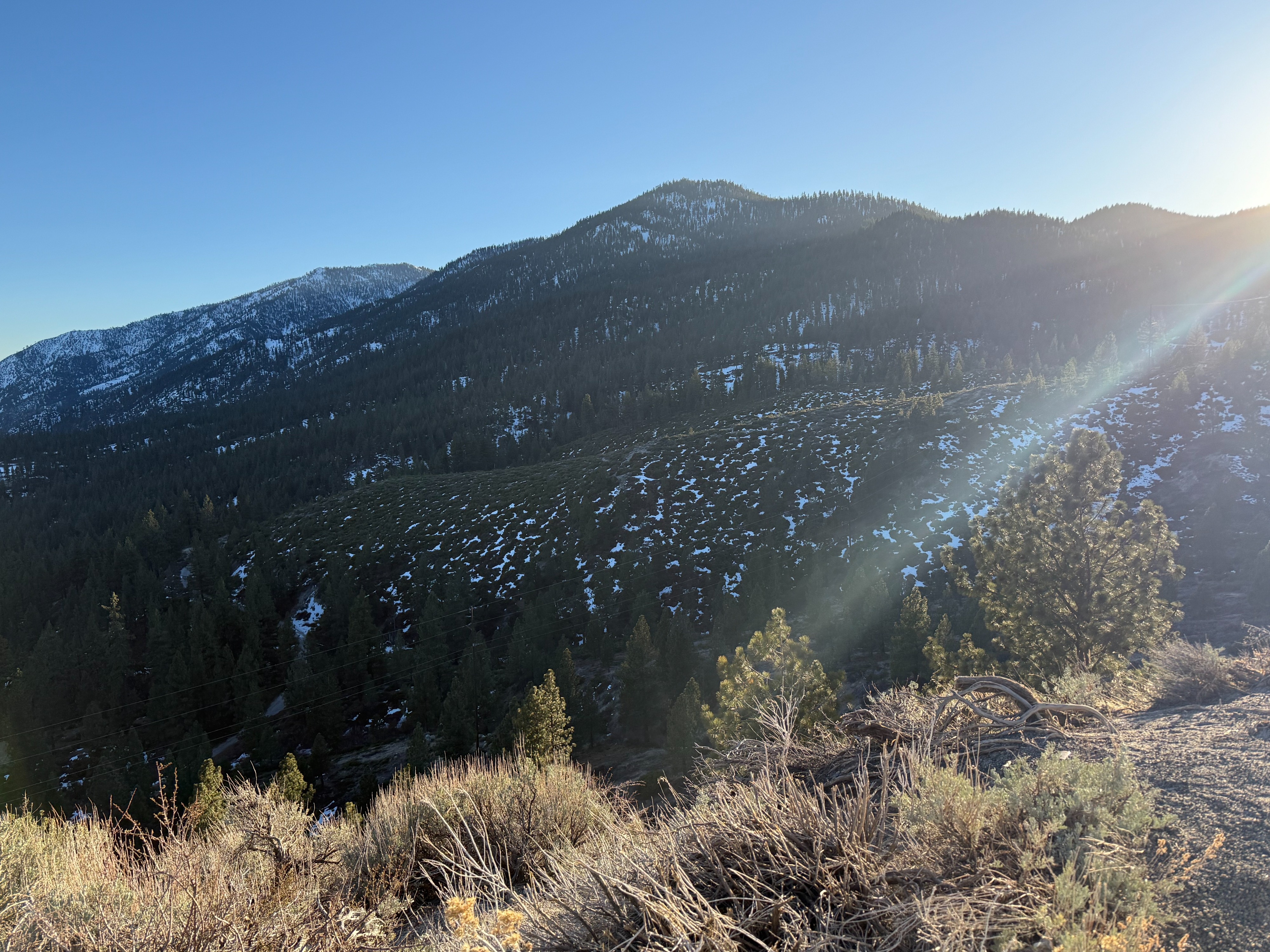
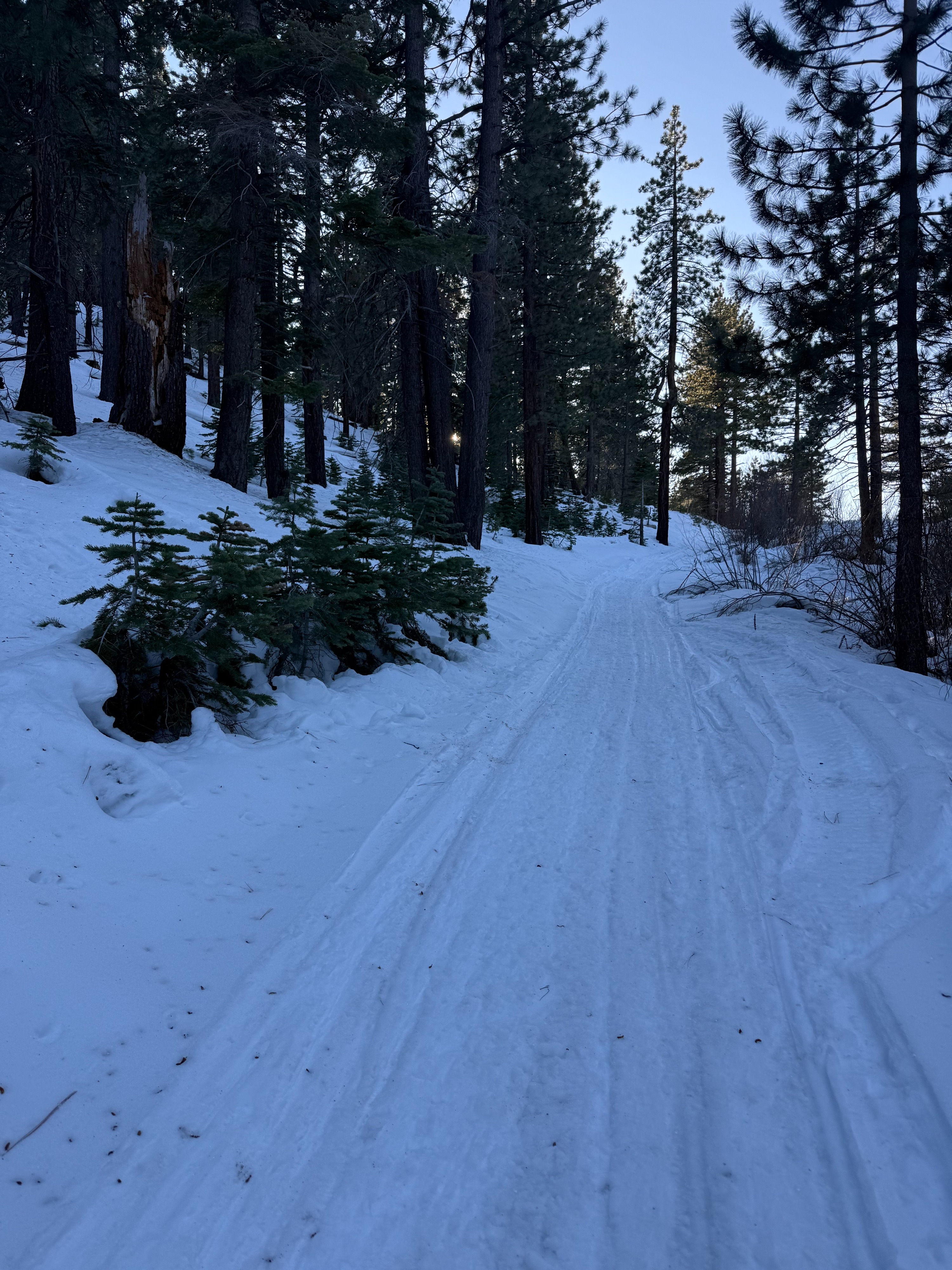
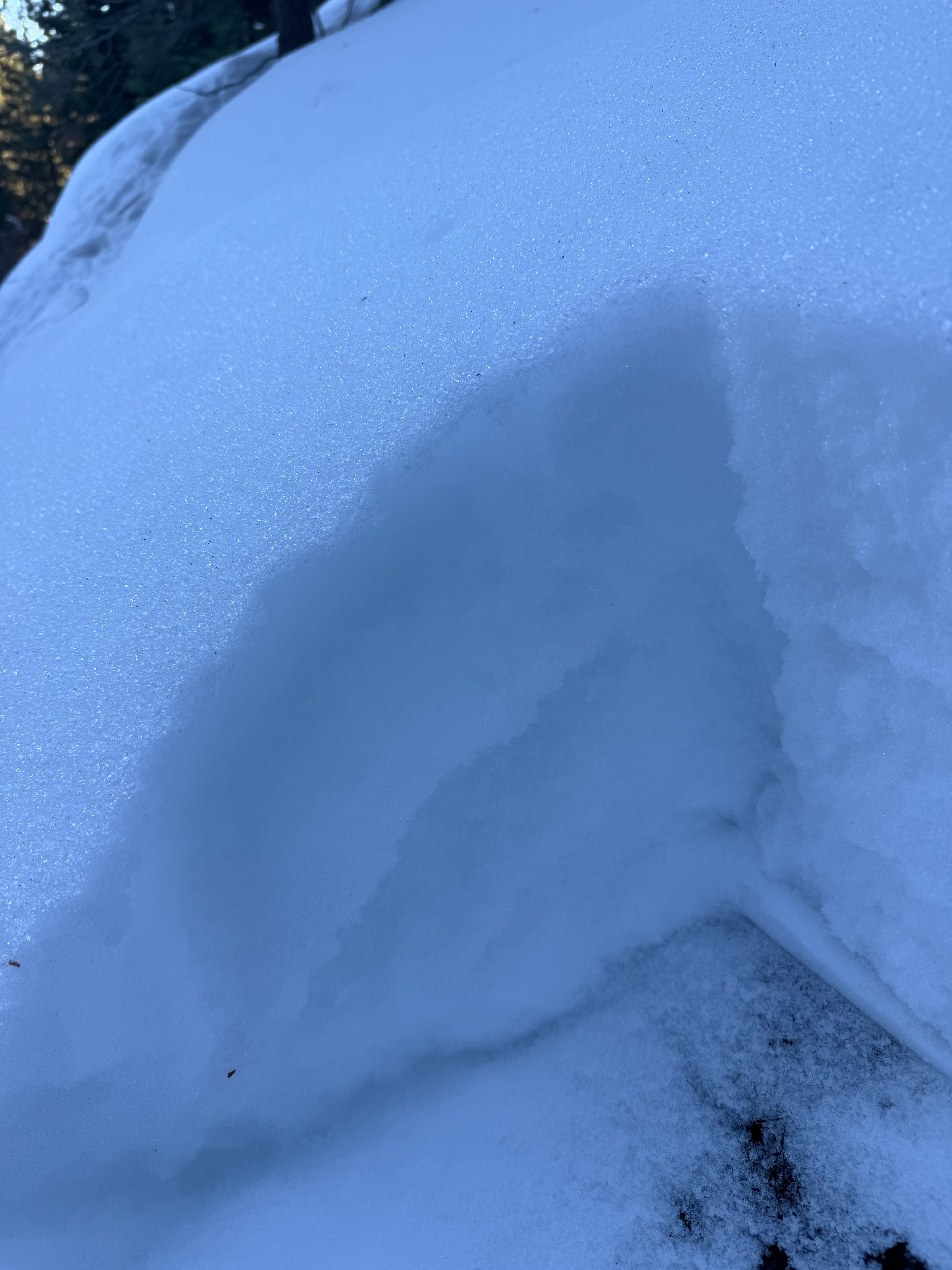
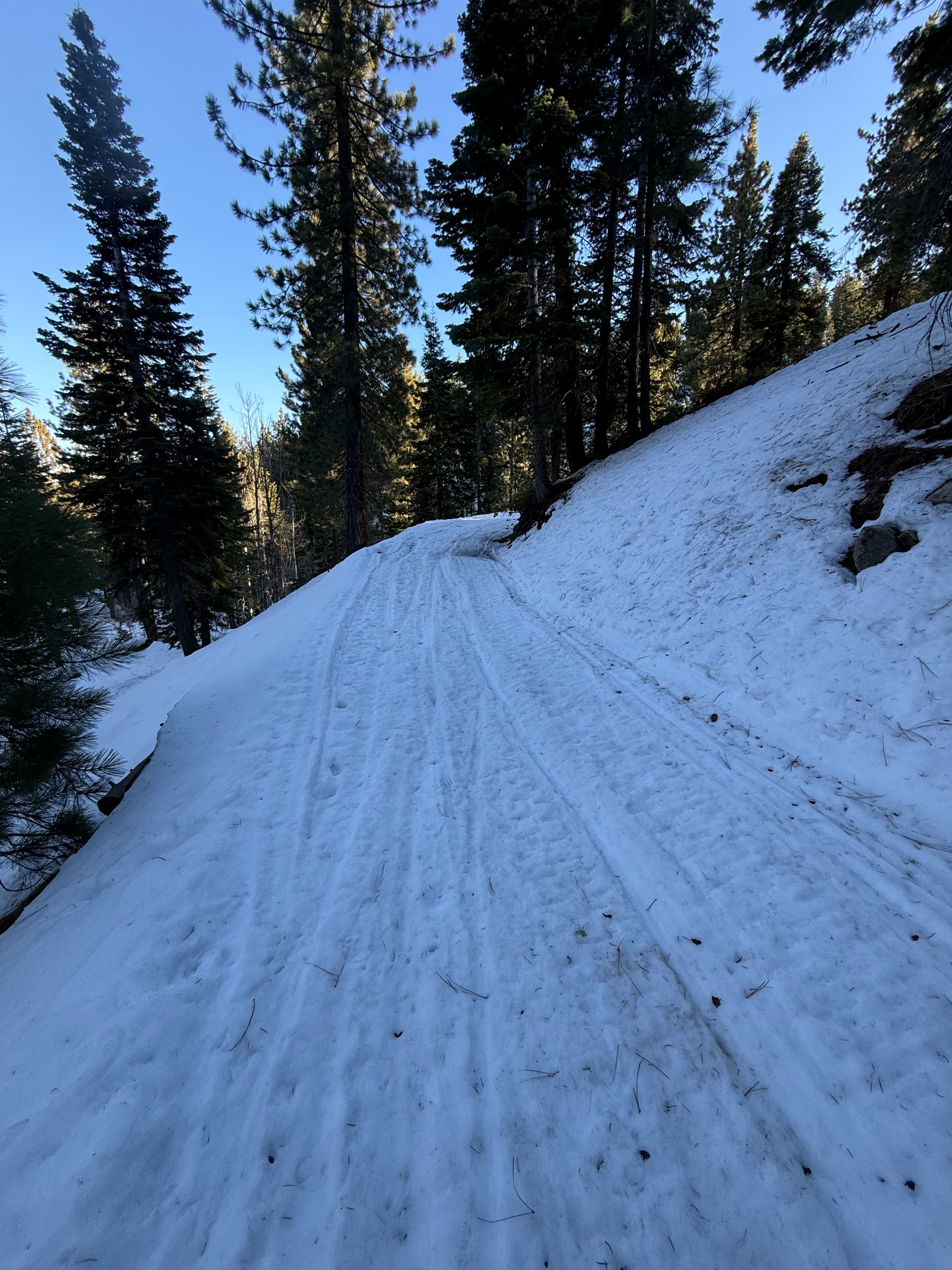
I went to Spooner Summit today. It didn't take long to find the shallow faceted snowpack I was looking for. Previous tracks are frozen solid, travel was slick. The east wind was keeping things cool. South and west facing aspects are melted to dirt. Areas with any E-S-W exposure showed signs of surface melt and moist snow grains beneath. Anything north facing was cold sugar, faceted to the floor. Some areas had a 2 cm breakable surface crust, while others the crust was almost non-exisitent. The surface snow was very inconsistent. Average HS was 40cm.
I dig a pit with an HS of 38cm at 7,200' on a north slope. Compression Tests showed a Sudden Collapse under the surface crust with the first tap. Near Surface Facets (1mm) were falling out. The column broke on the 12th tap under the Jan 1st rain crust. ECTN2. Snowpack tests showed a very weak structure, however no overlaying slab. There are well developed facet chains above and below the Jan 1st rain crust, down 14cm. These pit results differed from my previous pits closer to the crest. The shallow snowpack is more susceptible to nighttime low temps, the rain crust is closer to the surface, and the facets have clear striations. My goal with this pit was to see how touchy the Near Surface Facets are prior to this next weather pattern change. There is a huge range of spacial variation and snowpack structure between the eastern side and the Sierra crest.
Weather
- Air Temp
- 48
- Cloud Cover
- clear
- Wind Loading
- none
- Rain Elevation
- Not Observed
- Recent Snowfall
- 0
- Snow Avail For Transport
- none
Moderate (10 mph) East wind. Clear skys. Temps 48.