
Quick report
- Cracking
- specific
Traveled east and west of WMR ski resort to observe how the new snow/old snow interface behaved on steep terrain.
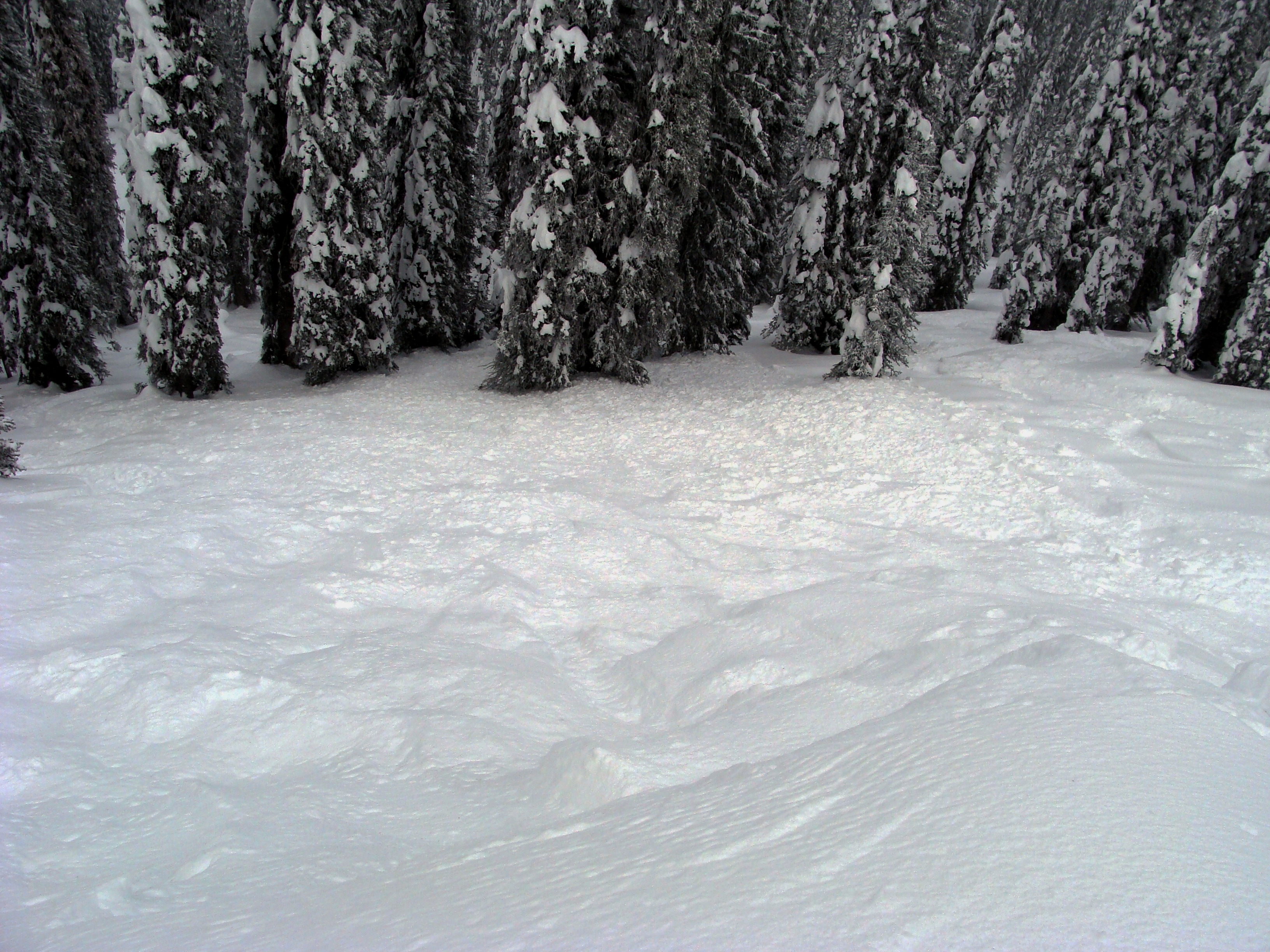
- In sheltered terrain, the new snow was either cohesionless or a very soft slab (Four finger). It was denser than the underlying weak snow and gave the near-surface an upside-down feel.
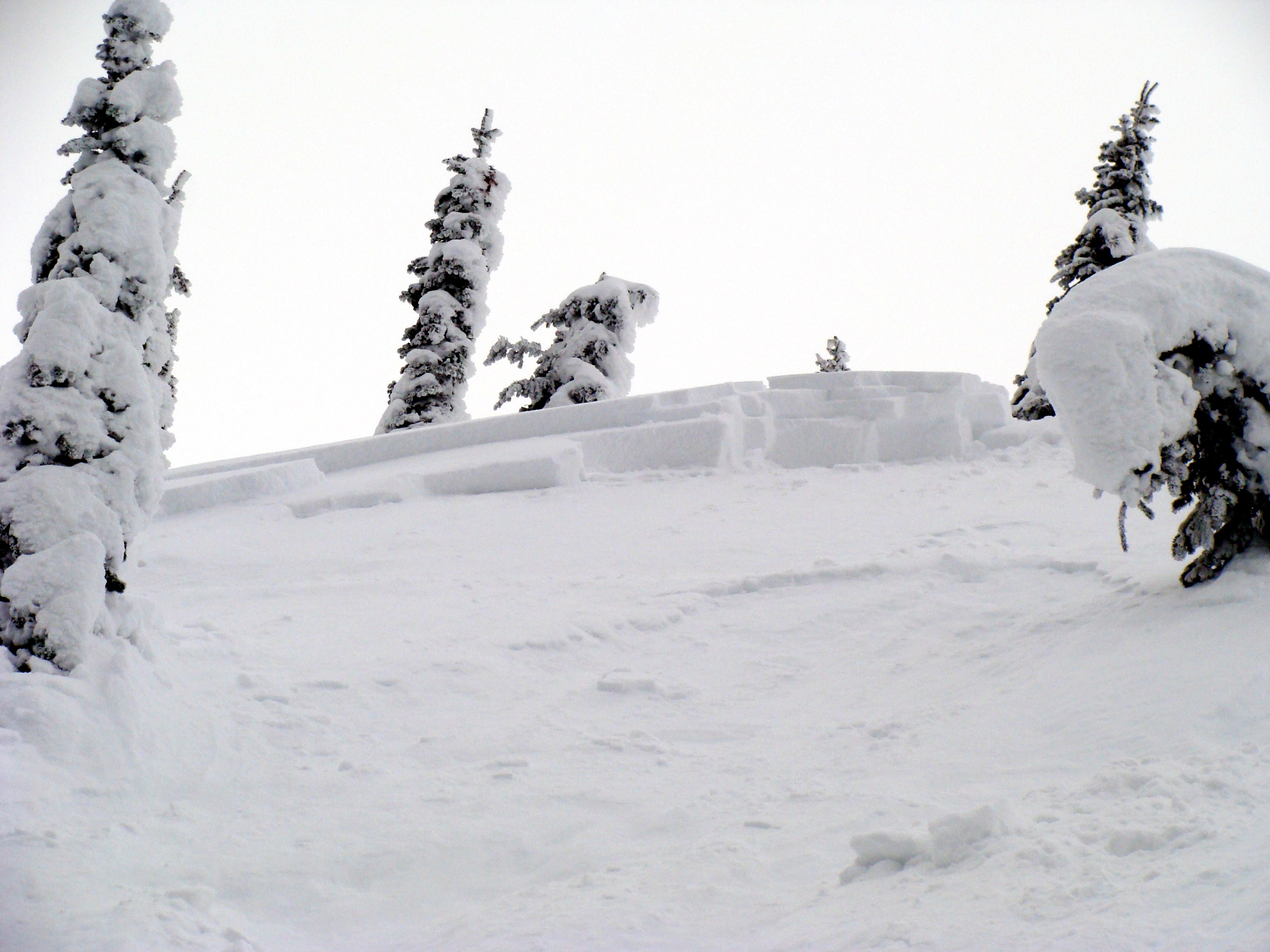
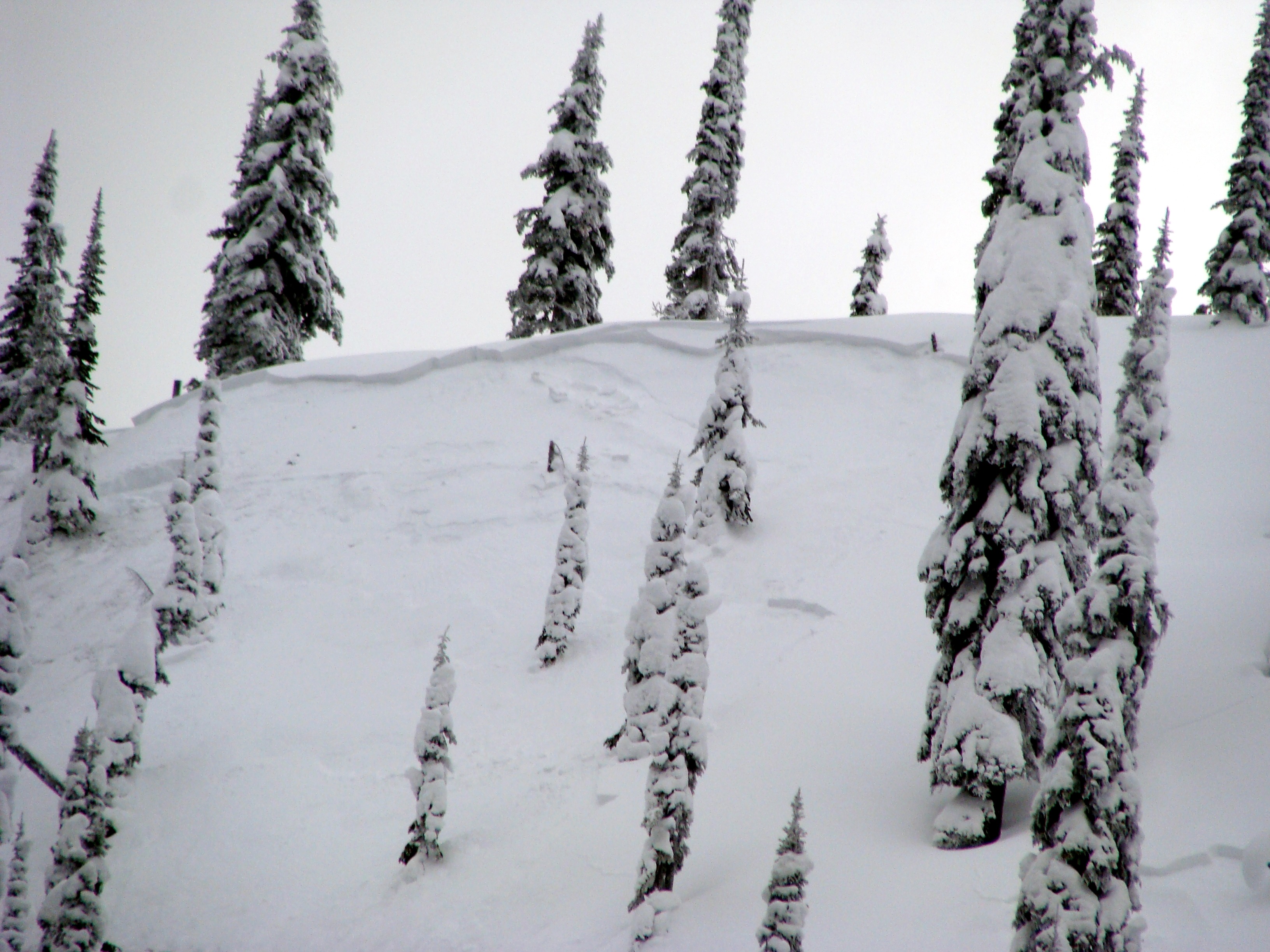
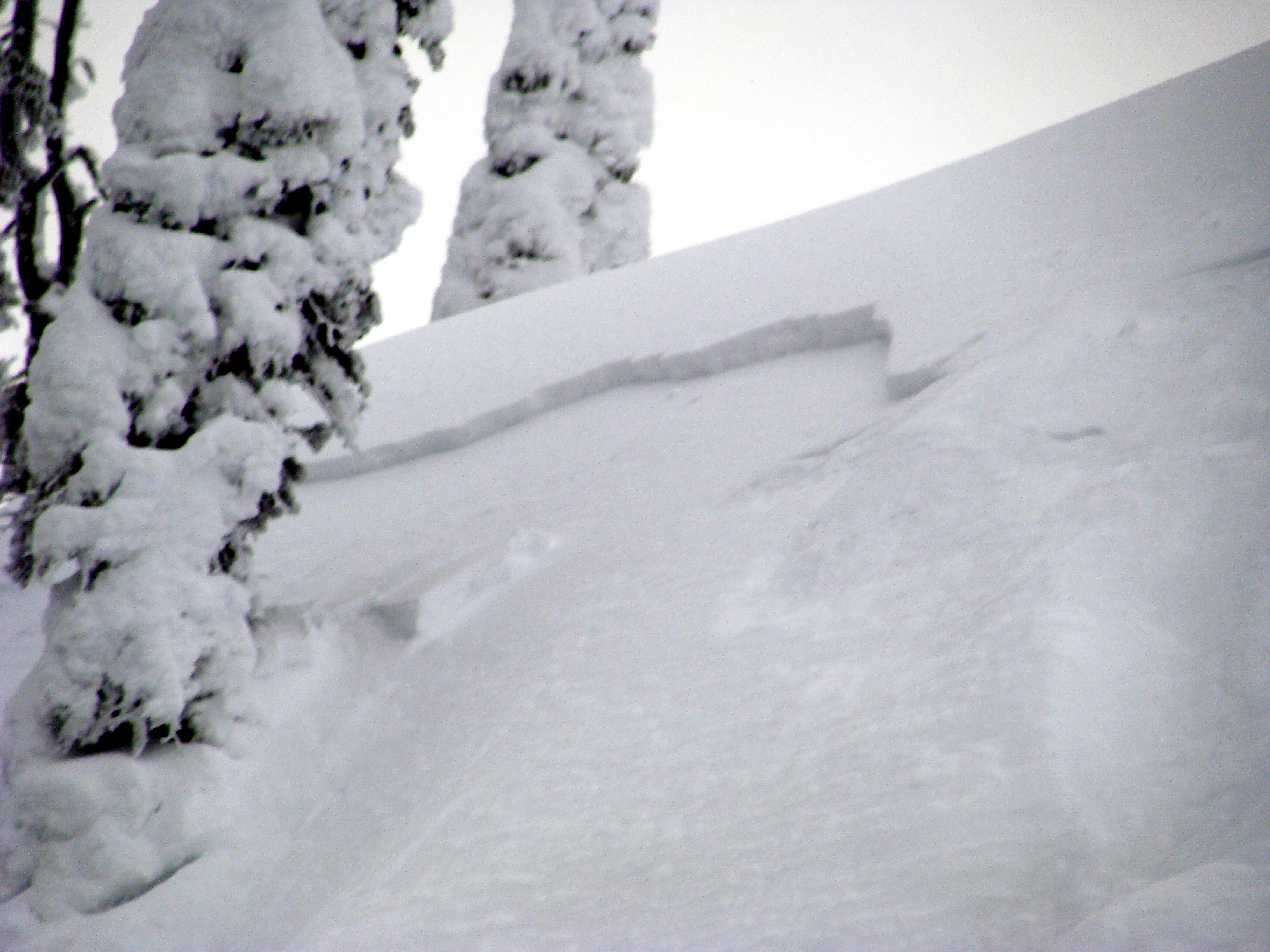
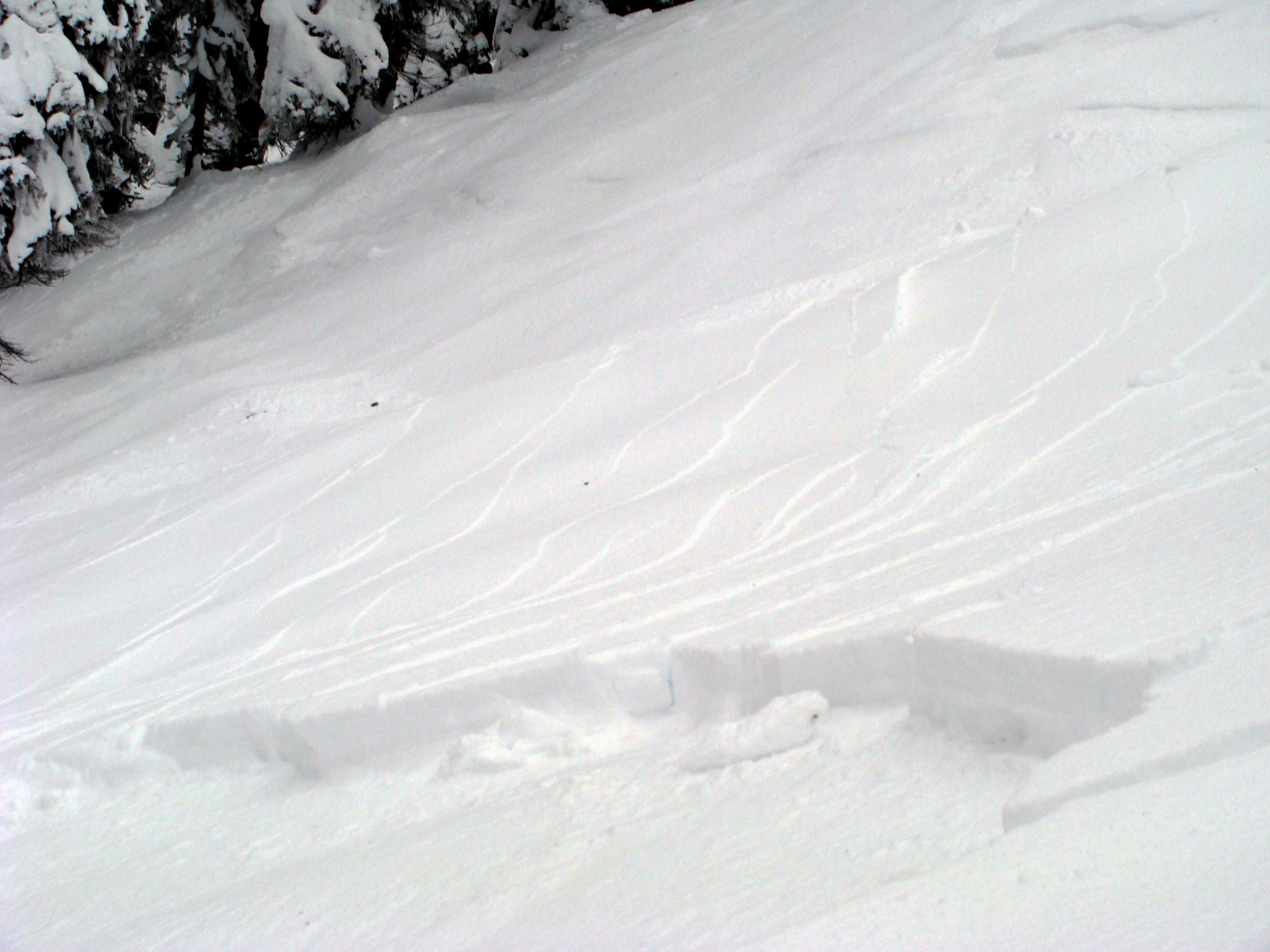
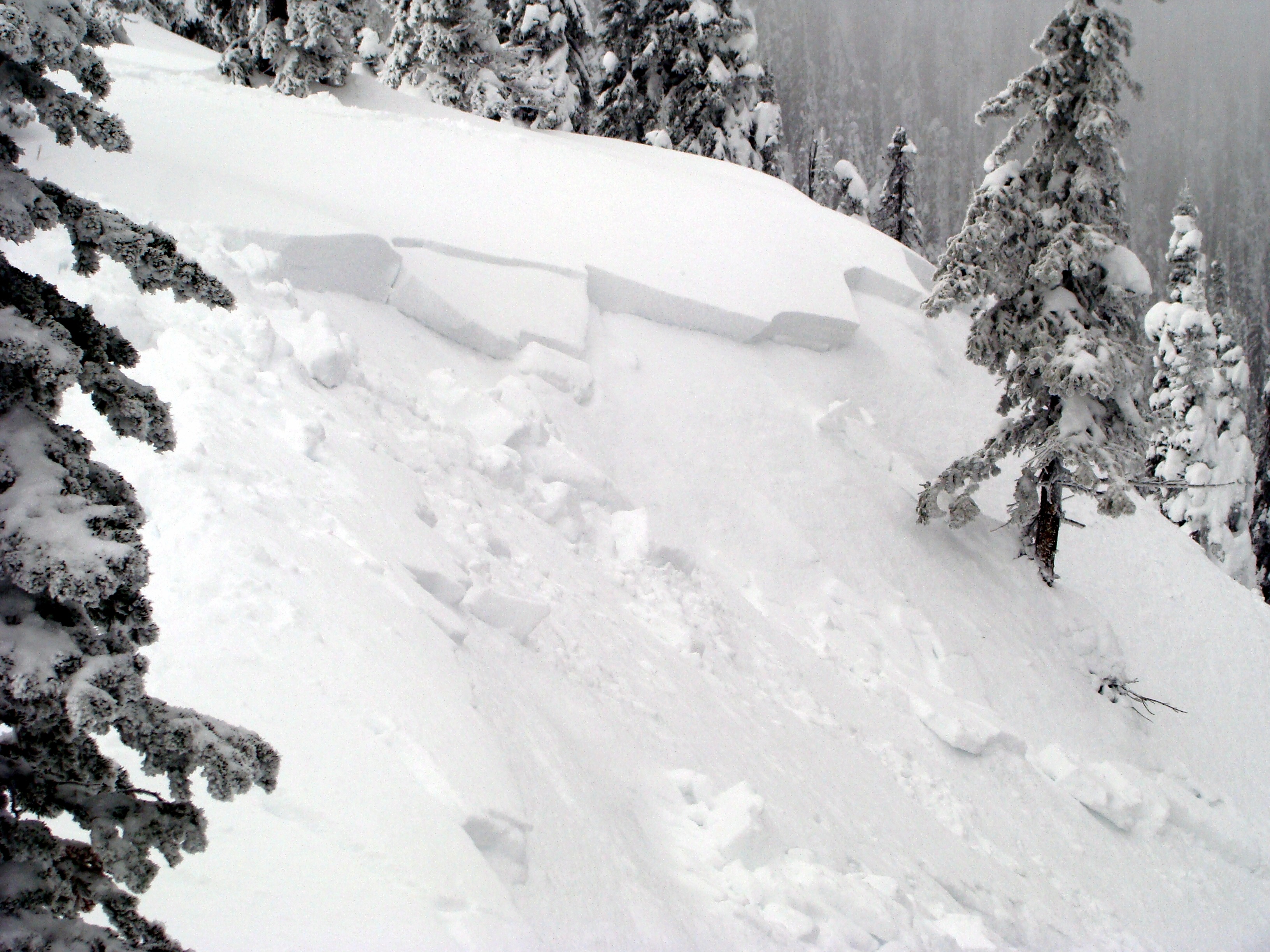
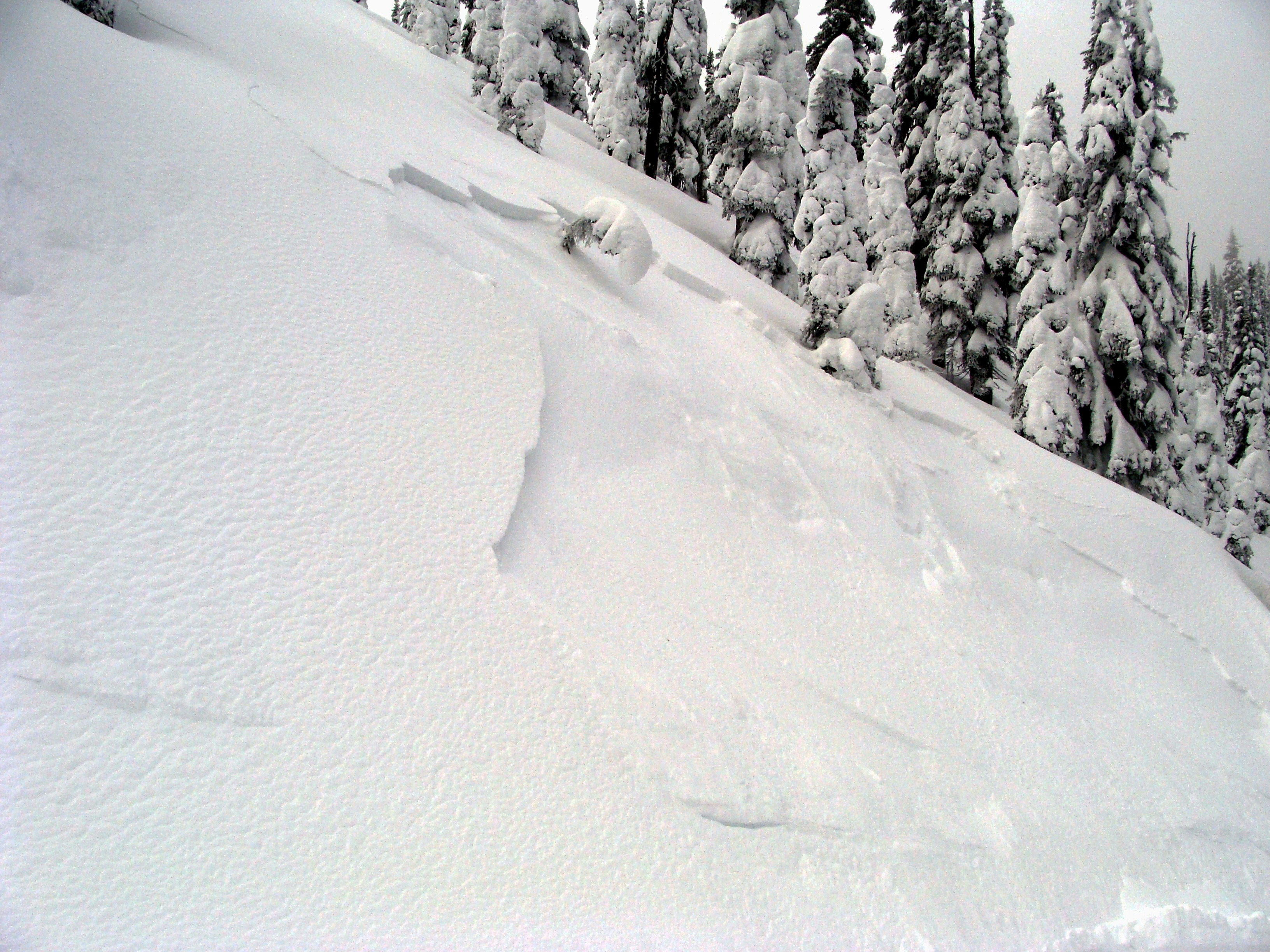
- A couple of groups had fun stomping on steep slopes. This occasionally produced soft slab avalanches on terrain steeper than 37 degrees. Less than that, and the slab would crack but not slide. These avalanches did not propagate widely due to the nature of the very soft slab.
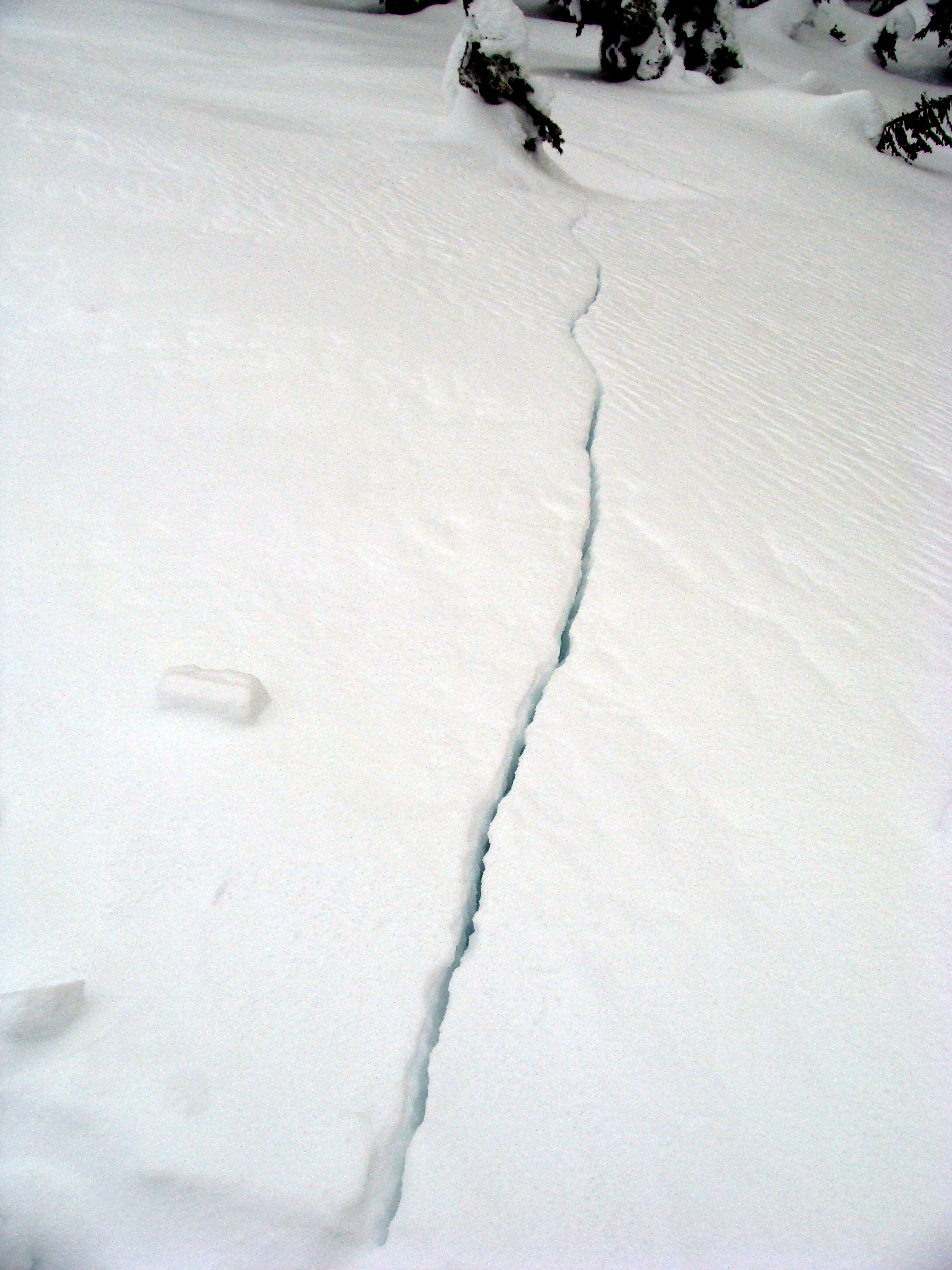
- We enjoyed initiating long shooting cracks in denser snow that traveled 20-40 feet. The failure occurred at the old snow surface, which consisted of weak snow (facets and surface hoar or faceted crusts).
- WMR patrol had success with explosives in wind-loaded terrain, producing multiple avalanches. This slab was noticeably stiffer (1 finger hard).
- Terrain that faced north or east seemed to be more sensitive to the weight of a skier than slopes facing south or west.
Weather
- Air Temp
- 22
- Cloud Cover
- broken
- Wind Loading
- moderate
- Rain Elevation
- 3500
- Recent Snowfall
- 20
- Snow Avail For Transport
- moderate amounts
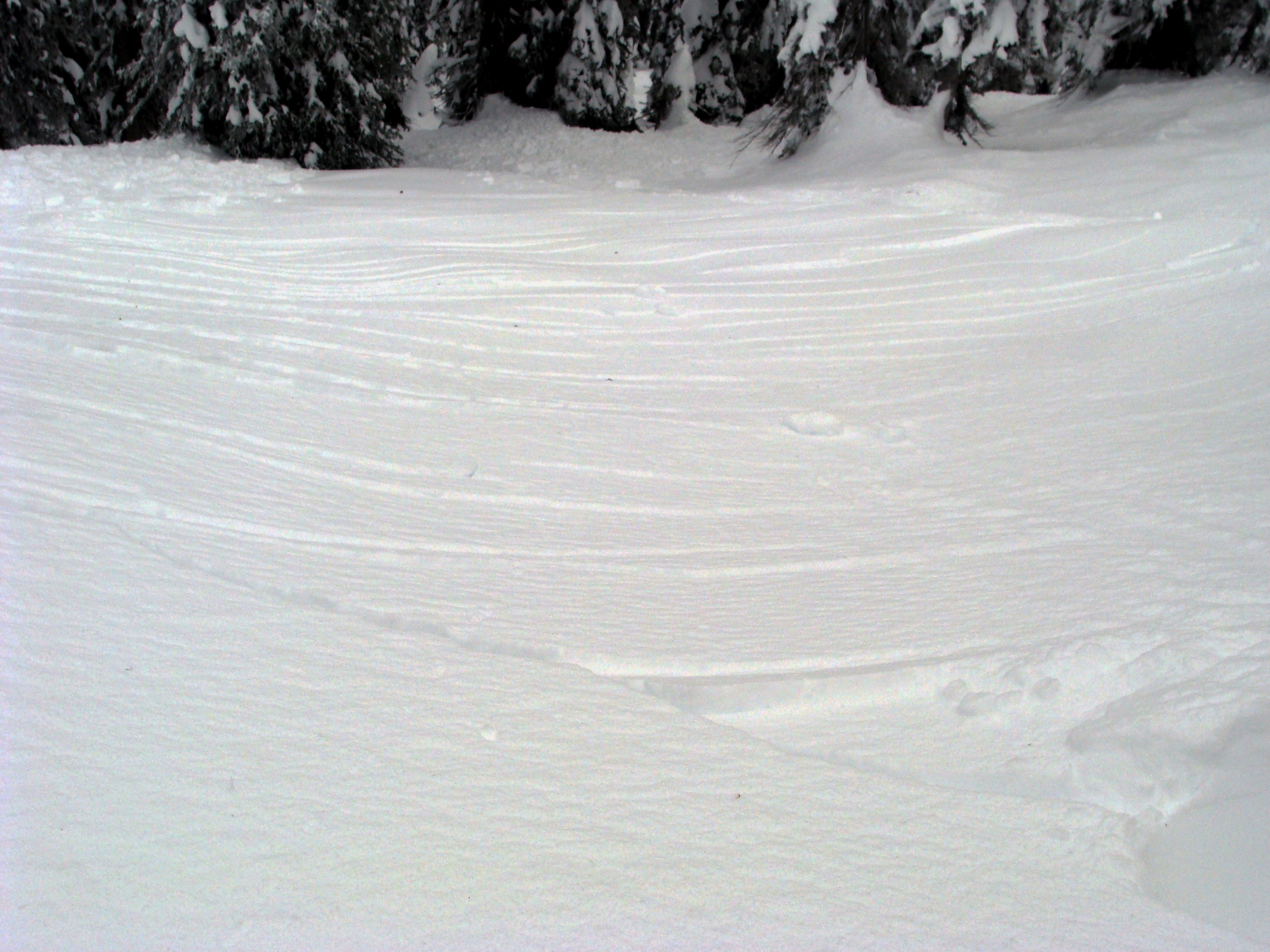
Cool temperatures, moderate south winds, and brief sun breaks. The wind loading was occasionally intense on slopes with large openings that faced the wind.
Snowpack
No formal snowpits were dug as I was more interested in the bond between the new snow and the old surface. Multiple hand pits were utilized as I traveled in different aspects.
Avalanche
- Size
- D1.5 R1
- Type
- SS
- Count
- 2
- Aspect
- NE
- Trigger
- AE
- Elevation
- 6600 ft
These were triggered by WMR ski patrol using explosives on bamboo. One slide was from a hand charge that was tossed. The largest slide (Lone Pine) was an R2 with a 30 -40 cm slab thickness. One slide released sympathetically. None of these stepped down.