
Quick report
- Collapsing
- isolated
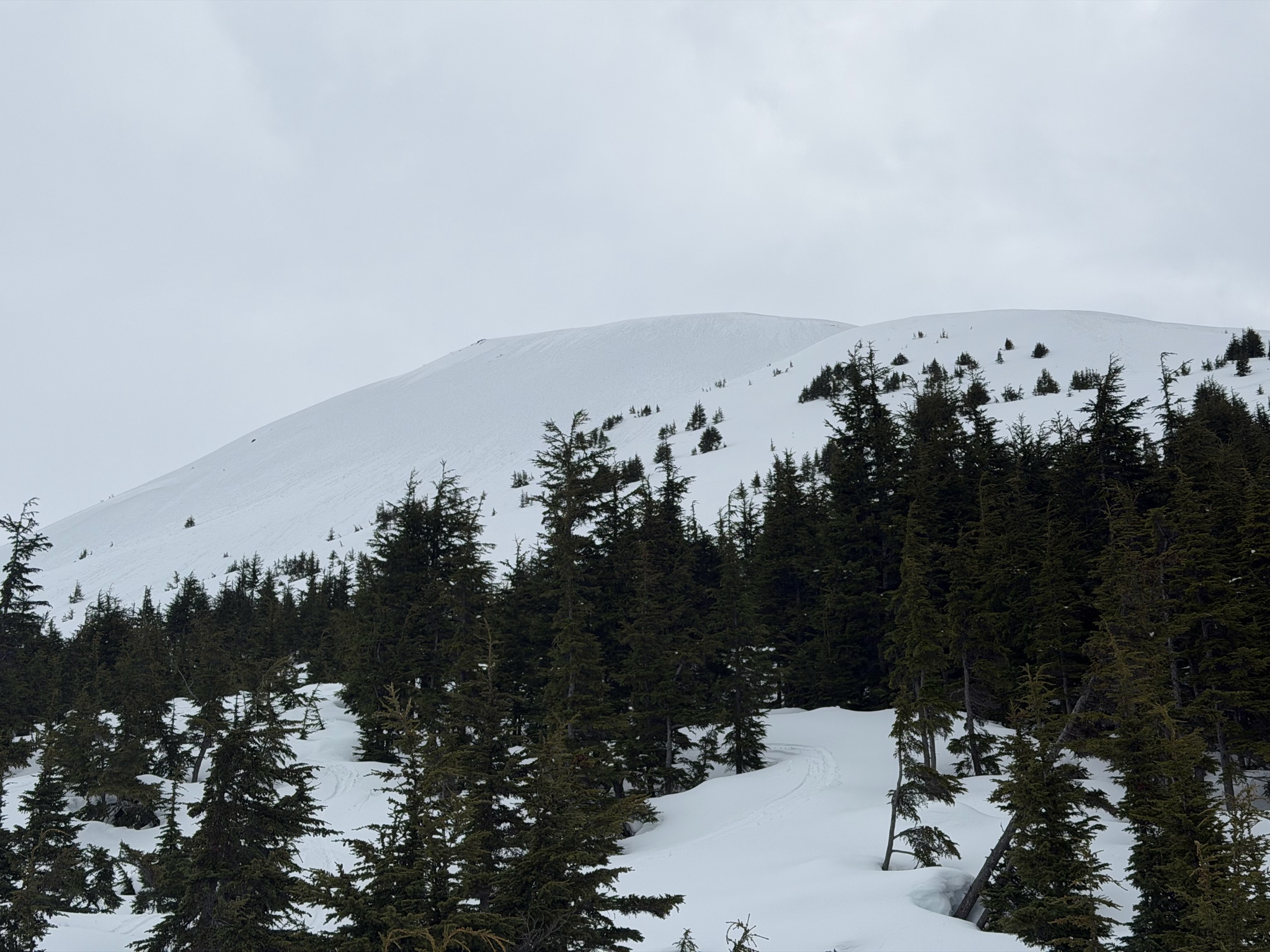
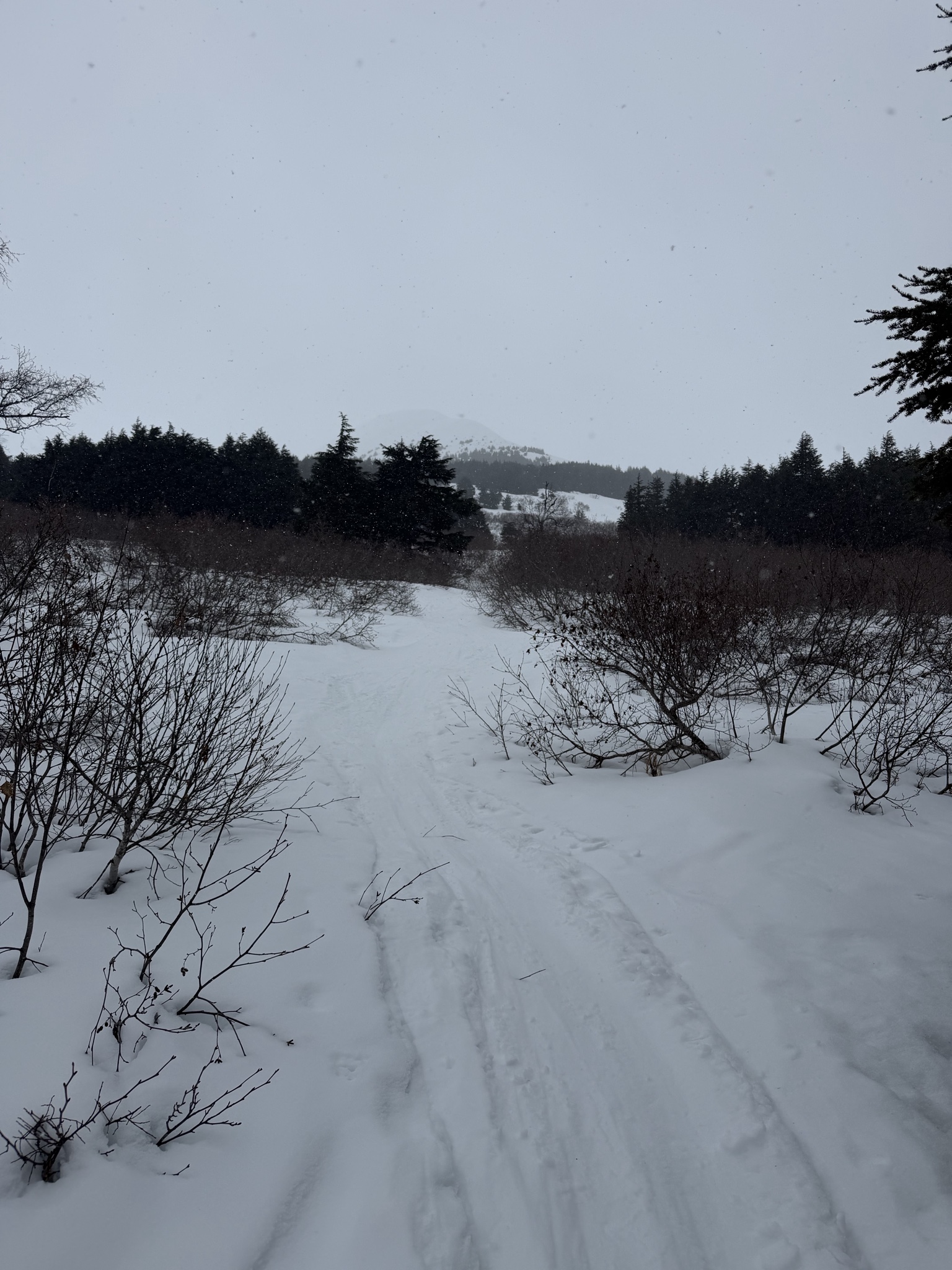
We toured up the standard route to see how the snowpack was adjusting to the new snow and warming tempertures over the last week or so. There was a mostly supportable, occasionally breakable crust on south, west, and north aspects up to 2,500' with a little bit of new snow on top. This crust was breaking down below 1,700' by the time we left at 3pm. Below this crust was very weak (F hard), moist snow.
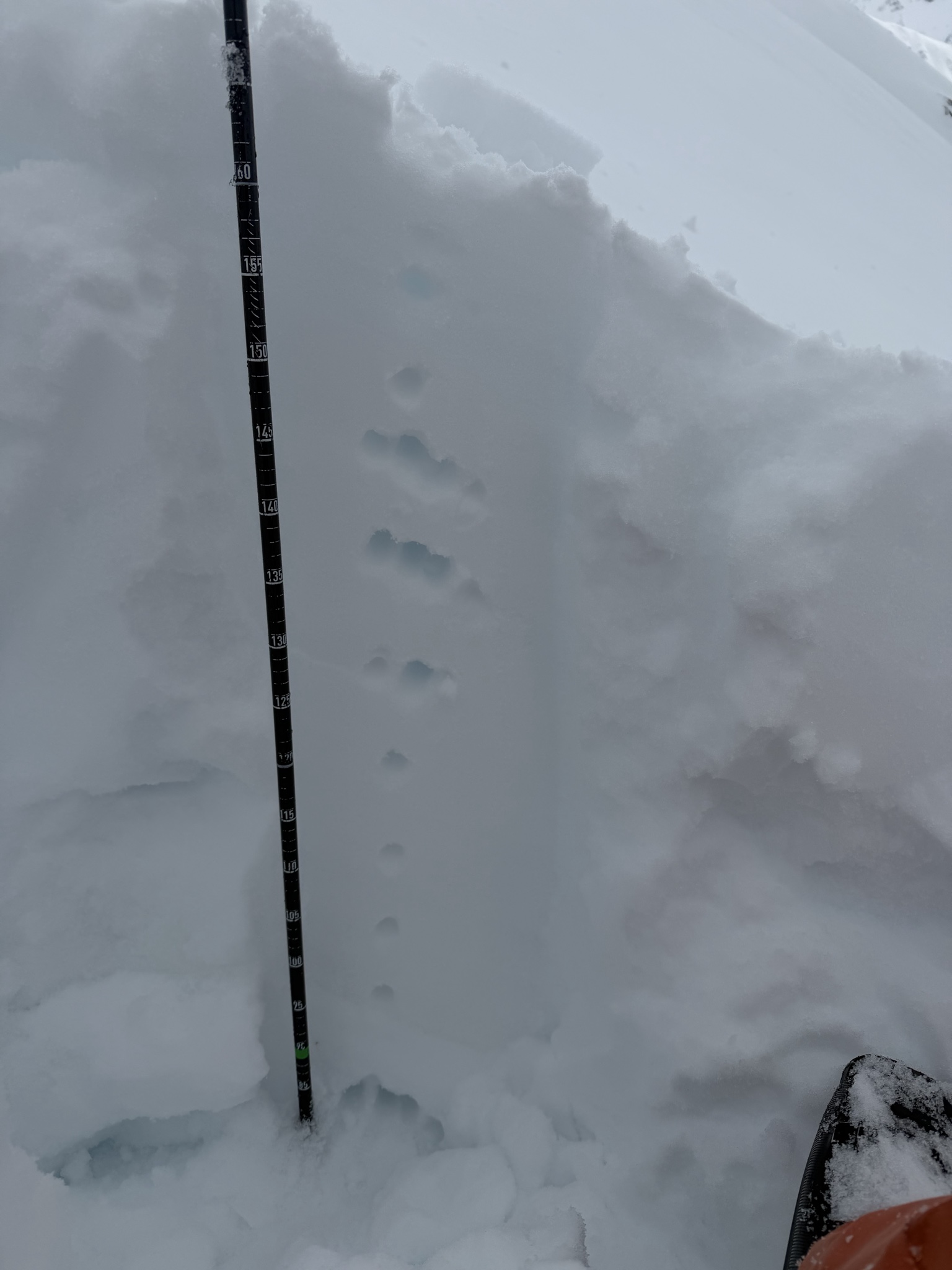
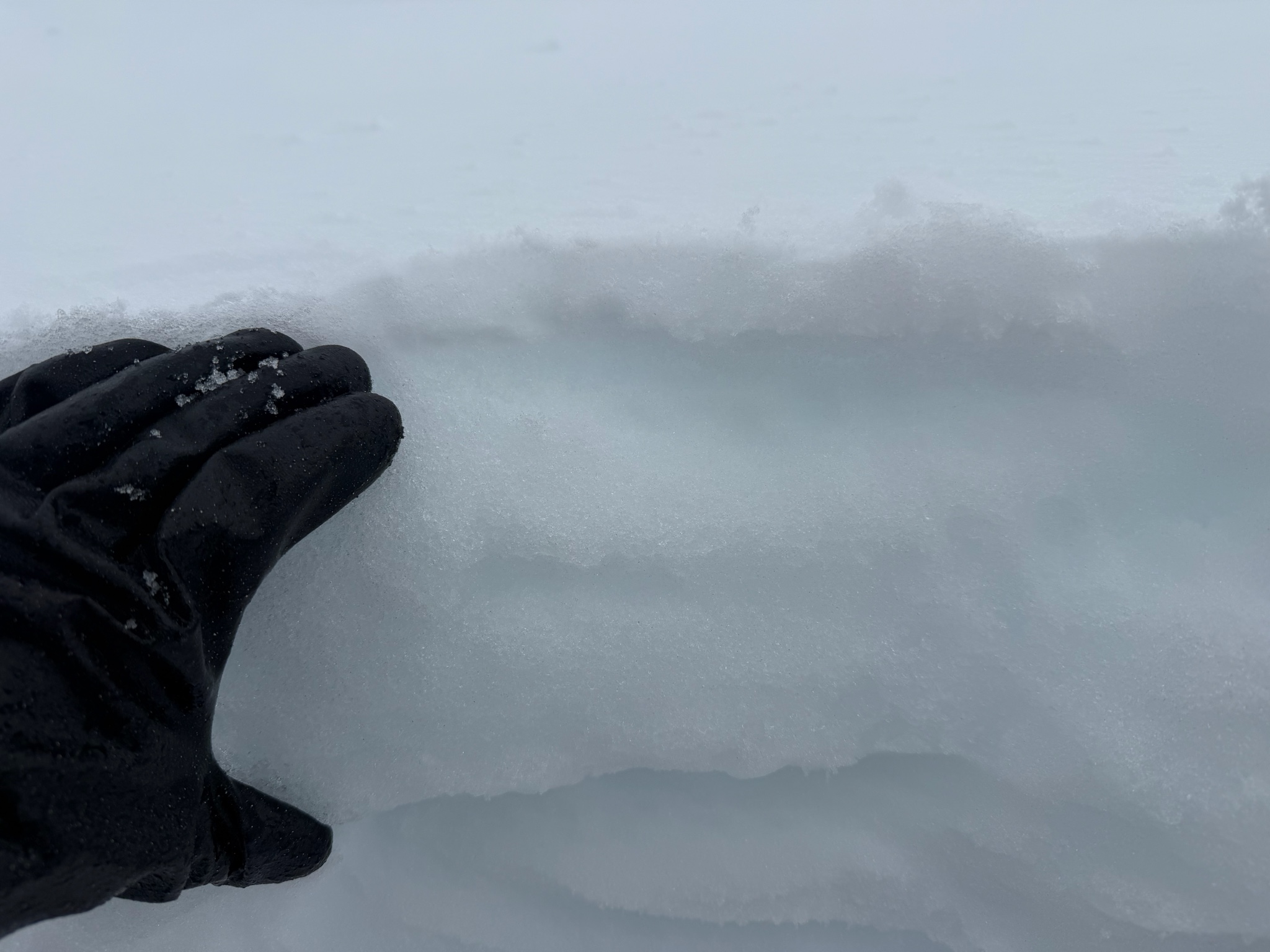
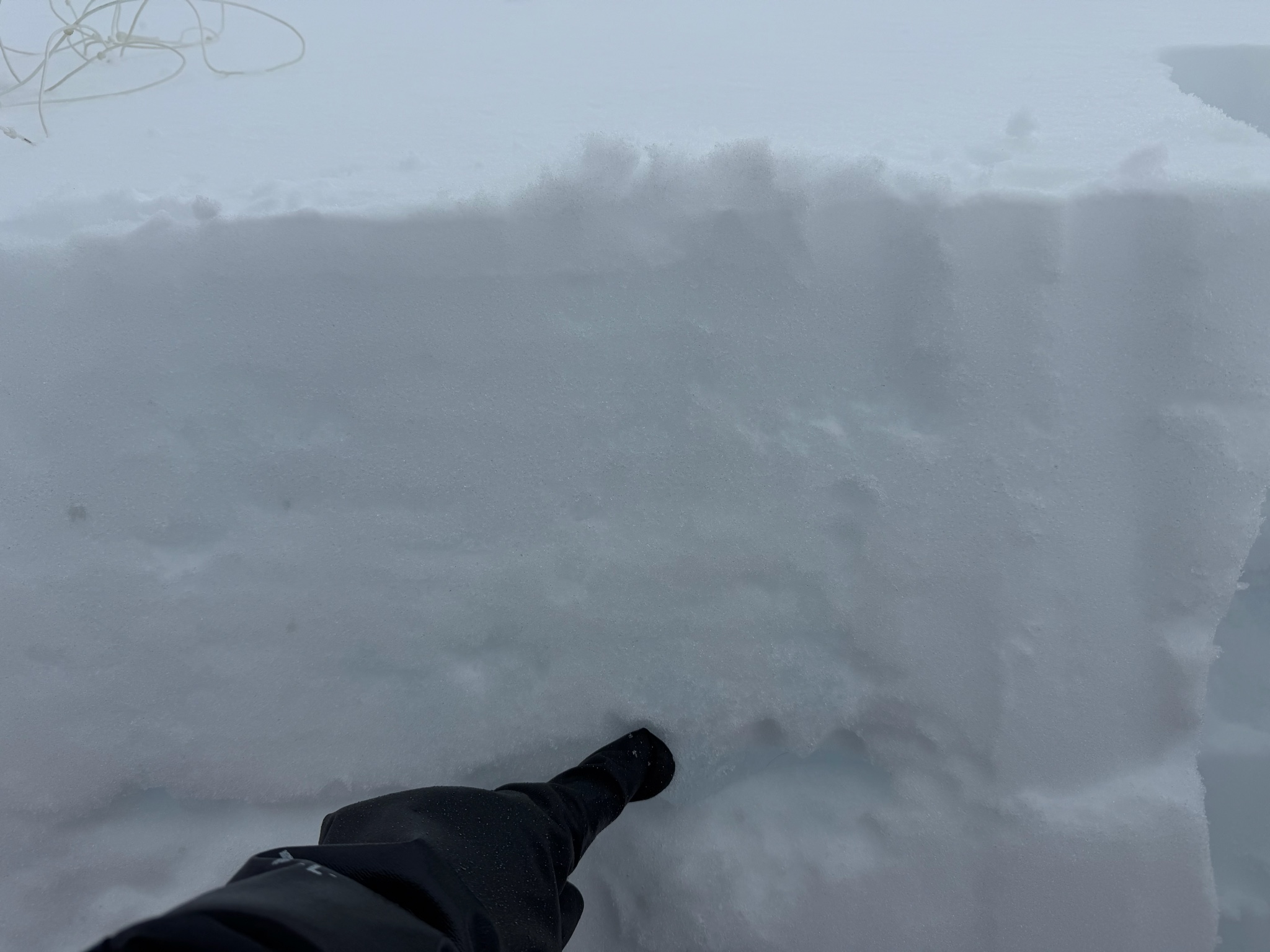
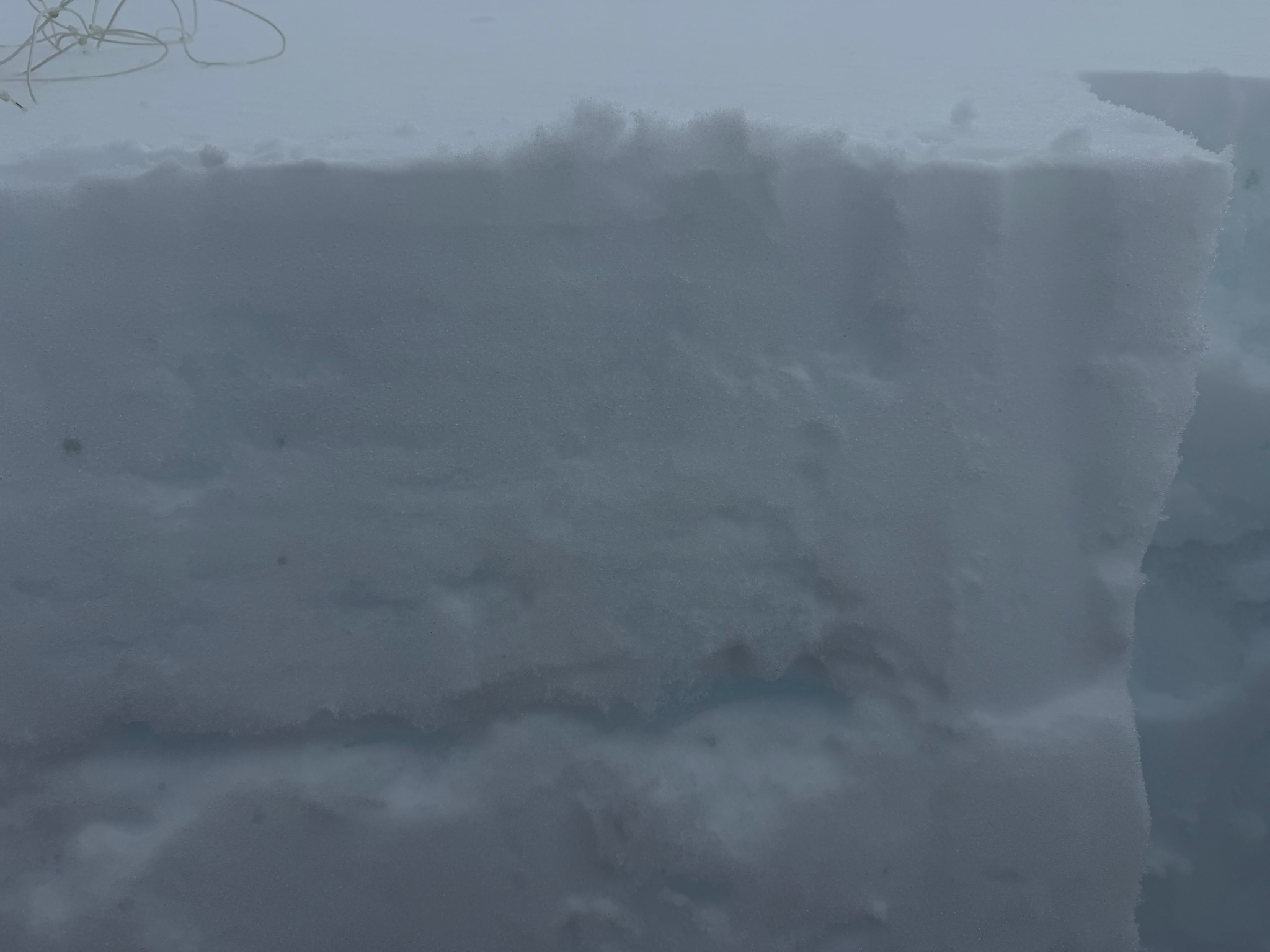
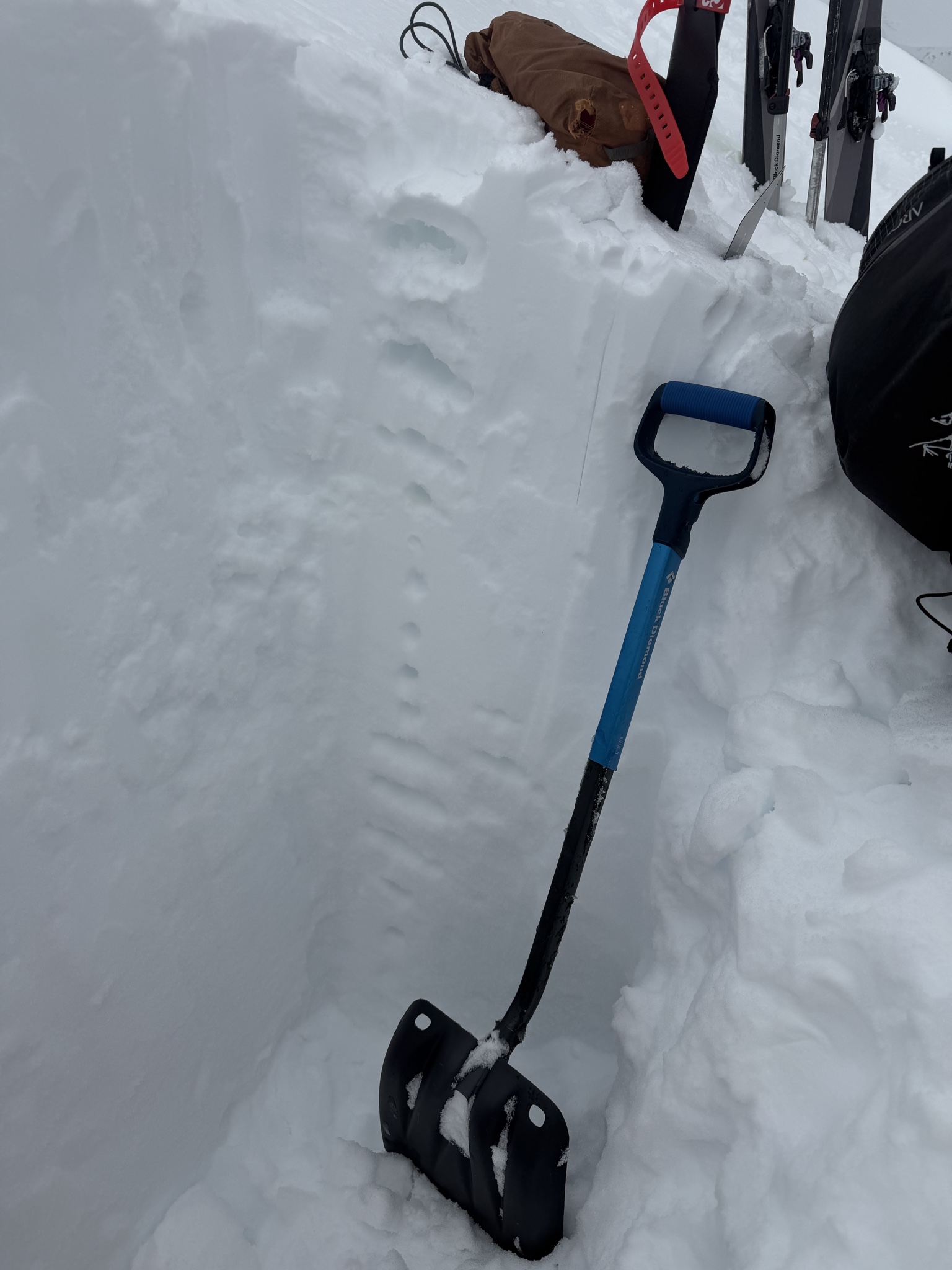
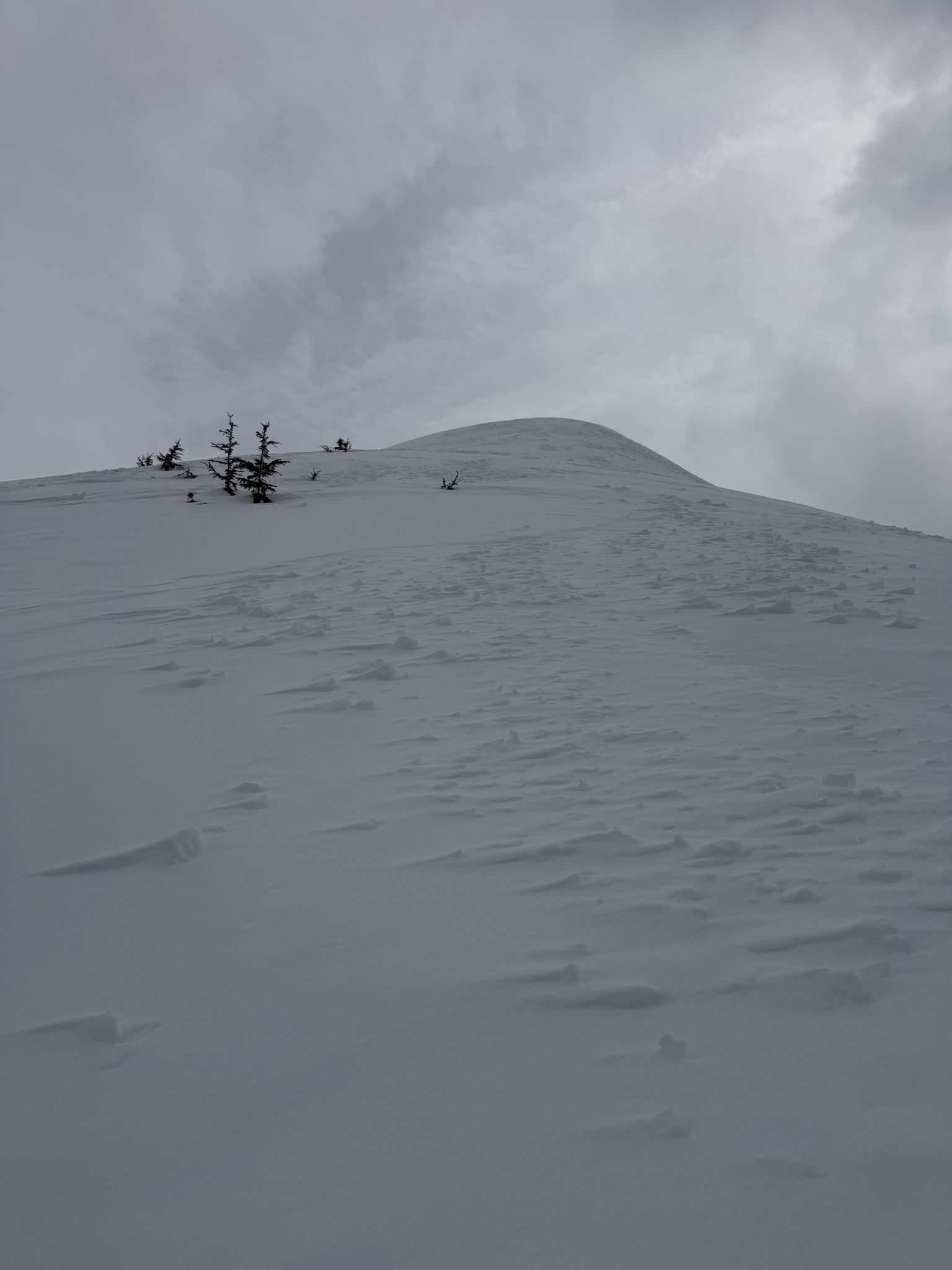
Surfaces were obviously wind affected above treeline. We dug 2 snowpits at 3,100', one on the north side and one on the south. There was no dry snow anywhere during our travels today. All snow was moist. We got an unstable result on the north facing pit (ECTP22) 1' down on facets above a knife hard wind layer. The snowpit on the south side had a very firm crust above some weak layers, but until the crust breaks down a person will not be able to impact those weak layers. It seems like on west, north, and potentially east facing slopes there are weak layers above 2,000' that are becoming more sensitive to the weight of a person with the changing conditions.
Below 3,000' we found the 2/10 crust with facets above. We were getting easy to hard shears in hand pits on this layer depending on how deep it was buried. Harder where it was deeper on north facing slopes.
I thought I heard a collapse as I entered the north facing terrain at 3,100'.Weather
It felt warm today and there was some southeast wind that was blowing snow off of the higher peaks in the area. It was snowing for an hour or 2 as we climbed then was dry the rest of our time in the field. Skies were obscured or overcast all day.
Avalanche
- Size
- D2
- Count
- 2
- Aspect
- W
- Trigger
- N
- Elevation
- 3200 ft
The avalanche on Tri-Tip was observed on Monday and looks like a persistent slab triggered by the southwest winds earlier this week. The avalanches on Butch may have also been triggered by the southeast wind that was occurring yesterday. The Butch avalanches also looked persistent in nature due to their size (depth of crown and size of debris).