
Quick report
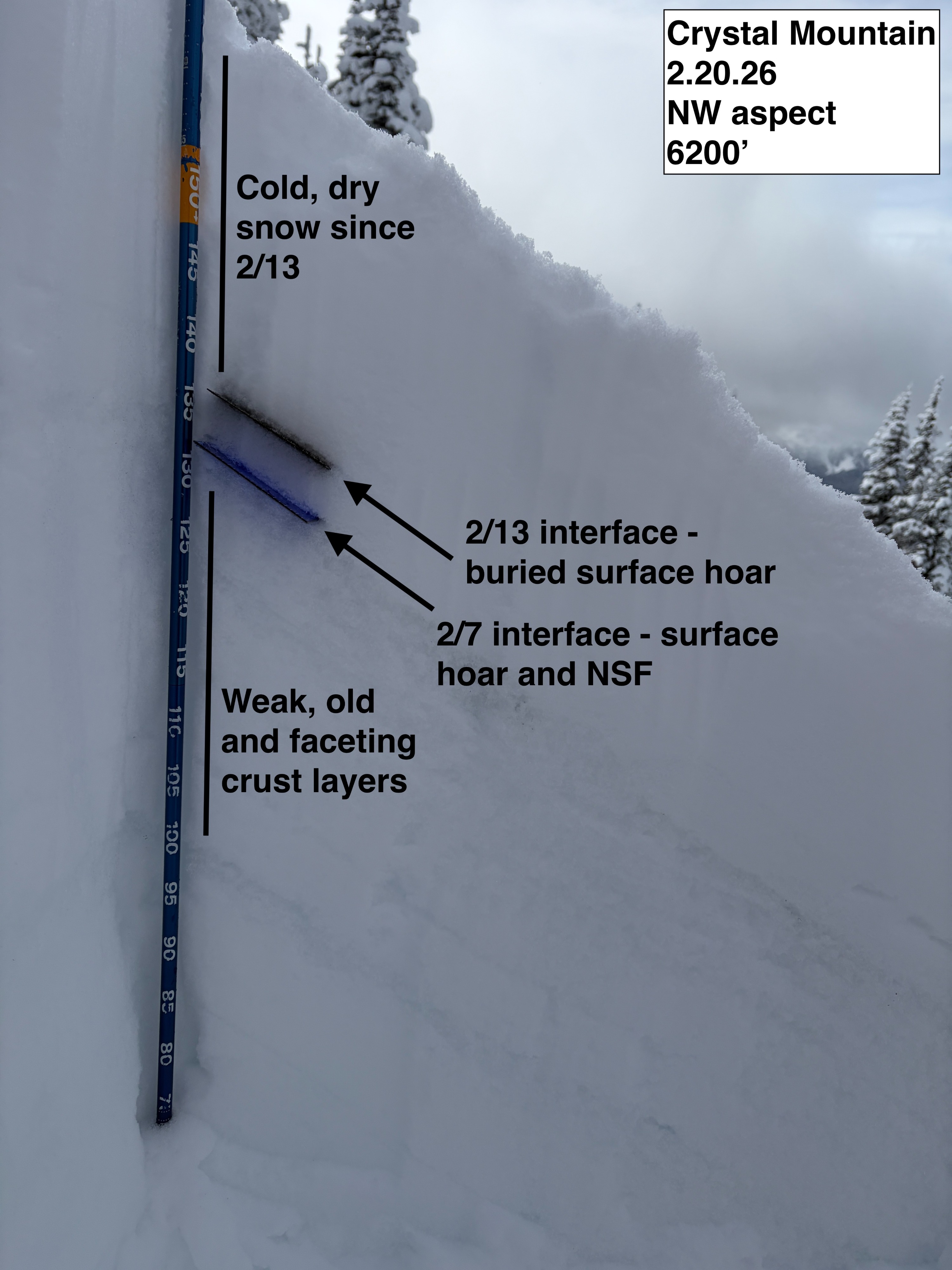
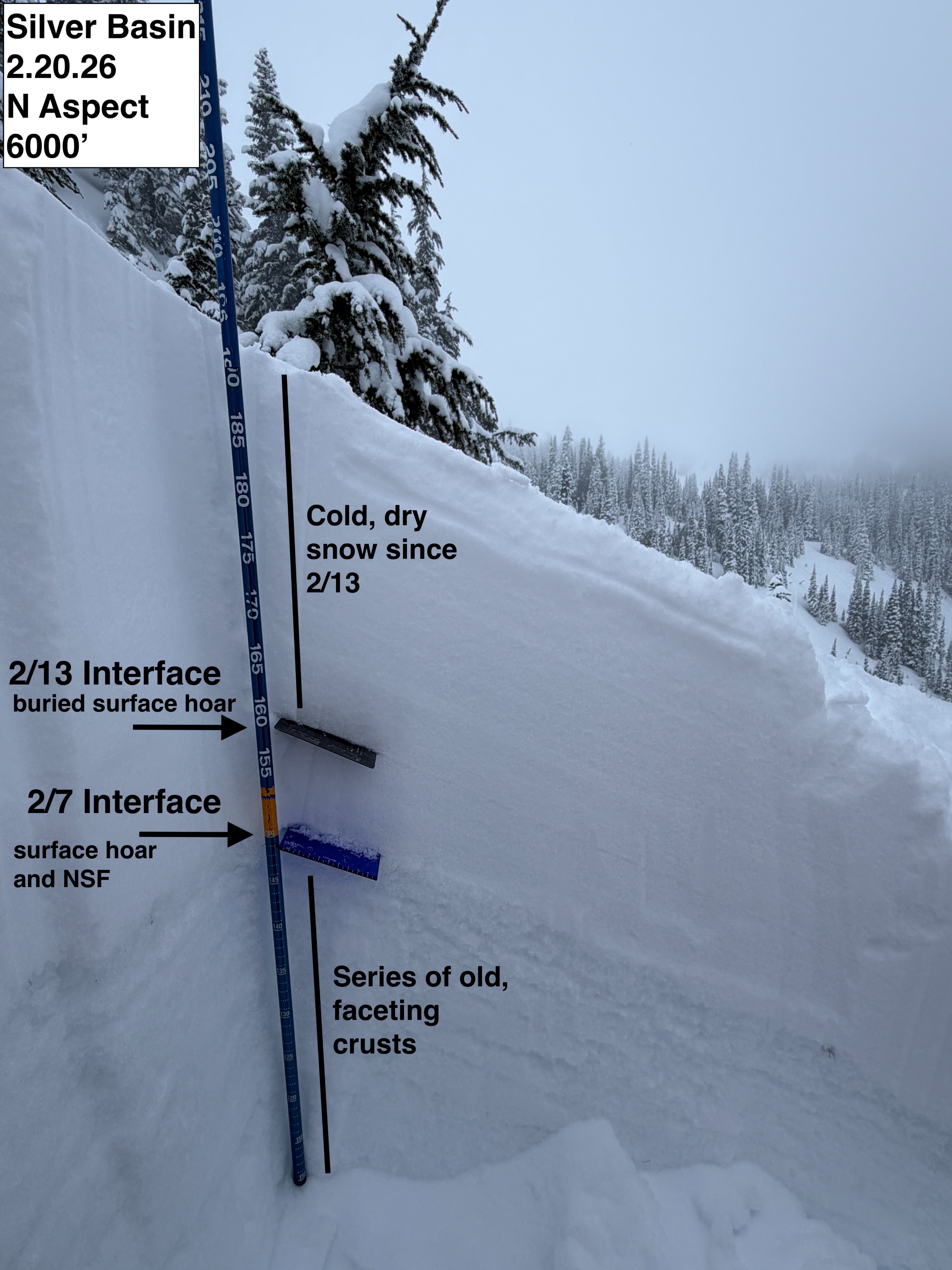
Today, I toured around the Crystal Mountain area to further investigate the weakening snow in the upper snowpack. Unfortunately, the weak snow is easy to find; I found it in the first place I looked. The snowpack has dried out significantly during the cold, dry weather, allowing for the already weak 2/13 and 2/7 interfaces to continually weaken, including older meltforms 10-20cm below the 2/7 interface. I was surprised how easy it was to dig through the weak and sugary snow to over two feet deep. A couple of weeks ago, I might have broken my shovel digging through these layers, since they were so firm! As of right now, the weak snow shows little reactivity, but this is probably because there isn't much weight applied. The recent snow on top is very light and dry.
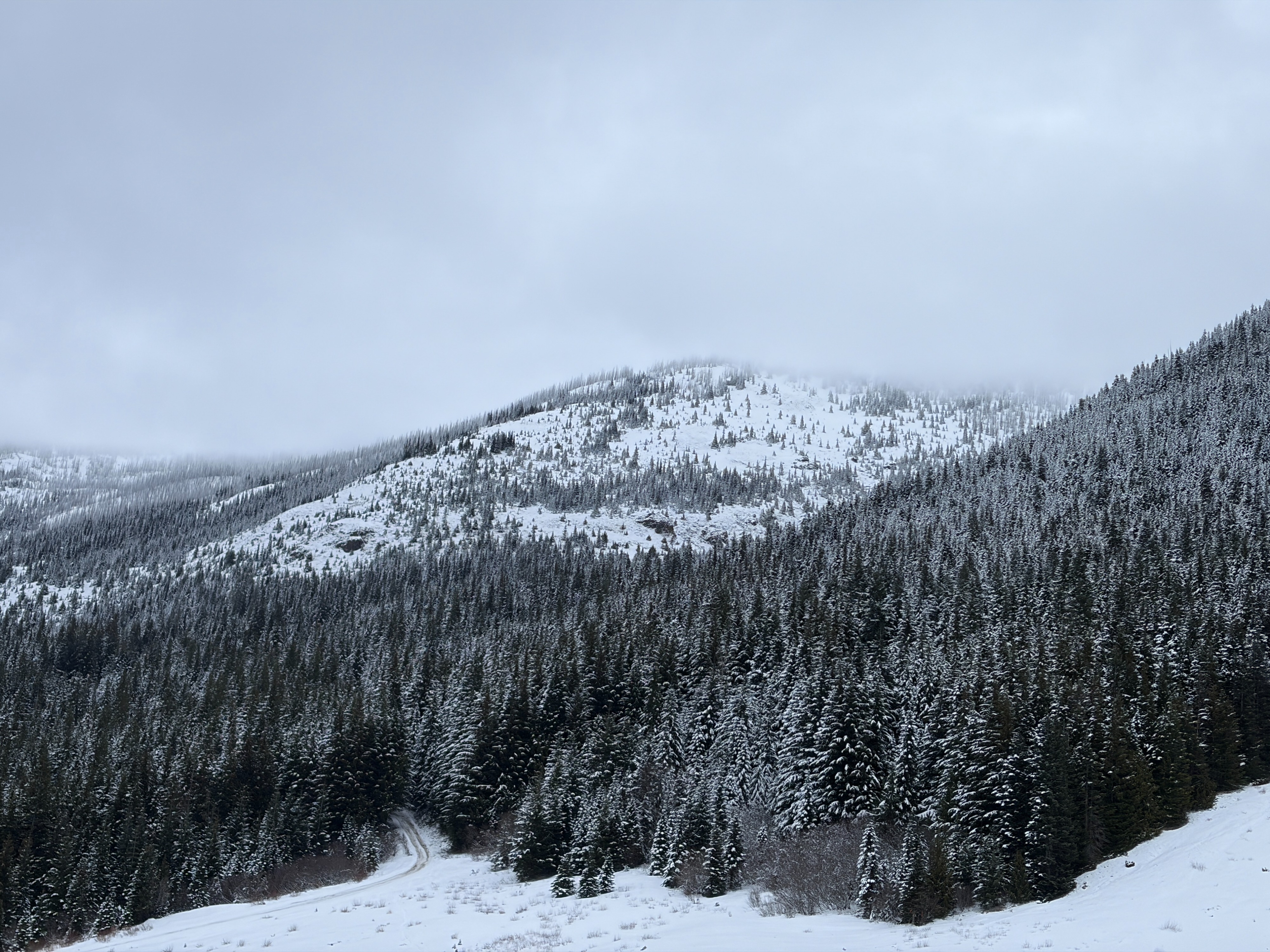
On the bright side, the cold and snowy weather provided excellent travel, despite the very shallow snowpack on sun-exposed slopes. At around 6,000 feet on north-facing terrain, I found a consistent snow depth of around 6 feet.
Weather
- Air Temp
- 20-28
- Cloud Cover
- broken
- Recent Snowfall
- 2-3
- Snow Avail For Transport
- moderate amounts
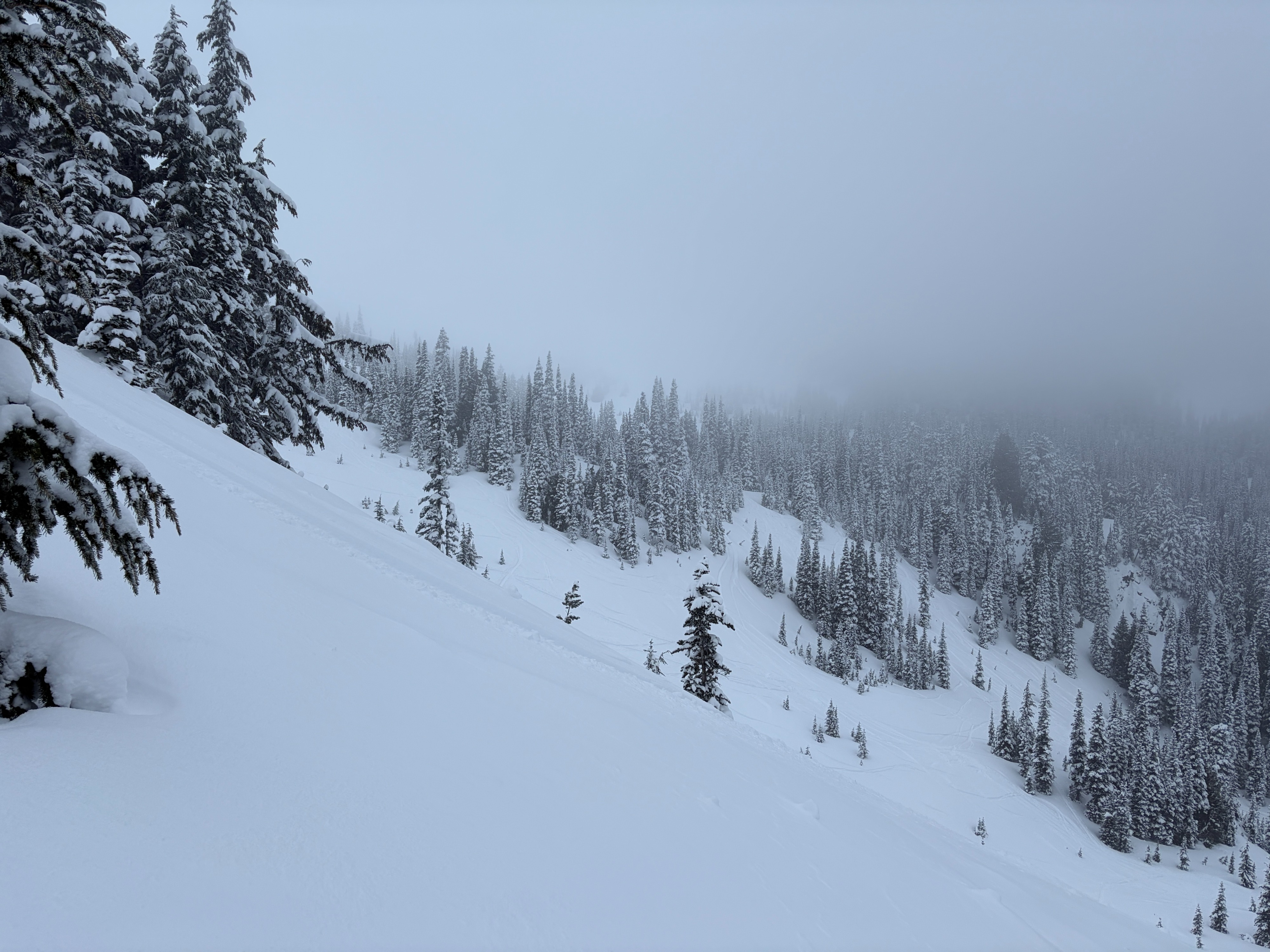
Cold and mostly cloudy, with a period of clearing skies. Temperatures stayed well below freezing. Snow fell very lightly and inconsistently through most of the morning. The wind was light and unnoticeable.
Snowpack
Around 8-10 inches of cold, low-density snow currently blankets the older snow below.
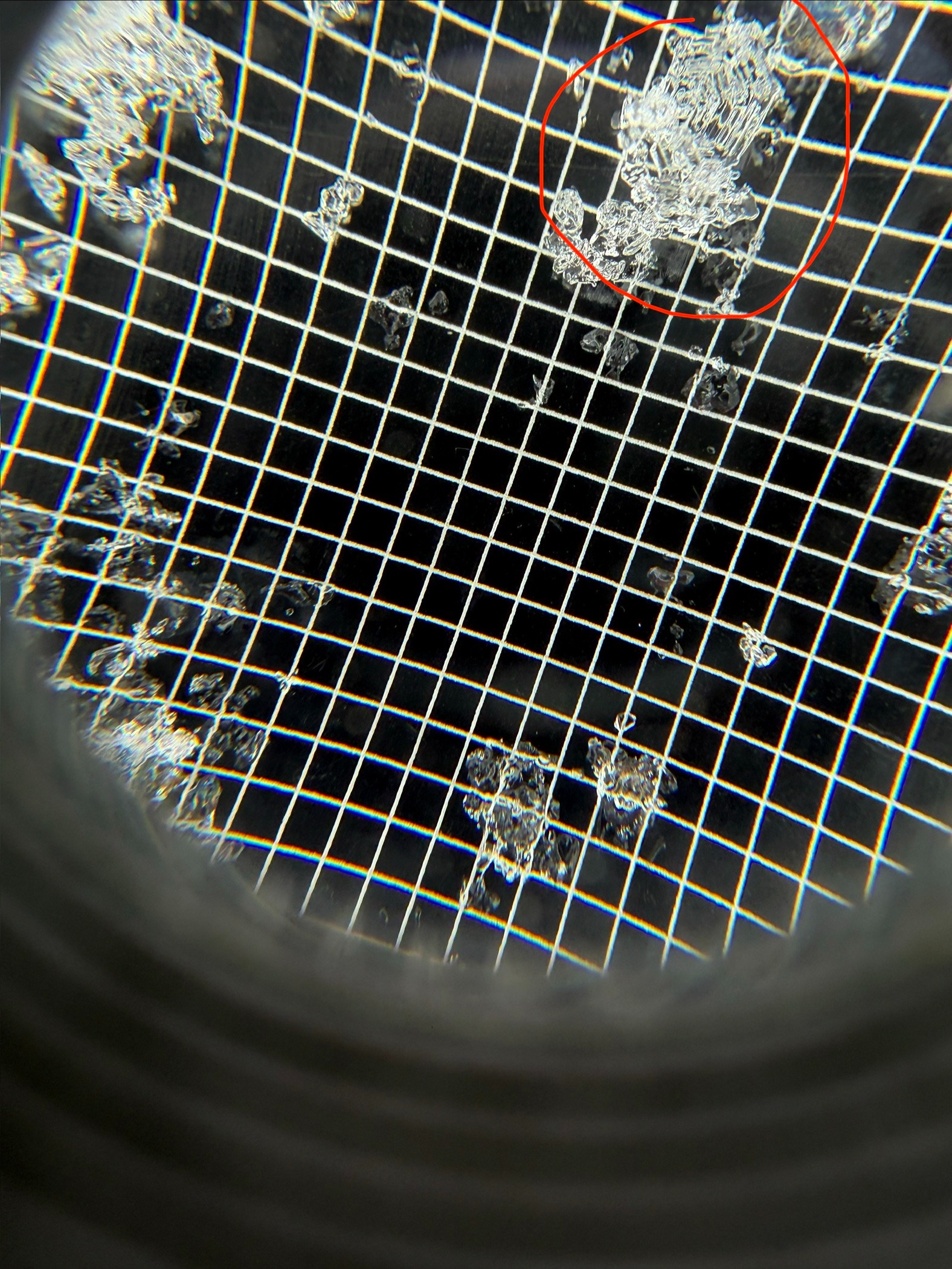
The snowpack around the Crystal Mountain area has undergone significant change compared to a couple of weeks ago. The cold temperatures and lack of precipitation have allowed the upper snowpack to dry out, with multiple locations showing signs of weakening and faceting. The 2/13 interface is thin and somewhat challenging to identify without a clean snowpit wall, but once discovered, it does contain intact surface hoar blades. The 2/7 interface continues to weaken, with faceting above and below the crust. The old melt form, sandwiched beneath the 2/7 crust, has also begun to break down and weaken. Overall, the upper portion of the snowpack is in poor shape and may not do well under a newload of snow. Down about two feet, the old snow turns very strong and supportable, presenting very little concern.
In Extended Column Tests (ECTs), these layers did not propagate, nor show suprigis reactivity. I suspect this may be because the current load it sits under (light, low-density snow) is so minimal and light.