
Quick report
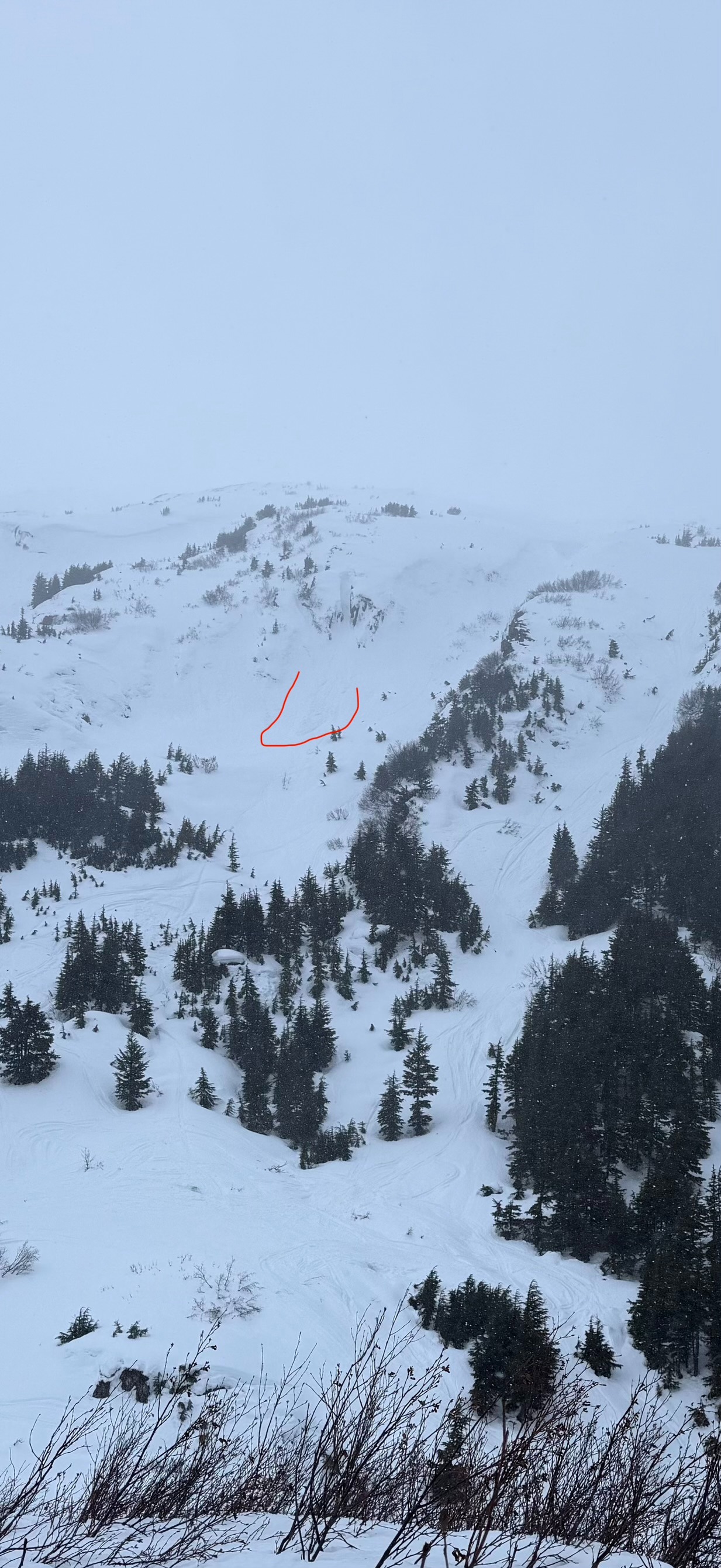
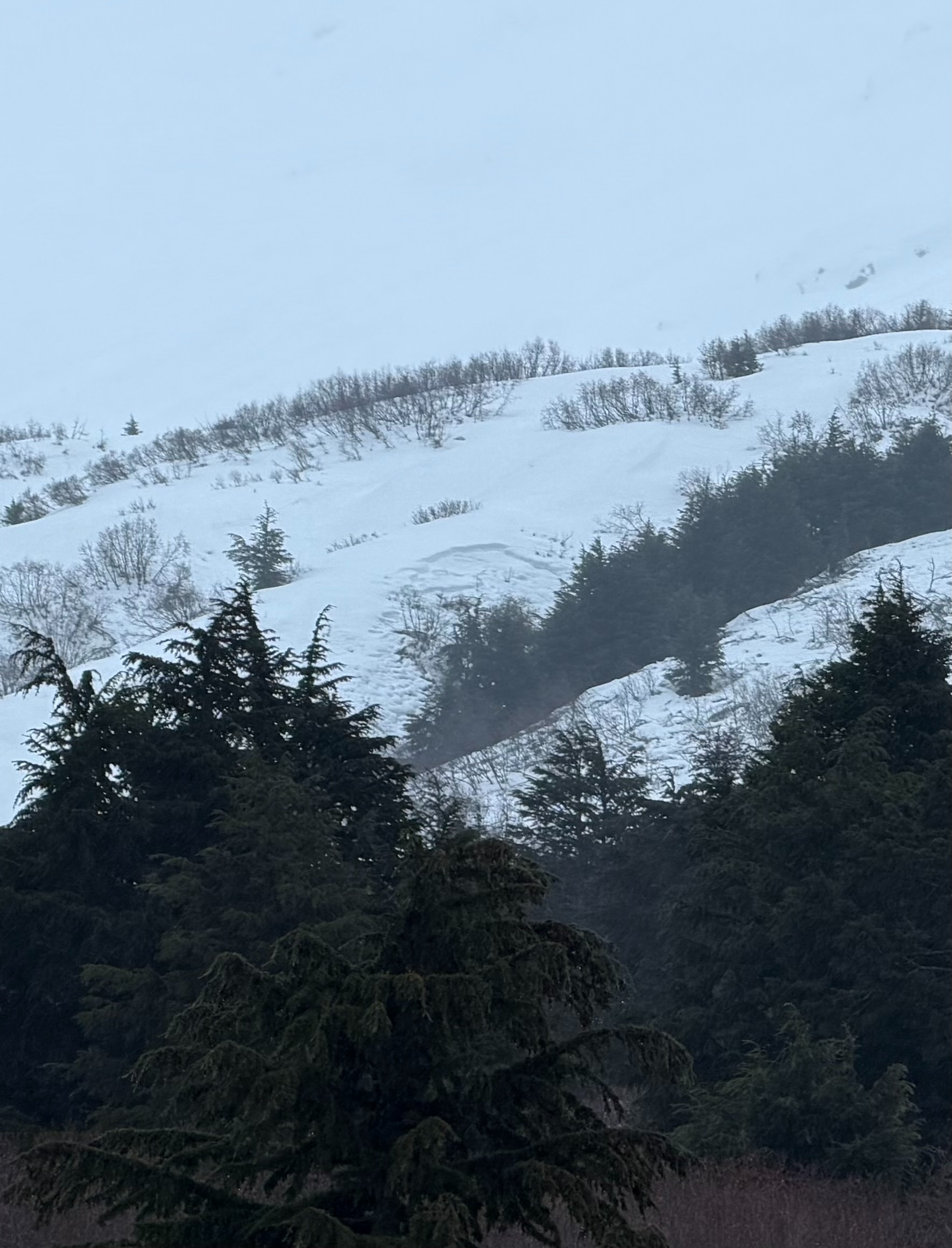
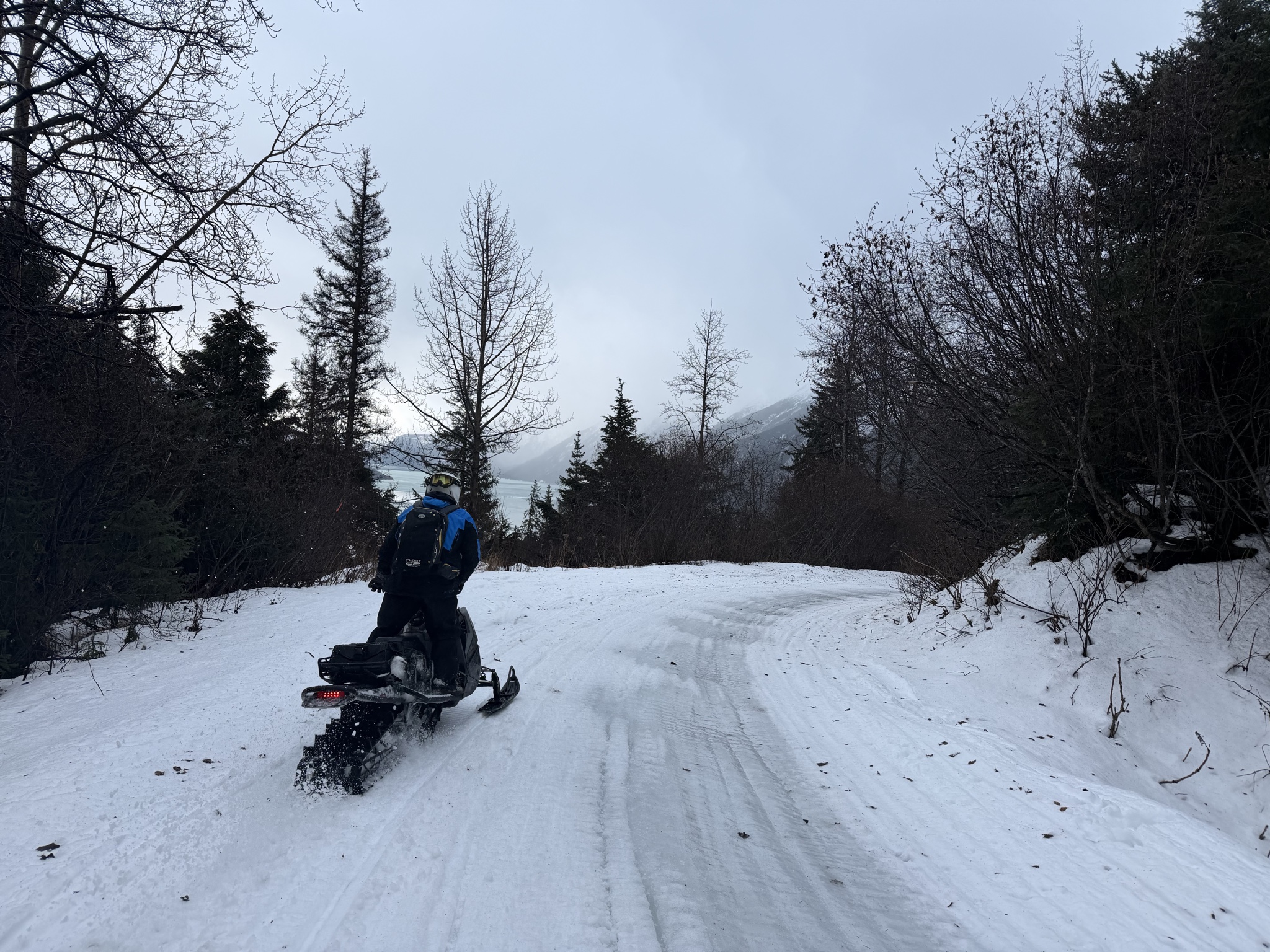
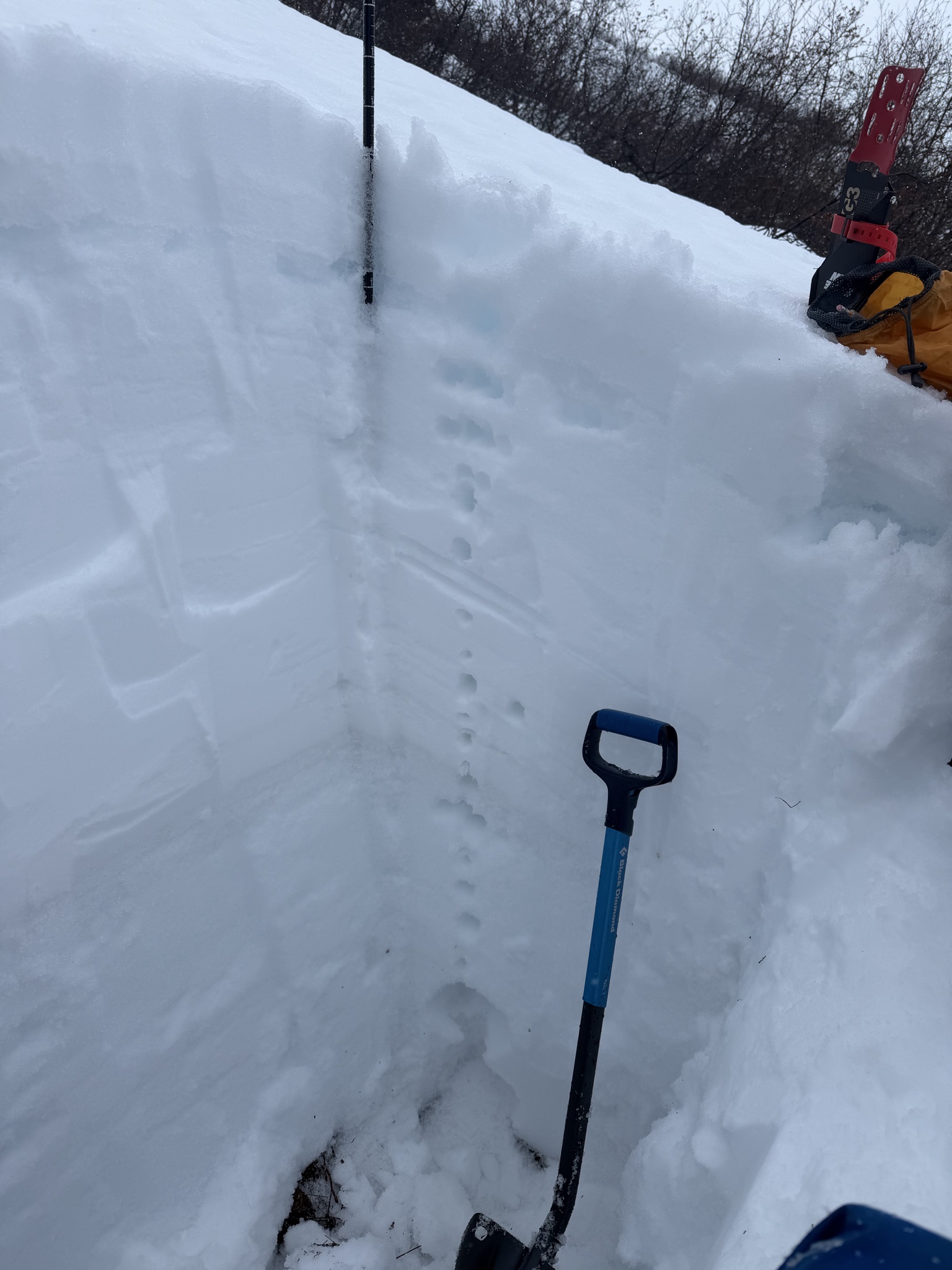
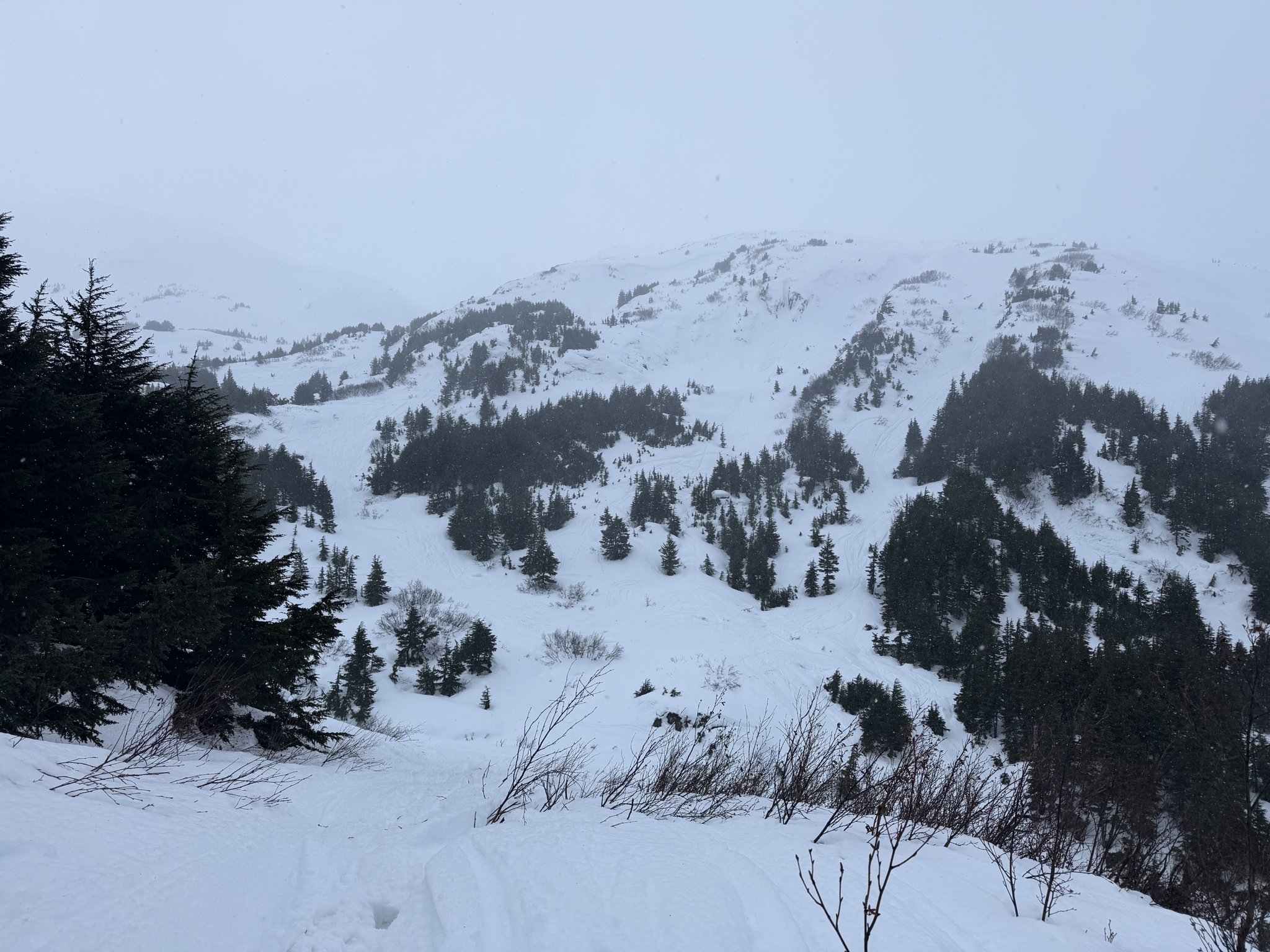
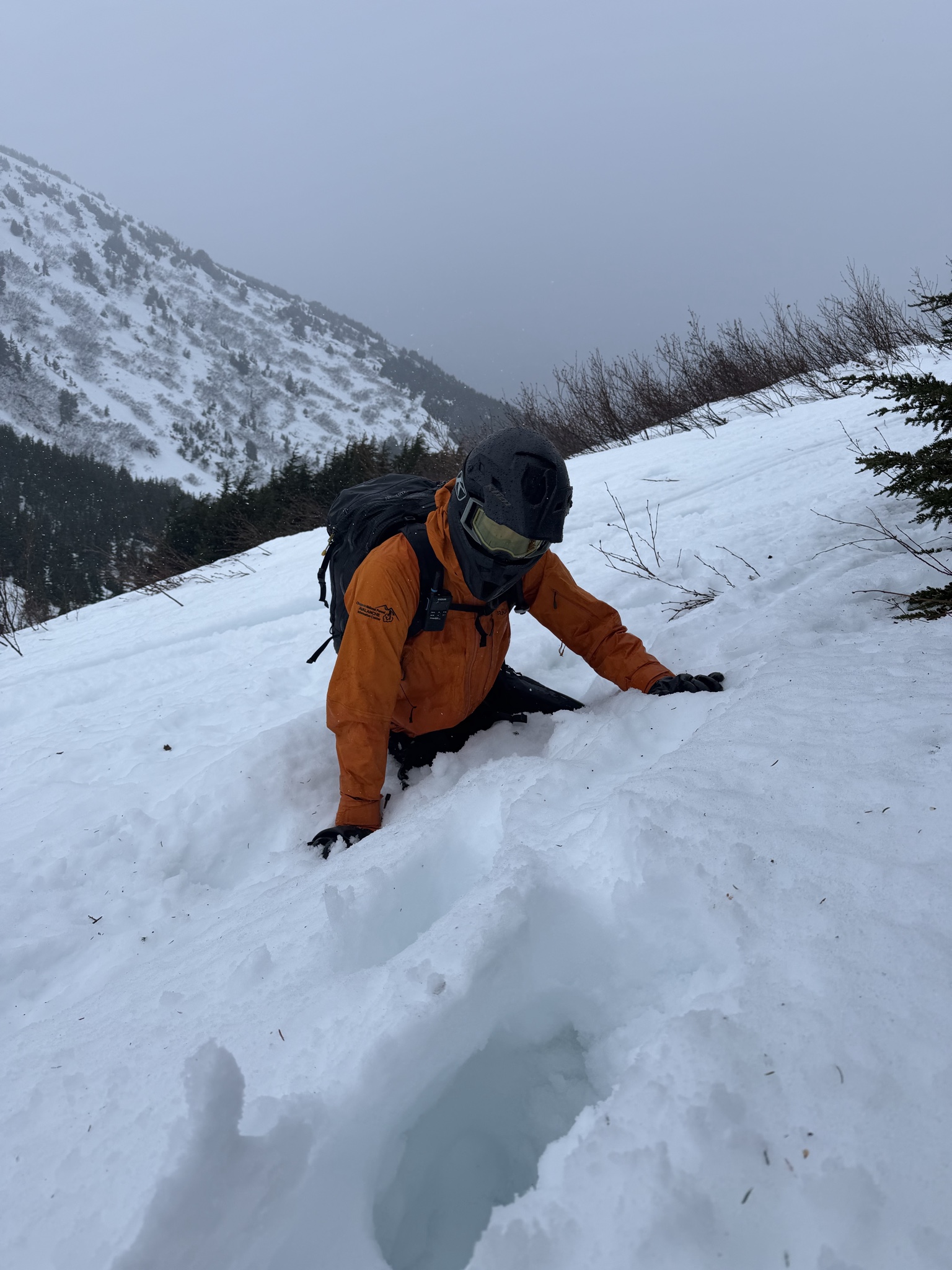
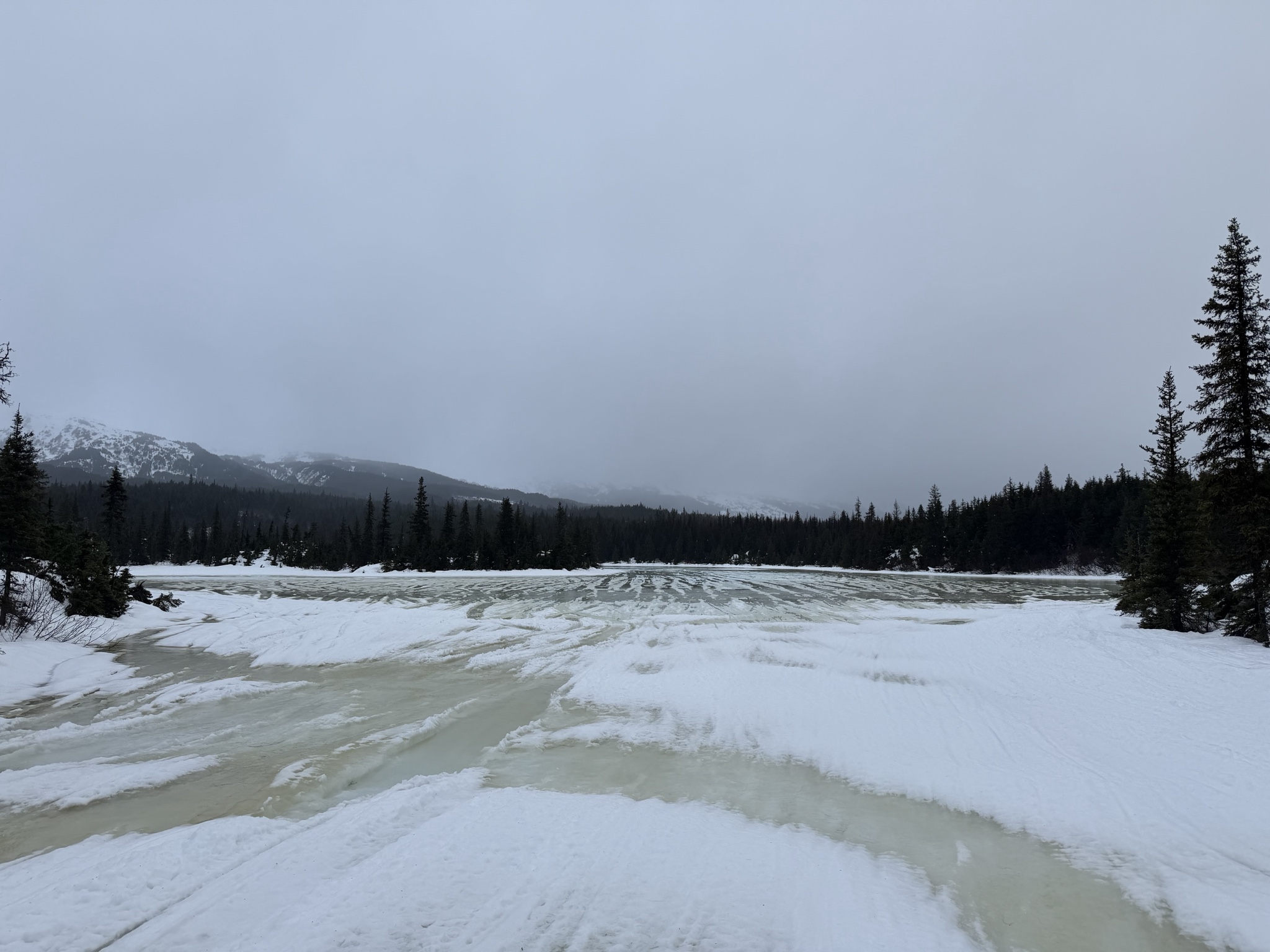
We rode into V-max today to see how the storm was shaping up on the Snug Harbor side of the Seward Zone. It was raining below 2,000' and snowing above. Winds were strong in the Alpine. We didn’t go past V-max today. Visibility was poor, but we saw several small avalanches that were new since I was there last week. The snow pack in the elevations we rode was wet and we were sinking up to our hips in snow if we stepped off our machines. This made for some challenging riding conditions. It also means there are chances for wet snow problems like wet loose and wet slabs. Wet slabs are very dangerous avalanches that are unpredictable and difficult to escape if caught. We dug a pit at 2,100' on a southeast facing slope. We did not get any concerning test results, which is a good sign. However, we are still concerned about the December facet layer and deep slabs are tricky. There’s still a chance a person could find a thin spot and trigger a very large avalanche on this layer. We did some rescue practice on our way out and water skied across rainbow Lake.
Weather
It was raining lightly through the day. Once we reached 2,000' the rain turned to snow and there was some easterly wind that looked strong in the upper elevations.
Snowpack
We dug a pit at 2,100' feet on a southeast facing slope. Total snow depth was 5' (145cm) deep. The top 6" or so (15 or 20 cm) was wet and the snow below was moist. There was a crust about 1.5' (45cm) down that seemed to have water pooling above it. There were some surprisingly loose grains at the base of the snowpack (fist hard) that looked like melt-freeze facets. They were 2mm and sticking together. The December facets were 3' down from the surface and were 1F hard. They were moist and sticking together. Test results were stable (DTX). It seems like this layer has been slowly gaining strength and the warm weather we’ve been having has been helping. However, deep slabs are tricky and there’s still a chance a person could find a thin spot and trigger a very large avalanche on this layer. We did some rescue practice on our way out and water skied across rainbow Lake.
Avalanche
We saw a small avalanche on a steep south facing slope at about 2,000’. It was hard to tell how new it was with the rain. We also saw some small wet loose that were probably around 2,500'.