
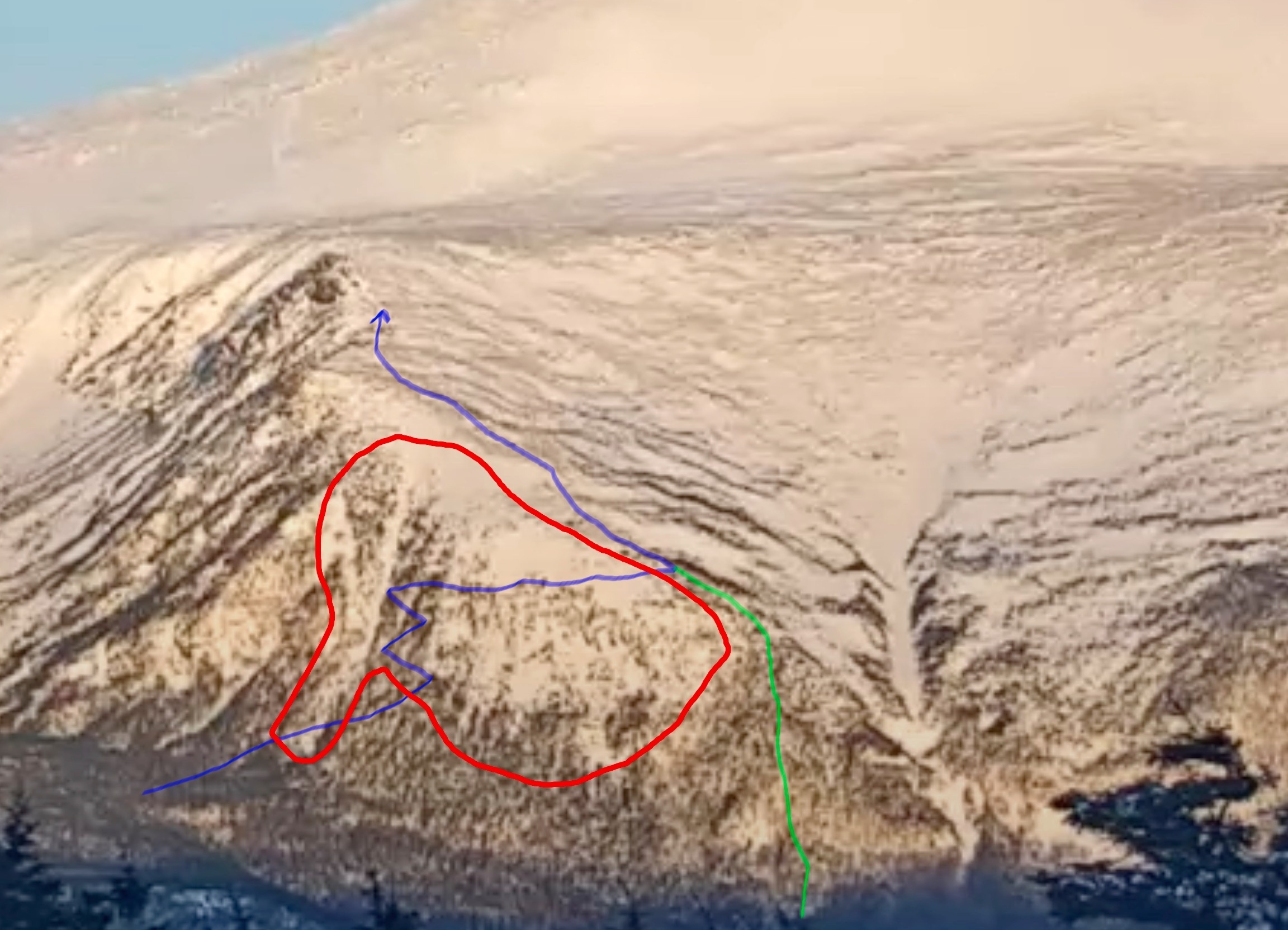
Quick report
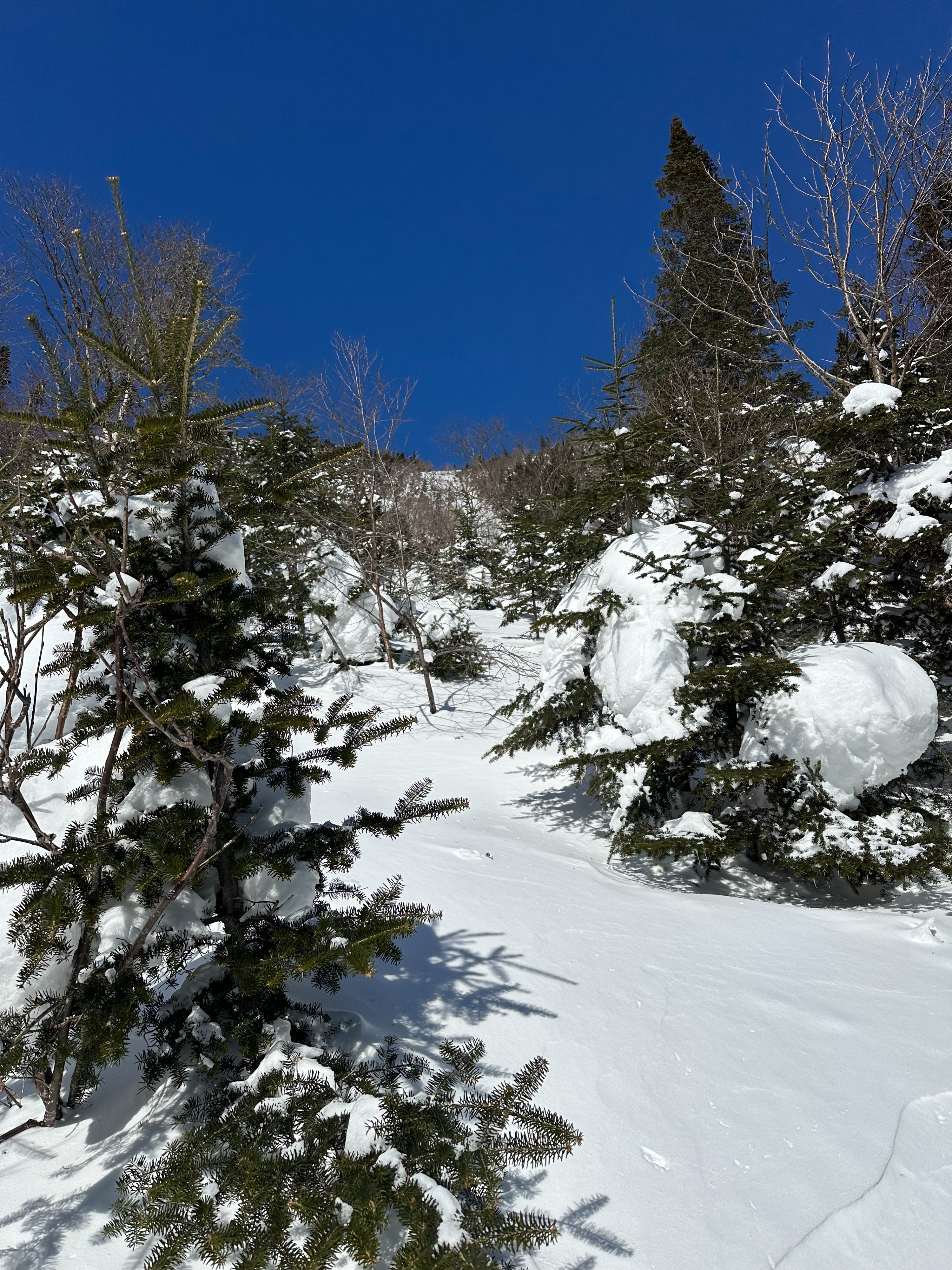
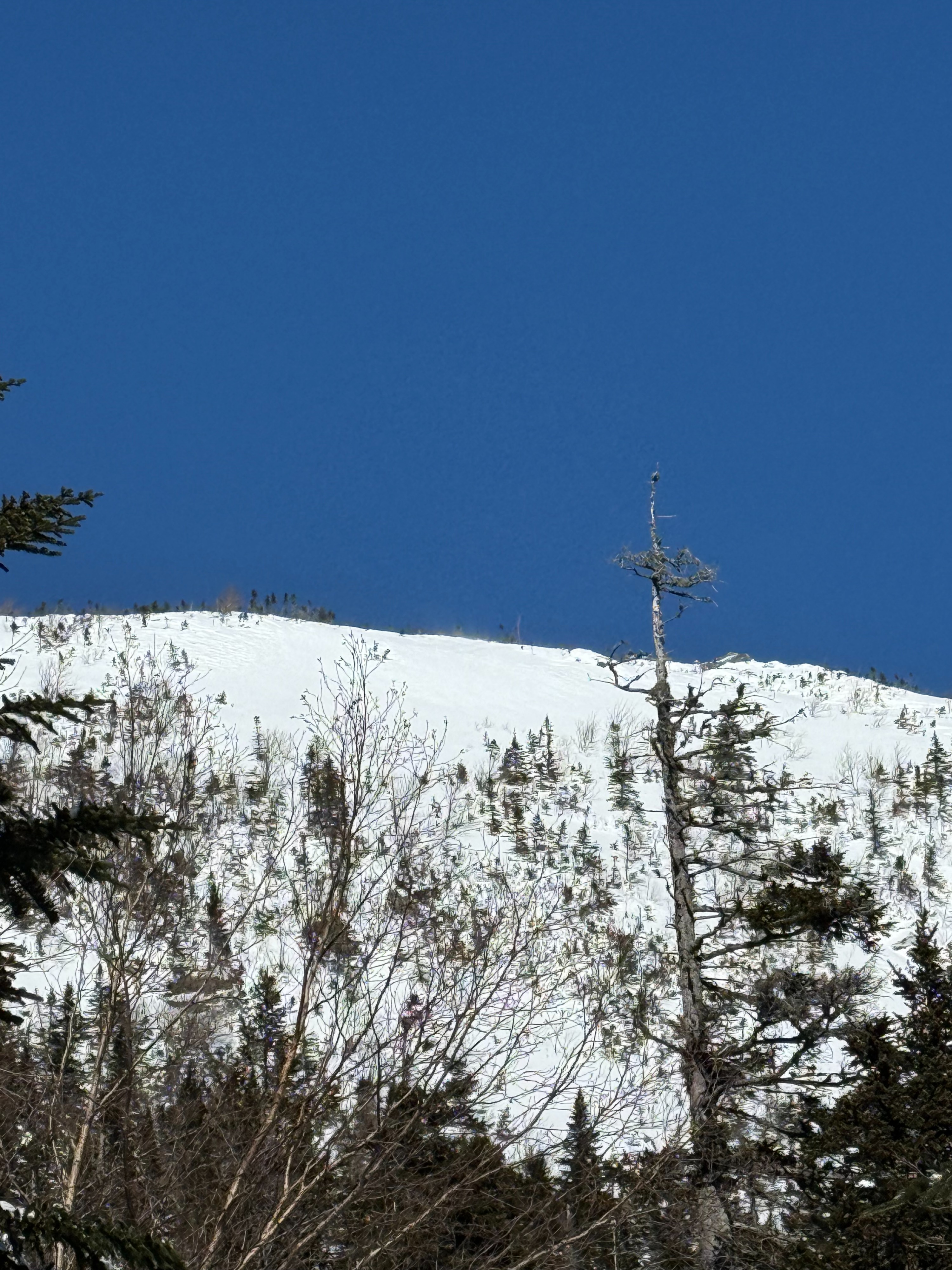
We went out today to assess snowpack conditions on the Summer Lion Head Trail. From the TRT, snow appeared to be more connected across the upper traverse of Summer Lion Head than it has all season. With no signs of avalanche activity or tracks on the trail, and the presence of deep interconnected snow, we were hoping to assess wind slabs with the potential to slide. Arriving at the avalanche runout zones, there appeared to be even more snow than expected, with many of the usual landmarks buried. As we gained elevation, snow totals increased and began to have a more developed wind slab with a defined strong over weak structure, indicating greater chance of encountering this avalanche problem in higher terrain.
Weather
- Air Temp
- 10
- Cloud Cover
- clear
The sky was clear, allowing for bright and sunny conditions. Winds were light out of the NW, and temperatures were in the upper single digits and climbing. With the sun in full force, temperatures felt warmer than expected.
Snowpack
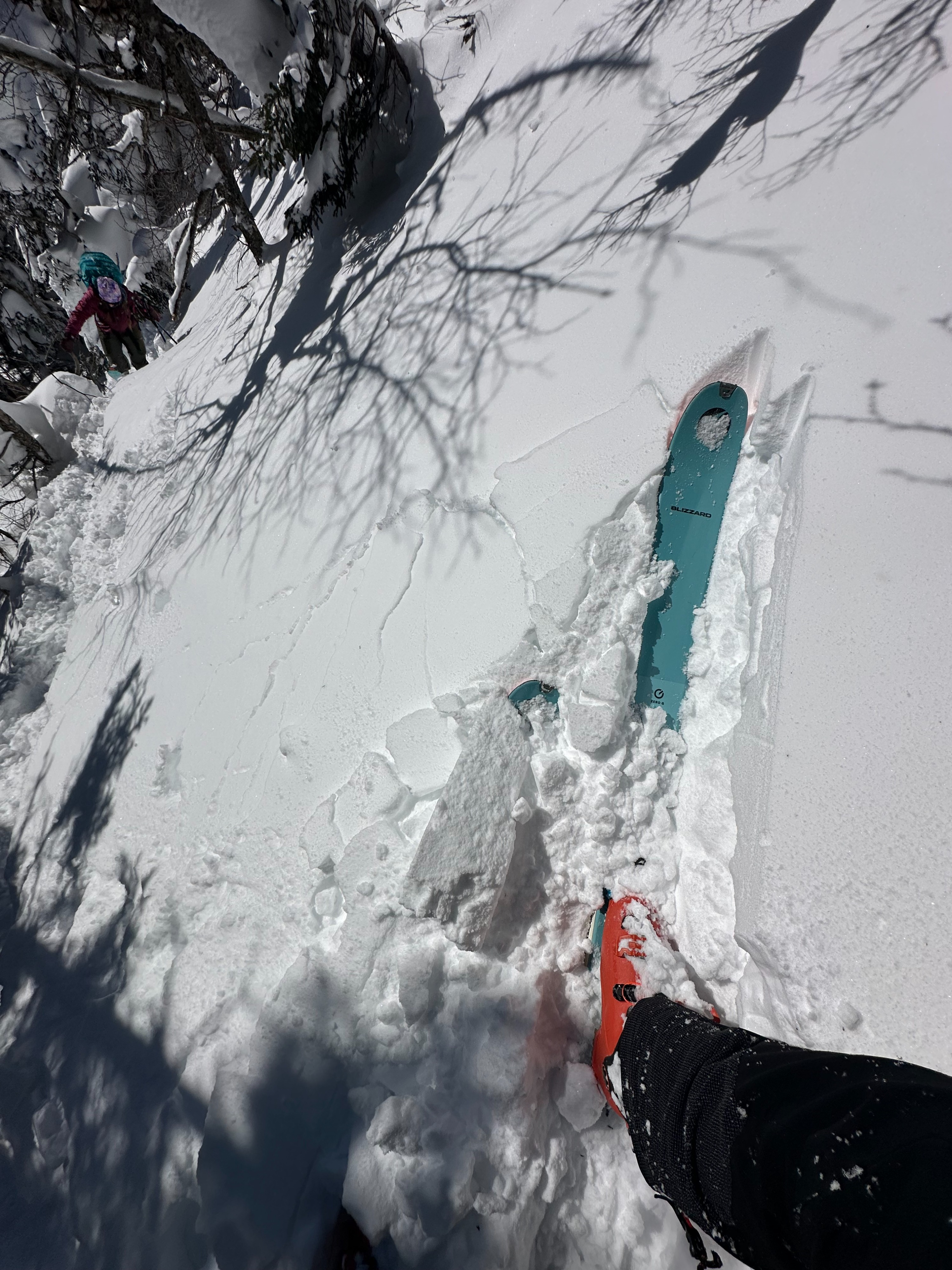
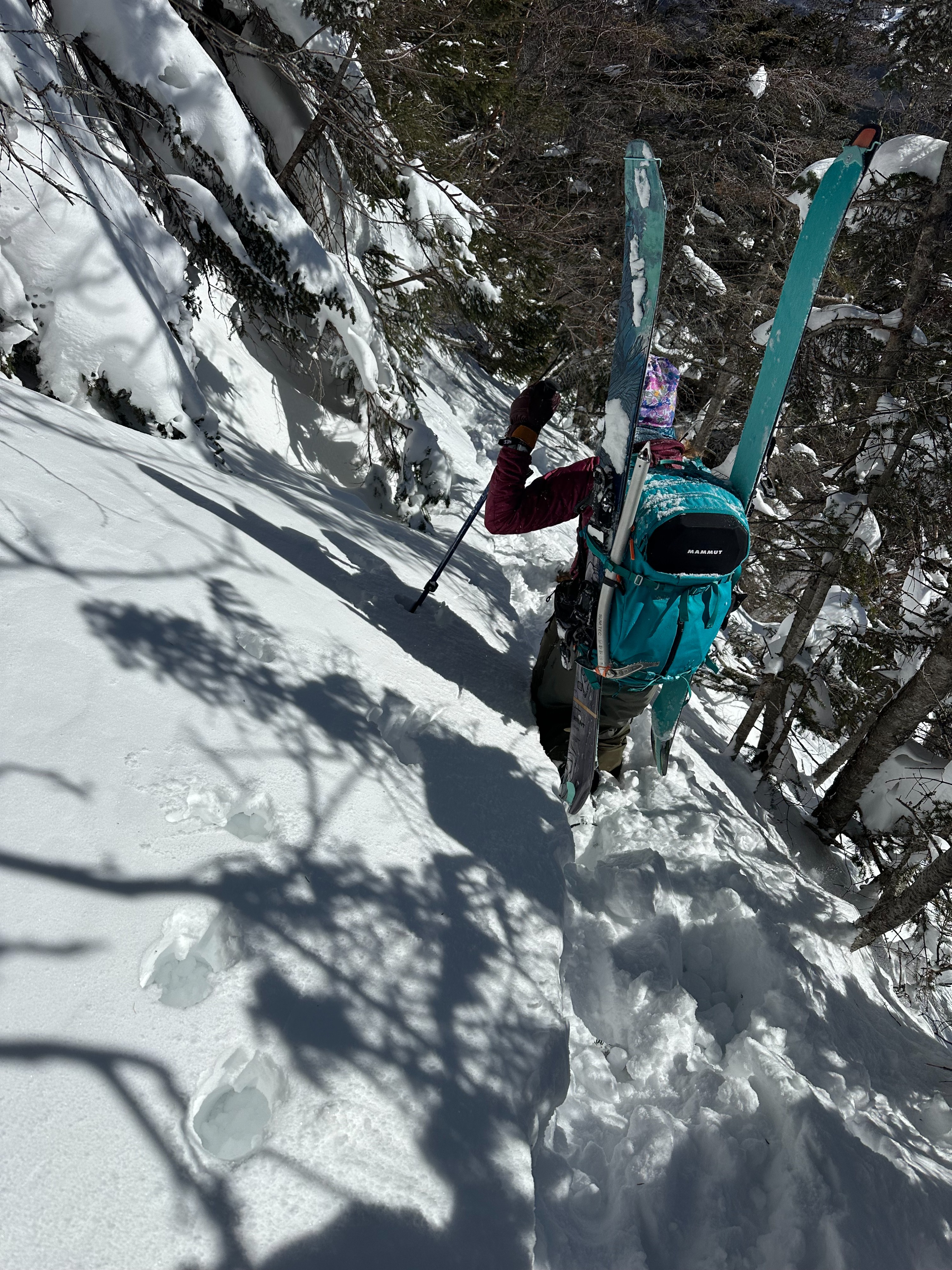
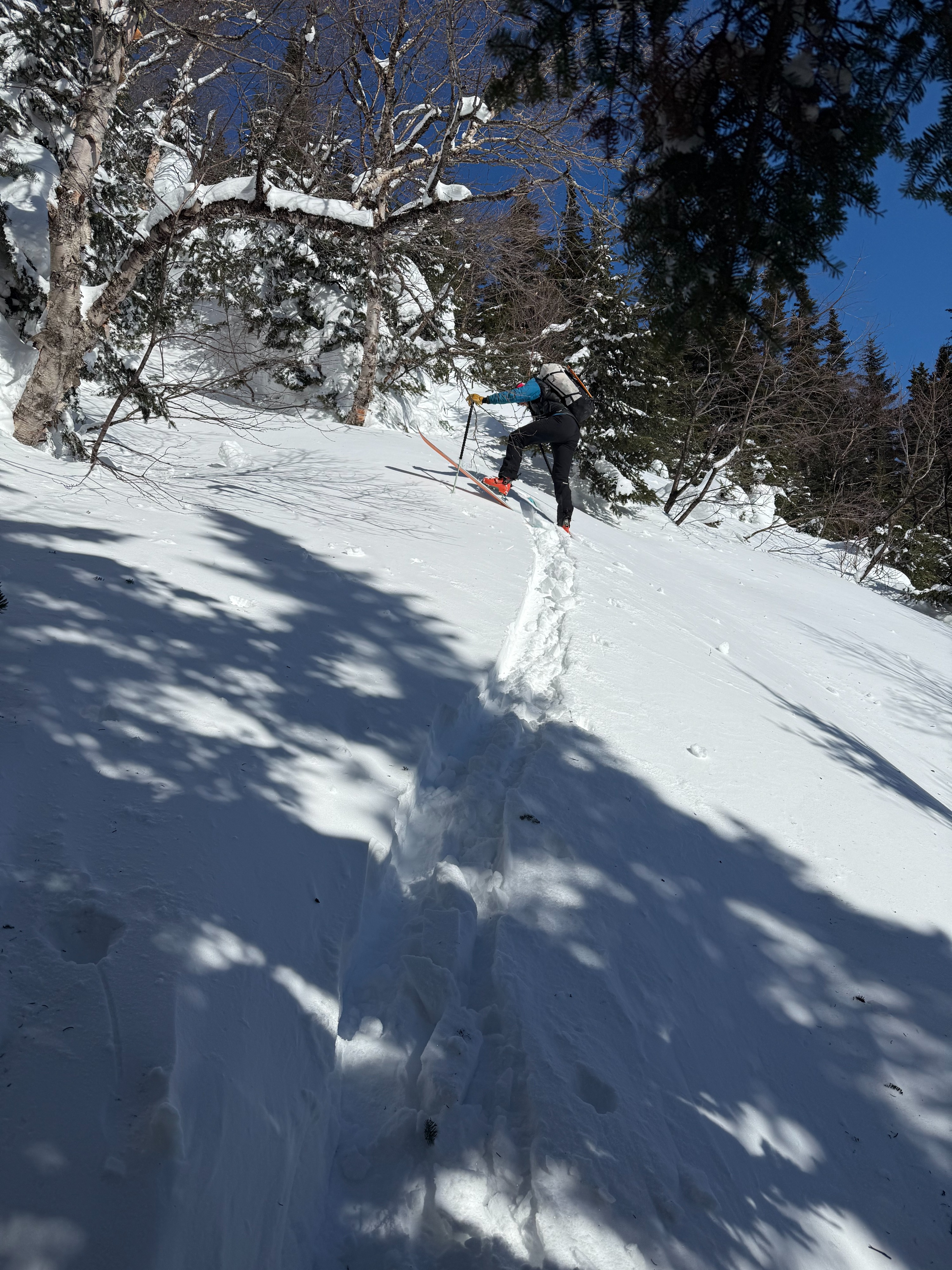
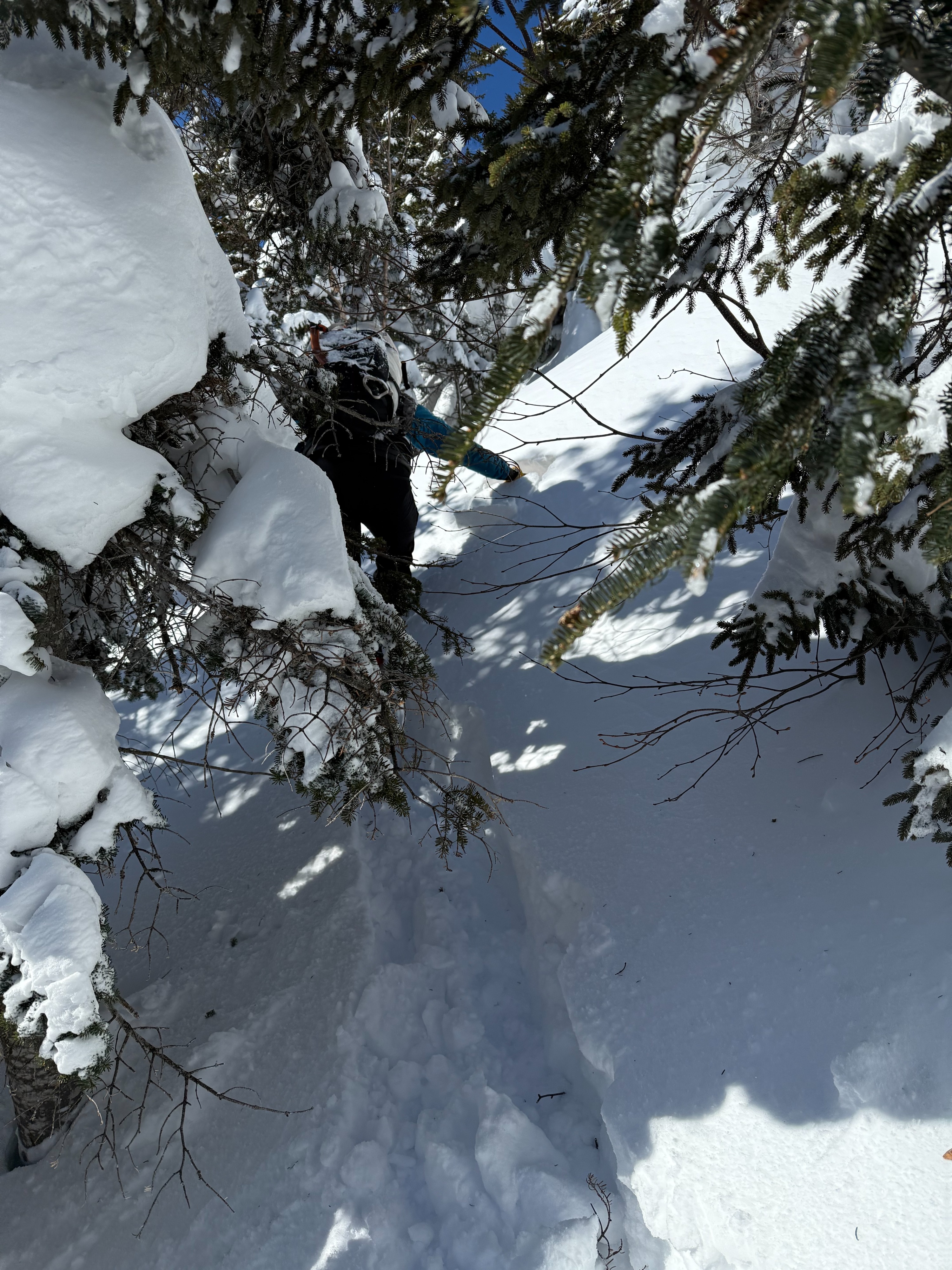
Snowpack totals on the Summer Lion Head Trail were greater than we were expecting today. Snow was soft, with about 20cm of penetration into the snow while skinning, and 1m while walking. As we started our ascent, we noticed that many of the usual trees in the historic runout were buried and areas were well connected. Looking upslope, it was clear that this connectivity could make for dangerous terrain, and made the Summer Lion Head trail feel more vulnerable to avalanche hazard than expected. As we moved further into avalanche terrain, we practiced safe travel practices by spreading out. Although the first traverse we encountered (the 1969 runout) had a wind slab, it was relatively undefined. We conducted a quick hand shear to check the snowpack structure, identified the wind slab, and felt safe to continue. However, as we increased elevation, this wind slab became more defined, with a notable strong over weak structure. Before reaching the final traverse towards the link with Winter Lion Head, we conducted a second hand shear test, which was about 100ft elevation gain from the first hand shear test. The block failed on isolation on a layer of fist hard snow and graupel 45cm (18 inches) from the surface. In the hand shear, snow structure from the surface down was:
10cm of 1f
10cm of F
10cm of 4f
5cm of F
hard surface (bottom of hand shear) of P+
The structure found in this hand shear was more concerning than the first, and considering the terrain we were about to enter, made for conditions that felt very exposed. This traverse on Summer Lion Head, although it has had small slides earlier this season, is in a position to have a slide with potentially catastrophic consequence. With the potential for large amounts of snow movement, and the terrain traps and trees below the traverse, the consequences of a slide here (even a short one) would be severe. Not knowing if anyone was above us, and the increased potential to trigger a slide, we turned around.
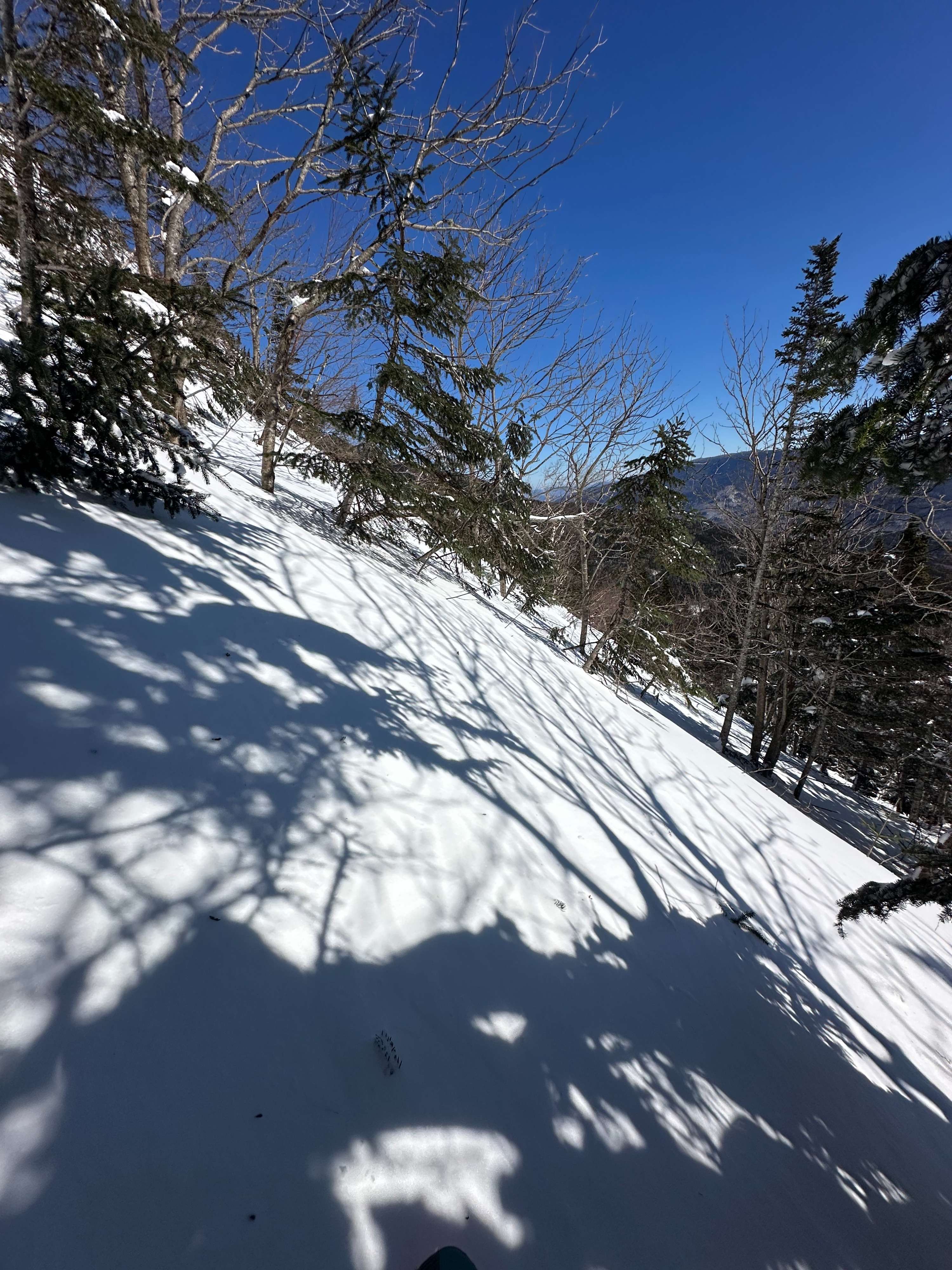
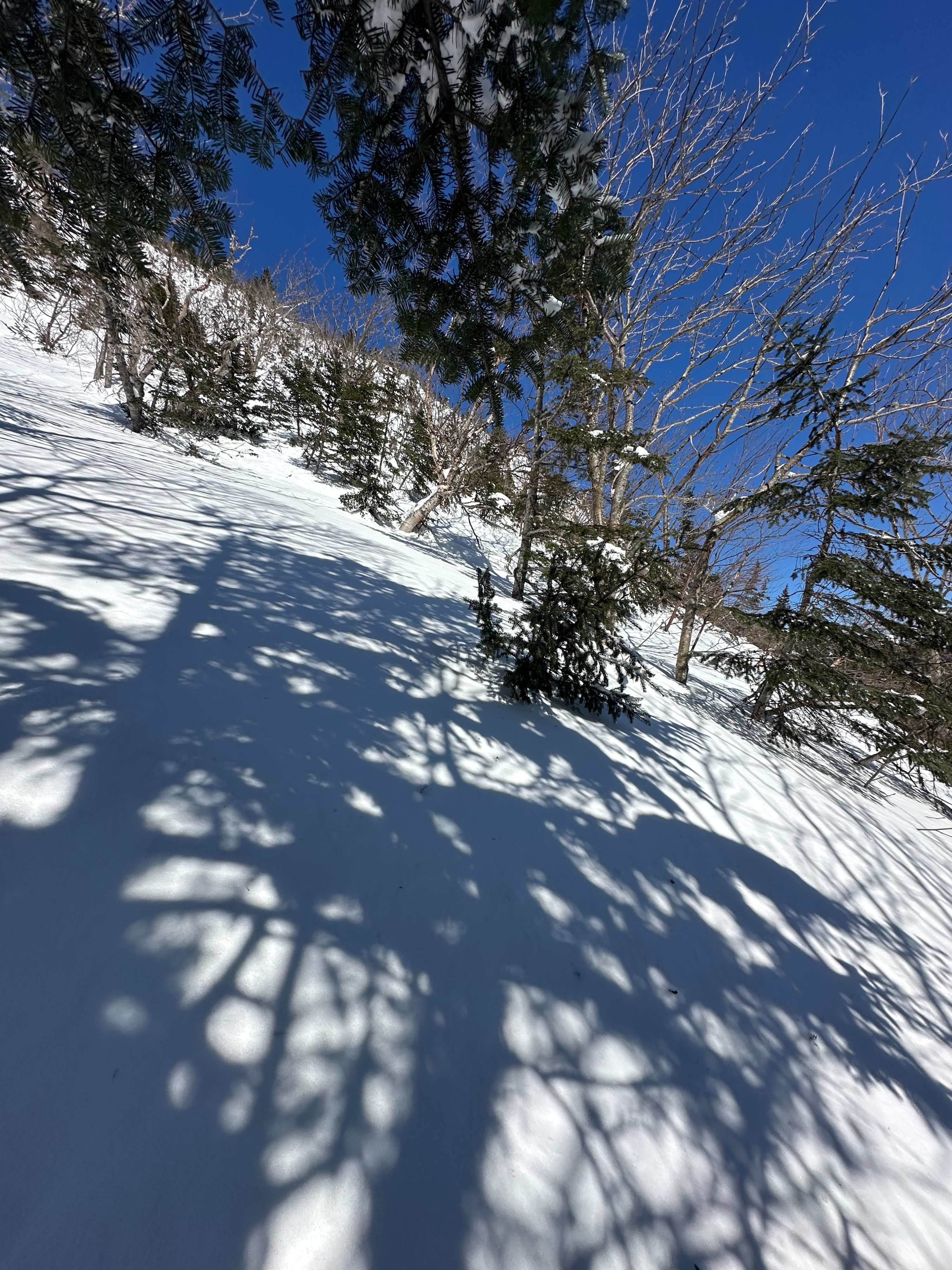
In addition to assessing the wind slab in this area, we also noticed changes to the snow surface during the hour we were moving. In the terrain we skinned through, we noticed that although temperatures were still well below freezing, the start of a sun crust was beginning to form on the snow surface due to solar gain. This looked like clumps of snow grains, and a general sheen on the snow surface. These characteristics were noted in steep southfacing slopes that were sheltered from the wind, but had limited canopy coverage. This likely developed further through today with continued sun exposure. However, with temperatures continuing to warm through tomorrow, the crust may become less defined.