
Quick report
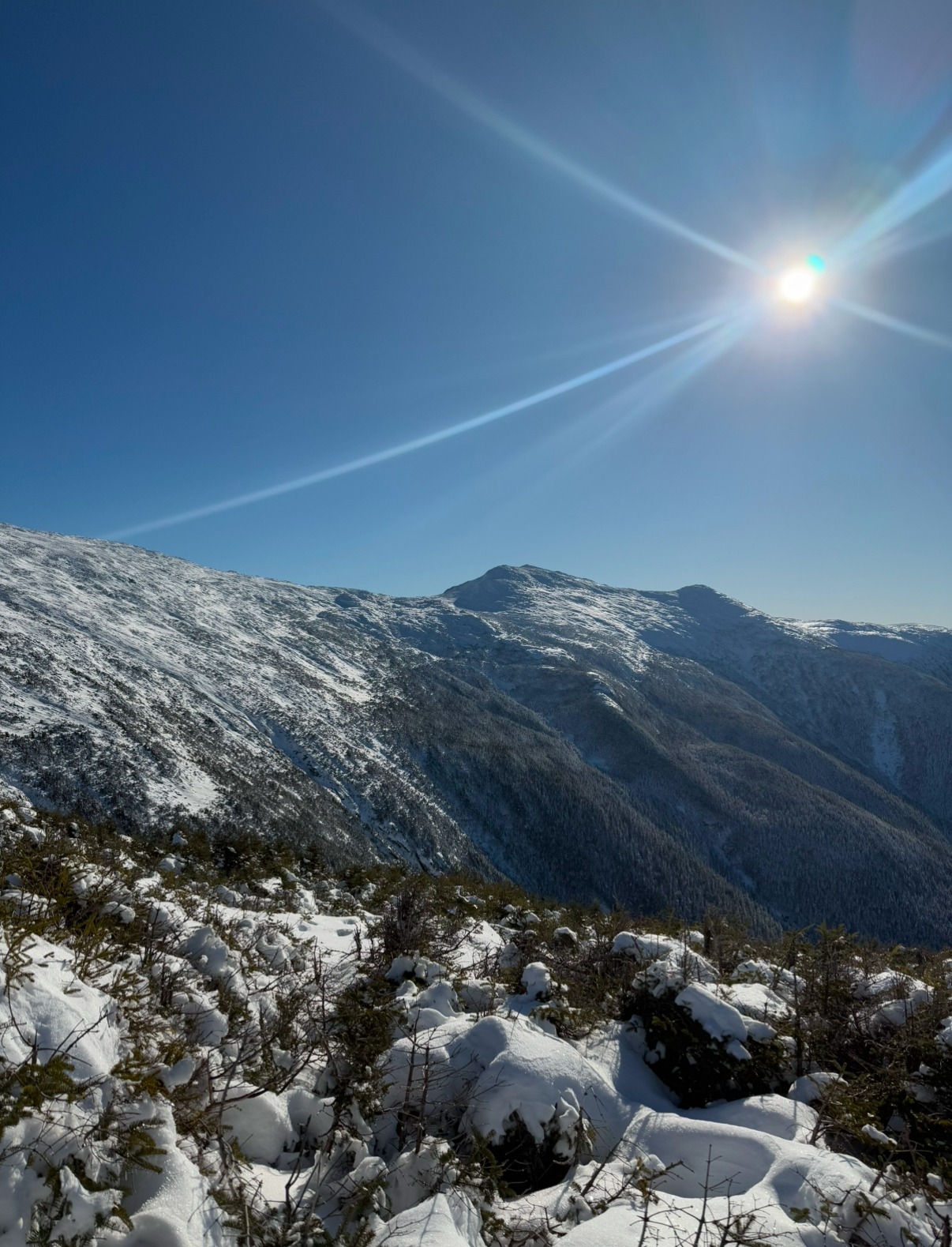
With predominantly northwest winds since the rain event on December 11th, I wanted to look at windward aspects to look at snowpack distribution and snowpack structure ahead of warming temperatures and rain in the weather outlook in the coming days.
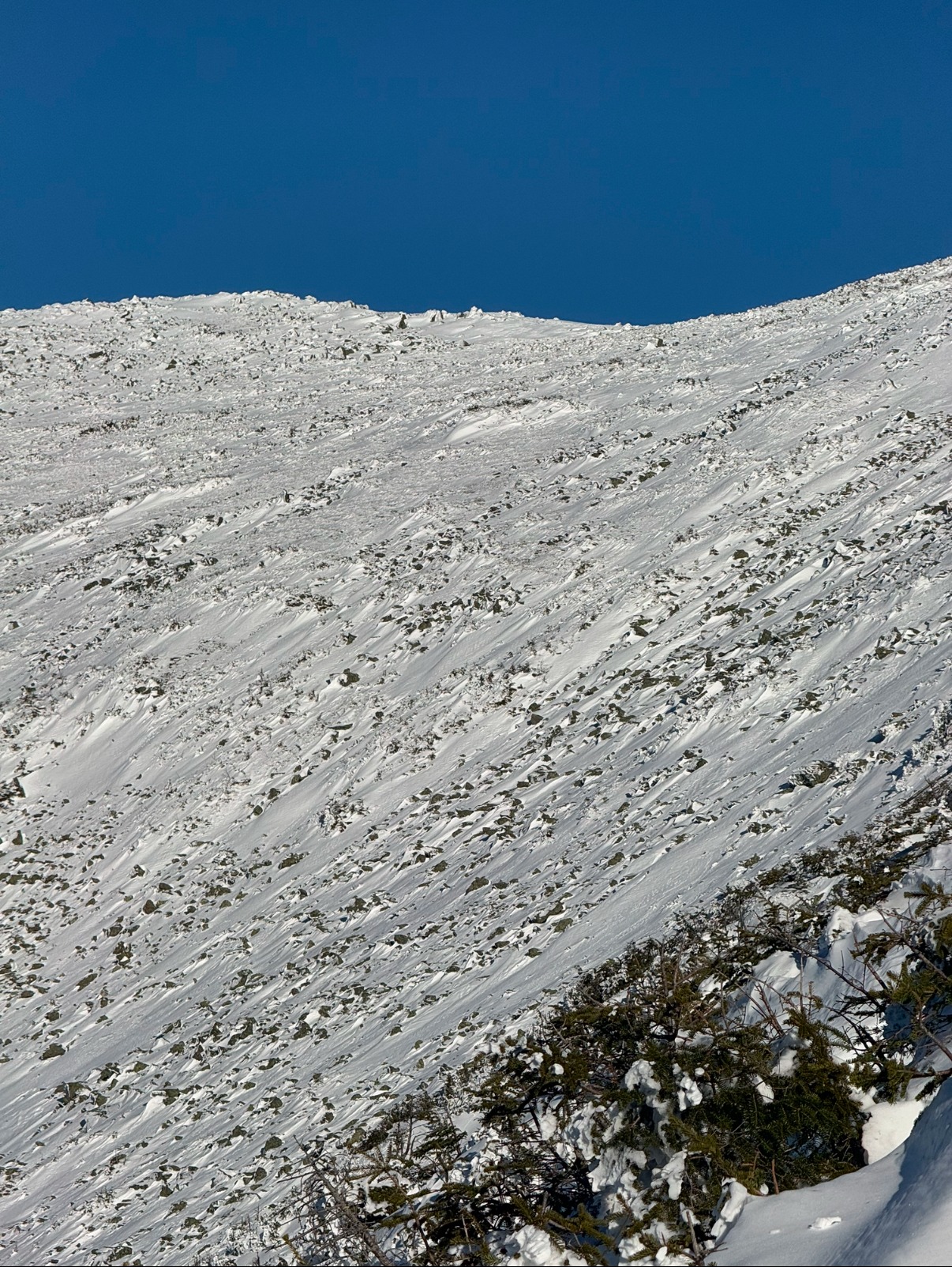
Above Jacob’s Ladder, I found a variety of surfaces, from firm, wind-affected snow surfaces to slick and icy surfaces.
I found wind-affected snow that largely lacked the energy to produce propagating results (also ECT results supported this finding). Overall, the snowpack in these western aspects lacks the ability to produce anything larger than a D1 because it is still so rocky and shallow.
However, a D1 in this terrain may not have harmless results if it causes a fall into the exposed rocks or trees.
While the snowpack was not concerning today, I would be wary of it as we add warming and rain. The stout ice crust with snow above it is a conducive structure to wet slab avalanches as there will be rain and warming later this weekend. While this problem would be small since the terrain is not connected, it is something to consider in the coming days as the structure is there.
Weather
- Cloud Cover
- clear
- Wind Loading
- none
- Recent Snowfall
- 0
- Snow Avail For Transport
- small smounts
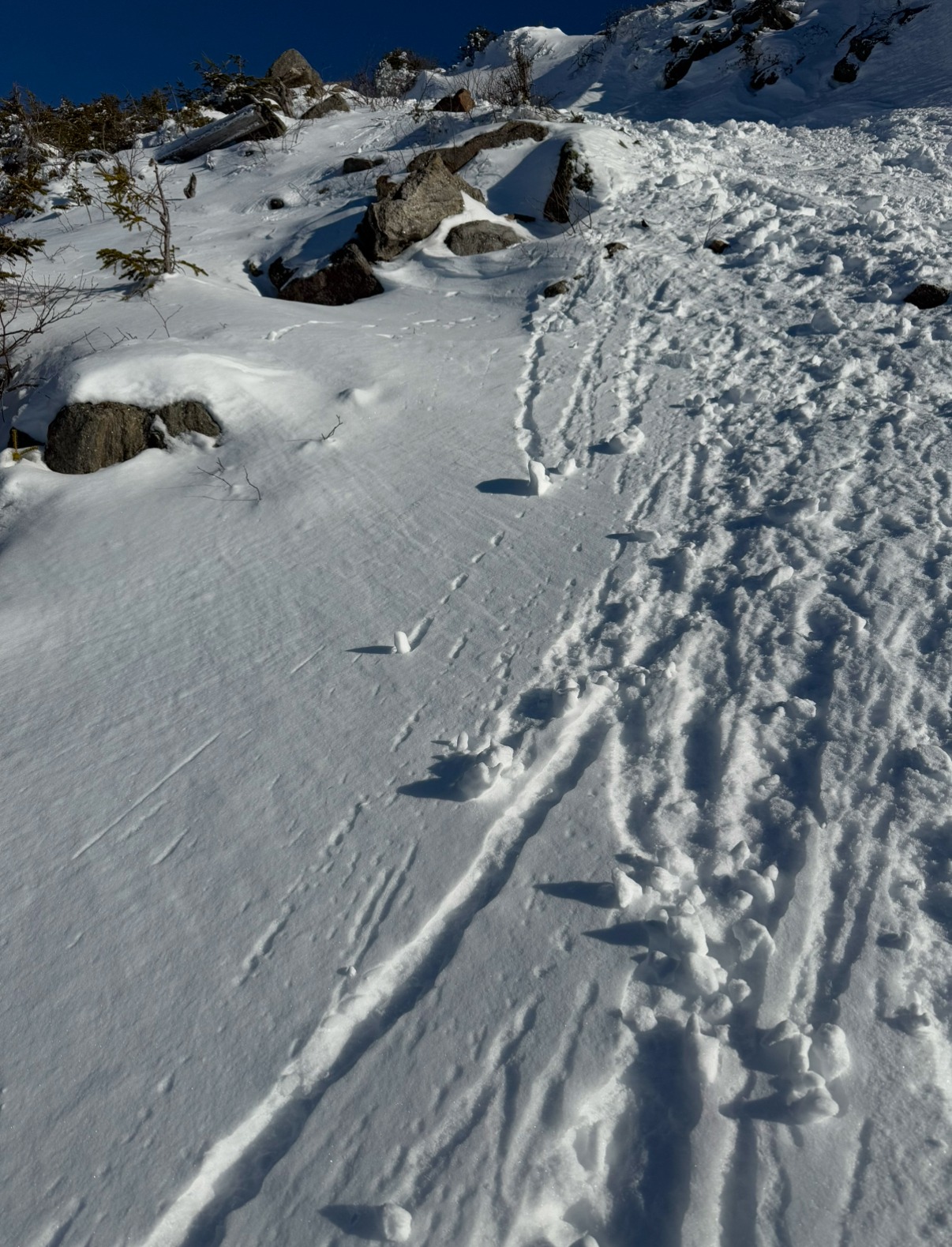
Inverted temperatures had the Summit at about 30 F and the trailhead at about 8 F with temperatures rising as you gained elevation. Clear and sunny skies with no perceptible wind made for very pleasant conditions above treeline. Western aspects spent a lot of time in the sun, with some visible warming and roller balls seen starting near rocks. There was a little bit of soft snow that could potentially be transported, but will take stronger winds to do so.
Snowpack
The snowpack structure does have strong-over-weak characteristics with a 1-finger hard layer over a 4-finger layer (in some places nearly fist hard) on top of an ice layer. Found some cracking in the firmer layer 1-finger, but these cracks lacked energy and only cracked underneath my feet vs propagating forward.
The snowpack structure showed strong-over-weak layers, but I did not find concerning results in traveling across it or digging into it in various NW spots in Burt’s Ravine. The snowpack was variable, with visibly icy sections and wind- affected snow surfaces.
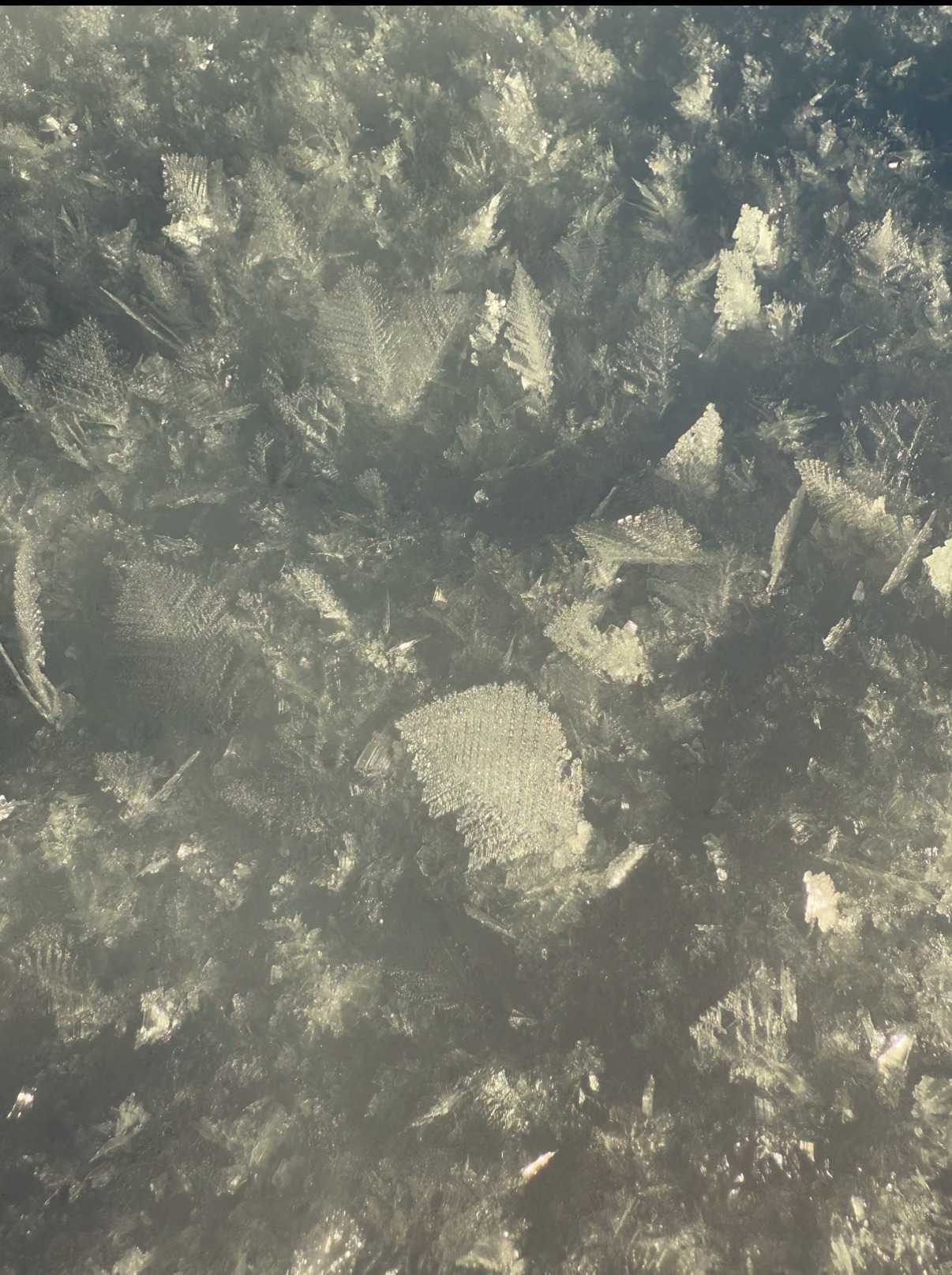
Hand shears failed on the icy layer underneath, and would also fail on the hardness change between the two snow layers. Did a few hasty ECTs and found no propagating results. Found some loose sugary snow atop the ice layer and a quick look showed these grains to be angular. With cold temperatures and a crust layer, these grains are likely near crust faceting grains that with solar gain yesterday and today are beginning to round. Regardless of this weak grain, I was not finding consistent sensitivity on this layer. It is also not widely distributed as these were patches of snow I was assessing and not large, connected slopes. While these pockets shared a consistent structure, since they are not connected each one could behave slightly differently and need to be assessed.