

Quick report
- Cracking
- specific
- Collapsing
- specific
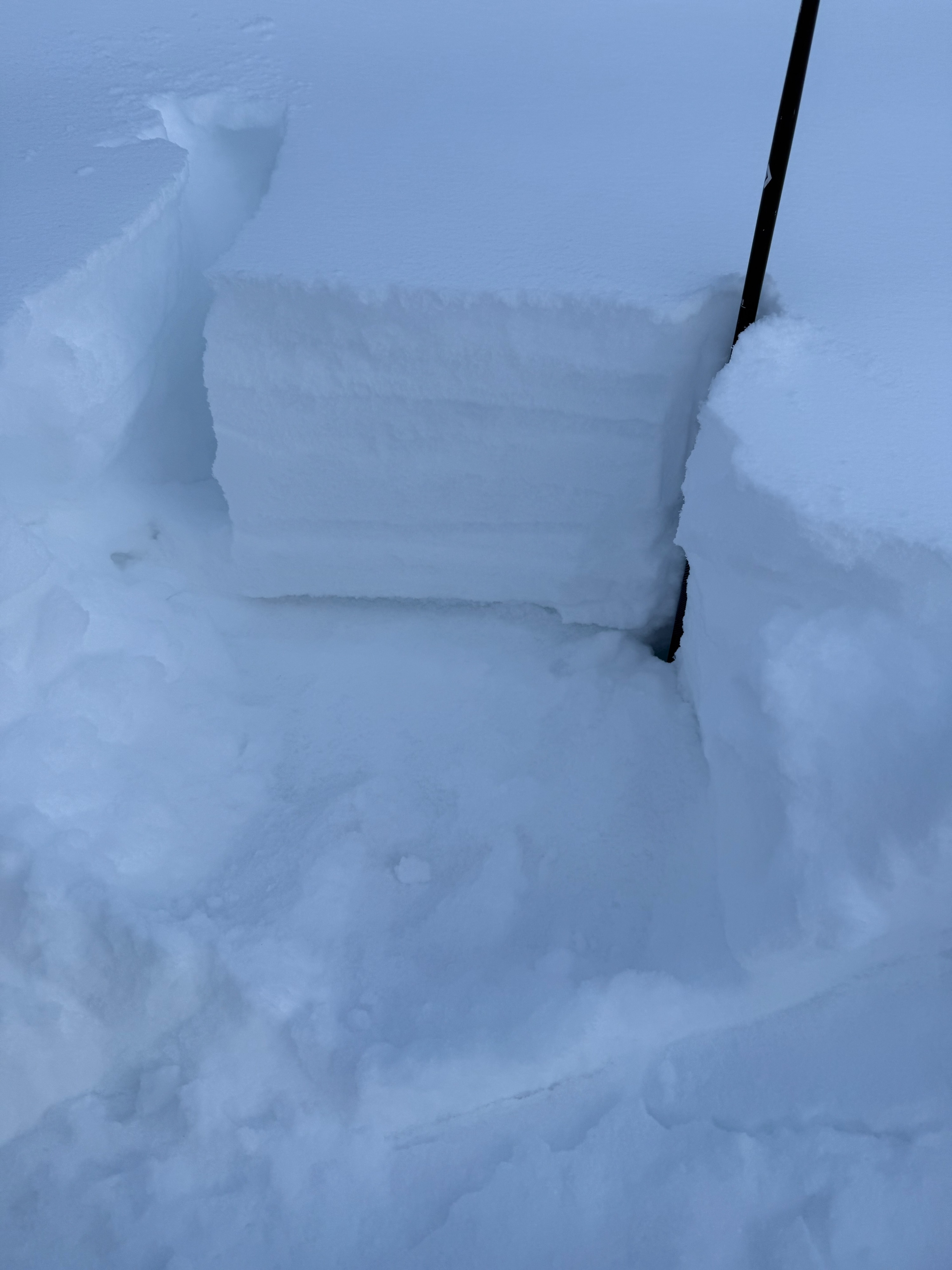
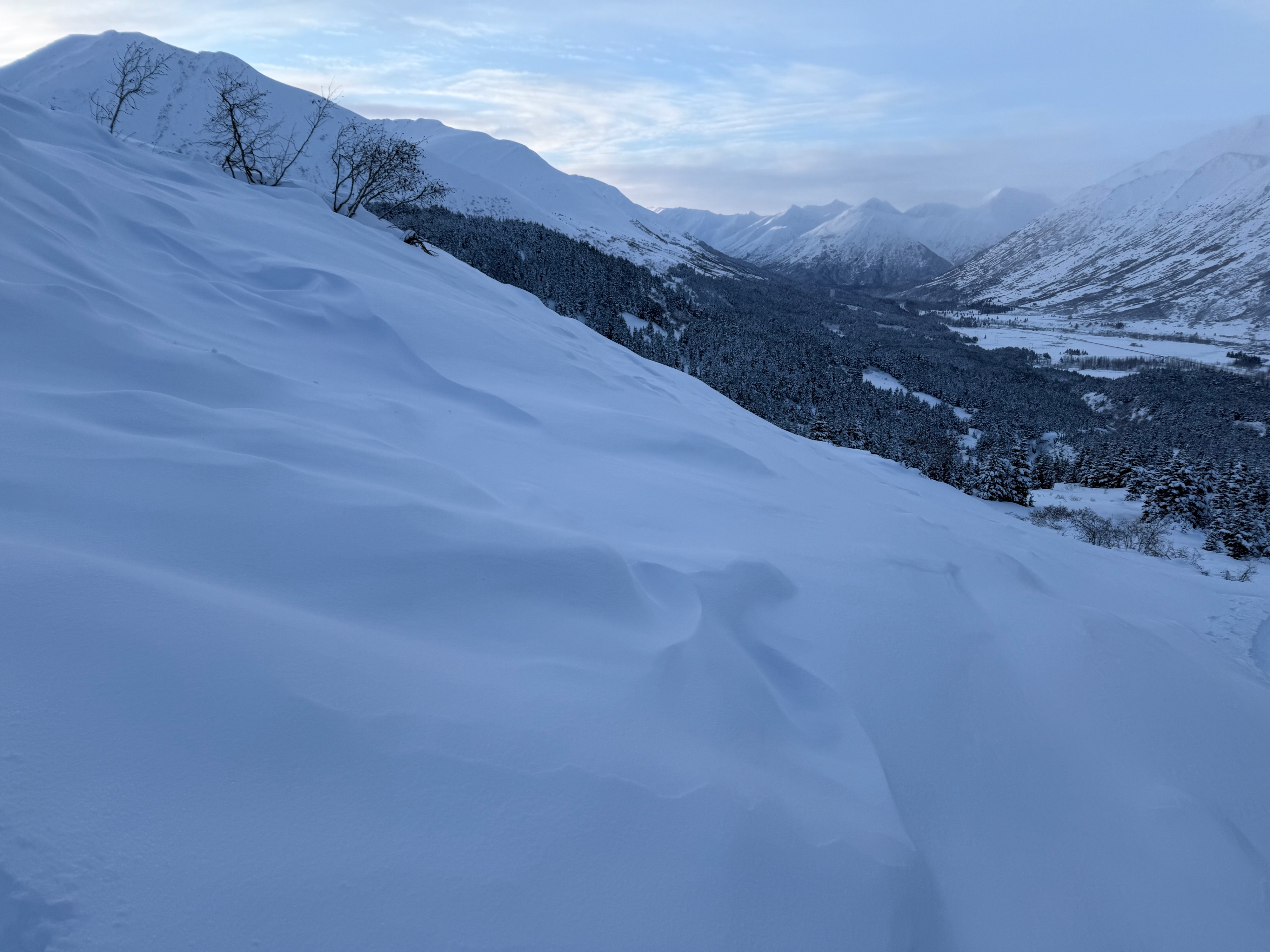
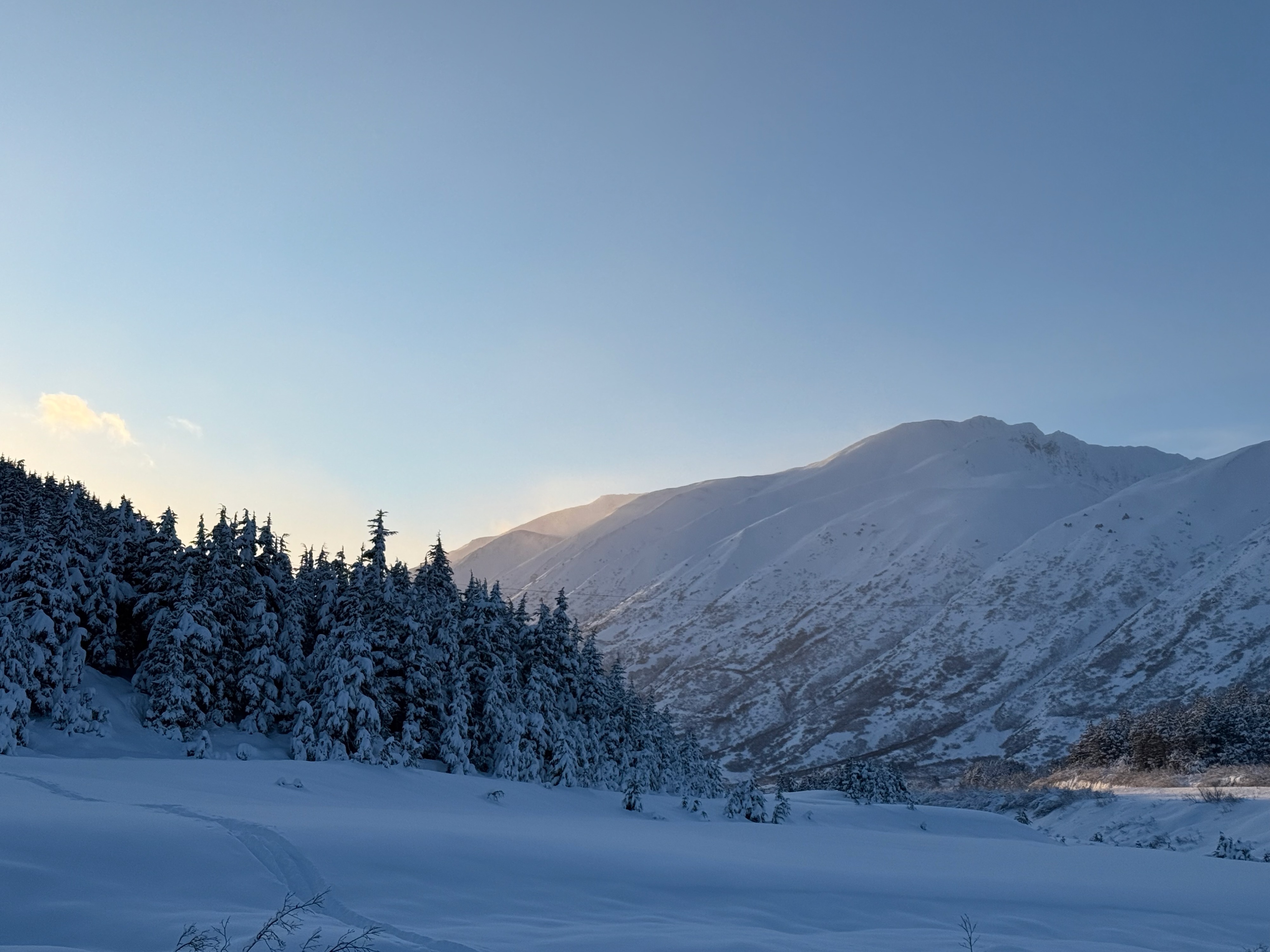
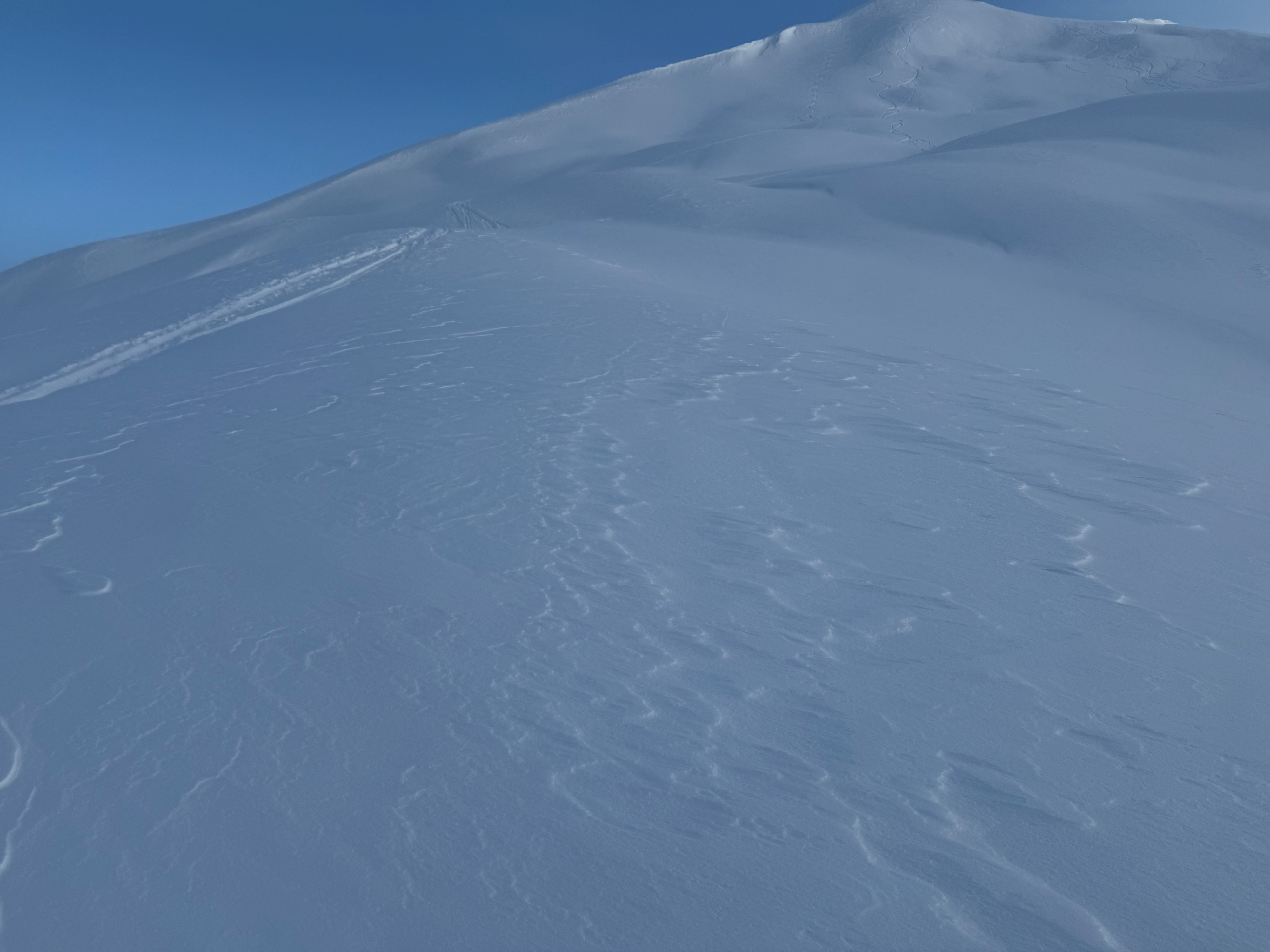
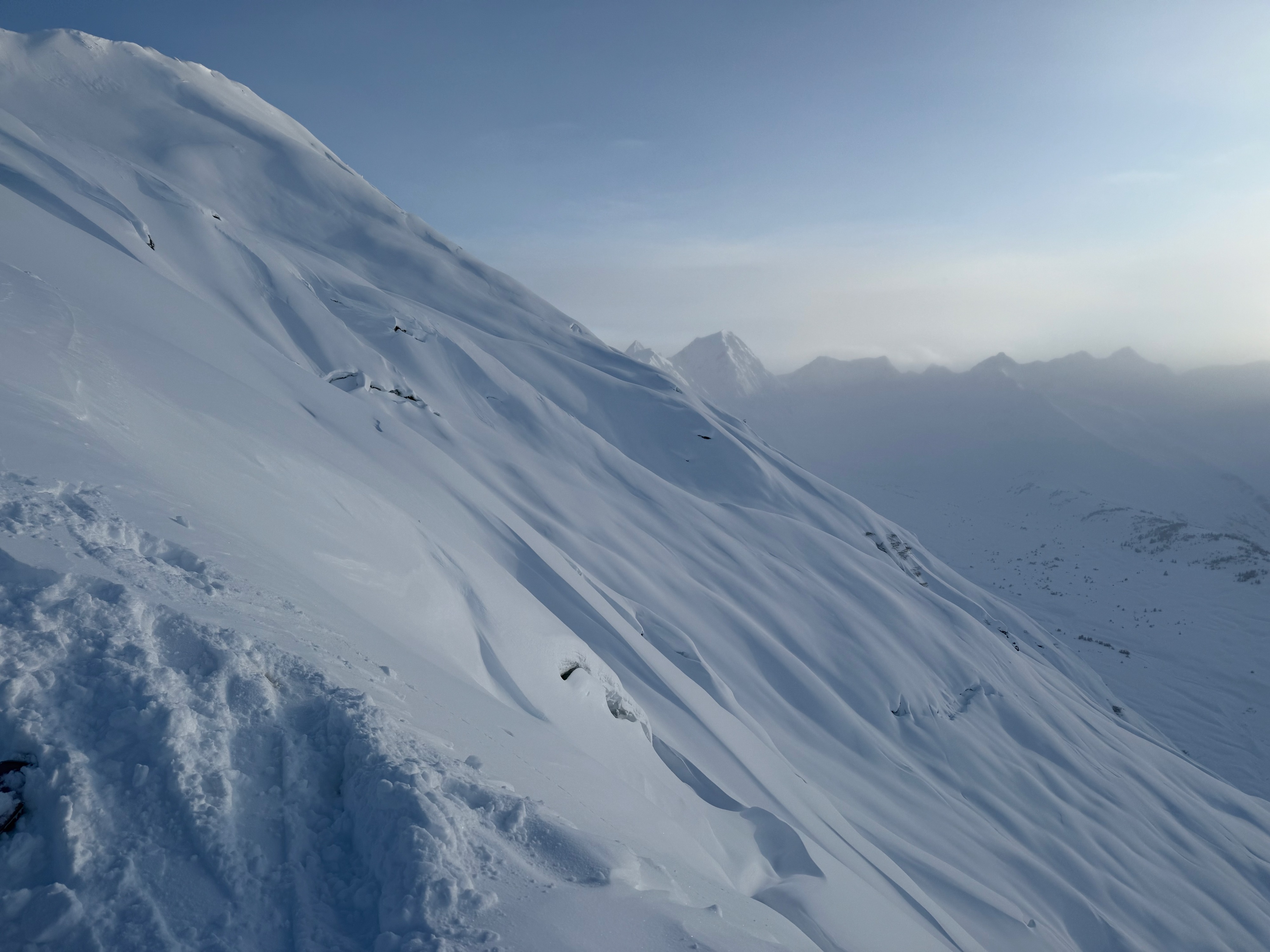
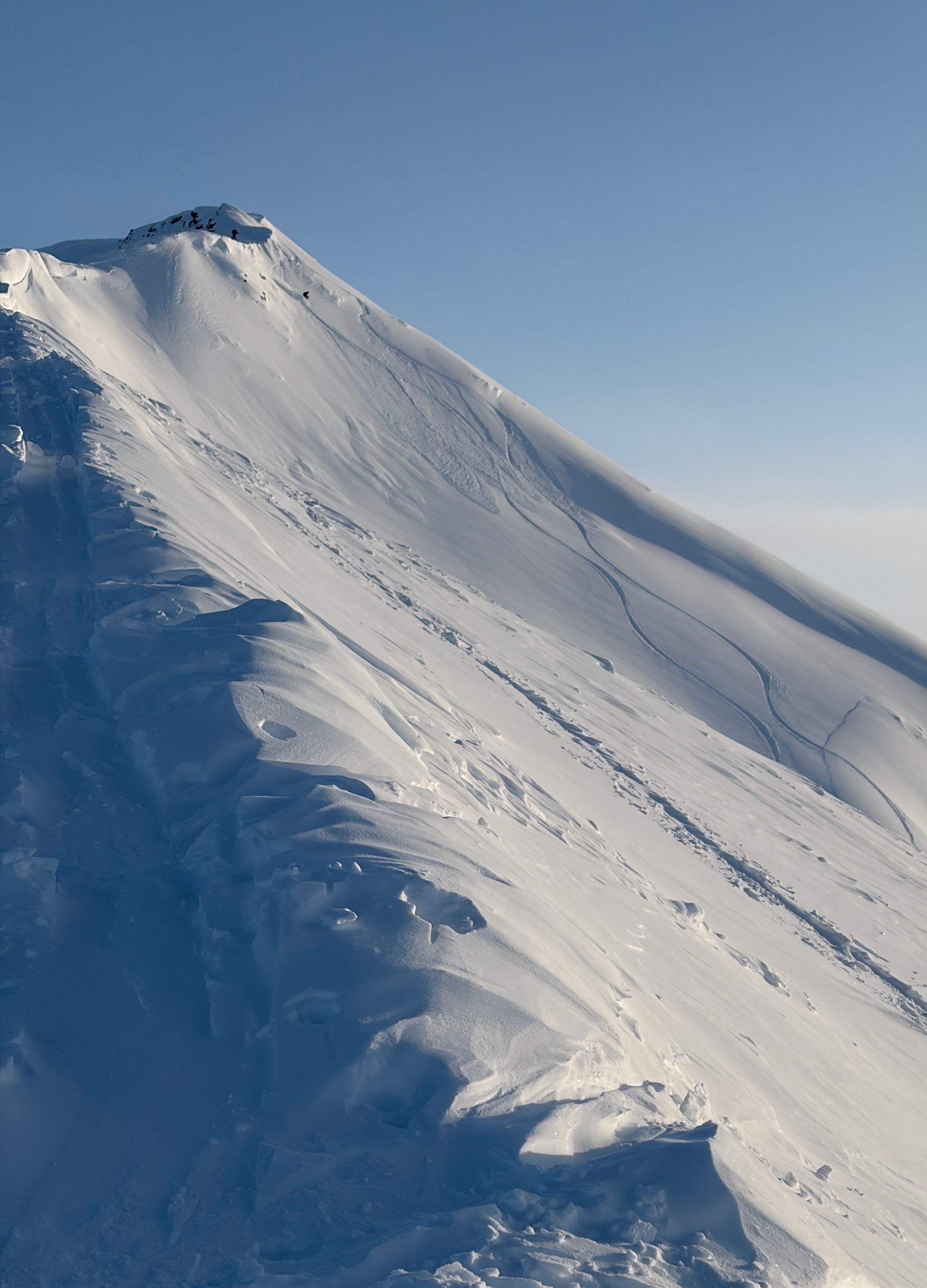
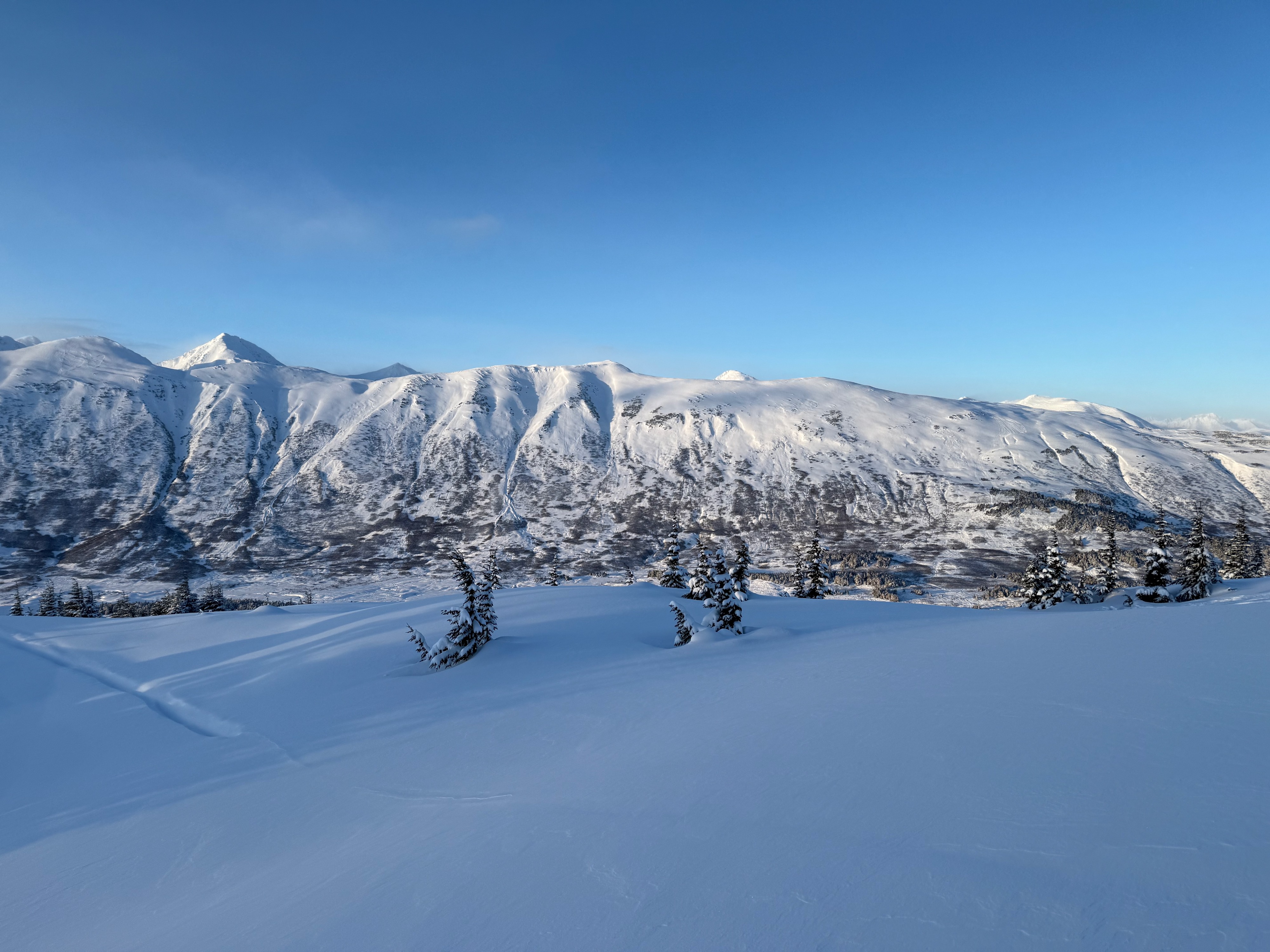
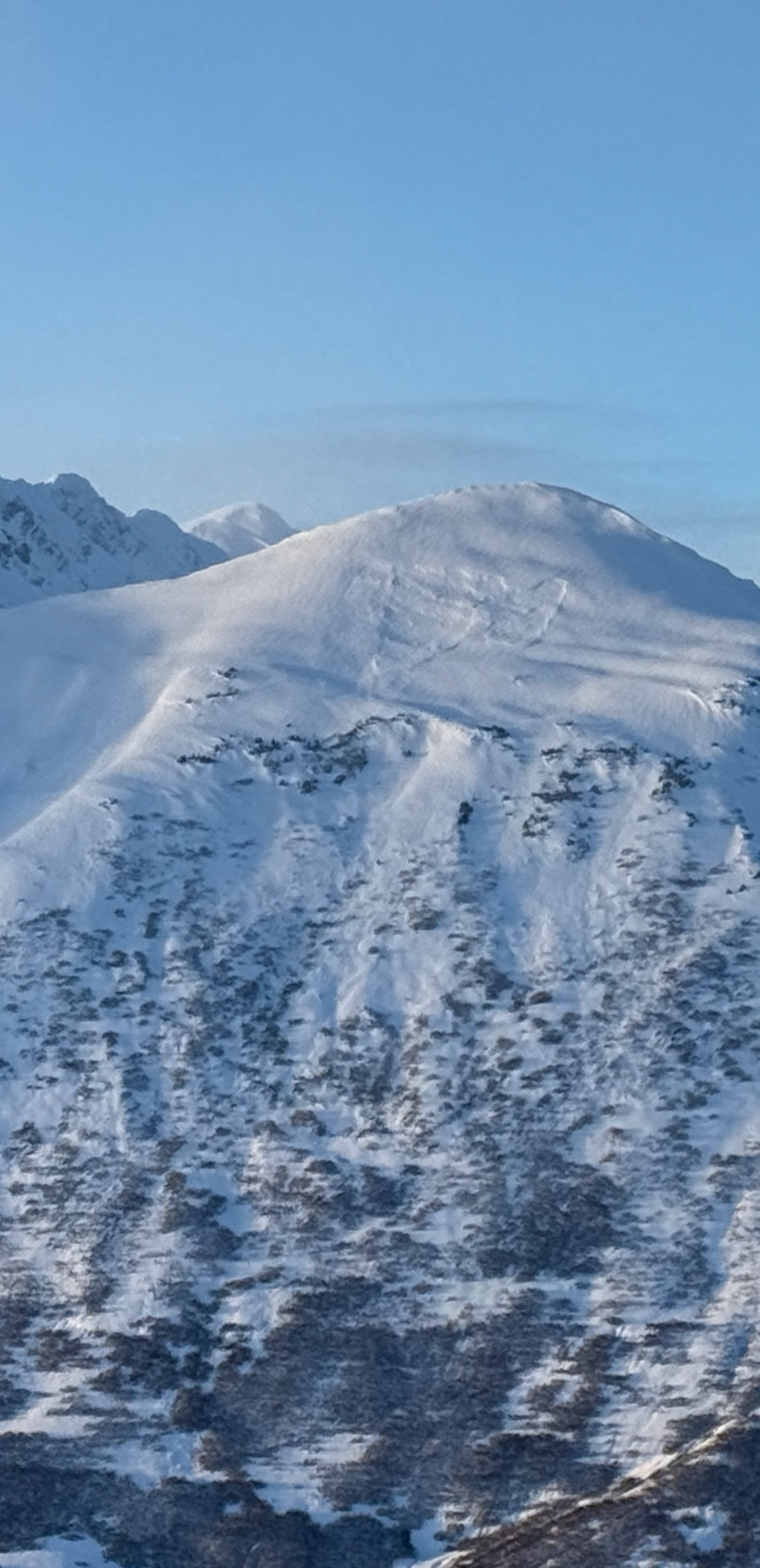
On our tour to Tincan Common, we dug multiple hand pits and did a bunch of ski pole probing to track snowpack structure. There were 5 inches of soft, low-density snow on the surface. In much of the terrain we traveled through, this was on top of soft snow from the past two storms. Once we got to around 2000' we started to see some wind effect. There were some soft drifts and texturing. However, there was still snow in the trees. The wind was blowing from the south in the mid-elevation band but from the north at the ridgeline (there is an interesting phenomenon where north winds are channeled through T-Pass mid-elevations from the south). Along our route, when we detoured from the standard uptrack, we got some collapsing and cracking until about 2300'. The most concerning layer of facets, which we have been talking about in the forecast, was easy to find in all hand pits and easy to feel probing. It was under a melt-freeze crust until just over 2500' and then under a wind crust to our high point at 3100.' On average, there is 1 to 1.5' of snow above the crust (melt-freeze or wind) over a weak layer of facets (this set-up has been described in the forecast and in multiple observations). Some more exposed terrain had a new thin wind crust, and along the ridge, there was a bit of new cornice development and stiff textured snow. We observed some skiers trigger minor sluffing while skiing in Hippy Bowl. We saw a fresh wind slab on Seattle Ridge (BBQ Hill) adjacent to an old glide avalanche.
There was wind-affected snow visible in many of the avalanche path starting zones, driving back along the Arm to Girdwood. This area is more exposed to the north winds.
Between 1500' and 2200', we observed collapsing and cracking when traveling off the skin track. Longest cracks up to 10 ft. away. Some collapses were progressive. The 1st person on the test slope would experience a small collapse, and the 2nd person would trigger another, louder collapse (whumpf) and a more pronounced drop.Weather
- Air Temp
- -14 alpine, 1 at the truck
- Cloud Cover
- scattered
- Wind Loading
- light
- Recent Snowfall
- 13 cm
- Snow Avail For Transport
- moderate amounts
Partly cloudy, light cold north wind, and below-zero temperatures. The sky was "fuzzy" to the south with wind transporting the low-density snow. Flagging was observed on the southern end of Seattle Ridge.
Snowpack
We dug a quick pit at 1600' in a location where we experienced a collapse and found facets above and below a 1-2" melt-freeze crust. The snow was generally soft at this elevation above the crust, and there was not quite enough of a slab to fail in hand pit tests. The collapses were failing in the facets below the crust.
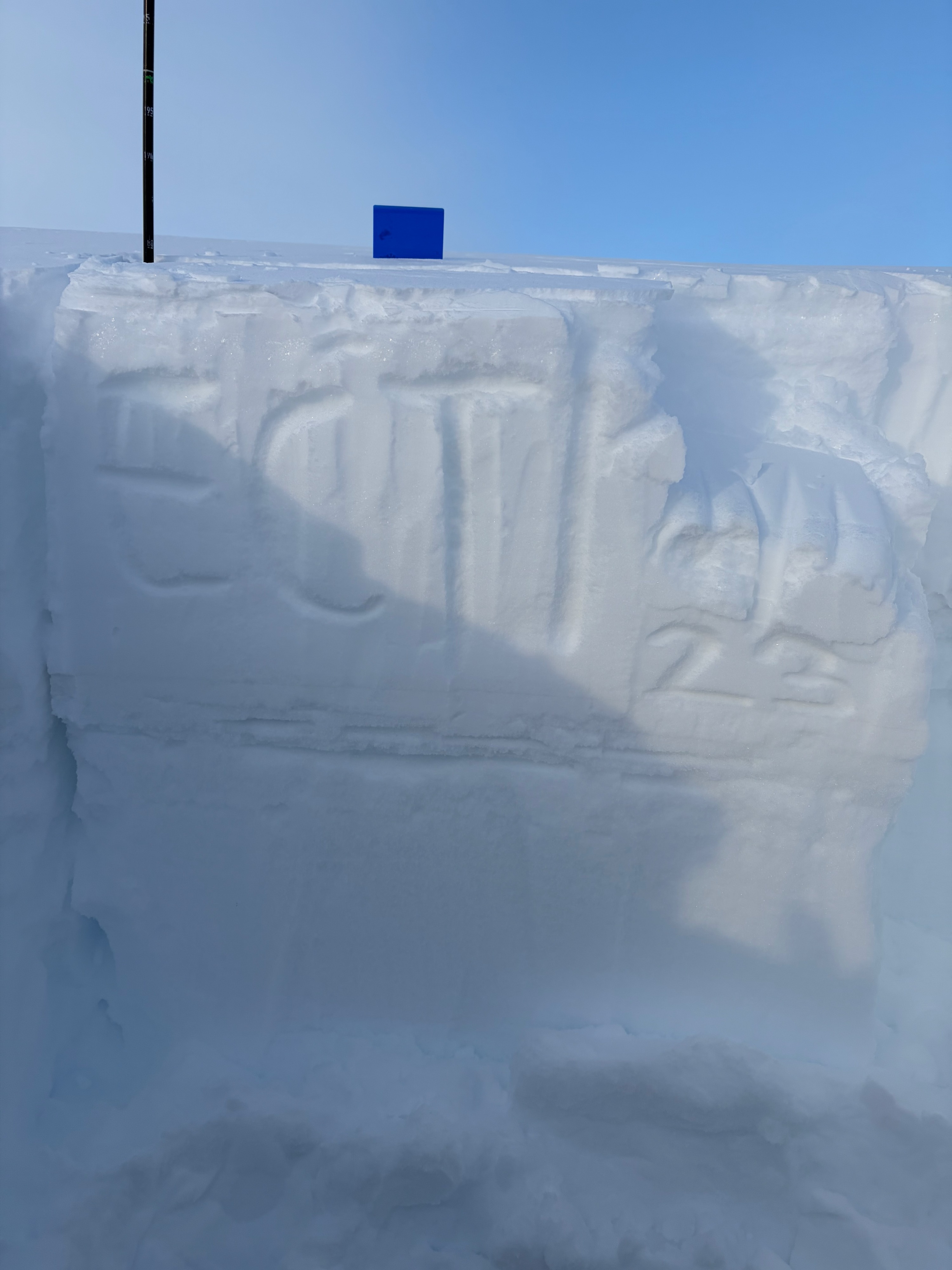
We dug two pits at 2200' on a SE aspect. We found facets above and below a thin melt-freeze crust 1 to 1.5' deep. Our snowpack test failed in the facets (1-2 mm) below the crust (35 cm down in one pit and 50 cm down in the other pit). We had unstable results: ECPT 16 (35 cm down) and ECTP 23 (50 cm). The slab above the crust trended from fist at the surface to 4 finger above the melt-freeze crust,
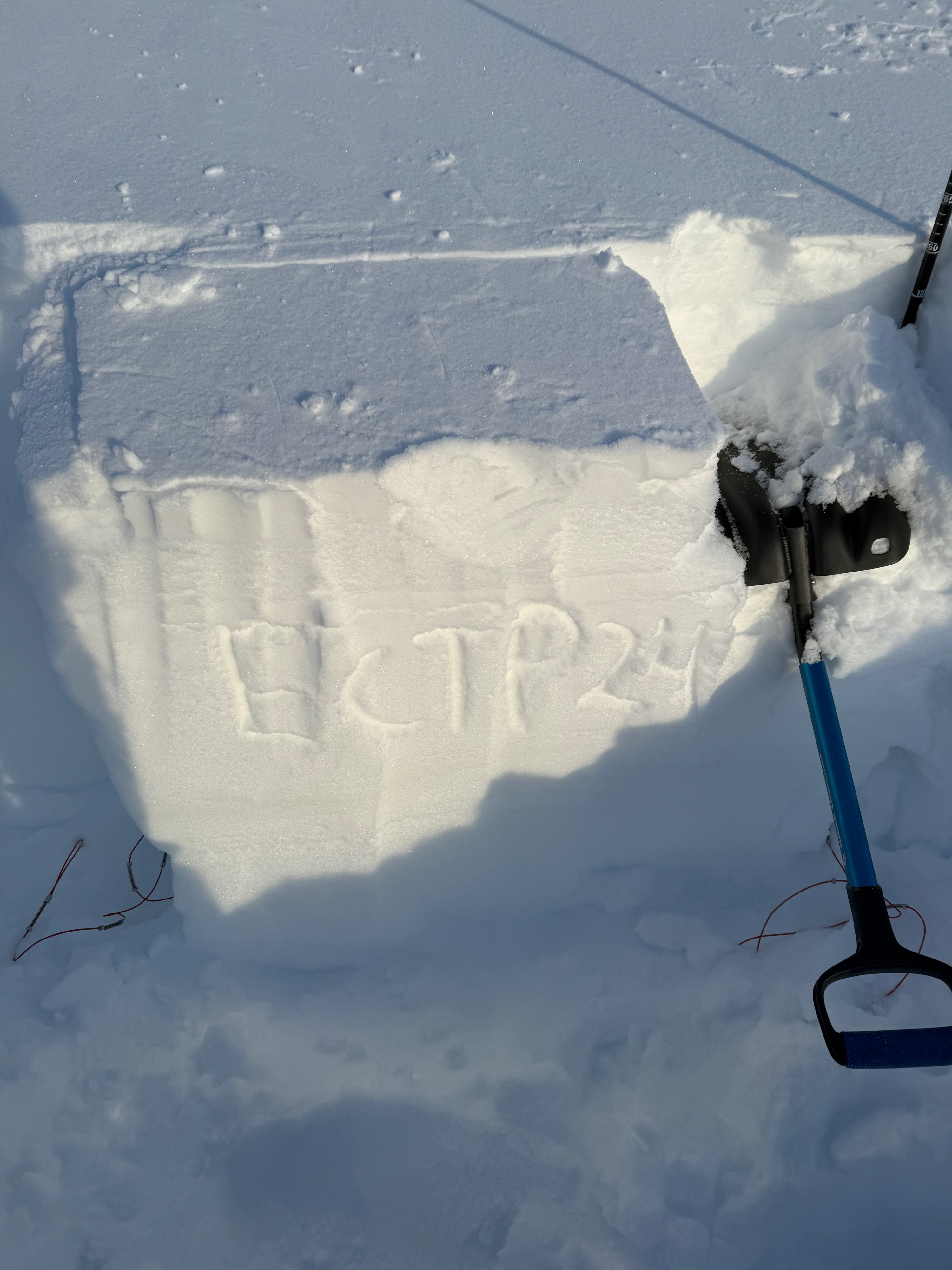
We dug one pit at 3100' on a SW aspect. We found the facets a little over a foot down below a 1 finger hard layer wind crust. We had unstable results in our snowpack test ECTP 24 (40 cm down), failing in the facets (1-2 mm) just below the wind crust. Similar to the pit at 2200', the slab above the crust trended from fist at the surface to 4 finger above the wind crust.