Bollettino valanghe

Southeast Mountains

Crested Butte Avalanche Center
Vedi sulla mappa

Pericolo valanghe

Wed
Alta quota
3 · Marcato
Limite del bosco
3 · Marcato
Sotto il limite
2 · Moderato
Non aggiornato — questo bollettino è scaduto 5 years ago. Stai vedendo condizioni passate, non il bollettino in corso.

In sintesi

The Strange Case of Dr. Jekyll and Mr. Hyde.  The snowpack is generally stable on southerly aspects.  In stark contrast, the snowpack is untrustworthy on the shady half of the compass.  Cautious route-finding is paramount for navigating through northerly terrain, where slabs up to several feet thick are still sensitive to human triggers.     A pair of large avalanches in the past two days and several reports of collapsing and shooting cracks illustrate the danger.   You can play safely in the shade by riding on slopes angles less than 30 degrees that don't connect to steeper terrain above you.  

Problemi valanghivi

  • Persistent Slabs

    • Alta quota
    • Limite del bosco
    • Sotto il limite del bosco
    Probabilità
    Likely
    Dimensione
    1.5–2

    Slabs up to several feet thick have formed over a very weak foundation on slopes that face the north half of the compass. In steep terrain, the distribution of these slabs is highly variable because of a widespread cycle that occurred a few days ago.  On slopes where these slabs are still intact, you can easily trigger a dangerous avalanche.   Avalanches can be remotely triggered from adjacent flat terrain and avalanches might propagate much wider than you expect.  Collapsing snow and shooting cracks are warning signs telling you to stay on mellower slope angles or move to a southerly aspect where the snowpack structure is lacking weak layers.  

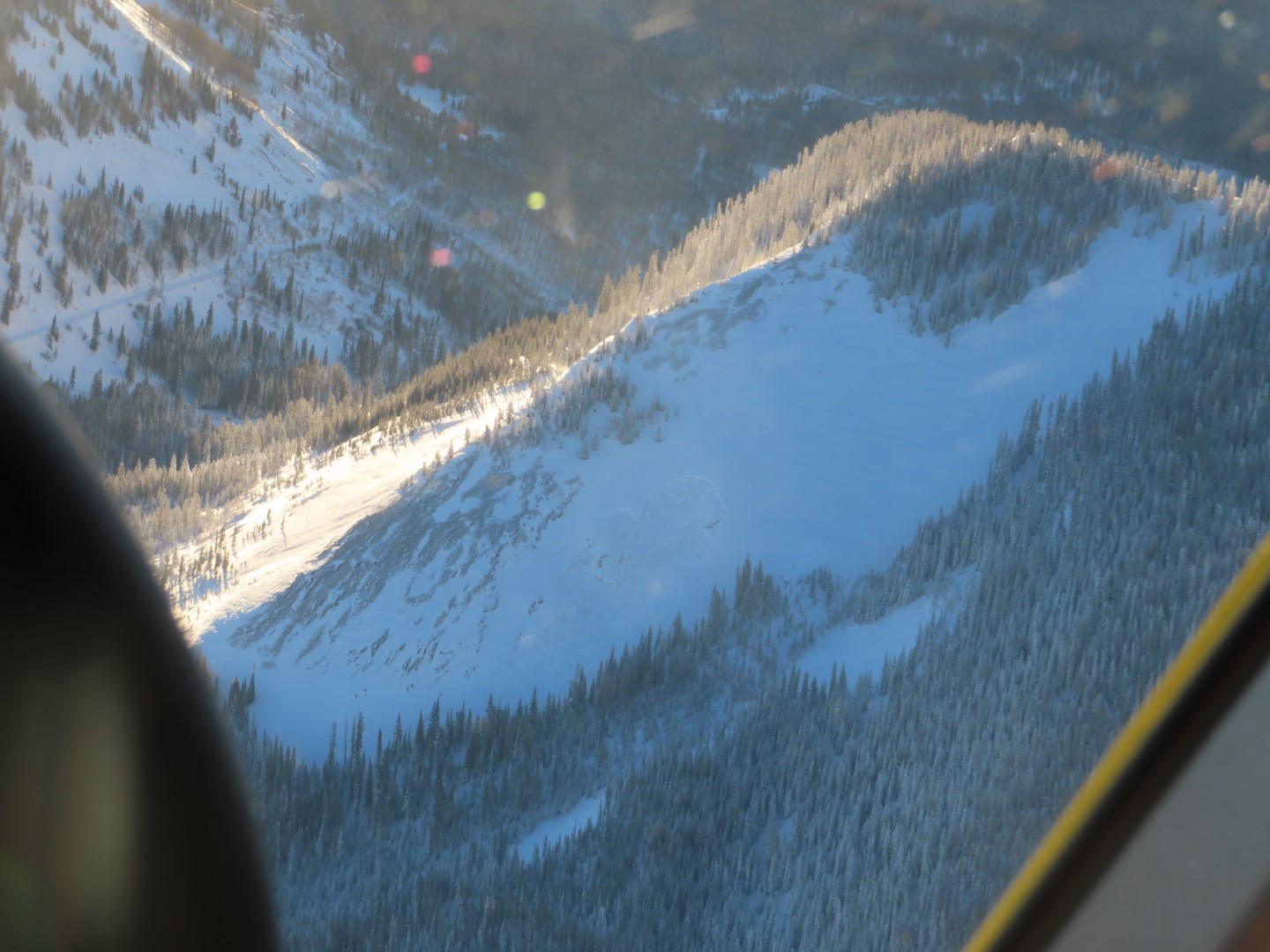
    This widely propagating persistent slab ran naturally during the recent storm on Whetstone 

Avalanche Discussion

The danger has been gradually trending down since a widespread cycle passed on December 10th.   This is in part because slabs are becoming less sensitive to triggers, and in part, because there are fewer slopes holding onto slabs thanks to all of the natural activity.   We're starting the trim to Moderate danger in the Northwest Mountains today, where we have more confidence in extensive natural activity, and where slabs are thicker and trending to stubborn more quickly.   The danger remains Considerable in the Southeast Mountains where weak layers were more fragile prior to the storm, and where slabs are more reactive.  The likelihood of triggering a persistent slab today is straddling likely and possible across our forecast zone. Unless your route is on southerly aspects, this isn't a time to step out aggressively; consequences have not changed.  The gradual downtrend in danger abruptly reverses tomorrow with intense snowfall and strong winds expected to produce more natural avalanches.    

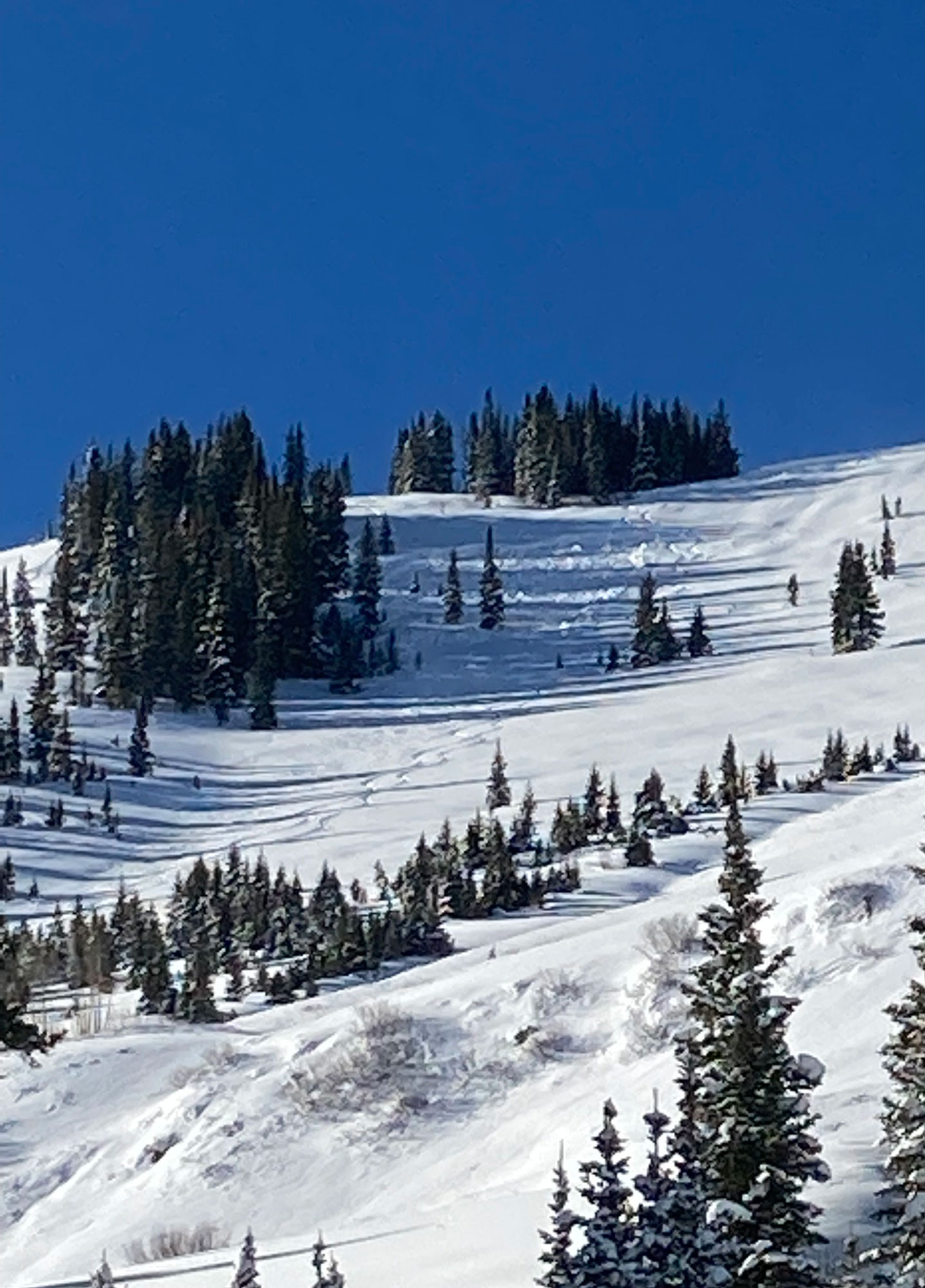
On the southern half of the compass (Dr. Jekyll), conditions are appropriate for stepping out into avalanche terrain.  On the northern half of the compass (Mr. Hyde), the snow structure is ugly and untrustworthy.  We saw several feet of snow quickly pile up onto fragile persistent weak layers that continue to produce obvious signs of instability (Example A, Example B). The good news is that so many terrain features naturally avalanched and the problem is no longer widespread.  The bad news is that identifying the slopes that haven't flushed can be a bit tricky, especially at higher elevations where the winds have concealed the evidence.  We also have uncertainty about repeat offenders on paths that ran early in the storm.   Ironically, it might not be the most classic-looking avalanche start zones that get you in trouble: so many of those flushed during the storm.  It's often the random pockets in sparse glades, or moderate angled terrain (~35 degrees) that catch people as they start inching out into slightly more aggressive terrain as the danger starts to slowly subside after a cycle.  That's the type of terrain that can hang on through the intense loading that we saw on Thursday night, and it will draw you in because it doesn't look quite as scary.  This avalanche from Camo Glades is a great example of a surprisingly evil slope where you can get in trouble today. Or the slides in 7 Bowl or Coney's exemplify the moderate angled terrain that can feel less threatening.   

Regioni coperte