Bollettino valanghe

Southeast Mountains

Crested Butte Avalanche Center
Vedi sulla mappa

Pericolo valanghe

Tue
Alta quota
2 · Moderato
Limite del bosco
2 · Moderato
Sotto il limite
1 · Debole
Non aggiornato — questo bollettino è scaduto 3 years ago. Stai vedendo condizioni passate, non il bollettino in corso.

In sintesi

The safest riding is where the snow surface is soft and protected from the recent wind event.  Last weekend's strong southwest winds formed stiff drifts on leeward terrain features, overlapping with lingering deeper instabilities.  Stay off of slopes with obvious signs of recent wind loading to reduce your risk of triggering an avalanche.  Wind slabs will appear smooth, rounded, and firm.  

Problemi valanghivi

  • Wind Slabs

    • Alta quota
    • Limite del bosco
    • Sotto il limite del bosco
    Probabilità
    Possible
    Dimensione
    1–2

    Strong to extreme southwest winds since Saturday afternoon formed drifts of varying thickness and hardness in wind-affected terrain.  Some slabs will be thick and dense enough to break above you.  Wind slabs are most common near and above treeline, but also exist on a few open slopes below treeline.  Cracking or collapsing drifts are obvious signs of instability, though feedback will become more erratic now.  Use visual clues to identify potential issues:  slabs will look smooth and rounded, typically below ridgelines, in gullies, or behind rollovers.   You can avoid the problem in wind-protected or wind-eroded slopes.   

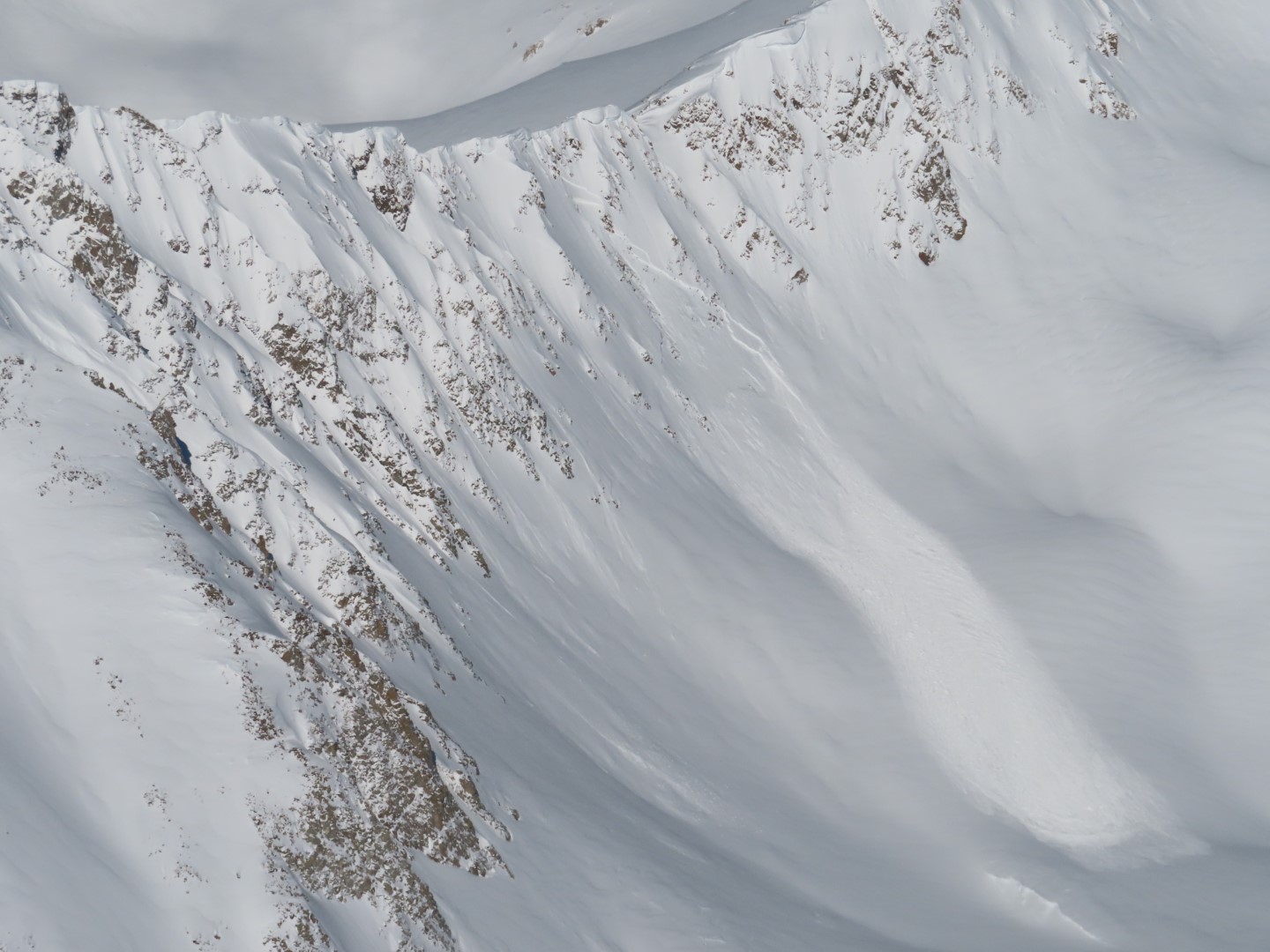
    Several natural wind slabs ran in Redwell Basin on 3/5.  

  • Persistent Slabs

    • Alta quota
    • Limite del bosco
    • Sotto il limite del bosco
    Probabilità
    Possible
    Dimensione
    2–2.5

    Over the past few weeks, we have observed a relatively infrequent but continuous pattern of large avalanches or collapses failing on weak, faceted layers deeper in the snowpack.  Persistent slab activity has been most problematic on wind-loaded terrain at higher elevations, though isolated instabilities exist below treeline.  Carefully assess the snowpack structure and give yourself a margin for error in handling this problem because there is a high degree of variability across the region and on different aspects.  Some examples of recent persistent slab activity include a large natural in Conundrum Creek on 3/4, a very large skier-triggered avalanche near Aspen Highlands on 3/2, a remotely triggered avalanche near Friends Hut on 3/1, and a natural step-down avalanche near Coffee Pot Pass around 3/1. 

    A large persistent slab that ran over the weekend (3/4-3-5) near Ashcroft.

Avalanche Discussion

Winds and transport are trending down compared to yesterday, but the damage has been done.  Ongoing snow transport yesterday produced a number of natural and triggered wind slabs, ranging from D1 to D2 in size, skewed towards the smaller end.  The wind event left dense slabs scattered across leeward terrain at higher elevations and in a few drifted areas below treeline.  The slabs are expected to be more difficult to trigger today, but they'll be just as troublesome if you do.  Sustained strong winds without new snow for fuel mean that many of the slabs are now hard and more challenging to manage or escape from.  The simplest strategy is avoidance until they have a few days to heal up.  You'll find softer, safer snow in wind-sheltered terrain or where the snow surface is rippled from wind erosion.  

With almost every wind event in the past month, we've observed one or a few persistent slabs release on windloaded slopes in the Southeast Mountains.  Over the weekend, a resident in Conundrum Creek (on the Aspen side) was engulfed in a powder cloud by a large persistent slab that ran naturally as wind transport intensified, and a similar avalanche crossed Express Creek Road.  Although the Aspen side has been the bullseye of persistent slab activity in the past couple of weeks, conditions are often similar in parts of our shallower zone where we don't get as much traffic or regular feedback. The persistent slab problem is most concerning near and above treeline in the Southeast Mountains, though isolated exceptions could exist elsewhere.  Most of our concerns involve facets or faceted crusts in the upper few feet of the snowpack. Well-placed stability tests can be helpful for identifying potential issues because the problem is certainly not everywhere.

Looking ahead, we're in a bit of a holding pattern with danger ratings as the sensitivity of wind slabs and persistent slabs gradually decrease, but remain possible in the near term.  

Regioni coperte