Bollettino valanghe

Northwest Mountains

Crested Butte Avalanche Center
Vedi sulla mappa

Pericolo valanghe

Tue
Alta quota
3 · Marcato
Limite del bosco
3 · Marcato
Sotto il limite
3 · Marcato
Non aggiornato — questo bollettino è scaduto 4 years ago. Stai vedendo condizioni passate, non il bollettino in corso.

In sintesi

People continue to get caught in avalanches on an almost daily basis around Colorado.  Continuous snowfall and wind-loading on a weak snowpack have created dangerous slab avalanche conditions.  The steady string of large avalanche activity and rumbling collapses speaks for itself.   The safest riding is on slopes that lack old, weak snow at their base, or on slopes consistently less than 30 degrees.  The danger will be rising tomorrow with significant snow and continued winds.  

Problemi valanghivi

  • Persistent Slabs

    • Alta quota
    • Limite del bosco
    • Sotto il limite del bosco
    Probabilità
    Likely
    Dimensione
    1.5–2.5

    Persistent slabs are sensitive to human triggers on many slopes today.  They can be triggered remotely from below steep slopes, and some may fail naturally.  There's a widespread weak layer of facets and faceted crusts buried by 2 to 3 feet of recent snow on most northerly and easterly-facing terrain.  The slabs are largest in leeward terrain at higher elevations.  The problem is less common, but not out of the question on windward or southerly slopes that hold old snow layers near the ground.  Treat any slope with old snow at the base of the snowpack as suspect.  Collapses and shooting cracks are clear signs of danger, warning you to choose conservative terrain.  

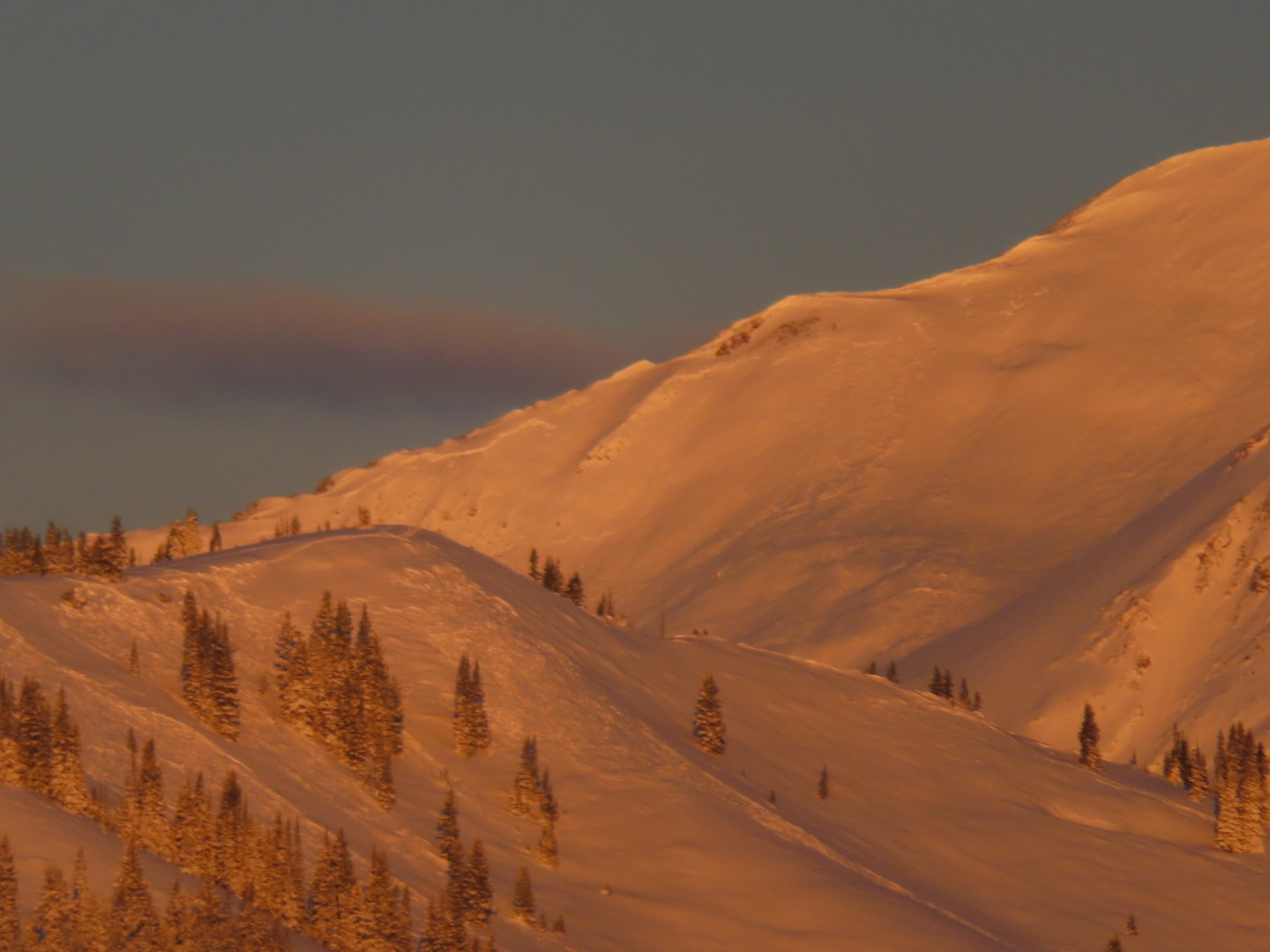
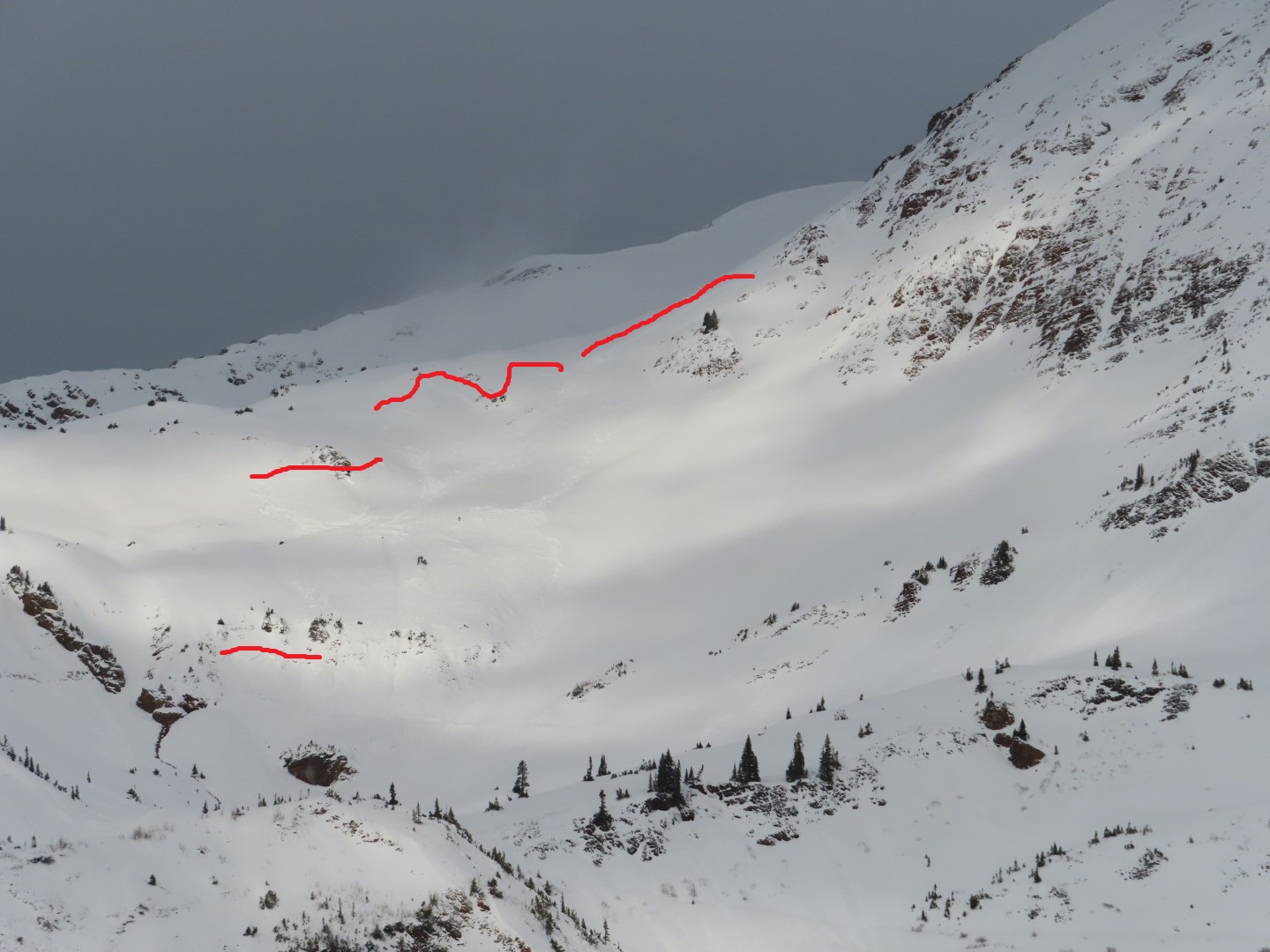
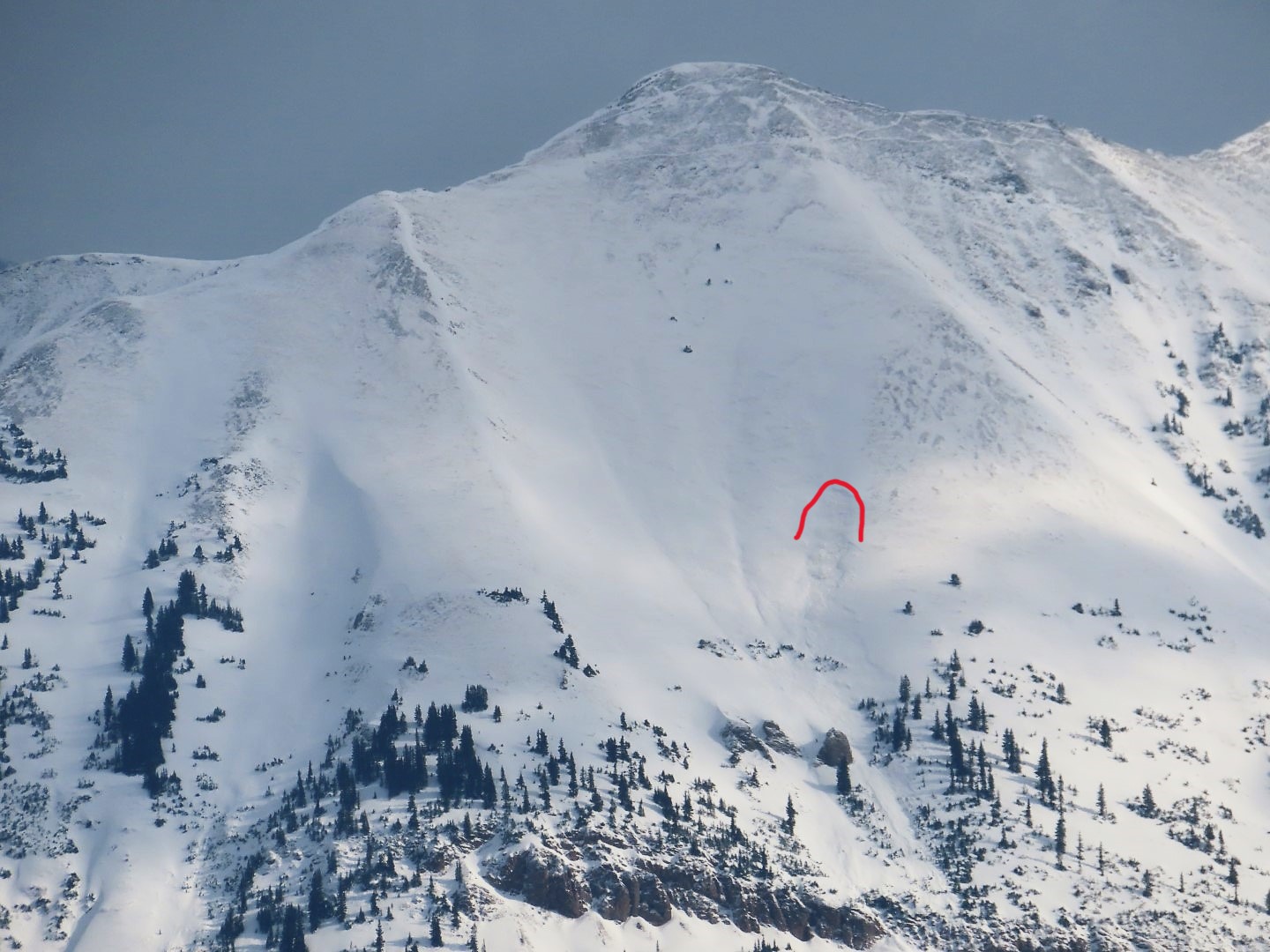
    Several persistent slab avalanches that ran naturally this week on Schuylkill Ridge.  

  • Wind Slabs

    • Alta quota
    • Limite del bosco
    • Sotto il limite del bosco
    Probabilità
    Possible
    Dimensione
    1–2

    Winds are increasing out of the southwest and west this morning, blowing 30 and gusting to 60 mph.  Most wind-loaded slopes will break deeper into old layers. However, if you are traveling on terrain lacking a persistent slab problem, manage for fresh wind slab instabilities.  They'll be forming on cross-loaded terrain features or below ridges, evidenced by blowing snow and thicker drifts.  

Avalanche Discussion

There have been numerous people caught in avalanches this week around the state (Examples A, B, C, D)  Unfortunately, the deepest coverage and most attractive riding are on the most dangerous slopes.  Patience is the name of the game while our snowpack goes through its early season growing pains.  Another period of heavy snow favoring the Northwest Mountains with moderate to strong winds tomorrow will likely spur another round of large natural avalanches on Tuesday.  An Avalanche WATCH is in effect.  

Improved visibility yesterday allowed our forecast team to document another D1 to D2 avalanche cycle that peaked during Friday's snow and wind event (See these obs from Baxter Basin, Schuylkill Ridge, and Whetstone).  The danger is fairly straightforward right now.  Slopes that held old snow prior to our recent storms are on the naughty list.  Low-angle terrain or slopes that were free of snow in late November are on the nice list.  These two observations from the Northwest Mountains and Southeast Mountains document the distribution of our problematic weak layer that formed during November's dry spell.    You don't have to be an avalanche expert to recognize if there's old snow at the bottom of the snowpack.  It's soft, large-grained, and sugary, and continues to produce collapses and shooting cracks everywhere in our forecast area.  Some collapses and avalanches on this layer are propagating impressively wide distances despite our relatively thin early-season snowpack.   

There are some subtleties to the situation.  Fresh wind slabs are also forming and could be triggered on slopes without an old weak layer.  An abundance of avalanche activity in the past week has caused variability with slabs and weak layers on the most troublesome aspects: north through east.  That means some slopes will not give feedback while others will.  The weak layer is less widespread and generally stronger on the sunniest, warmest aspects: south to southwest.  That, along with wind drifting patterns, explains their lack of avalanche activity in the past week.  However, some southerly slopes do have facets lurking above early-season crusts or thin, collapsible crusts. That is especially concerning on southeast-facing terrain at higher elevations (Ex Augusta and Mineral Point avalanches).   And lastly, windward alpine terrain lacks slab formation in many areas because of wind erosion.  If you find a west or northwest-facing slope that has enough snow coverage to be attractive for making turns, it should be just as concerning.

Regioni coperte