
Quick report
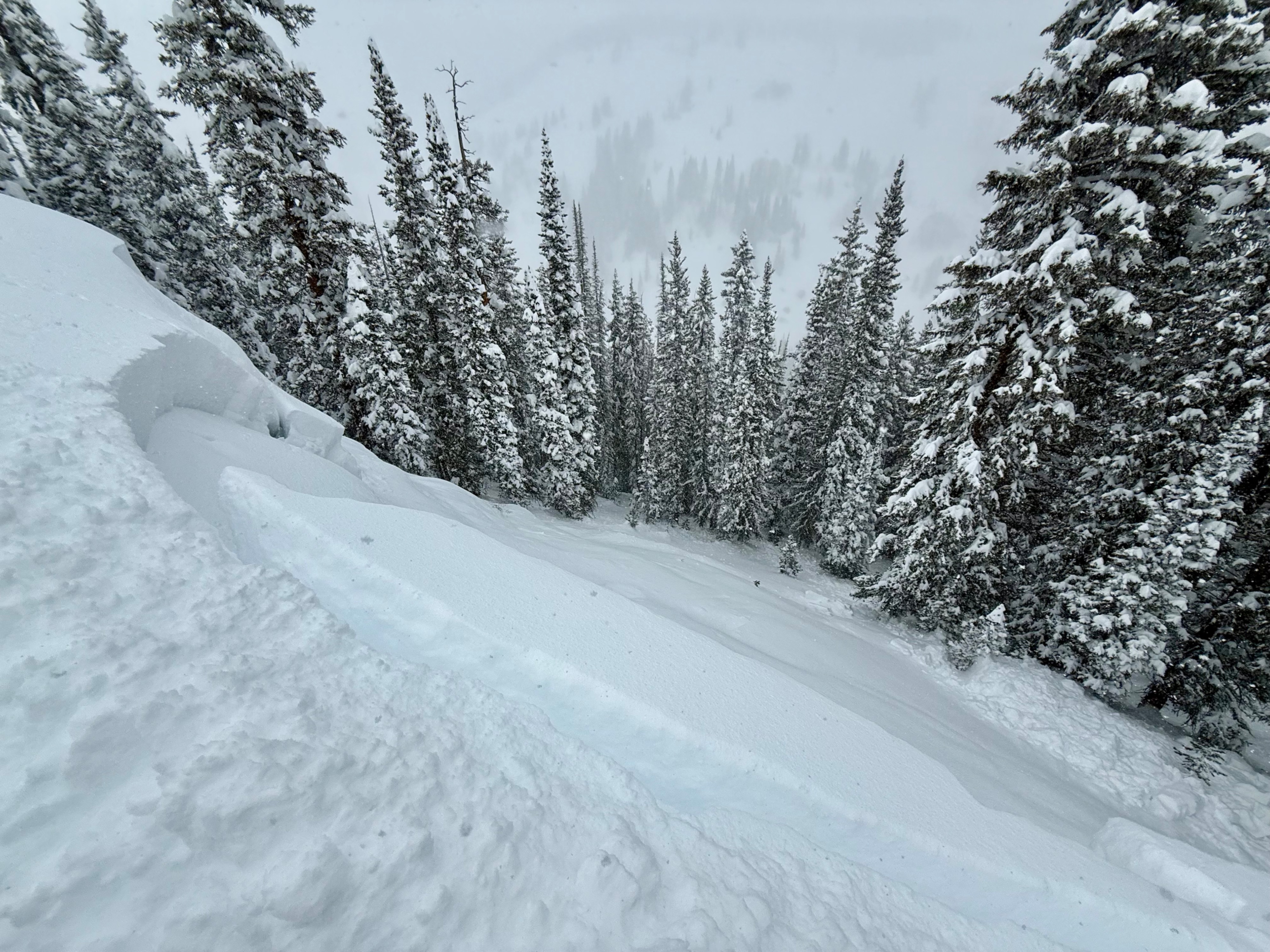
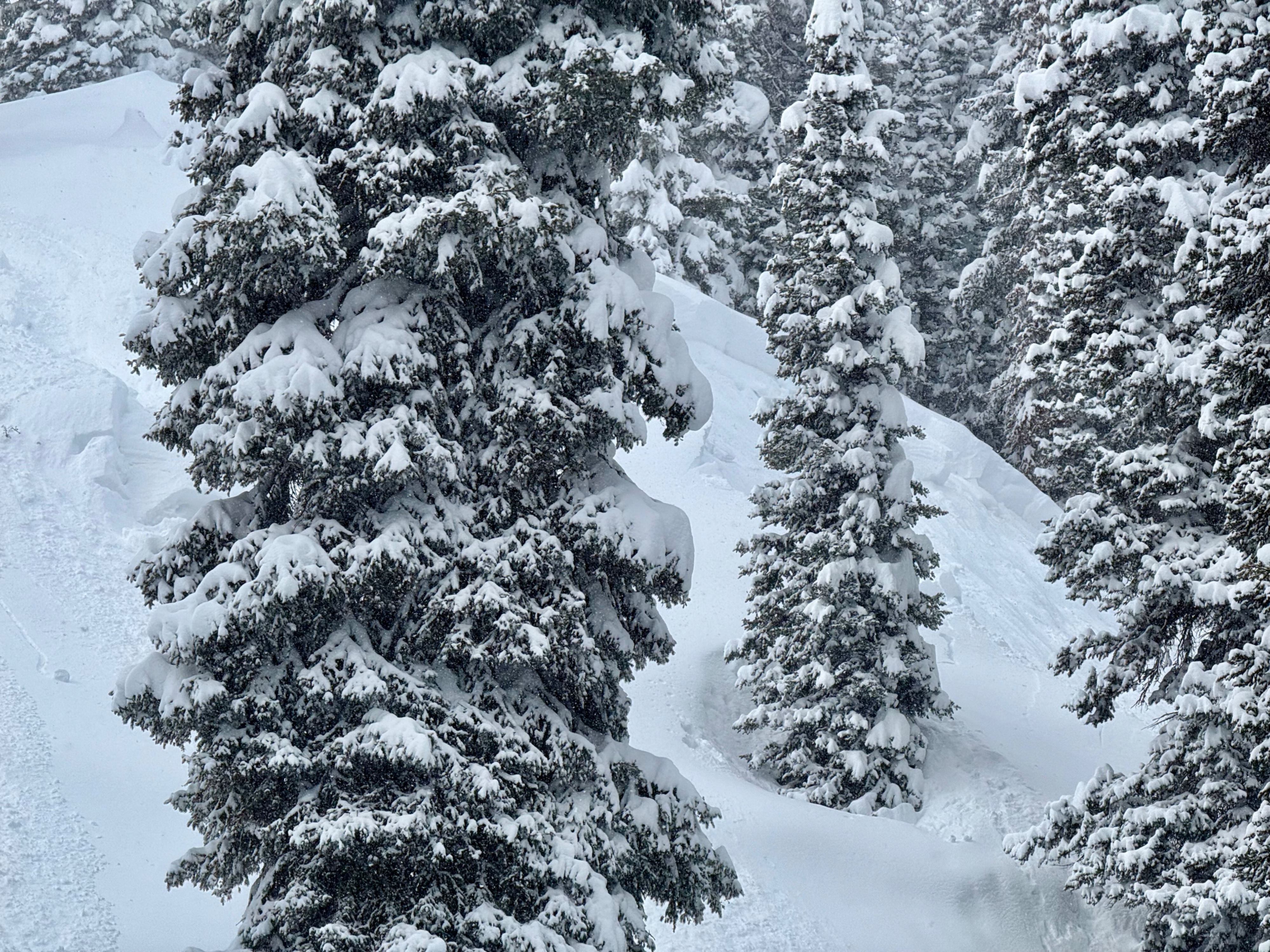
I didn't observe any obvious signs of instability other than remotely triggering several avalanches.
Weather
Short mid-day observation. Periods of heavy snowfall rates, alternating with calm conditions and little breaks in the clouds. Light to moderate winds at 10,000ft with periods of light wind loading transport.
Snowpack
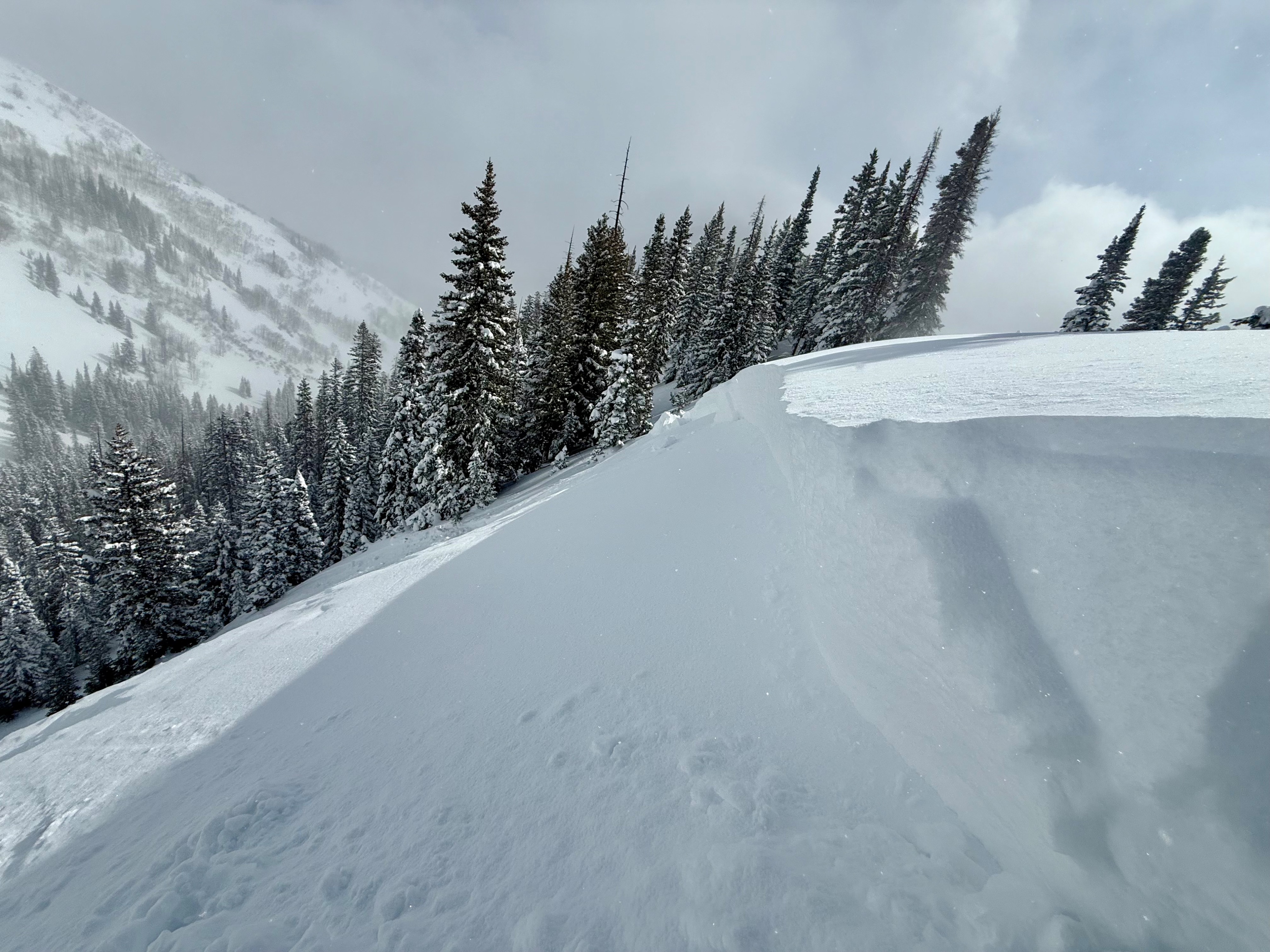
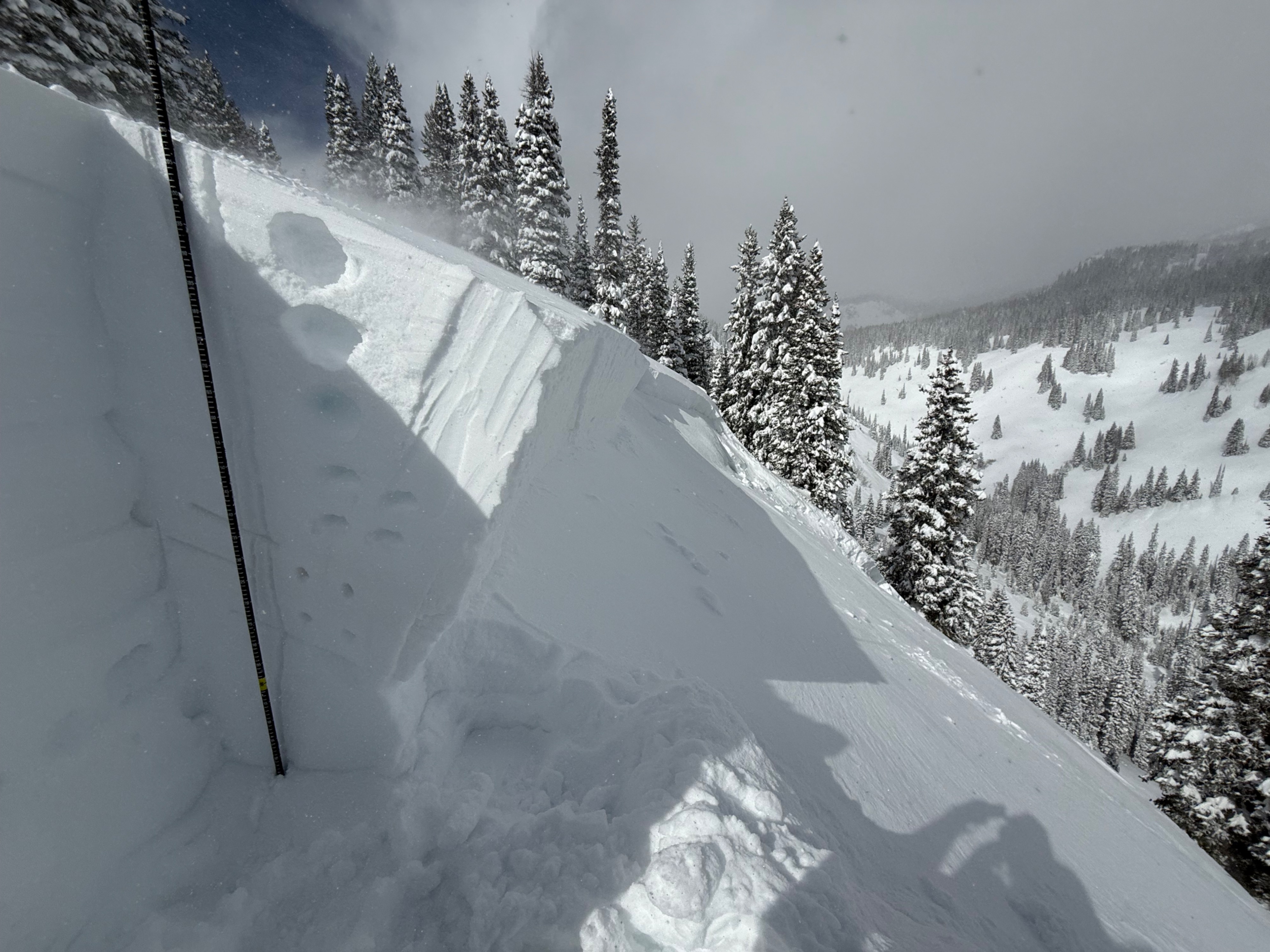
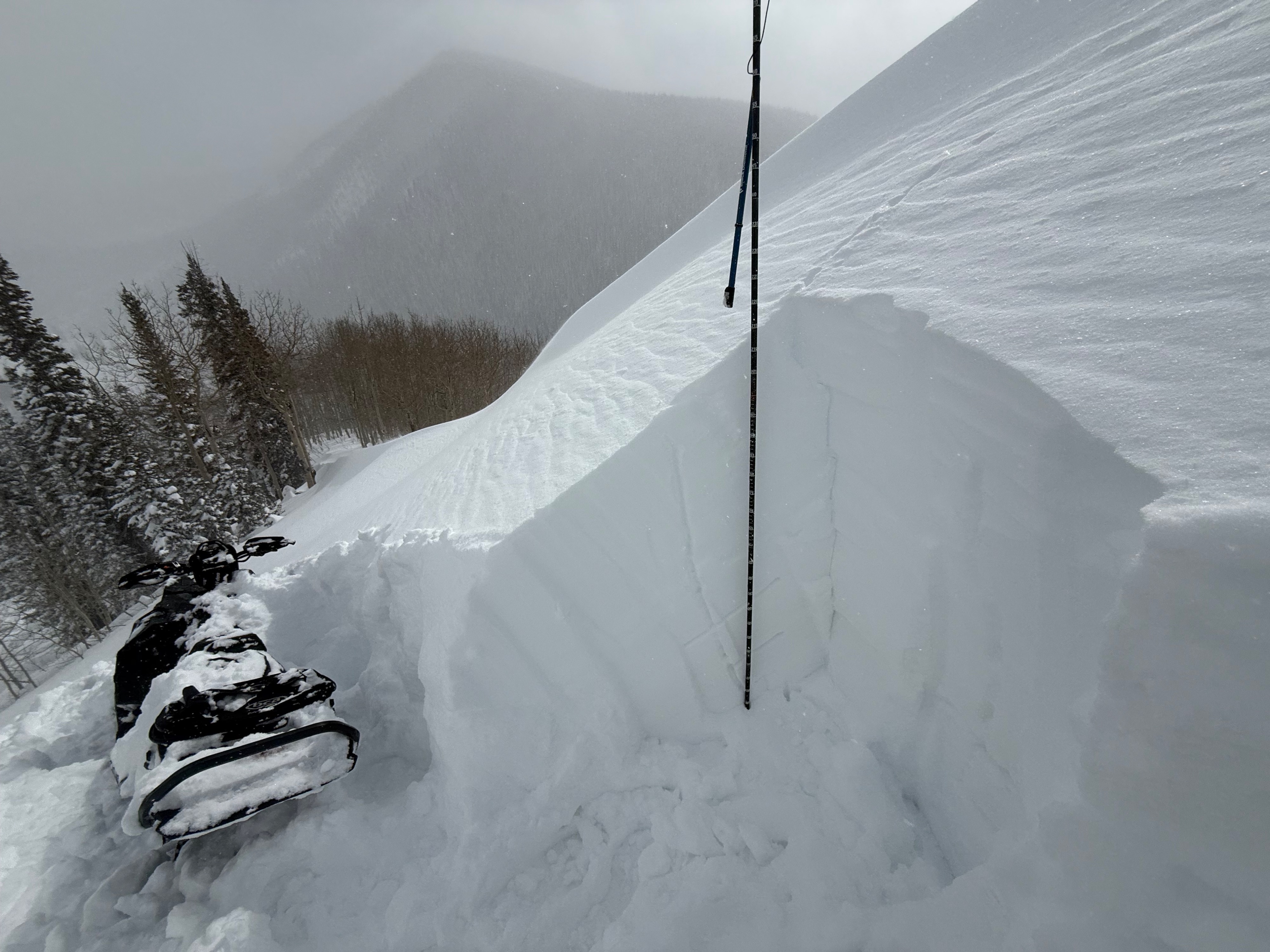
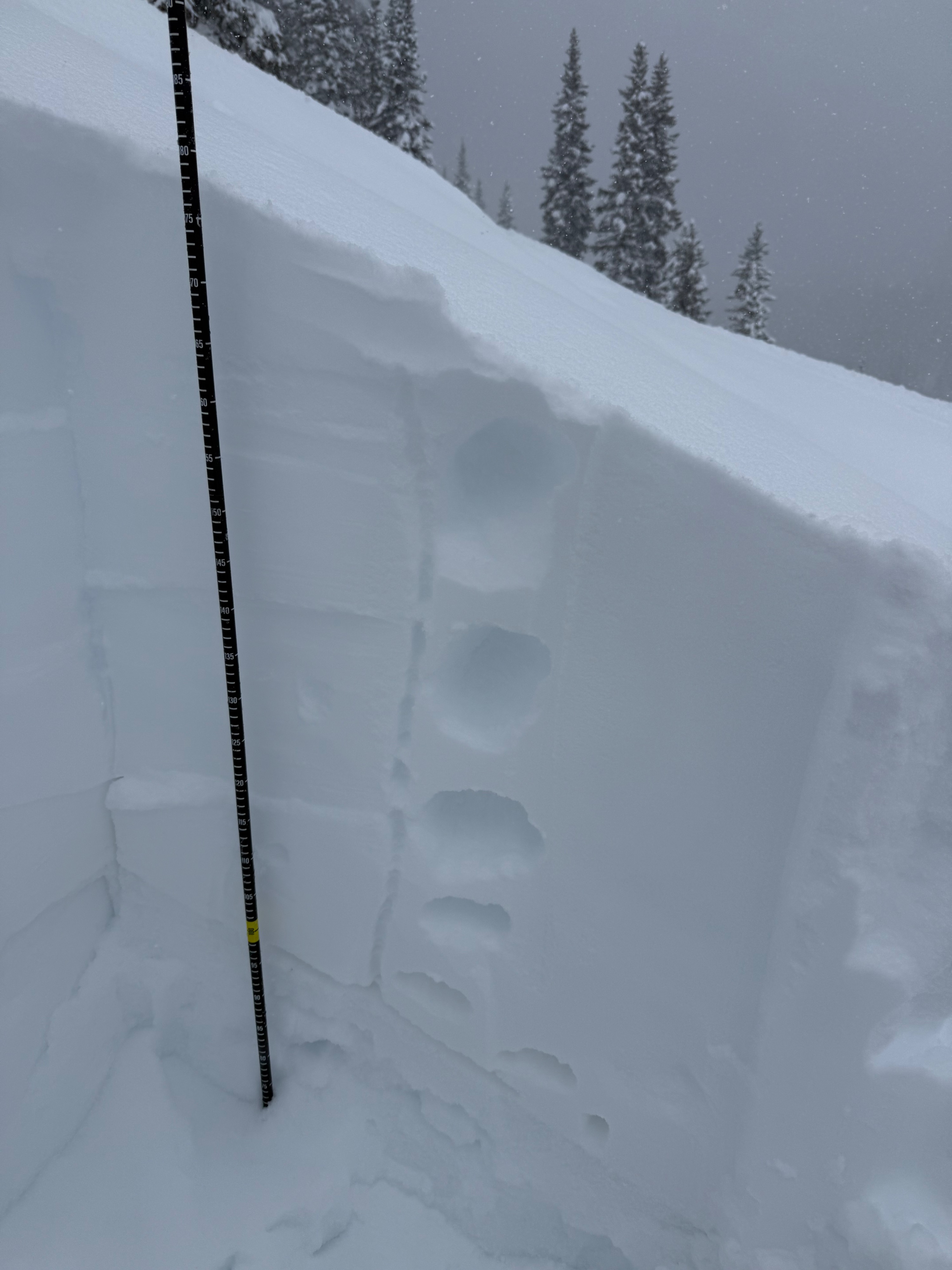
In this area, the midpack drought layer is down about 75 to 85cm on average. See layer notes in photo captions.
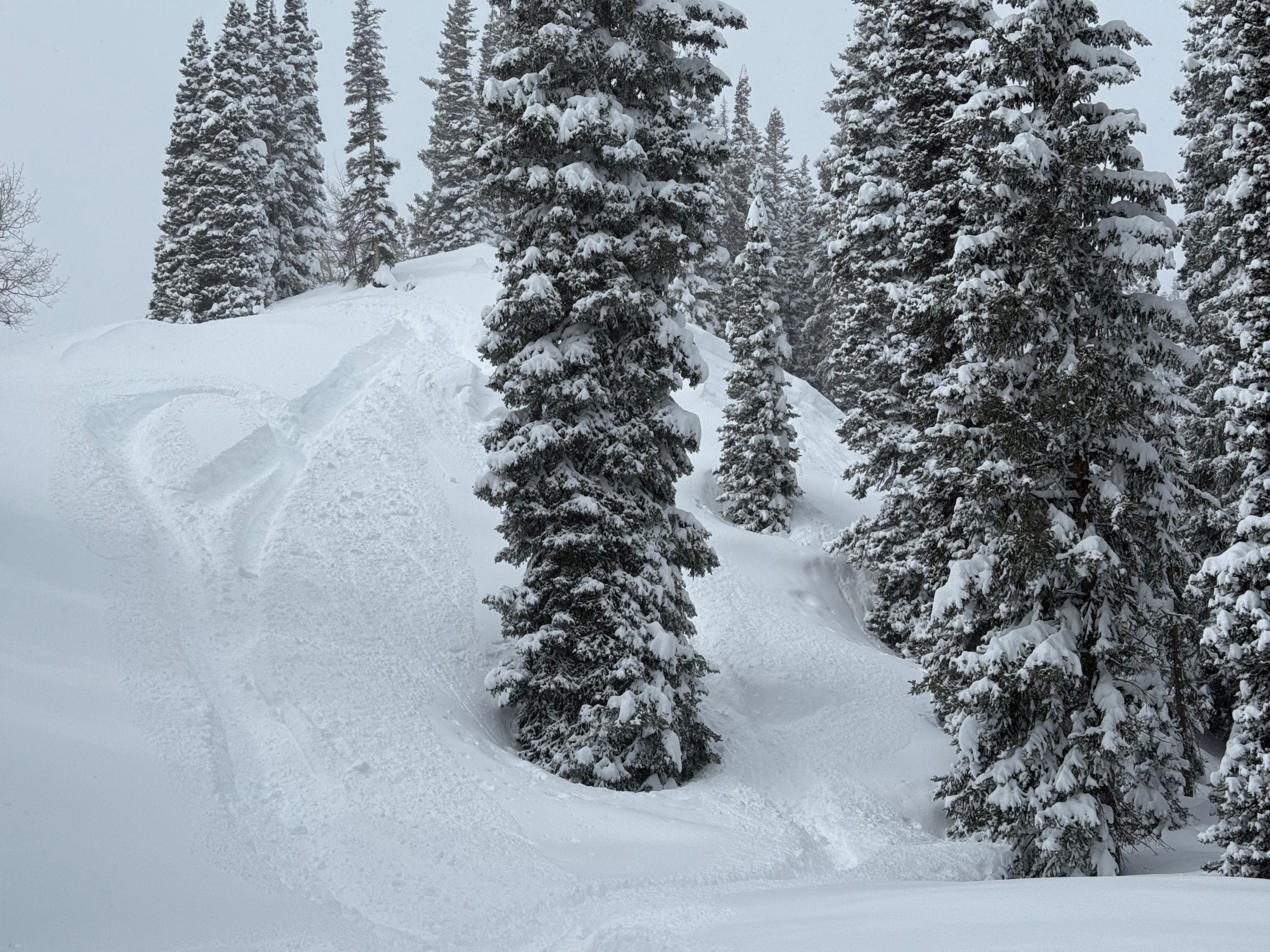
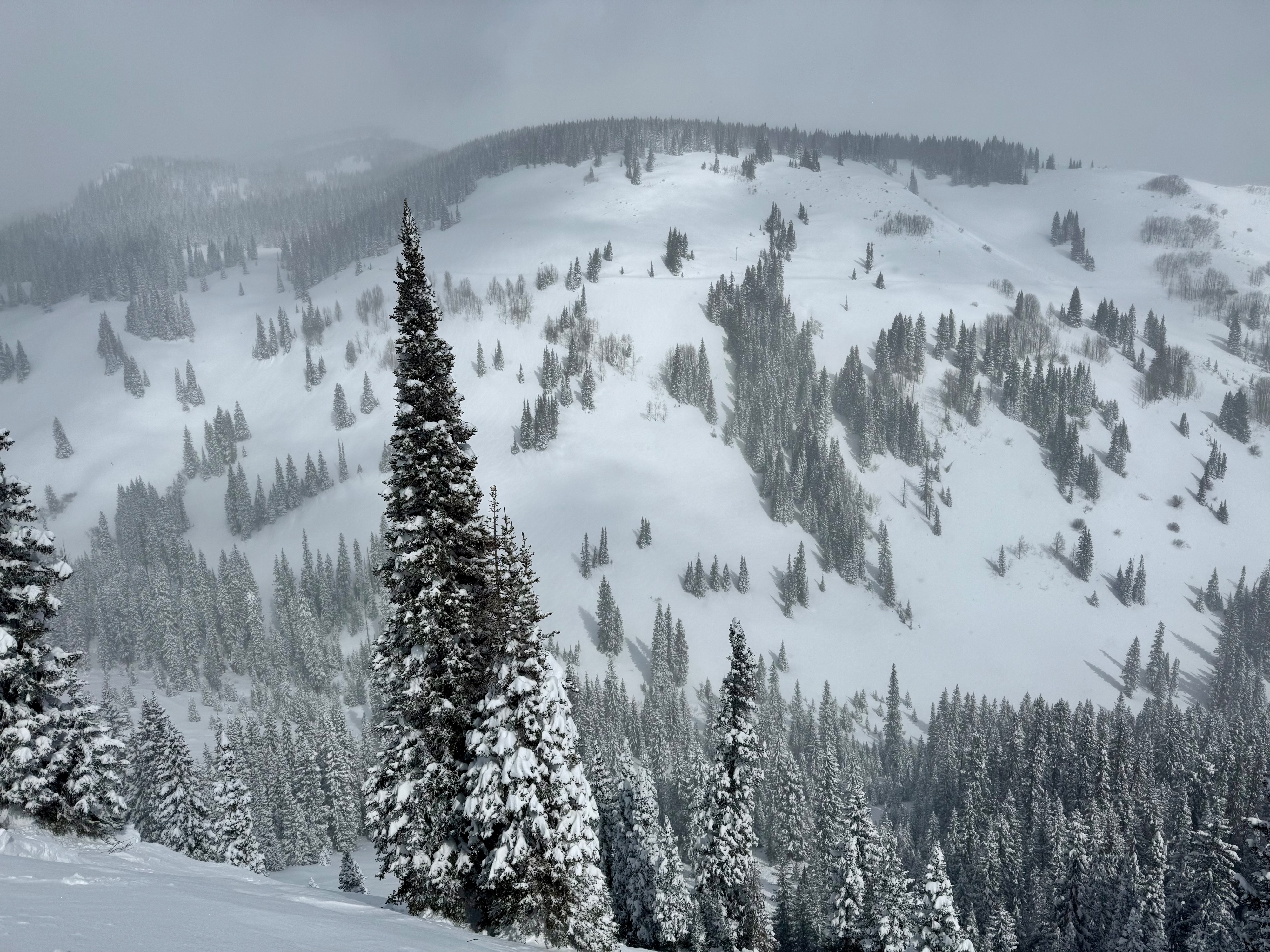
Interestingly, I didn't notice any obvious signs of instability. I was traveling on a snowmobile, so a collapse could have been missed. I didn't observe any cracking snow, and the remotely triggered avalanches that occurred happened suddenly and without those obvious red flags. I was primarily traveling in lower-angled, ridged terrain above steep NE to E-facing slopes. Avalanches were not easy to remotely trigger. I was often traveling right above a steep convex roller or, in some cases, dropping off small rocks to impact the slope with more force. Other than small test slopes, I avoided travel in avalanche terrain.
The recent snow that has accumulated remained soft in this area, mostly F hard with some 4F at the bottom. Storm instability could still be found within the new snow, while small test slopes didn't produce any cracking or results.
Avalanche
- Size
- D2
- Type
- SS
- Count
- 2
- Aspect
- NE
- Trigger
- AM
- Elevation
- 10400 ft
I remotely triggered one large avalanche and a couple of small avalanches. These avalanches occurred on steep NE-facing slopes around 10,000ft and released on the mid-pack drought layer. Slab depths averaged 70 to 90 cm. The storm slabs that were reported yesterday above Kebler Pass Road were no longer visible.