
Quick report
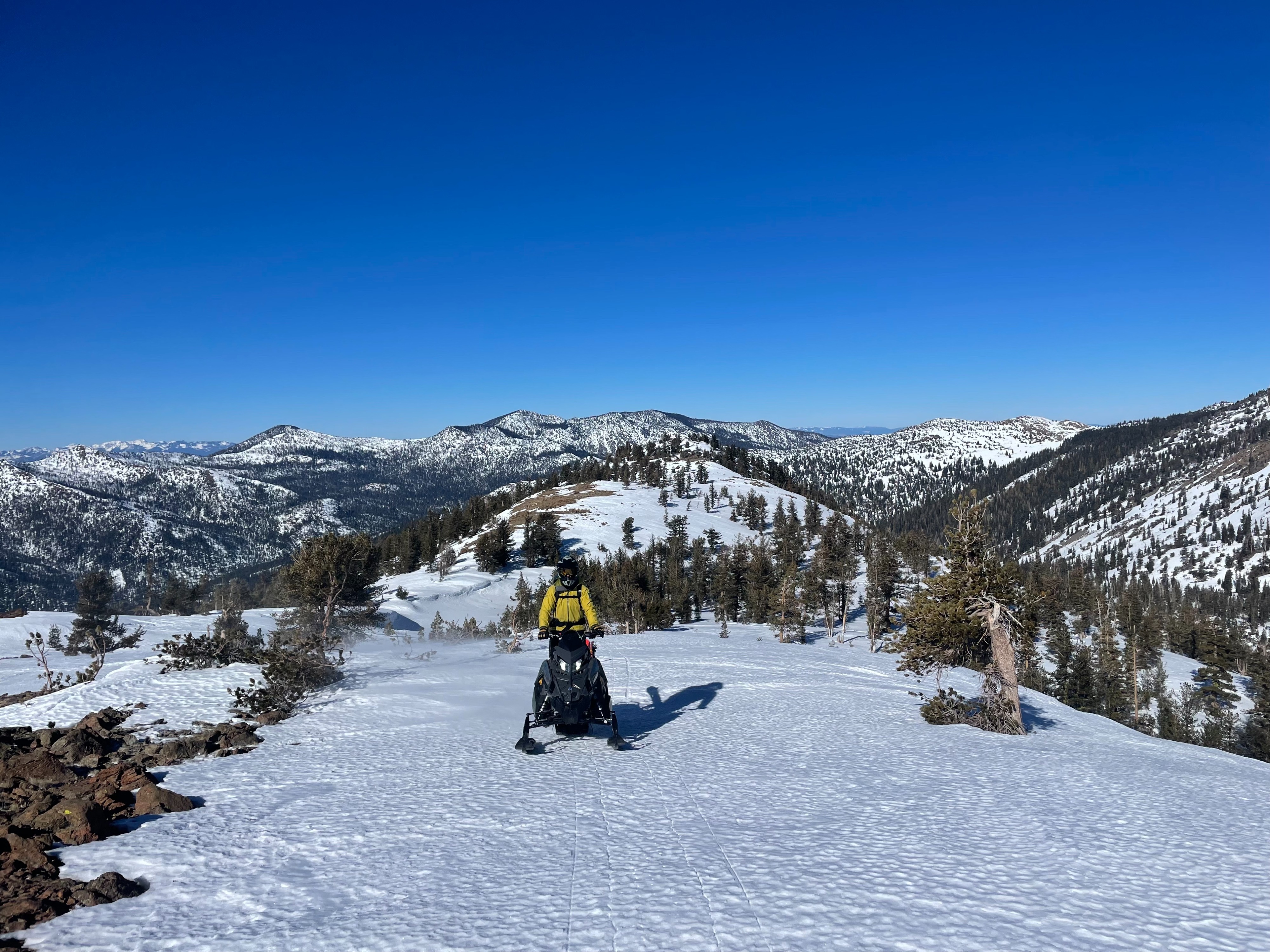
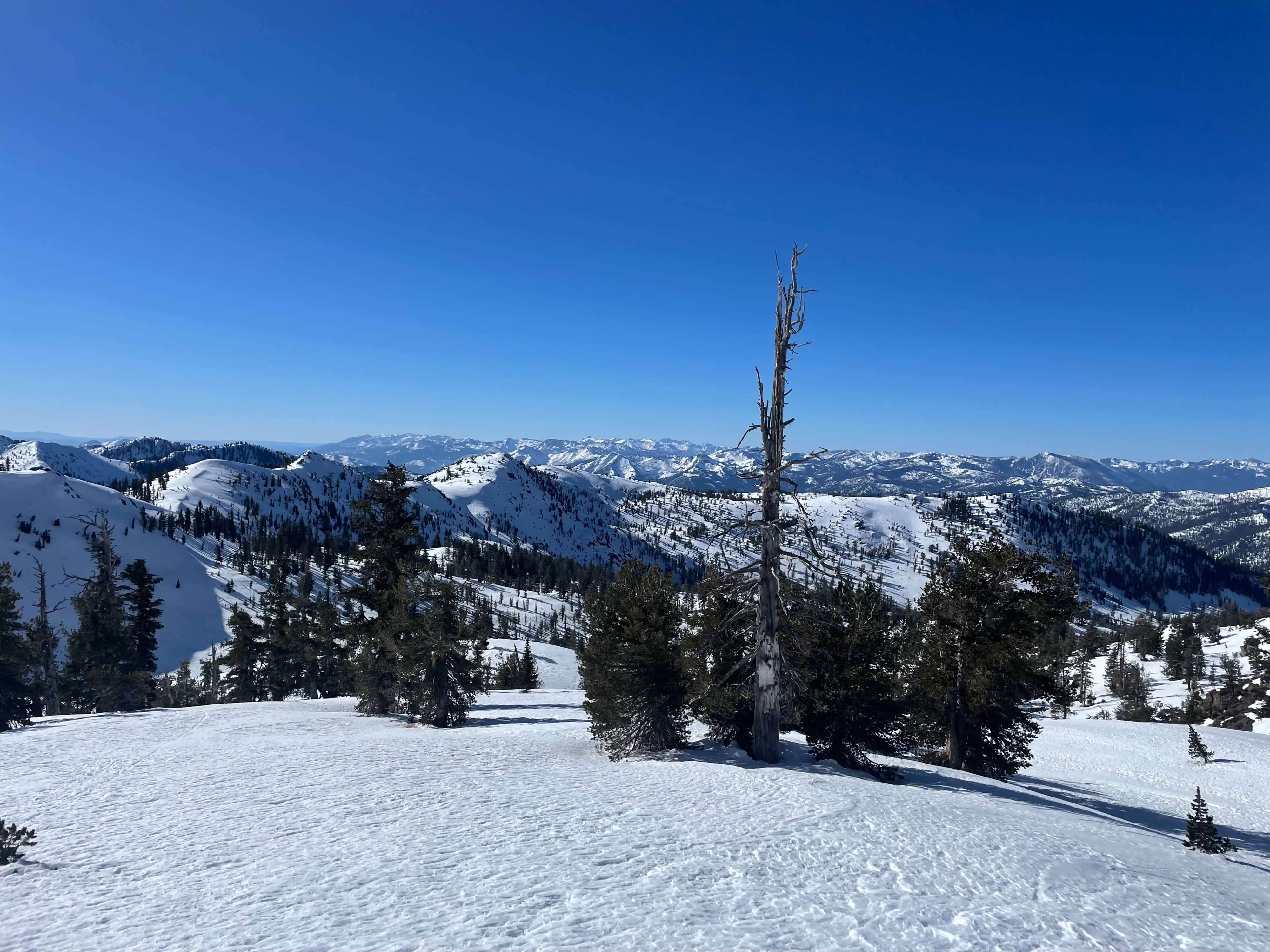
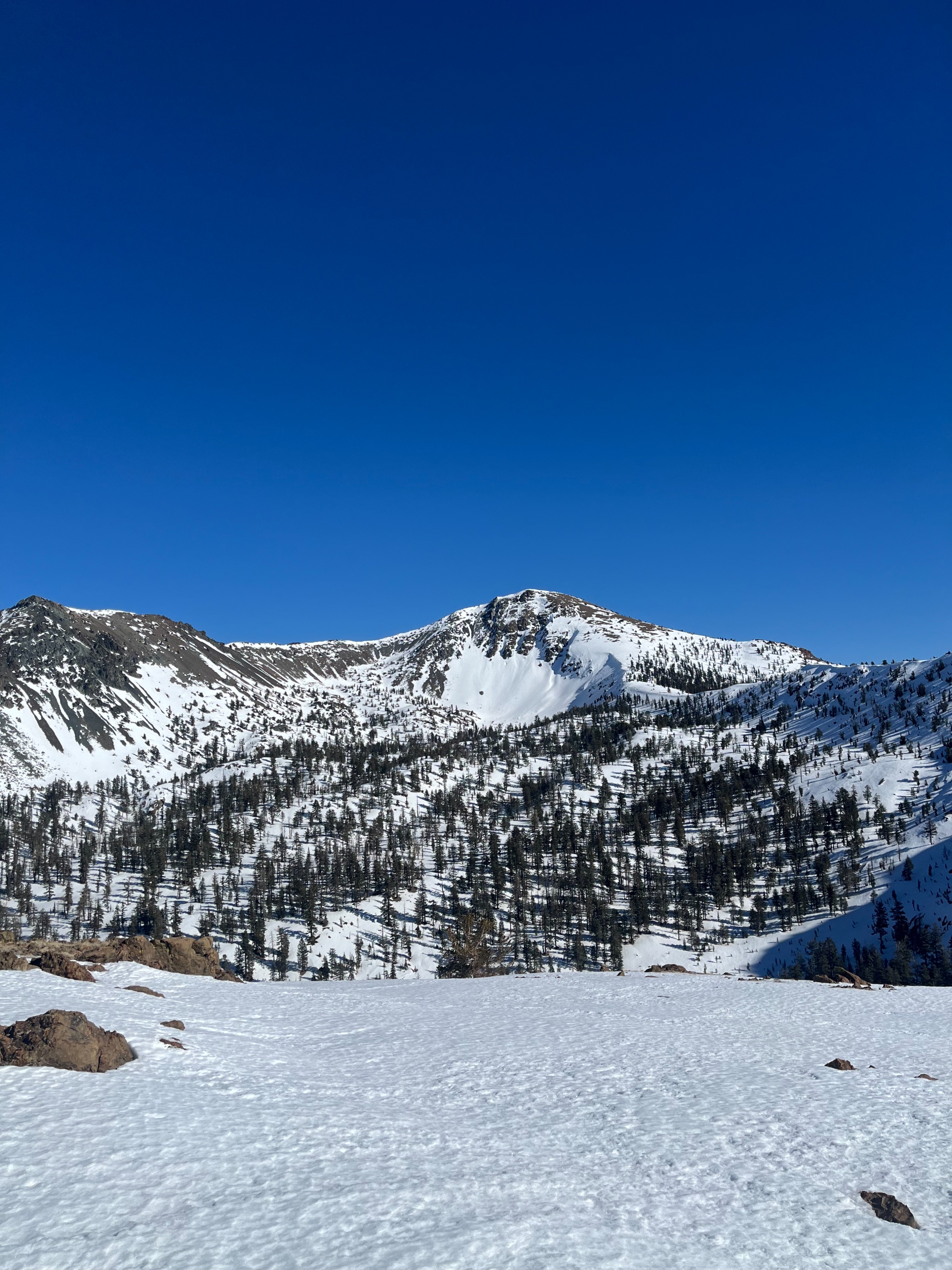
Today, Cory and I made our way to Deadfall Lakes to conduct one of our monthly Snow Surveys. For those who don't know, the Snow Survey program is a collaboration with the state of California in collecting vital snow and water measurements in various drainages of northern California. The data helps the state of California properly allocate water resources throughout the year. In Deadfall, we found a snow depth of ~30–40 inches (76-101 cm).
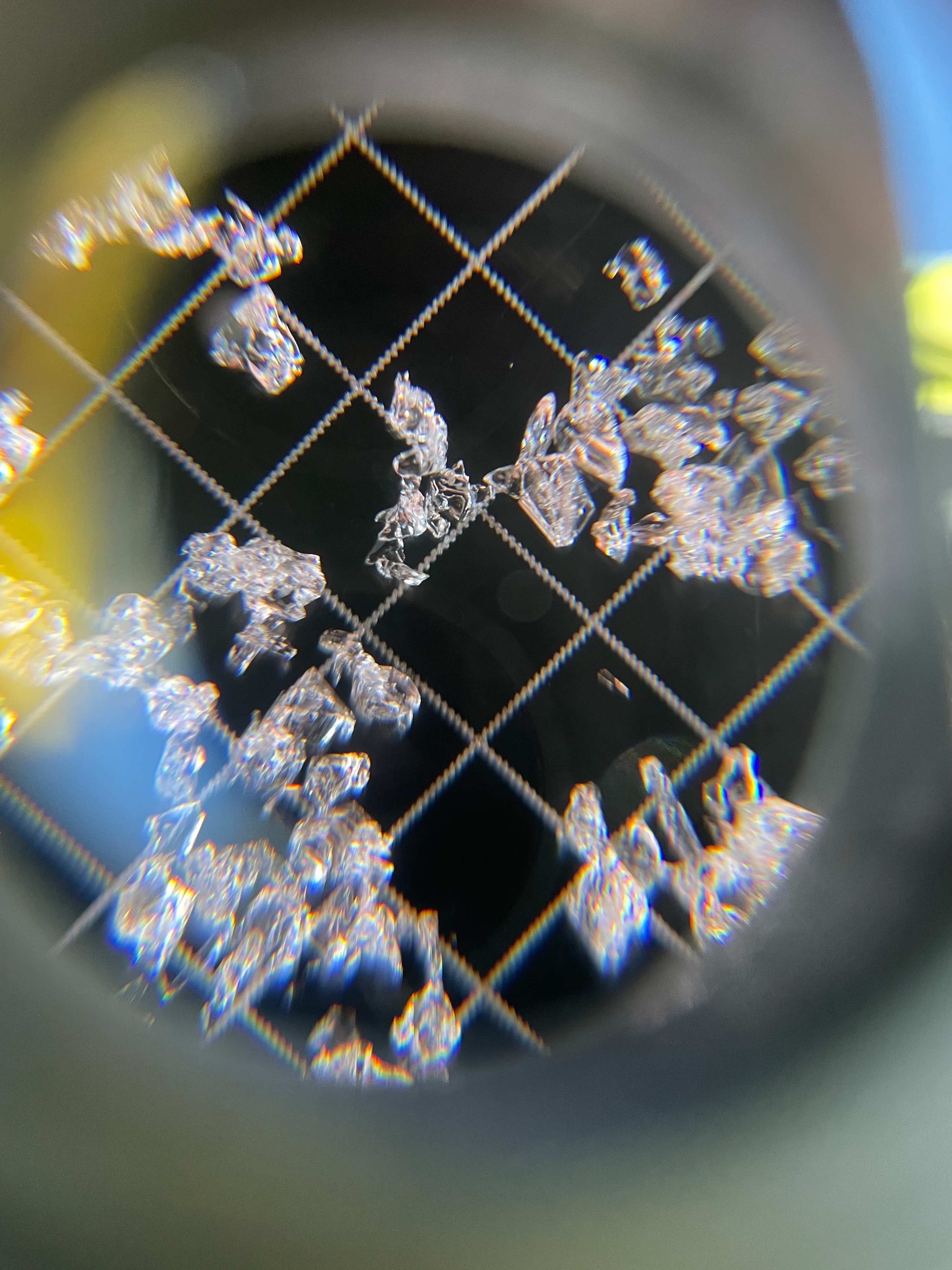
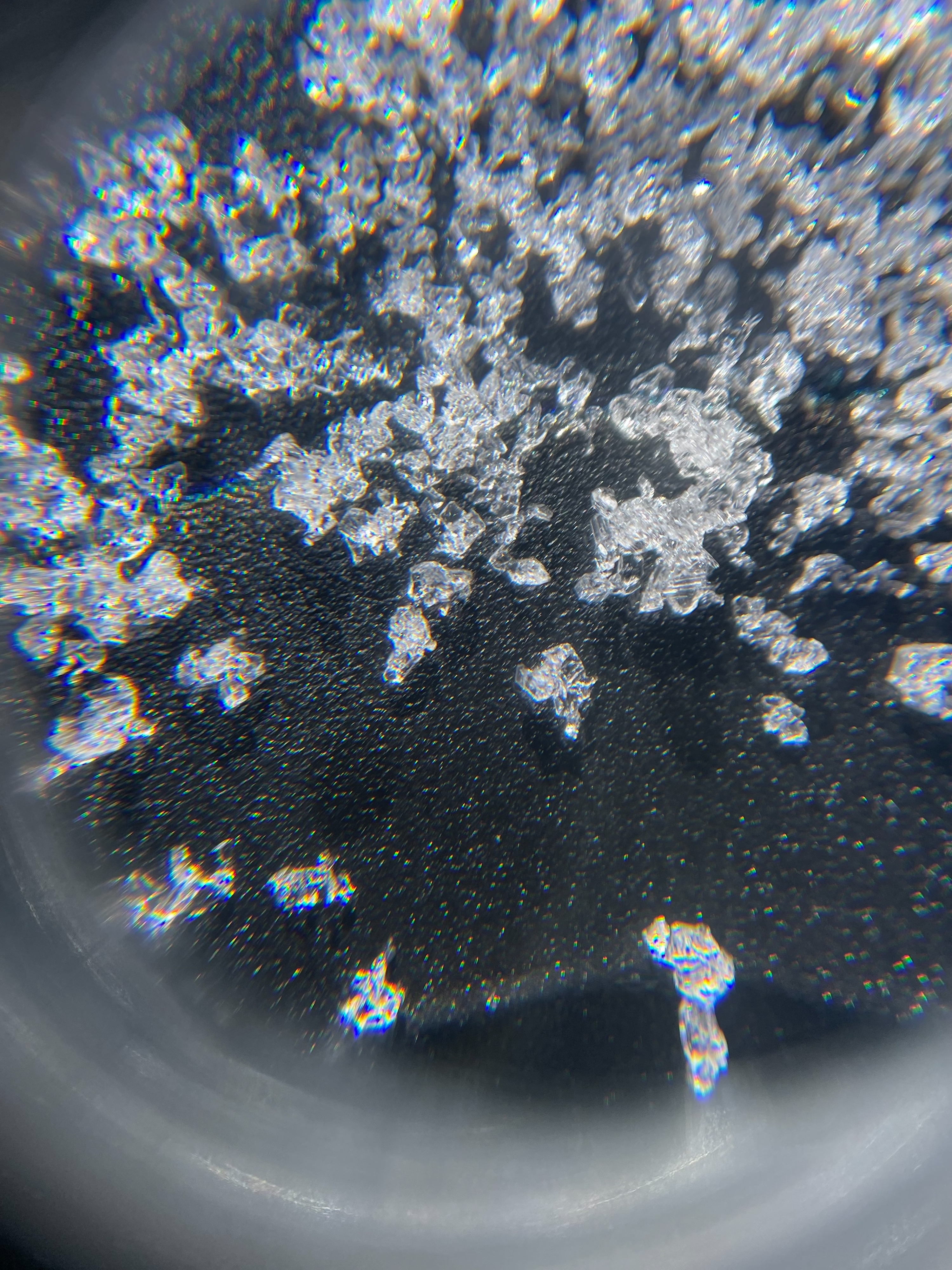
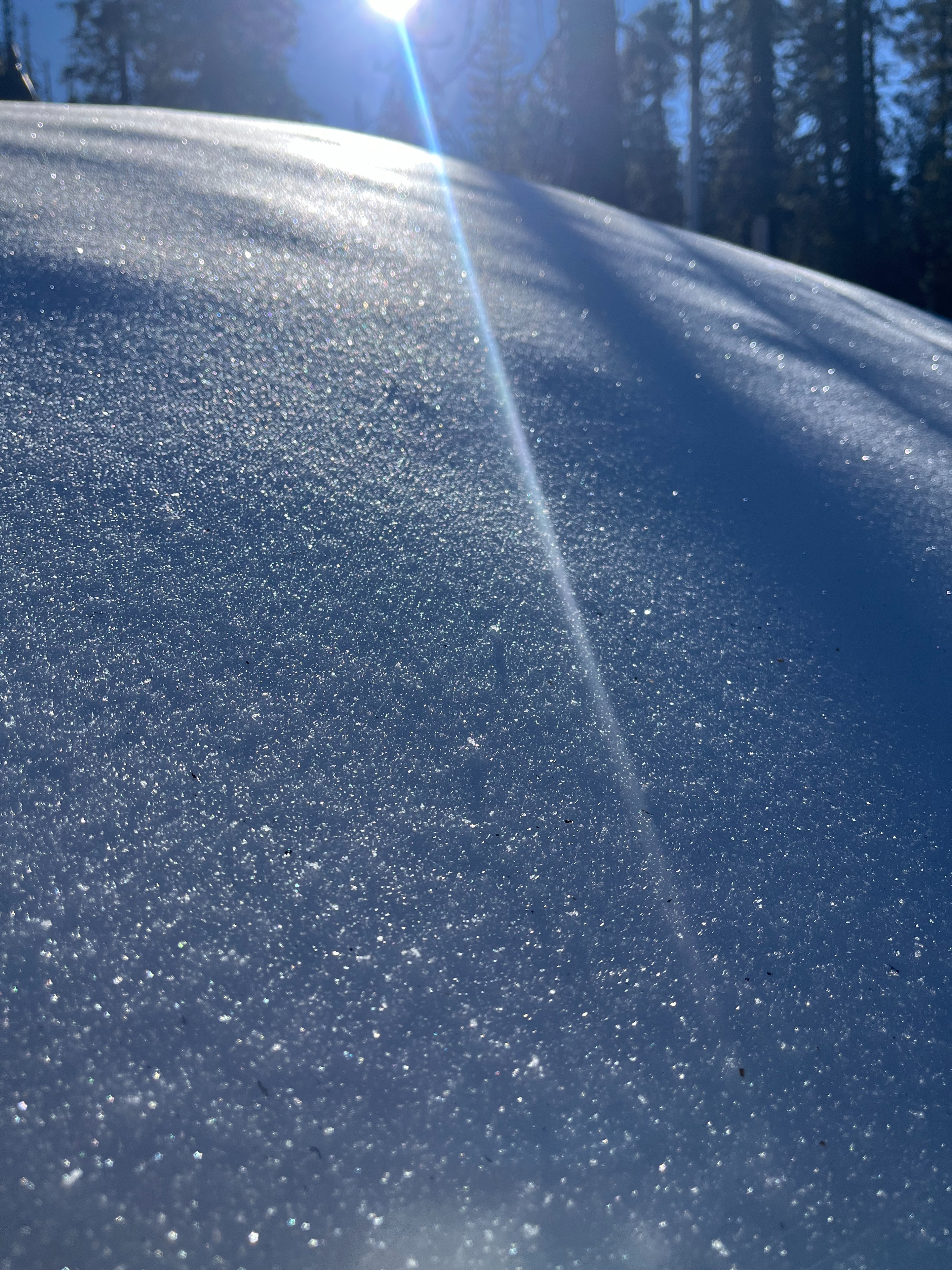
After data collection, Cory and I investigated the snowpack in the surrounding area. At 6,700 feet on a NW aspect, we found a snow depth of 68 inches (175 cm). We also found evidence of weakening snow structure in the form of near surface facets. Though small in diameter, these grains have lost all cohesion, continuing to weaken, and are right beneath a thin surface crust. This will be something to watch over the coming week.
No signs of instability were observed.Weather
- Air Temp
- 25
- Cloud Cover
- few
- Wind Loading
- none
- Rain Elevation
- N/A
- Recent Snowfall
- 0
- Snow Avail For Transport
- none
Air temperature was colder than usual, never rising above freezing. Easterly wind blew light, with moderate-strong speeds on ridges. Skies were mostly clear.
Snowpack
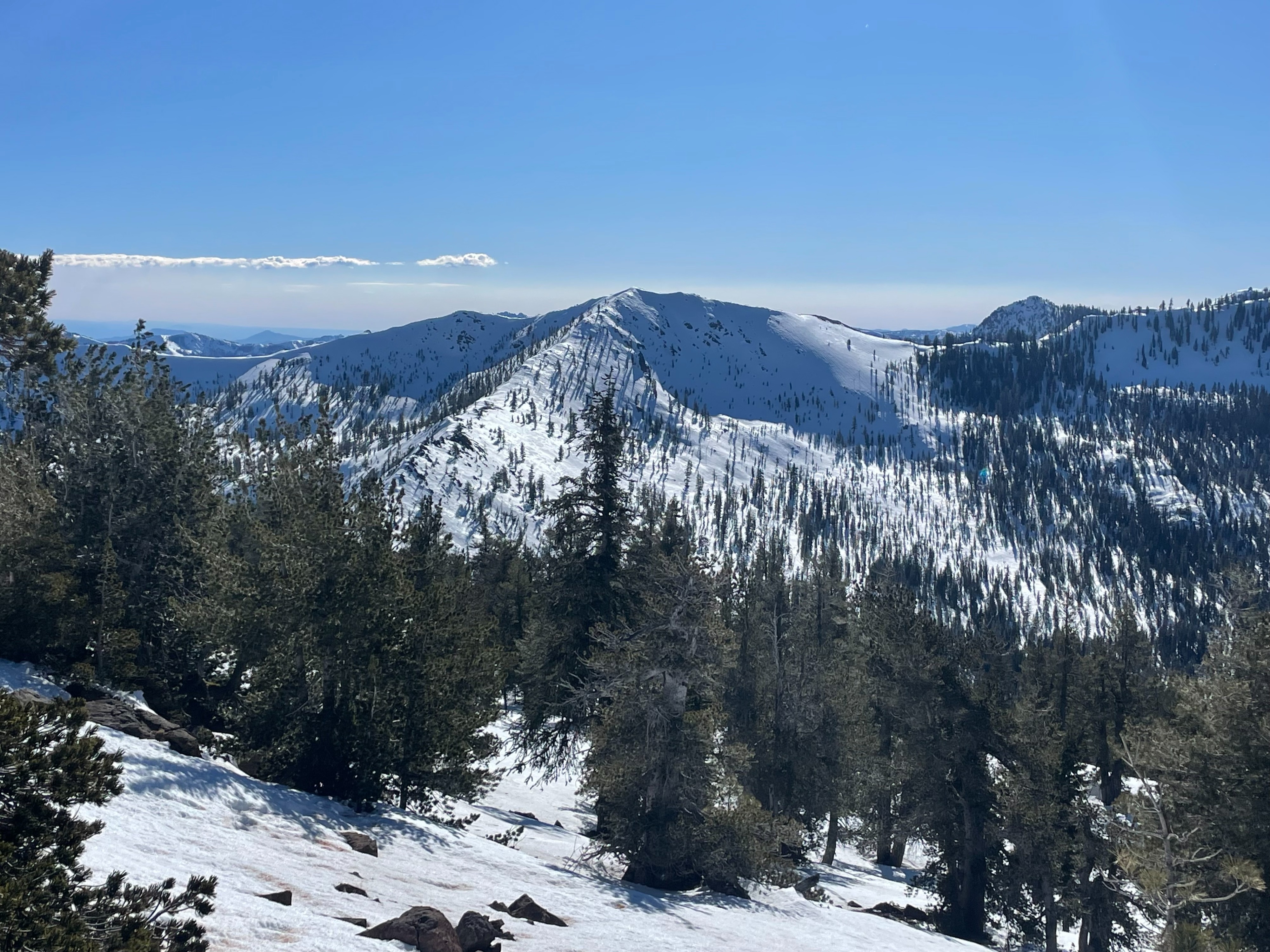
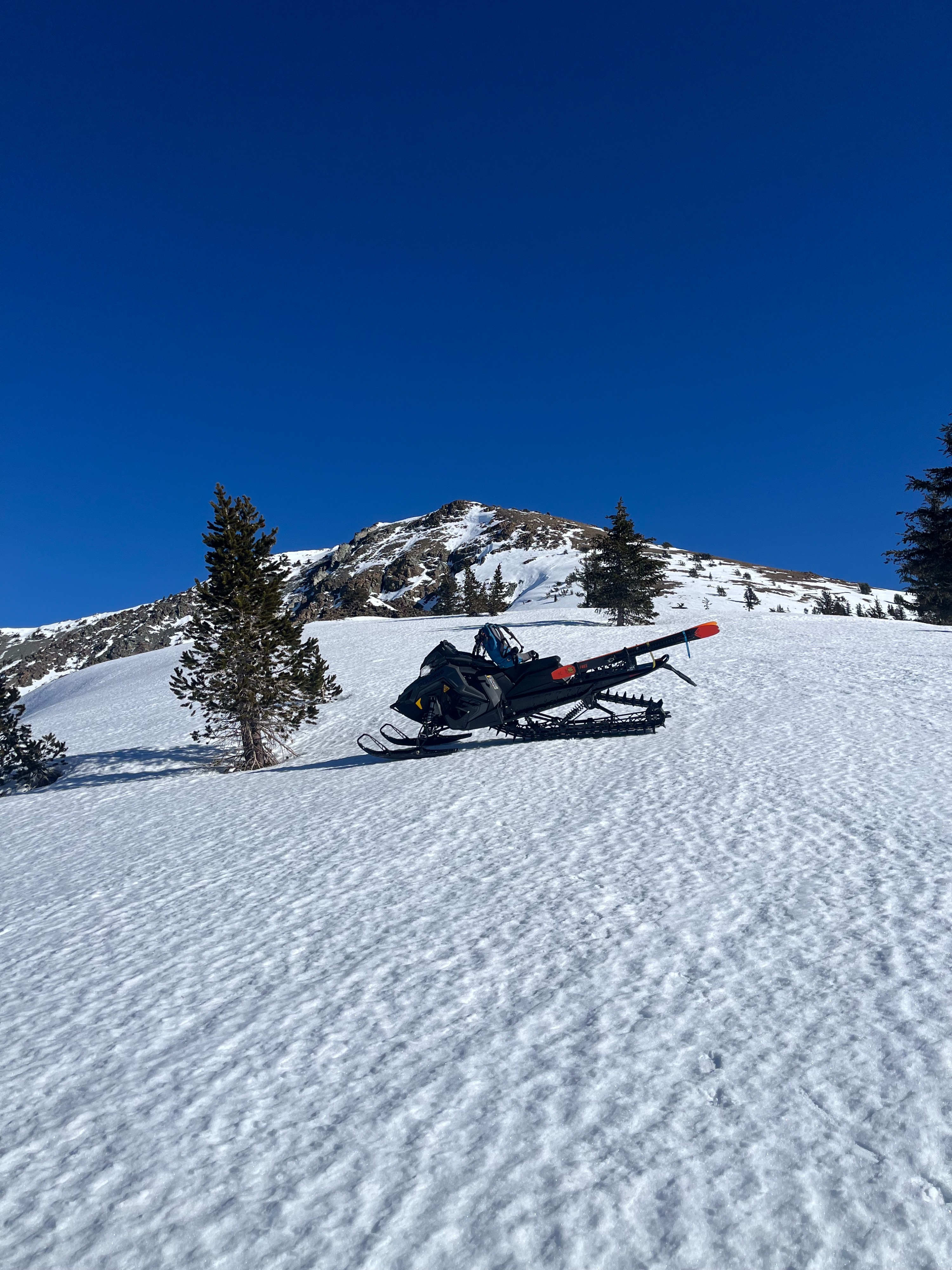
It's been three full weeks since the last snowfall (January 3rd), and the snowpack is showing it. In the Parks Creek area, the snowpack is beat up. Exposed slopes are firm with severe wind texture. Tree'd areas are crusty with near surface facets (NSF) underneath. Ridges are covered with cornices, lips, and icy patches. Overall, the snowpack has lowered in depth from all this dry, warm weather.
The most notable observation was the existence and spatial distribution of near surface facets (NSF). NSF's could be found on all observed aspects (NW-N-NE-E-SE-S) underneath a crust of variable thickness (1-5 cm). These grains are products of snowfall on January 3rd, that have weakened over the last few weeks of no additional precipitation. Thickness of the NSF's range from 5 to 25 cm. With cold temperatures and a dry atmosphere, I suspect these grains are continuing to weaken daily.