
Quick report
- Cracking
- specific
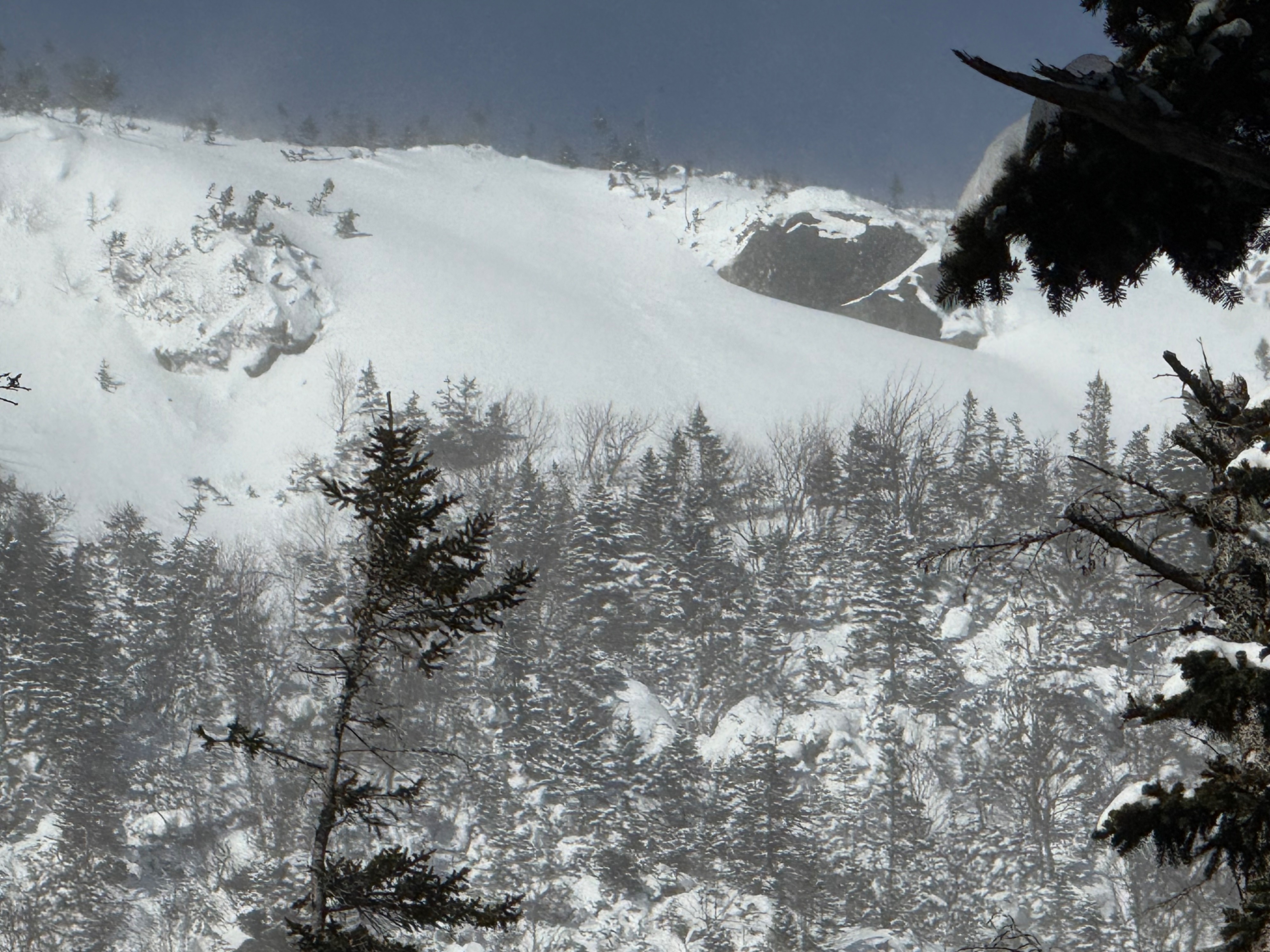
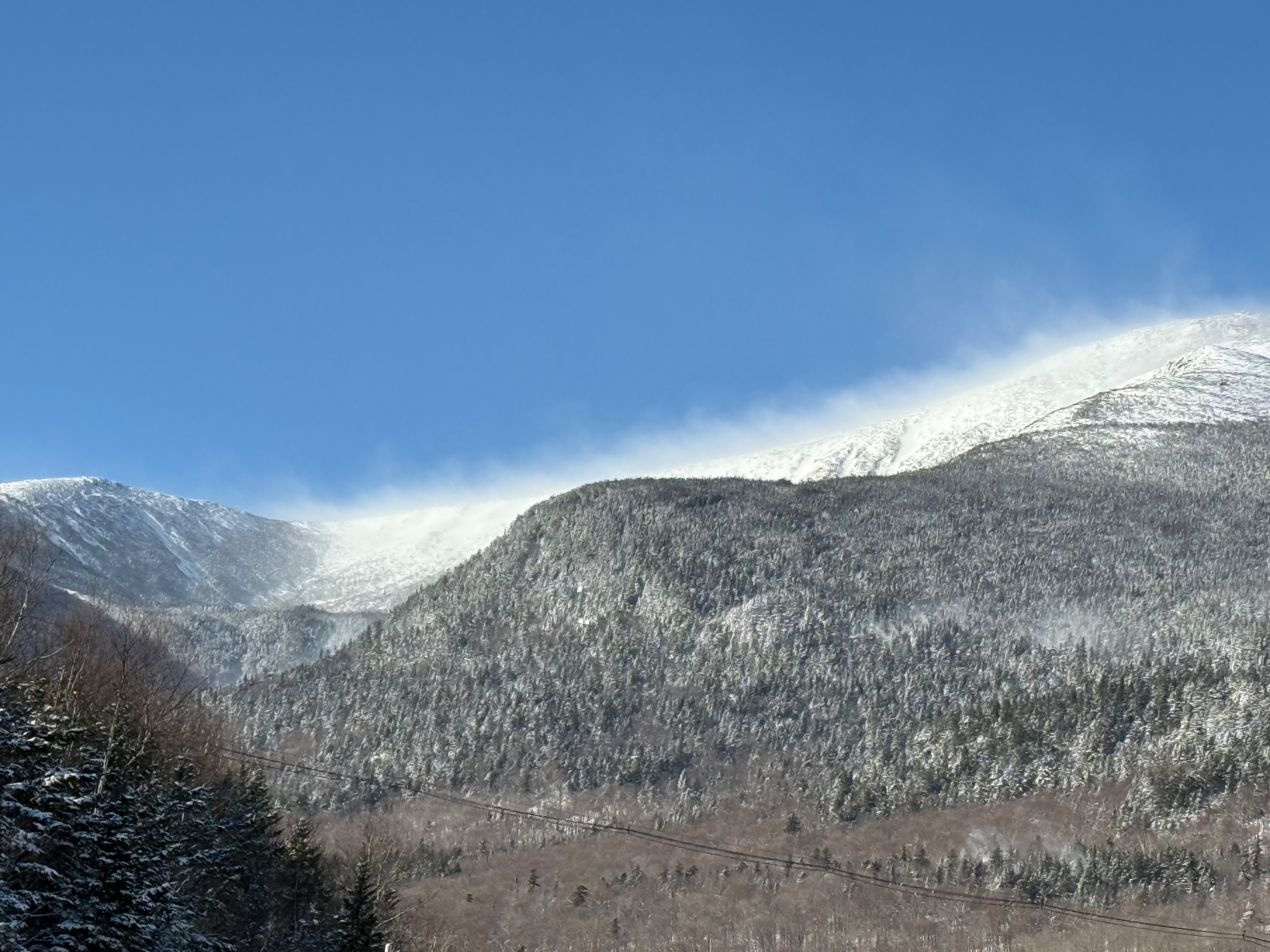
Observed active transport from the road into east-facing aspects (Gulf of Slides and Boott Spur)
Wind slabs were in the process of building and seemed touchy to reactive but for the most part were small.
These surface problems were identifiable with active feedback from the snow (like cracking) as these began accumulating some areas had pillowy, rounded, and planer appearances.
Was not something we observed (other than small surface cracks in a thin wind skin) but climbers ascending Right Gully found deeper snow and a 10ft shooting crack.Weather
- Air Temp
- 2
- Cloud Cover
- few
- Wind Loading
- moderate
- Recent Snowfall
- 9
- Snow Avail For Transport
- small smounts
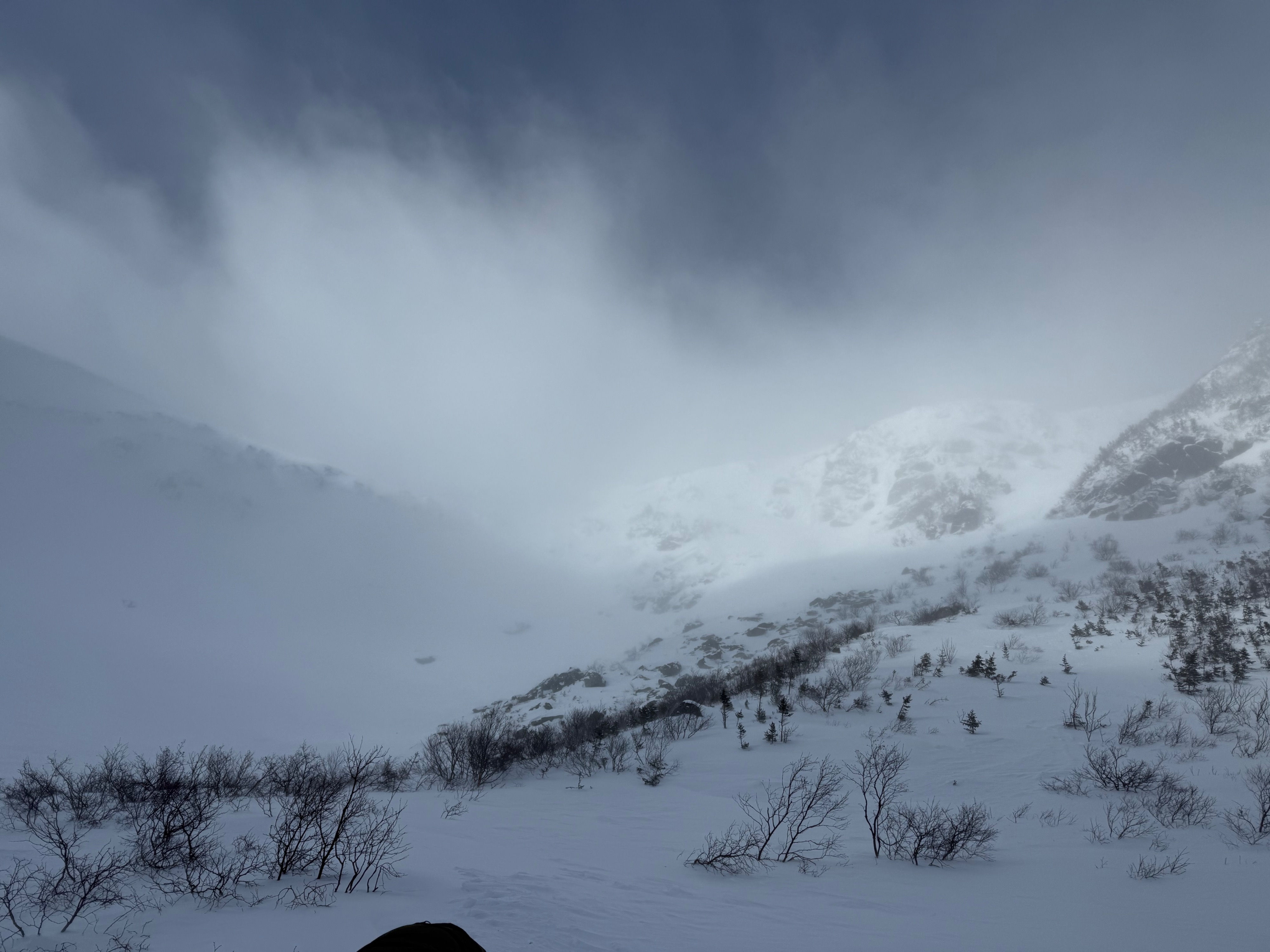
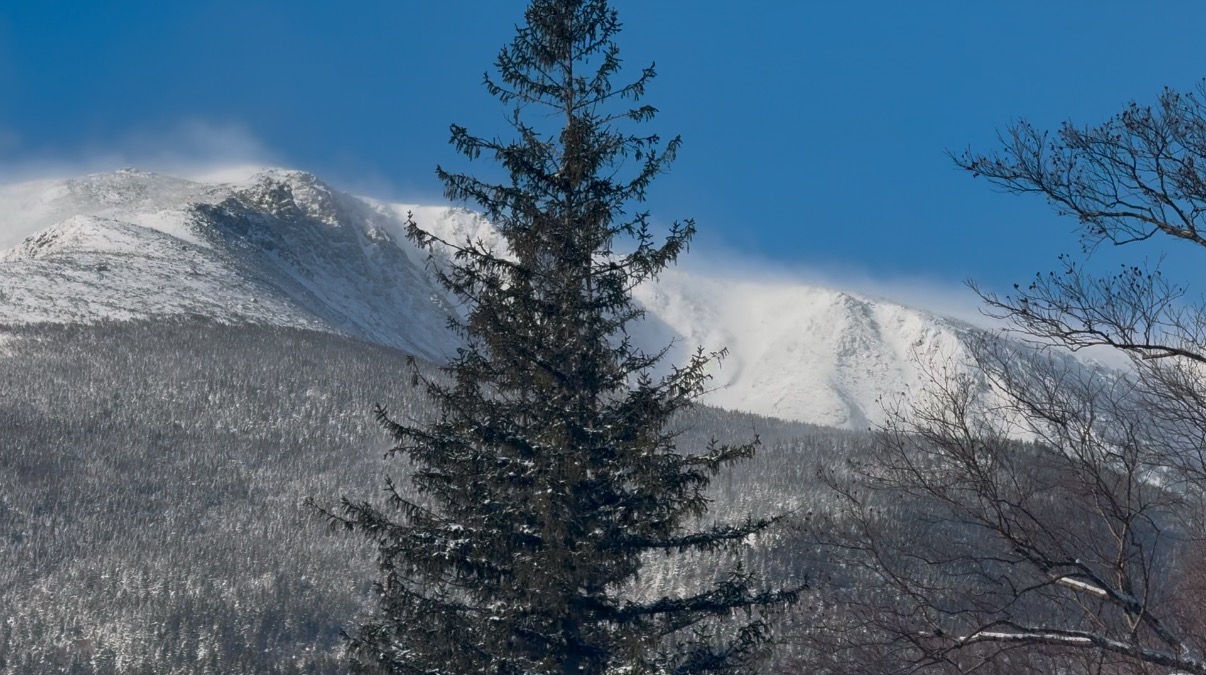
Cold and windy! Increasing northwest winds and dropping temperatures were on the forecast and was felt in the terrain. Snow was observed being transported.
Snowpack
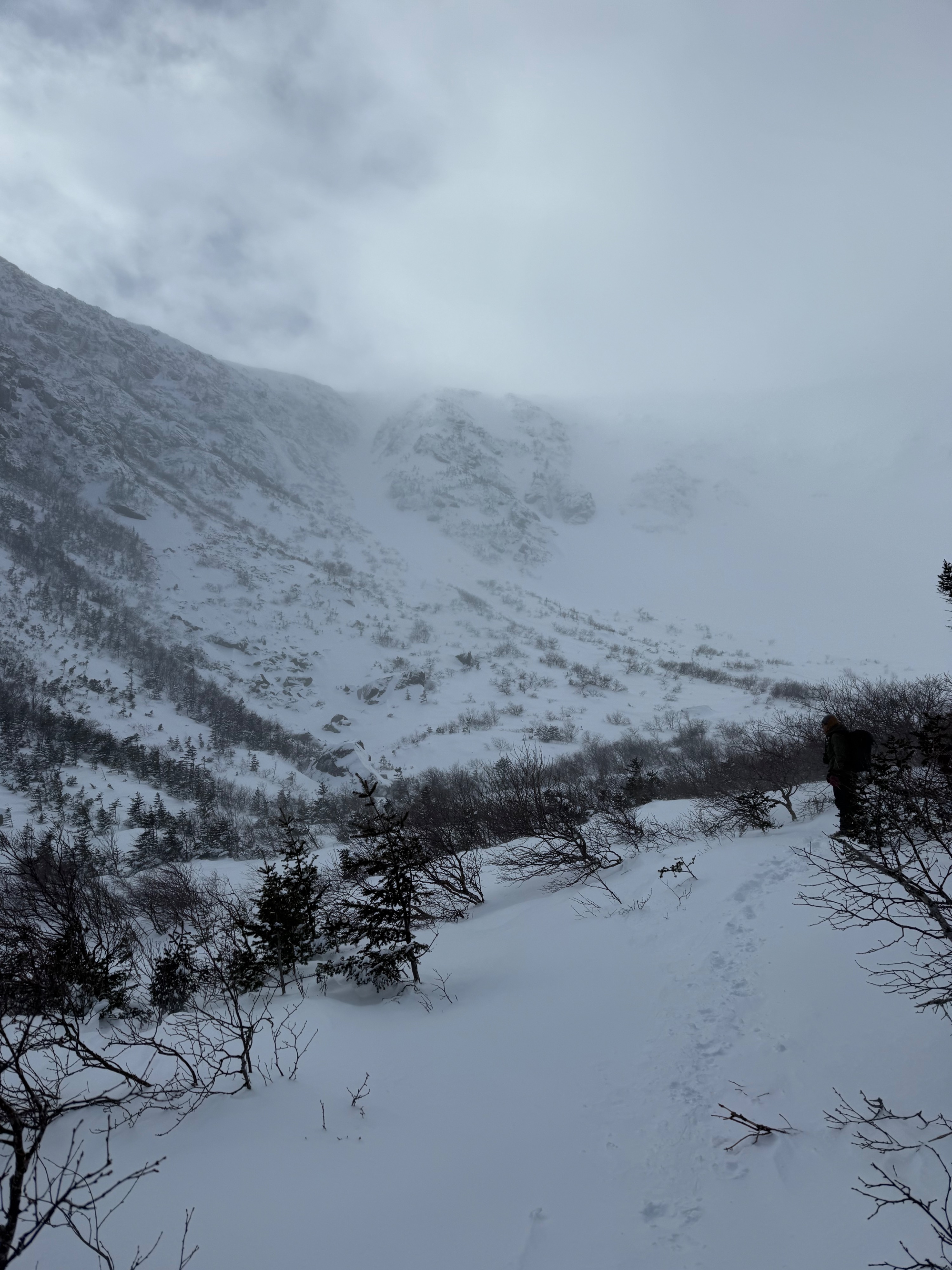
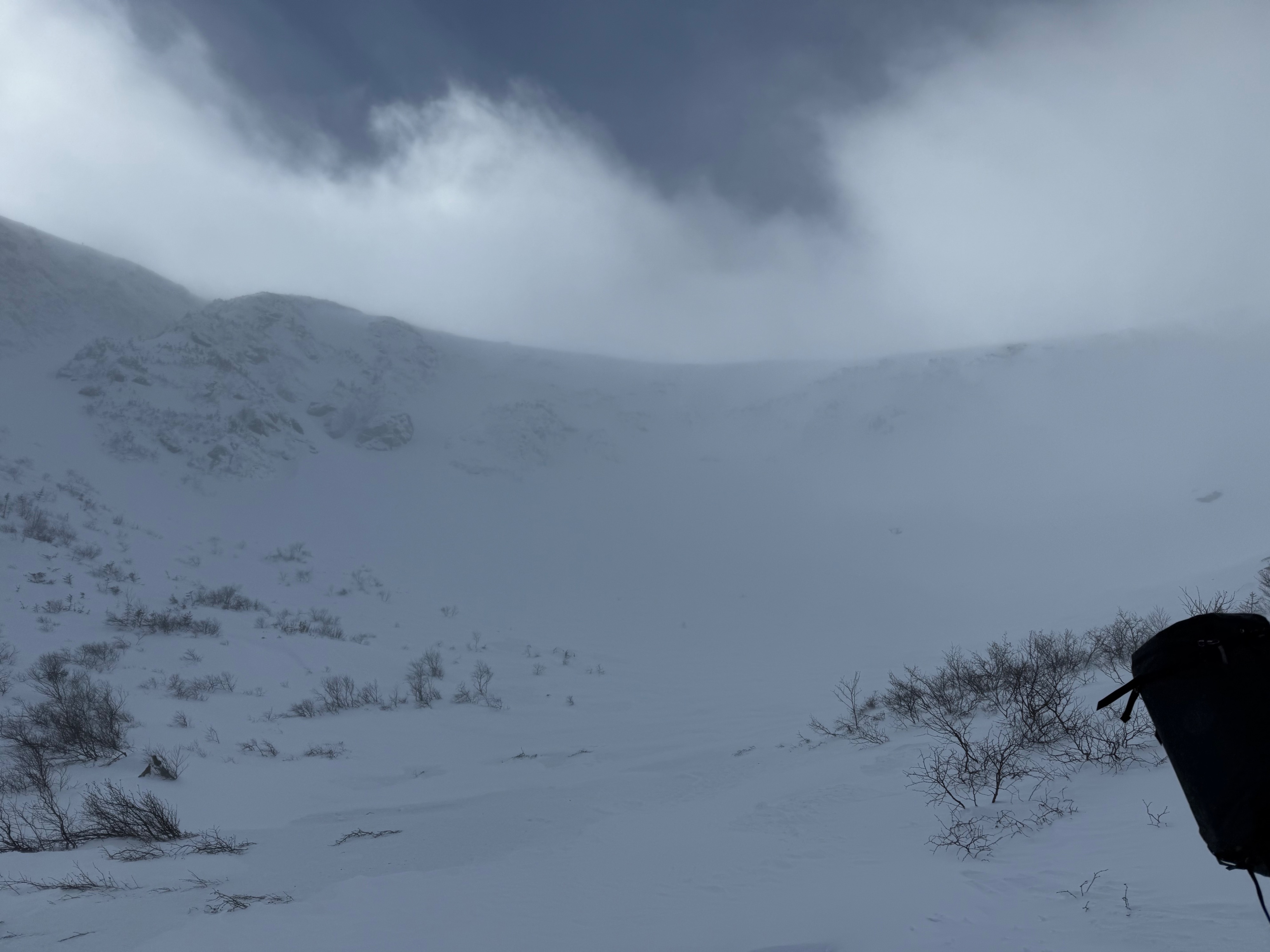
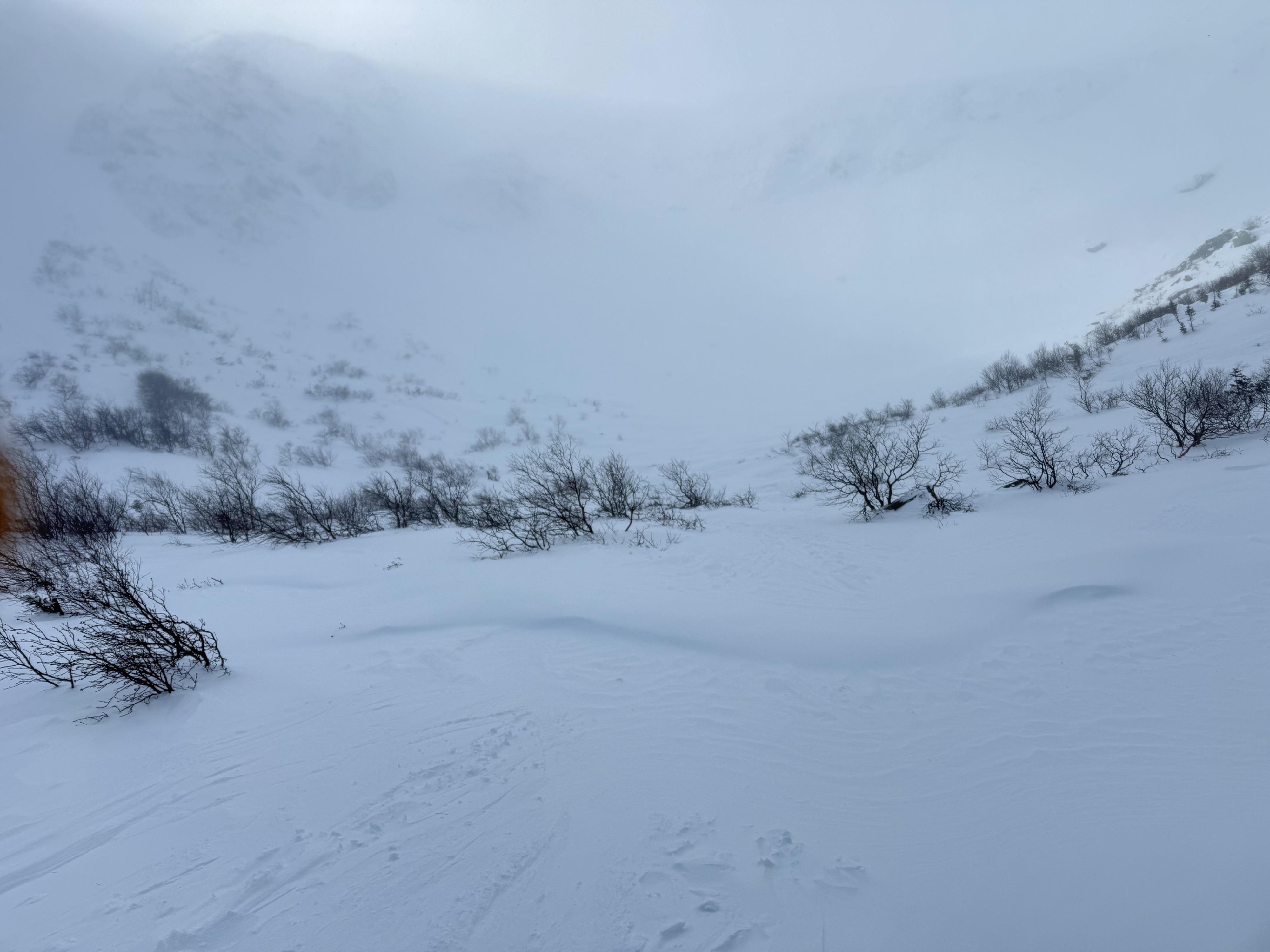
Walking onto Tuckerman Ravine floor found some drifting snow accumulating, which was a nice change from the firm and scoured conditions that we have been finding there lately.
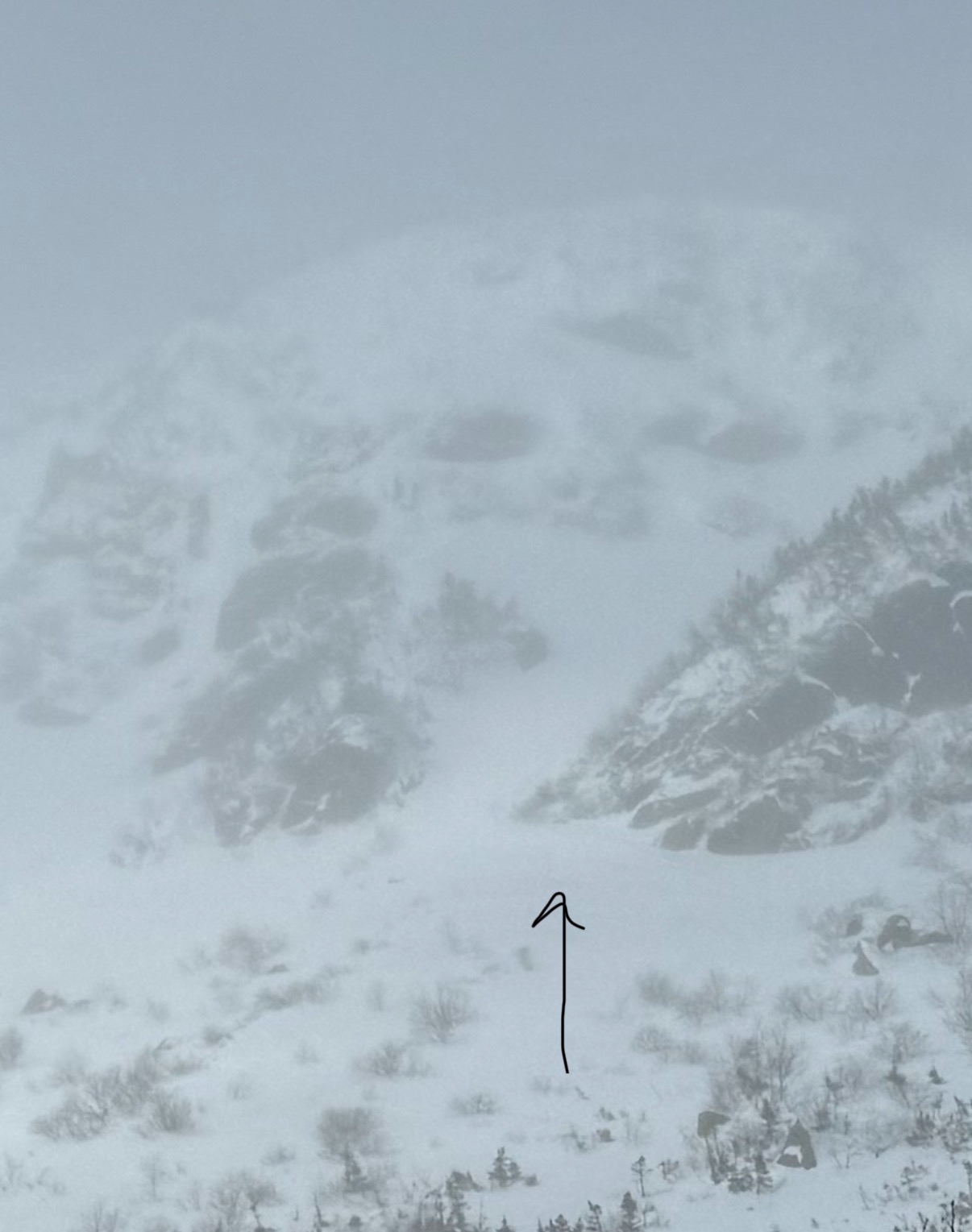
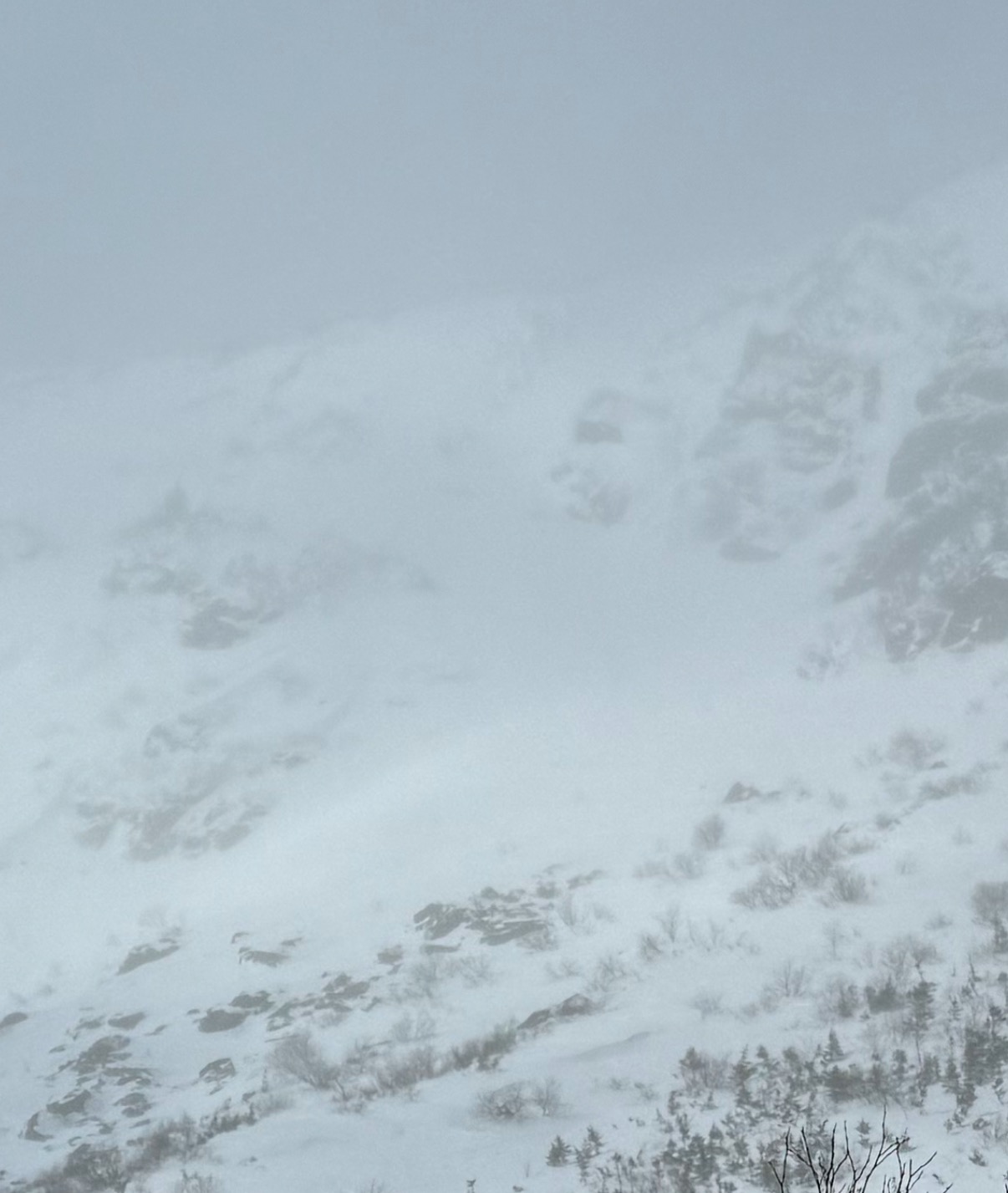
Visibility was obscured by blowing snow high into start zones.
Left Gully looked like it may be more scoured with visible texture low in the gully, we speculated that in a more sheltered area within the gully there was likely a wind slab building (but was unable to see to confirm this).
It looked like Sluice and Right had more loaded and pillowy areas developing. We watched some climbers who planned to ascend Right Gully to the summit, moving up to the buttress their foot penetration was shallow to just over ankle deep. As the highest climber got closer to the buttress, they found snow deeper than their knees and a shooting crack of 10 feet in the consolidating wind drifted snow. That was their high point (nearing the lower part of Right) and they descended to come back another time.
A group of skiers and a snowboarder were ascending Left Gully and we noted very little boot penetration, which supported that the texture we were seeing low may be the old, firm, wind-affected surface.
Found small pockets of consolidating snow. The structure of this was 3 inches of cohesionless snow with about a 1/2-1 inch windskin that was firmer (but still soft). Hand shears could fail on isolation in that wind skin, but if you pulled on it it was so soft that it crumpled as it did not have strong structure, yet.
Unsure if the increasing winds were loading or scouring start zones and upper elevations, but it seemed that snow was accumulating the most in wind sheltered features so it seemed to be a combination of the two. Active transport was observed all day.