

Avalanche forecast

Gunnison

Crested Butte Avalanche Center
View on map

Avalanche danger

Wed
Alpine
3 · Considerable
Treeline
3 · Considerable
Below
3 · Considerable
Out of date — this forecast expired 6 years ago. You’re viewing past conditions, not the current bulletin.

Highlights

One day we will move on from the word DANGEROUS, but today is not that day. Very large natural avalanches remain possible. While human triggering large to very large slab avalanches remains likely, especially around Crested Butte and in the mountains generally East of CB. There is some low-density new snow out there to enjoy, but don't let that powder allow you to forget about the potentially deadly avalanche problem lurking below. A triggered or natural avalanche today could break wider than expected and run long distances. Cautious route-finding and conservative decision-making are essential. You'll have lower exposure to an avalanche by enjoying the powder on slope angles less than 30 degrees that don't undercut steeper terrain above. 

Avalanche problems

  • Persistent Slabs

    • Alpine
    • Treeline
    • Below treeline
    Likelihood
    Likely
    Size
    2–3

    Dangerous persistent slab avalanches have been releasing naturally all week.   Avalanches are breaking 2 to 6+ feet thick, across entire start zones and producing destructive amounts of debris in their runouts. You can trigger avalanches while traveling on or below steep terrain.  They can also release naturally from windloading or snowfall.   The best way to reliably manage this problem is by traveling on slopes less than 30 degrees that don't connect to steeper terrain above.  Avalanche activity has been most common on the eastern half of the compass at all elevations, but you can trigger an avalanche on any aspect and elevation.  

    Several destructive persistent slabs that broke on weak layers near the ground this weekend on Mt. Whetstone
Avalanche Discussion

Forecasters didn't follow through with the previously expected HIGH avalanche danger rating for today. The primary driver to that decision was a lighter than expected wind forecast for today. A widespread natural avalanche cycle is not expected, instead, the wording for CONSIDERABLE avalanche danger remains with natural avalanches possible. Overnight new snow accumulations as of about 5am are a couple of inches in the SE Mountains and near 6" in the NW Mountains. This new snow is expected to be cold and potentially blower. We could talk about sluffing in the new snow, but if you are on slope angles steep enough to sluff, then you are playing with the deadly persistent slab avalanche problem and that is the primary avalanche problem you should be thinking about.

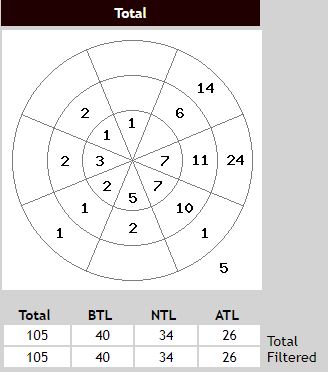
Since last Thursday, we have documented around 100 slab avalanches failing on all aspects of the compass - most of them were large enough to bury or kill you.  We've cherry-picked our favorite photos from the weekend cycle in the gallery below, and our observations page documents the rest. The bulk of activity ran between Friday and Saturday night, with some avalanches continuing to release Sunday (watch this video, see this ob), and Monday.   Avalanches are breaking on buried crusts and facets that formed during our prolonged dry spells in early December and early January.  On below treeline slopes close to town, crowns are about two feet thick.  Moving to higher elevations or deeper parts of the forecast area, crowns are up to six feet thick or more and capable of snapping trees or reaching far into their runouts.    

The threat of continued natural avalanche activity is not too different from the SE Mountains to the NW Mountains. However, the sensitivity to human triggering a Persistent Slab Avalanche is becoming a bit different from the generally shallower snowpack in the SE Mountains, compared to the generally deeper snowpack in the NW Mountains. This avalanche problem remains the most reactive to human triggering where the total snowpack height is near or below 130cm. While human triggering is becoming more stubborn where the total height of snow is greater than 170cm. Of course, there is a gap in those numbers and gray area. In areas with a shallower snowpack, it is easier for the weight of a human to affect the buried weak layers below. While in the deeper snowpack areas, you may need to find a trigger point for your weight to affect that same weak layer. This is an interesting topic as backcountry travelers in the NW Mountains often report few or no obvious signs of instability. While in the SE Mountains backcountry travelers more often report obvious signs of instability. Either way, both areas continue to see natural avalanches around the compass. So we'll come back to this topic regarding the differences in human triggering once we get out of the continued string of natural avalanche activity from the larger loading mechanisms such as new snow and wind-loading. 

Regions covered