Avalanche Forecast
Jan 21st, 2019–Jan 22nd, 2019
Alpine
Natural avalanches possible, human triggered probable.
Treeline
Natural avalanches possible, human triggered probable.
Below Treeline
Natural avalanches unlikely, human triggered possible.
Alpine
Natural avalanches possible, human triggered probable.
Treeline
Natural avalanches possible, human triggered probable.
Below Treeline
Natural avalanches possible, human triggered probable.
Regions
.
The Bottom Line: Incremental loading has stressed multiple persistent weak layers. Continue to use caution around slopes over 35 degrees. Avoid avalanche terrain if you see cracks breaking in the snow or feel collapses.
Snow and Avalanche Discussion
Widespread avalanches occurred late late last week into the weekend. On Saturday, Mission Ridge Ski Patrol triggered multiple avalanches up to 3 feet deep on northwest through northeast aspects between 6-6500ft. To the north, a skier was caught and carried in an avalanche in the Cutthroat drainage near Washington Pass.
Problems
Persistent Slabs
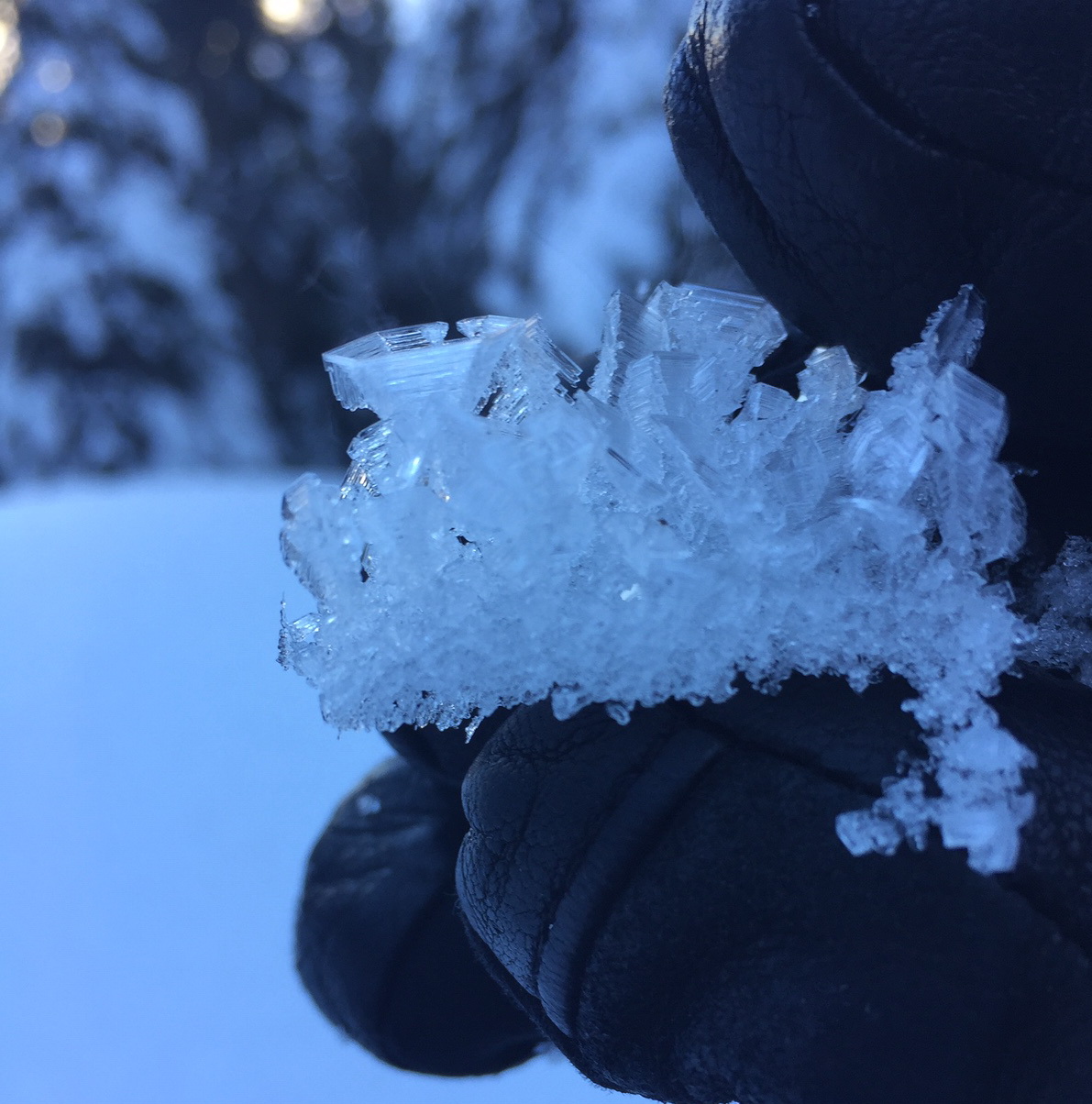
Persistent Slab avalanches are the release of a cohesive layer of snow (a slab) in the middle to upper snowpack, when the bond to an underlying persistent weak layer breaks. Persistent layers include: surface hoar, depth hoar, near-surface facets, or faceted snow. Persistent weak layers can continue to produce avalanches for days, weeks or even months, making them especially dangerous and tricky. As additional snow and wind events build a thicker slab on top of the persistent weak layer, this avalanche problem may develop into a Deep Persistent Slab.
Wind Slabs
Wind Slab avalanches are the release of a cohesive layer of snow (a slab) formed by the wind. Wind typically transports snow from the upwind sides of terrain features and deposits snow on the downwind side. Wind slabs are often smooth and rounded and sometimes sound hollow, and can range from soft to hard. Wind slabs that form over a persistent weak layer (surface hoar, depth hoar, or near-surface facets) may be termed Persistent Slabs or may develop into Persistent Slabs.