Dashboard Regions Weather Stations Radar Alerts Glossary
Contact About
Log In

Register for an account and never miss a forecast again!

Register

Avalanche Forecast

Archived

Jan 17th, 2019–Jan 18th, 2019

Alpine
Natural and human triggered avalanches likely.
Treeline
Natural avalanches possible, human triggered probable.
Below Treeline
Natural avalanches possible, human triggered probable.
Alpine
Natural and human triggered avalanches likely.
Treeline
Natural and human triggered avalanches likely.
Below Treeline
Natural avalanches possible, human triggered probable.

Regions

Mt Hood.

The bottom line: You can very easily trigger a destructive wind slab near and above treeline or a large and reactive storm slab in sheltered terrain below. We don’t know when the avalanche danger will peak and this uncertainty should encourage you to dial it way back. Avoid all avalanche terrain above treeline.

Snow and Avalanche Discussion

It’s tough to say when the peak avalanche danger will occur Friday. We think it’s more likely in the overnight and early morning hours when we expect periods of higher snowfall intensity to occur. However, natural avalanche activity may linger into the day as lighter snowfall and winds continue to load slopes.

Regional Synopsis

January 16, 2019

Since Friday January 11, we’ve enjoyed a spell of generally nice weather in the mountains. This allowed for some great views, enjoyable outings, and lots of snow observations. A more active weather pattern beginning Thursday January 17th will bring this nice weather to a close.

During this time period, the snow surfaces around the area have changed dramatically. This forms the foundation for a few current trends we are seeing in the mountains.

New Snow Problems
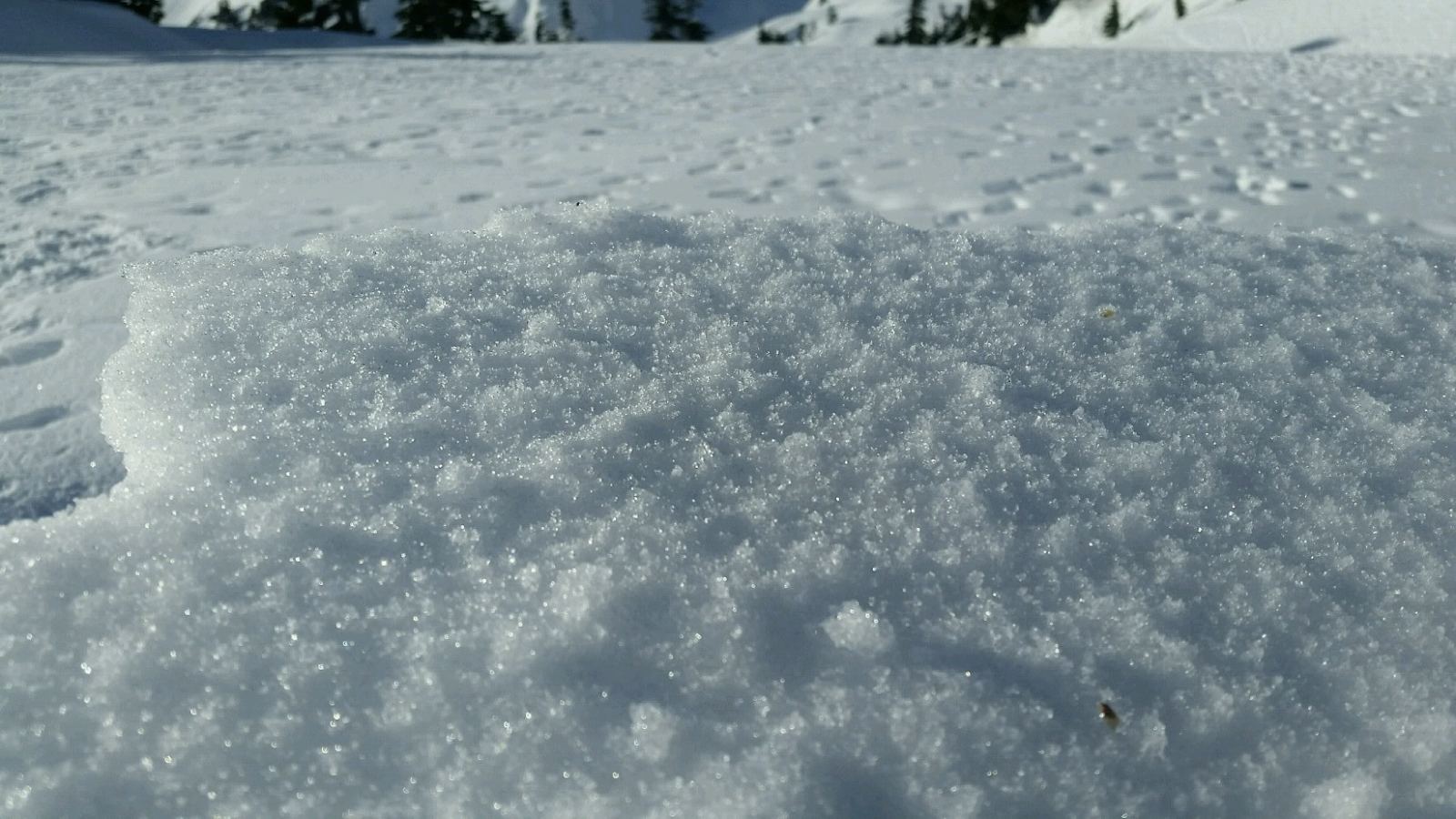
Reports from around the area indicate a wide variety of snow surface conditions prior to new snow on January 17th. We’ve heard about breakable crust, very icy surfaces, sugar facets, surface hoar, and rime. What snow surface you encounter can depend on aspect, elevations, and general location.

As a series of winter storms impact the area, how will the new snow bond to the old snow surface. This can be tricky to predict. As the snow starts to pile up make lots of shallow snow observations. Shovel tilt test, hand shears, and small slope test can all help you track how the new snow is bonding to the old snow at different aspects and elevations. Stop and take a look at where the snow is failing. Do you see large grains of snow? Do they look like feathers? Do the act like sugar? How far below the current snow surface are they?


Old Snow Problems
There are still lingering persistent weak layers in the eastern zones of the cascades. You are most likely to find weak older snow in areas further east from the Cascade crest where snowpacks are shallower, more variable, and generally weaker. In some locations weak snow near the ground can still be found. These basal facets have hung around all season. The only way to gain information about these old persistent weak layers is to get out your shovel and dig. Because of the size of our forecast zones and the variability in the snowpack, it's important to make snow observations as you travel. We’ll keep watching these old layers, but let us know what you see while you are in the mountains.

Problems

Wind Slabs

Wind Slab avalanches are the release of a cohesive layer of snow (a slab) formed by the wind. Wind typically transports snow from the upwind sides of terrain features and deposits snow on the downwind side. Wind slabs are often smooth and rounded and sometimes sound hollow, and can range from soft to hard. Wind slabs that form over a persistent weak layer (surface hoar, depth hoar, or near-surface facets) may be termed Persistent Slabs or may develop into Persistent Slabs.

Storm Slabs

Storm Slab avalanches are the release of a cohesive layer (a slab) of new snow that breaks within new snow or on the old snow surface. Storm-slabs typically last between a few hours and few days (following snowfall). Storm-slabs that form over a persistent weak layer (surface hoar, depth hoar, or near-surface facets) may be termed Persistent Slabs or may develop into Persistent Slabs.