Dashboard Regions Weather Stations Radar Alerts Glossary
Contact About
Log In

Register for an account and never miss a forecast again!

Register

Avalanche Forecast

Archived

Dec 5th, 2023–Dec 6th, 2023

Alpine
Natural avalanches unlikely, human triggered possible.
Treeline
Natural avalanches unlikely.
Below Treeline
Natural avalanches unlikely.
Alpine
Natural avalanches unlikely.
Treeline
Natural avalanches unlikely.
Below Treeline
Natural avalanches unlikely.
Alpine
Natural avalanches unlikely.
Treeline
Natural avalanches unlikely.
Below Treeline
Natural avalanches unlikely.

Regions

East Kakwa, Tumbler.

Wind will continue transporting recent snow and creating pockets of wind slabs.

Be cautious of buried obstacles, especially below treeline.

Confidence

Moderate

Avalanche Summary

No new or recent avalanches have been reported in this region.

Please take the time to submit a MIN report if you venture into the backcountry.

Snowpack Summary

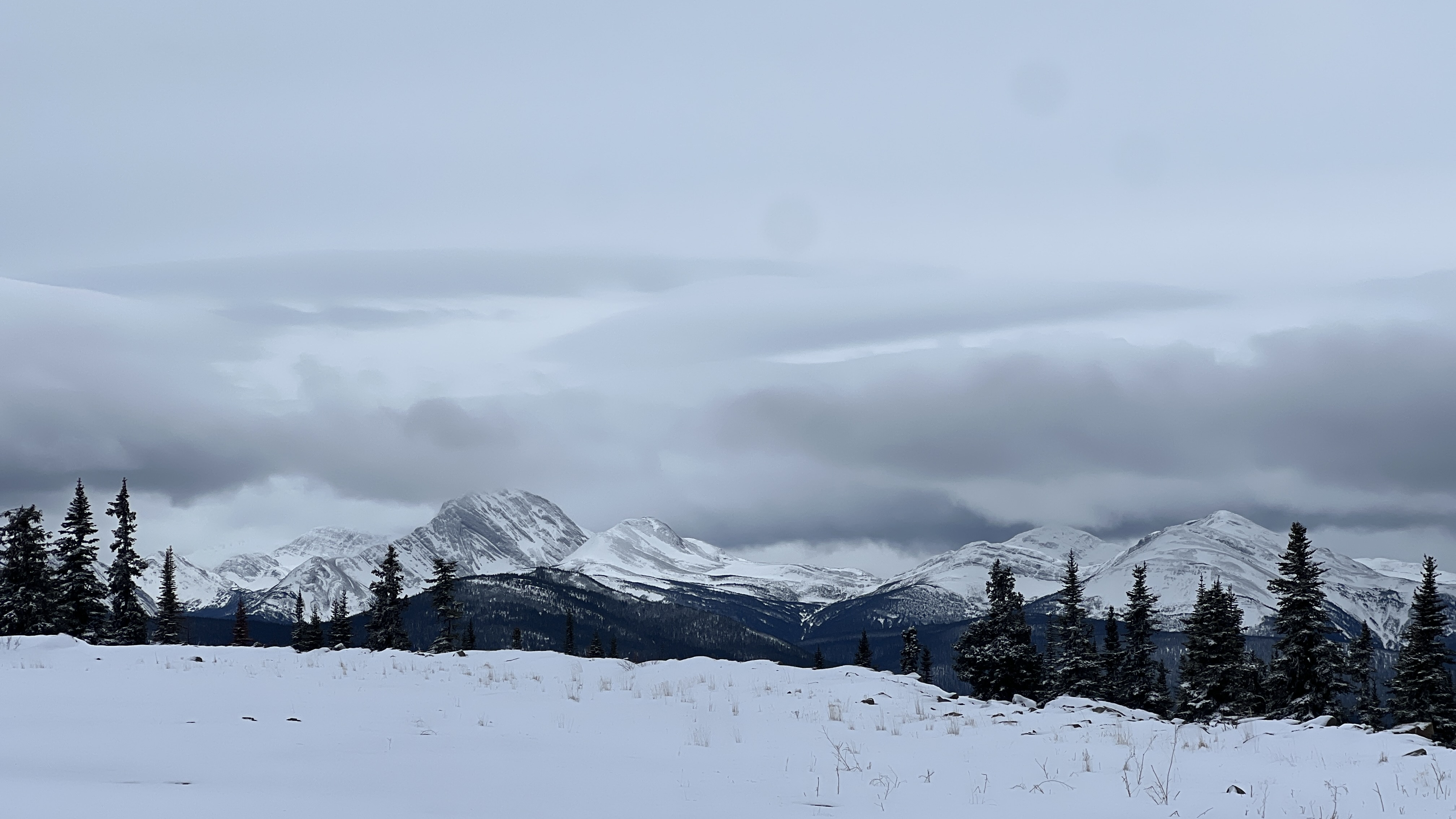
Recent snowfalls were transported by steady southerly winds at higher elevations. In sheltered areas, it is resting on a weak and shallow snowpack. Preserved surface hoar was reported to be reactive under the recent snow in sheltered openings at 1600 m.

The height of snow at treeline ranges from 25 to 70 cm. As you descend to lower elevations, snow depths decrease significantly.

Weather Summary

Tuesday night

Clear periods with isolated flurries. Southwesterly alpine winds gusting 60 km/h. Treeline temperature around -2 °C. Freezing level near 1400 m.

Wednesday

Mostly clear. No accumulation. Southwesterly alpine winds gusting 50 km/h. Treeline temperature around -4 °C. Freezing level near 1000 m and falling by evening.

Thursday

Clear. No accumulation. Westerly alpine winds southwest up to 35 km/h. Treeline temperatures around -6 °C. Freezing level at valley bottom.

Friday

Clear. No accumulation. Westerly alpine winds southwest up to 50 km/h. Treeline temperatures around -8 °C. Freezing level at valley bottom.

More details can be found in the Mountain Weather Forecast.

Terrain and Travel Advice

  • Watch for newly formed and reactive wind slabs as you transition into wind affected terrain.
  • Expect shallow snow cover that barely covers ground roughness.
  • Early season avalanches at any elevation have the potential to be particularly dangerous due to obstacles that are exposed or just below the surface.

Problems

Wind Slabs

Wind Slab avalanches are the release of a cohesive layer of snow (a slab) formed by the wind. Wind typically transports snow from the upwind sides of terrain features and deposits snow on the downwind side. Wind slabs are often smooth and rounded and sometimes sound hollow, and can range from soft to hard. Wind slabs that form over a persistent weak layer (surface hoar, depth hoar, or near-surface facets) may be termed Persistent Slabs or may develop into Persistent Slabs.