Avalanche forecast

Southeast Mountains

Crested Butte Avalanche Center
View on map

Avalanche danger

Fri
Alpine
3 · Considerable
Treeline
3 · Considerable
Below
3 · Considerable
Out of date — this forecast expired 4 years ago. You’re viewing past conditions, not the current bulletin.

Highlights

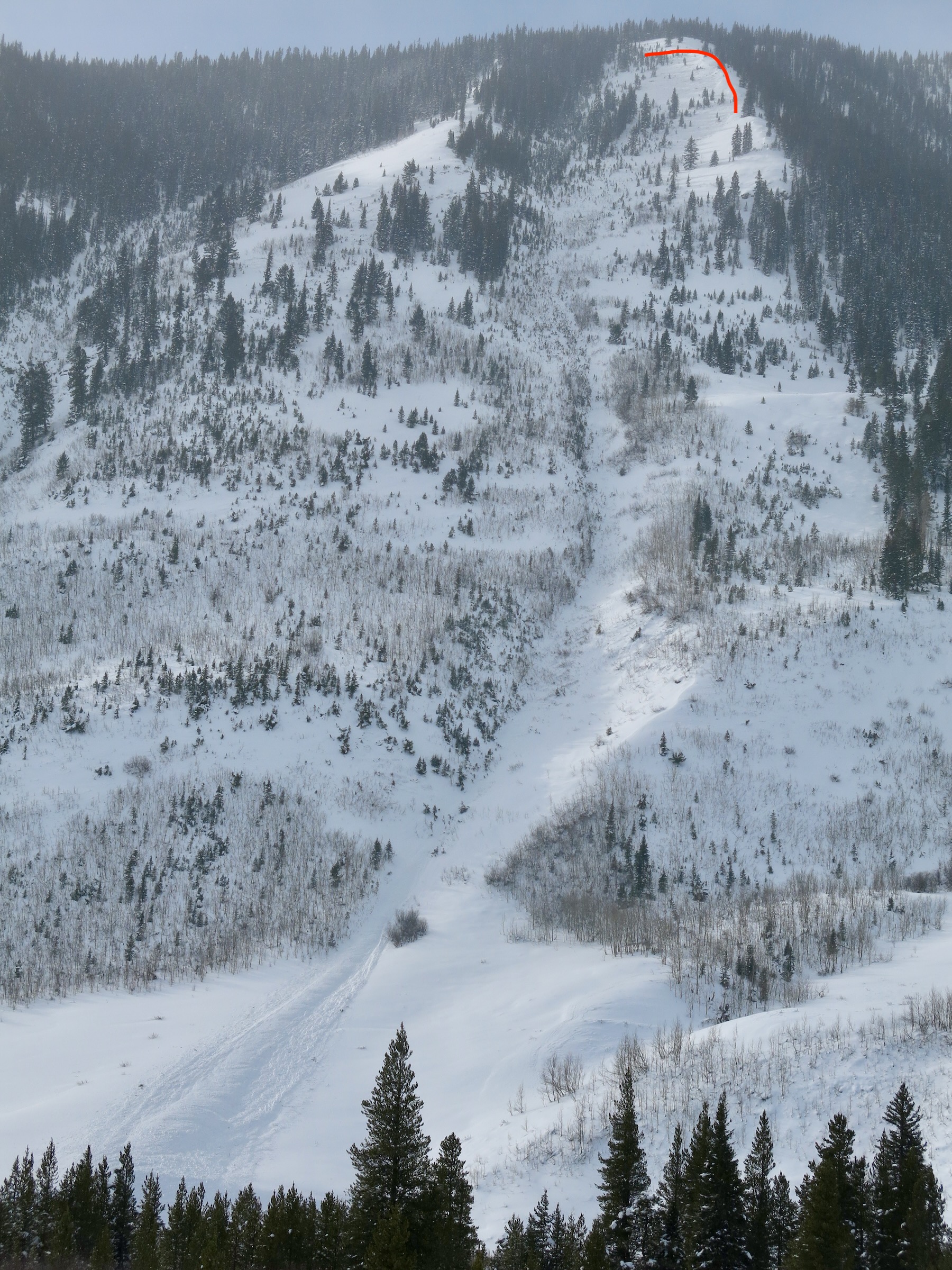
Additional wind loading has continued to drive natural avalanche activity, such as this large natural avalanche in the Climax Chutes and this natural avalanche on Mt Whetstone. The most dangerous areas to travel today would be previously wind-loaded terrain. While in some wind-sheltered areas the likelihood of triggering an avalanche is slowly easing, but the potential avalanche size still remains large and deadly. 

Avalanche problems

  • Persistent Slabs

    • Alpine
    • Treeline
    • Below treeline
    Likelihood
    Likely
    Size
    1.5–2.5

    Storms this month built large persistent slabs over a widespread weak layer of facets and faceted crusts. These slabs are generally 2 to 3-foot thick. They have been the most reactive on west to north to southeast aspects. While less avalanche activity has been observed on south and southwest aspects. Persistent slabs are notorious for erratic feedback and unusual behavior, such as remote triggering and wide propagation. To avoid the problem, consider choosing routes that keep you off and out from under terrain steeper than about 30 degrees that hold old, weak snow near the ground.   

    A recent persistent slab that wrapped from shady to sunny aspects and broke on weak layers near the ground. This a good example of the potential size and widely propagating behavior of our current persistent slab problem. 

  • Wind Slabs

    • Alpine
    • Treeline
    • Below treeline
    Likelihood
    Possible
    Size
    1–1.5

    Northwesterly winds have been transporting the fresh snow that accumulated this week, into new slabs on the lee sides of terrain features. This avalanche problem will slowly improve as wind speeds ease with a lighter wind forecast. On some southerly-facing slopes, this avalanche problem will dictate how you manage the terrain. While in many other areas this avalanche problem is overlapping the more significant persistent slab avalanche problem.   

    Additional wind loading likely contributed to this large natural avalanche in the Climax Chutes. 

Avalanche Discussion

The likelihood of triggering an avalanche is beginning to slowly ease as we put more time between now and past loading events. Most recently, the loading events have primarily come from northwest winds continuing to transport snow onto the lee sides of terrain features and continuing to produce natural avalanches. This was just the case early Wednesday morning when a large natural avalanche released in the Climax Chutes. This terrain feature was likely getting cross-loaded from down valley winds until it finally reached its breaking point. Another natural avalanche was also recently observed on Mount Whetstone. Wind-loaded terrain will remain the most likely place to trigger a dangerous avalanche until we have more time with light winds and the end of additional wind-loading. 

In wind-sheltered areas, generally at below treeline elevations, we don't have the same continued loading going on and a more consistent decrease in the likelihood of triggering an avalanche. Where the persistent slab avalanche problem exists in these wind-sheltered areas, the upper snowpack, or the slab, has gained strength over the weak snow near the ground. This is making it more difficult for the weight of a human to collapse the slab into the weak snow below. You may notice fewer obvious signs of instability such as collapses and shooting cracks. The chance for triggering a persistent slab avalanche is the least likely where the snowpack is consistently deep and uniform. While you are most likely to trigger an avalanche from a thin spot or "trigger point", or where the snowpack is less consistently deep across the terrain. The NW Mountian forecast area has a more consistently deep snowpack while the SE Mountain forecast area has a shallower or more variable snowpack depth. These characteristics are driving the avalanche danger ratings between the two forecast areas at below treeline elevations. 

This likelihood talk may sound like some good news at first, but the problem is that if you do trigger an avalanche, the potential avalanche size still remains large and deadly. In the coming days, as we continue down the path of fewer obvious signs of instability and less avalanche activity, it will be imperative that we not become complacent to the fact that a triggered persistent slab avalanche would be large and likely deadly.  


Regions covered