Avalanche forecast

Southeast Mountains

Crested Butte Avalanche Center
View on map

Avalanche danger

Sun
Alpine
2 · Moderate
Treeline
2 · Moderate
Below
1 · Low
Out of date — this forecast expired 3 years ago. You’re viewing past conditions, not the current bulletin.

Highlights

Small pockets of freshly drifted slabs are forming at higher elevations.  There's still potential that you can still trigger a large avalanche that breaks into old weak layers, most commonly from very steep, rocky terrain (like this or this) or on a heavily drifted slope (like this close call near Aspen Highlands on Thursday).   The safest riding is in wind-sheltered terrain.    The danger will rise tomorrow because of increasing winds.  

Avalanche problems

  • Persistent Slabs

    • Alpine
    • Treeline
    • Below treeline
    Likelihood
    Possible
    Size
    2–2.5

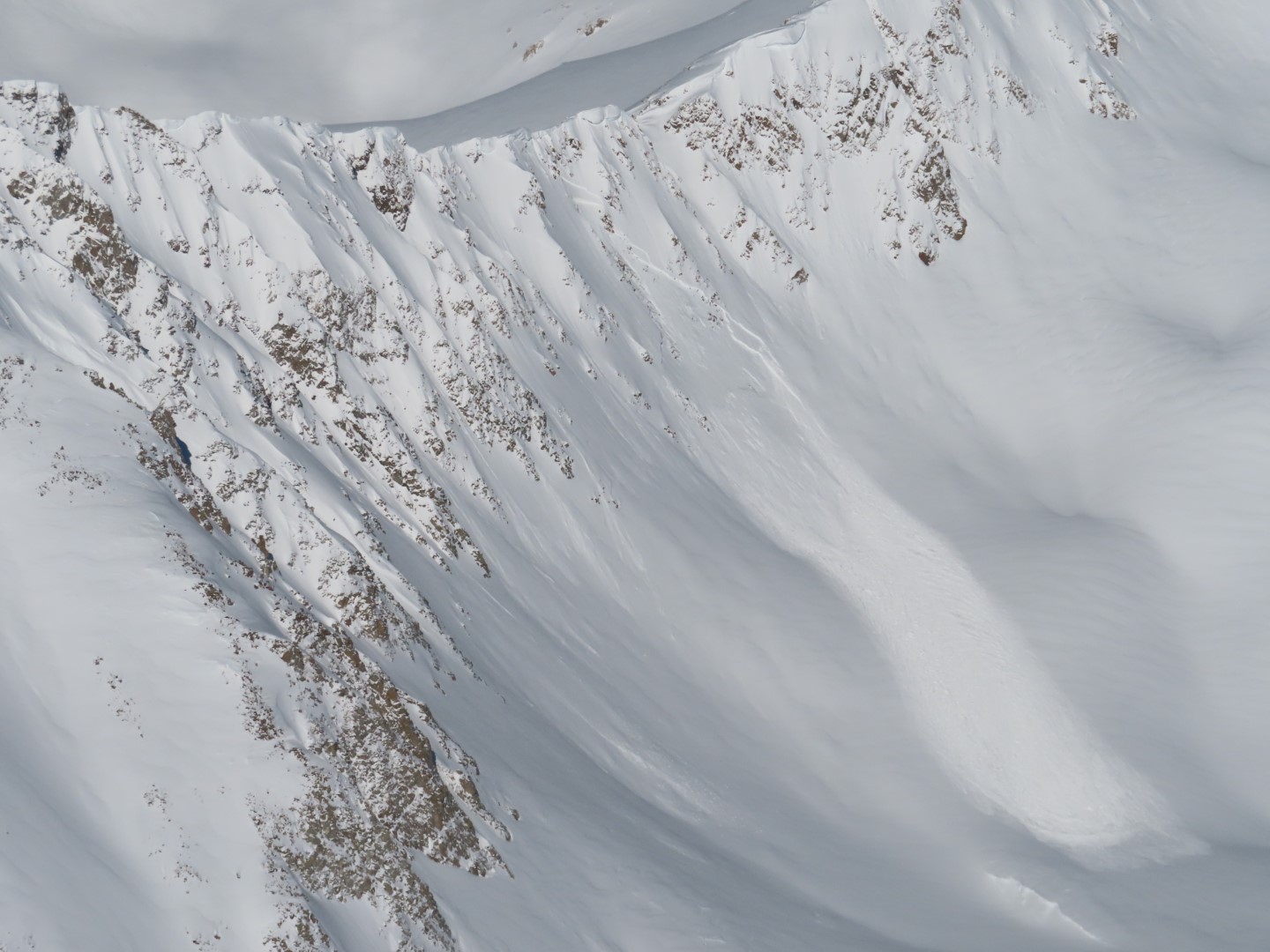
    Over the past few weeks, we have observed a relatively infrequent but continuous pattern of large avalanches or collapses failing on weak, faceted layers deeper in the snowpack.  Persistent slab activity has been most problematic on wind-loaded terrain at higher elevations, though isolated instabilities exist below treeline.  Carefully assess the snowpack structure and give yourself a margin for error in handling this problem because there is a high degree of variability across the region and on different aspects.  Some examples of recent persistent slab activity include a remotely triggered avalanche near Friends Hut on 3/1, a very large skier-triggered avalanche near Ashcroft on 3/2, and a natural step-down avalanche near Coffee Pot Pass

    An avalanche that stepped down to an older layer of weak snow on a wind loaded slope, around 3/1.  

  • Wind Slabs

    • Alpine
    • Treeline
    • Below treeline
    Likelihood
    Possible
    Size
    1–1.5

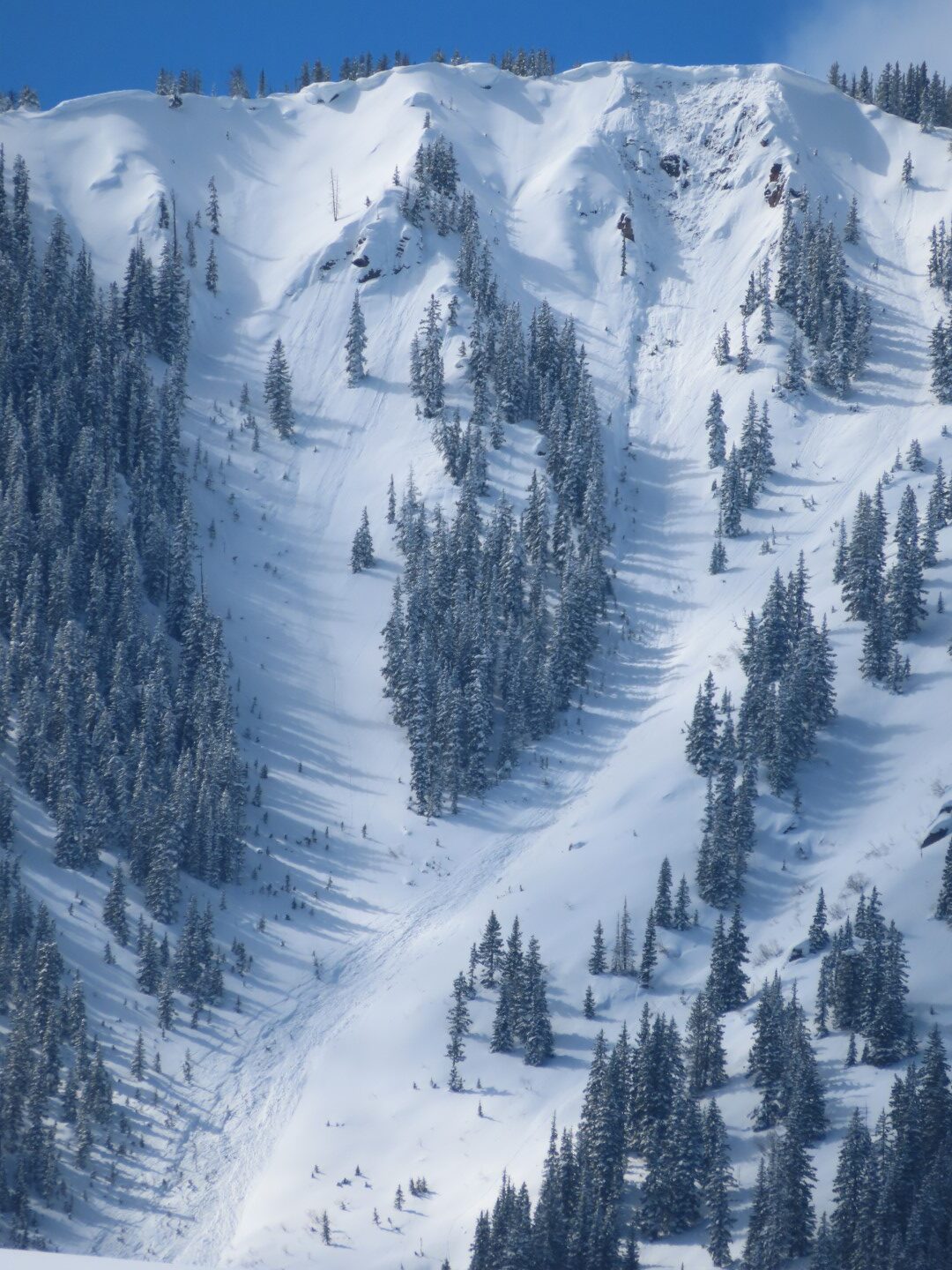
    Increasing winds are forming thin wind drifts that will be sensitive to human triggers at higher elevations.  Look for blowing snow or cracking underfoot to identify the problem.  There's a rare chance that you can still trigger a thicker and older wind slab that formed during last week's extreme southwest wind event, in the same type of terrain: below ridgelines, rollovers, and in cross-loaded gullies.  You can avoid the problem in wind-protected or wind-eroded slopes.   

    This recent wind slab on Mt. Baldy exemplifies the expected size and type of terrain of most wind slabs today.  

Avalanche Discussion

The mountains picked up 2" to 7" of low-density snow in the past 24 hours, which will make for excellent surface conditions today.  West-southwest winds overnight were just strong enough to drift the new snow into cohesive and easily triggered soft slabs in the most wind-exposed terrain.  As winds increase later today, watch for the distribution of these thin slabs to expand to more terrain features and start to increase in size.  Today's wind slabs should generally be small, thus only harmful above terrain traps like cliffs, gullies, and trees.  The larger and more dangerous wind slabs that formed last Tuesday are expected to be generally healed up now. If any instabilities involving the older generation of wind slabs are still lingering, they're most likely to be found on very steep, unsupported, heavily wind-drifted slopes.  Tomorrow's intense winds will cause our newest generation of wind slabs to grow larger and more widespread, with the potential for natural activity.

The midweek storm brought an uptick in persistent slab avalanches, primarily in the Southeast Mountains and on the Aspen side that tends to mirror our shallow snowpack zone.  Highlights include a remotely triggered D2 near Friends Hut on Wednesday and a skier-triggered D3 near Aspen Highlands on Thursday.  There are a couple of facet and faceted crust layers in the upper few feet of the snowpack that are the culprits for these issues.  Well-placed stability tests are helpful for identifying potential weaknesses a few feet deep.  The layers weren't quite as well developed and have been crushed harder by previous loading events in the deeper Northwest Mountains, so persistent avalanche activity has been very rare.  We did spot one large avalanche that failed on old weak layers on East Beckwith from the last storm, which failed on a steep, rocky slope with an unusually shallow and weak snowpack.  We've unlisted persistent slabs for the Northwest Mountains this weekend, though there's still an isolated threat if you are traveling in similar terrain as that.  

Regions covered