
Swan Range
United States · Flathead Avalanche Center · parte de Flathead Avalanche Center
Boletín emitido 4 months ago · válido hasta el Oct 1
Boletín vigente
Lo esencial
Avalanche hazards can linger long into the summer in northwest Montana. Be alert for changing conditions and increased danger during and after snowstorms, or during intense or prolonged warming. Minimize your exposure to overhead hazards and travel early, when conditions tend to be most stable.
Avalanche Discussion
Unless conditions change dramatically, this will be our last update of the 2025-26 season.
The FAC has stopped issuing avalanche forecasts and conditions updates for the season. However, the mountains remain snowy, and avalanche hazards can persist into June. In fact, the latest recorded avalanche fatality in the region occurred on the Summer Solstice. Stay alert for changing conditions. For trips that involve travel on and below steep, snow-covered slopes, continue to carry avalanche rescue gear .
You can view hourly data from remote mountain weather stations all summer on our Zone Weather Stations (Map and Table).
You can find good descriptions of Spring-time and early summer avalanche hazards at these links:
- Mark's closing summary from 2023
- Avalanche Canada's thorough guide to Spring avalanche conditions. It groups conditions and appropriate travel practices into four scenarios:
- Cold and Snowy: When winter storms roll through.
- Daily Melt-Freeze Cycles: Warm during the day, cold overnight.
- All Melt, No Freeze: Intense warming with no overnight re-freeze.
- All Freeze, No Melt: Cool weather with little or no melting.
Your observations alert other riders to conditions and hazards. Submit them here.
Thanks to everyone for a great winter! We're grateful for your observations and participation in our events and classes. Our 2025-26 Annual Report will be available on our Annual Reports page by late May.
Some principles and tips to keep in mind:
- Conditions can vary rapidly. Temporally, on a scale of hours to days. Spatially, from from shadow to sun, or within a few hundred feet up or down. Often diurnal temperature and radiation swings drive the variability, allowing the snow surface to melt or refreeze with time of day, cloud cover, or exposure to sun.
- Avalanche hazards can change or develop abruptly. Fresh snow can be a time machine back to winter conditions with Storm Slab, Wind Slab, Dry Loose, and even Persistent Slab avalanche problems. In turn, an hour or two of sun on fresh snow can spark wet snow avalanche cycles, glide slab avalanches, or cornice falls.
- Good timing can mean a great time. A foot of dry powder in May is an improbable joy. A steep chute with a just-softened snow surface is a treat. The window for these conditions is narrow, however, and once it closes, things deteriorate fast. And avalanche danger can spike as well.
- Prep and options make for less risk and more success. Some planning can help you catch ephemeral conditions. Probably more detailed planning than in winter. You might consider how long it will take you to reach your primary objective, what options are available if it's not in the conditions you expect or you're late, and how you'll exit safely, particularly if things fall apart. An early start almost invariably leaves you more options and a wider safety margin. Skin wax, ski crampons and other sharp, pointy tools can allow you to navigate an approach efficiently and safely so you reach your objective when conditions are ripe.
Researchers Ian McCammon and Sara Boilen are developing new tools to help backcountry skiers and boarders manage human factors. This survey asks about personal experiences with human factors and will take 7-8 minutes to complete. Link is HERE. Thank you for your help!
The forecast team will check emails intermittently from June through August. You can reach us at forecast.team at flatheadavalanche.org
Have a great summer and we'll see you next fall. Our Northern Rockies Snow and Avalanche Workshop is scheduled for November 21!
Evolución de los boletines
Observaciones recientes
Todas las observaciones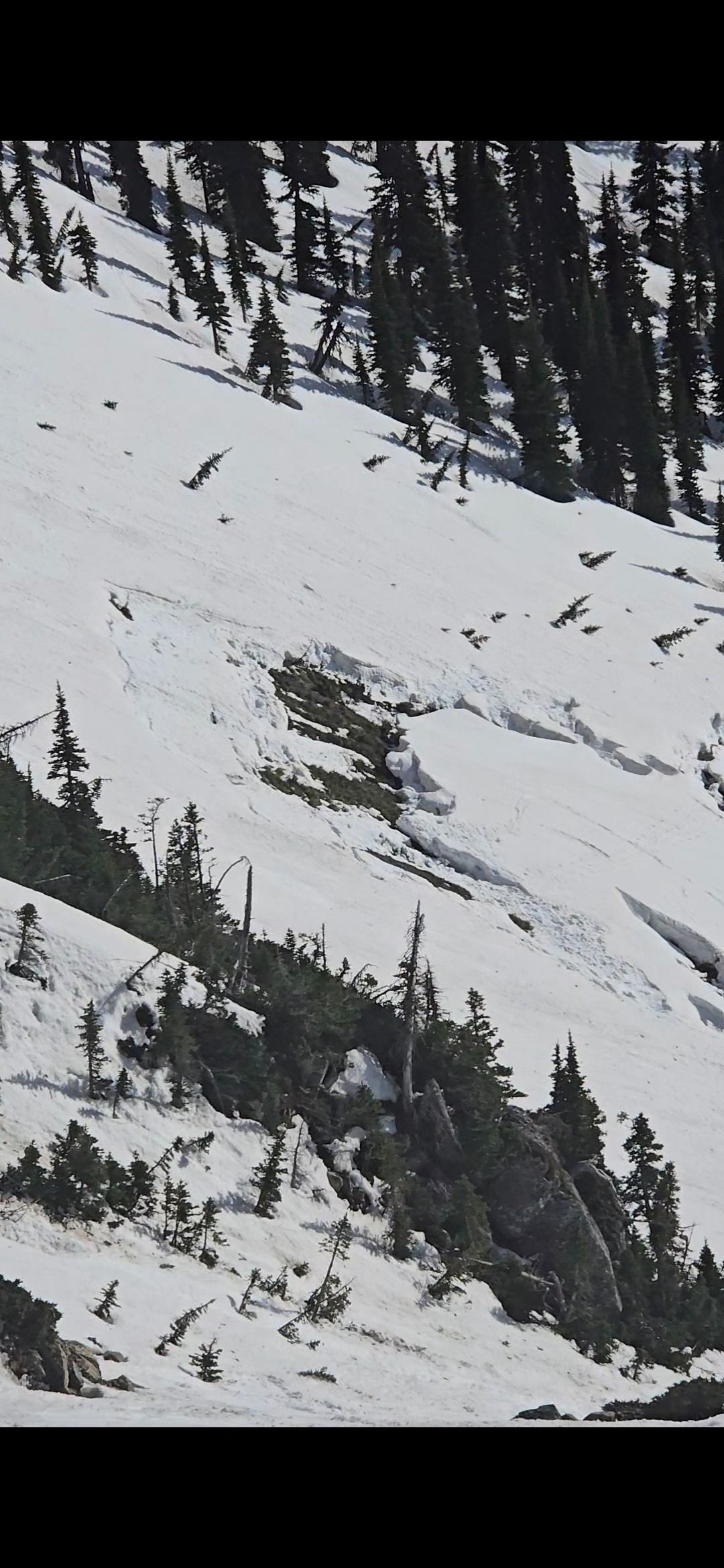
Jewel basinInforme rápido
Informe rápido4 months agoAvalanche.org observer2
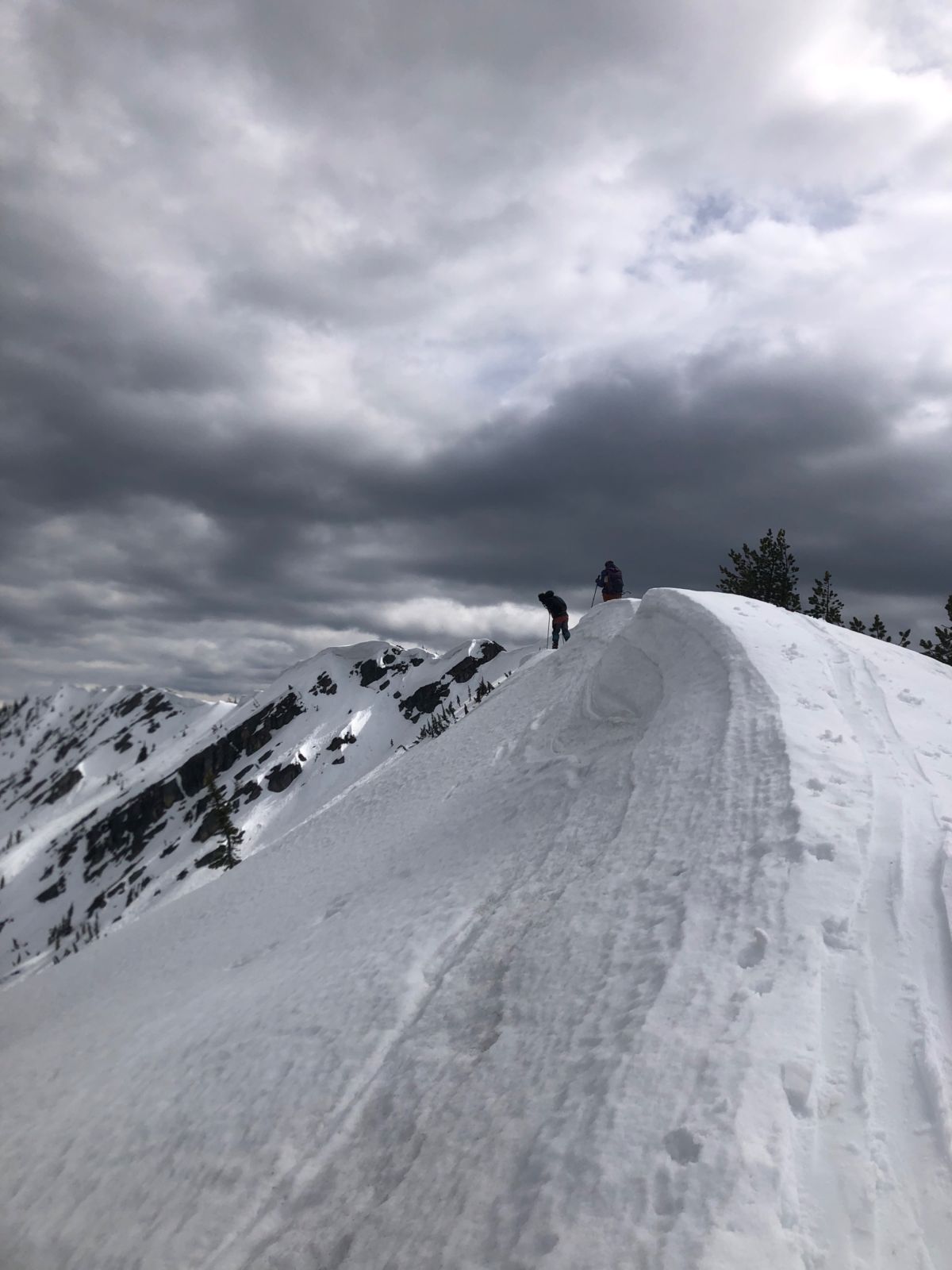
Blaine mtnAlud
Alud4 months agoaL Goretex3
Alpha/Beta/Doris Ridge EnvironsMeteorología
Meteorología5 months agoJosh Lipkowitz/Rob Millspaugh4
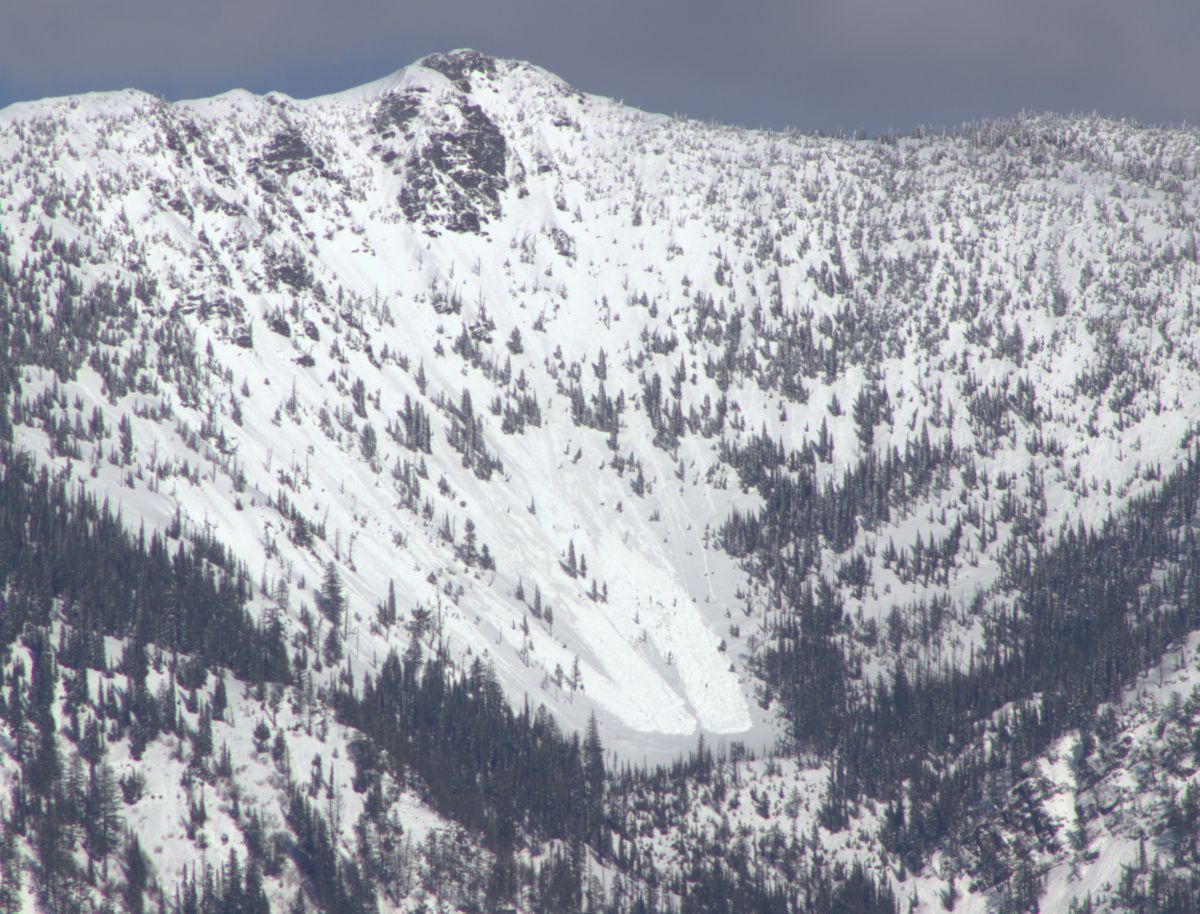
Broken Leg BowlAlud
Alud5 months agochris gotschalk1
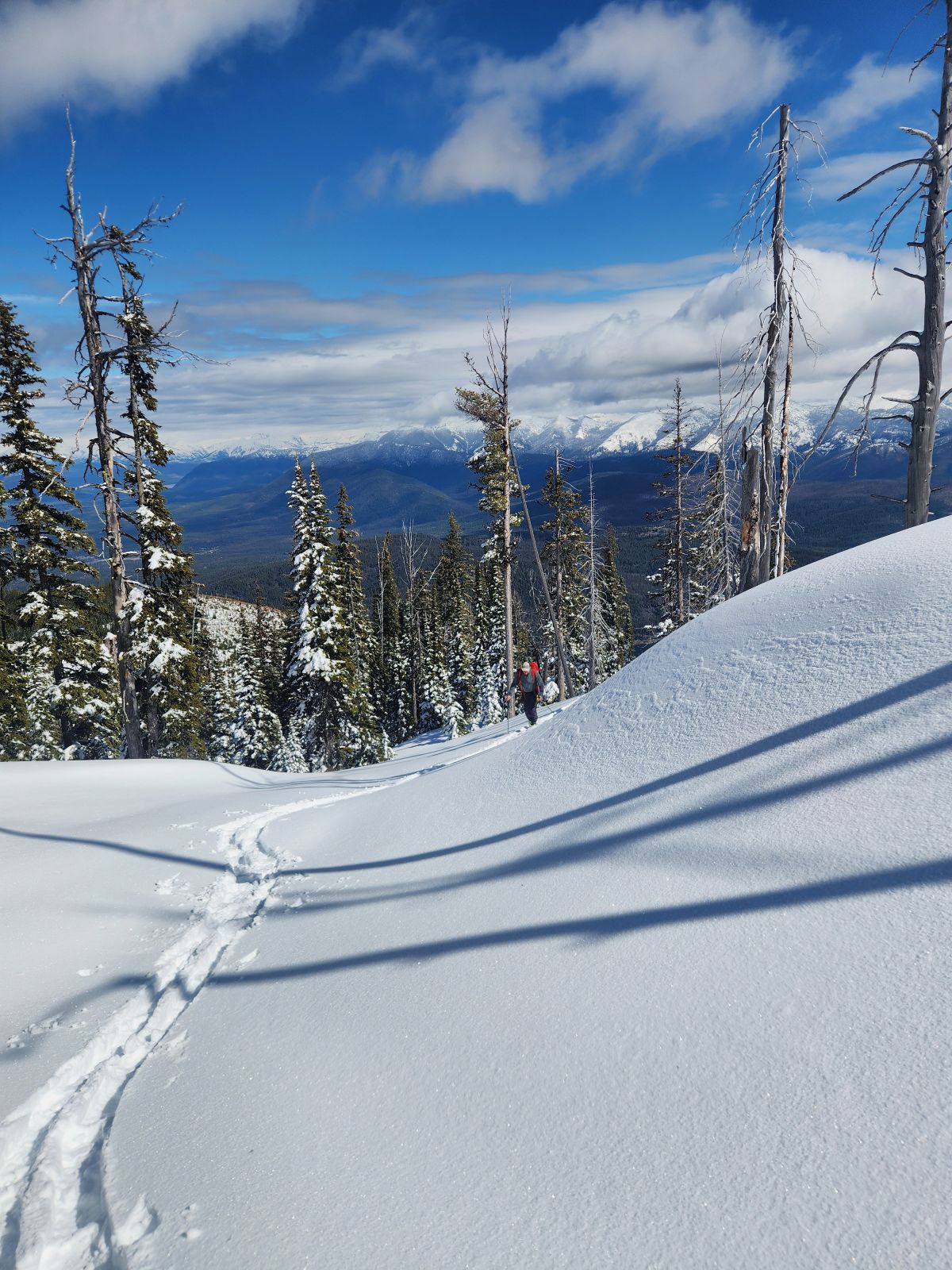
Doris Ridge/Alpha LakeAlud
Alud5 months agoJosh Lipkowitz/Mark Dundas10