
Hatcher Pass
United States · Hatcher Pass Avalanche Center
Boletín emitido 4 months ago · válido hasta el May 16
Boletín vigente
Lo esencial
Although the forecast season has finished, the avalanche season has not. Please read below for some tips on NAVIGATING THE BACKCOUNTRY IN SPRINGTIME and AVALANCHE PROBLEMS you may encounter.
Safe travel protocol, local weather stations, and recent observations will all be valuable resources for making safe decisions as avalanche conditions continue to change throughout the spring.
- Current conditions? Keep tabs on our Observation Page! We will be posting any observations/reports sent in to us.
- “Like” HPAC on Facebook and follow us @H_P_A_C on Instagram.
- Be sure to check the nearby weather stations before heading out. You can find these on our Weather Page.
_______________________________________________________
Thank you for supporting HPAC! This season we published 118 avalanche forecasts, 217 observations, and taught 1000 Mat-Su Borough students in HPAC's avalanche awareness program. We are grateful for our community's ongoing support as we finish up 18 years of providing timely and accurate avalanche information.
A preliminary report of the Gannet Glacier avalanche fatality is now available here on the accident tab of our website. We will continue to work with the operation and will provide more information as it becomes available.
Avalanche Discussion
Springtime in the backcountry can be challenging. New snow, rapid or prolonged warming, and poor structure can contribute to a complex snowpack and dangerous avalanche conditions.
After a long, cold, dry, and windy winter, snowfall arrived late to Hatcher Pass. The snowpack grew more in the last month of the season than at any other time during the winter. Numerous large natural avalanche cycles accompanied significant storms, and the snowpack is complex and dynamic leading into the spring.
Maintaining strict habits with safe travel protocol is a good habit during ‘green light’ conditions as well as red light. The main things are exposing only one person at a time, having escape routes planned, watching your partners closely, and carrying (and knowing how to use) your rescue equipment.
Springtime Avalanche Concerns
Be alert for Red Flags, signs of danger, and monitor trends.
1. Loose Wet Avalanches-Loose wet avalanches are typically the first avalanches we see as the snowpack warms up. They can be triggered by snow heating up especially near rocks and cliffs on steep slopes. While they are relatively small and manageable on their own, they can be dangerous if they pick up enough volume, or if they push you into terrain traps. They can also trigger larger slab avalanches as they travel downhill. They are typically preceded by rollerballs or pinwheels rolling down slopes as they heat up. This is an easily avoidable avalanche problem. Expect wet loose sluffs to be possible on all aspects in steep terrain.
2. Wet Slabs– Wet snow avalanches are caused by meltwater weakening the bonds (strength) within the snowpack, decreasing its strength and cohesion. Wet slab avalanches can release on weak layers within the snowpack or on the ground. Wet slab avalanches can be highly destructive and require careful evaluation of the snow surface conditions to minimize your exposure. The best indication of wet slab avalanche potential is to monitor how deep you are sinking into the snow surface and pay attention to any smaller wet loose avalanches that are either human triggered or naturally occurring. Monitor temperature trends closely: Several nights in a row of no refreeze is a strong predictor of wet slab avalanches. It is best to avoid avalanche terrain and runout zones during these periods, as the ingredients for large and destructive wet slab avalanches are all in place.
3. Cornices –Cornices are very large on many upper elevation leeward ridgelines. Cornices can break off naturally, especially during warm weather when they start bending downhill. Simply avoid being underneath or near the tops of large cornices as they can break farther back than expected. Cornices can trigger sluff and slab avalanches and are unpredictable this time of year.
4. Glide Avalanches– A separate but related avalanche problem is Glide avalanches. When they happen is mostly unpredictable, however, where they happen is generally predictable because there is often a huge crack in the snowpack. Glide cracks are more likely during periods of active melting of the snowpack. Common places to find glide avalanches are places with rock slabs or a smooth ground surface which are common in much of the terrain at Hatcher Pass. Avoid spending time underneath open cracks, as they could release at any time and create a large and destructive avalanche.
The Bottom Line for Wet Avalanches: Get out early and get home early. Get off of–and out from underneath–any slope approaching 35 degrees or steeper when the snow becomes wet enough not to support your weight. Warning signs may include:
- Rollerballs (pinwheels) in new snow that is getting wet for the first time
- Natural or human triggered wet sluffs
- Small sluffs fanning out into larger slides or running long distances
- Cornices breaking off
- Several days of strong melting combined with no refreeze at night.
These signs mean it’s time to head home or change to an aspect with cooler snow. Remember, even “smaller” slides can be dangerous in high-consequence terrain, such as above a terrain trap, trees, rocks, cliffs, or a long, large avalanche path. Plan your trip to have a safe exit out of the mountains.
While winter lingers with accumulating snowfall in the alpine, encountering cold, new snow avalanche problems is also possible. This means dry loose, storm slab, and wind slab avalanches are all problems you might encounter during or just after recent snowfall. Remember, most avalanches happen during or within 24-48 hours of a storm, so check on the weather and give new snow time to settle. Strong solar activity and drastic warming will only compound these problems.
Storing your avalanche gear:
- Take the batteries out of your beacon and store it in a dry place.
- Make sure your shovel and probe are dry when you put them away.
- Put your airbag pack into storage mode per the manufacturer's recommendations
THANK YOU!
This was at times a rewarding and incredibly challenging season for HPAC. We are grateful for the participation and support from the community. HPAC is a non-profit, non-agency center. We receive no support from the state or federal government and rely on grants and individual donations for our operations. Thank you to everyone who read the forecast, submitted an observation, attended a talk, or supported HPAC with a donation of time or money.
Evolución de los boletines
Observaciones recientes
Todas las observaciones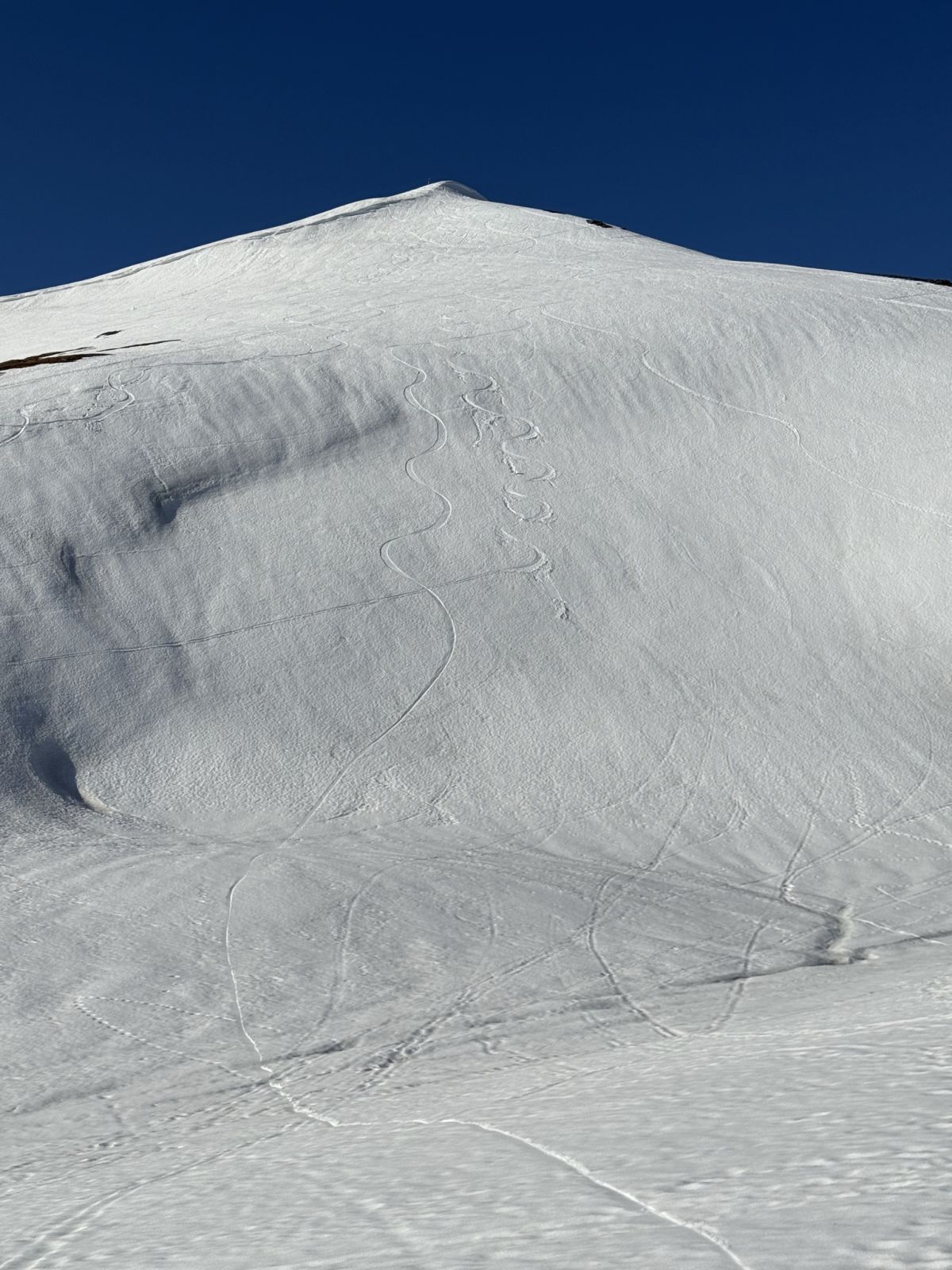
Hatch/BennettsInforme rápido
Informe rápido3 months agoAvalanche.org observer1
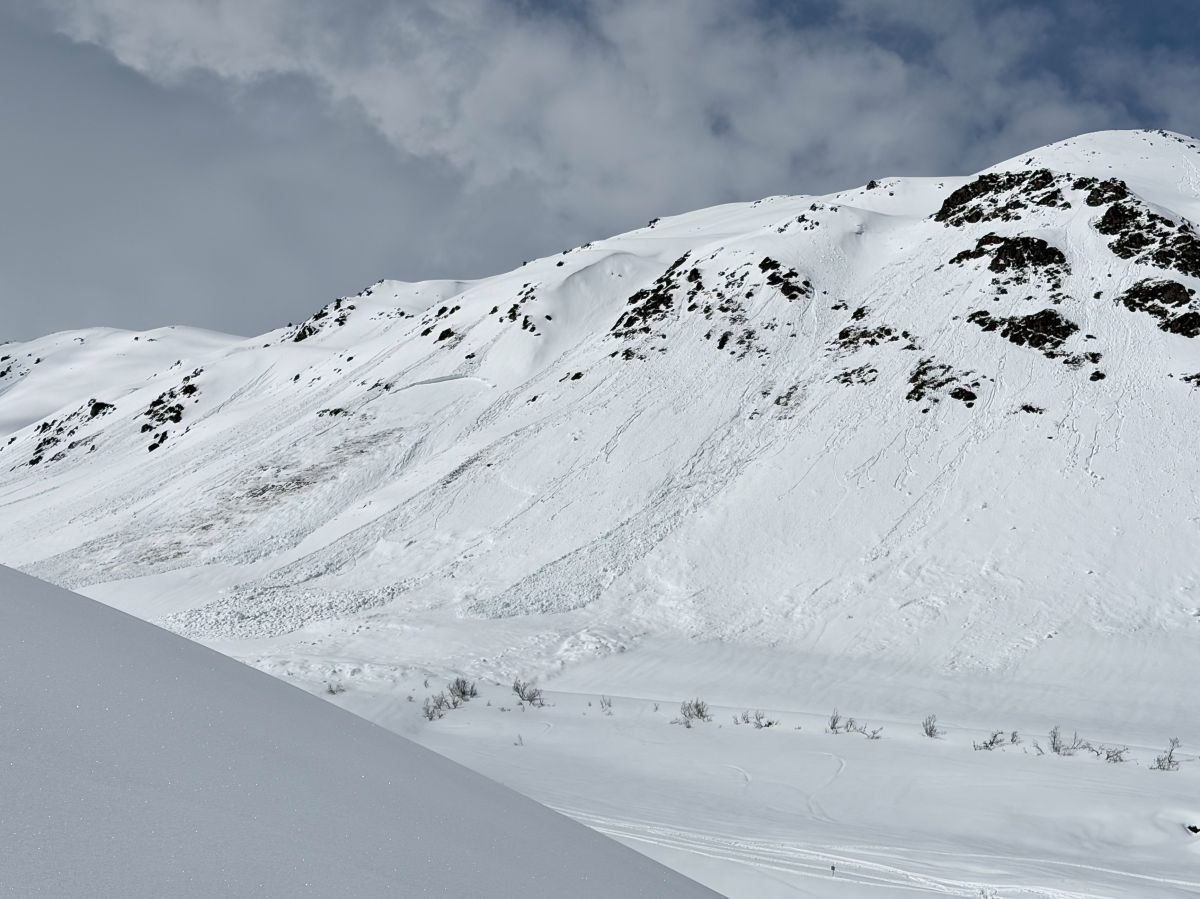
$1000 Run, North Aspect Hatch PeakInforme rápido
Informe rápido4 months agoRalph Baldwin4
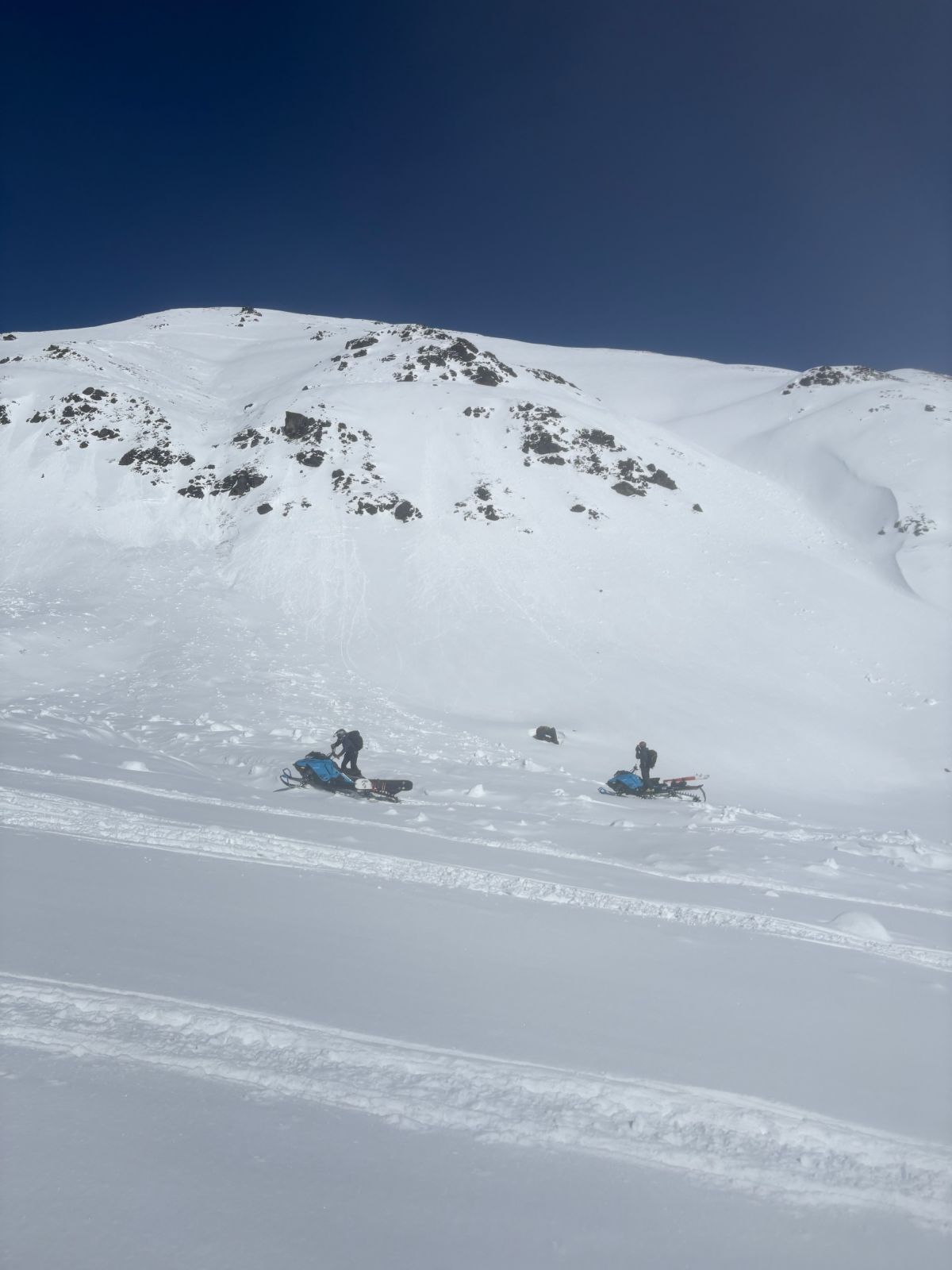
Upper WillowAlud
Alud5 months agoRogers, Paul, Peterson6
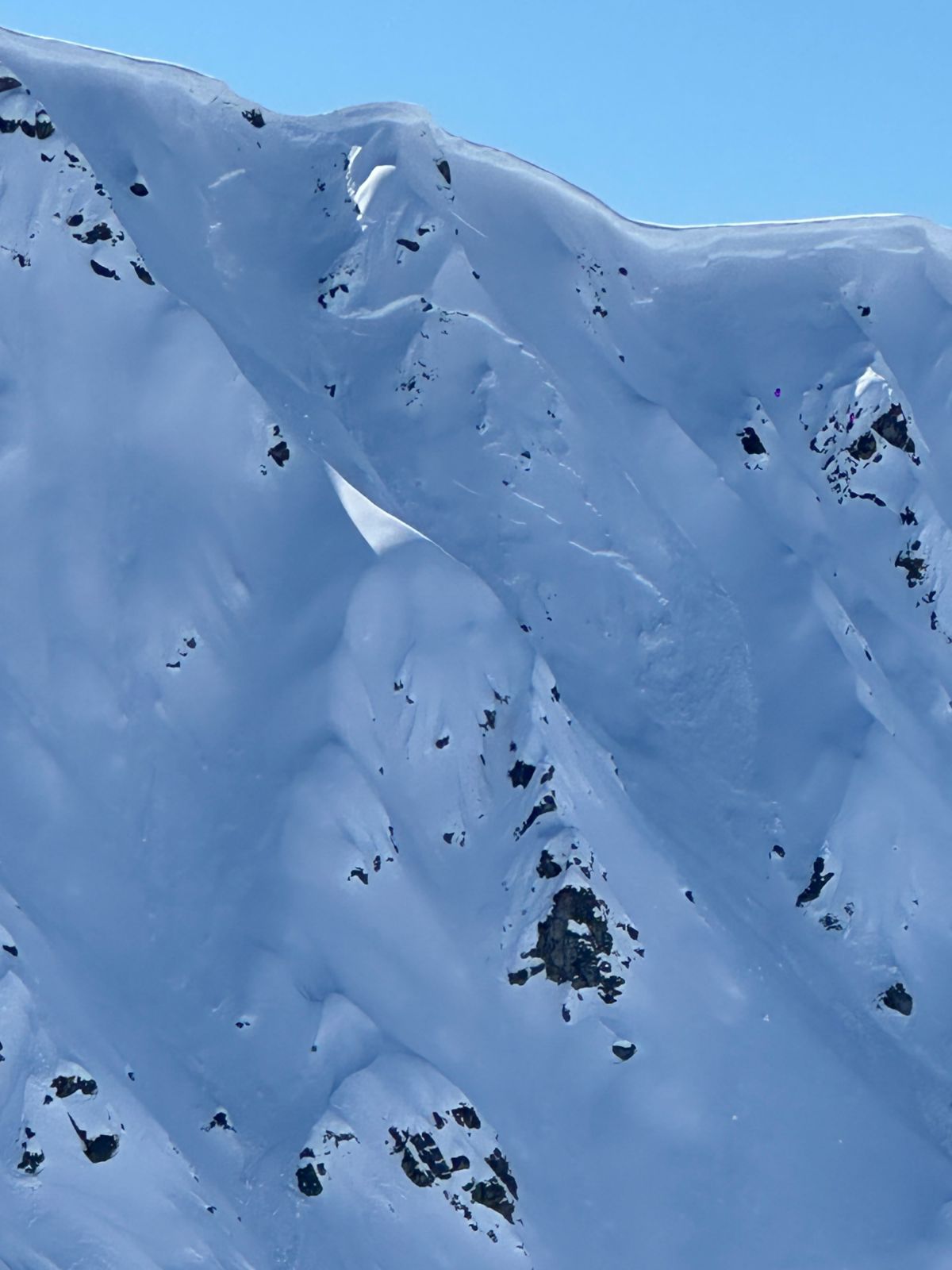
MicrodotAlud
Alud5 months agoFelipe Abreu3
April Bowl, $1000 runAlud
Alud5 months agoAvalanche.org observer2