
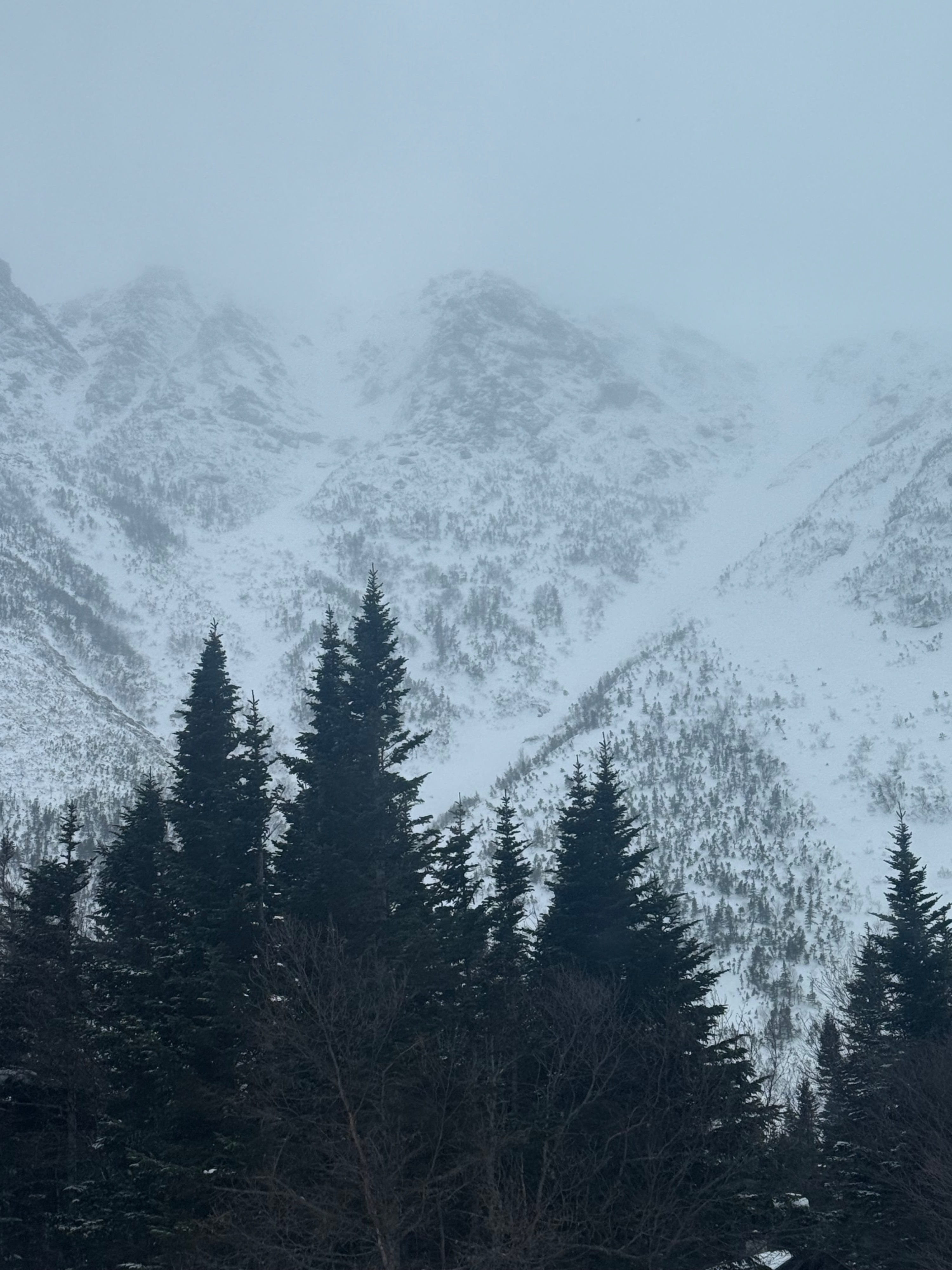
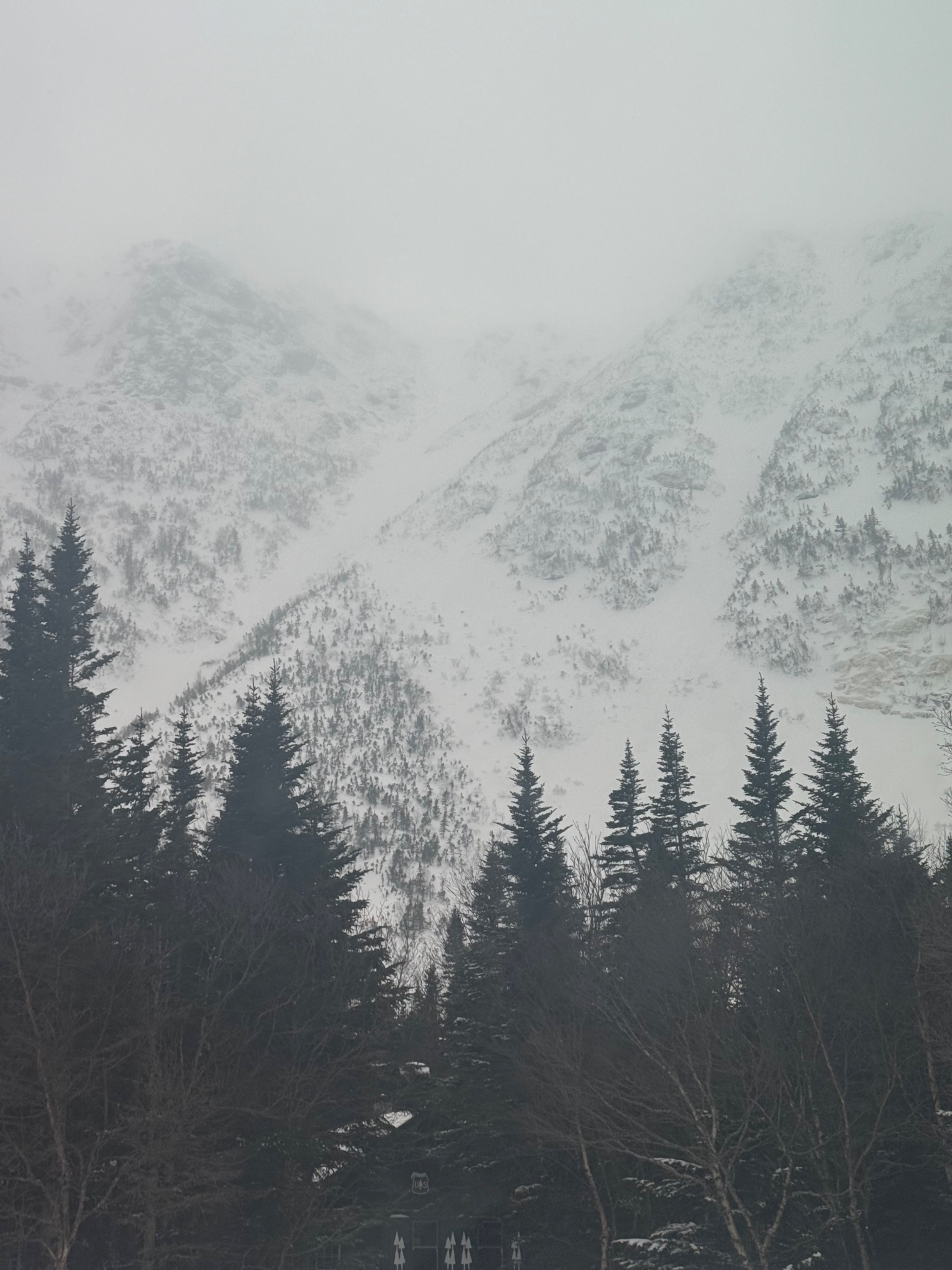
Quick report
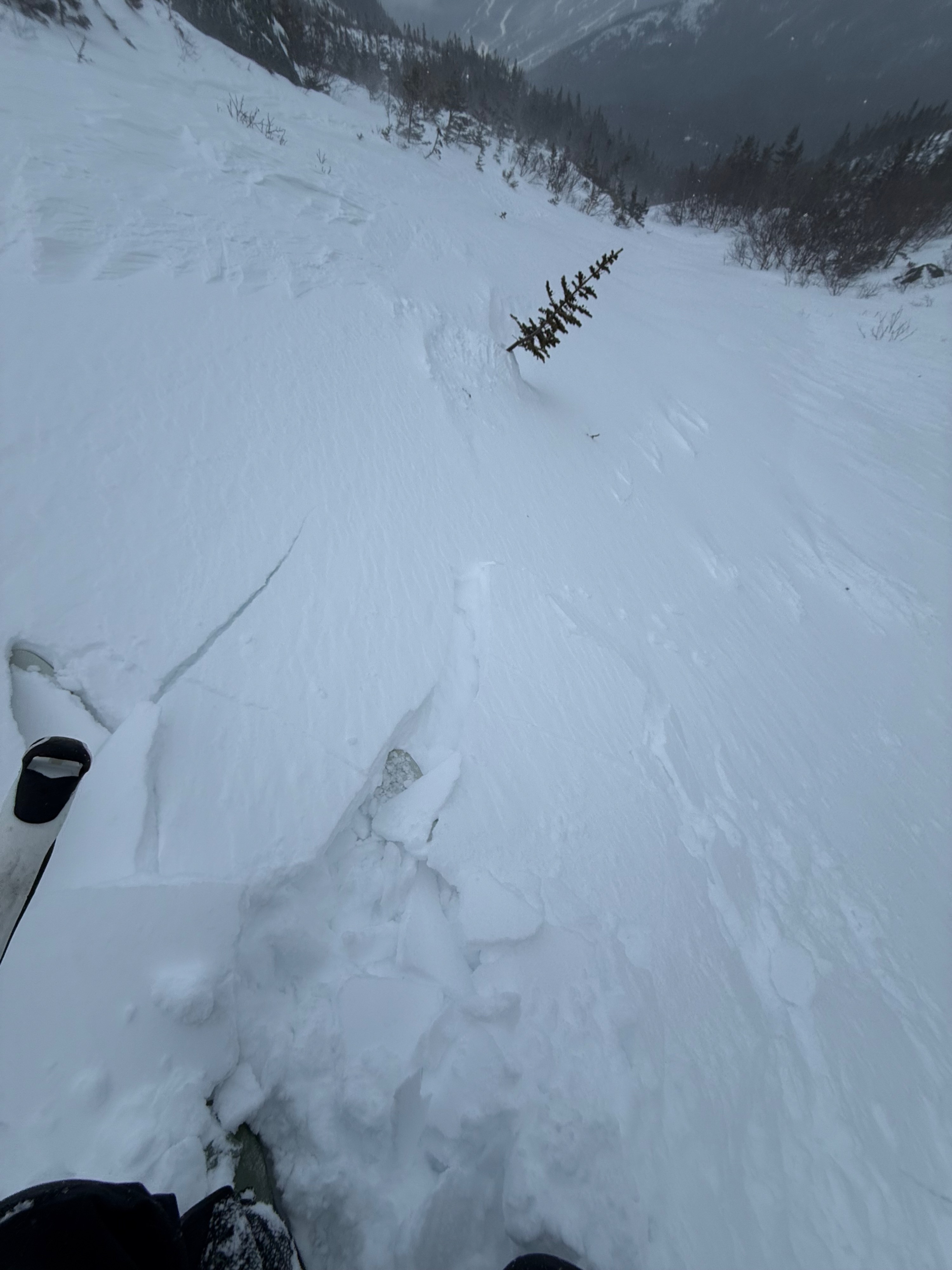
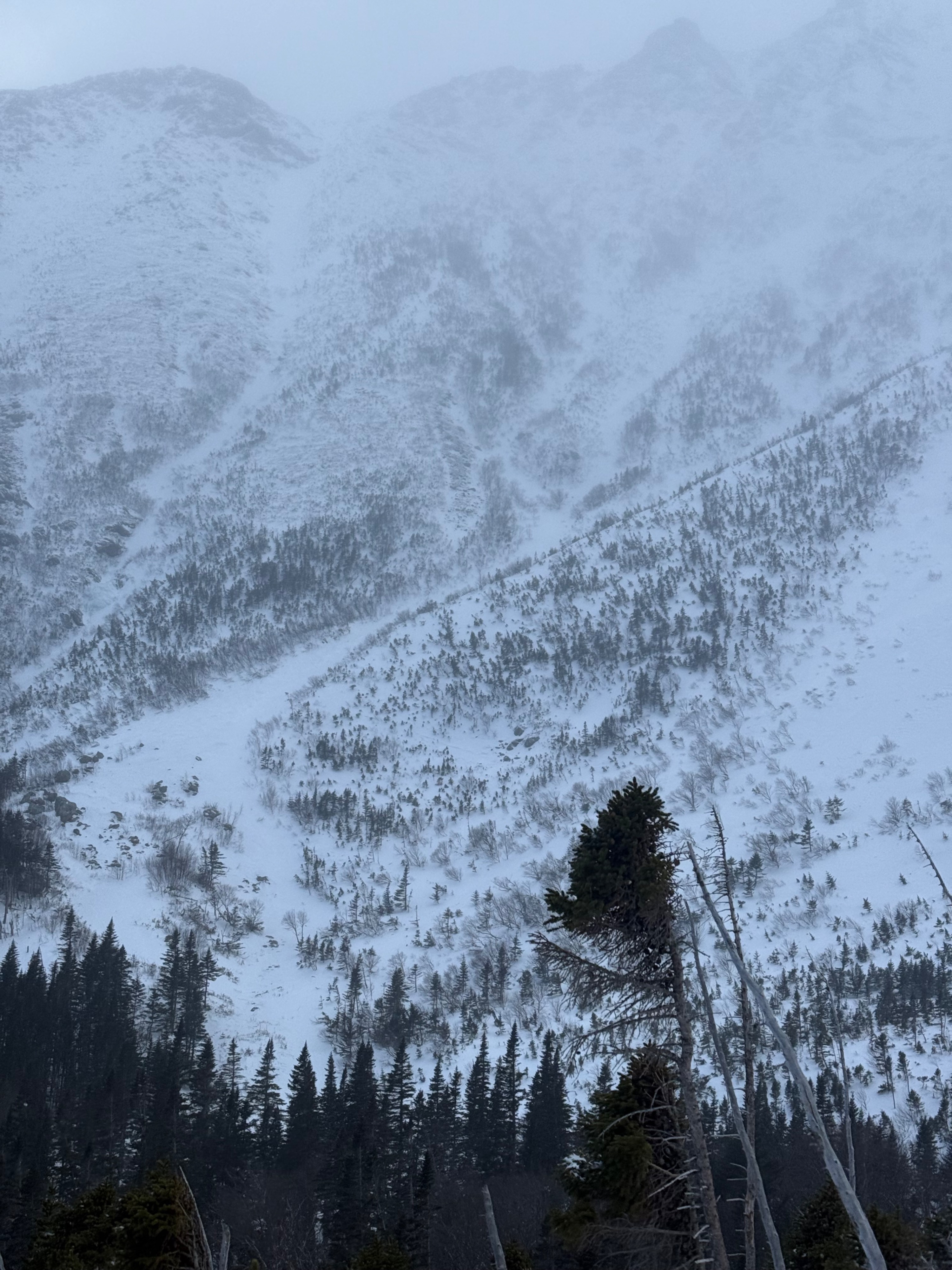
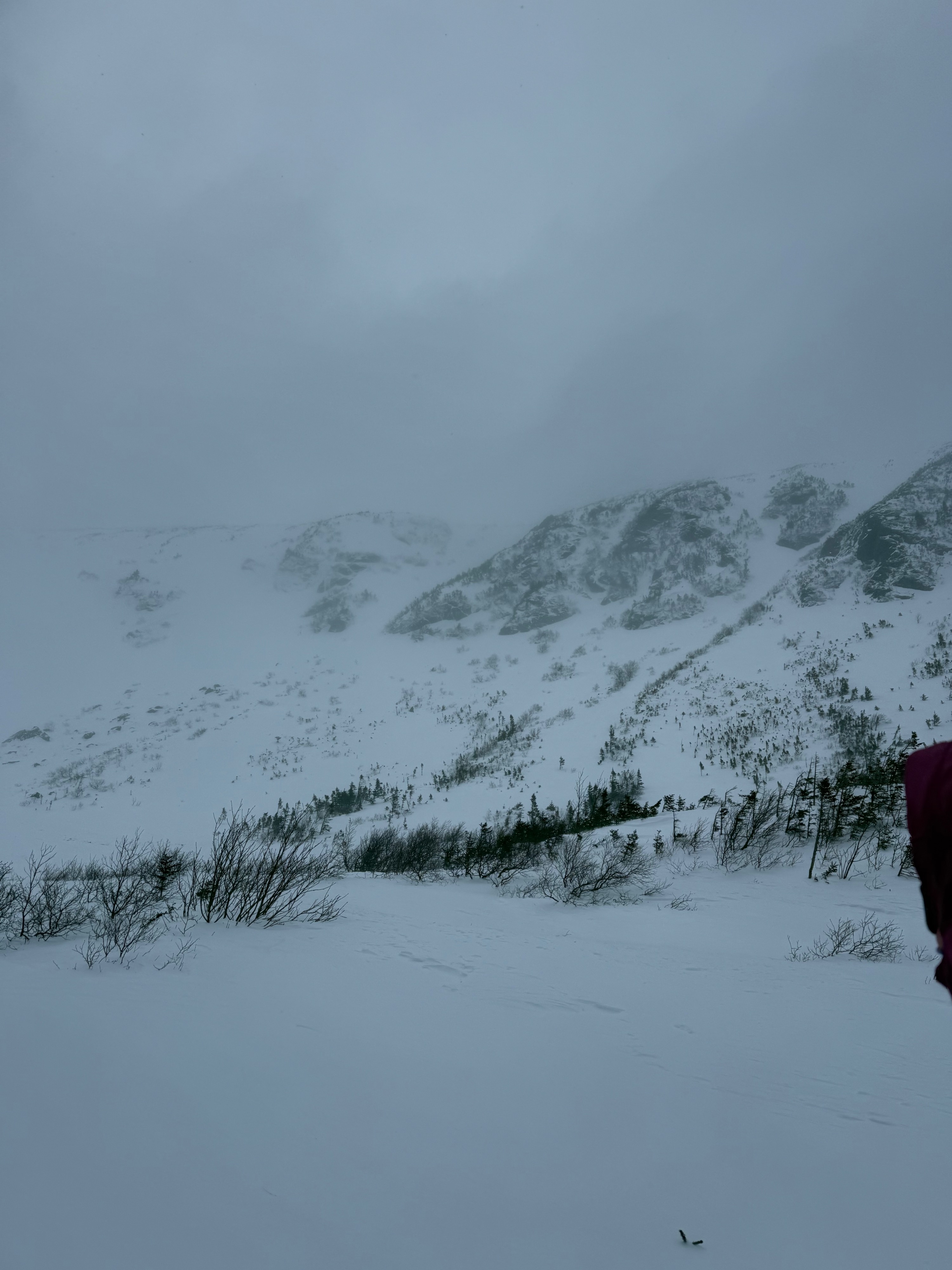
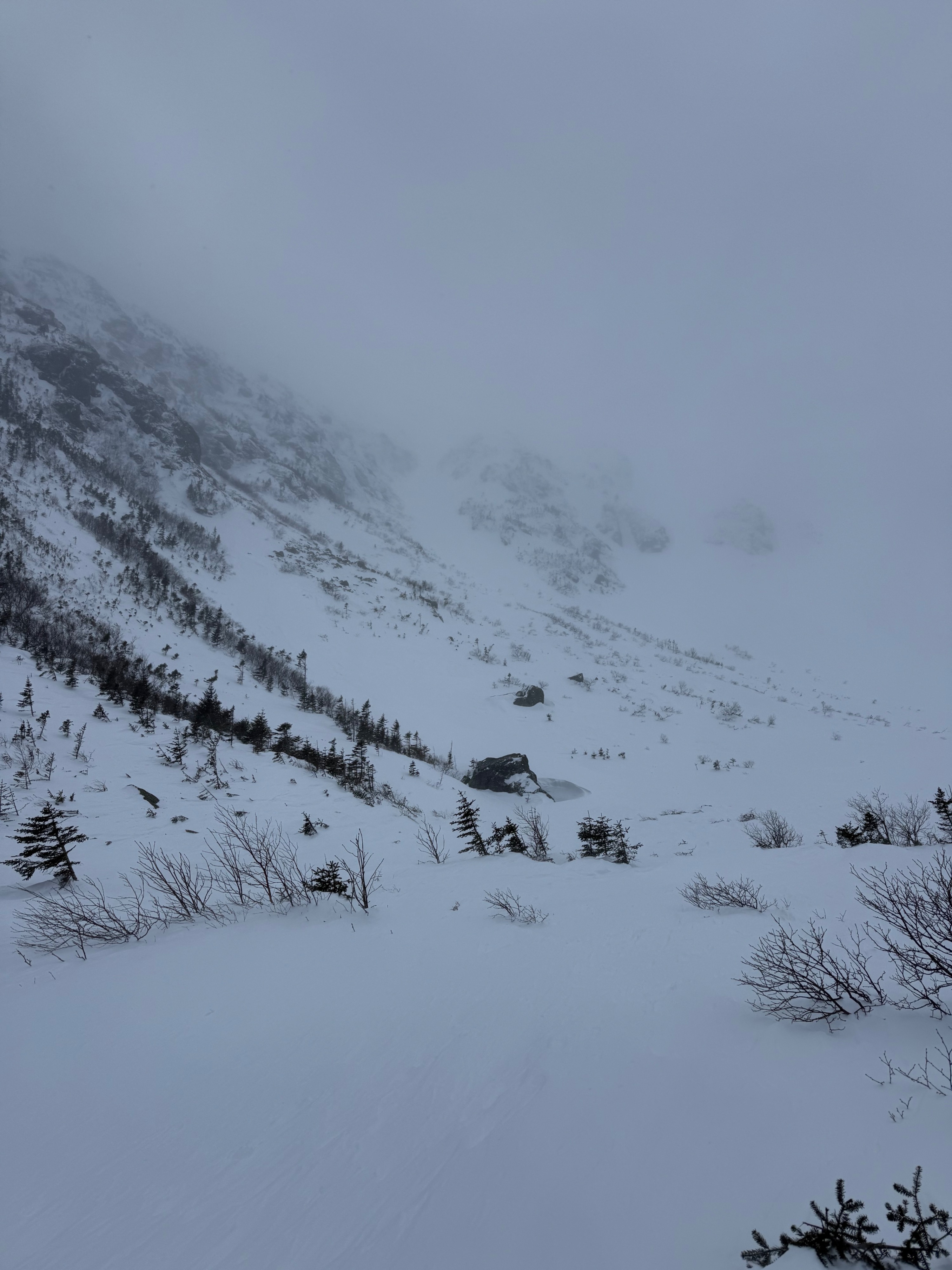
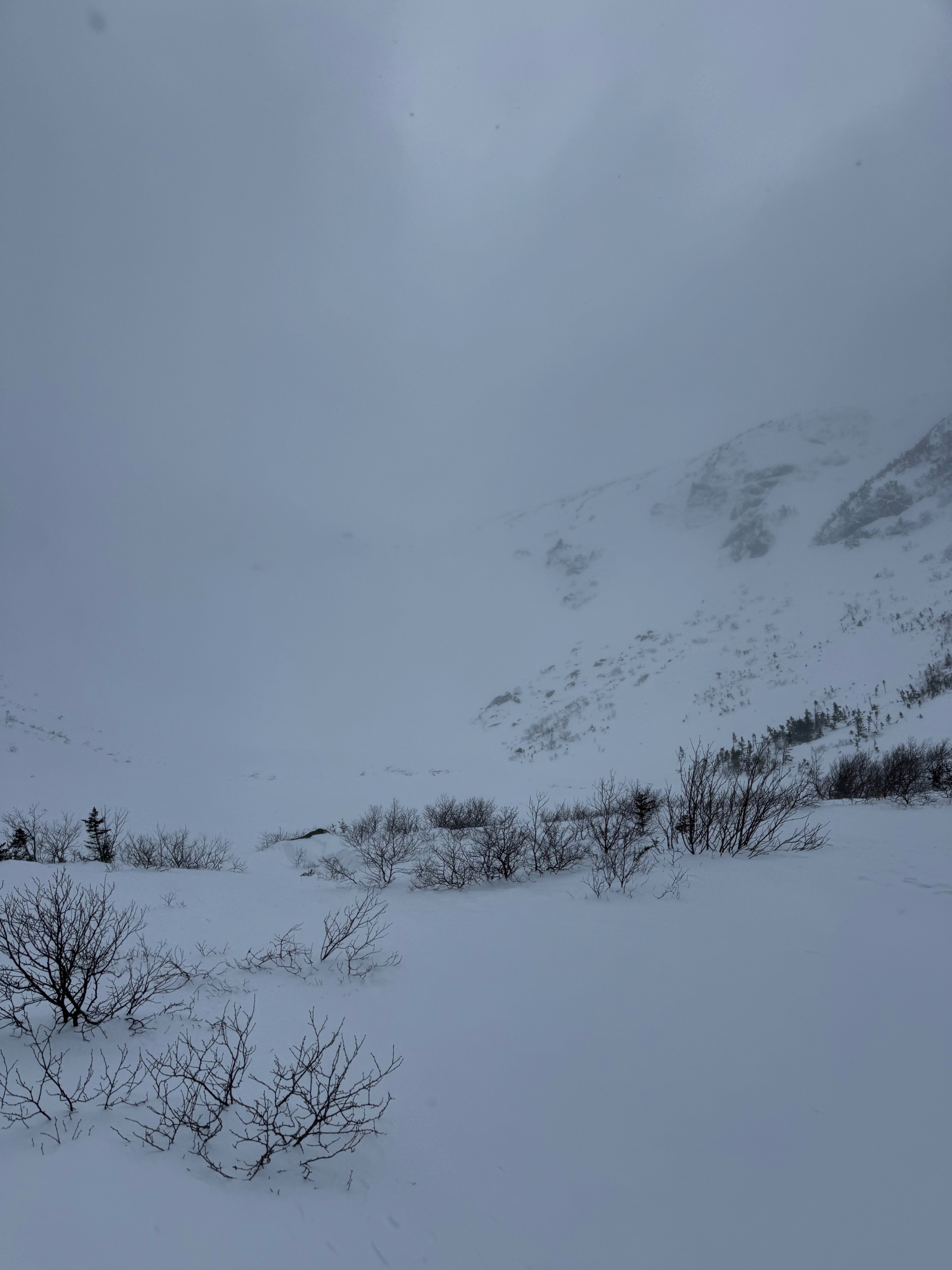
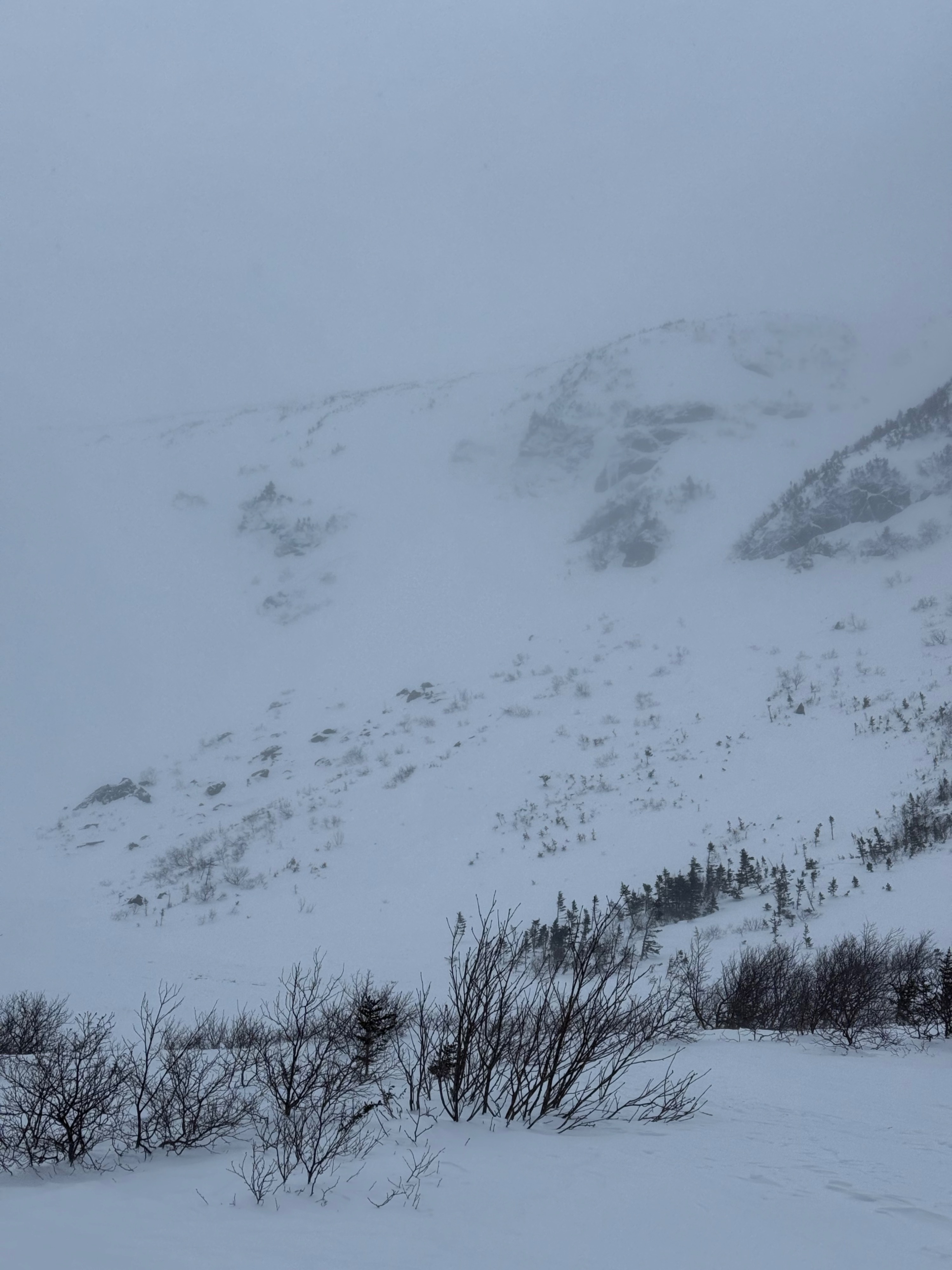
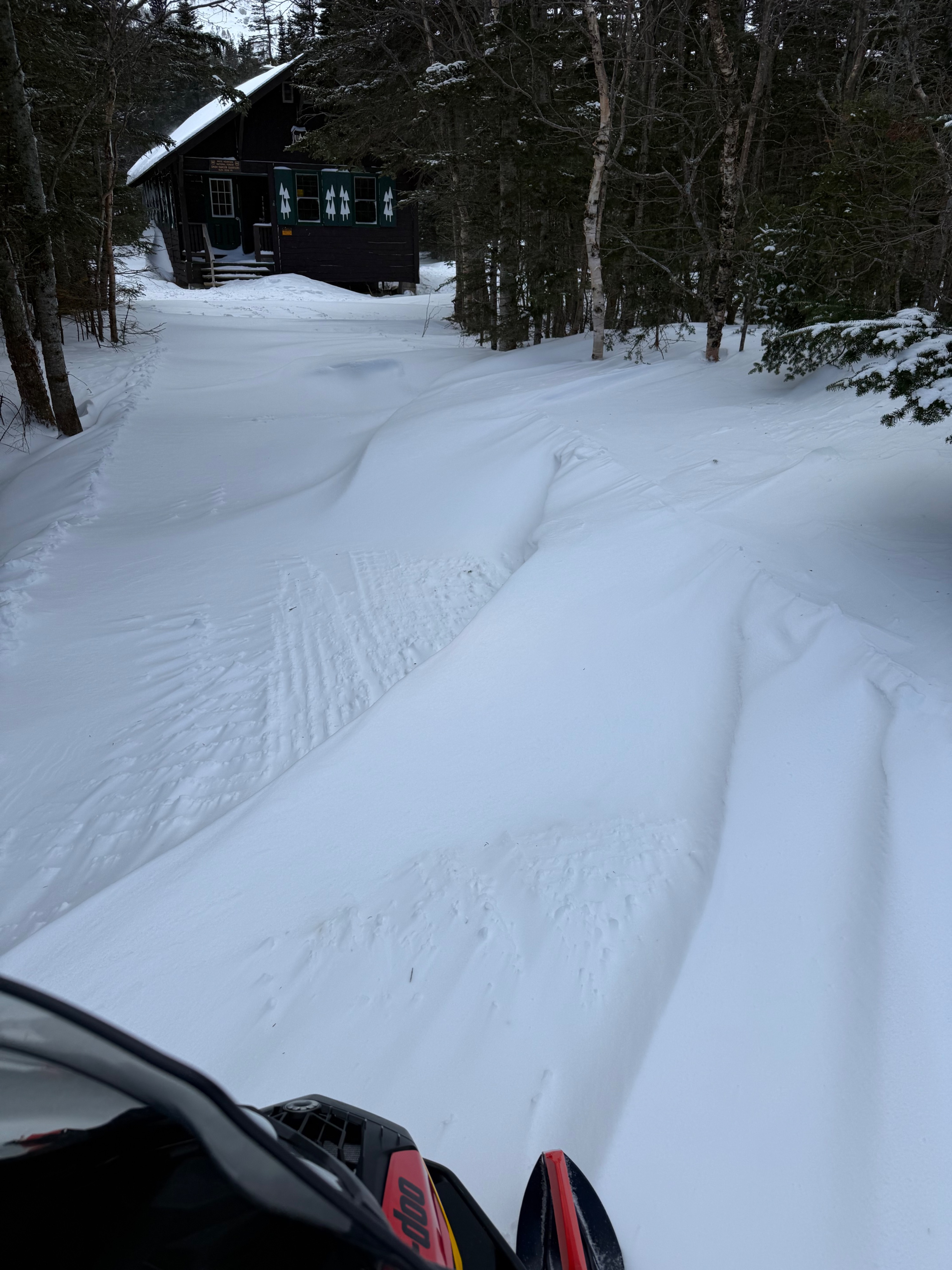
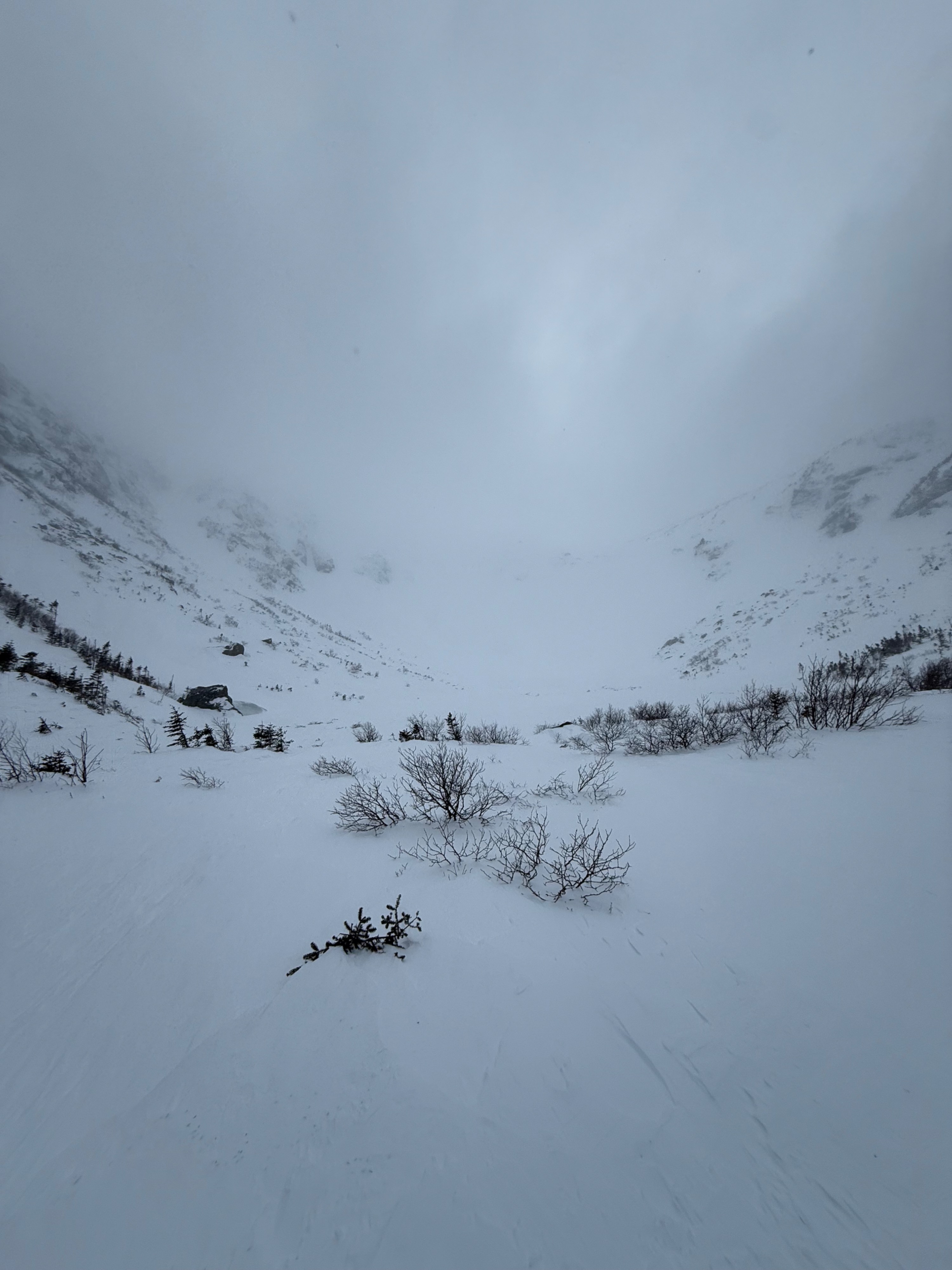
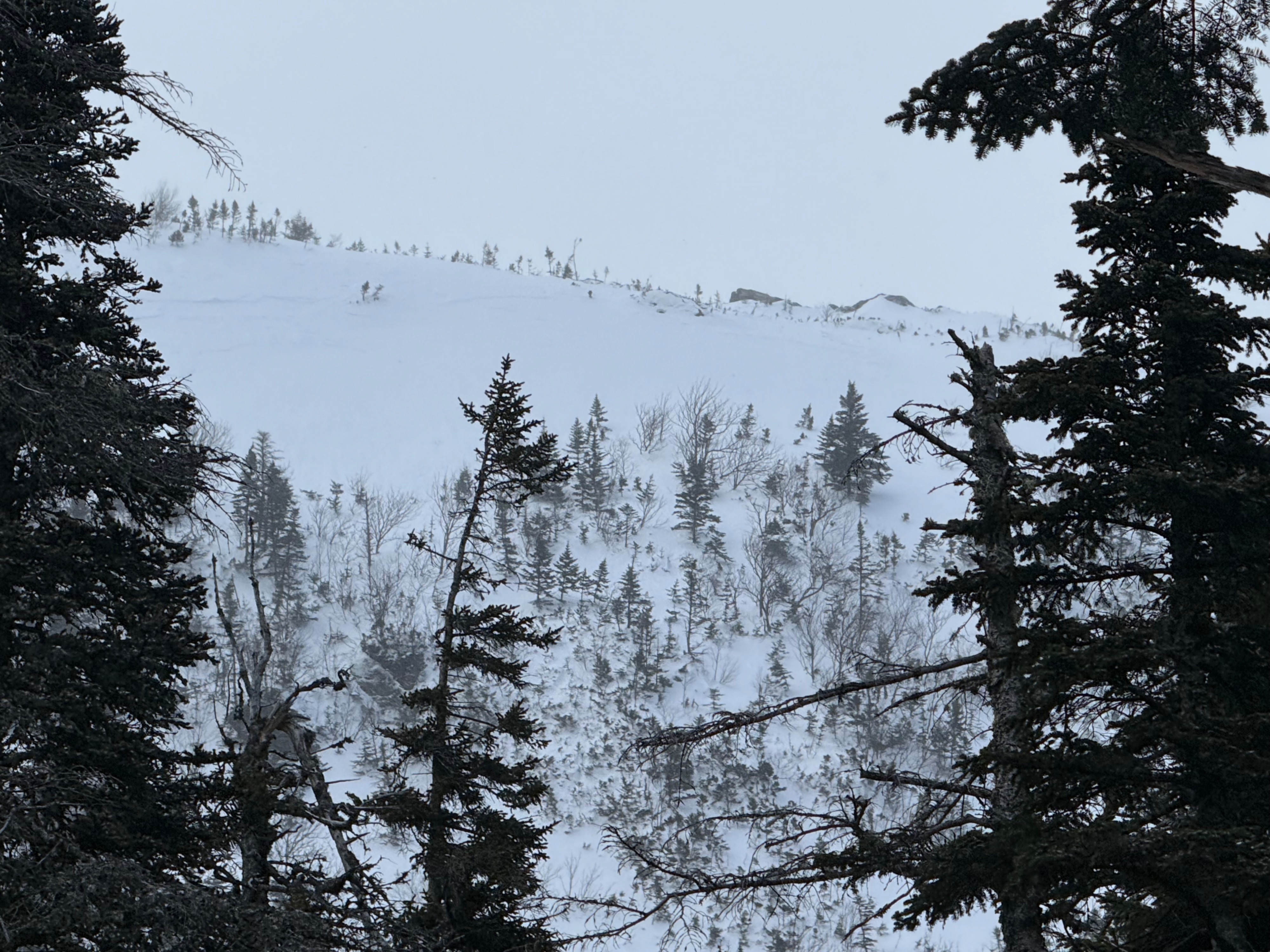
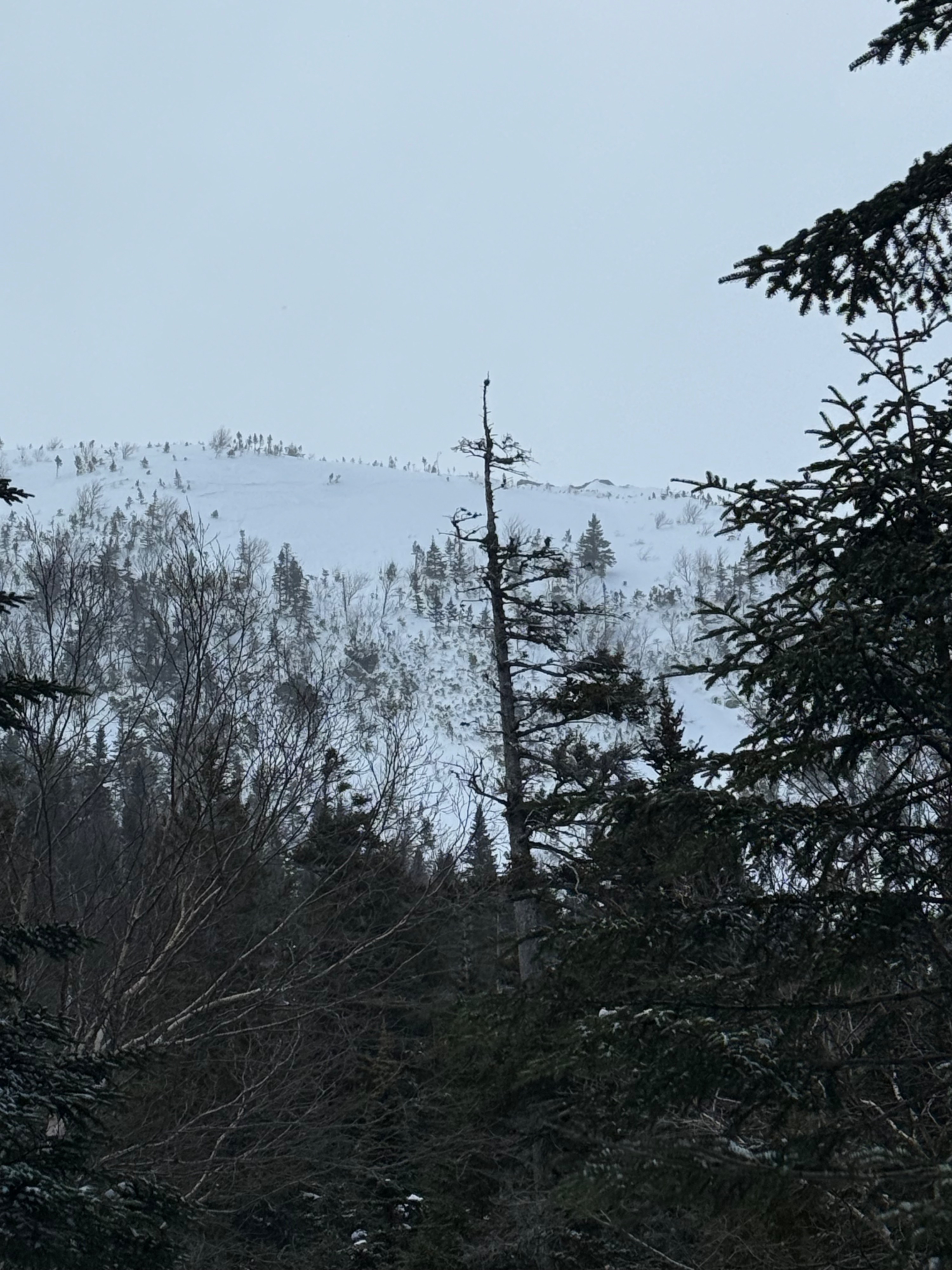
Targeted later field time to let the new snow accumulate and give time to let the wind transport snow. Found deep drifts in wind-protected areas like in the trees and in sheltered terrain features. Anything that was exposed to the wind was scoured to the old snow surface and easily discernible. Most areas of soft snow lacked slab structure and was cohesionless. Isolated areas on Little Headwall with a southeast tilt had a slight slab structure, but were very small and not deep (less than 10 cm) and did not propagate; cracks were limited to right under ski tips. This slabby structure that we encountered was isolated.
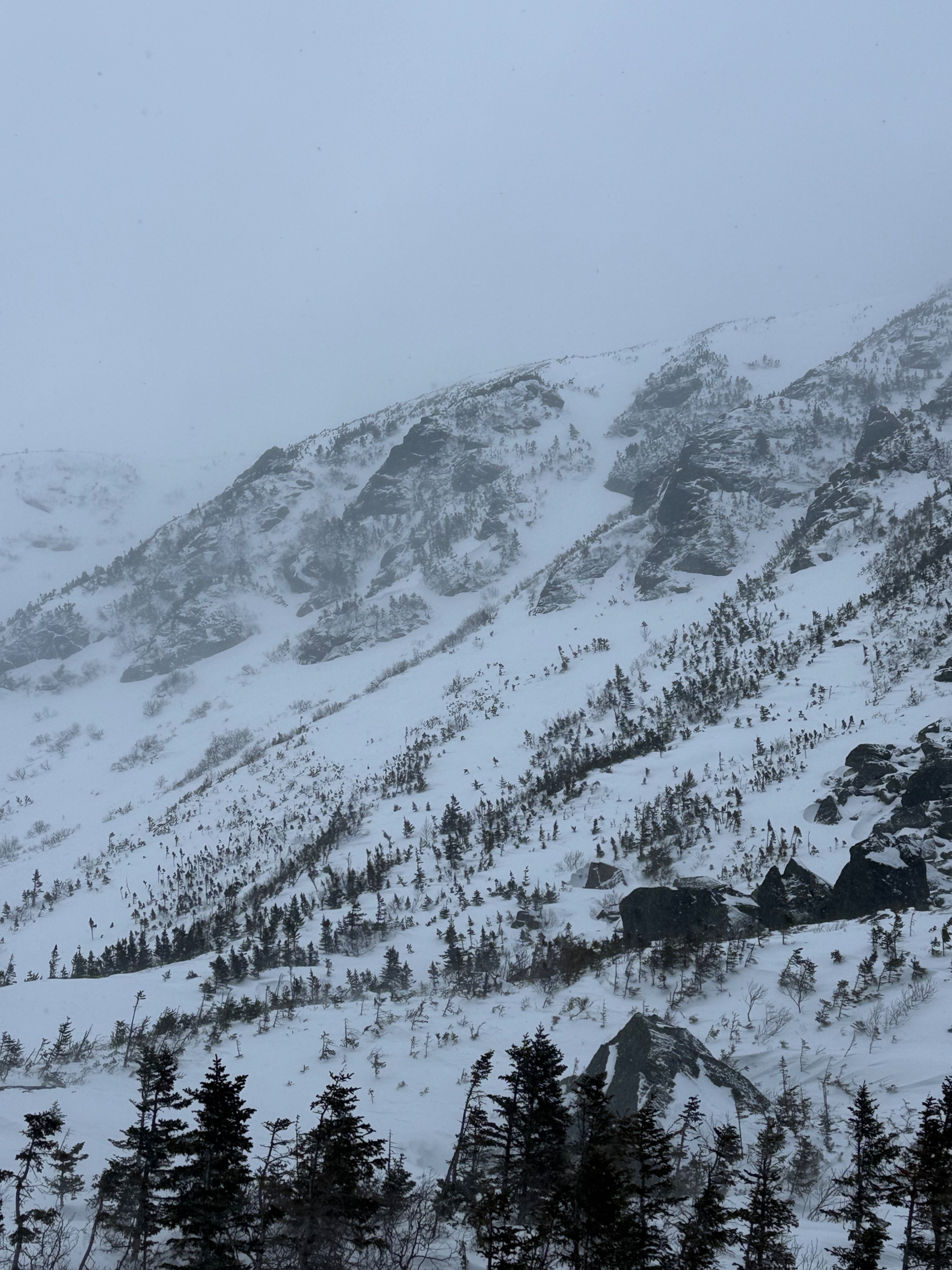
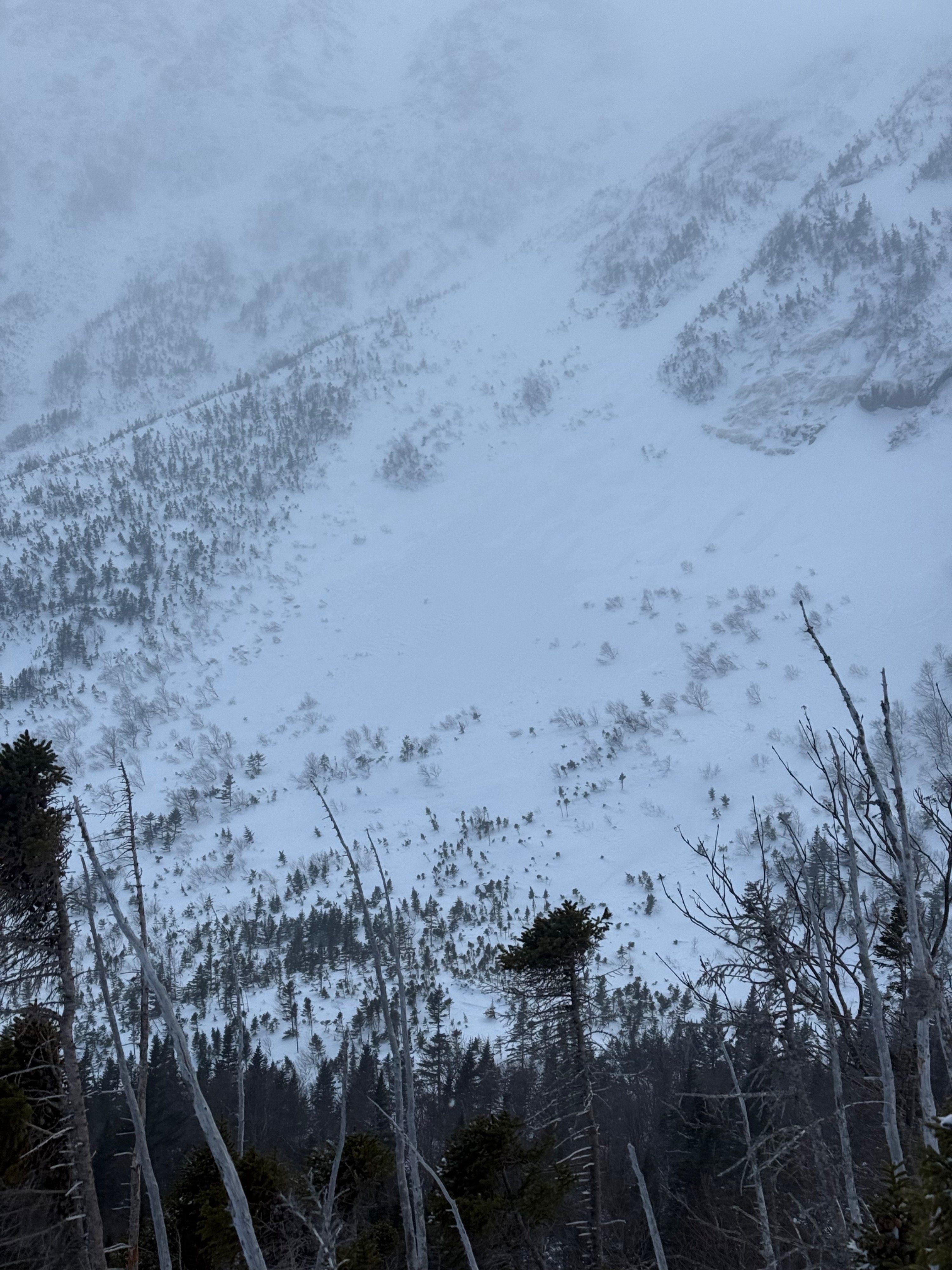
In Left Gully, we could make out the old textured snow surface, same with the Lower Snowfields.
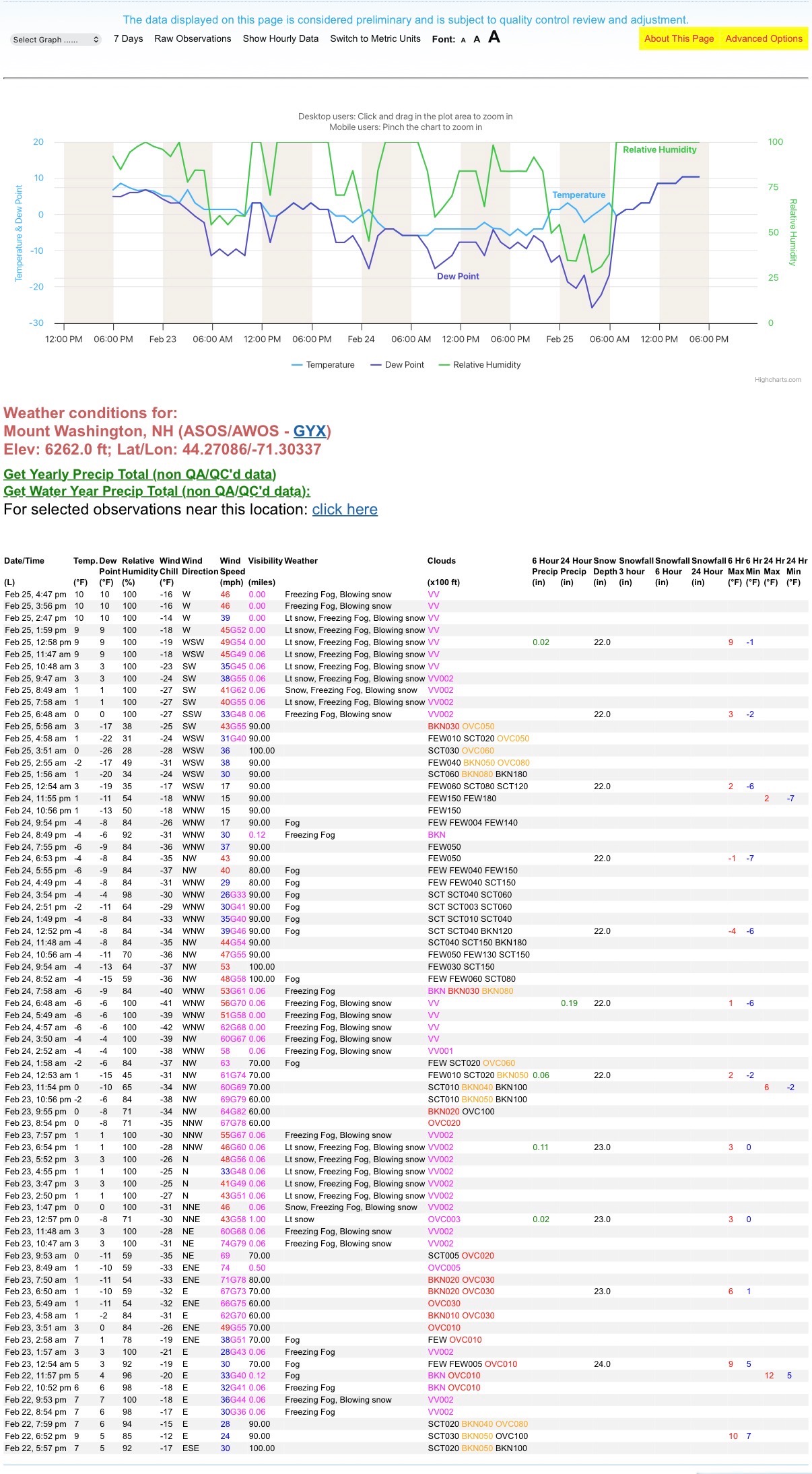
There may have been a window of increased reactivity in NE and E aspects while the snow was falling on lower SW winds, but the increasing strong, sustained SW winds that shifted WSW to due W have made that problem small, isolated, and at the time we were in terrain encounter stubborn slabs. Soft snow in wind-protected terrain may be limited, but that is where you could encounter increased reactivity.
Weather
- Cloud Cover
- broken
- Wind Loading
- light
- Recent Snowfall
- 6 cm
- Snow Avail For Transport
- none
A fog layer slightly obscured start zones in Tuckerman Ravine; there were also small areas of blue skies peaking out. Consistently strong winds were observed in the ravine that felt like they had a more west tilt (MWOBS hourly confirmed west winds at the time we were in terrain). Snow seemed to taper after 2 PM.