
Quick report
The snowpack is very warm and getting wet at all elevations and aspects. There were many indications of wet snow, but I did not get rained on. The persistent slab problem is heading towards resolution; however, poor snowpack structure still exists and crack propagation is still possible. Warming of the snow will increase instability in the short term. In the long term, this warming may help heal the persistent slab problem.
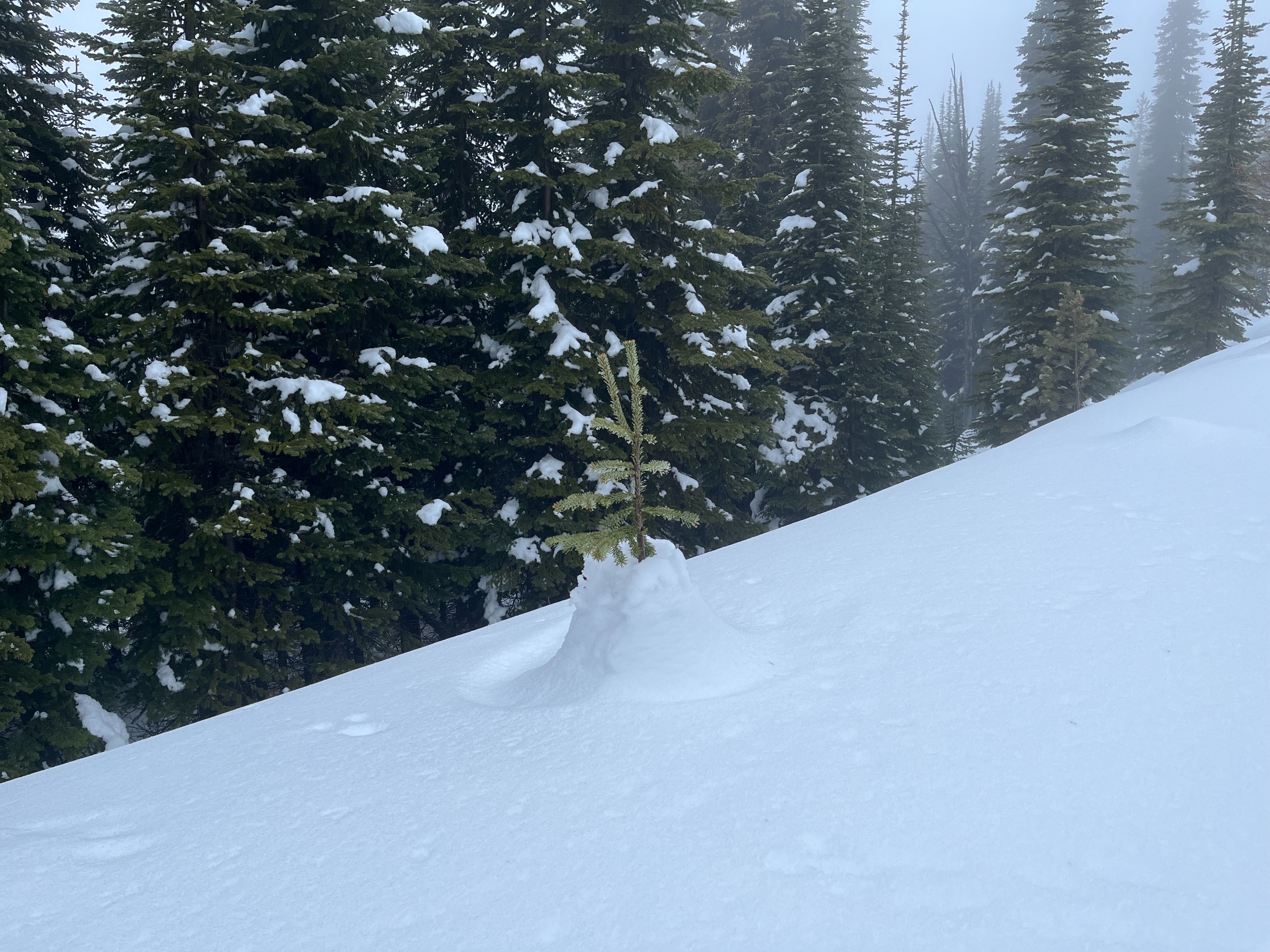
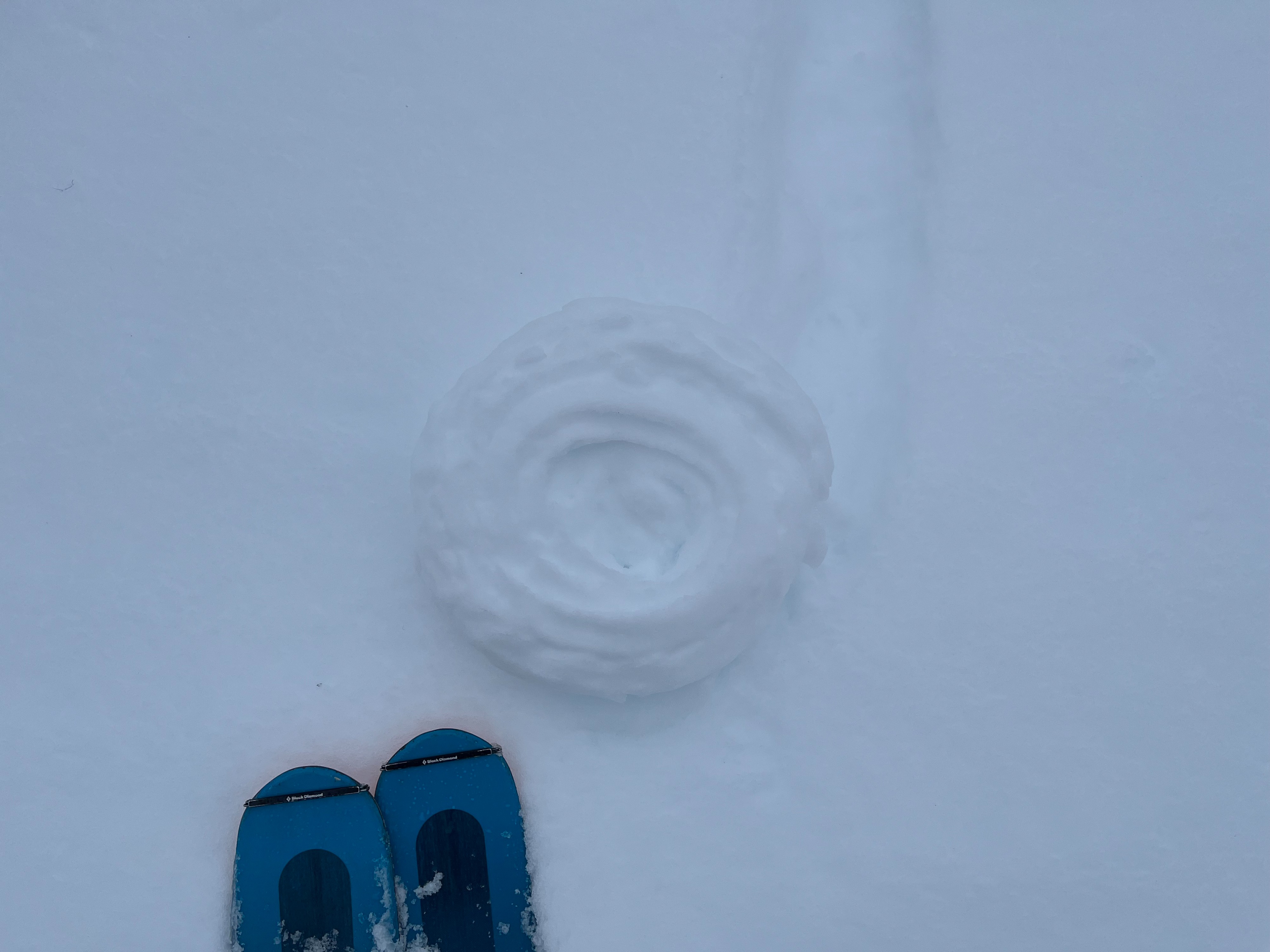
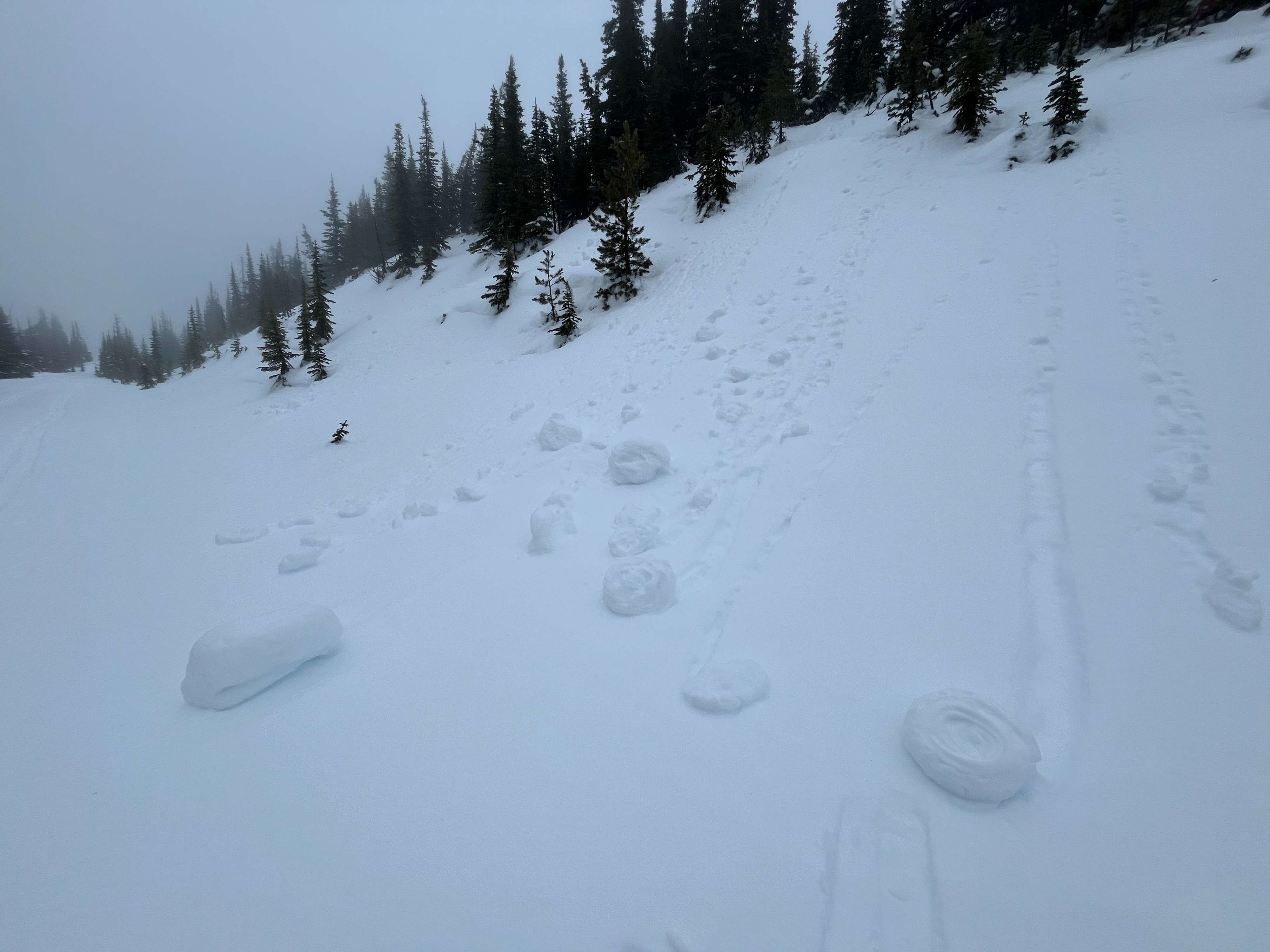
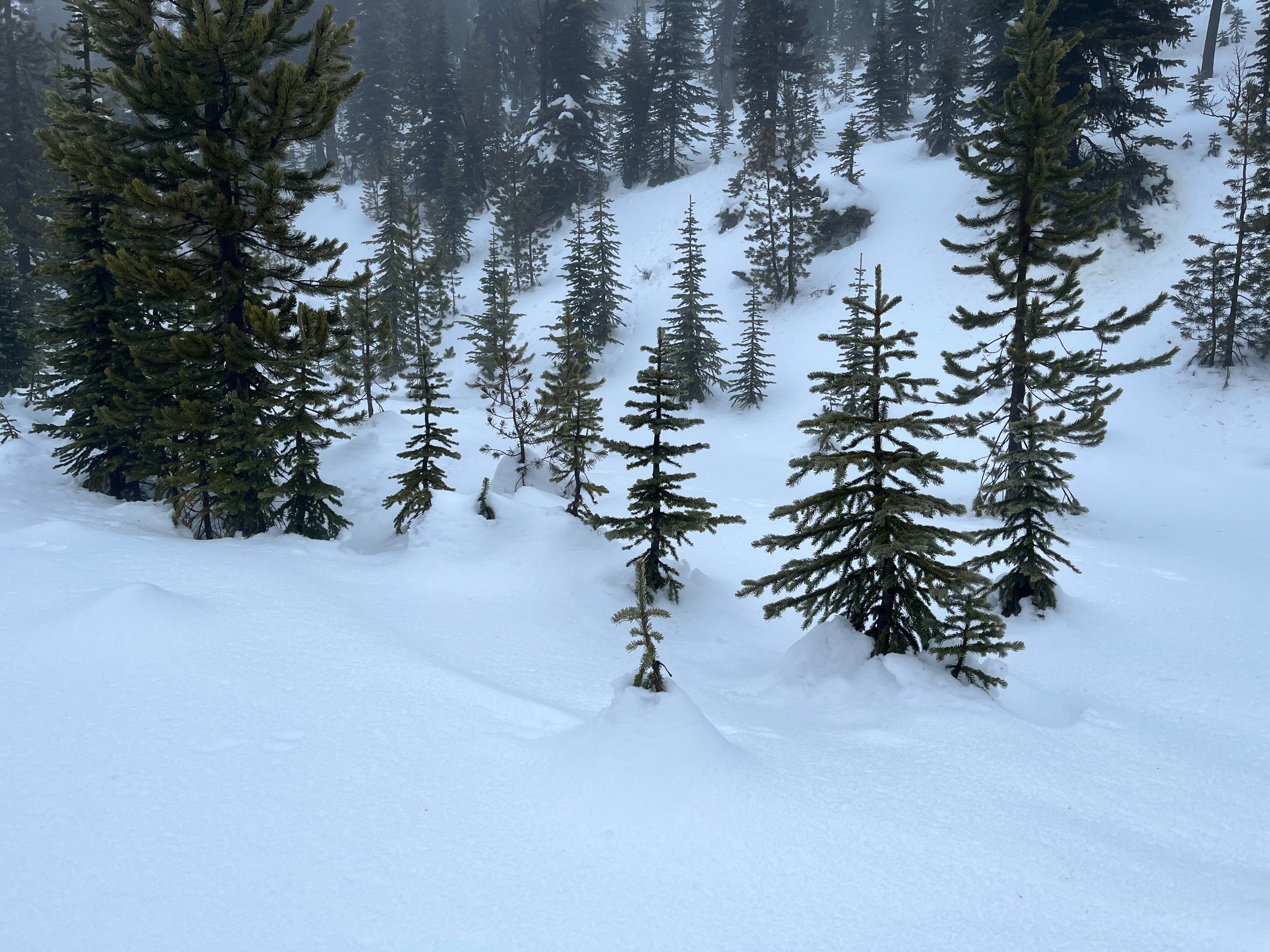
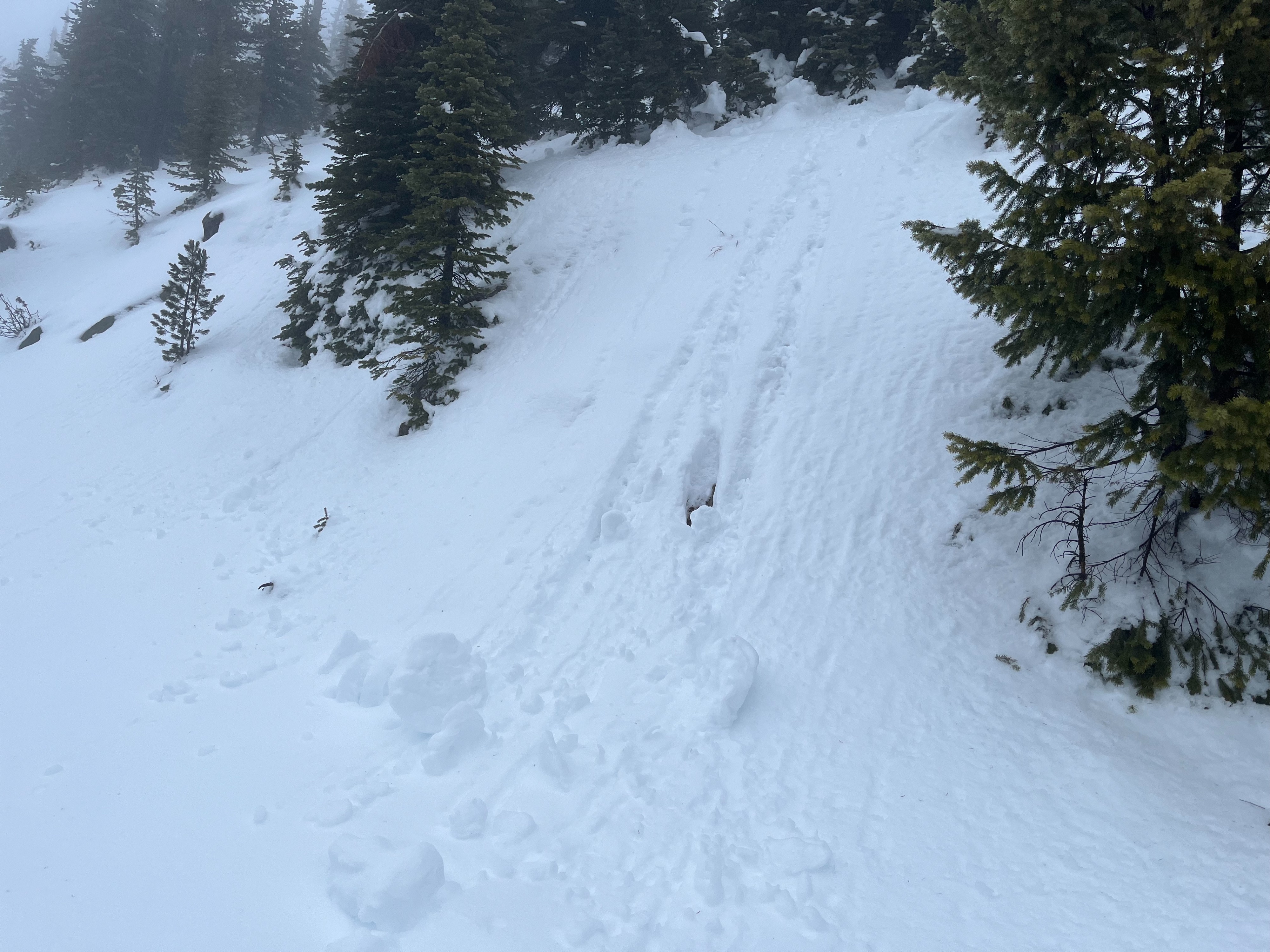
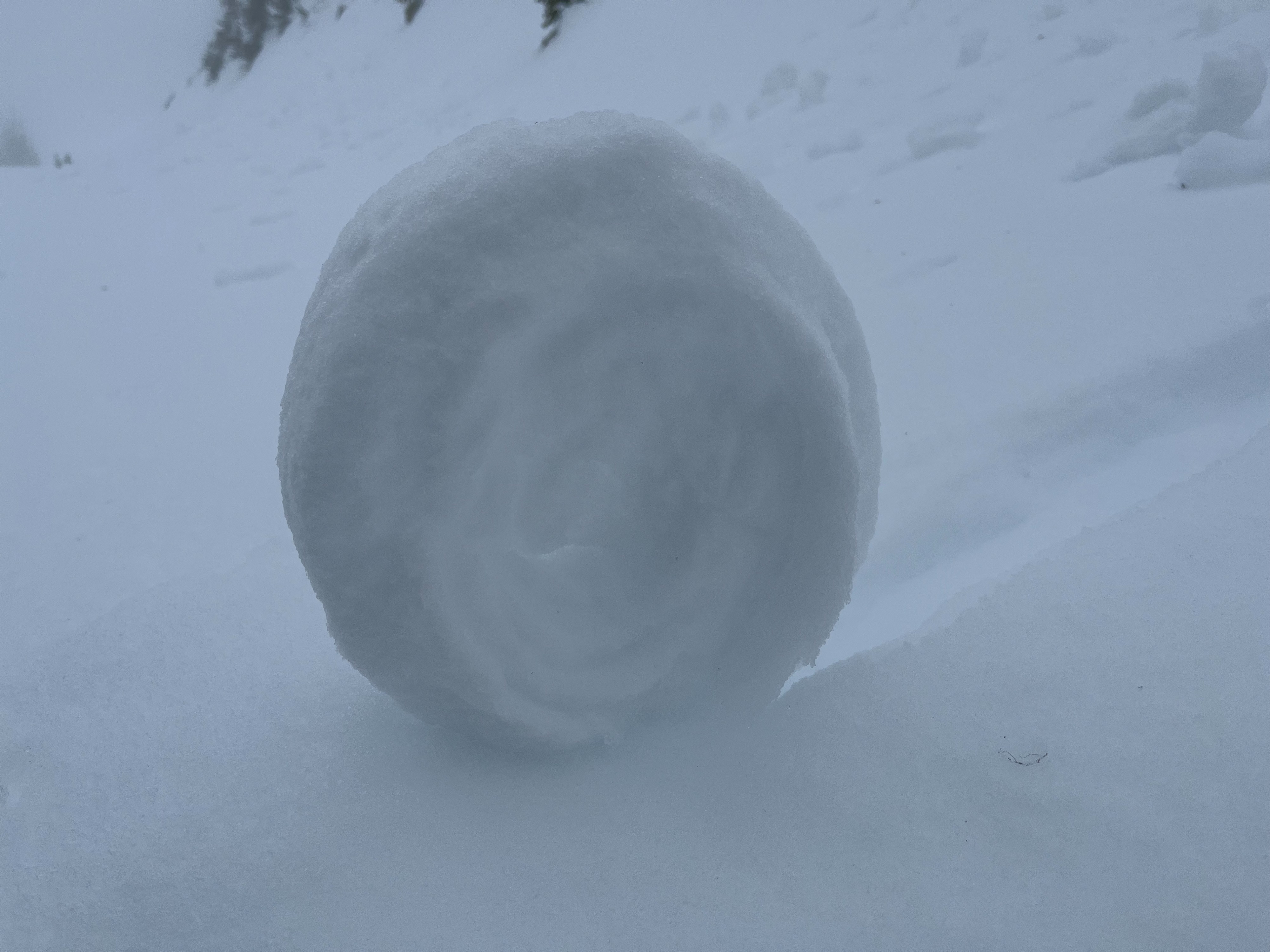
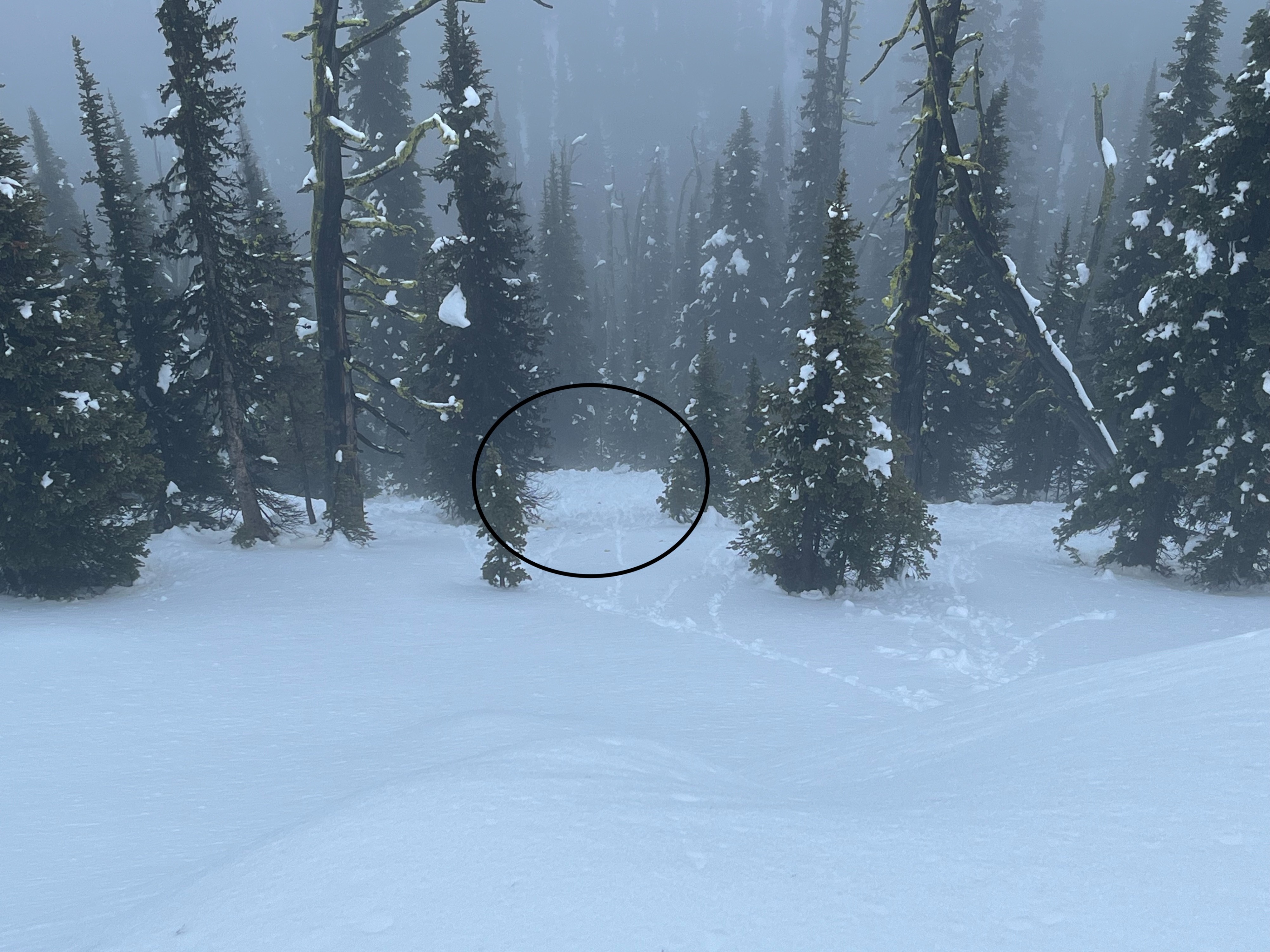
Numerous signs of wet snow instability, such as roller balls, pinwheels, a small wet loose avalanche, and dramatic settlement cones.Weather
- Air Temp
- 28
- Cloud Cover
- overcast
- Wind Loading
- none
- Recent Snowfall
- 0
- Snow Avail For Transport
- none
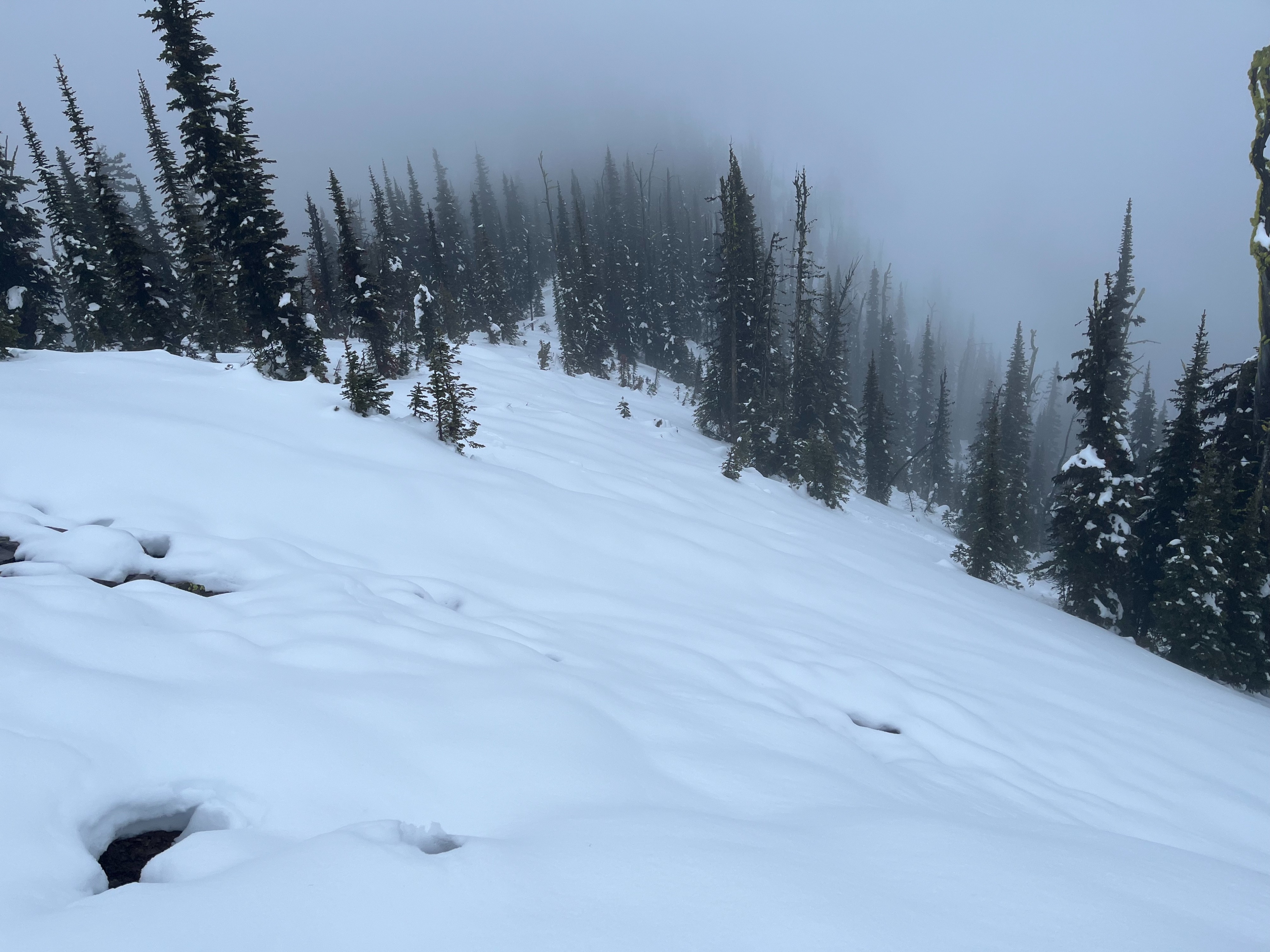
The cloud line hung right around 7800' where I dug my pit. I did not get rained on but it threatened to all day. Temperatures were near freezing. Below ridgeline, there was little to no wind. At ridgeline, the wind blew lightly from the southwest.
Snowpack
The snow surface was moist all the way up to upper elevations on all aspects. The snow had obviously settled and consolidated quite a bit from warming. Boot and ski penetration did not go very deep in many places.
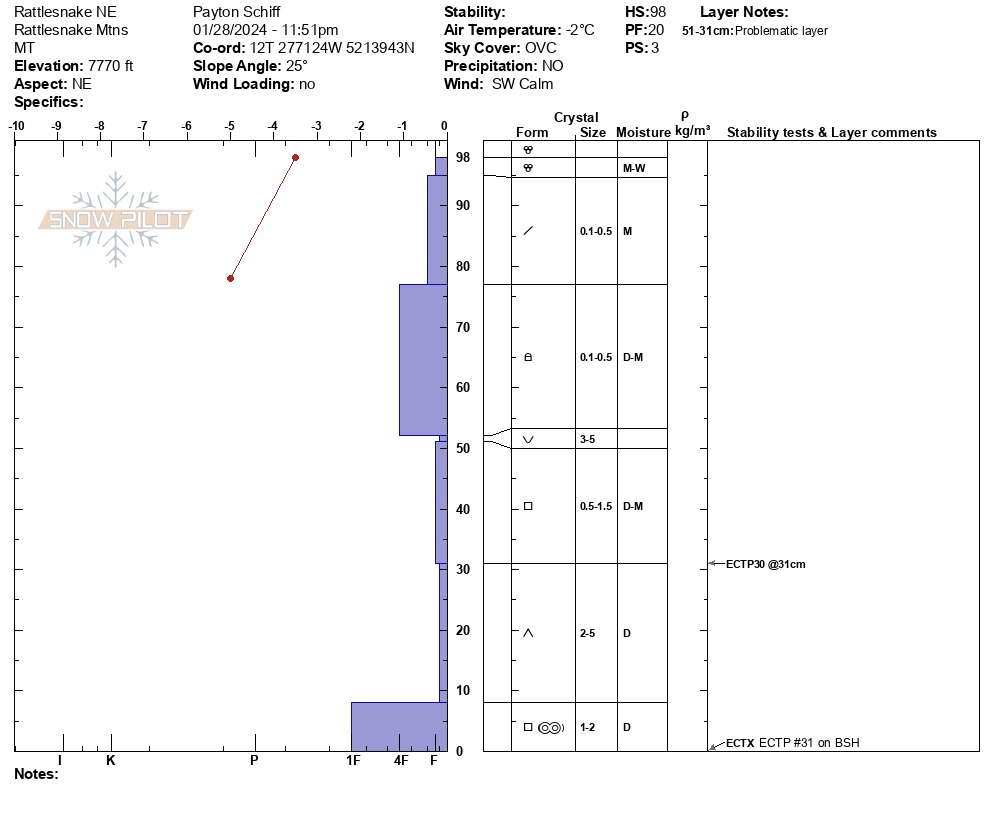
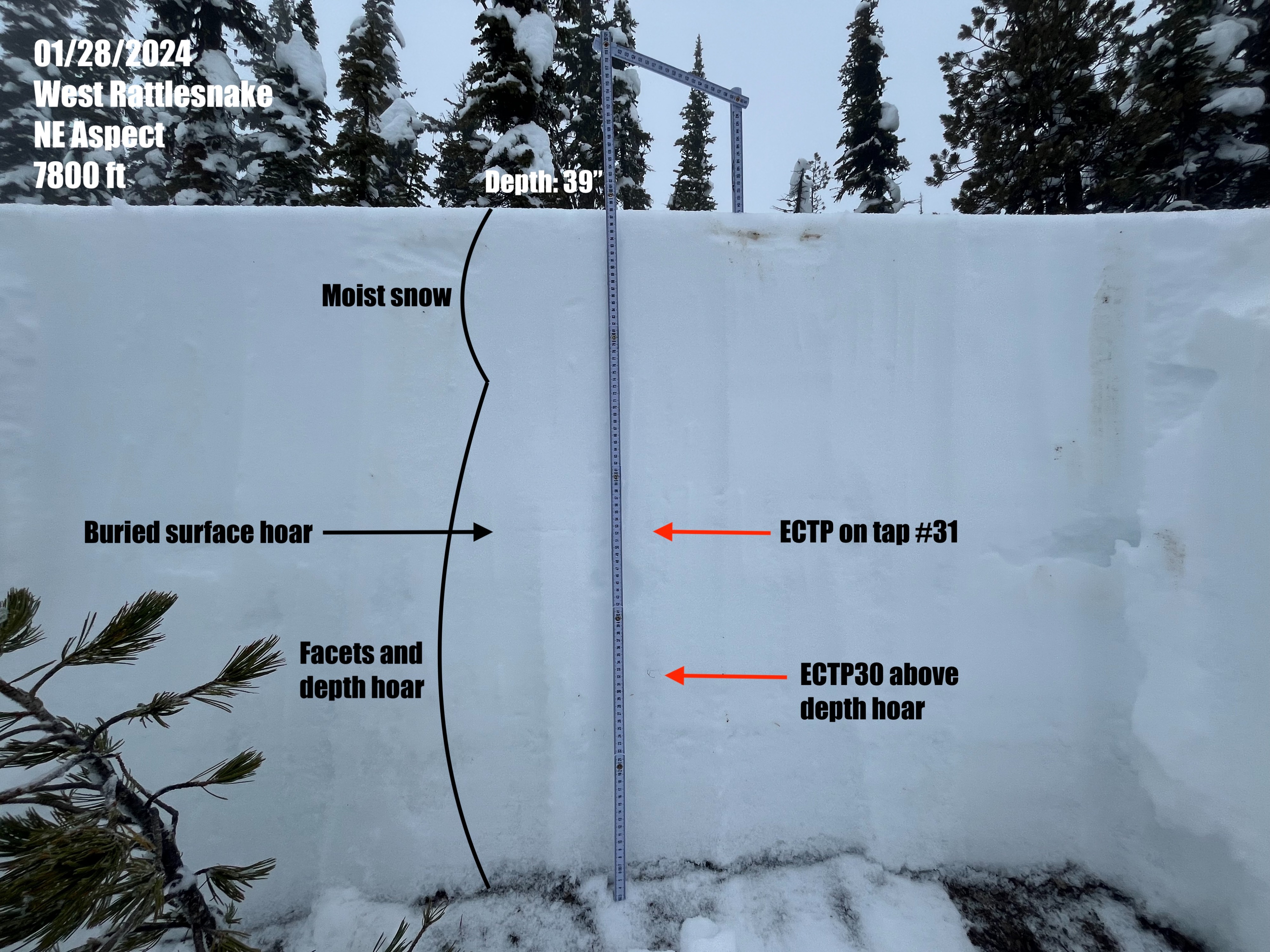
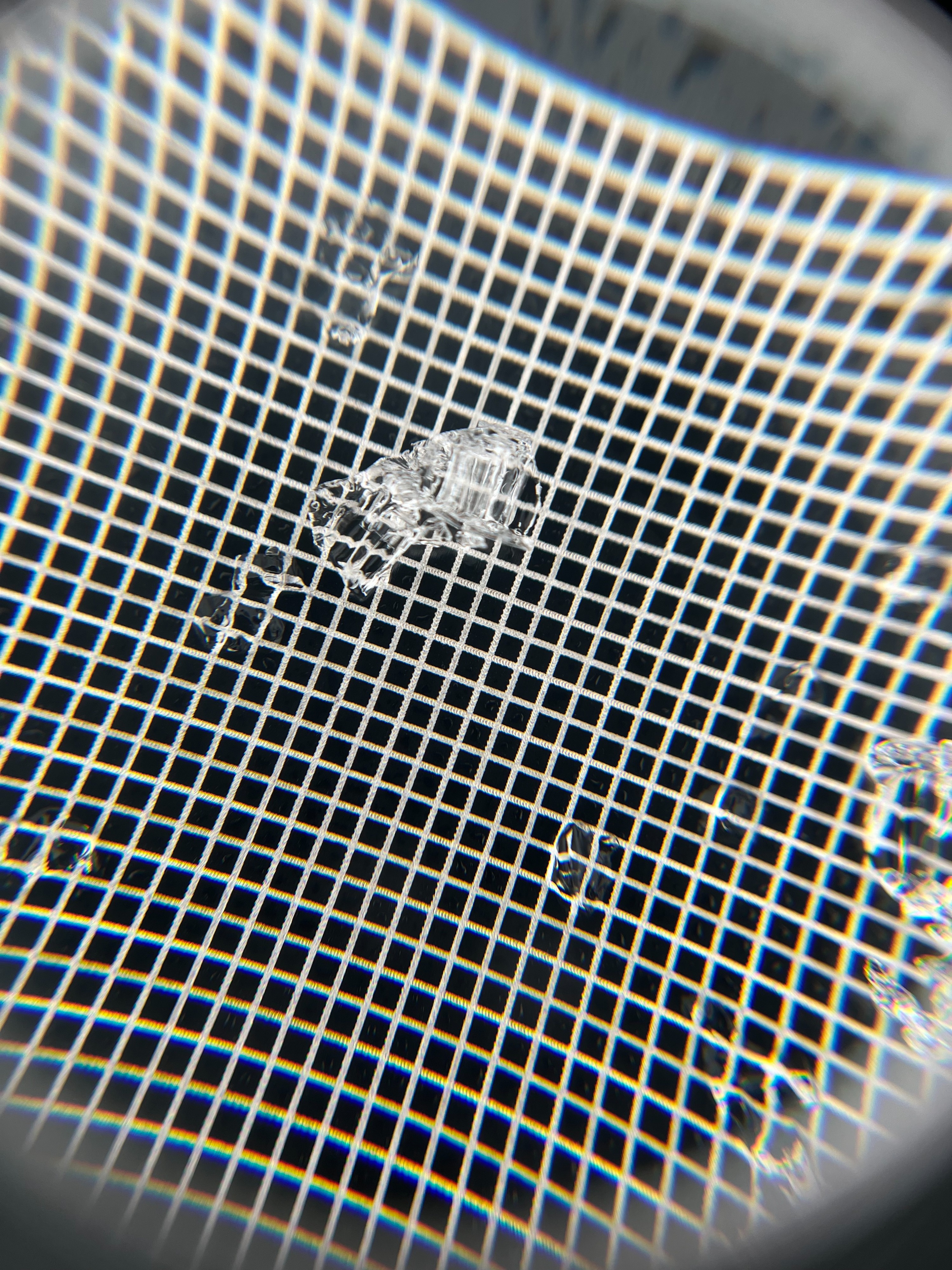
I dug a snowpit on a northeast aspect at 7800'. The depth of this pit was 39" (98cm). I found very moist snow down approximately 8" (20cm). Below this was a layer of rounding facets. There was a layer of buried surface hoar down 18" (46cm), and below the buried surface hoar was facets and depth hoar at the ground.
I performed two extended column tests. In the first test, there was some non-propagating breaking right below my shovel blade. I got to the end of the test and decided to give it one more hard tap which resulted in propagation in the layer of buried surface hoar (ECTX but ECTP on tap #31). In the second test, I got a hard propagating result at the layer of depth hoar at the ground (ECTP30).