
Mushroom Ridge // Sawtooths, Boulders, Pioneers Glassing
Quick report
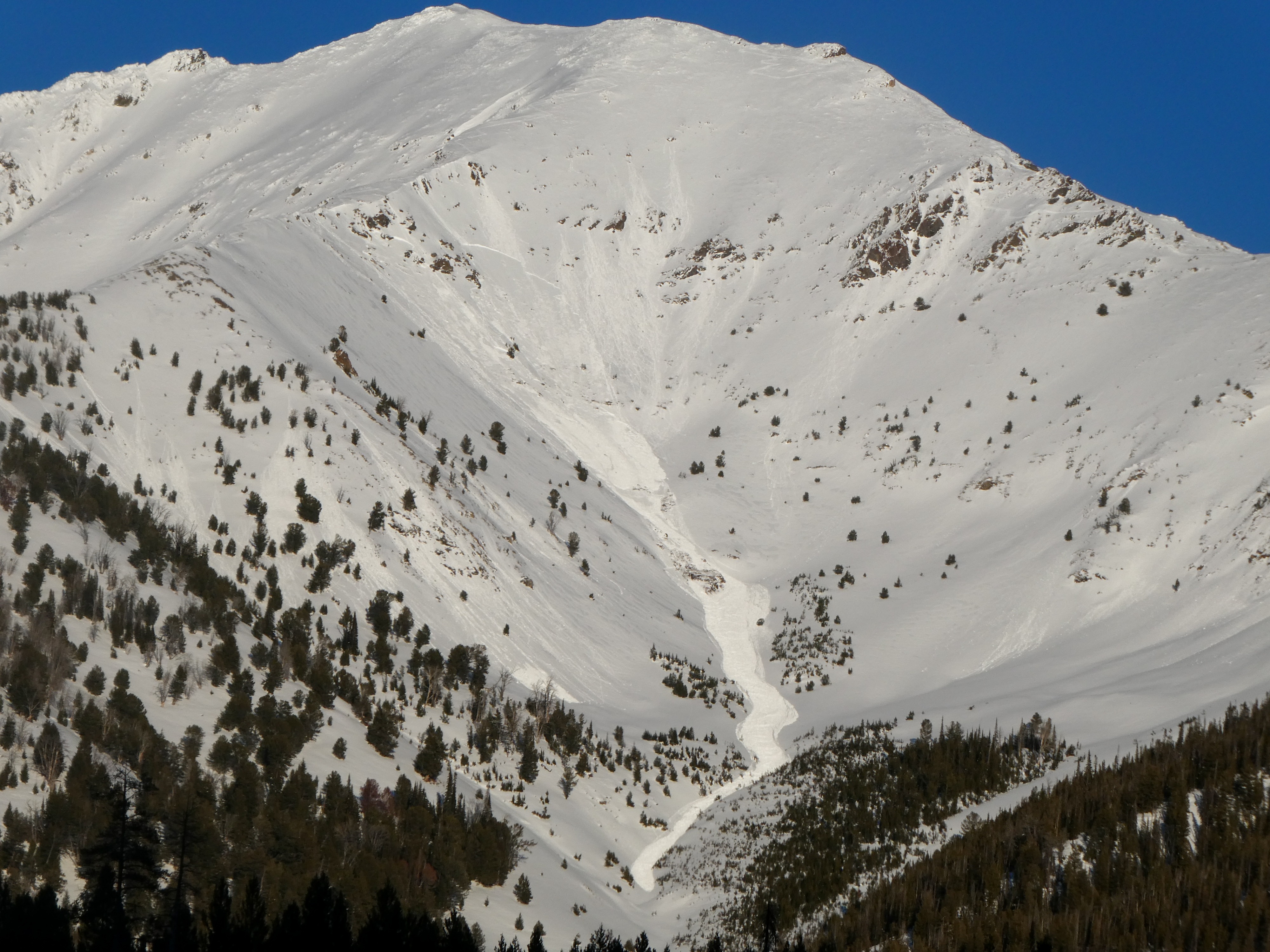
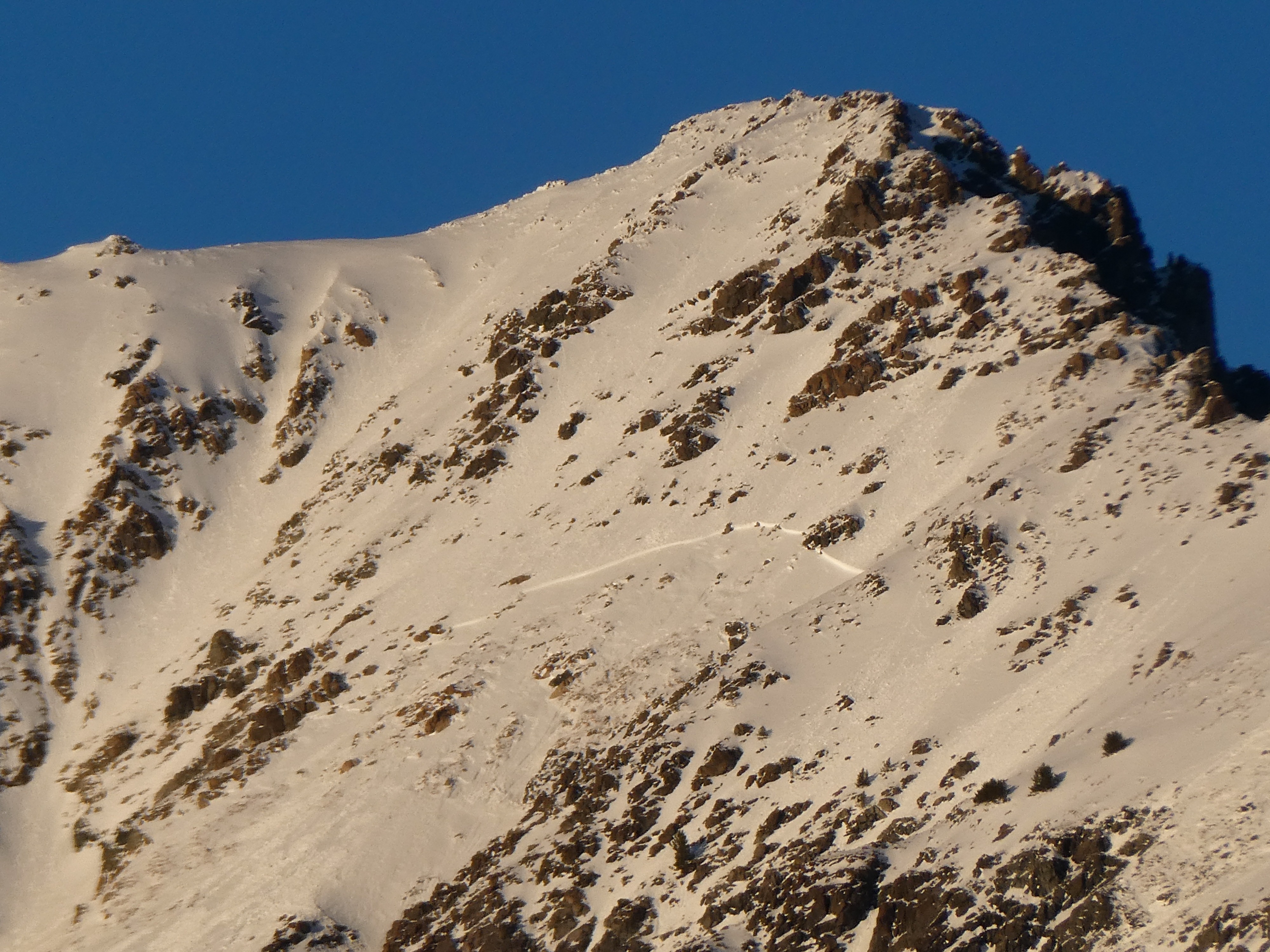
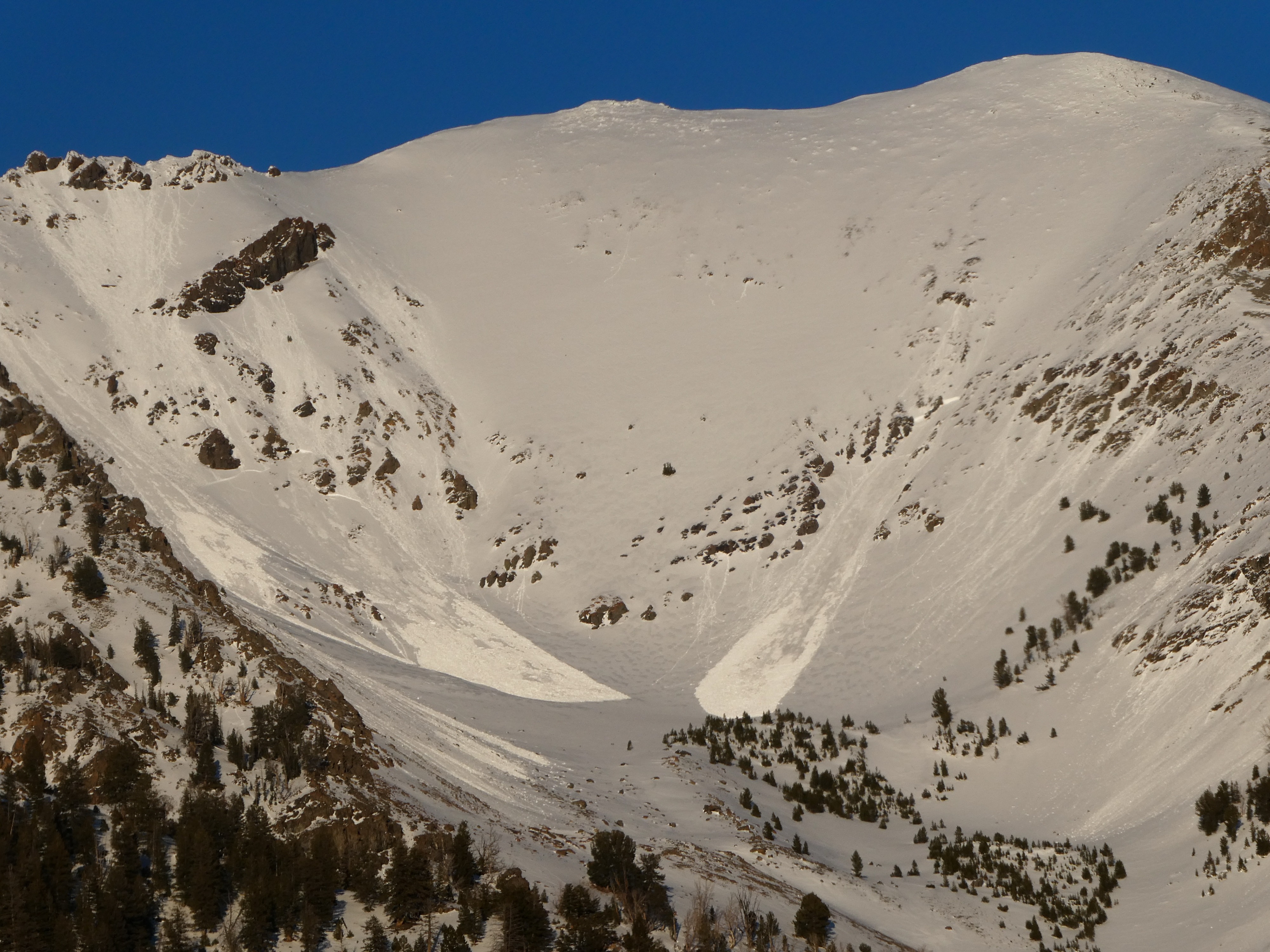
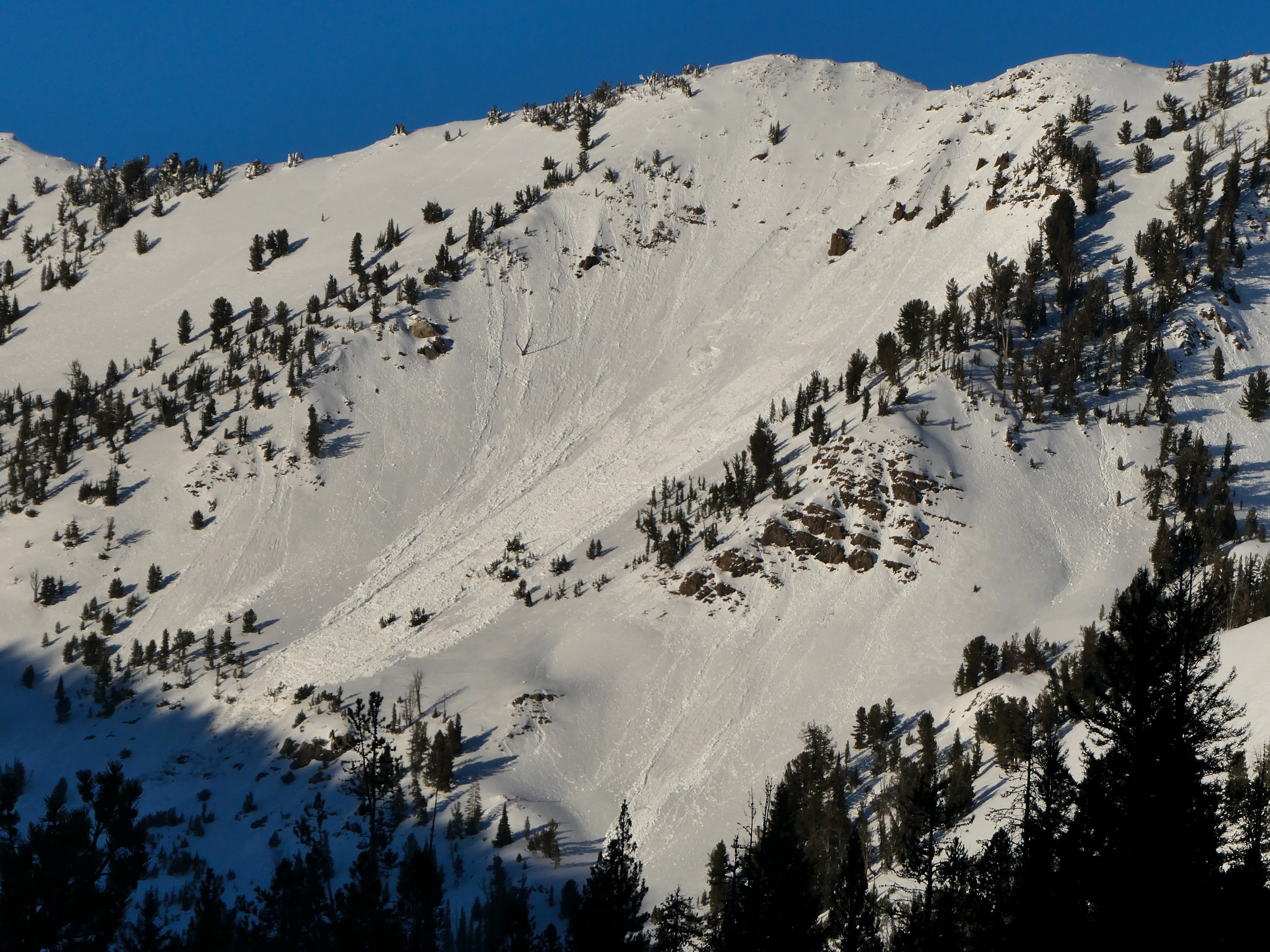
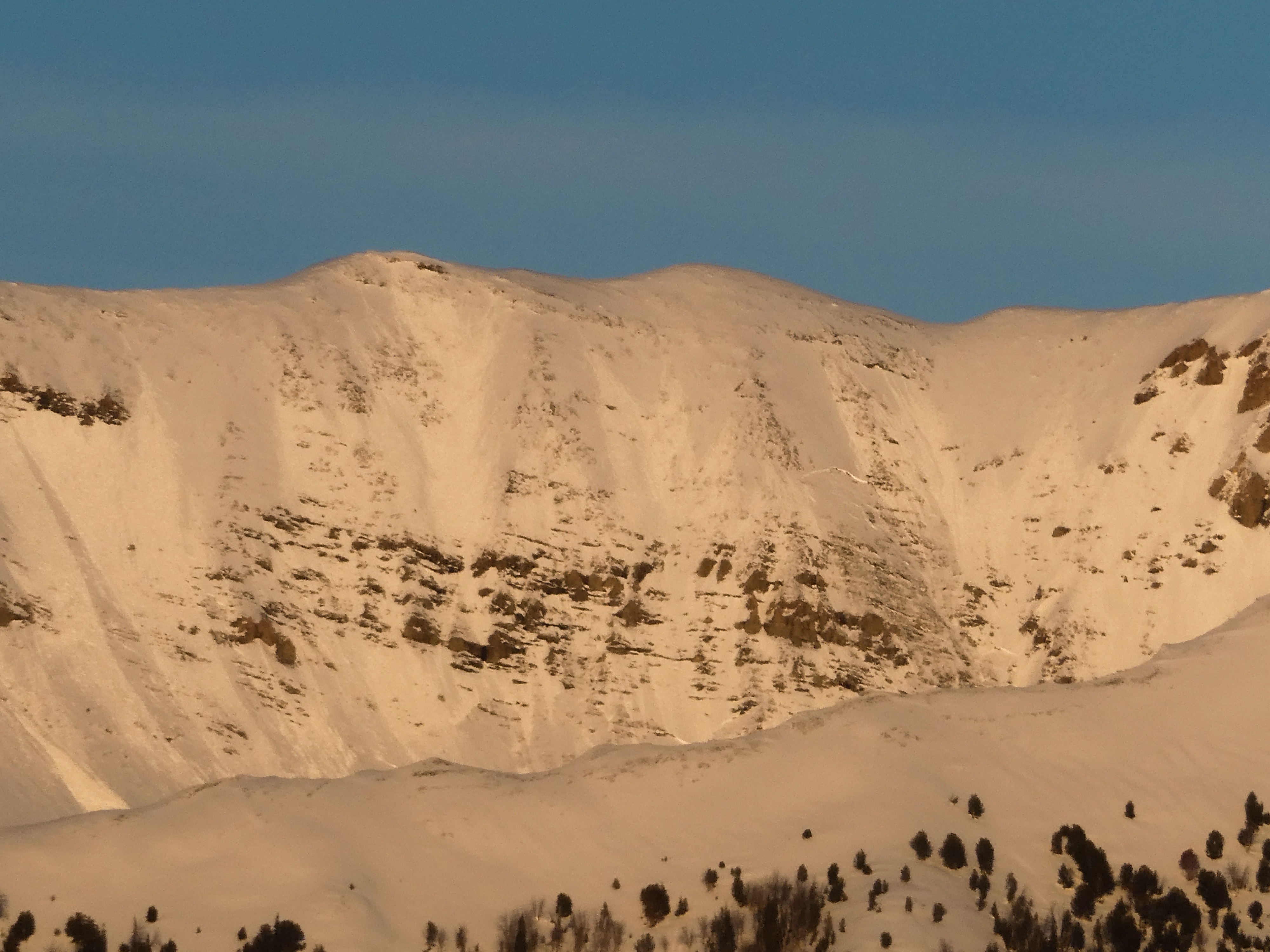
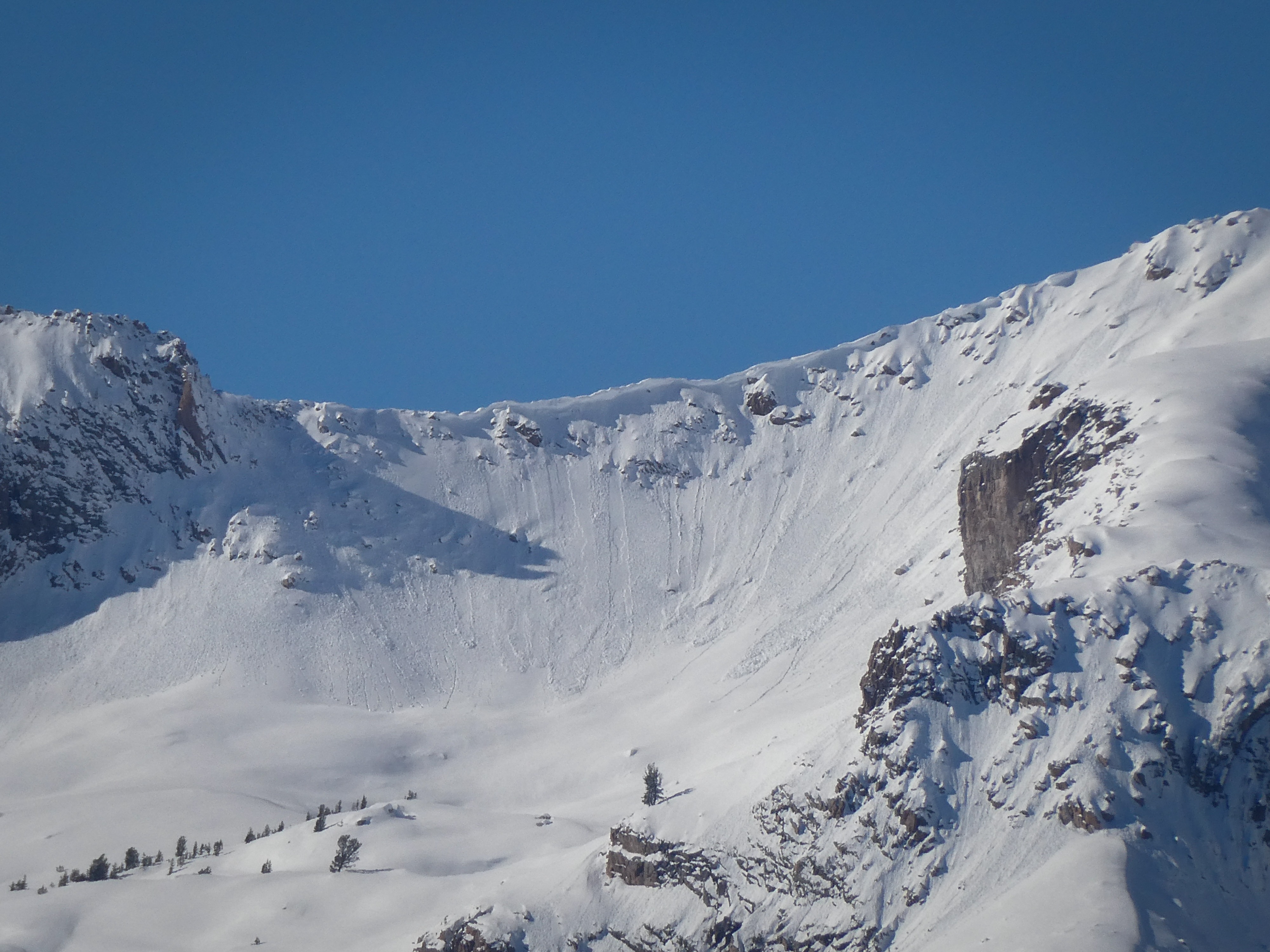
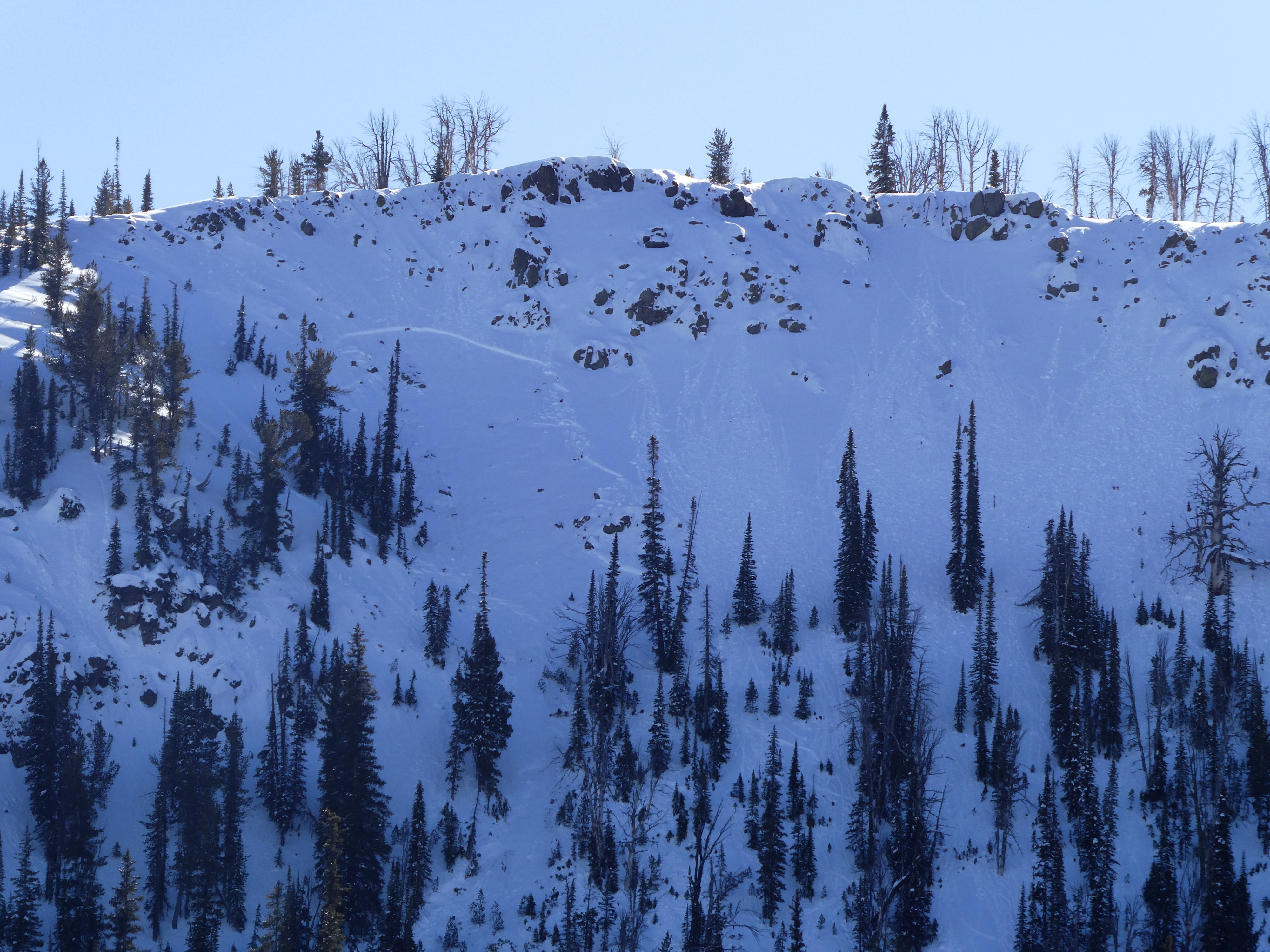
I did not get any cracking or collapsing on my short walk up Mushroom Ridge from 7700 to 9500'. However I observed a widespread wet avalanche cycle running in the Sawtooths and Boulders. See avalanche section for more information.
Weather
- Air Temp
- >32
- Cloud Cover
- clear
- Wind Loading
- previous
- Recent Snowfall
- 0
- Snow Avail For Transport
- none
Juneary was in full effect with well above freezing temperatures, blue skies, and winds being dead calm even at ridgeline — truly notable. Temperatures were well above freezing from Stanley over the pass, but notably so in the Boulder Mountains.
Snowpack
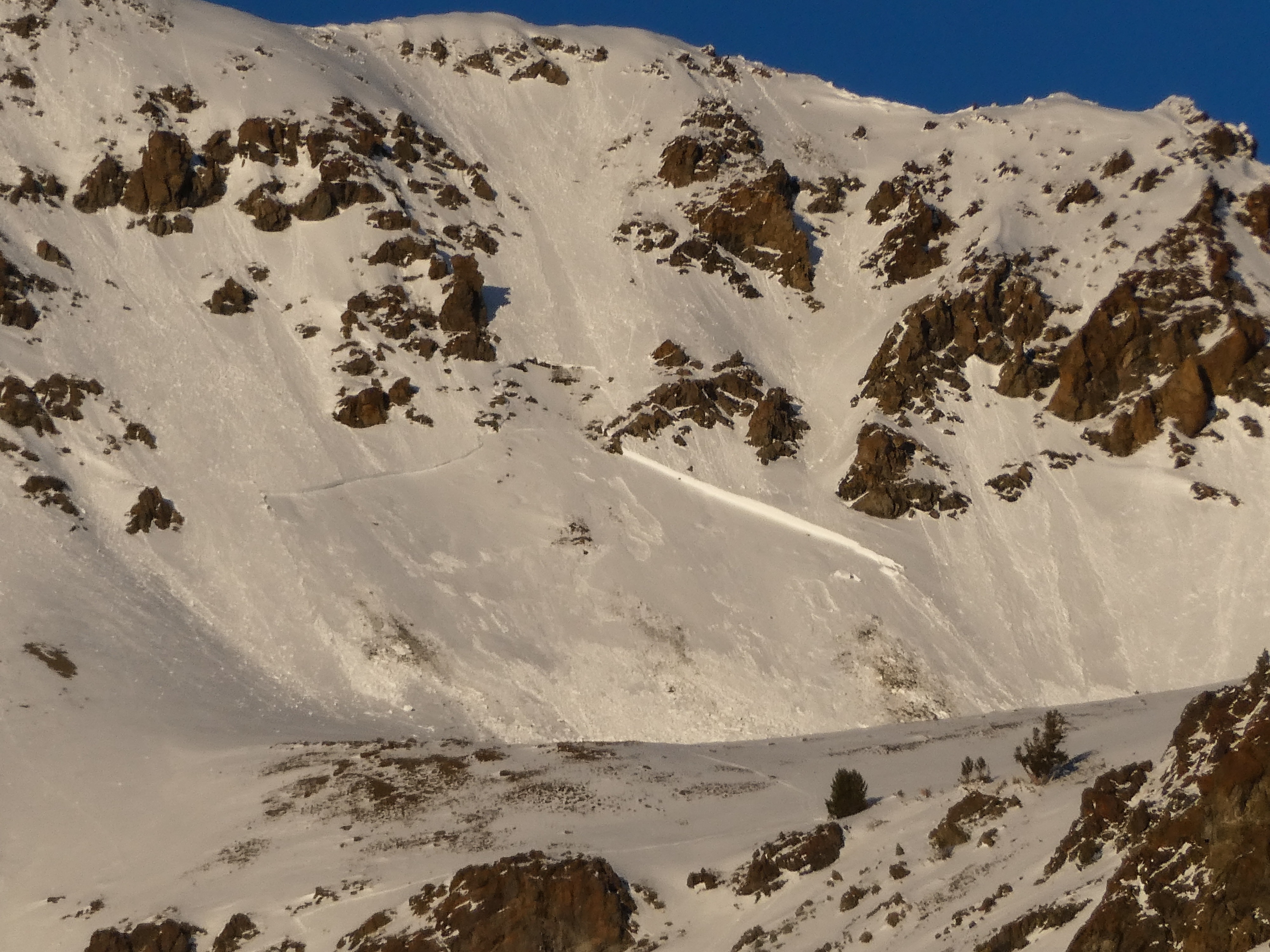
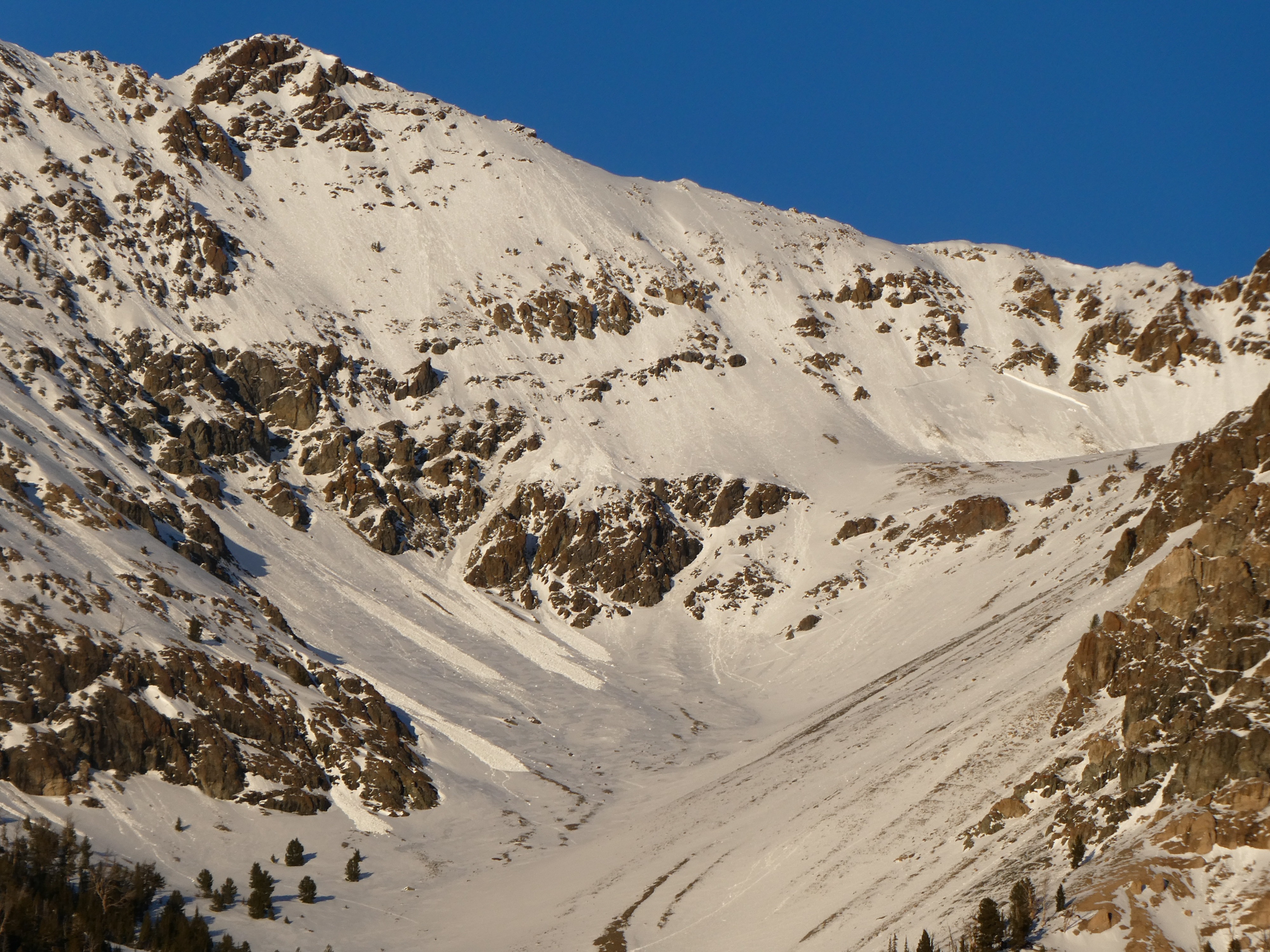
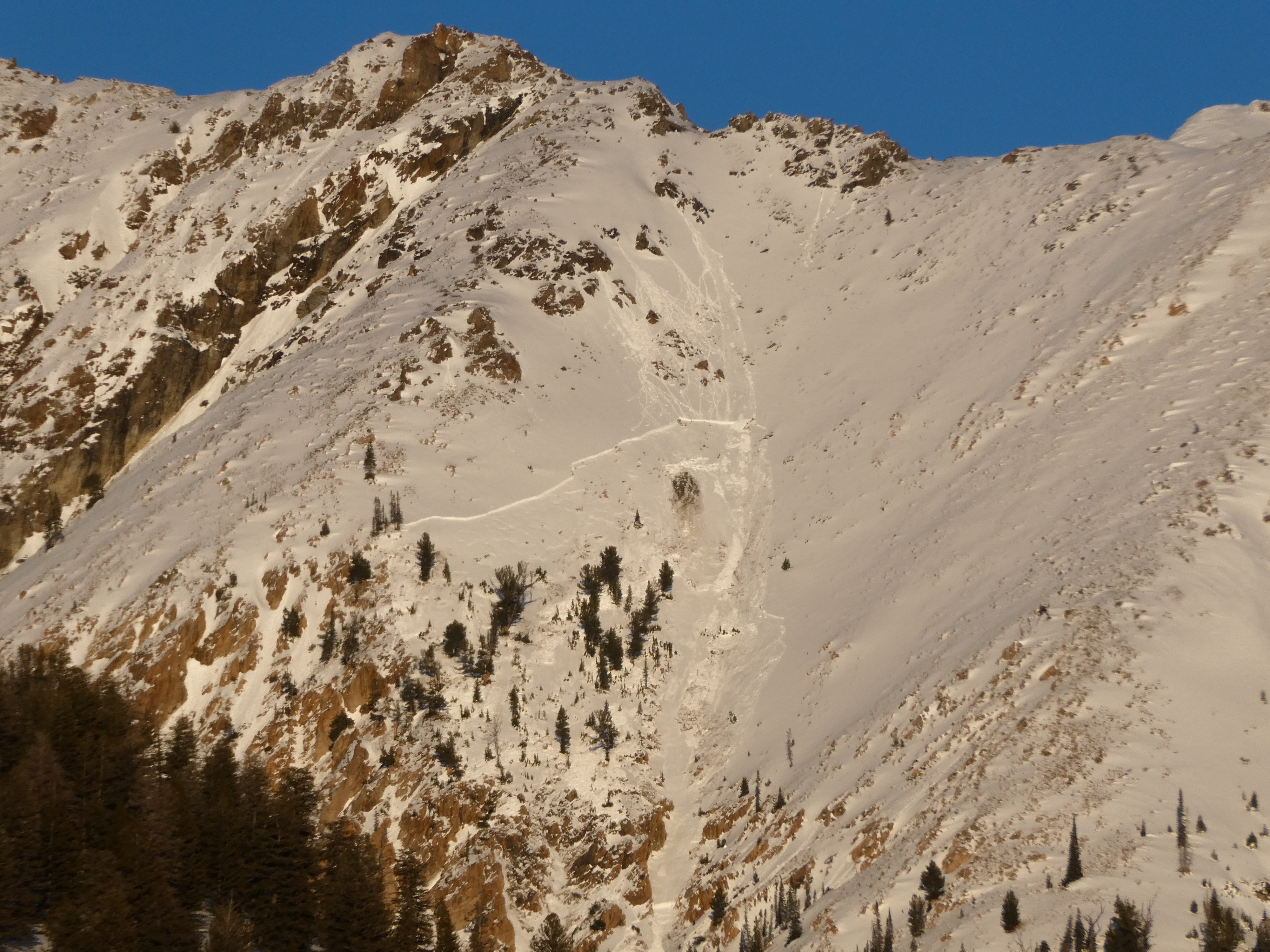
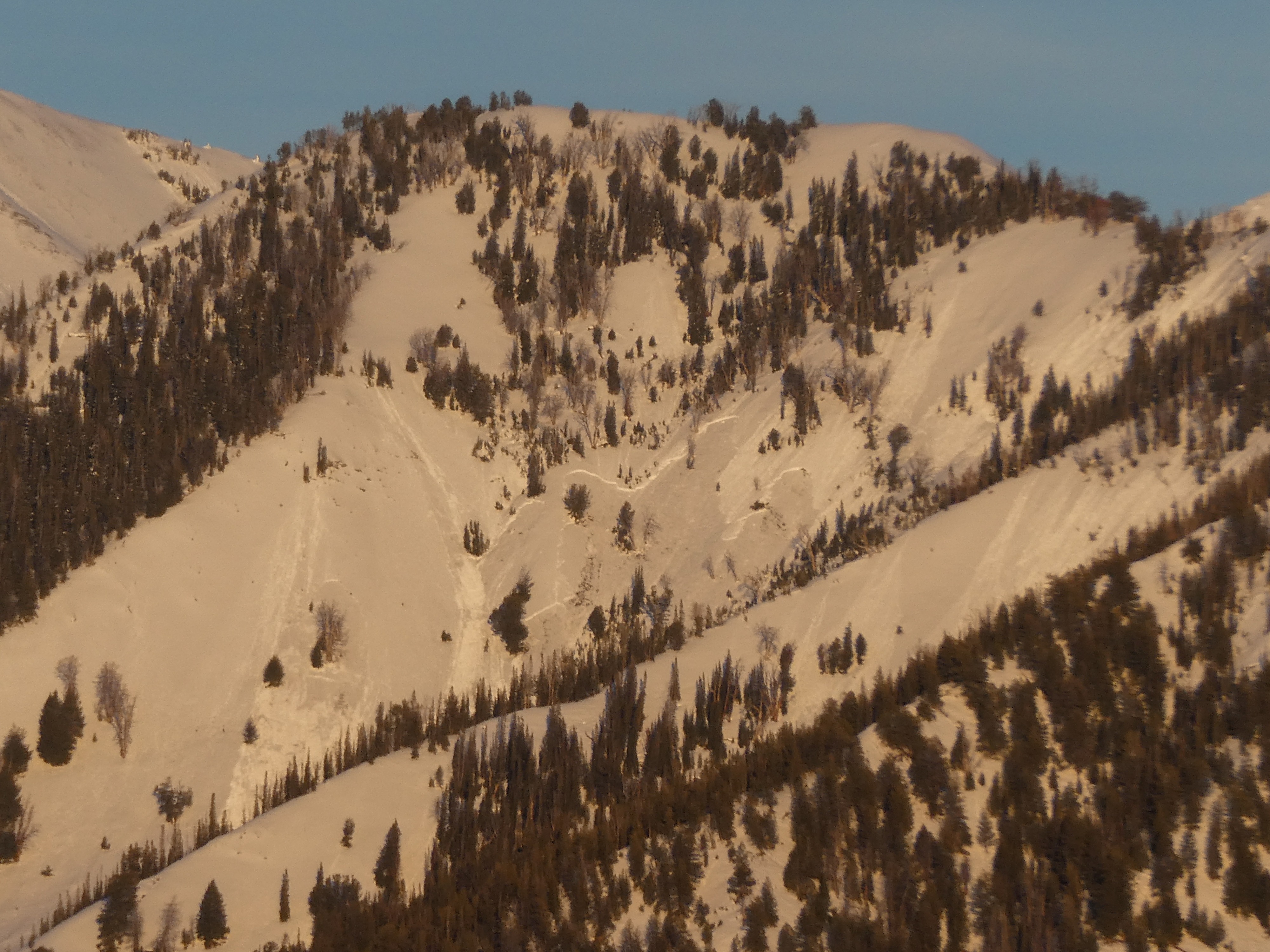
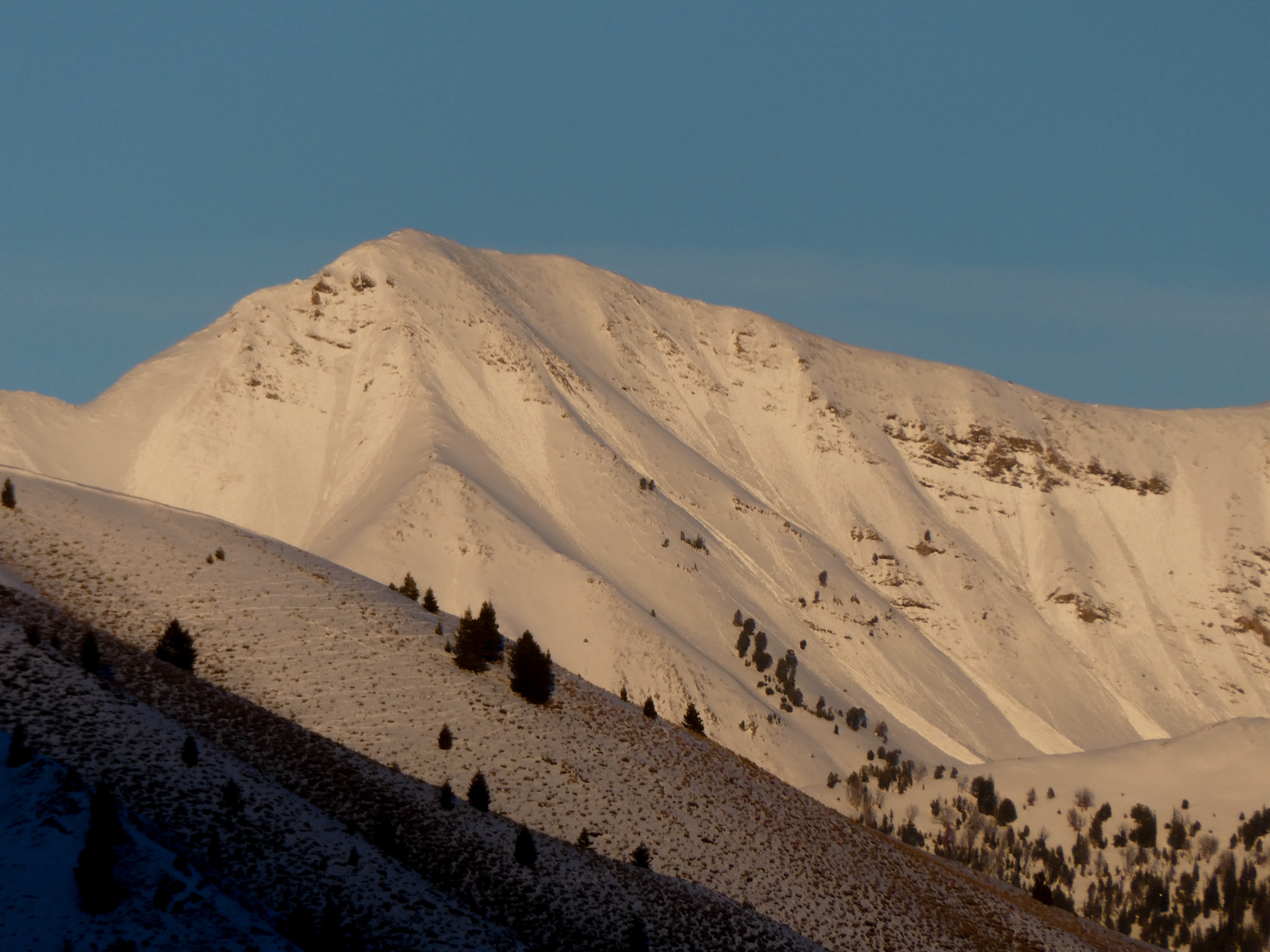
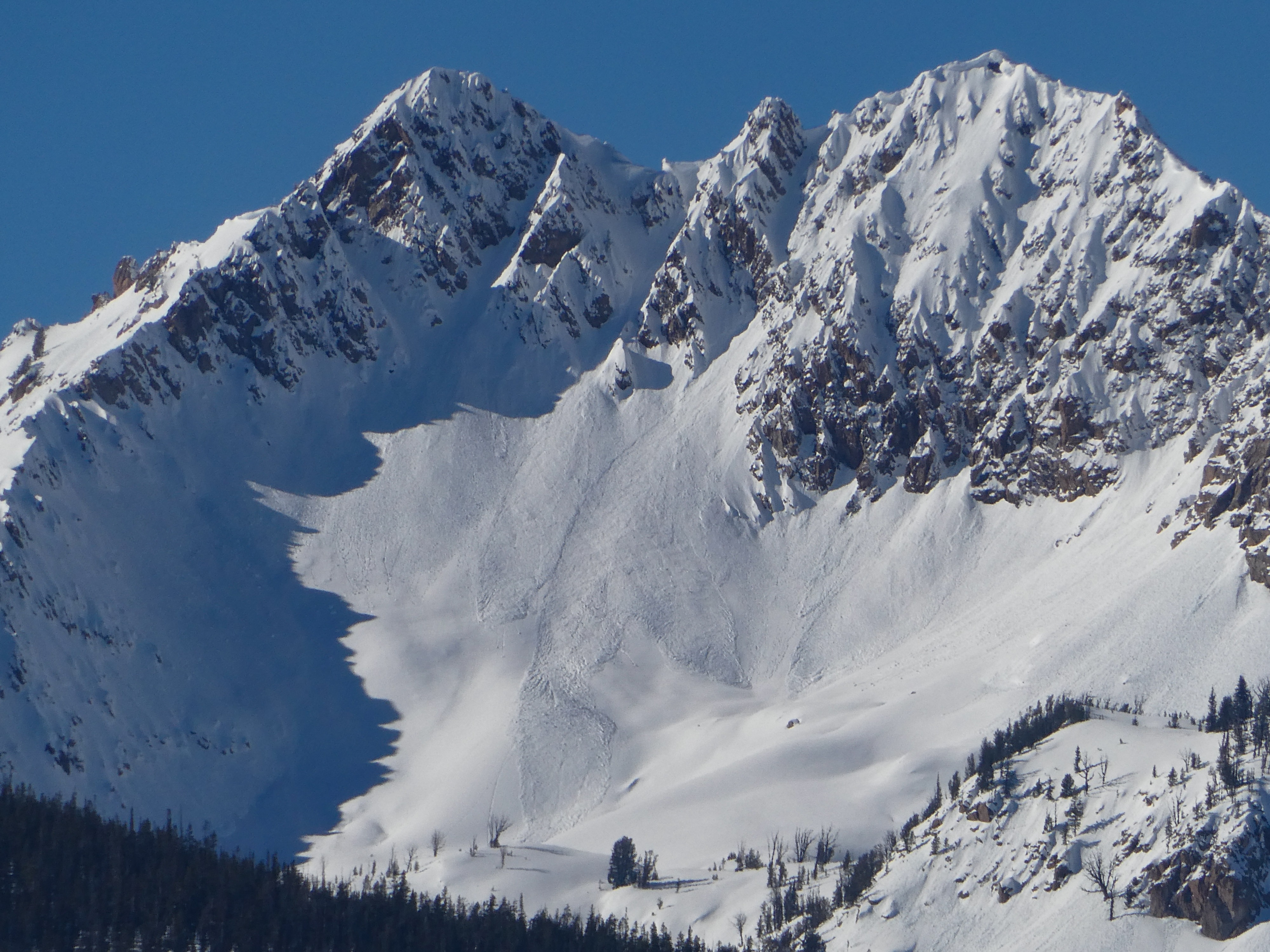
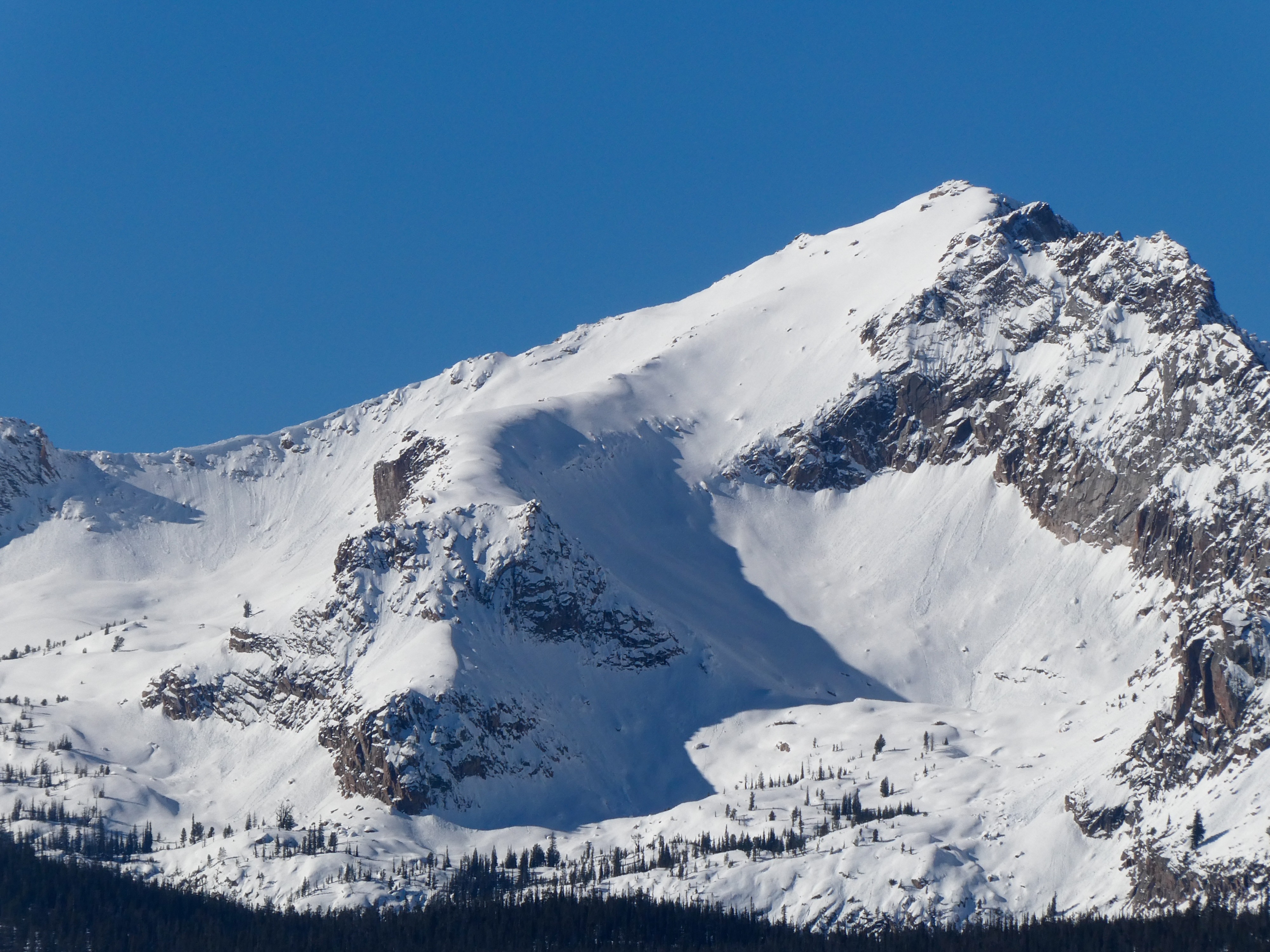
A widespread wet avalanche cycle took place in the Sawtooth and Boulder Mountains yesterday afternoon. The Boulder Mountains saw very notable wet slab activity, while the Sawtooths were only observed earlier in the afternoon with primarily wet loose avalanches running.
Driving south past Galena Lodge at 1330, I observed numerous wet loose avalanches, with a small number of wet slab avalanches in the Boulder Mountains. After a short tour up Mushroom Ridge, I drove back south to shoot more photos and witnessed over 10 large (D2-D3) naturally occuring wet slab avalanches that ran in the period between 1340-1600. These avalanches primarily failed in large, open alpine bowls and terrain above 8500'. These wet slab avalanches were accompanied by too many D1.5-D2 wet loose avalanches to count.
As is characteristic of wet slab avalanches, these slides continued to occur after the heat of the day, being notoriously hard to predict timing-wise when exactly they will occur. Our complex snowpack setup with multiple, well-preserved weak layers, a dense slab even in thinner snowpack areas like the Galena & Eastern Mountains zone, and a small amount of fresh snow at the surface combined with our recent rain event, sustained high temperatures, and direct sunshine today to produce this cycle. While we can speculate the exact mechanism of what caused this avalanche cycle, the nature and exact mechanism of how specifically wet slab avalanches fail is near impossible to pin down. Did the weak layer lose strength? Did the characteristics of the slab change? We will not be able to tell exactly, however the implication is the same: it is dangerous out there, and the travel advice remains to avoid being on or underneath steep slopes.
Avalanche
- Size
- D2.5
- Type
- WS
- Count
- 7
- Aspect
- SW
- Trigger
- N
- Elevation
- 10400 ft
See avalanche observations for more information.