
Quick report
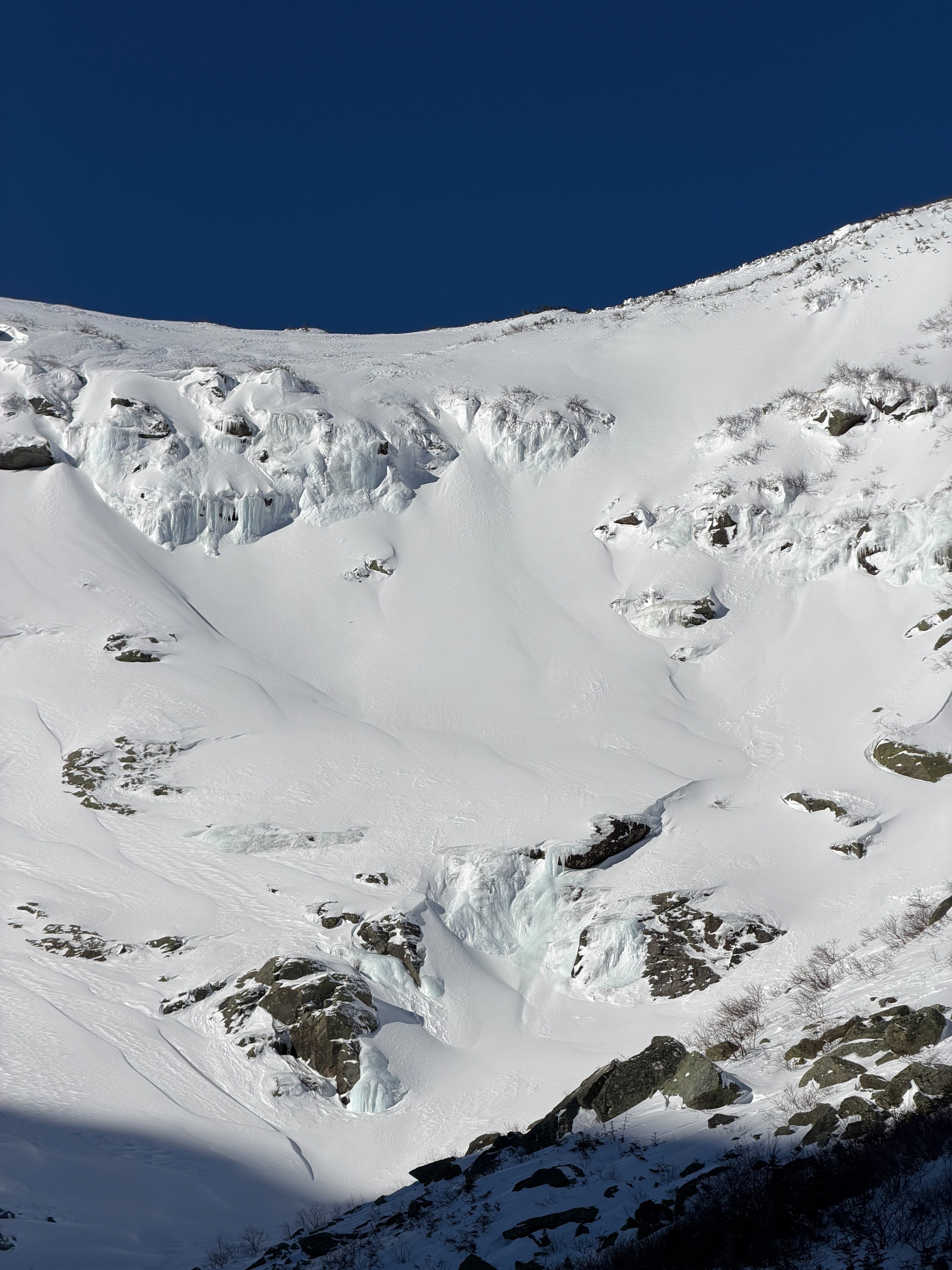
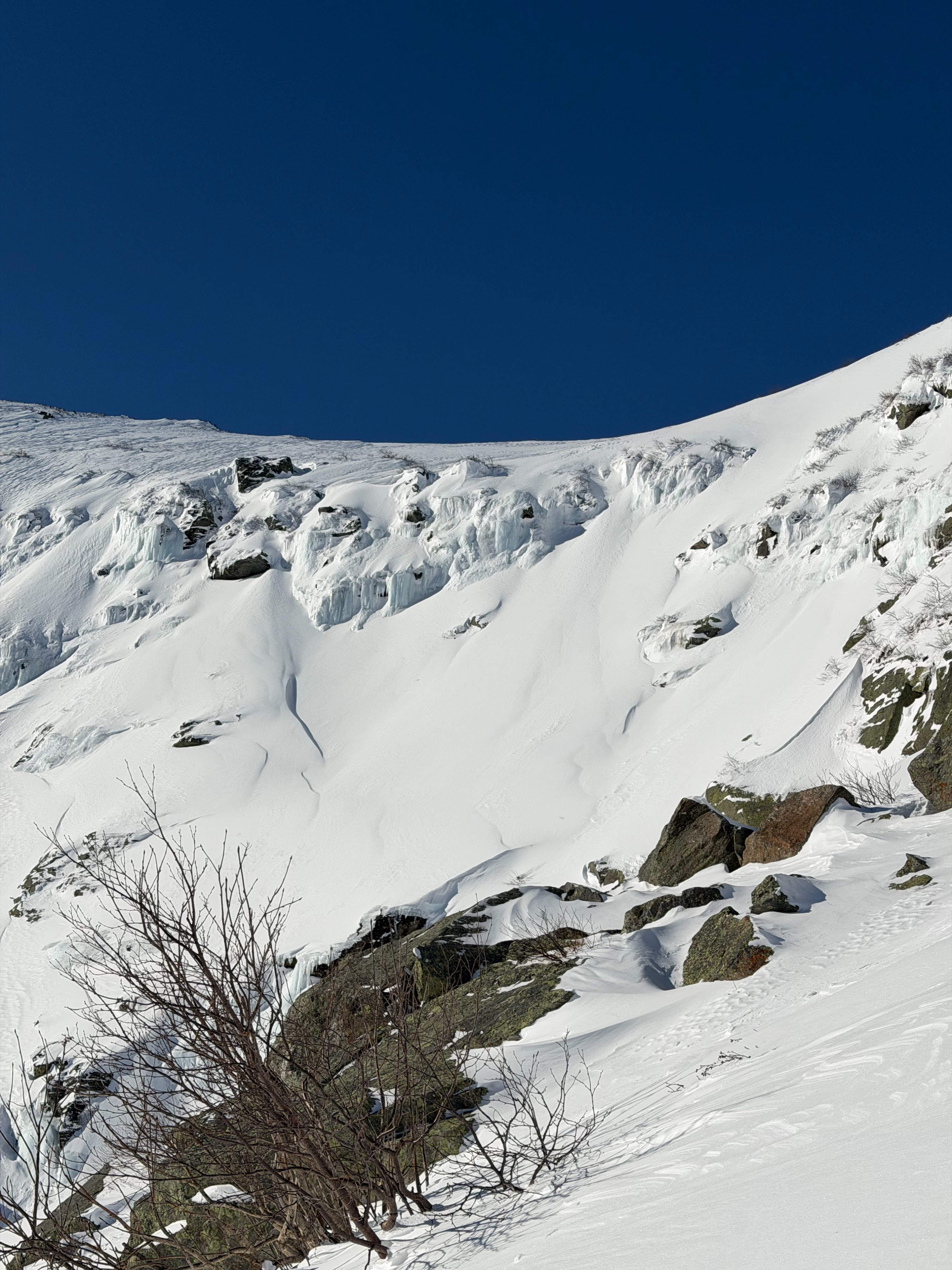
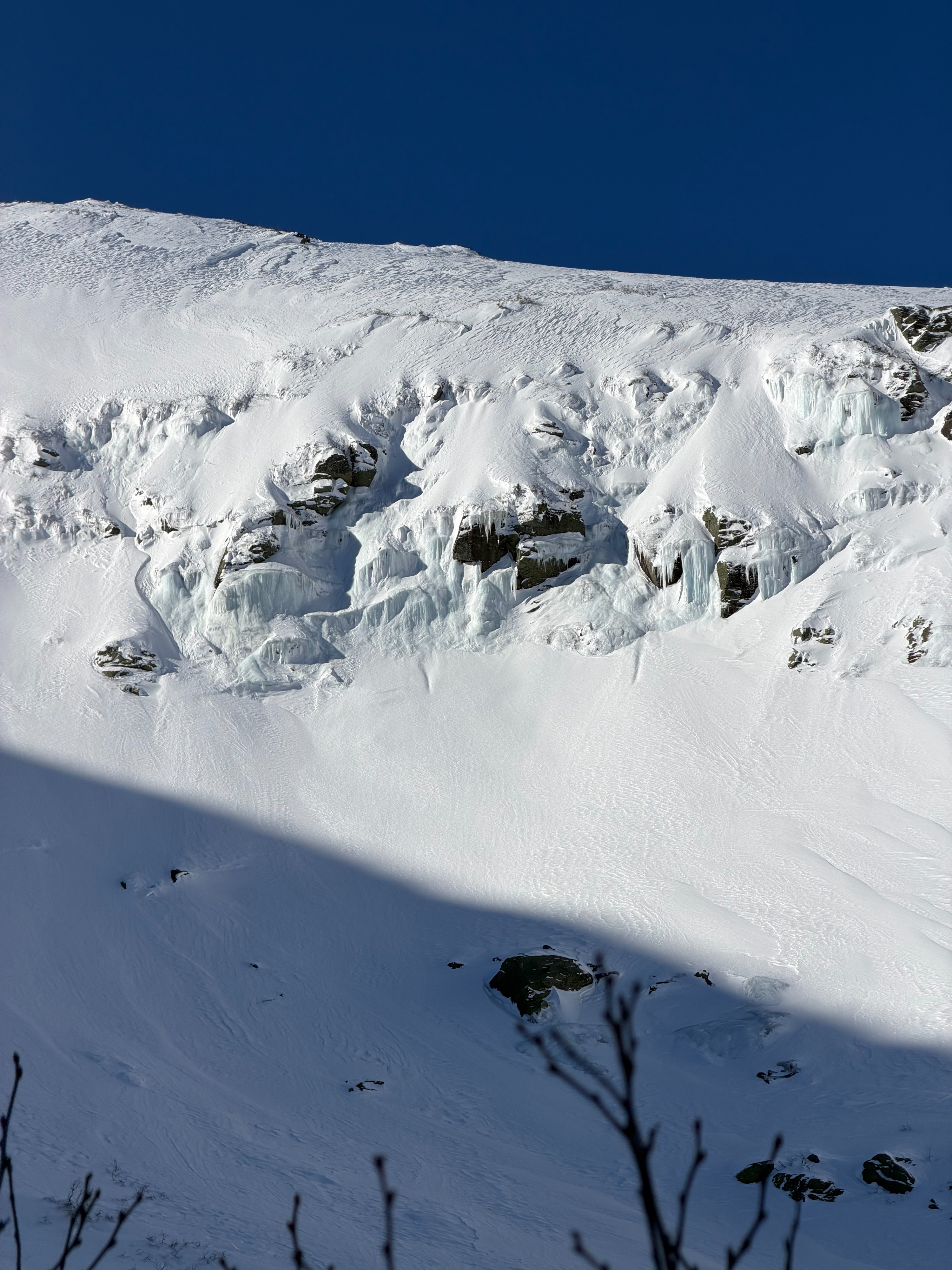
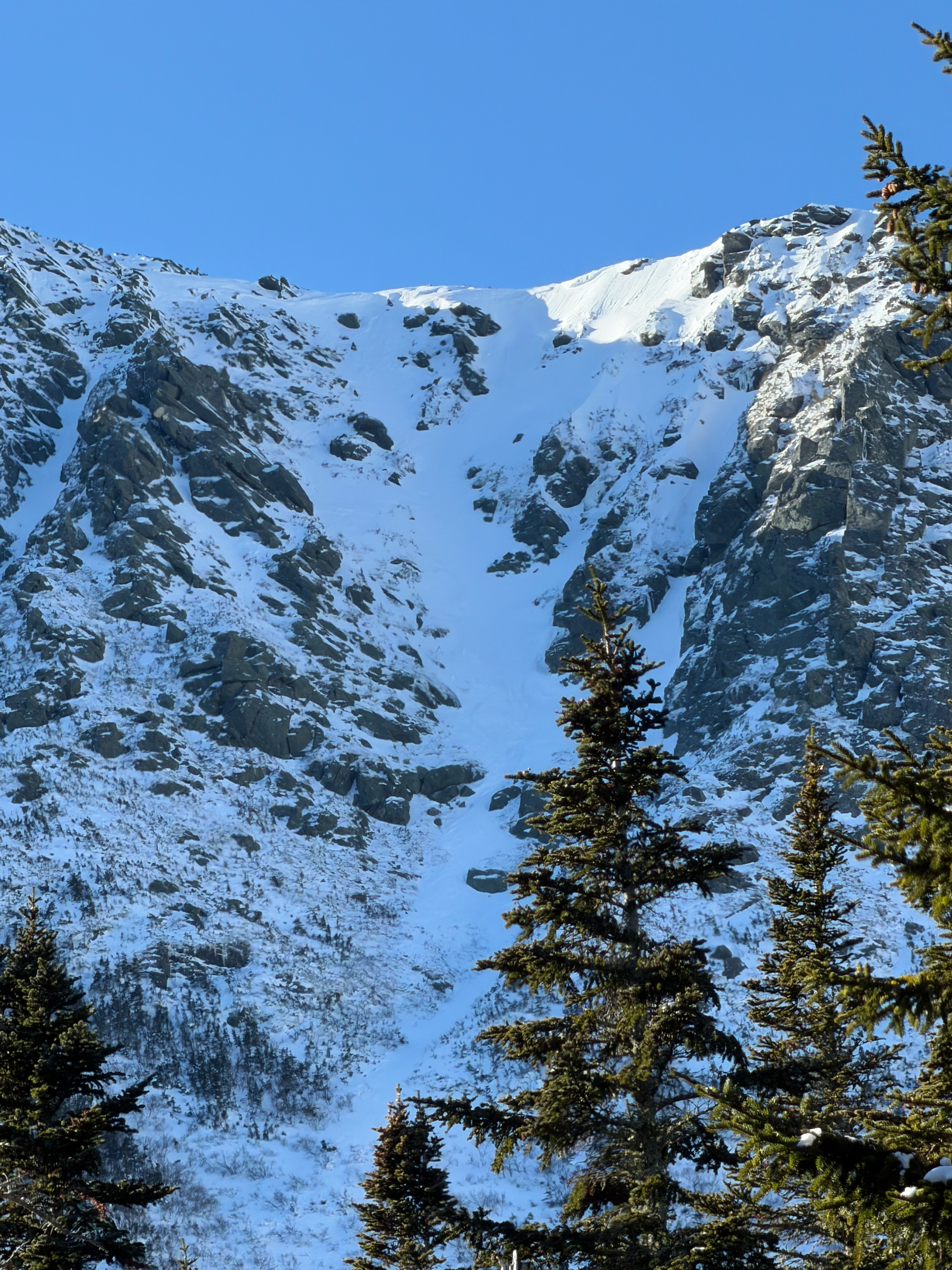
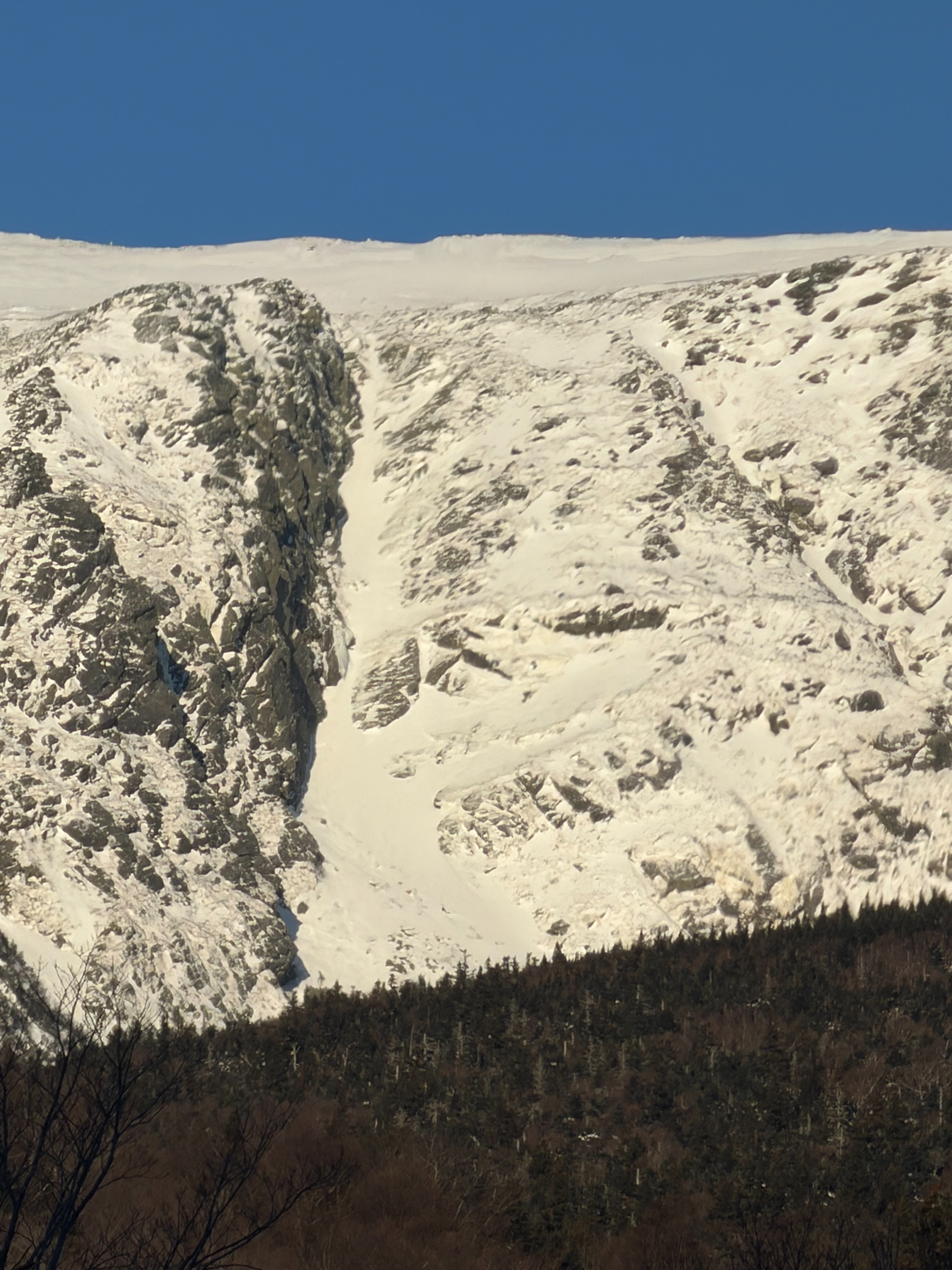
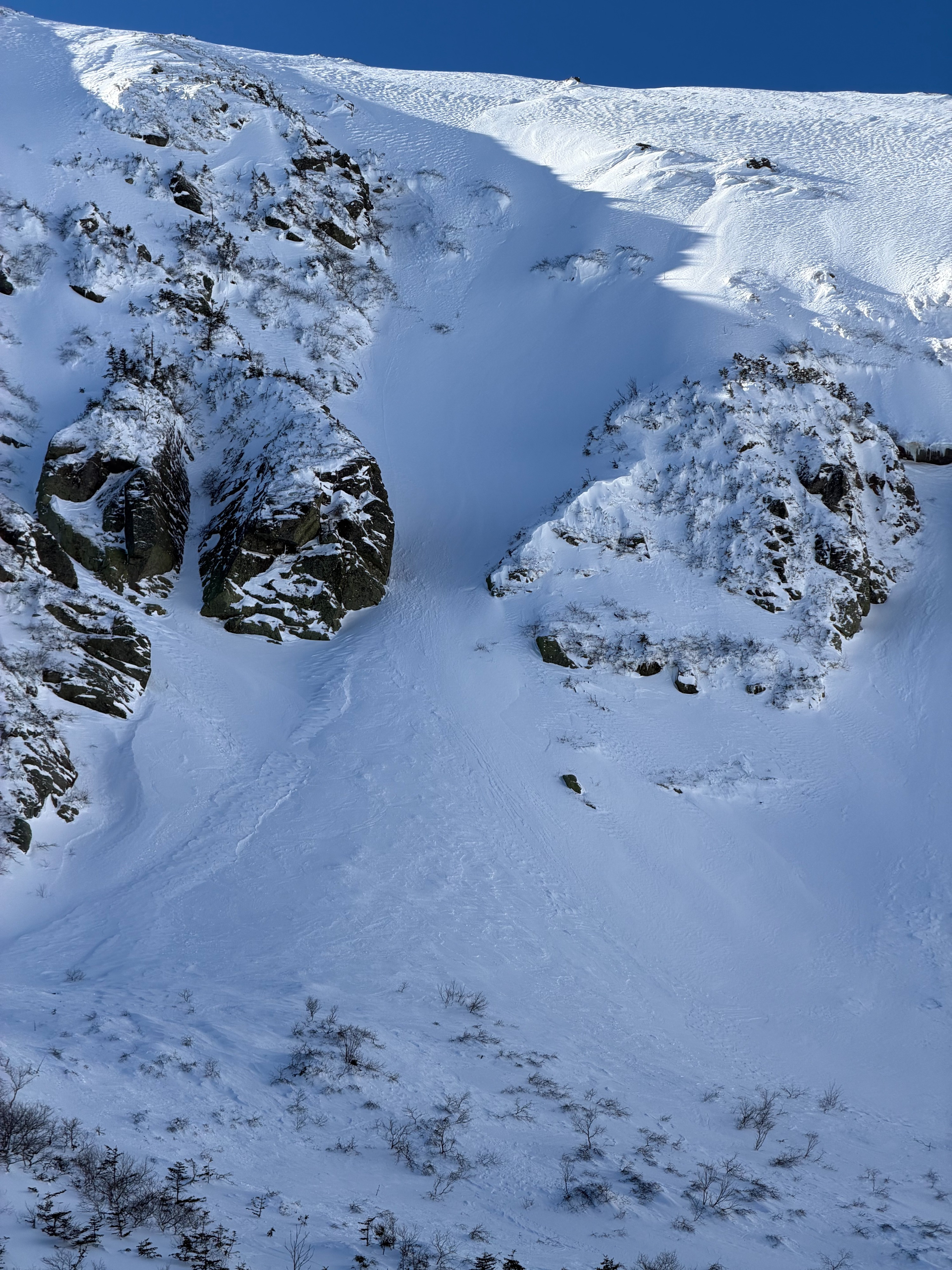
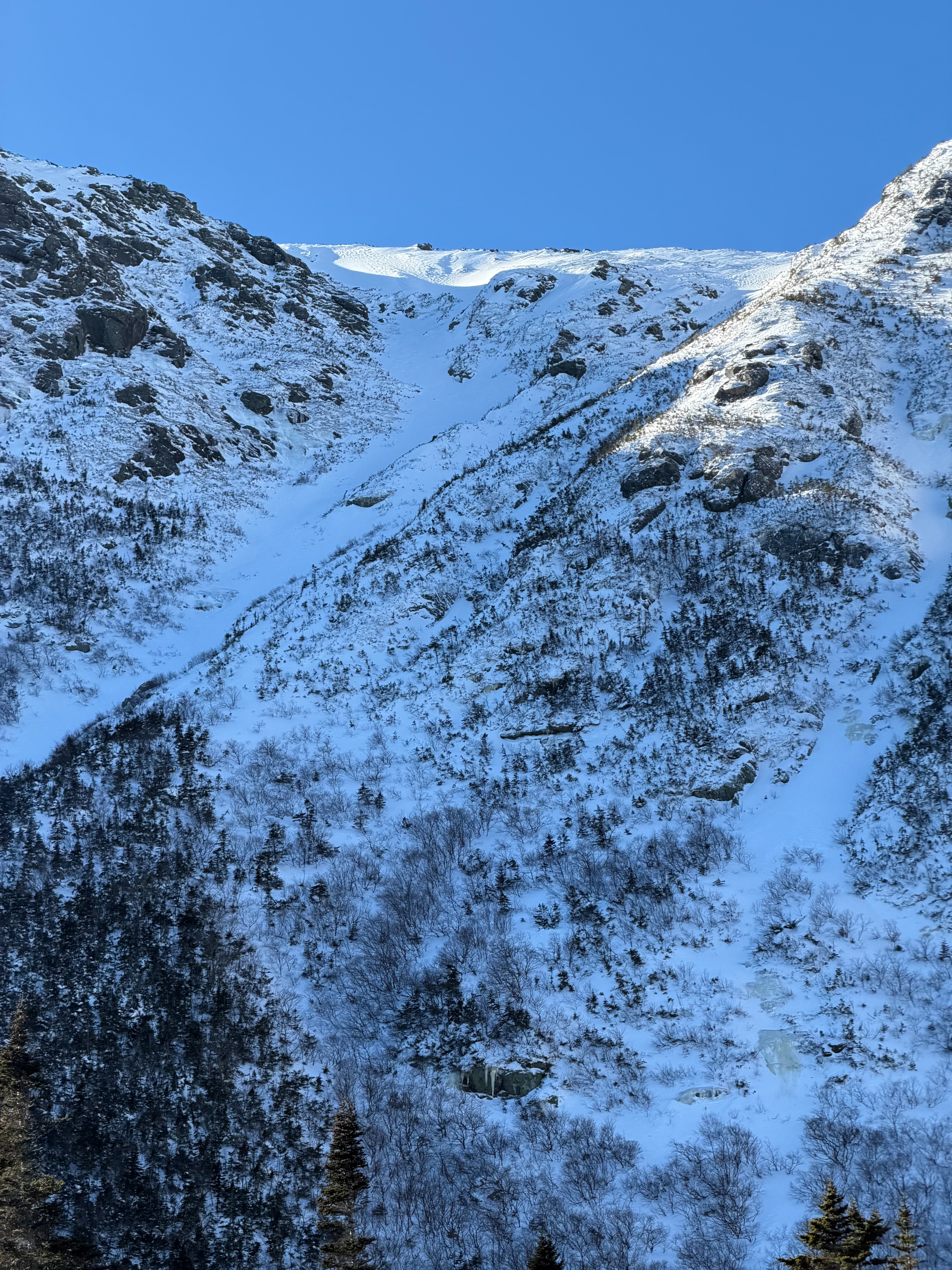
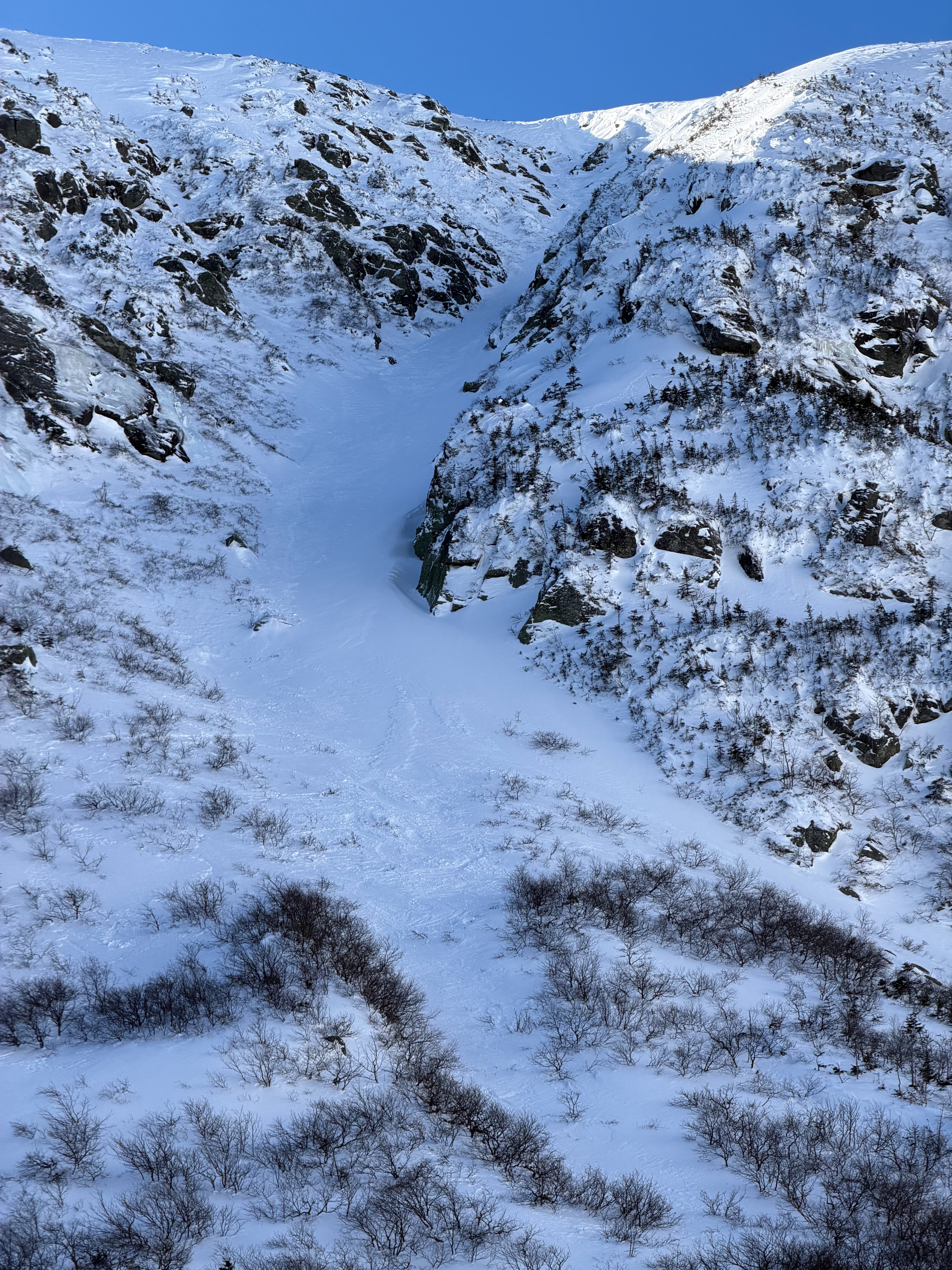
The snowpack in Tuckerman Ravine is a mix of windslab and old snow that has been scoured and hardened by the wind. No signs of recent human-triggered or natural avalanches were observed today.
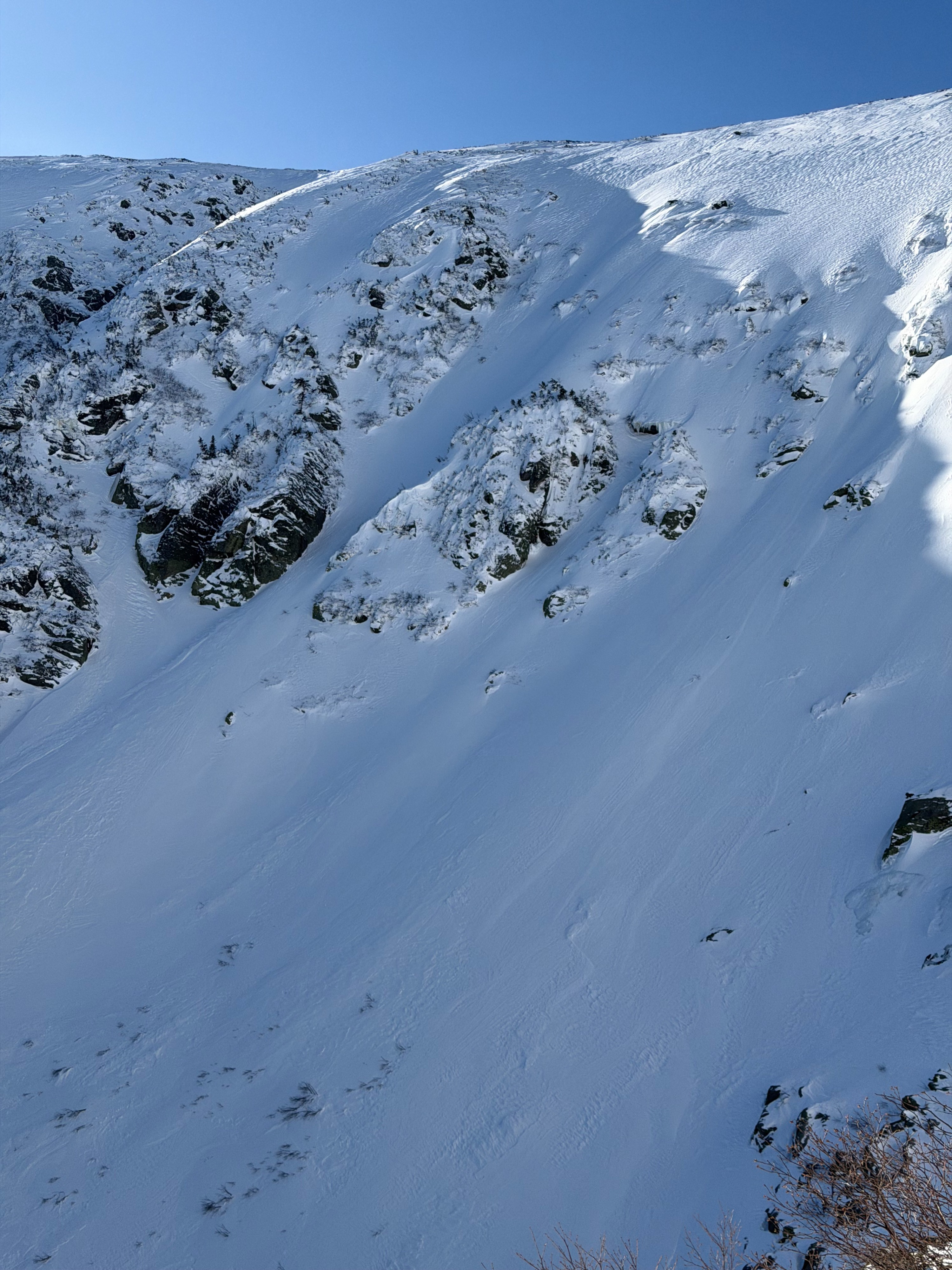
North-facing and northeast-facing slopes were notably firm without a significant avalanche problem. These slopes have been eroded and hardened by the wind over the past several days.
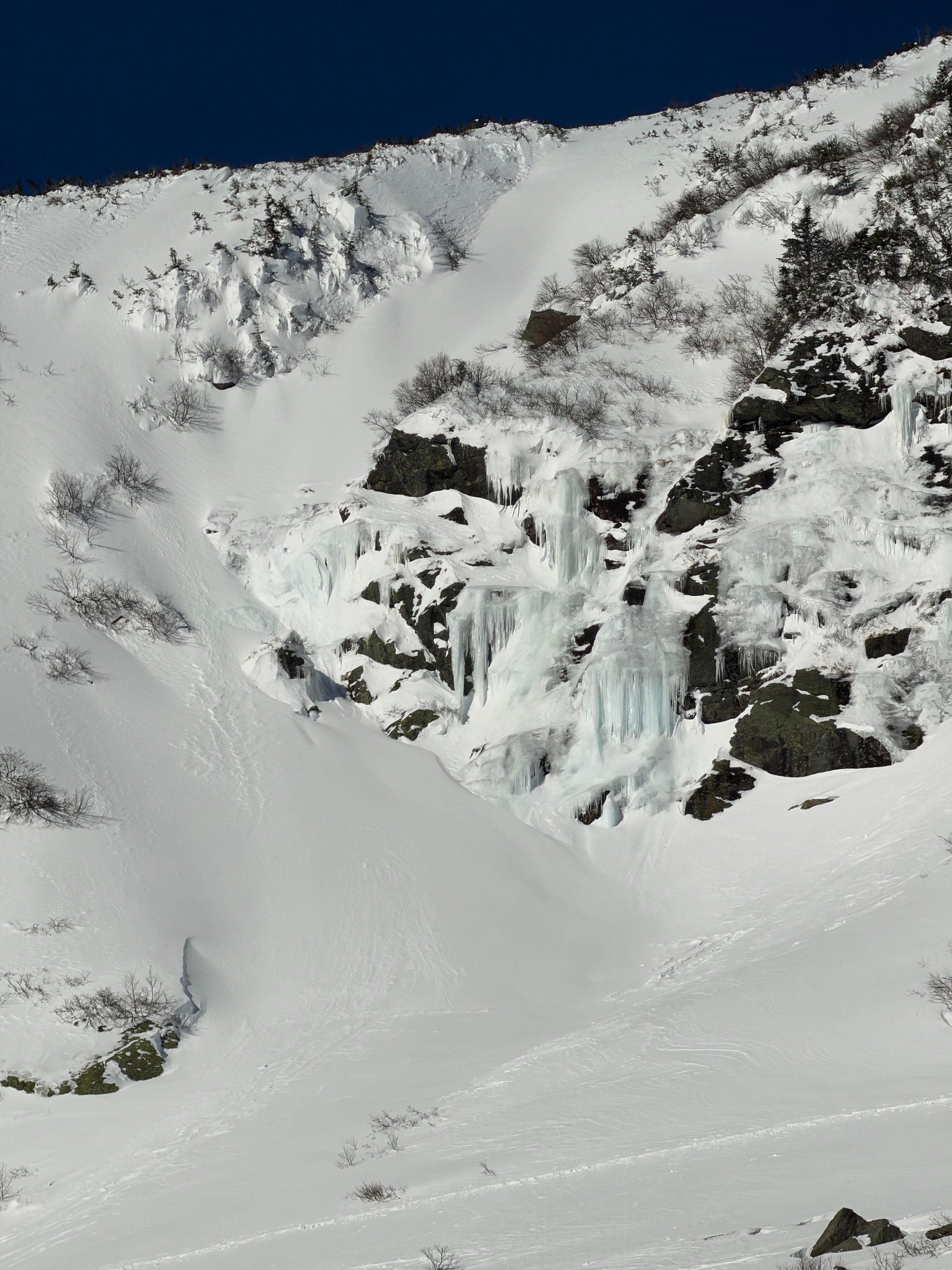
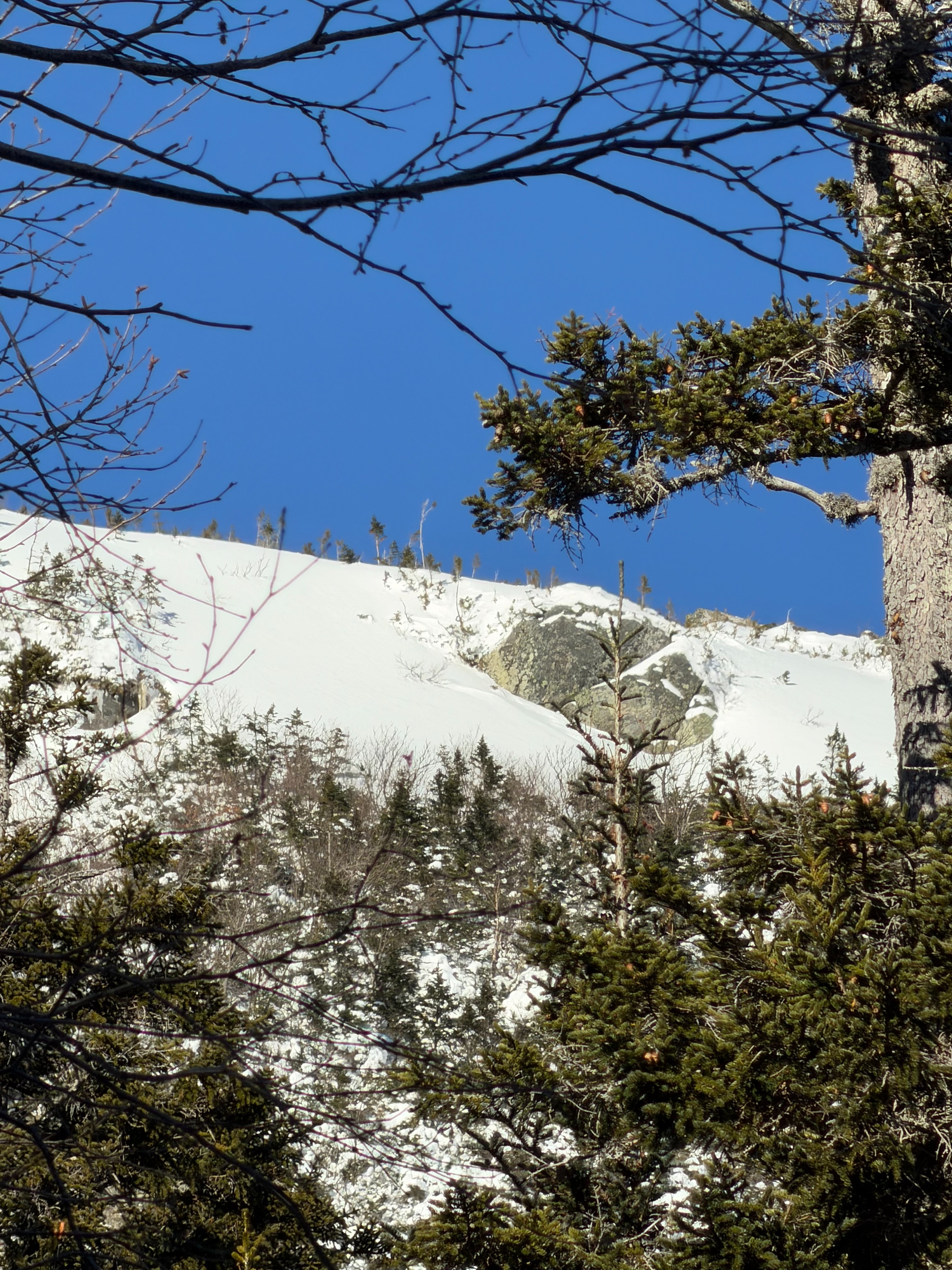
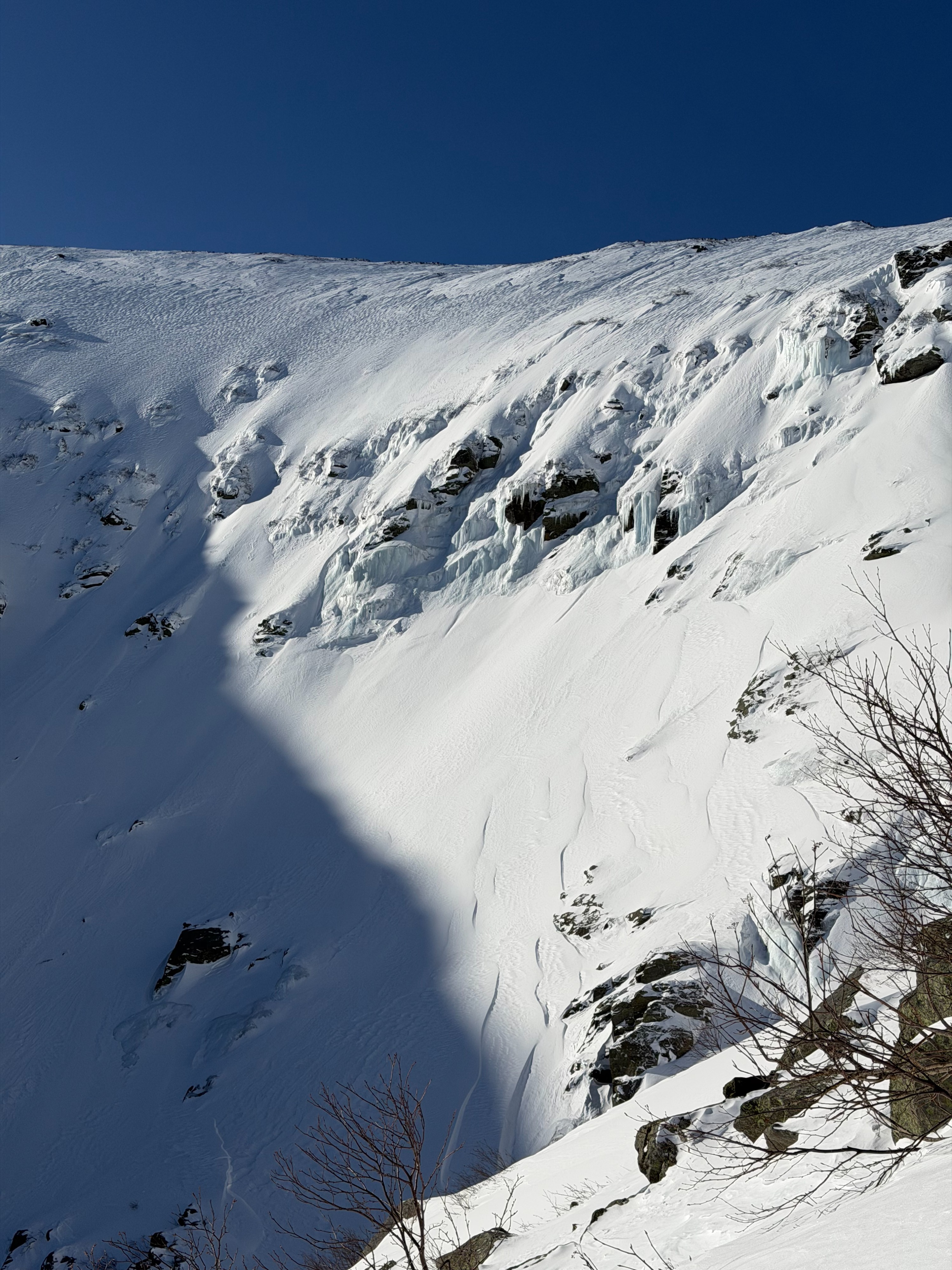
East, southeast, and south-facing slopes were covered in windslab that was variable in depth depending on aspect, elevation, and terrain topography.
While we did find some signs of wind slab propogation in our snowpits today, the results were generally stubborn (see snowpack section). Very steep slopes and unsupported convexities on southeast aspects may have been the most likely spot to trigger a windslab avalanche today.
Weather
- Air Temp
- 5
- Cloud Cover
- clear
- Wind Loading
- none
- Recent Snowfall
- 0
- Snow Avail For Transport
- small smounts
Clear skies with calm winds made weather conditions pleasant but cold.
Snowpack
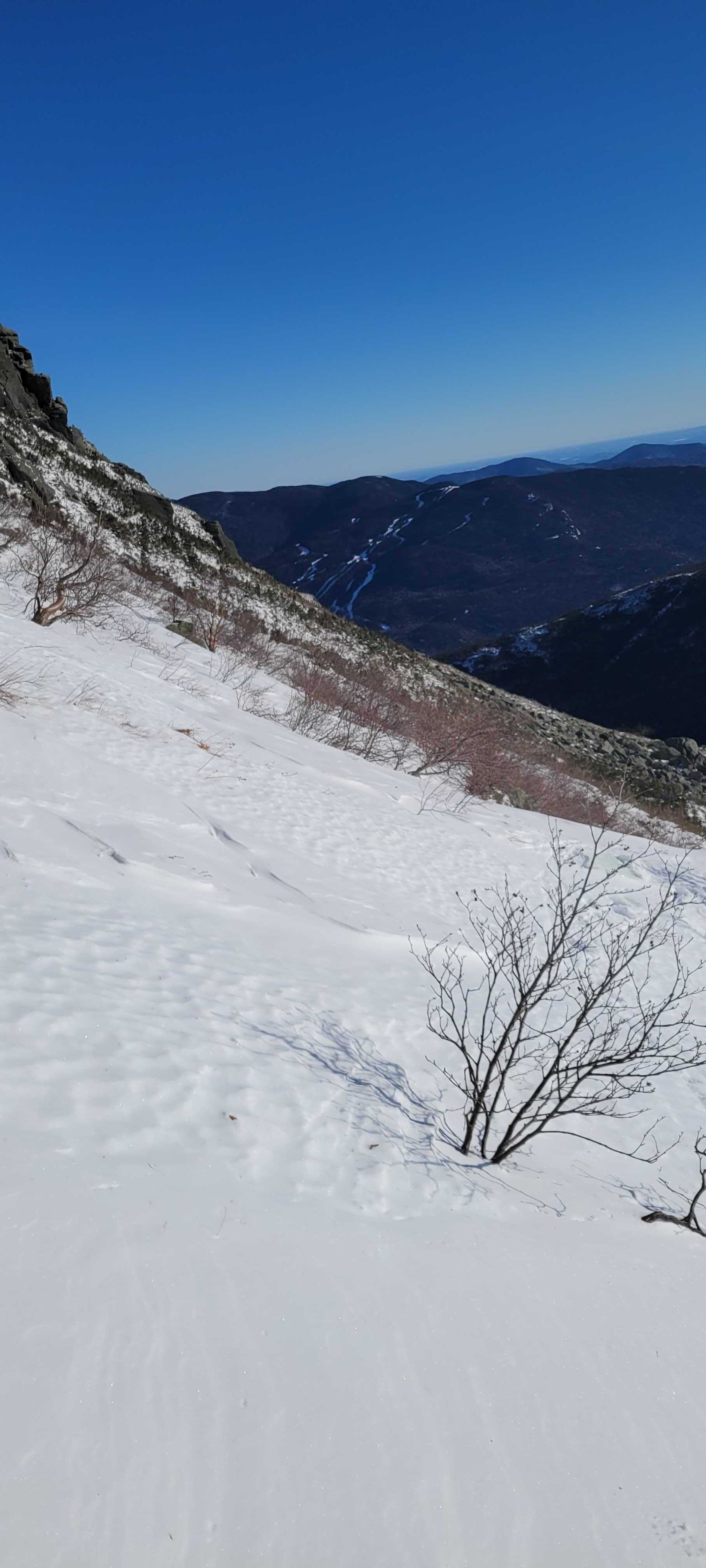
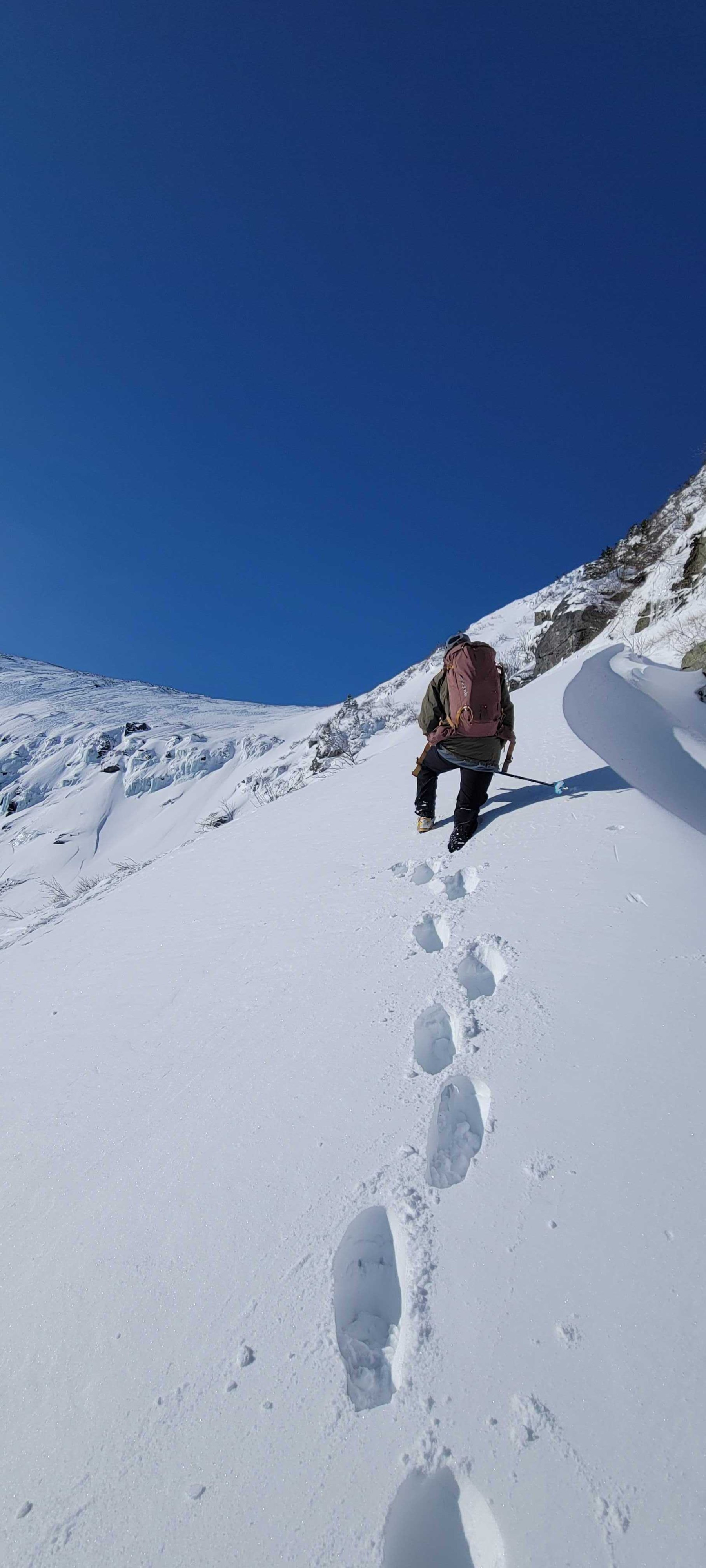
The snowpack is variable based on elevation, aspect, and terrain topography. On north and northeast aspects, wind has scoured and hardened the snow surface. Boot penetration in these areas is about 5-10 cm. On east, southeast, and south aspects, new windslabs are present that vary in thickness from 5cm to 75cm. Boot penetration in these areas was about 30cm.
Within recent snow and wind-loading from the past week, there are multiple density changes, which are again - spatially variable depending on location.
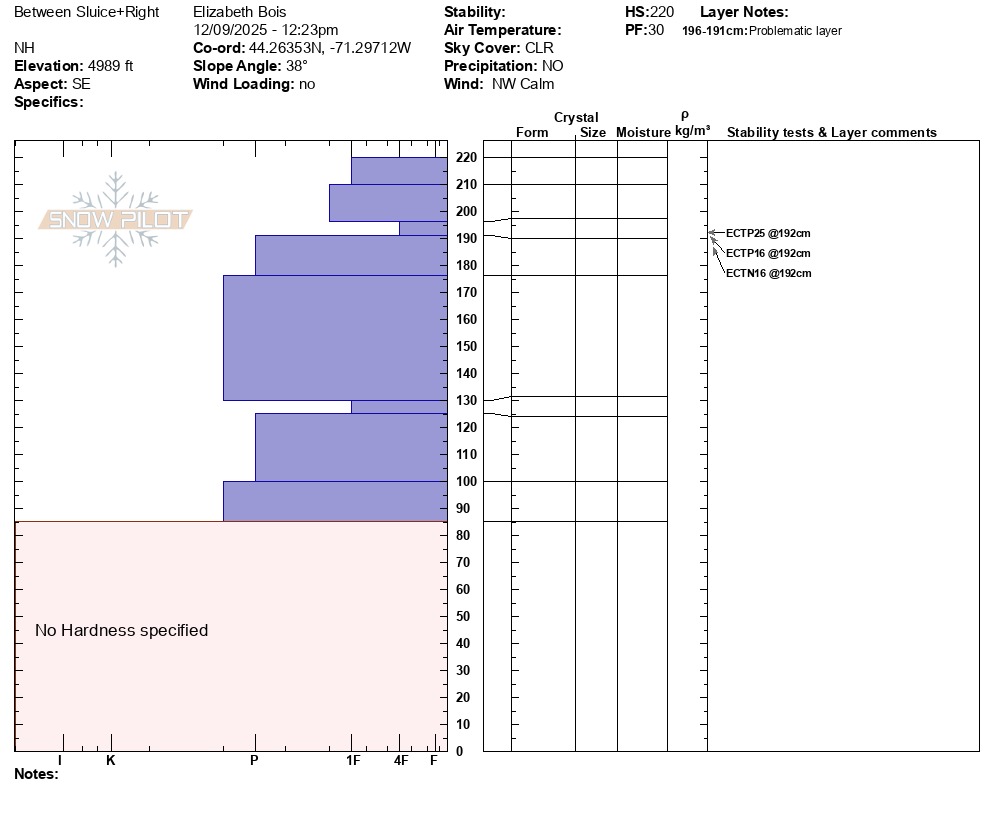
Snowpit tests from a SE aspect in Tuckerman Ravine in the Sluice and Right Gully area at 4,700ft were as follows: ECTP16, ECTP25, ECTN16 (moderate and stubborn instability results) about 40cm deep on a density change in the snowpack. An old ice crust is visible in isolated areas of unsheltered terrain across southern aspects as well as wind slabs that range in depth from 5cm to 75cm. They are noticeable by their contrasts in appearance. The old ice crust appears rough and textured, whereas the windslabs appear smooth and pillowy. These windslabs in southern aspects were stubborn to react during instability tests. Scoured snow was observed at the ridgelines across most terrain features. Avalanche starting zones have ample amounts of snow to support large avalanche activity in the future and the terrain across Tuckerman Ravine is well-connected by continous snow slopes.