

Quick report
- Cracking
- widespread
- Collapsing
- widespread
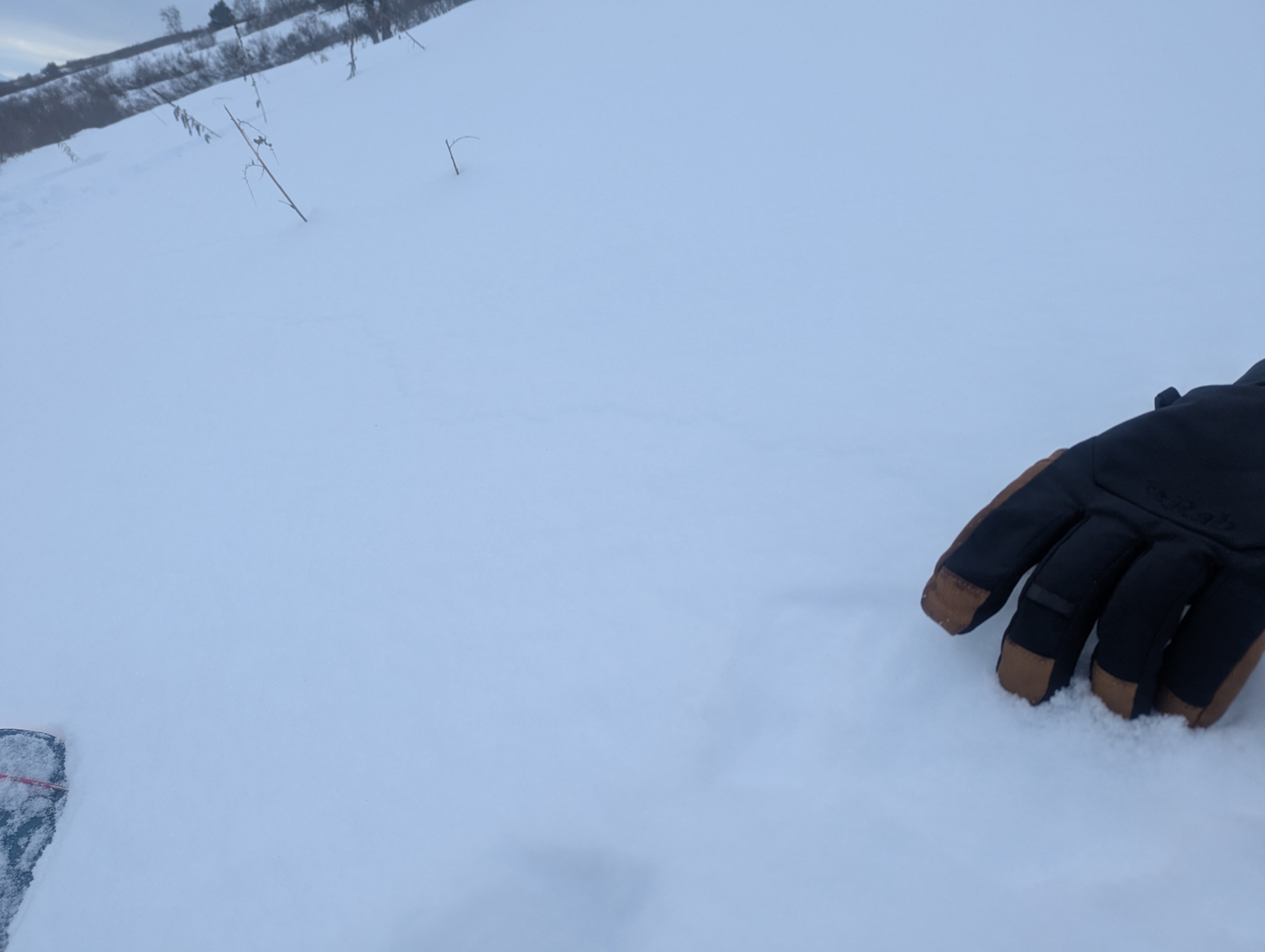
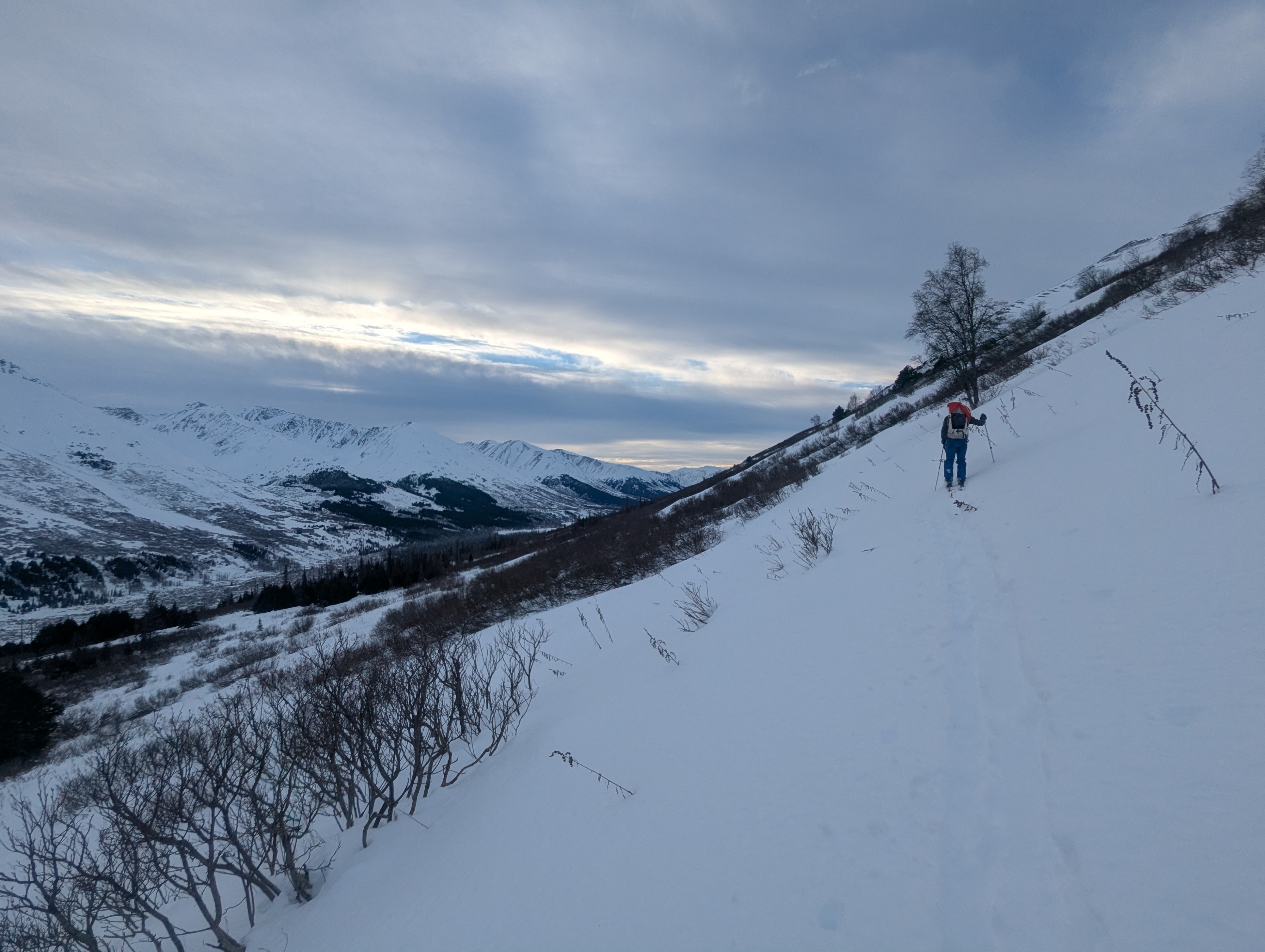
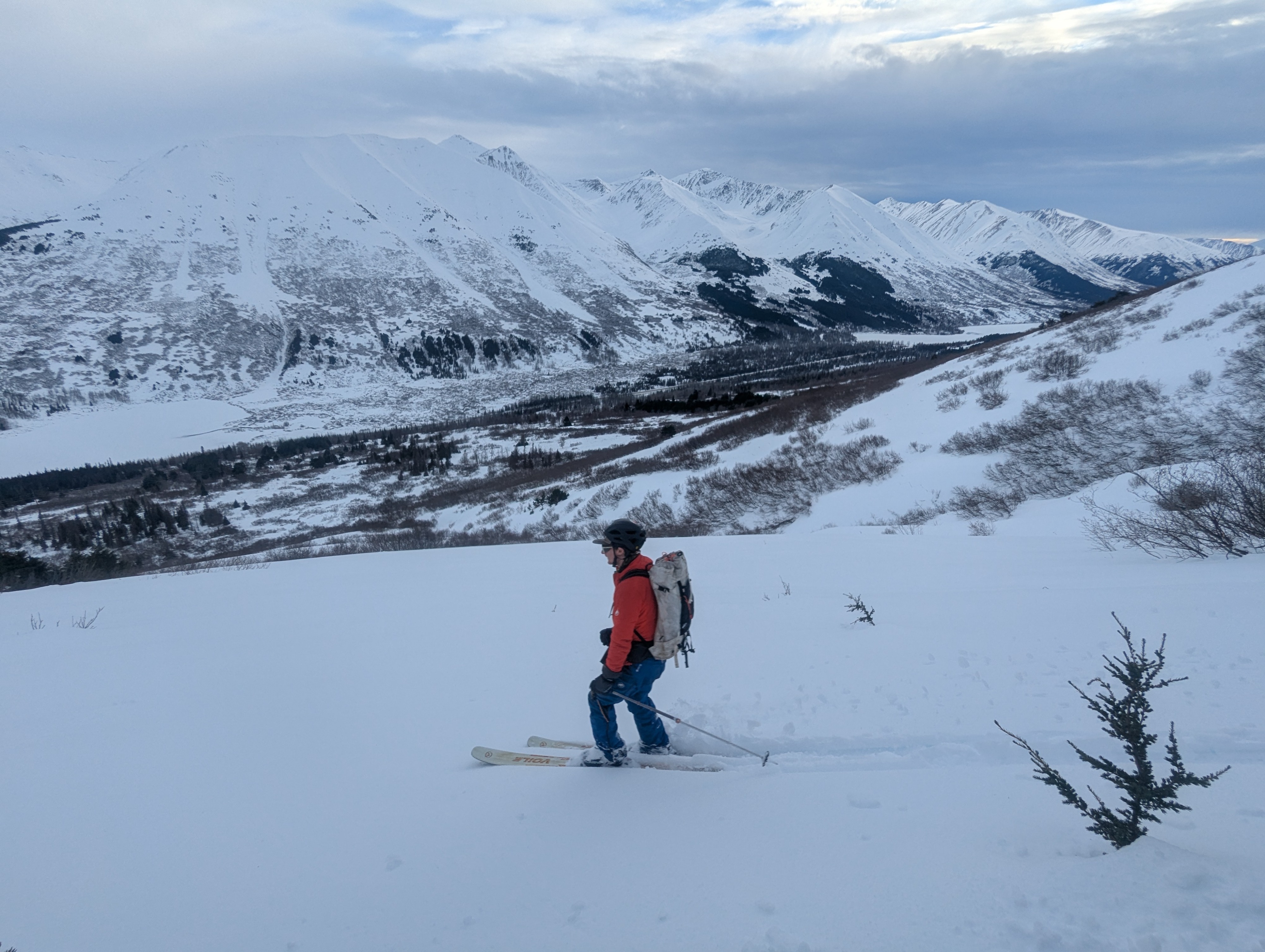
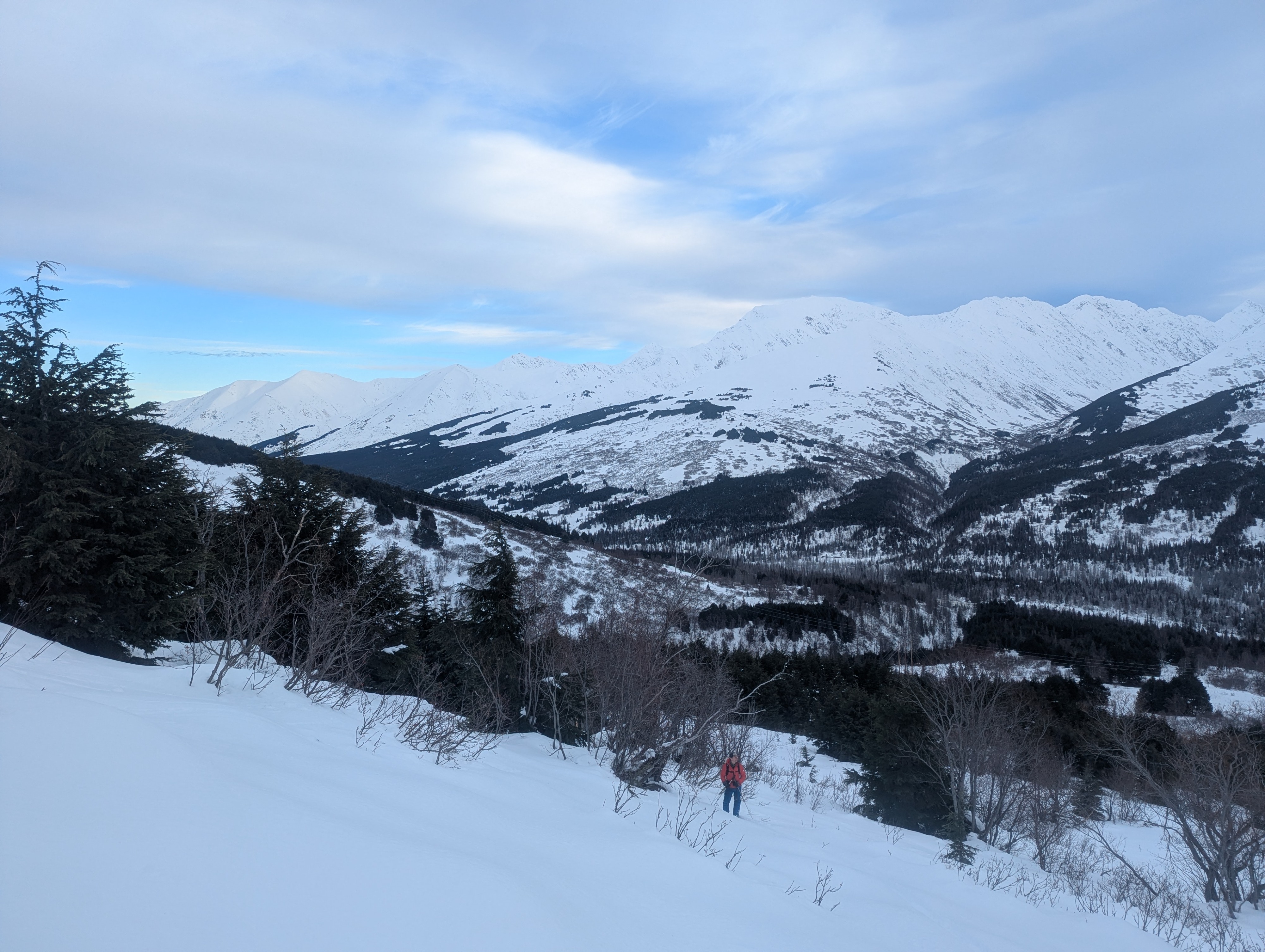
We toured up to treeline on Colorado Mtn in Summit Lake and found very unstable conditions. We triggered collapses (whumphs) in most of the meadows we walked through and found very unstable results in our snow pit tests. We stuck to very low-angle terrain and avoided all overhead avalanche paths to avoid the chances of triggering an avalanche remotely from the bottom of the slope. There was a rain crust up to about 2100' that made for challenging travel, and the alders down at lower elevations still took some effort to get through. Above 2100', the snow was drier and made for good skiing, but we ran out of mellow terrain at about 2450'.
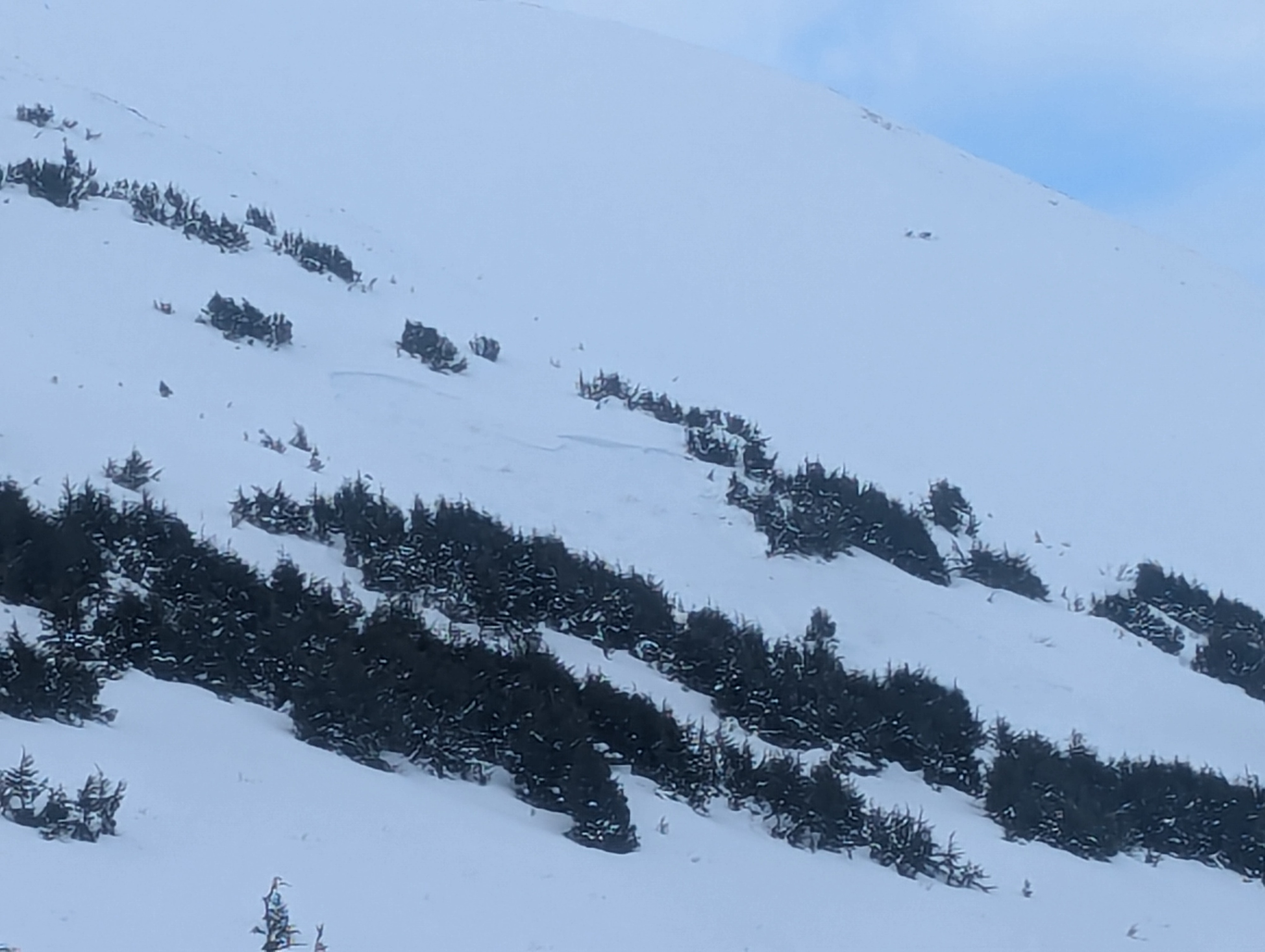
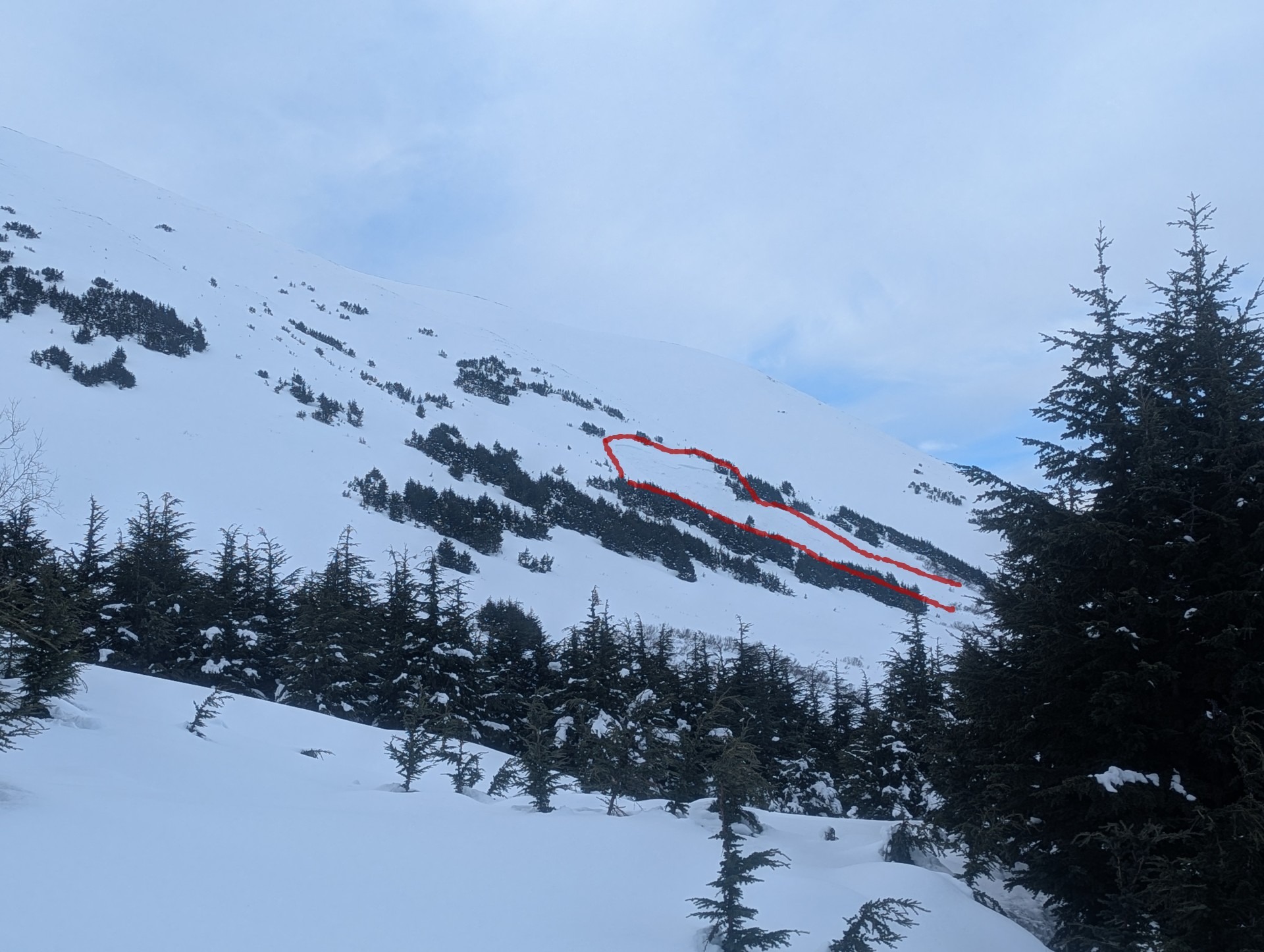
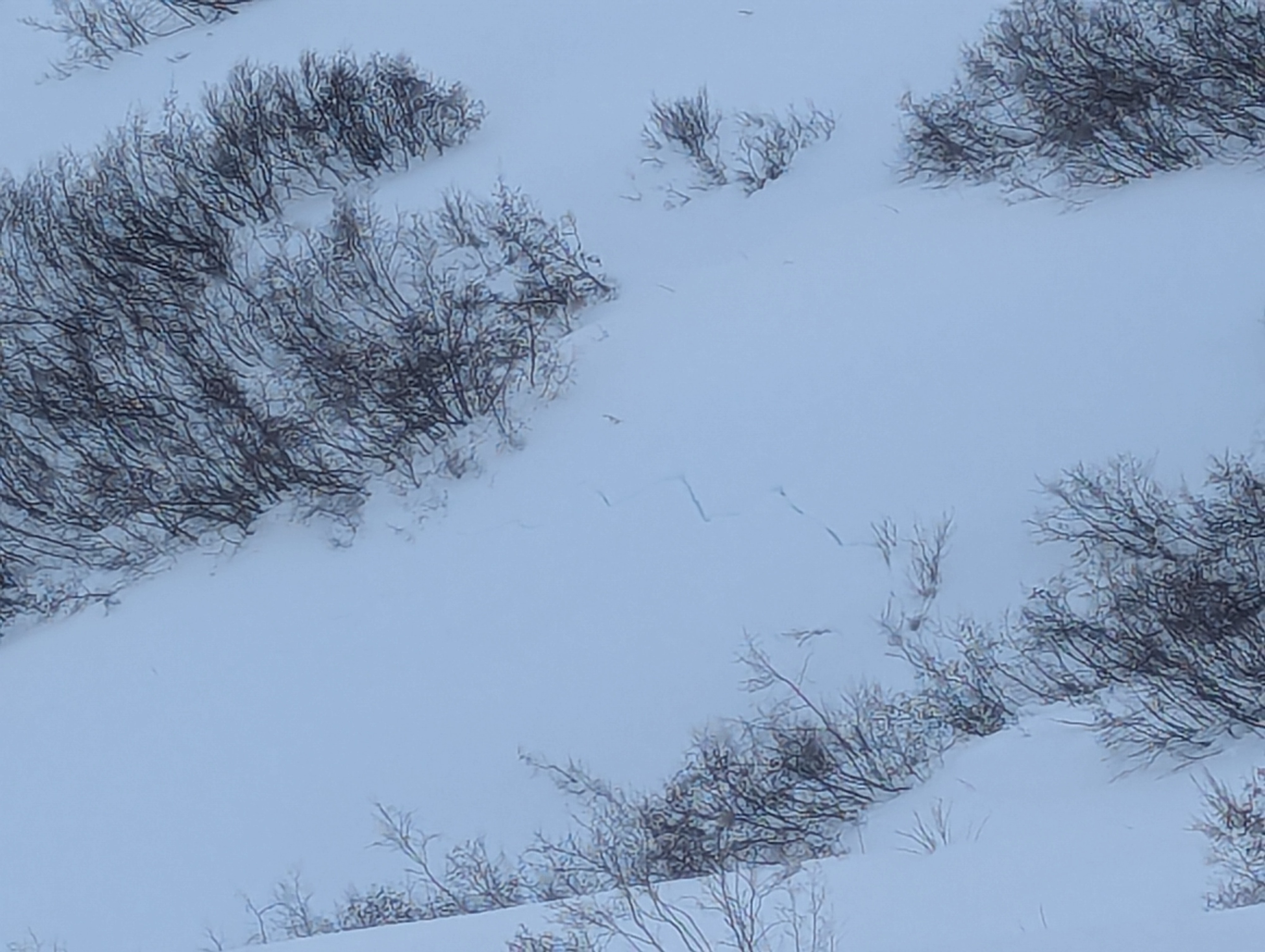
We triggered collapses or whumphing in most of the meadows we skied into. Some of them were exceptionally loud and would shake branches on trees up to 50' away. We saw a recent avalanche on the NE aspect of Colorado that likely occurred naturally during the last stormWeather
- Air Temp
- 30s
- Cloud Cover
- scattered
- Snow Avail For Transport
- moderate amounts
Warm temps and calm winds. Felt like a spring tour.
Snowpack
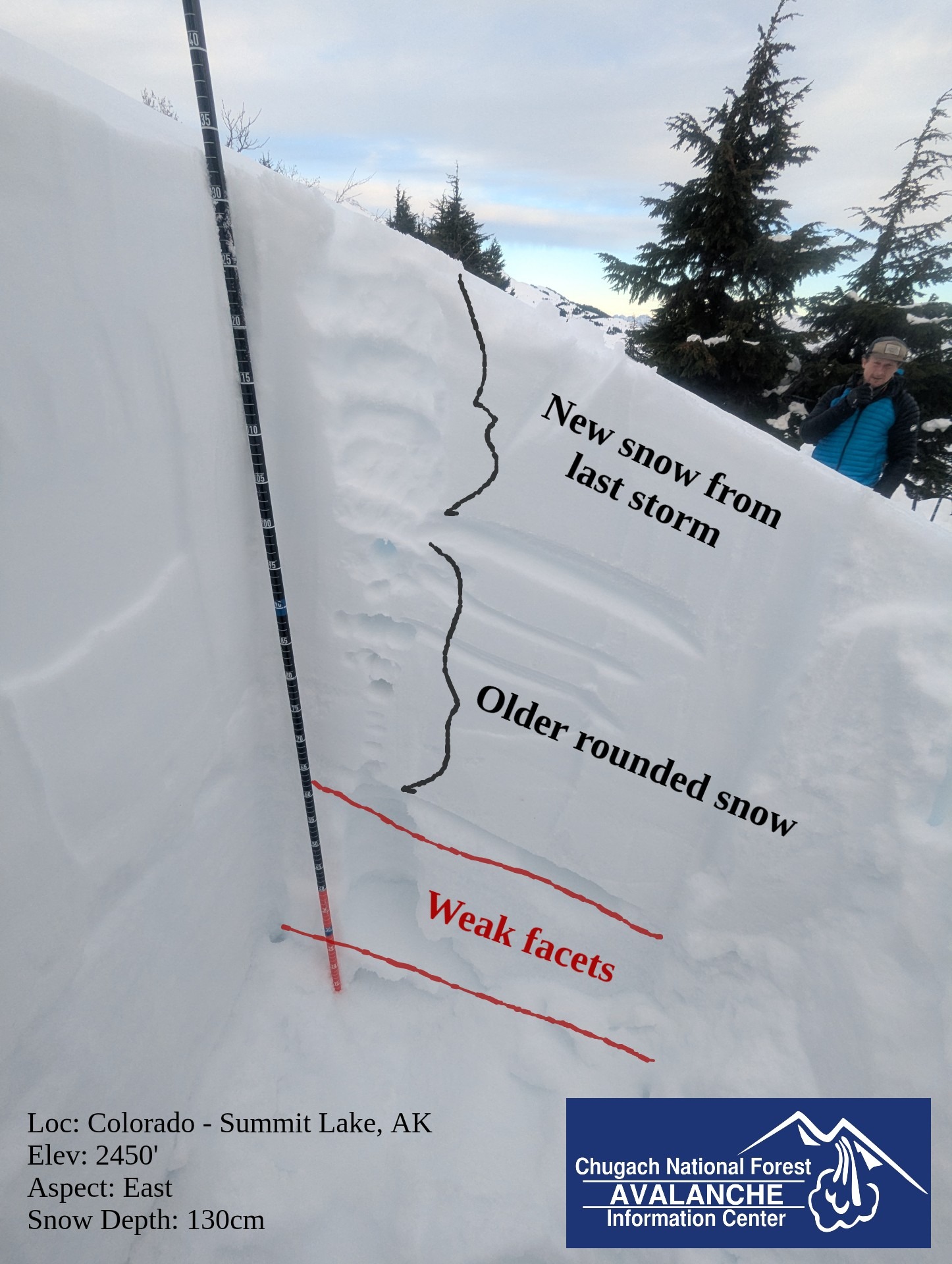
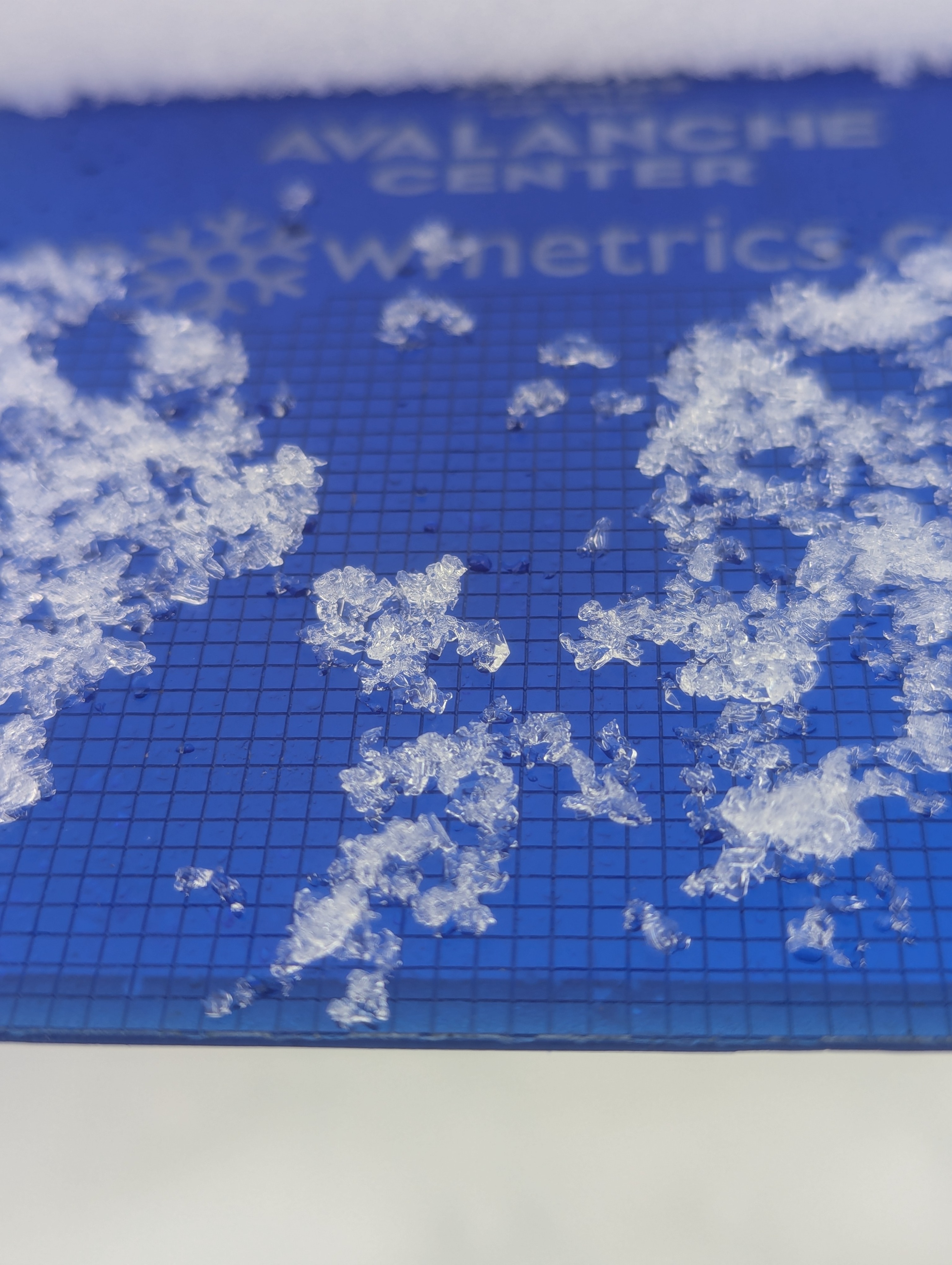
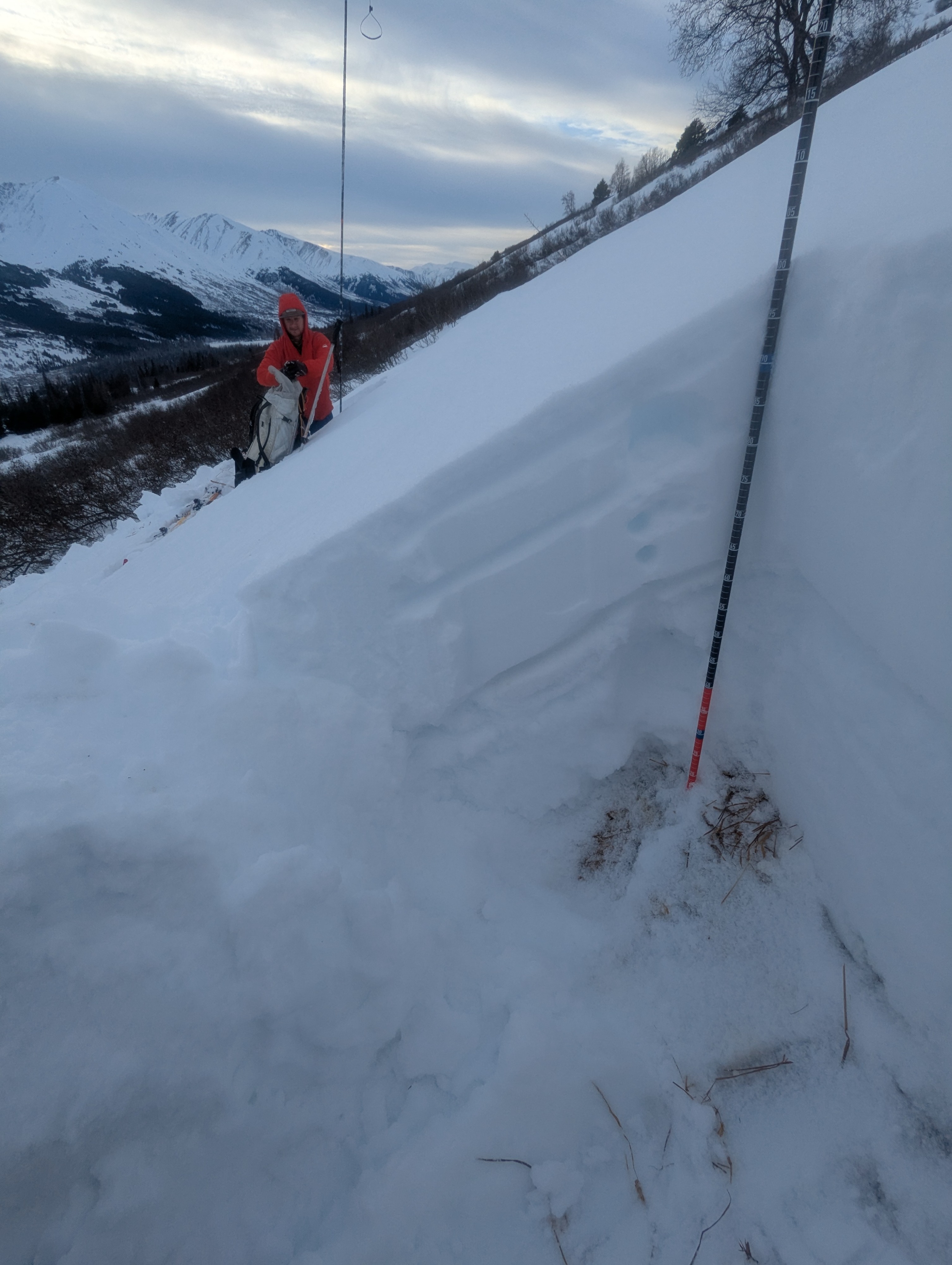
We dug two sets of pits at 1800' and 2400' on an east aspect. Both pits had very poor snowpack structure. With weak faceted snow underneath a crust about 2'+ deep (70 cm) that failed in all our tests (ECT P 18, ECT P 22, ECT P 12, CT 11). The pit results were consistent with the widespread collapsing we got traveling through the area. Both told us to avoid avalanche terrain and runout zones of overhead avalanche paths.
Avalanche
- Size
- D2
- Aspect
- NE
- Trigger
- N
- Elevation
- 2600 ft