
Quick report
- Cracking
- Observed
- Collapsing
- Observed
We intentionally chose this area for fieldwork looking for a reactive and dangerous snowpack in a shallower portion of the Southeast Mountains...and we found it. Avalanches appear to be ripe for human triggering in the 4 to 5-foot snowpack depth range. I was surprised at the lack of recent natural avalanche activity yet we found it easy to trigger avalanches. This area and snowpack depth might be the 'Goldilocks zone' for sensitive avalanche conditions.
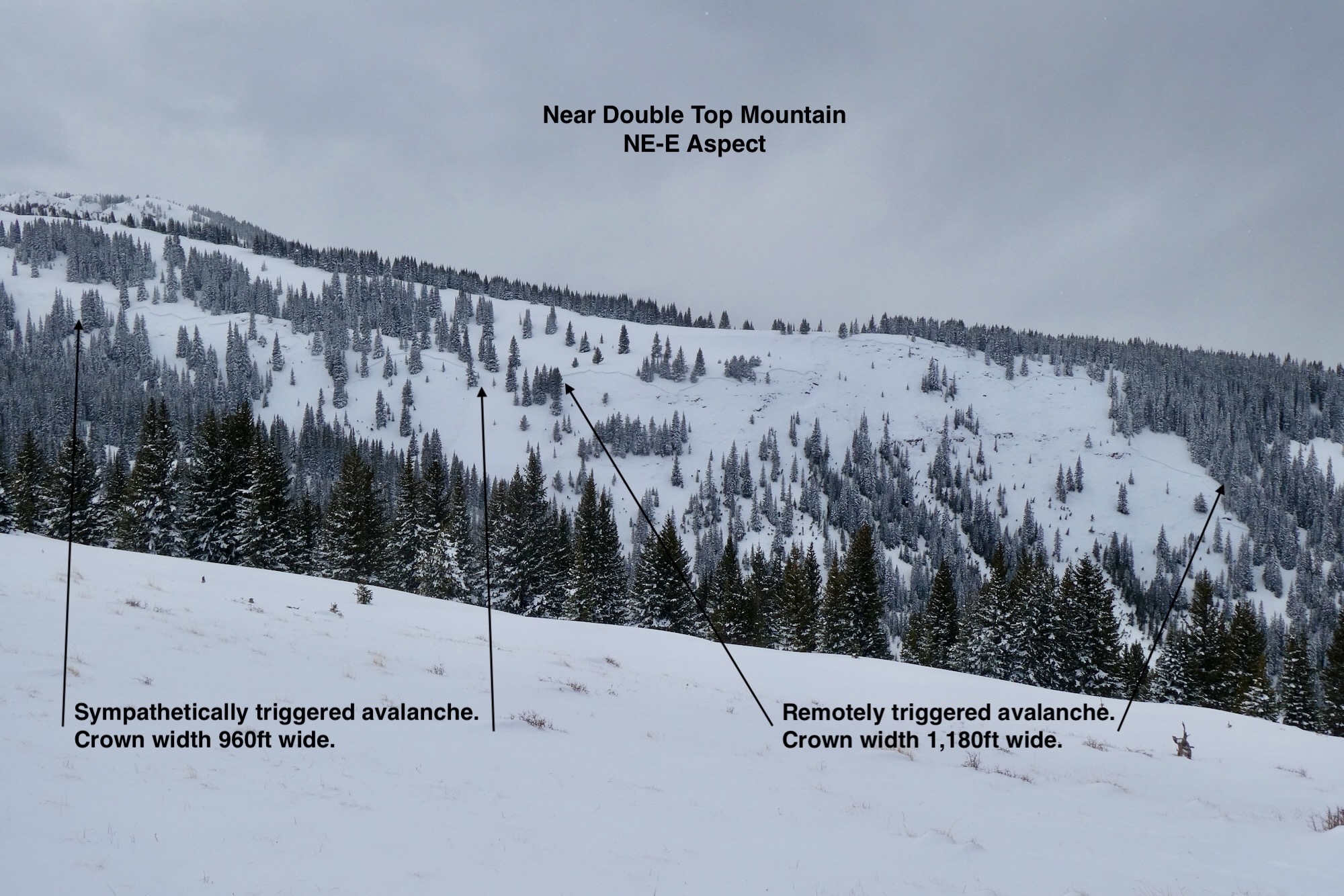
We experienced a single large collapse and remotely triggered two large avalanches on the slope below.Weather
- Cloud Cover
- broken
- Wind Loading
- moderate
- Snow Avail For Transport
- moderate amounts
Mostly cloudy skies with occasional snow showers. Winds blew just fast enough from the west to transport snow above treeline. Settled storm totals since 3/2 around 15 inches near treeline.
Snowpack
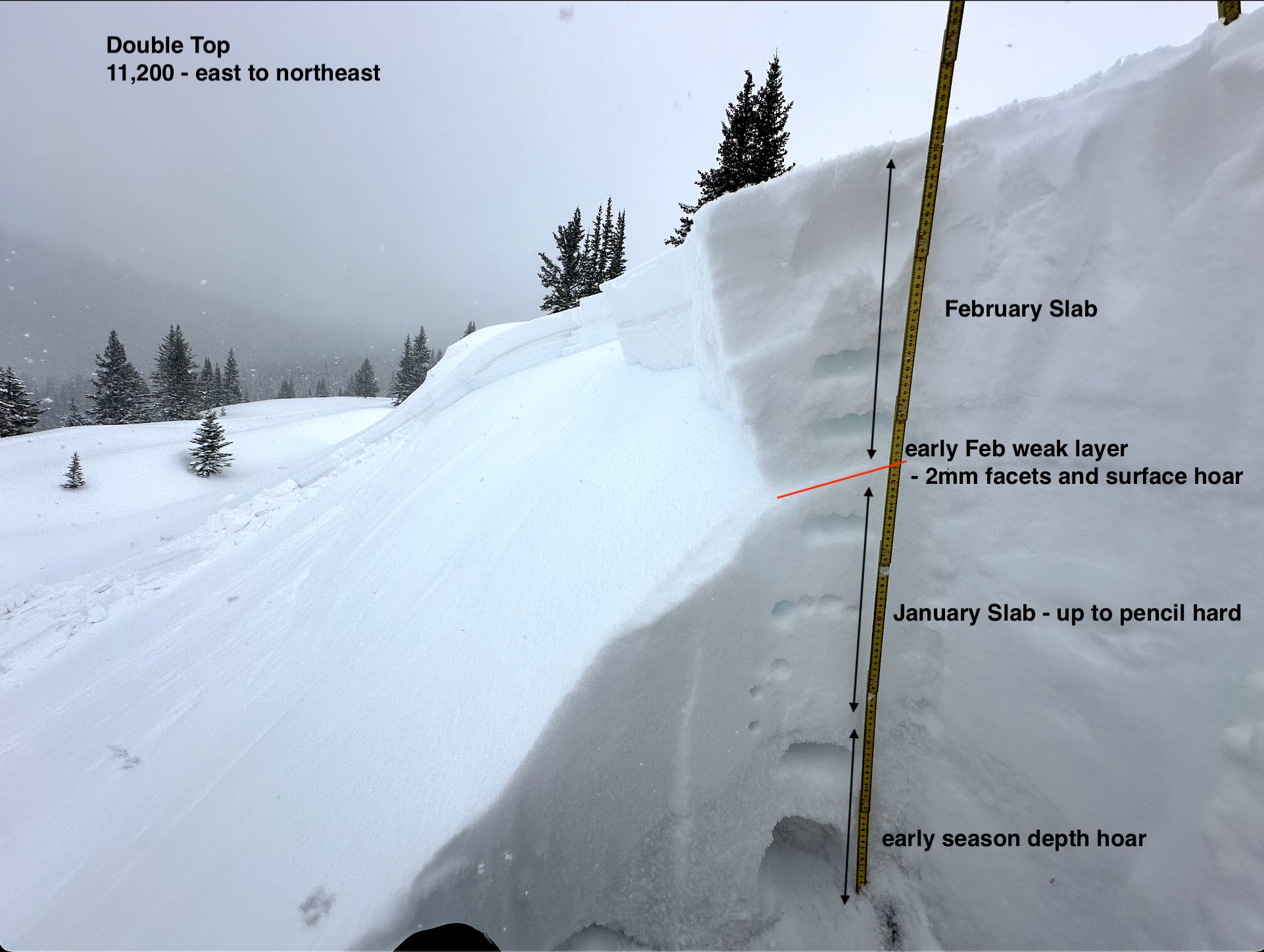
About 15-inch settled storm total since 3/2 (the dust interface) in the middle portion of Cement Creek around 11,000 feet. The height of snow in sheltered terrain was around 180cm. We measured snowpack depth in a few locations on the crowns of the remotely triggered avalanches and found depths 120 to 160cm.
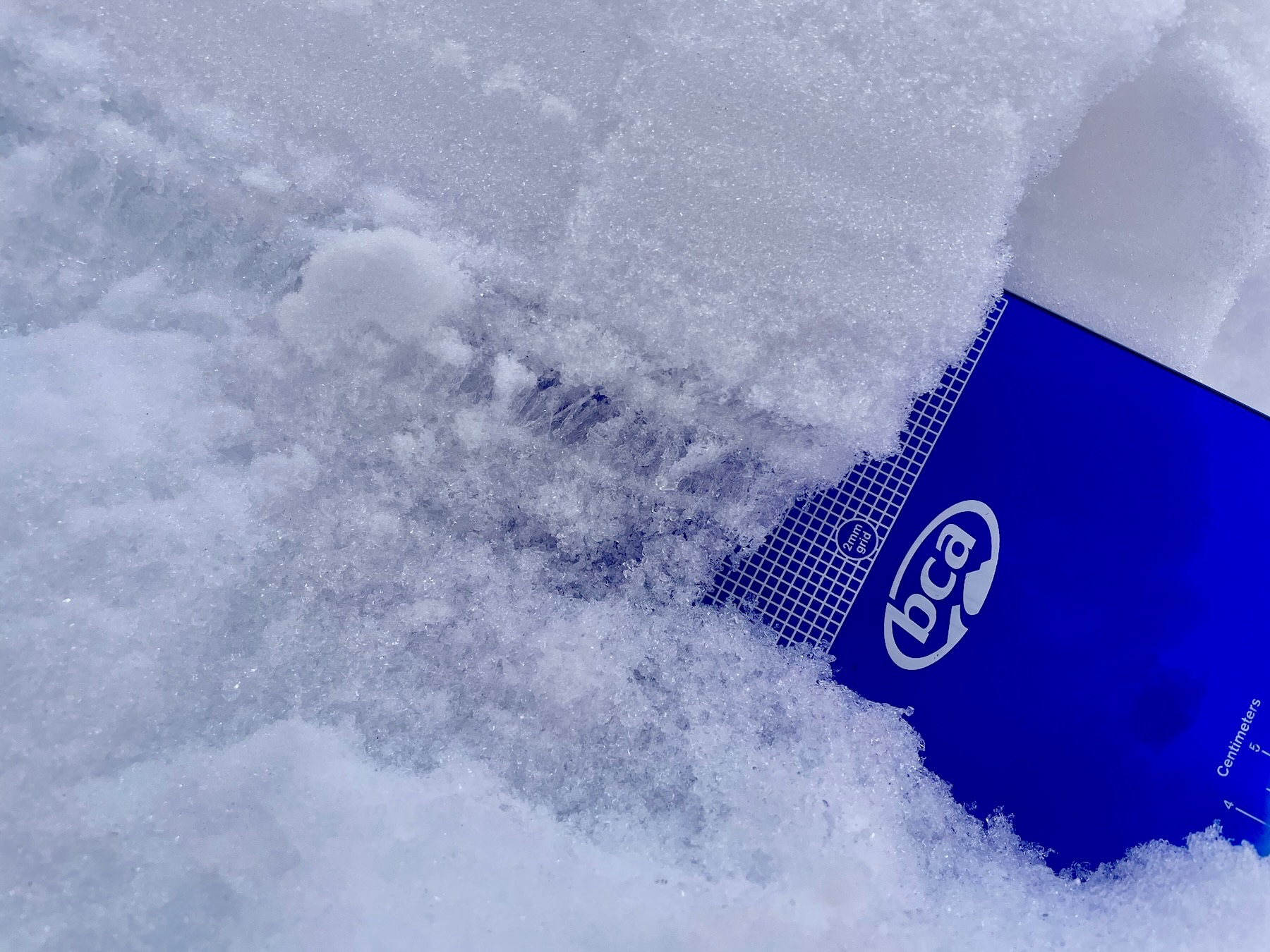
In this area, the slab above the early February weak layer is around 2 feet thick and mostly 4-finger with a small amount of 1-finger hardness snow. The early February weak layer consists of a thick layer ( a few inches thick) of 2-3mm facets capped with surface hoar. Slab hardness and depth appear to be an ideal ratio for human-triggered avalanches.
Low elevation sunny slopes have developed soft crusts from mild temperatures the past few days with roller balls present on steeper terrain.
Avalanche
- Size
- D2
- Count
- 4
- Aspect
- NE
- Trigger
- AM
- Elevation
- 12000 ft
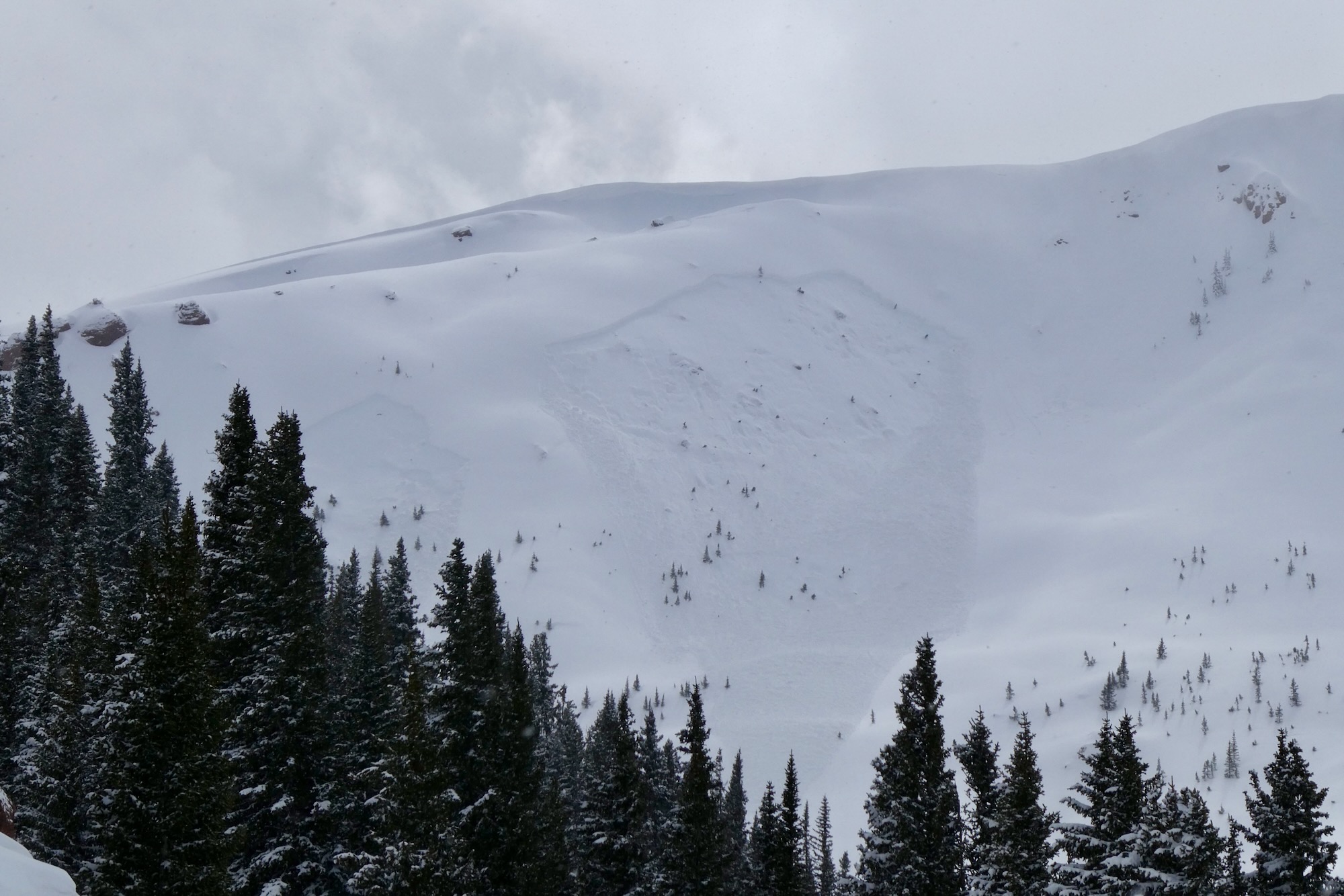
We remotely triggered 4 avalanches - 2 of these in the alpine bowl on North Double Top were on slopes that avalanched just a few weeks ago. Visibility was marginal, but we did not see any other natural activity in the area (possibly recent naturals above the ditch trail on Mount Crested Butte's east side). Less recent natural avalanche activity than expected.