Storm Slabs
- Alta montaña
- Límite del bosque
- Bajo el límite del bosque
- Probabilidad
- Likely
- Tamaño
- 1–2
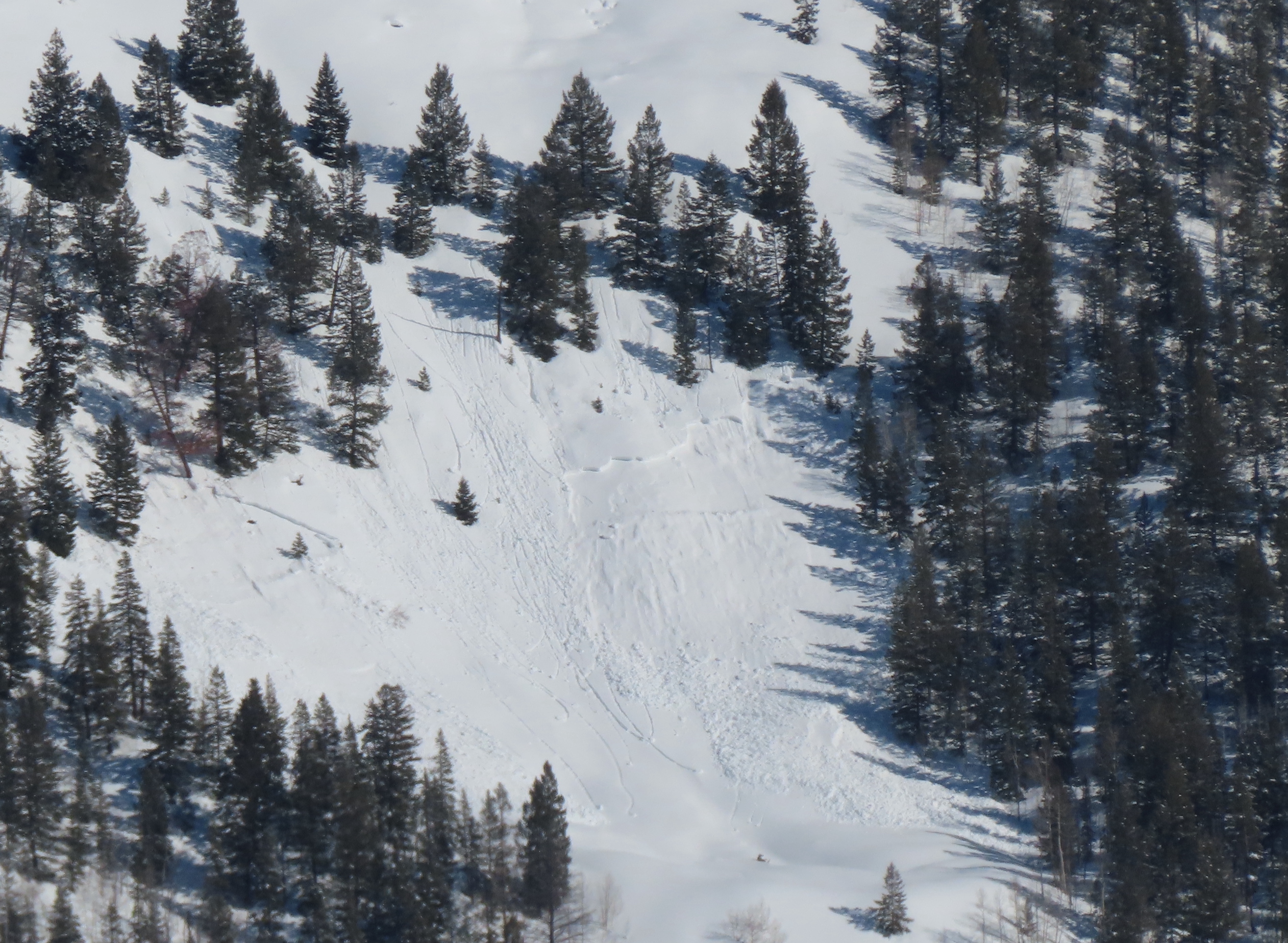
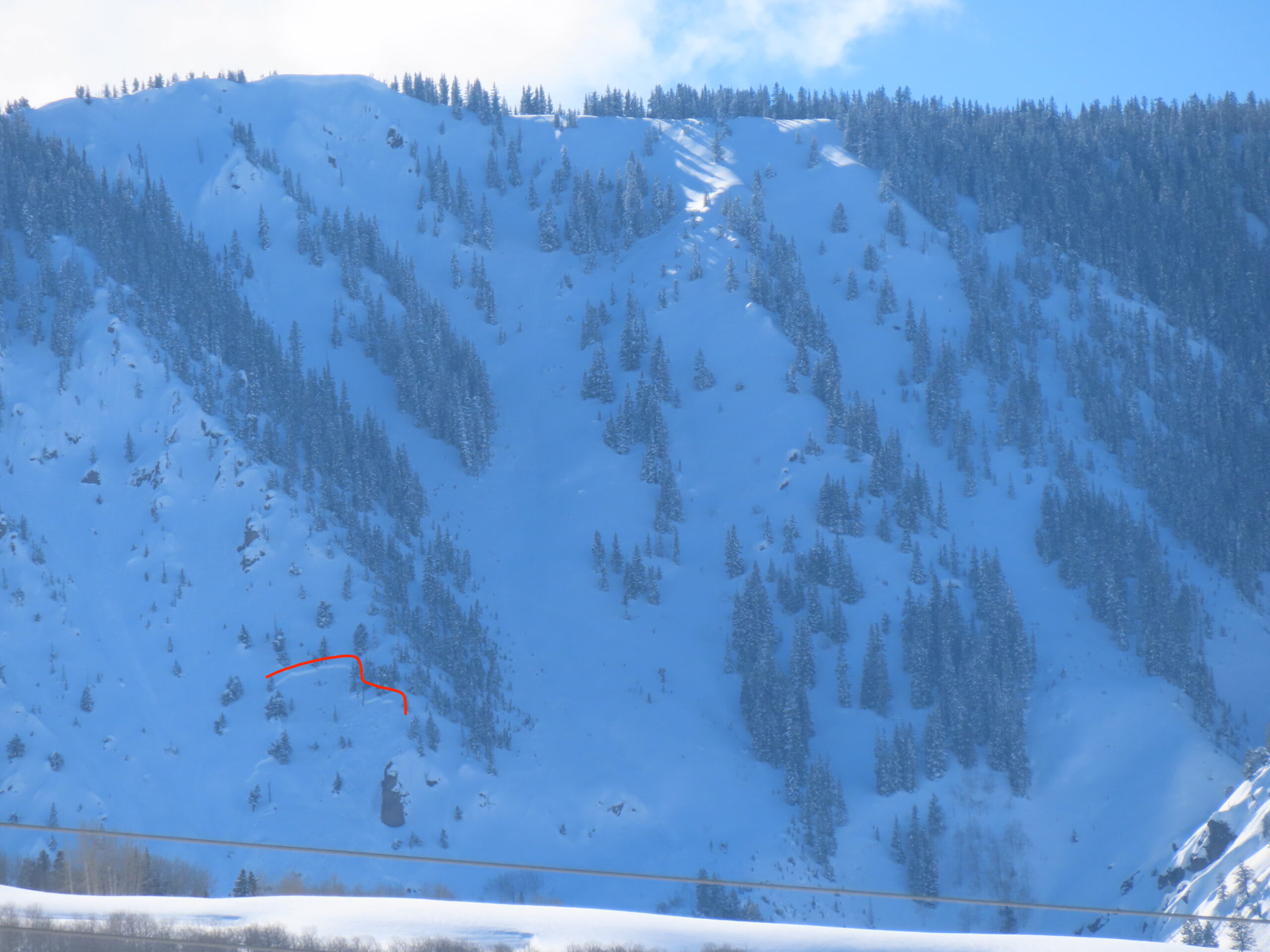
In the last 24 hours, around 6 to 10" of new snow has accumulated. This snow has come with some low water content and is looking surprisingly low-density. The potential blower conditions may be a bit deceiving. This snow is accumulating on a weak old snow surface, and once it reaches its tipping point, these soft slabs will start to exhibit persistent slab characteristics with the potential for remote triggering and wide propagation. There are collapsible crusts on easterly and westerly facing slopes and near surface facets on northerly facing slopes. Due south-facing slopes having thicker crusts and storm slabs will be slower to develop in those areas. Additionally, there is a lot of snow available for entrainment, and a triggered sluff or slab avalanche will quickly grow in size as it runs down sustained steep slopes.
Look for feedback, such as shooting cracks, on small, steep test slopes. This avalanche problem may not be reactive until you reach slope angles over 35 degrees.
Small, steep test slopes can help identify unstable Storm Slabs.