
Olympics
United States · Northwest Avalanche Center · Teil von Northwest Avalanche Center
Lagebericht ausgegeben 5 months ago · gültig bis Oct 31
Aktueller Lagebericht
Kernpunkte
Watch for signs of unstable snow such as recent avalanches, cracking in the snow, and audible collapsing. Avoid traveling on or under similar slopes.
Avalanche Discussion
2026 Spring Statement
Mountain Weather and Avalanche forecasts have ended for the 2025-26 season.
Even though it’s spring, avalanche accidents still occur in the mountains. It is your responsibility to decide when, where, and how to travel. Make sure you have the experience and skills to evaluate avalanche danger and match terrain to conditions.
Don’t overlook clear signs of danger, such as recent avalanches, shooting cracks, and rollerballs. Big changes in the weather, including fresh snow, strong winds, and prolonged or rapid warming, can also indicate unstable snow.
Springtime Avalanche Concerns:
- Avalanches frequently occur during and immediately following winter-like storms. This often results in storm and wind slab avalanche issues.
- Danger may increase quickly when sunshine returns after a snowfall, resulting in natural avalanches.
- Avalanche danger can remain elevated when prolonged spells of warm days and nights prevent the snowpack from freezing. This can result in very large and dangerous “shed-style” wet avalanches, including gouging wet loose, wet slab, glide, and/or cornice falls.
- Warm days and cool, clear nights lead to a daily freeze-thaw cycle, which typically results in smaller and more predictable loose wet avalanches.
Travel Considerations:
- If you see recent avalanches, avoid similar slopes.
- During and after a storm, be leery of slopes greater than 35 degrees, especially when you find more than 6-8” of new snow and during periods of heavy snowfall or wind drifting.
- Plan your day to minimize exposure to areas where avalanches can start, run, and stop during times of increased wet snow avalanche activity. Consider your return route and how conditions may differ on your way back to the trailhead.
- Cornices fall, and snow can shed from steep rocks. Limit or avoid spending time under these hazards.
- During longer stretches of warm sunny weather, avalanche danger is often lowest in the morning and increases through the day.
- Creeks, crevasses, and buried rocks/cliff features become more dangerous as the snowpack weakens and melts out around them. Use caution where these hazards exist, and pay attention to what is below you in the event of a slip and fall in steep, snow-covered terrain.
You can help your backcountry community by continuing to submit observations of avalanches, snow, and pertinent weather to our site.
NWAC will continue to track snow and weather conditions through the spring. Large storms and/or widespread avalanche cycles may cause us to issue special avalanche bulletins, avalanche warnings, or other spring statements.
Have a fun and safe spring recreating in the mountains!
Contact Information:
NWAC forecast staff will be available intermittently during the spring and summer. You can reach us at:
Email: [email protected]
Mail: Northwest Avalanche Center
7600 Sandpoint Way NE
Seattle, Washington 98115
Verlauf der Lageberichte
Aktuelle Beobachtungen
Alle Beobachtungen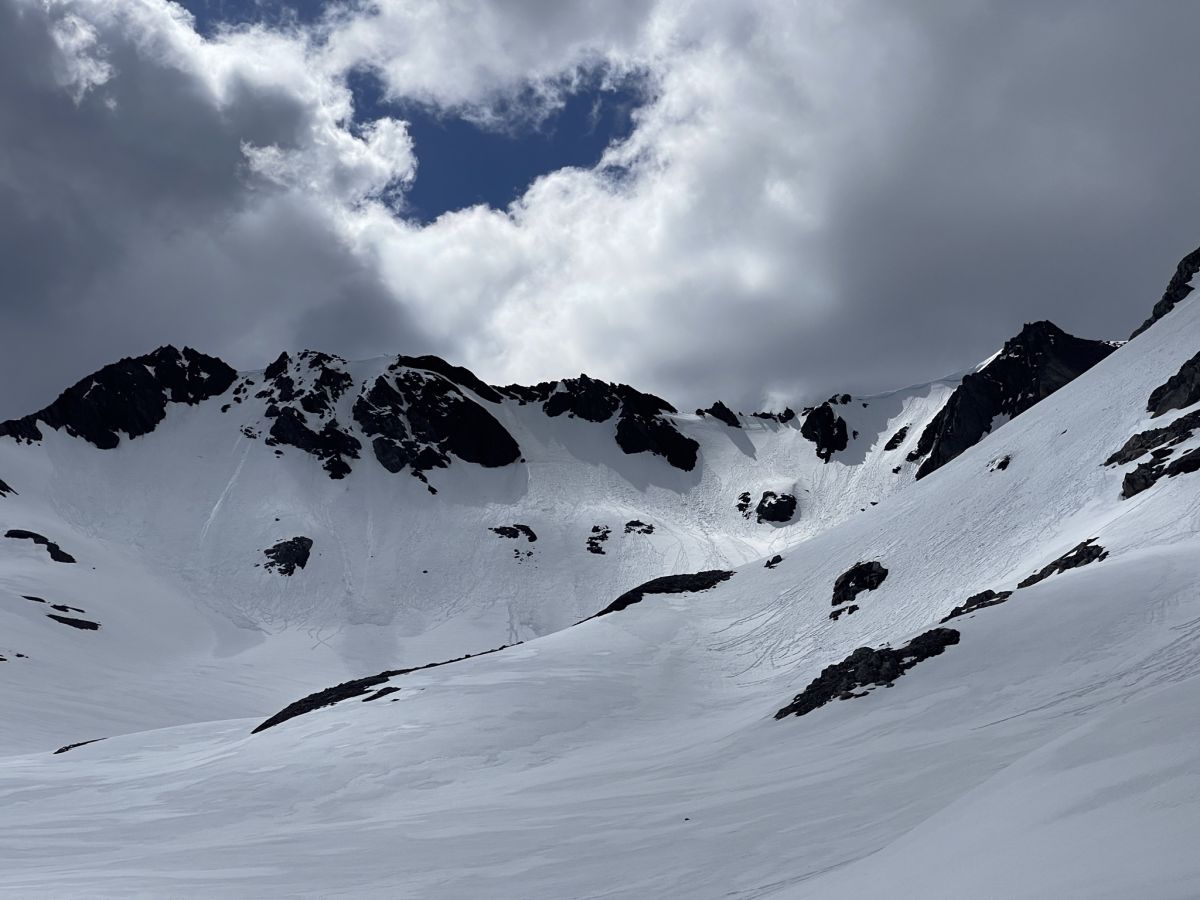
Royal BasinKurzbericht
Kurzbericht5 months agoJeff Schmaus3
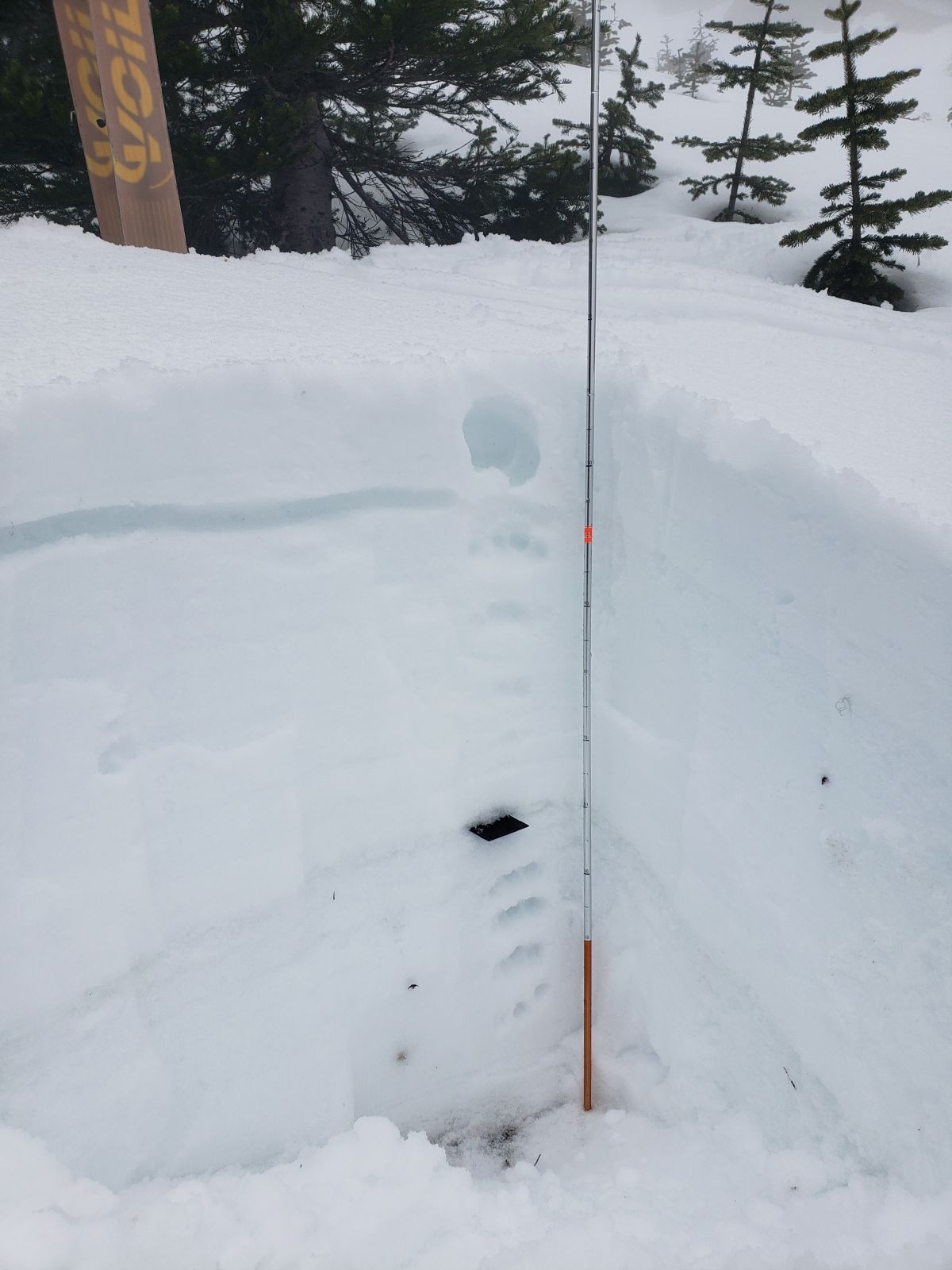
Mount TownsendKurzbericht
Kurzbericht5 months agoOlivier Matthon4
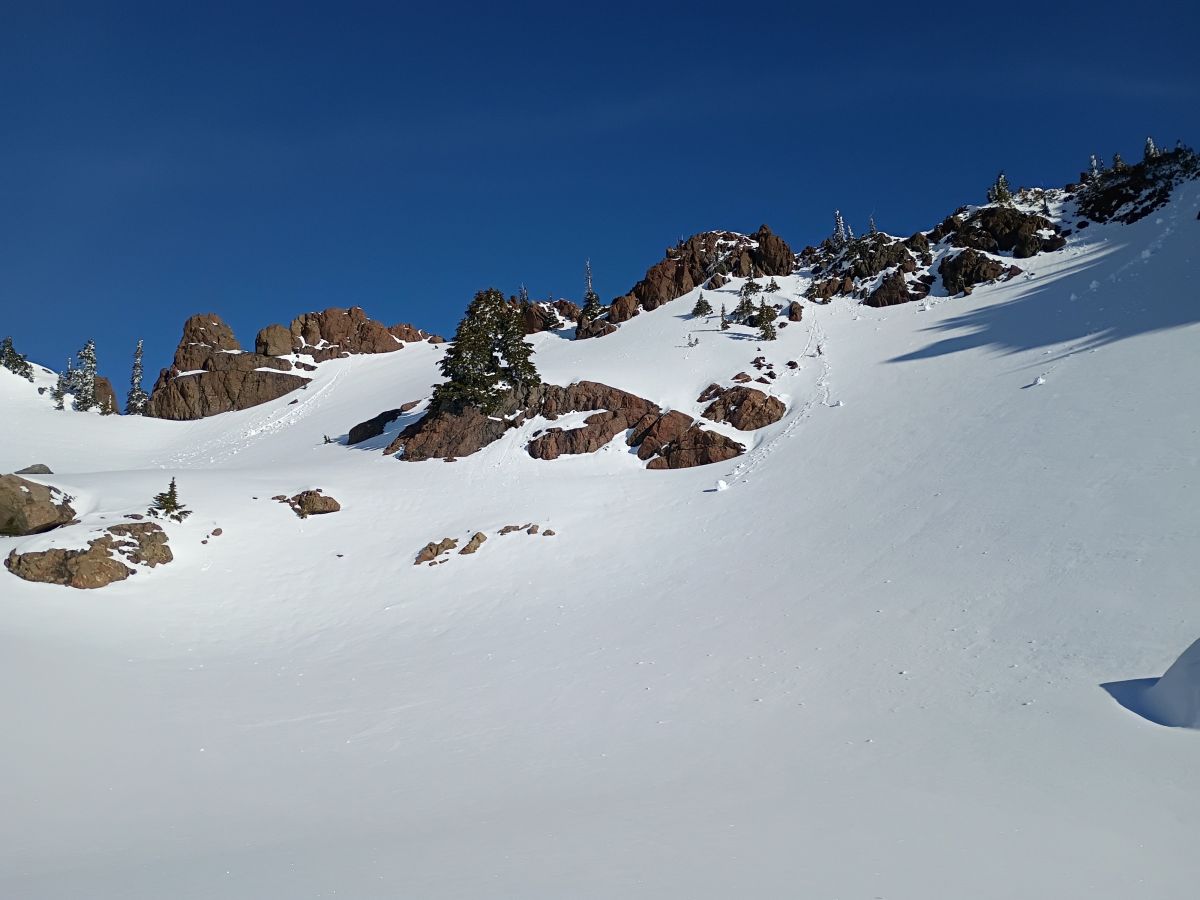
Mount EllinorKurzbericht
Kurzbericht5 months agoAvalanche.org observer3
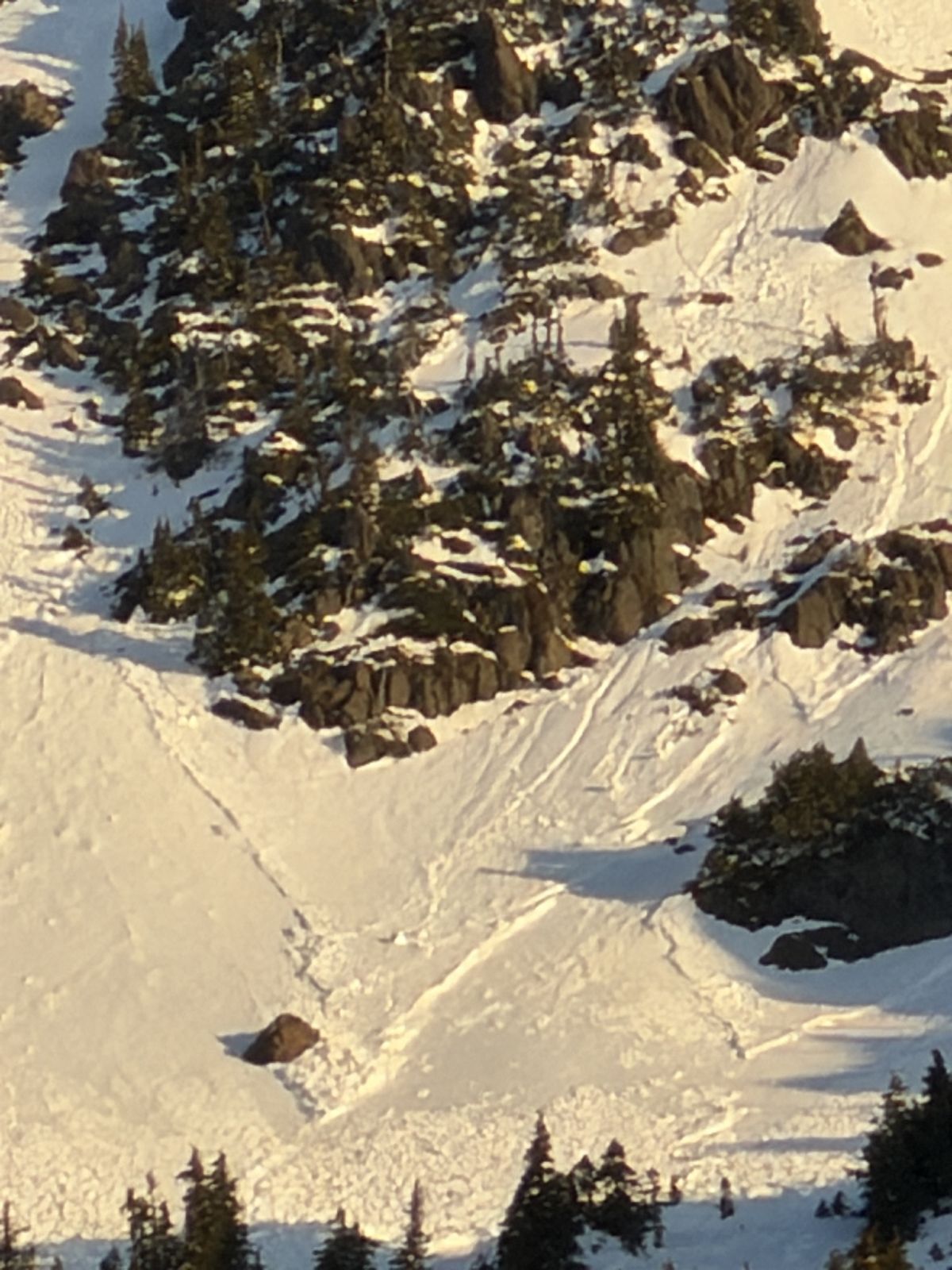
Mt Ellinor Winter RouteLawine
Lawine5 months agoJacob Haag2
Mt. EllinorKurzbericht
Kurzbericht6 months agoAvalanche.org observer2