
Quick report
- Cracking
- isolated
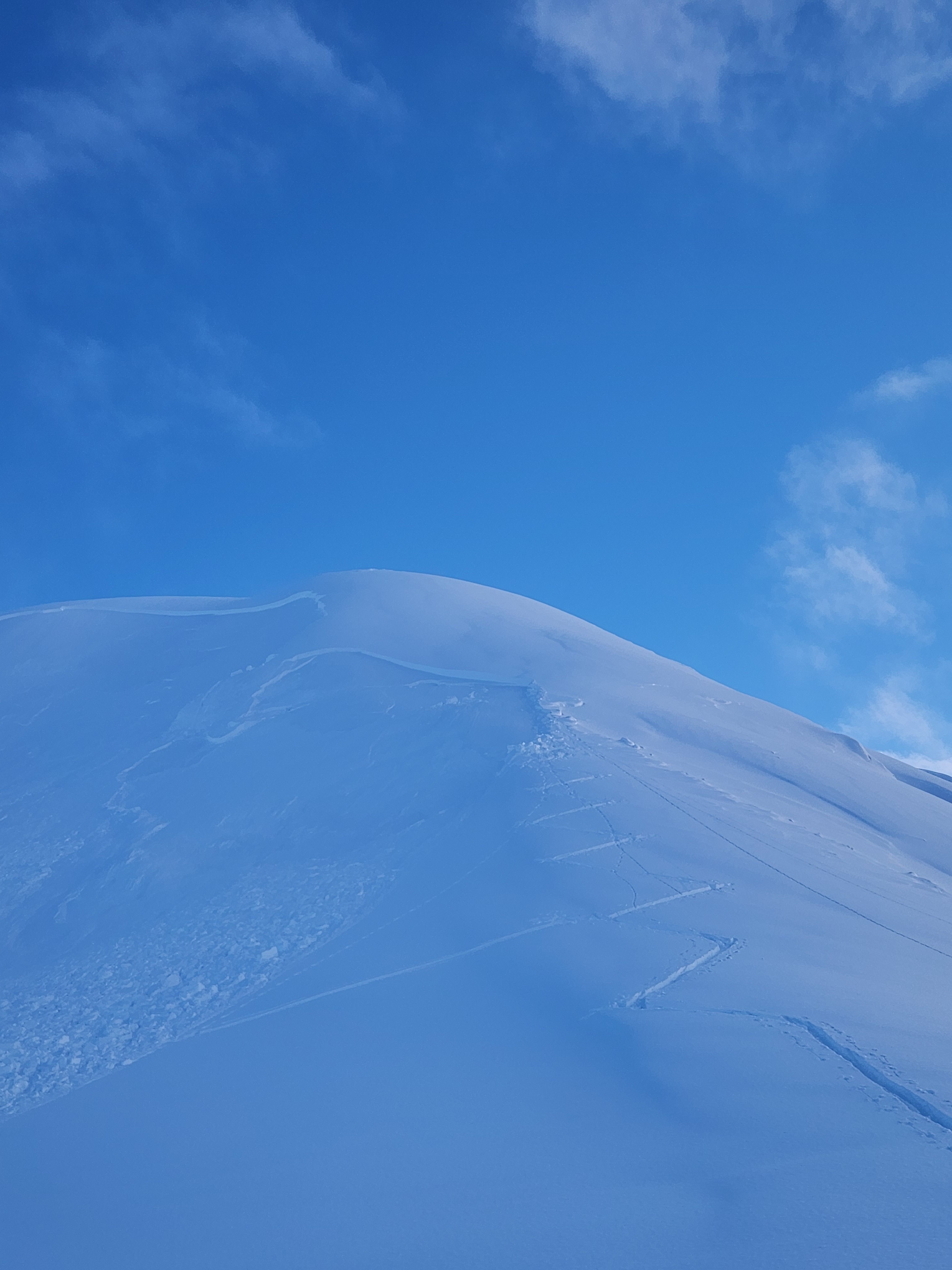
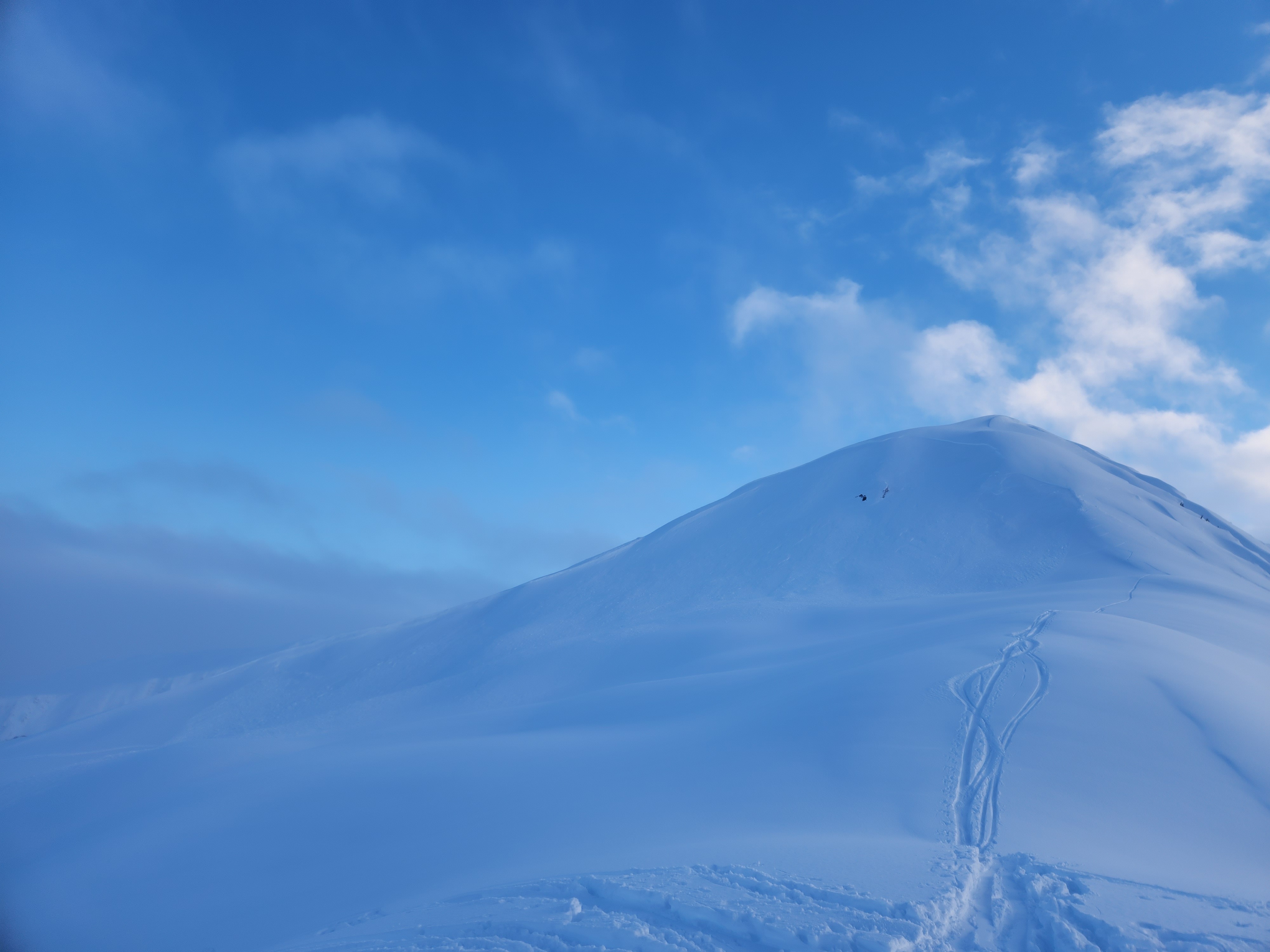
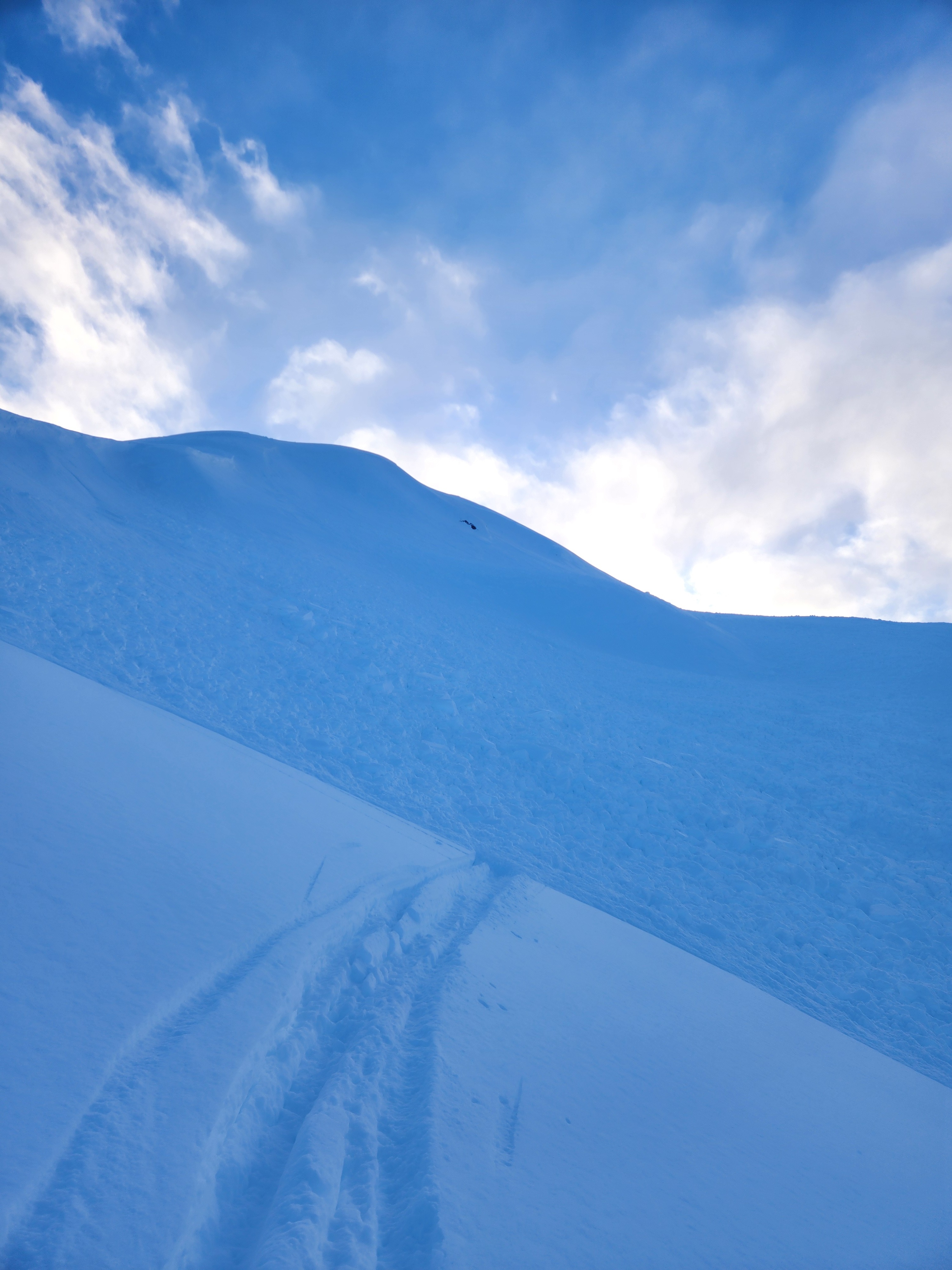
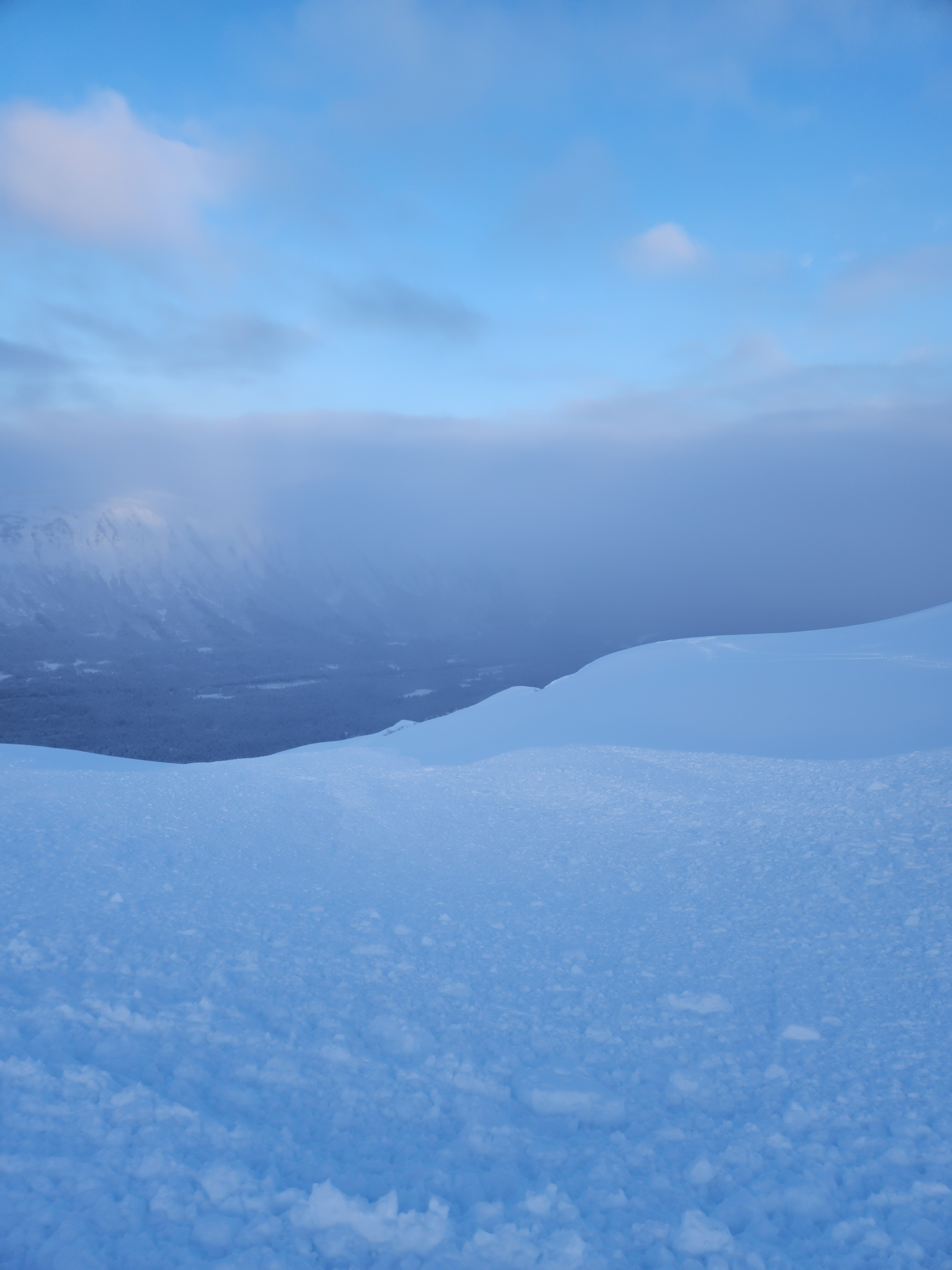
Today at approximately 1215, while traversing below the northwestern bowl on Eddie’s, an avalanche was remotely triggered that took out the entire northwestern aspect from the summit. The slab was approximately 18 inches deep. From the crown to the furthest extent of the debris field, the avalanche ran approximately 0.25 mile and spanned a width of roughly 900 feet across the slope. I skied Eddie’s on the 7th with a different partner after last week’s storm. We encountered multiple whumpfs while setting the skin track, but no shooting cracks, and we were unable to trigger test slopes. We completed two laps without incident.
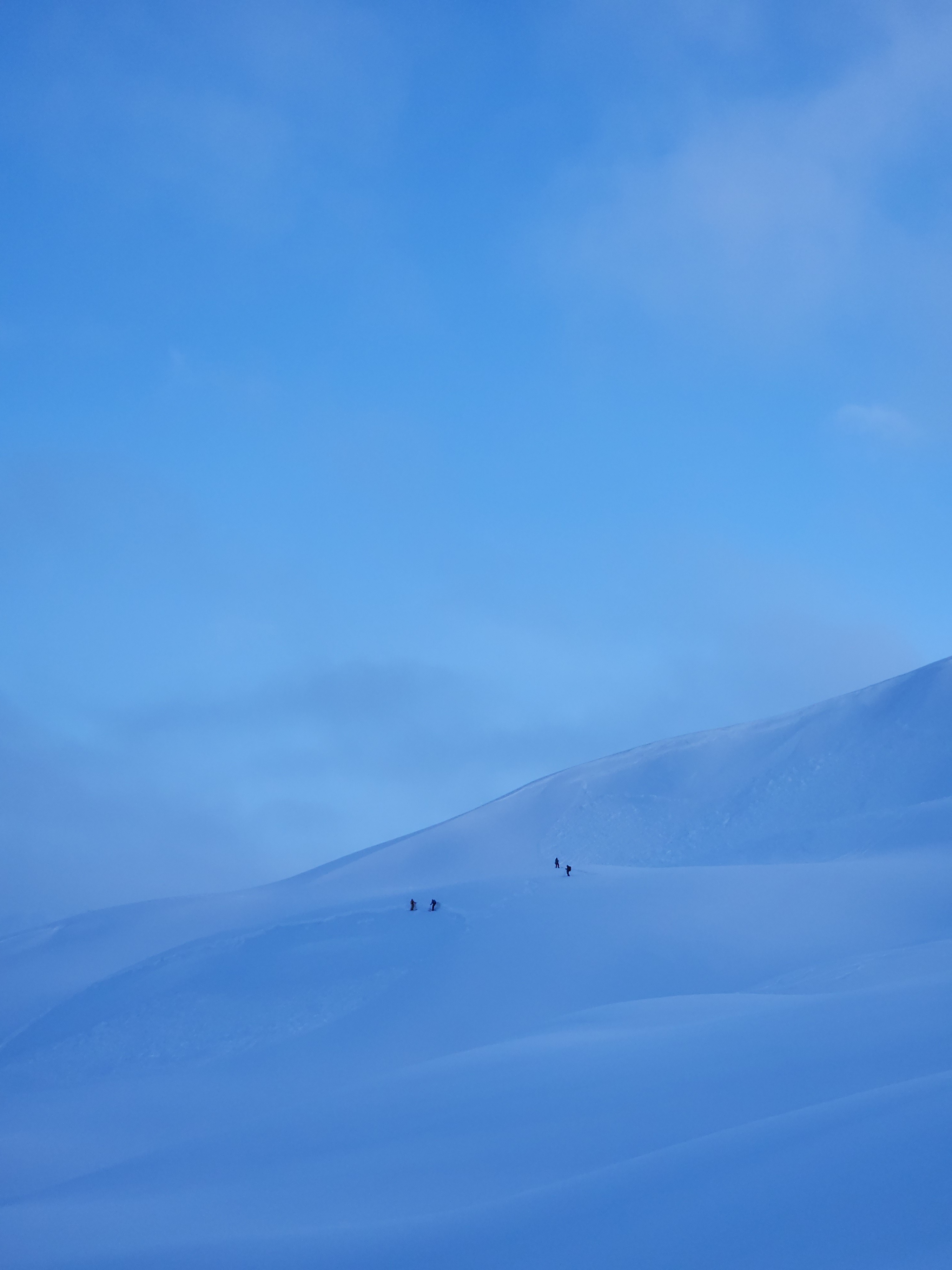
Today, 1/11/16, we started early and were the first two on the hill. After completing a lap on the lower terrain and encountering no signs of instability, we decided to attempt the summit. My travel partner was setting the skin track on the ridge that is looker’s right of the bowl. About one-third of the way up, he encountered a shooting crack on a patch of wind slab. We decided to abandon that track and traverse to the adjacent ridge *on skis without skins* to see if conditions were more favorable. I was much lower, still at the base of the ridge, and opted to begin the traverse first. I was moving slowly due to the shallow angle of the terrain beneath the bowl. When I was about two-thirds of the way across, my travel partner—moving faster due to a steeper traverse angle—caught up to and passed me. As we were nearing the adjacent ridge, he looked back and told me to look out (after everything had settled, he told me he had felt a whumpf under him and, when he looked back, saw the avalanche release). I never heard or felt the whumpf he experienced. By the time I looked up, the initial slide—at least 600 feet away near where we had begun our traverse—was already underway, but I was able to observe a secondary release directly above us. I should caveat that this was my perspective. There were two other groups on the main skin track who witnessed the avalanche and may have had a clearer view of the sequence of events. From my viewpoint, it appeared that two separate slabs released slightly apart from one another that then combined into a single large avalanche. I would be very interested to hear how it appeared to other observers. Fortunately, I had enough momentum to escape the avalanche path and was able to watch it run past from a safe position.
Needless to say, it was a close call. Had I been moving slower, or been even 50 feet farther back, I likely would have been caught. After discussing how to continue, I convinced my travel partner that it was best to backtrack across the debris field, as this seemed to me to be safer than gambling on the rollers we would have needed to cross to get back to the main skin track. As a side note, a third, smaller avalanche was triggered on the backside of a roller and was mostly enveloped by the main slide. After we returned to the main skin track, a group of four ventured out to the top of the roller to inspect the snowpack. Hopefully they will post a report as well. I do regret not digging a pit for the sake of closure. Lessons learned: If in doubt, give questionable terrain an exceptionally wide berth. We underestimated how far an avalanche would run if we triggered one! Be explicit in communication—when staggering travel, ensure that spacing is maintained. Do not pass up opportunities to investigate conditions after getting lucky. Signs of instability: Shooting crack Amount of new snow / total snow: 6–8 inches of light powder Weather observations: 10°F, clear skies, no wind Snowpack test results: N/A Travel style: Moderately aggressive Overall impression of stability: Seemed very stable below 2200 feet, but clearly very unstable above 2200 feet on terrain that had not been skied in some time